15 Everyday Foods That Can Hinder Your Aging Gracefully

As we focus on aging with vitality and health, what we put on our plates can make a big difference. Some everyday foods may be convenient or comforting, but they can also contribute to inflammation, metabolic stress, or other effects that work against long-term health. Recognizing and reducing these foods in your diet can help protect your body — from your heart and metabolism to your skin and energy levels — as the years go by.
Frozen Meals: High-Sodium Hazards

Frozen convenience meals can be lifesavers on busy days, but many of them rely on salt as a preservative and flavor enhancer. High sodium can contribute to elevated blood pressure, fluid retention, and long-term cardiovascular strain — factors that undermine healthy aging. Reading labels carefully and boosting these meals with fresh vegetables or herbs adds fiber and micronutrients while lowering overall salt content.
High-Mercury Fish: A Health Alert

Certain large predatory fish like swordfish, king mackerel, and tilefish are higher in mercury, a heavy metal that can harm neurological and cardiovascular health over time. Mercury exposure is linked to impaired nerve function and other health concerns, especially with frequent consumption. Choosing lower-mercury fish such as salmon, sardines, trout, or pollock gives you the benefits of healthy omega-3 fats without the same risk, supporting brain health and reducing inflammation as part of a balanced diet.
Sugary Cereals: The Morning Sugar Rush

Many mass-market breakfast cereals look enticing with bright colors and fun shapes, but they can hide surprisingly high amounts of added sugar. These sugars can cause rapid spikes and crashes in blood glucose, leaving you feeling hungry, fatigued, or foggy soon after eating. Over time, this up-and-down blood sugar pattern may affect energy, weight management, and even the health of your skin and organs. Swapping sugary cereals for whole-grain oats or homemade muesli sweetened with fruit or honey gives you slow-release energy and nutrients that support steadier blood sugar and sustained focus throughout the morning.
Margarine’s Hidden Trans Fat Dangers

Margarine was once marketed as a “healthier” alternative to butter, but many varieties contain trans fats — artificial fats linked to inflammation and a higher risk of heart disease. Inflammation plays a significant role in aging, and foods that contribute to it can accelerate signs such as stiffness, cardiovascular strain, and more. Choosing spreads made with healthful fats like olive oil or mashed avocado not only supports heart health but also brings in beneficial nutrients like monounsaturated fats and antioxidants.
Sodas: A Sugar and Acid Cocktail

Sodas combine high amounts of added sugar with acidity that can erode tooth enamel and stress metabolism. Frequent soda consumption can also contribute to insulin resistance and increased inflammation over time, both of which are linked to faster biological aging. Instead of reaching for sugary fizzy drinks, water infused with citrus or berries and herbal teas provide hydration alongside flavor, antioxidants, and a gentler impact on blood sugar and dental health.
Salty Processed Meats: A Sodium Trap

Processed meats like bacon, sausage, hot dogs, and deli slices are delicious additions to many meals, but they’re often packed with salt. Too much sodium can lead to water retention, higher blood pressure, and increased strain on your cardiovascular system, which are all factors that can accelerate aging and health decline. Choosing lean, unprocessed proteins or plant-based alternatives allows you to control the sodium in your meals while still enjoying satisfying flavors and textures, plus you’ll often get more nutrients and fewer preservatives.
Excessive Alcohol: Dehydration and Liver Strain

While moderate alcohol intake may be acceptable for some individuals, overconsumption can increase dehydration, disrupt sleep, and burden liver function — all of which can accelerate visible and internal signs of aging. Alcohol also interferes with nutrient absorption, which can impact skin, immune health, and energy levels. If you choose to drink, keeping portions moderate and balancing with water and nutrient-rich meals helps support liver detoxification and overall resilience.
White Bread and Refined Grains: Missing Fiber, Missing Benefits

White bread and other refined grain products lack the fiber, nutrients, and antioxidants found in whole grains. Without fiber, digestion is slower and blood sugar can fluctuate more dramatically after eating, which may impact energy, insulin sensitivity, and even skin health. Choosing whole-grain or sprouted bread, brown rice, or whole-wheat pasta provides more fiber, vitamins, and minerals, supporting digestion, steady energy, and metabolic health as you age.
Grapefruit’s Medication Interference
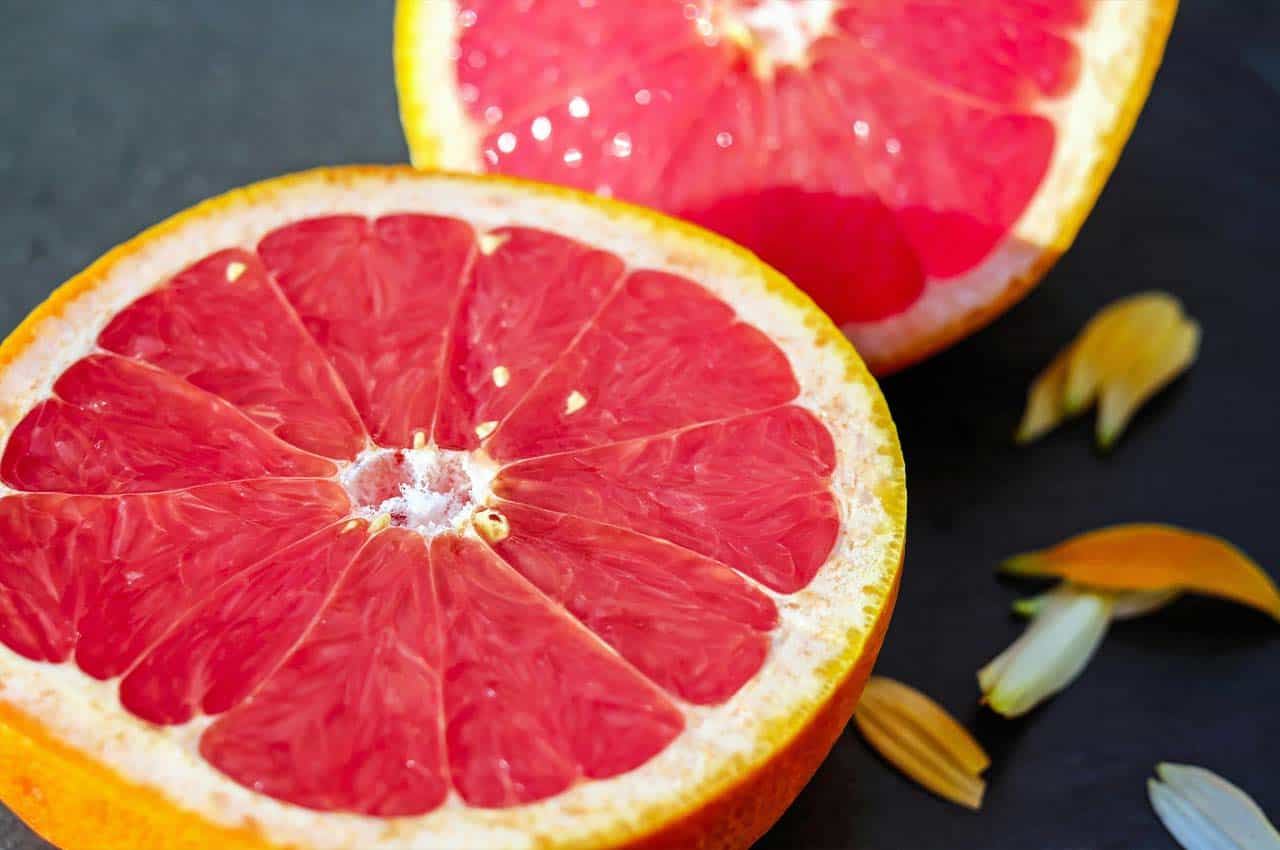
Some foods may affect how medications work, and grapefruit is one of the most notable examples — especially for people taking drugs that rely on liver enzymes for processing. Grapefruit and its juice can interact with certain medications, lowering their effectiveness or increasing side effects. While grapefruit is nutritious on its own, it’s important to talk with a healthcare provider if you’re on medications that could be affected so you can make safe choices and protect your overall health.
Uncooked Eggs and Raw Seafood: Food Safety Risks

Raw or undercooked eggs and seafood carry a higher risk of food-borne illnesses like salmonella or Vibrio, which can compromise immunity and overall health. As immune function naturally declines with age, minimizing exposure to harmful bacteria becomes even more important. Ensuring that eggs are fully cooked and choosing sushi-grade seafood from reputable sources reduces risk and supports a stronger immune response, helping keep your system robust.
Charred Meats: The Carcinogen Concern

Cooking meats at very high temperatures — like barbecuing until pieces get blackened — can produce compounds such as heterocyclic amines (HCAs) and polycyclic aromatic hydrocarbons (PAHs), which have been associated with increased cancer risk. While occasional grilled food is fine, using gentler methods like roasting, steaming, or marinating before grilling can reduce the formation of these compounds. Pairing lean proteins with plenty of vegetables supports both flavor and longevity.
Caffeine Overload: Energy or Anxiety?

Caffeine in moderation can boost alertness, but too much — especially later in the day — may disrupt sleep patterns and increase anxiety, both of which can affect overall health over time. Sleep quality is a cornerstone of aging well, and anything that interferes with deep, restorative rest can impact hormone balance, mood, and cellular repair. Consider balancing your caffeine intake by opting for herbal teas, green tea, or water when possible, and be mindful of hidden caffeine sources in sodas and chocolate.
Fast Food Fats: Burgers and Fries
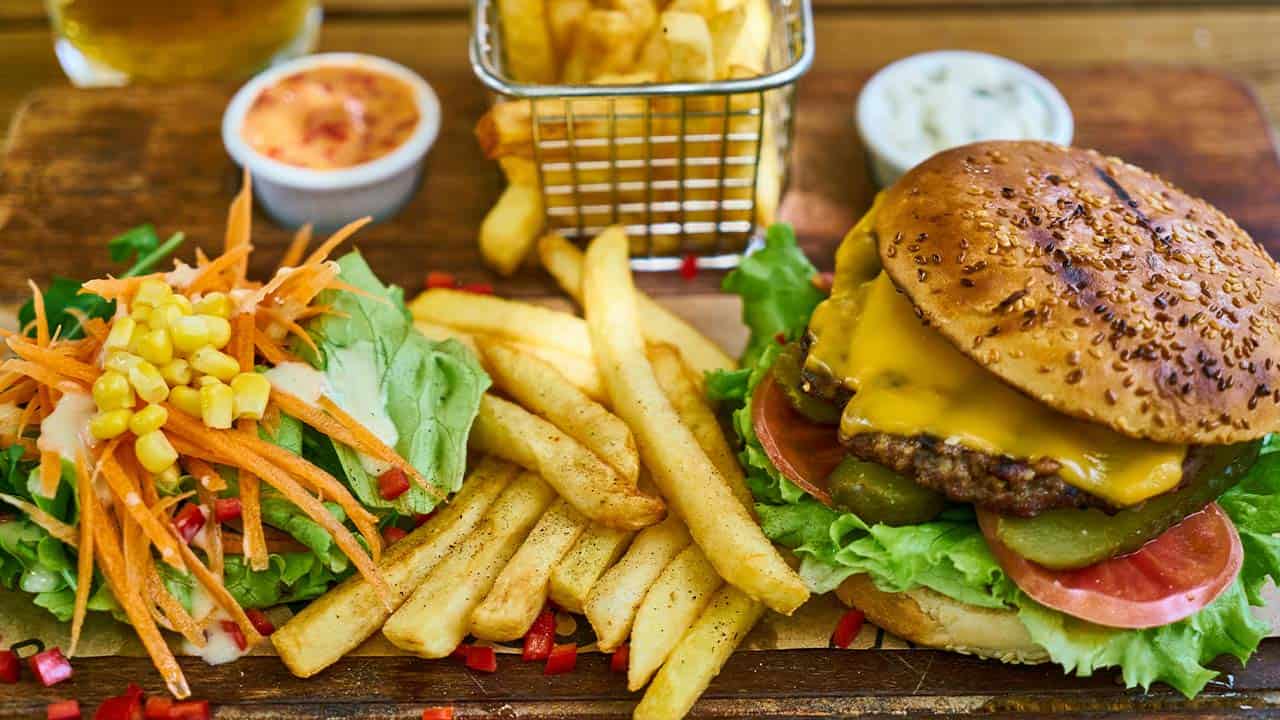
Fast food meals are convenient but often laden with unhealthy saturated and trans fats, high sodium, and refined carbs — all factors linked with inflammation and long-term metabolic stress. Regularly consuming these foods may contribute to weight gain, insulin resistance, and cardiovascular strain, which don’t align with aging in good health. Making homemade versions with lean meats, whole grains, and fresh veggies lets you enjoy familiar flavors with far more nourishment.
Spicy Foods and Reflux Trouble

For some people, intensely spicy foods can trigger or worsen acid reflux or digestive discomfort. While not harmful for everyone, chronic reflux can lead to irritation of the esophagus and discomfort that affects quality of life. If spicy foods cause trouble, pairing them with cooling ingredients like yogurt or choosing milder flavor profiles can keep meals enjoyable without irritation.
High-Mercury Fish: A Health Alert
Certain large predatory fish like swordfish, king mackerel, and tilefish are higher in mercury, a heavy metal that can harm neurological and cardiovascular health over time. Mercury exposure is linked to impaired nerve function and other health concerns, especially with frequent consumption. Choosing lower-mercury fish such as salmon, sardines, trout, or pollock gives you the benefits of healthy omega-3 fats without the same risk, supporting brain health and reducing inflammation as part of a balanced diet.