Elevate Your Nutrition with These 10 Flavonoid Foods

Flavonoids are plant compounds found in many vegetables, fruits, grains, and even chocolate and wine that act as antioxidants and may help support long-term health. Including foods rich in flavonoids in your meals delivers flavor as well as phytonutrients that contribute to cellular protection and reduced inflammation, making them a smart choice for everyday eating. Here’s how you can incorporate these ten powerful flavonoid sources into your diet in delicious, practical ways.
Red Wine: A Sip With Potential Benefits

Red wine contains flavonoids like resveratrol and other polyphenols that have been linked with cardiovascular and metabolic health when consumed in moderation. Using red wine as a cooking ingredient — such as adding it to sauces, deglazing pans, or pairing it with hearty meals like mushrooms or lean meats — lets you enjoy its depth of flavor while harnessing its flavonoid content. Just be mindful of portion size and alcohol content to keep it health-forward.
Onions: Everyday Flavor With Antioxidants
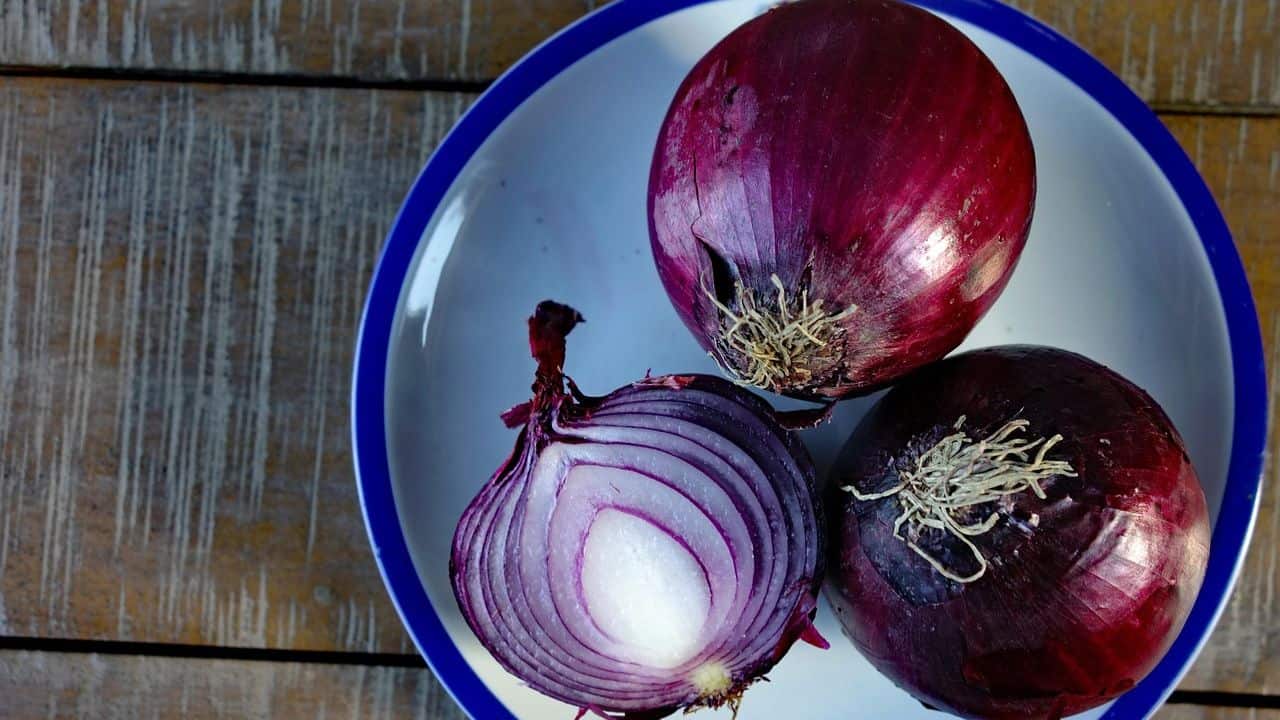
Onions are rich in quercetin, a type of flavonoid associated with antioxidant and anti-inflammatory benefits. They’re incredibly versatile, whether you’re sautéing them for depth in soups and stir-fries or eating them raw in salads for a sharp, bright bite. Exploring different onion varieties — like sweet yellow, red, or white — adds complexity to your dishes while boosting flavonoid intake in simple, flavorful ways.
Citrus Fruits: Bright, Tangy, and Nutritious

Citrus fruits such as oranges, lemons, and grapefruits offer flavonoids like hesperidin and flavanones, which can support antioxidant activity and immune health. Their vibrant zest and juice elevate both sweet and savory dishes — add zest to salad dressings, squeeze citrus over roasted vegetables, or enjoy a fresh wedge alongside meals. Using both zest and segments gets more flavonoids and adds natural brightness to your plate.
Dark Chocolate: Flavonoids in a Sweet Treat

Dark chocolate that’s at least 70% cacao is rich in flavonoids such as epicatechin, which research ties to cardiovascular benefits and antioxidant effects. Enjoy a small square on its own, grate it over fruit or yogurt, or melt it into dessert batters for richer, deeper cocoa flavor. Choosing high-cacao chocolate keeps sugar lower and lets the plant compounds shine — a sweet way to boost your flavonoid intake.
Berries: Colorful and Nutrient-Dense


 / pixabay
Berries including blueberries, strawberries, and blackberries are among the most famous flavonoid-rich foods, packed with anthocyanins that give them vibrant color and potent antioxidant power. Fresh berries make a great addition to breakfast bowls or salads, and frozen berries work beautifully in smoothies or baked goods. Their juicy sweetness also brings natural flavor while helping protect cells from oxidative stress.
Tea: Brew Up Antioxidant Support

Tea — whether black, green, or white — is a concentrated source of flavonoids, especially flavanols, that are linked with heart and brain health. Brewing tea properly (steeping for several minutes without boiling excessively) preserves its beneficial compounds. Add lemon or mint for extra zing, and consider loose-leaf varieties for a more pronounced flavor. Enjoy tea as a warm daily ritual that supports both hydration and flavonoid intake.
Whole Wheat: Grain With Benefits
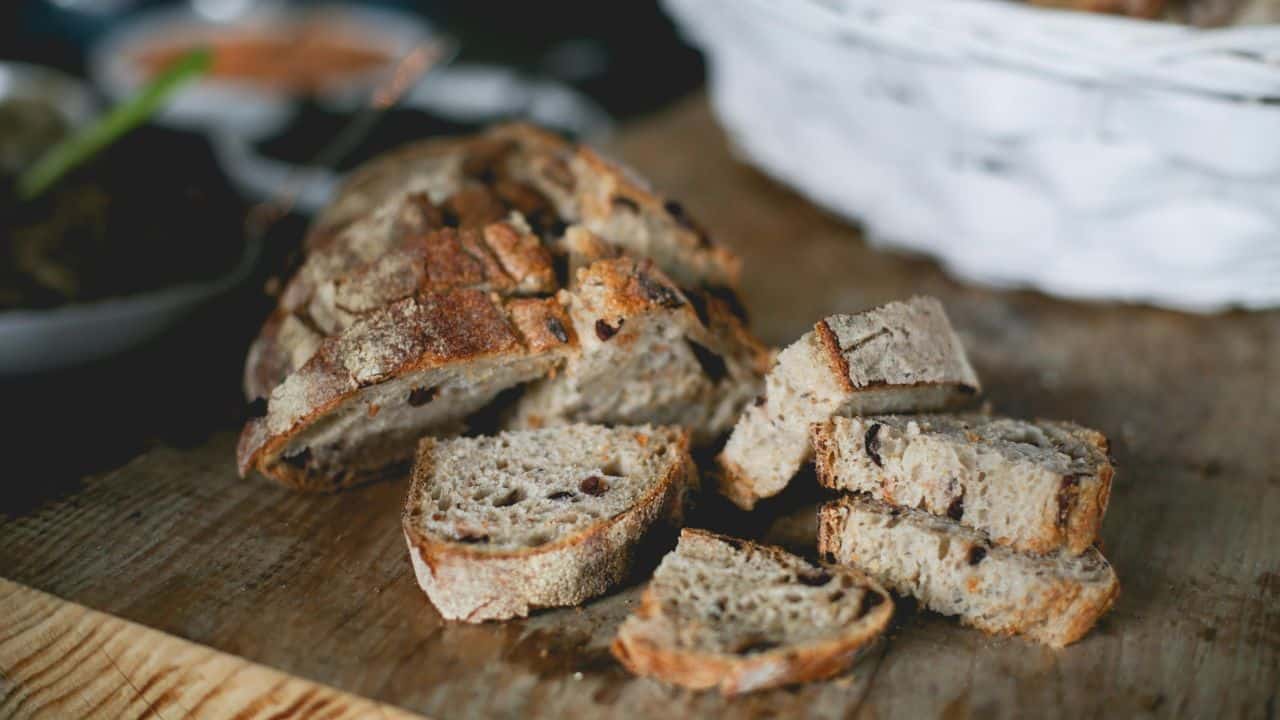
Whole wheat products such as bread, pasta, and cereals contain flavonoids and other antioxidants that get lost in refined versions. Choosing whole grain options means you’re also getting fiber, B vitamins, and minerals — so swapping whole wheat for refined flour is an easy way to boost nutrients across meals. Use whole grain bread for sandwiches, hearty whole wheat pasta for comforting dinners, or whole grain toast as a base for smoothies and savory toppings.
Legumes: Versatile and Flavonoid-Rich
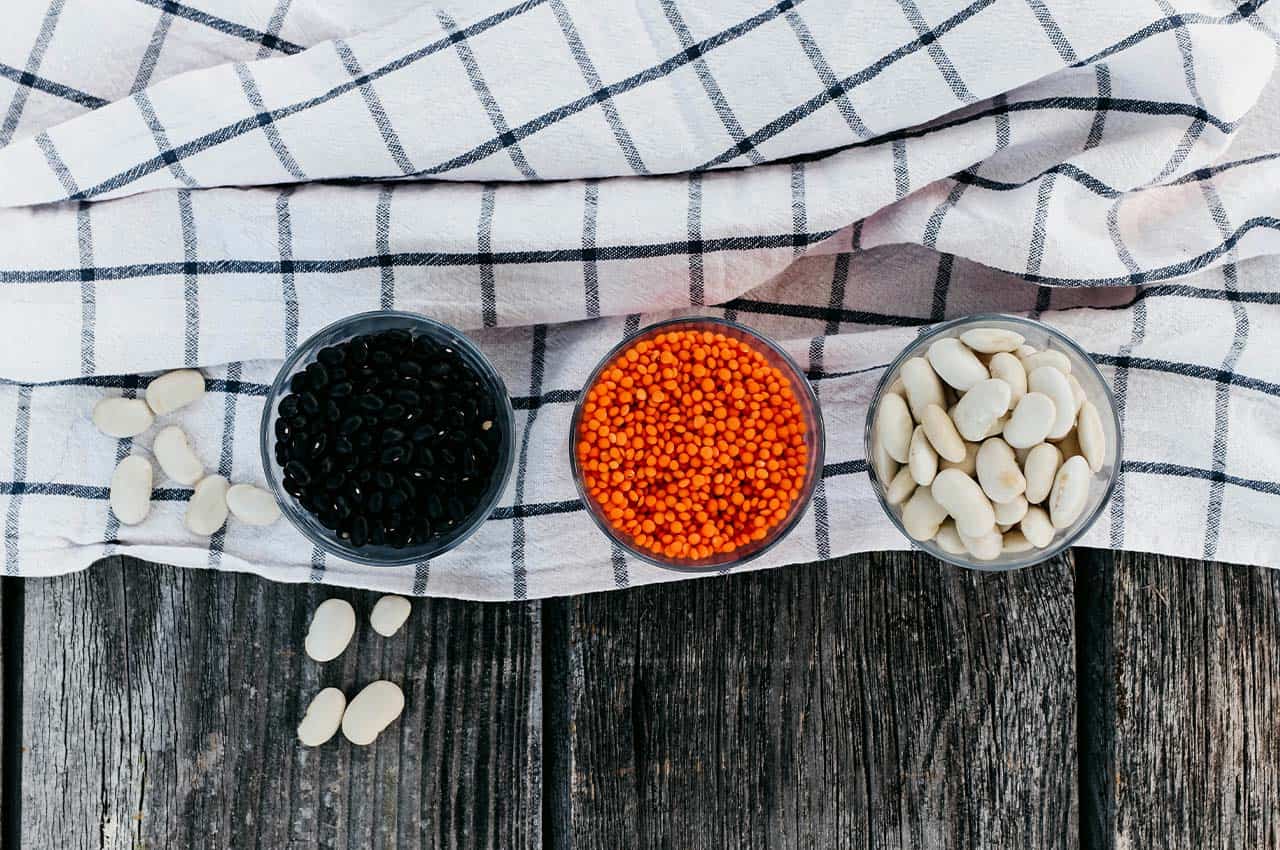
Legumes like beans and lentils are not only rich in fiber and plant protein but also contain flavonoids and phenolic compounds that support overall nutritional balance. Soak dried beans overnight to make them easier to cook and digest, then fold them into soups, salads, or stews for substance and heartiness. Lentils also cook quickly and pair beautifully with herbs and citrus for extra flavor and health value.
Extra Virgin Olive Oil: Healthy Fats and Phytonutrients
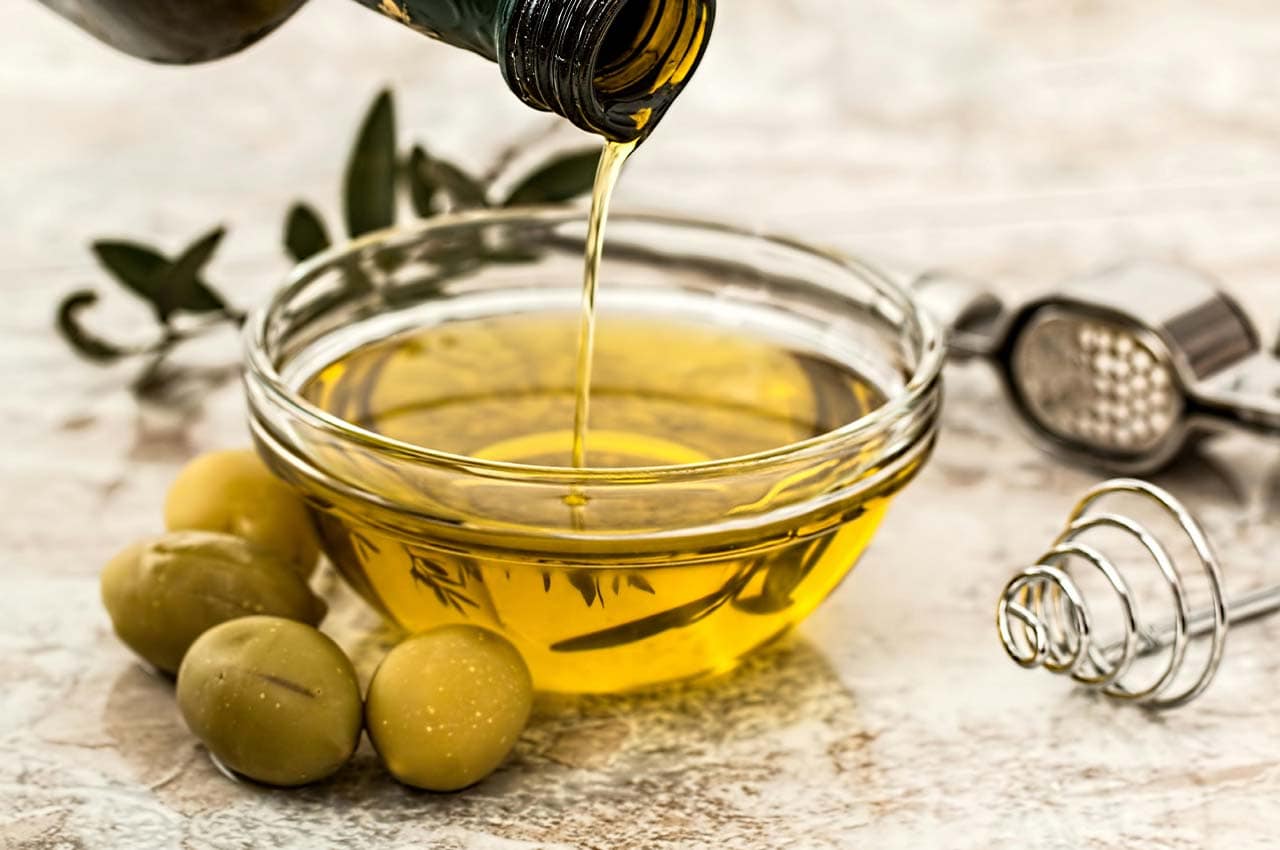
Extra virgin olive oil is celebrated for its heart-healthy fats and array of plant compounds, including flavonoids. Use it as a base for dressings, drizzle it over cooked vegetables, or finish dishes with a splash for aromatic richness. To maintain its delicate nutrients, avoid high-heat cooking and instead use olive oil for light sautéing or finishing touches that bring flavor and health benefits together.
Seeds: Tiny Powerhouses of Nutrition
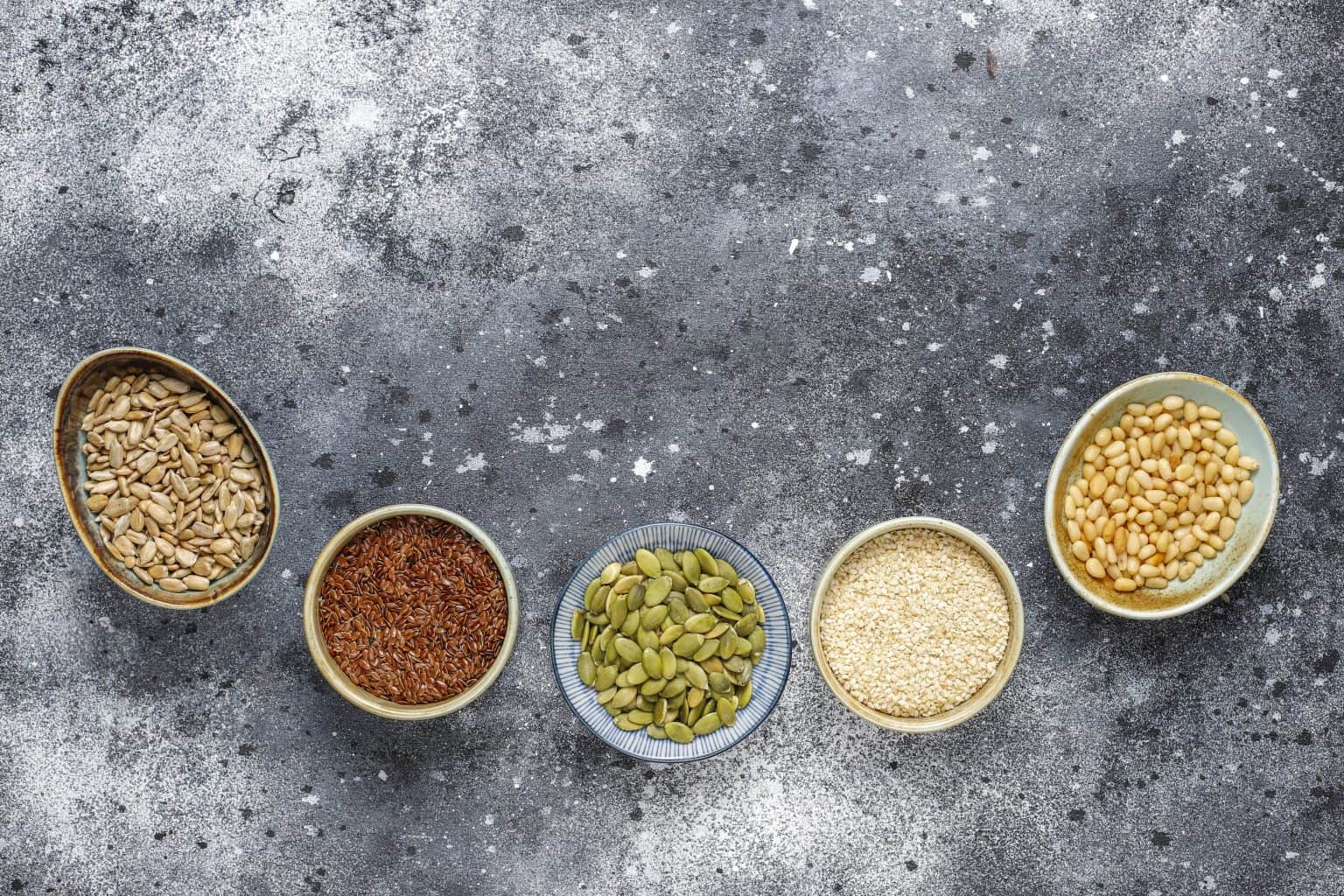
Seeds like chia, flax, and sunflower are small but packed with flavonoids, fiber, and healthy fats. Grinding flax seeds helps release their nutrients more effectively, while a quick dry toast of sunflower seeds enhances their nutty flavor. Sprinkle seeds on salads, yogurt, baked goods, or breakfast bowls to add texture and a nutrition boost — an easy and versatile way to enhance every meal.