
8 Grocery Staples Loved Overseas but Widely Hated in the U.S.

What people grow up eating shapes what feels comforting, normal, or downright strange. Around the world, everyday grocery staples carry history, practicality, and deeply ingrained taste preferences. Many of these foods are loved not because they are mild or easy, but because they serve a purpose and tell a story. In the U.S., those same items often spark confusion or rejection at first glance or bite. This list explores familiar pantry foods abroad that clash with American expectations, revealing how culture, exposure, and habit quietly decide what we label delicious or disgusting. Seen through a global lens, these foods make more sense than their reputations suggest.
Sweetened Condensed Milk in Tubes
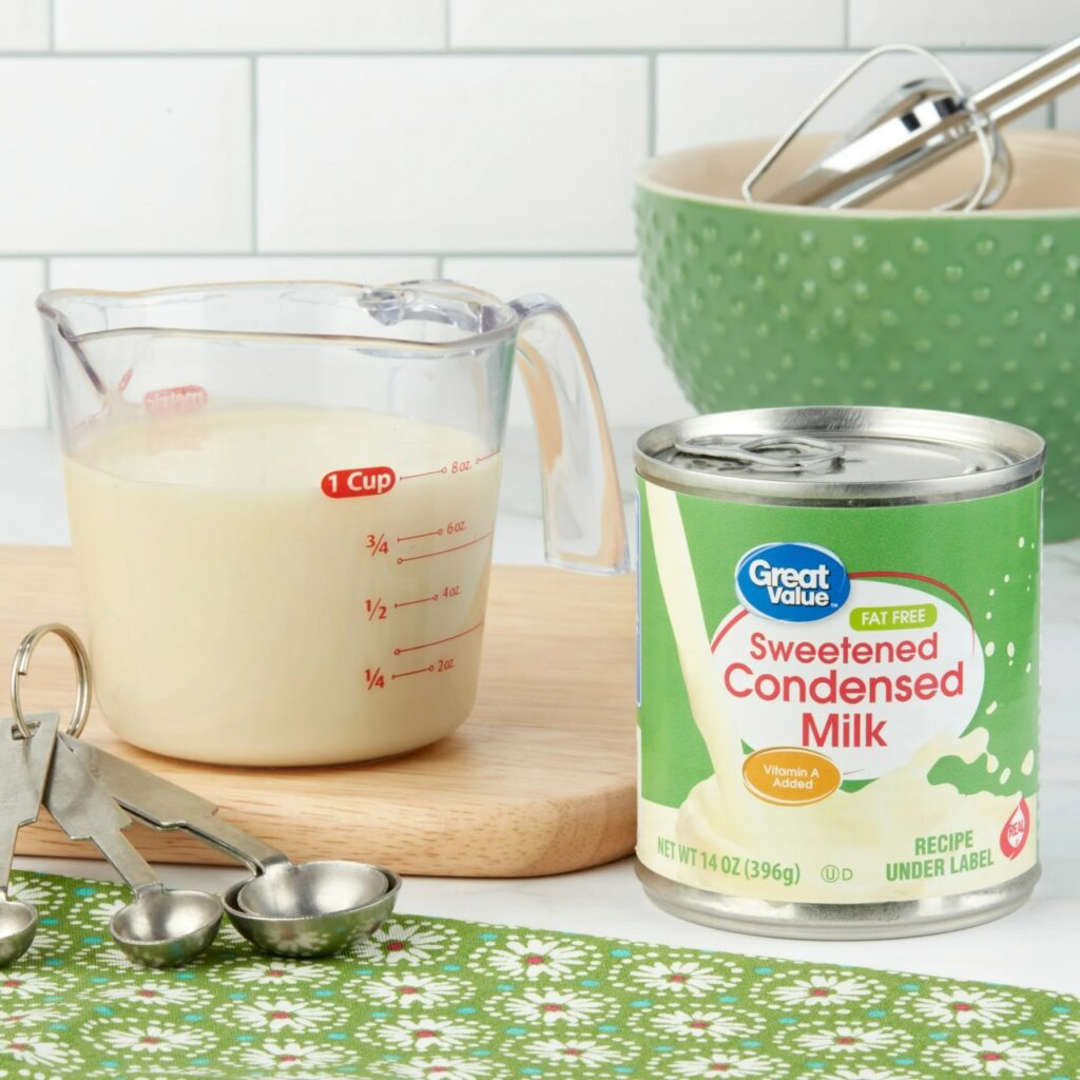
Sweetened condensed milk is milk and sugar reduced into a thick, shelf-stable concentrate. In many regions without reliable refrigeration, it became a practical substitute for fresh milk. Sold in tubes or cans, it is squeezed onto bread or fruit as a quick source of energy. Its intense sweetness and thickness are intentional, allowing small portions to feel satisfying. In the U.S., condensed milk is framed mainly as a baking ingredient. Eating it directly feels excessive because American desserts already contain high levels of sugar. Where it is common, it is paired with plain foods to create balance. Without that context, it is perceived as cloying rather than practical.
Pickled Herring
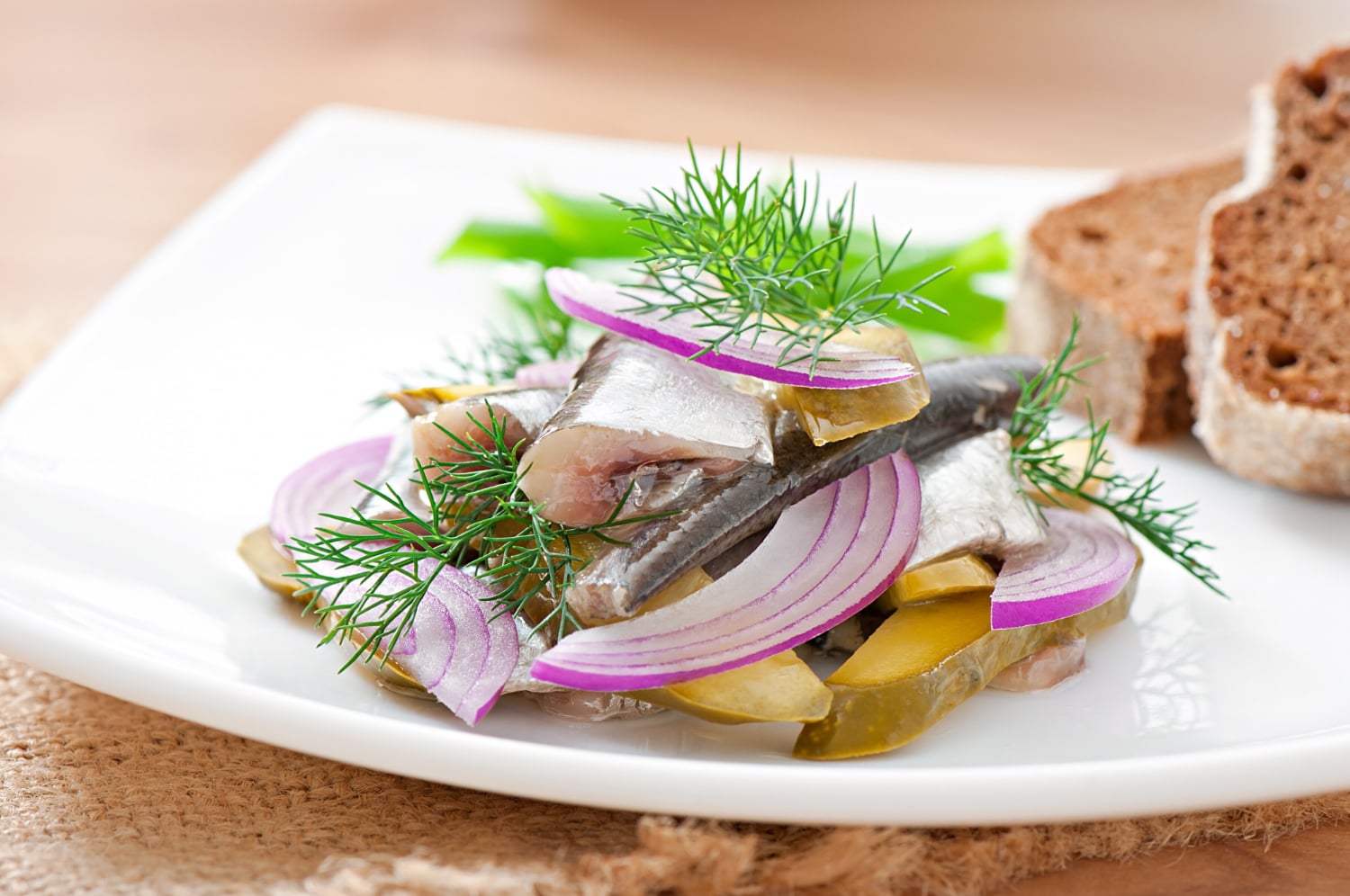
Pickled herring exists because refrigeration once did not. In Northern Europe, curing fish with salt and vinegar allowed people to preserve protein through long winters. Over time, preservation turned into preference. The fish is soaked in brine, then paired with sugar, onions, and spices that balance acidity with subtle sweetness. It is eaten cold with bread or potatoes and provides omega-3 fats and protein. In the U.S., seafood is expected to smell neutral and be served hot or freshly cooked. Cold fish with a pronounced aroma signals spoilage to many Americans, even though the scent is a natural result of curing. Texture also matters.
Black Licorice

Black licorice divides people because it does not behave like candy. Its flavor comes from anise compounds that read as herbal and bitter rather than sugary. In countries such as Finland and the Netherlands, this taste is introduced early and normalized. Some varieties include salmiak, a salty compound that sharpens the flavor further. In the U.S., candy is expected to be fruit-forward and sweet, so black licorice clashes with expectations. The lingering bitterness reminds many people of medicine, not dessert. What feels unpleasant is often unfamiliarity. Taste preferences are learned, and black licorice highlights how strongly culture shapes what people consider enjoyable.
Marmite
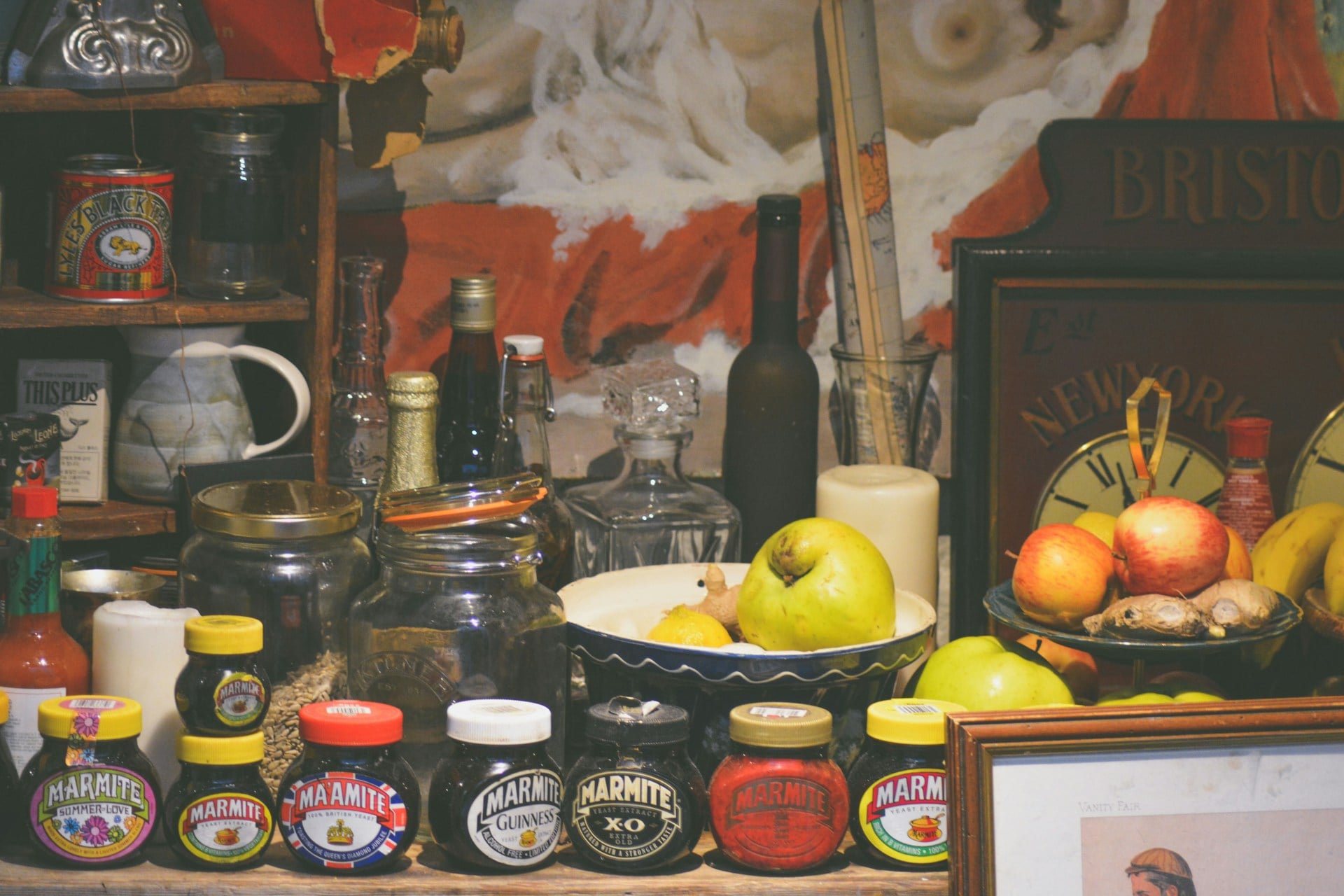
Marmite is less a food and more a flavor philosophy. Built from leftover brewer’s yeast, it delivers an intense concentration of natural glutamates that create deep umami. In the UK and parts of Australia, people learn early that Marmite is meant to be used sparingly. A thin smear on buttered toast adds savory depth without overwhelming the palate. Nutritionally, it is rich in B vitamins, especially B12 in fortified versions, making it valuable in diets with limited meat. In the U.S., rejection usually comes from misuse. First-time eaters spread it thickly, expecting something mild, and are hit with bitterness and salt all at once.
Canned Fish in Oil

Canned fish is an everyday food in many coastal cultures. Sardines, anchovies, and mackerel preserved in oil are valued for flavor, nutrition, and shelf stability. The oil protects delicate flesh and absorbs savory notes, making the fish richer over time. These products are high in protein, calcium, and healthy fats. In the U.S., canned fish developed a reputation as cheap or smelly, tied to emergency meals rather than cuisine. Fresh fish is often marketed as superior, even though proper canning preserves nutrients. Many Americans are never taught how to serve canned fish thoughtfully, such as pairing it with bread, citrus, or vegetables. Without context, smell dominates perception.
Kefir

Kefir looks like milk but behaves like a fermented food. It is made by culturing milk with bacteria and yeast, creating a tangy, lightly fizzy drink rich in probiotics. In Eastern Europe and Central Asia, kefir is consumed daily to support digestion. Fermentation breaks down lactose, making it easier to tolerate for some people. In the U.S., dairy drinks are expected to be smooth and sweet. Kefir challenges that expectation with acidity, thinner texture, and subtle carbonation. Kefir does not hide its process. Its flavor reflects fermentation, which feels normal where fermented foods are common and unfamiliar where they are not.
Liver Spread
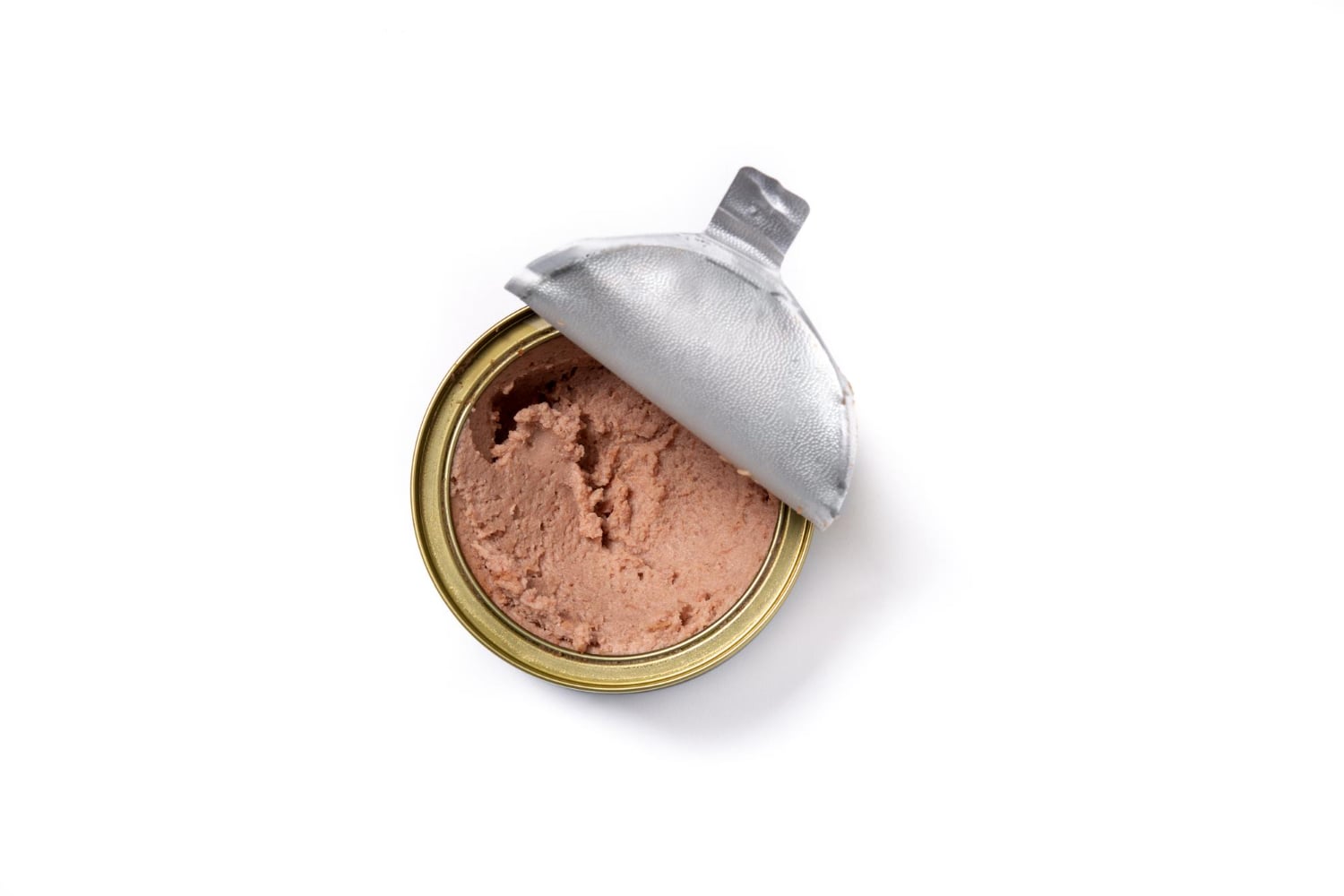
Liver spread reflects a tradition of using the whole animal. In many European cuisines, organ meats were valued for nutrition and affordability. Liver spreads provide iron, vitamin A, and protein in a smooth form that spreads easily on bread. The creamy texture comes from blending cooked liver with fat and seasoning. In the U.S., organ meats declined as industrial farming made muscle cuts cheaper and more available. Visual appeal and mild flavor became priorities. Liver fell out of favor due to its strong taste and association with waste. The spread format intensifies resistance because it removes recognizable structure. Where it is loved, liver spread represents practicality.
Fermented Cabbage
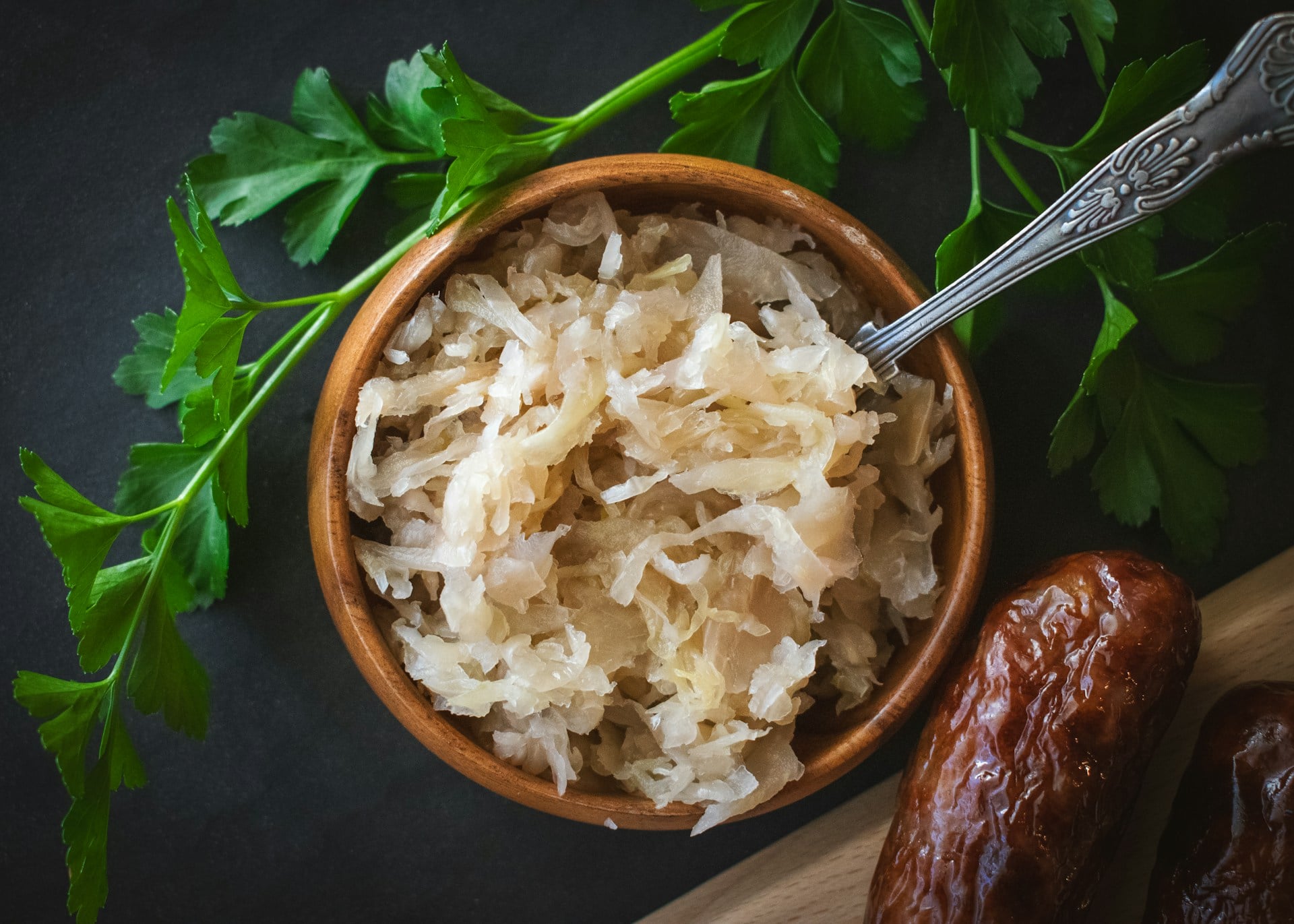
Fermented cabbage relies on salt, time, and naturally occurring bacteria. As cabbage ferments, it becomes acidic, crisp, and shelf-stable while retaining nutrients. Across Central Europe and East Asia, fermented cabbage balances rich foods and supports digestion. In the U.S., cabbage already carries a reputation for strong smells. Fermentation amplifies that aroma, which many people interpret as rot rather than preservation. Exposure is often limited to overcooked or overly sour versions that lack crunch. Traditionally prepared fermented cabbage is fresh and bright, not mushy. The discomfort comes less from flavor and more from misunderstanding what fermentation represents.