9 Foods Americans Once Thought Were Fancy That Now Feel Totally Normal

Food trends have a funny way of losing their sparkle once they settle into everyday life. What once felt special or slightly out of reach often turns out to be simple, affordable, and easy to make at home. A generation ago, dishes like sushi or quiche signaled a big night out or a catered brunch. Today, the same foods show up in grocery cases, lunchboxes, and quick weeknight dinners. Wider access to ingredients, better home cooking skills, and global flavors becoming mainstream all helped flatten the idea of what counts as fancy. Here’s a look at the foods that quietly made that jump from luxury to totally normal.
Caprese Salad Proved Simplicity Can Feel Special
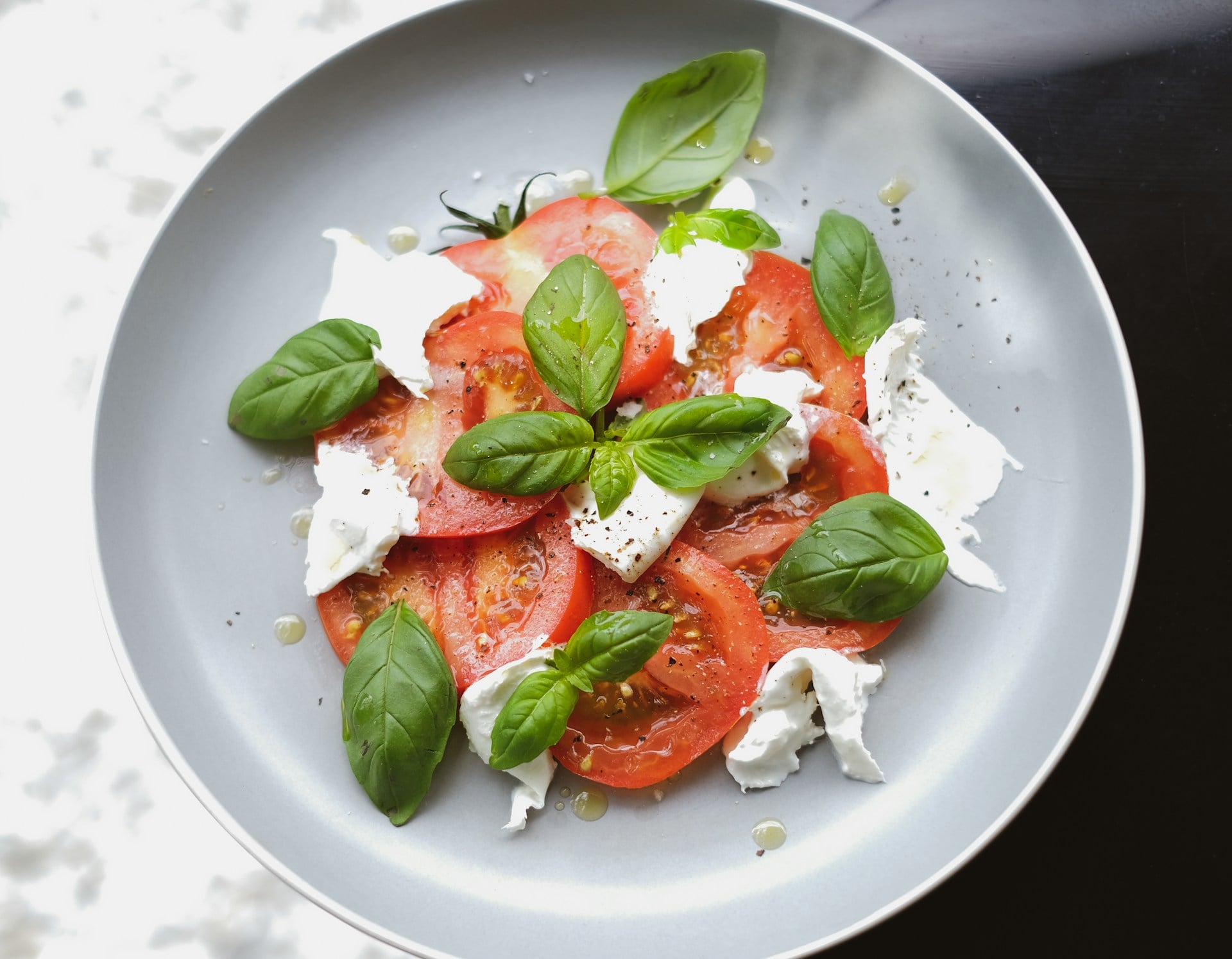
Fresh mozzarella, ripe tomatoes, and basil once sounded like a restaurant-only combination. Imported cheese and glossy olive oil gave it an upscale image. As better produce and fresh cheese became widely available, the barrier dropped. People discovered that caprese is not technique-heavy. It is just quality ingredients arranged together. During summer, when tomatoes are sweet and abundant, it feels almost obvious. Because it requires no cooking, it fits easily into weeknight meals or picnics. What used to feel Mediterranean and refined now feels like common sense. Slice, season, eat. The elegance remains, but the formality is gone.
Avocado Toast Quietly Lost Its Trendy Reputation
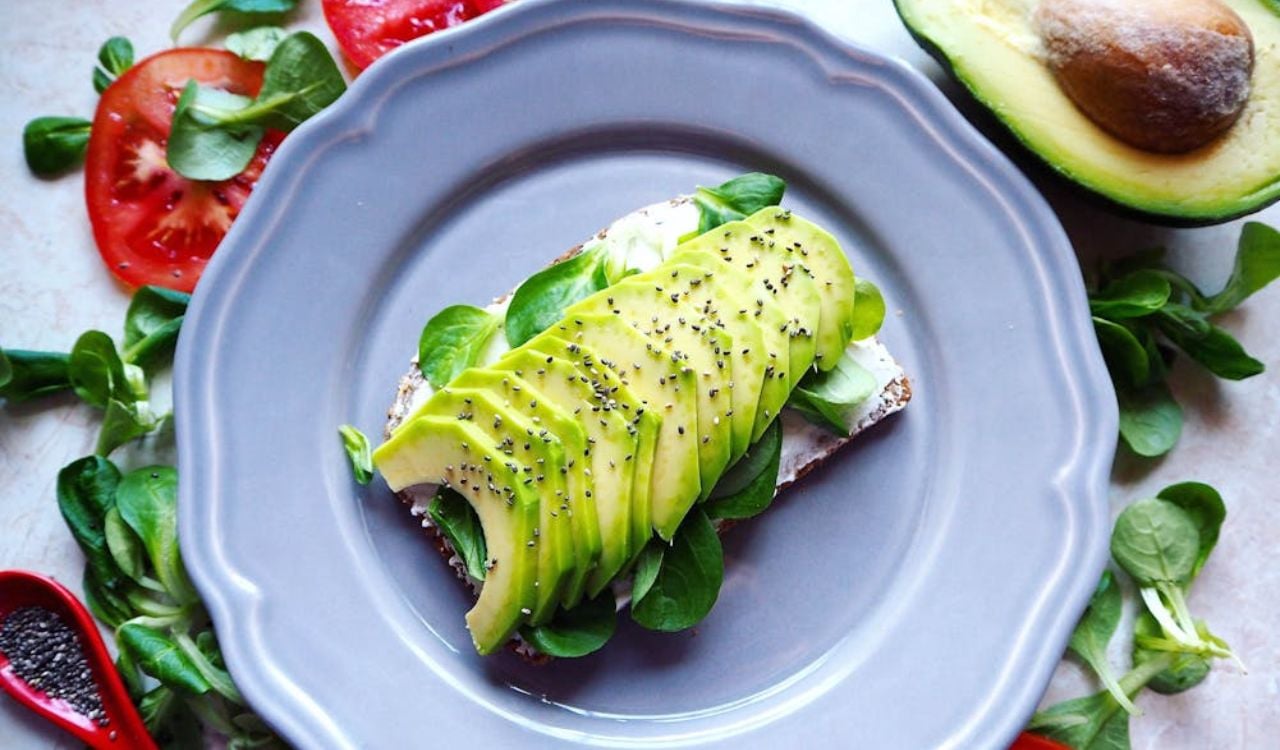
For a while, avocado toast felt like a symbol of modern brunch culture, the kind of dish you photographed and paid extra for at cafes with reclaimed wood tables. The ingredients were never complicated. Bread, ripe avocado, salt, maybe lemon. Yet the presentation made it feel upscale. As avocados became easier to find year-round and home cooks realized how fast it comes together, the mystique faded. It takes five minutes and requires no special skill. Nutrition also played a role. People saw it as filling and heart-healthy, which made it practical, not indulgent. These days it is just breakfast. Kids make it after school. Adults throw it together between meetings. The “fancy” label disappeared because the effort never matched the hype.
Quiche Moved From Brunch Buffets to Weeknight Fridges
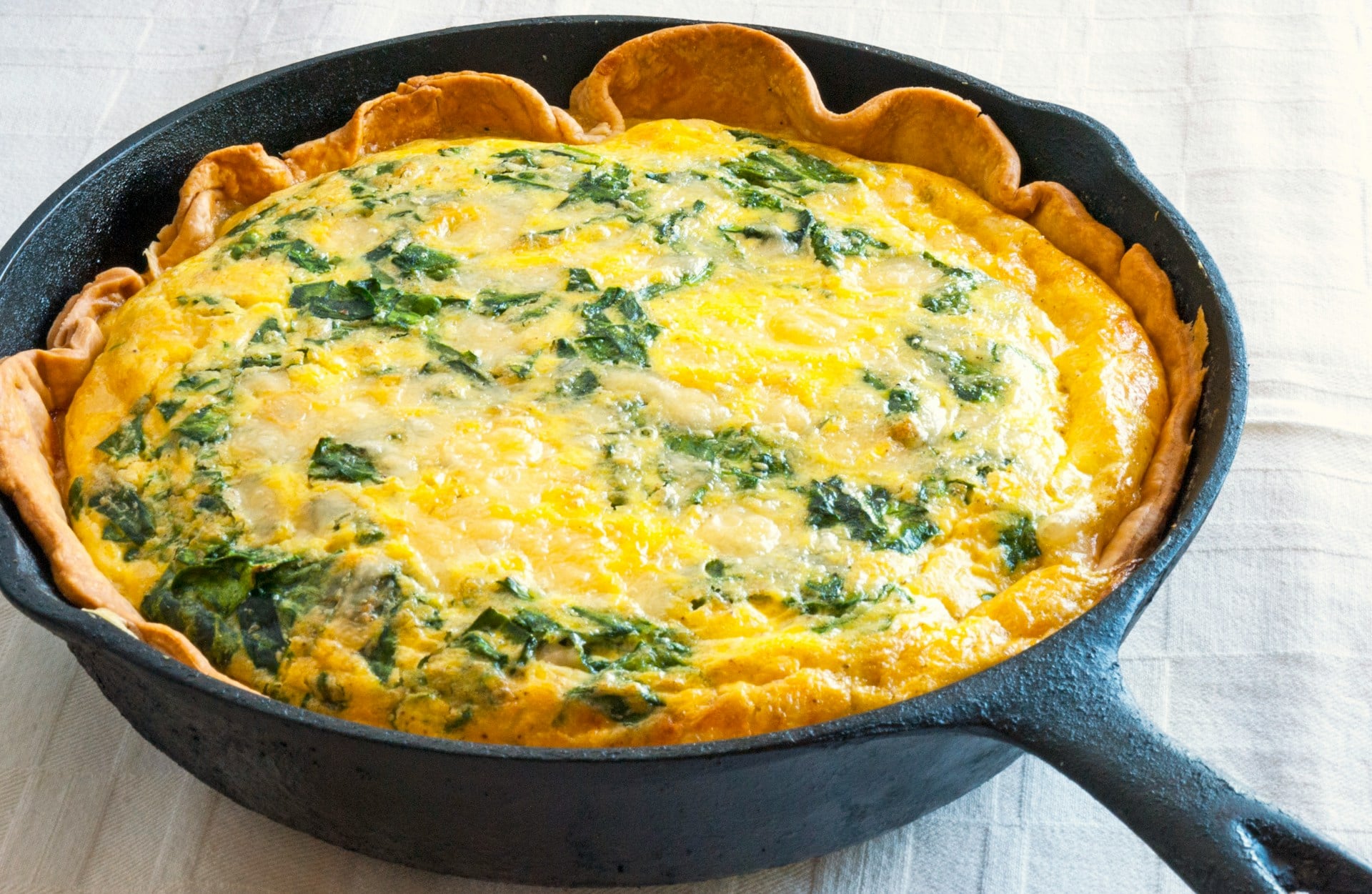
Quiche once carried a certain reputation. It sounded French, looked elegant, and often showed up at catered events or holiday brunches. The custardy filling and flaky crust made it seem delicate, like something only confident cooks could handle. In reality, it is just eggs, milk, cheese, and leftovers baked in a crust. As more people started cooking at home and using recipes online, quiche revealed itself as practical. It uses scraps from the fridge and reheats well for days. That practicality stripped away the formality. Now it is meal prep, not a showpiece. You bake one on Sunday and slice it all week. What felt refined turned out to be one of the most efficient dishes in the kitchen.
Tapas-Style Small Plates Became Everyday Snacking
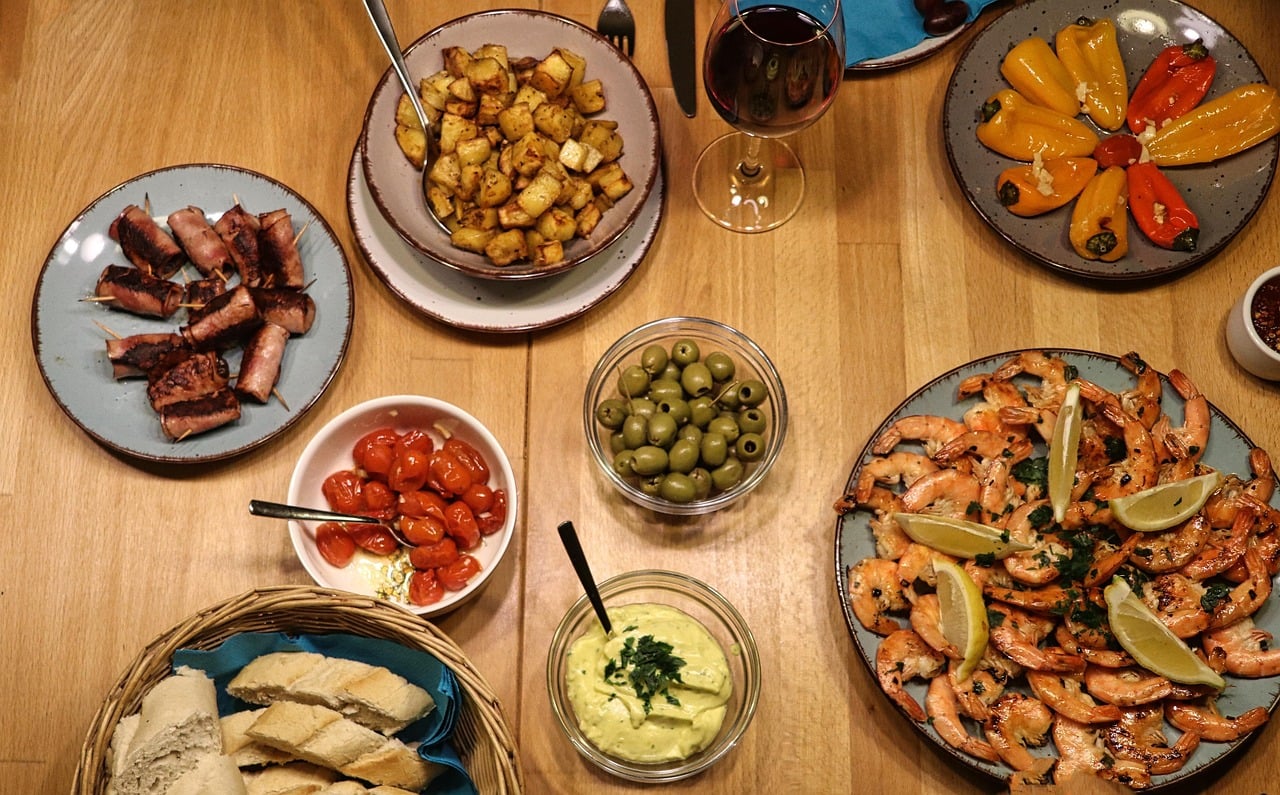
Sharing a table full of small dishes once felt like something you only experienced on vacation or at specialty restaurants. The word tapas carried a sense of travel and sophistication. Over time, the concept translated easily into American homes. Small plates are simply snacks arranged thoughtfully. Cheese, olives, roasted vegetables, bread, maybe some dips. No single item is expensive or complex. The appeal is variety and flexibility. Families realized this style works for picky eaters and busy nights. Instead of cooking one big entrée, you assemble what you have. The “fancy” vibe fades when it becomes routine. Now it is called a snack dinner or a grazing board. Same idea, just less ceremony.
Sushi Went From White-Tablecloth Splurge to Supermarket Staple
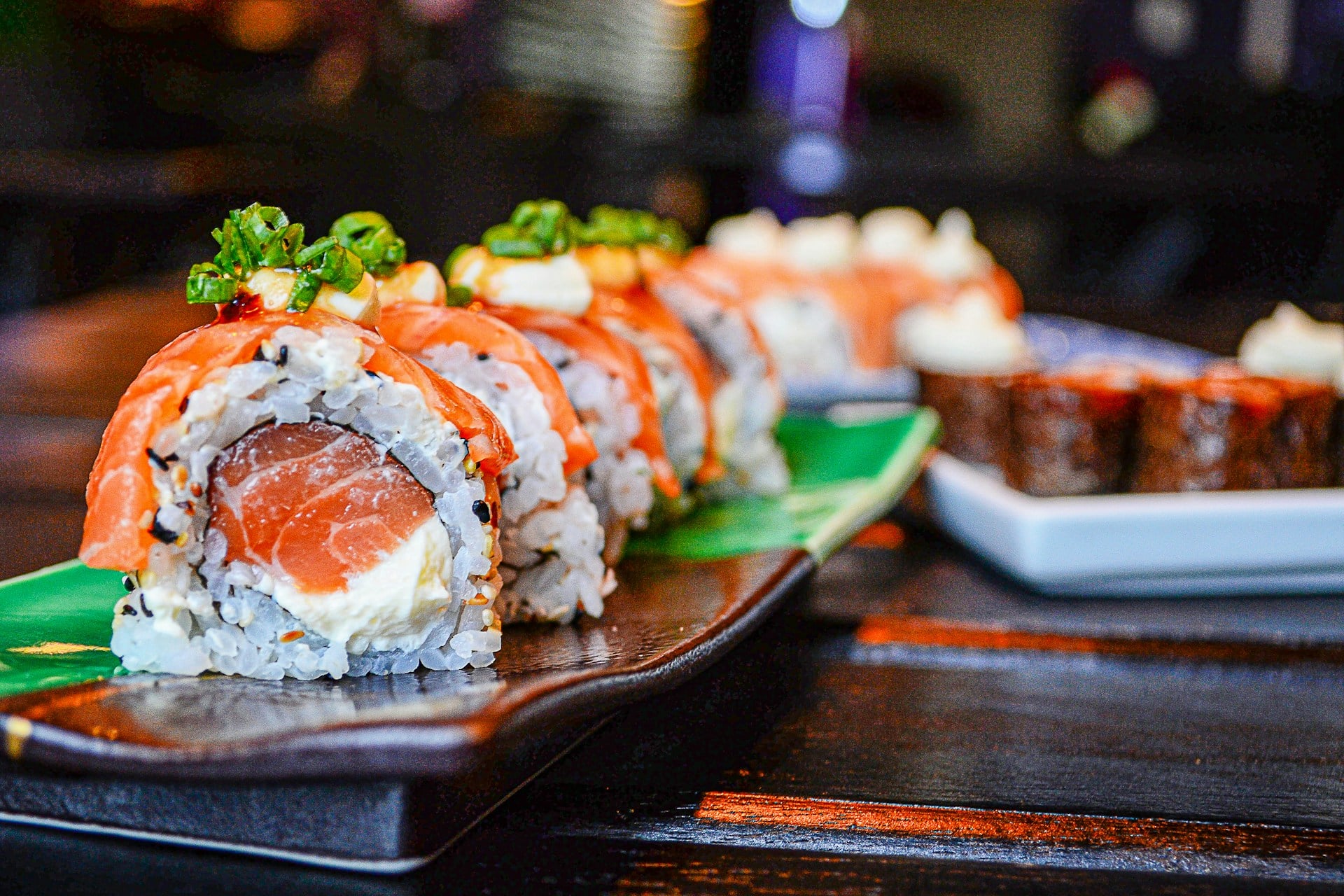
There was a time when ordering sushi meant dressing up, sitting at a quiet restaurant, and paying premium prices for a few carefully plated rolls. In the 1990s and early 2000s, many Americans saw raw fish as exotic and slightly intimidating, something you tried on a special occasion or business dinner. What changed was access. Grocery chains added sushi counters, fast-casual spots made rolls portable, and cooked options like tempura shrimp or California rolls lowered the barrier. The flavors became familiar, and the price dropped. Now sushi sits next to sandwiches in convenience stores, packed into lunchboxes and road trip coolers. The shift is less about luxury and more about normalization. It is simply another quick meal, not a culinary adventure.
Edamame Turned Into the Easiest Appetizer in the Freezer
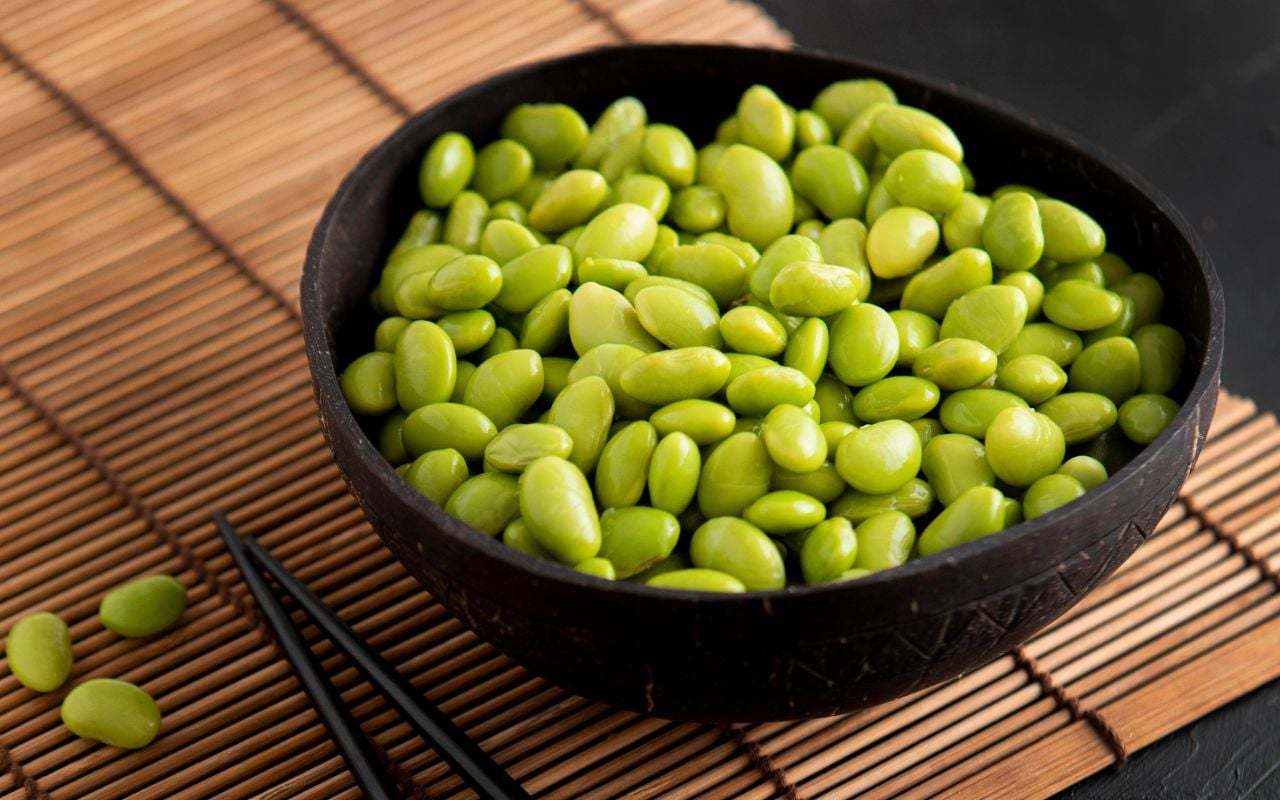
When edamame first appeared on American menus, many people did not even know how to eat it. The pods looked unfamiliar and the name sounded foreign, which made it feel upscale or niche. But the preparation is almost effortless. Boil, salt, serve. As frozen versions became common in supermarkets, edamame shifted from restaurant starter to quick home snack. It checks practical boxes, too. High in protein, inexpensive, and shelf-stable in the freezer. Once people realized it is basically a healthier alternative to chips, the elegance vanished. Kids pop the beans out while watching TV. Adults microwave a bowl between tasks. It is not exotic anymore. It is convenience food.
Charcuterie Boards Became the Default Party Food
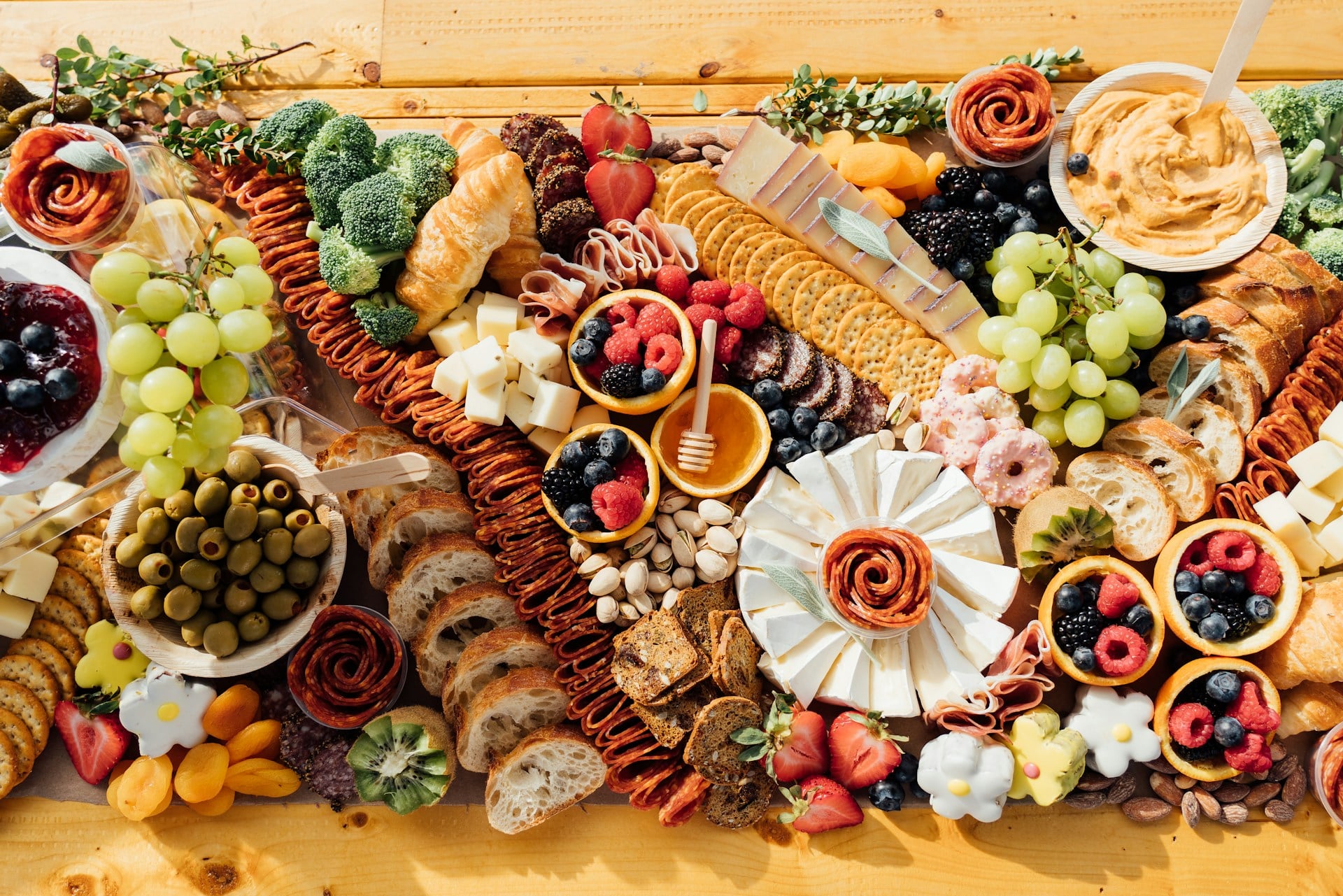
A decade ago, a charcuterie board sounded like something curated by a chef. Cured meats, specialty cheeses, and artful presentation made it feel expensive and slightly intimidating. Social media changed that. People saw how easy it was to arrange store-bought items on a board and call it dinner. No cooking, minimal cleanup, and everyone serves themselves. The formula is flexible. You can go high-end or use whatever is on sale. That accessibility turned a once upscale appetizer into the most practical hosting trick around. Today it shows up at kids’ birthdays, movie nights, and casual get-togethers. The board still looks impressive, but it is built from everyday groceries.
Ceviche Shifted From Coastal Restaurants to Home Kitchens
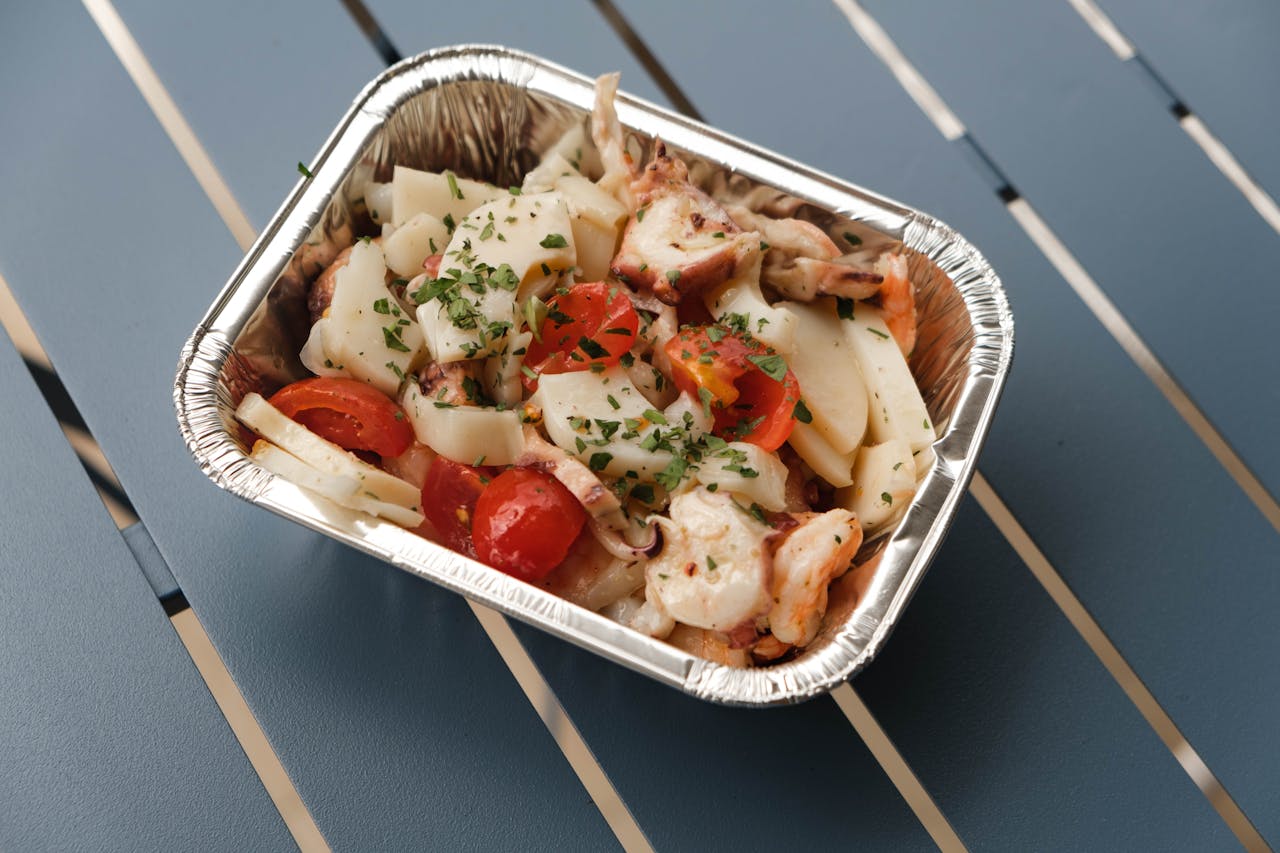
Ceviche used to carry a bit of mystery. Raw seafood cured in citrus sounded risky and restaurant-specific. Many people assumed it required expert handling. Over time, better food education and access to fresh fish changed perceptions. Home cooks learned that the acid does the work and that the ingredient list is short. Lime, salt, onions, and herbs. The bright flavor made it popular in warm weather, and suddenly it felt practical rather than daring. Served in bowls or tacos, it fits casual meals easily. What once seemed adventurous is now simply another way to prepare seafood. The technique stayed the same, but confidence grew.
Poke Bowls Blended Into Everyday Lunch Culture
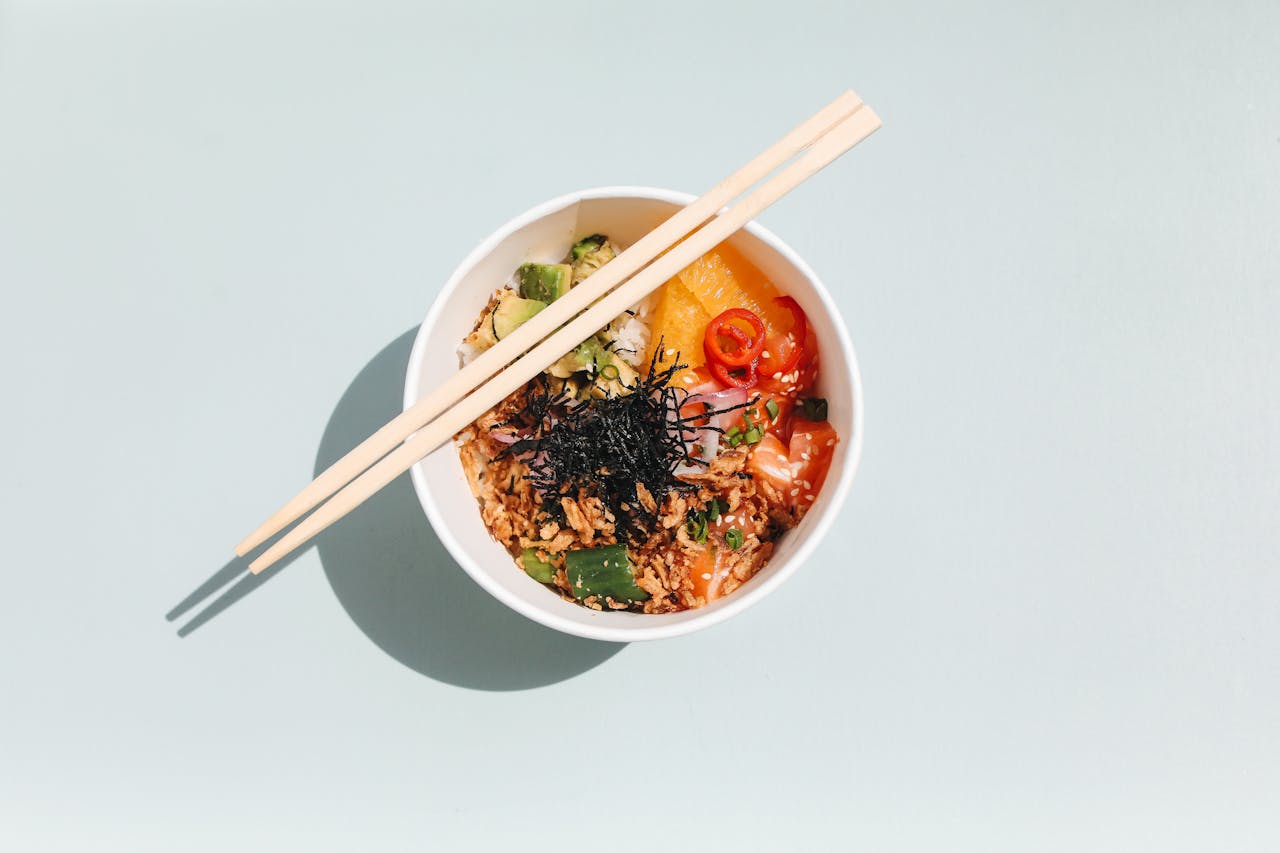
Poke bowls entered the mainland with a trendy reputation. Bright colors, raw fish, and customizable toppings made them feel like boutique food. Lines formed at specialty shops, and prices reflected the hype. Then the format spread everywhere. Build-your-own bowls became a standard fast-casual model. Grocery stores sold pre-marinated fish and ready rice. Once people started assembling them at home, the mystique faded. A poke bowl is simply rice, protein, and vegetables in one dish. It is efficient and balanced, which makes it ideal for lunch. Today, it competes with salads and burrito bowls, not fine dining. The flavor stayed bold, but the fancy image quietly disappeared.