8 Simple Tricks to Make Tap Water Taste Shockingly Good

Tap water does not have to be something you tolerate or disguise. In many cases, the flavor issues people notice come down to temperature, aroma, and perception rather than safety or quality. Small, intentional changes can dramatically improve how water tastes without adding sugar, artificial flavors, or expensive equipment. These simple tricks focus on how the senses work, from smell to mouthfeel, and how minor adjustments can soften harsh notes or enhance freshness. With just a little attention, everyday tap water can become something you genuinely enjoy drinking throughout the day. Once these habits become routine, reaching for water feels natural instead of forced.
Add a Splash of Sparkling Water
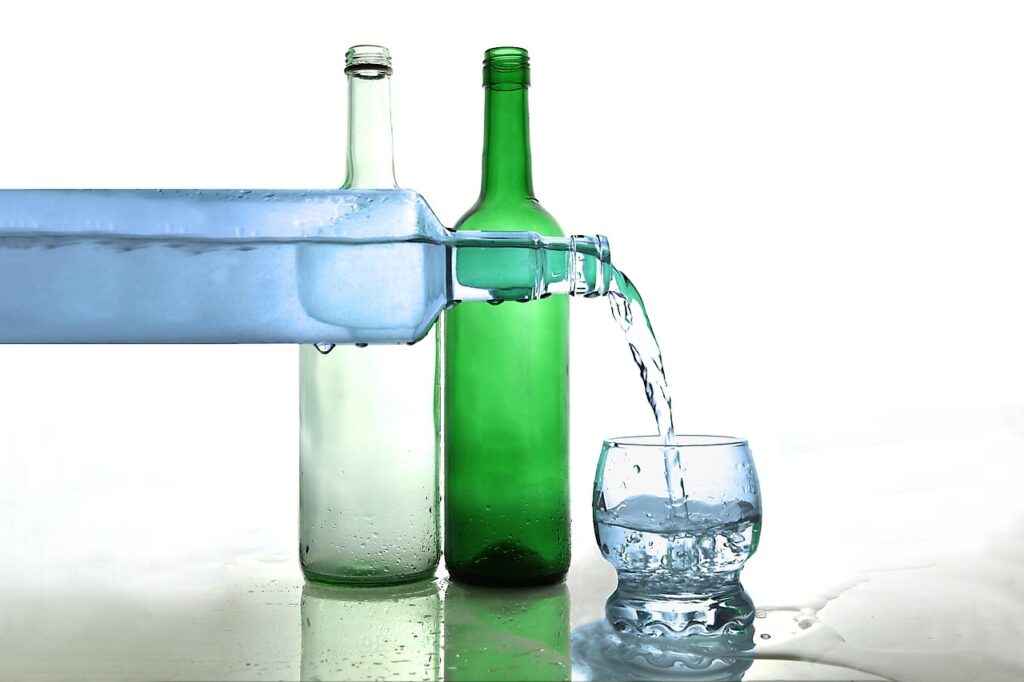
Mixing tap water with sparkling water improves taste through texture and sensation. Carbonation creates mild acidity and bubbles that distract from dull or flat flavors. The fizz lifts aroma and makes the water feel refreshing. Even a small splash of sparkling water can change mouthfeel enough to make tap water more enjoyable. This method works well for water that tastes heavy or lifeless rather than unpleasant. It also allows control over intensity, since you can adjust the ratio to suit your preference. Carbonation does not remove off flavors, but it masks them. The result feels intentional rather than improvised, turning plain water into something closer to a beverage experience.
Try a Pinch of Salt
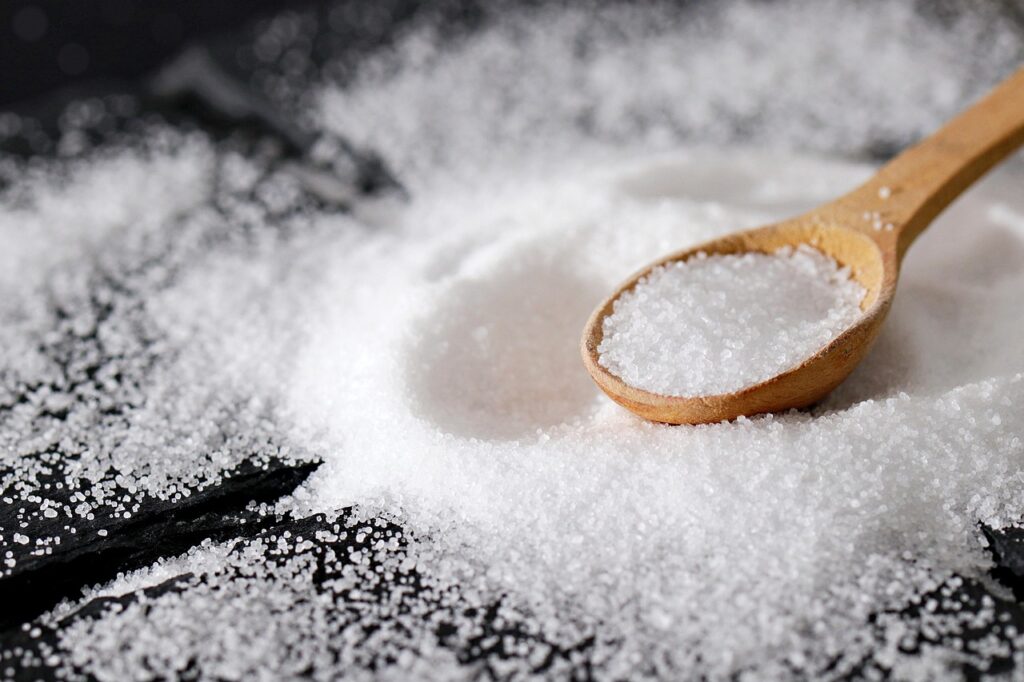
A tiny amount of salt can actually improve water taste by reducing bitterness. This works because sodium ions interact with taste receptors, suppressing unpleasant notes while enhancing perceived smoothness. The key is restraint. The amount should be barely detectable and should not make the water taste salty. Mineral salt works best because it adds trace elements without overpowering flavor. This trick is especially useful for water that tastes flat or metallic. Salt balances rather than masks. It works on the same principle as adding salt to coffee or chocolate to enhance flavor without making the food salty. Used correctly, it makes water feel cleaner and more refreshing.
Use a Simple Filter
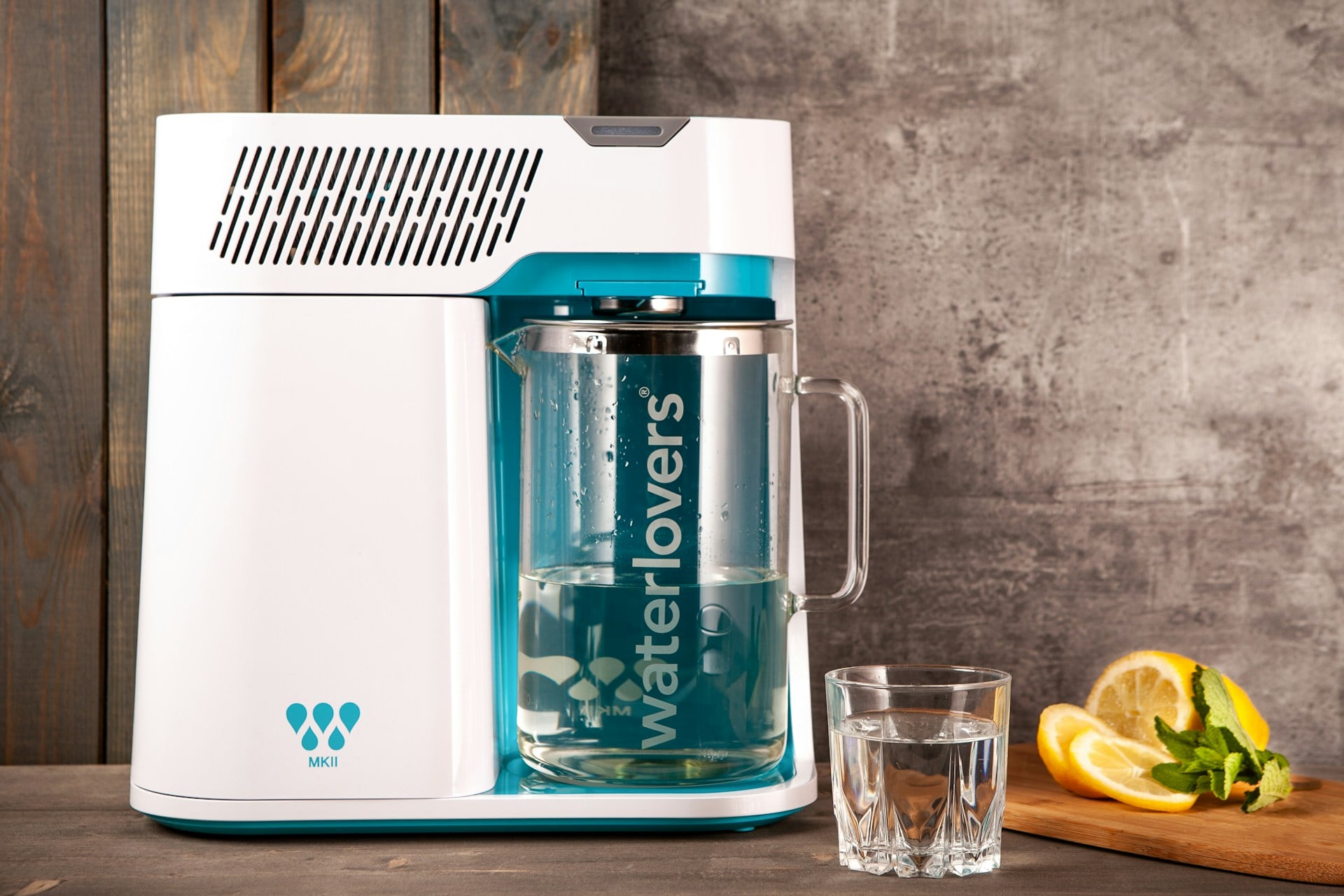
Most tap water that tastes bad does so because of chlorine, sediment, or trace metallic flavors picked up from pipes. A basic pitcher or faucet filter is designed specifically to address these issues. Activated carbon inside filters binds to chlorine and organic compounds, reducing both taste and odor. Even inexpensive filters can make a noticeable difference because they target the most common flavor offenders rather than purifying water completely. Filtering also helps smooth out inconsistencies, so water tastes the same from glass to glass. This consistency is important because unpredictable flavor makes water less appealing to drink regularly.
Add Citrus Peels, Not Juice
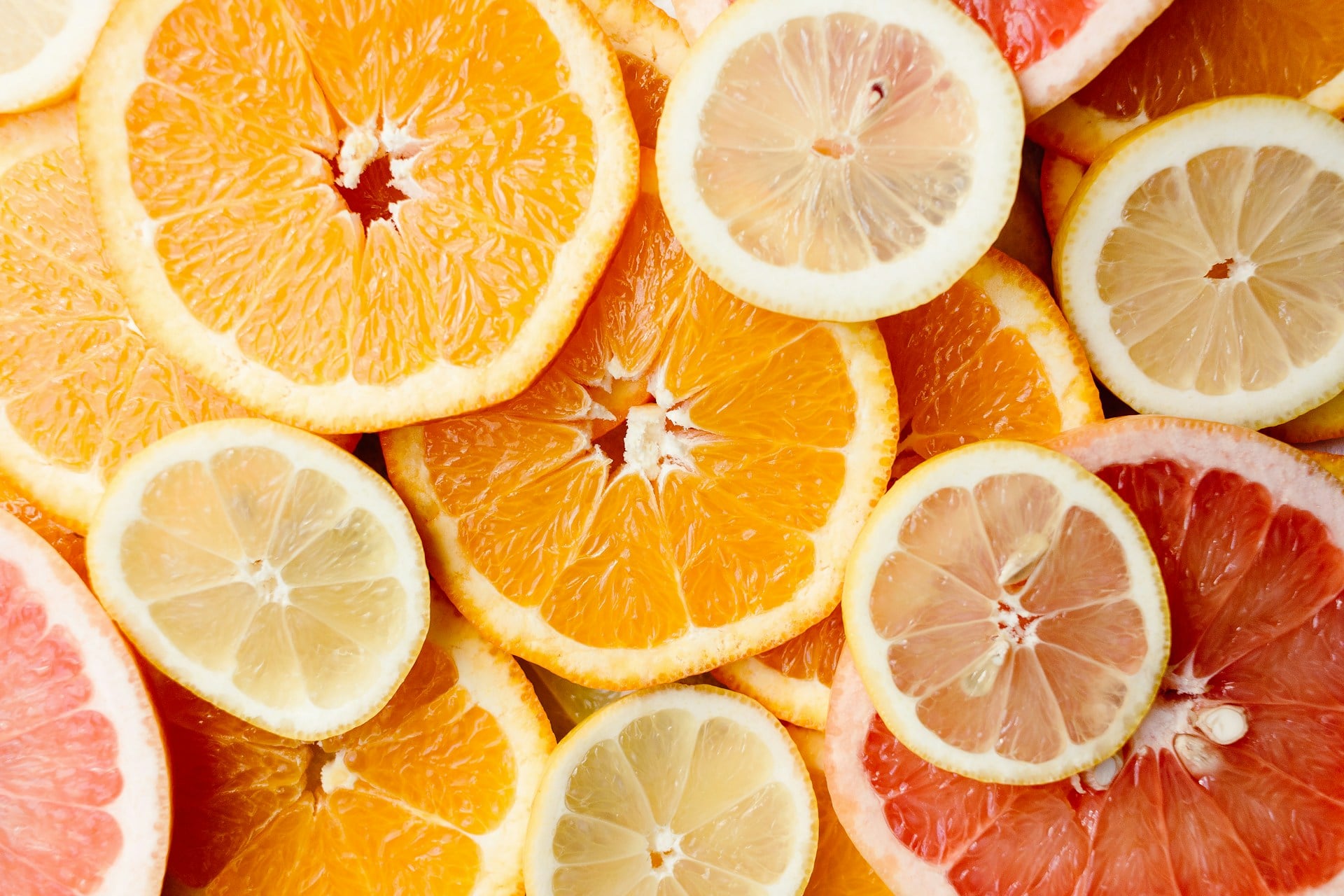
Citrus peels improve water flavor through aroma rather than acidity. The oils in lemon, lime, or orange peels release volatile compounds that reach the nose before the tongue, creating the impression of freshness. This tricks the brain into perceiving cleaner taste without making the water sour. Juice, by contrast, adds acid and sugar that can overpower water and make it less refreshing over time. Peels provide subtle enhancement that stays light even after hours of infusion. Using peels also avoids cloudiness and bitterness that can develop when juice sits too long. Rinsing the peel removes surface residue while preserving aromatic oils.
Infuse with Cucumber or Mint
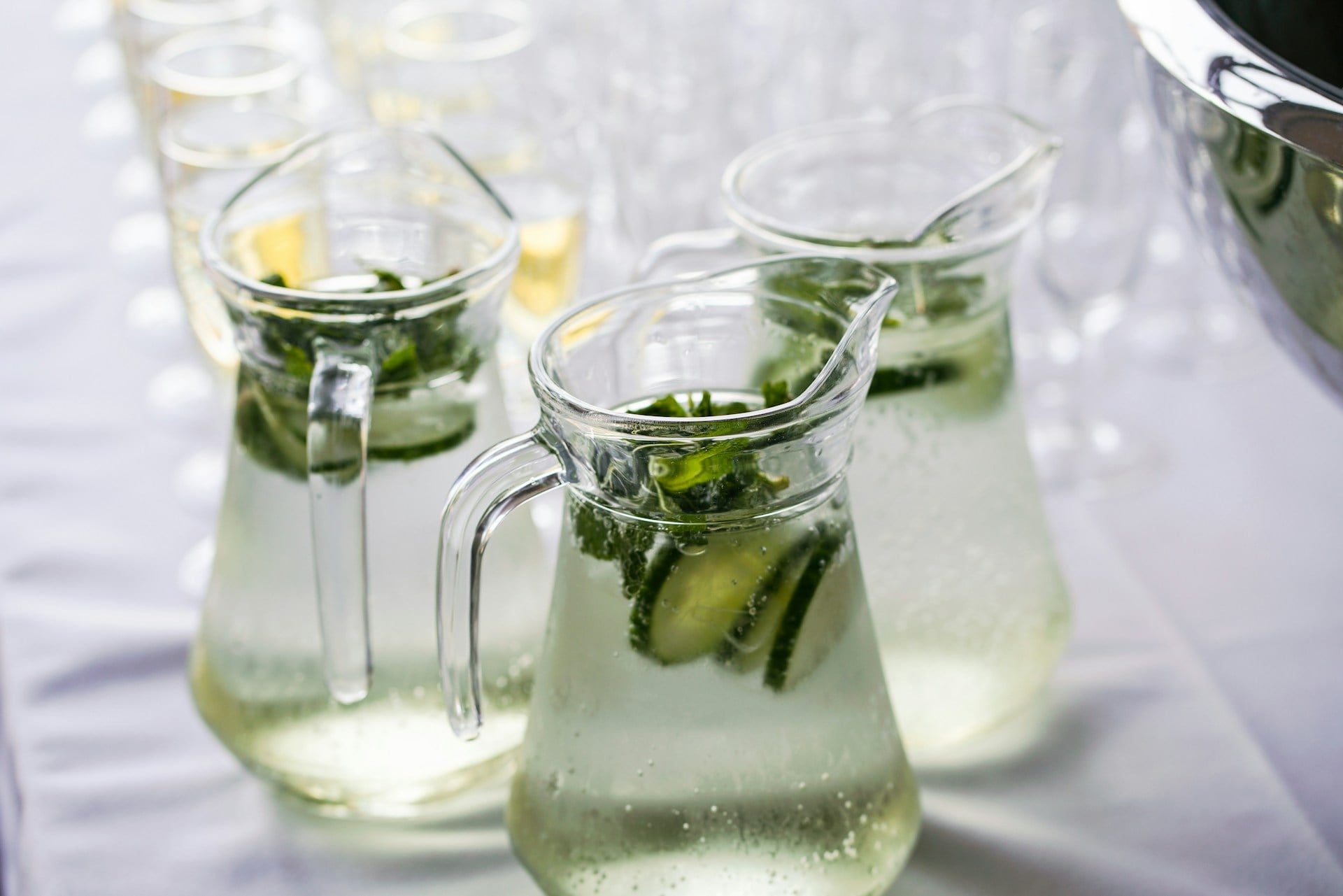
Cucumber and mint improve water taste by adding freshness without sweetness. Cucumber contains compounds that give a clean, cooling impression, which pairs well with chilled water. Mint releases menthol, creating a mild cooling sensation that distracts from mineral or chlorine flavors. Neither ingredient overwhelms the water, making them ideal for long infusions. Thin slices work best because they release flavor slowly and evenly. Infused water also encourages people to drink more, which is beneficial for hydration. Unlike sugary additives, cucumber and mint do not coat the mouth or linger unpleasantly. They refresh rather than fatigue the palate.
Chill It First
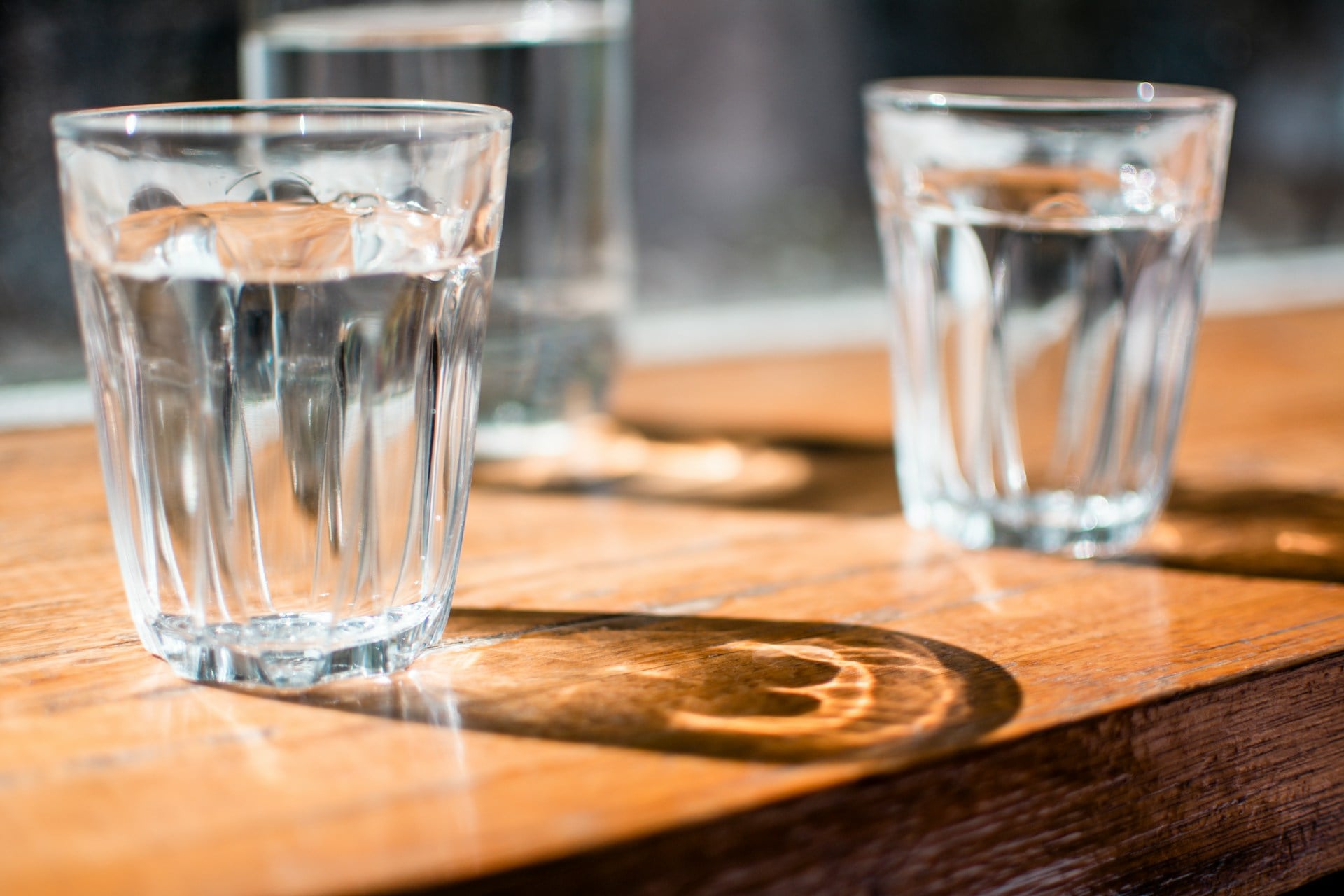
Temperature has a direct effect on how water tastes because cold dulls the perception of bitterness and chemical notes. Many of the off flavors people notice in tap water come from chlorine or dissolved minerals, and these compounds are far less noticeable when the water is cold. Chilling also increases the sensation of crispness, which the brain associates with freshness. Letting tap water sit in a glass pitcher in the refrigerator for a few hours allows it to cool evenly and taste more consistent from sip to sip. Cold water also feels smoother on the tongue because lower temperatures slightly reduce volatility of odor causing compounds.
Let Water Sit Before Drinking
Chlorine is added to tap water to disinfect it, but it also contributes to harsh taste and smell. Chlorine is volatile, meaning it naturally escapes into the air over time. Letting water sit uncovered for about 30 minutes allows much of this chlorine to dissipate. This simple step noticeably softens flavor without any equipment. Using a wide mouth container speeds the process by increasing surface area. Once chlorine evaporates, the remaining minerals taste less sharp and more balanced. This method works best for water that smells strongly of chlorine straight from the tap. While it does not remove other compounds, it addresses one of the most common complaints about tap water flavor.
Use a Clean Glass Bottle
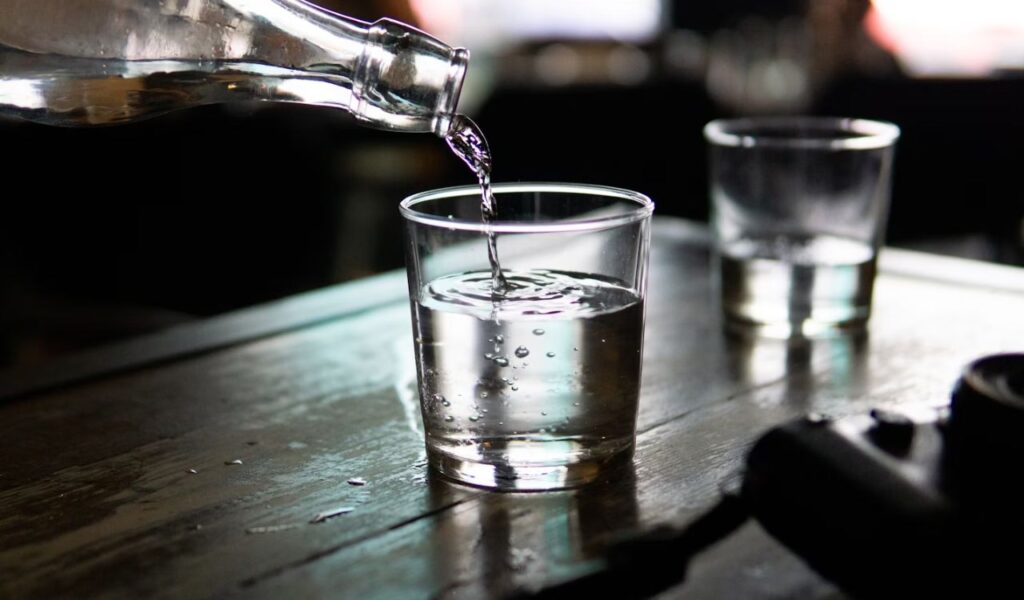
The container you drink from affects taste more than most people expect. Plastic absorbs odors and flavors over time, especially when exposed to heat. Even clean plastic can impart a faint taste that dulls water freshness. Glass is non porous and chemically stable, meaning it does not interact with the water. This keeps flavor neutral and consistent. Drinking from glass also preserves aroma, which contributes to perceived taste. Using a clean glass bottle or pitcher ensures that the improvements you make to the water itself are not undone by the container. This is especially noticeable with chilled or infused water, where subtle flavors matter.