Avoid These Six Indoor Food Safety Mistakes for Health

Can we have a real, honest chat about the kitchen for a moment? I know that food safety isn’t the most glamorous topic in the world. It doesn’t have the sparkle of a brand-new recipe or the excitement of trying a exotic ingredient for the first time. But here’s the thing: the way we handle our food is just as important as the way we cook it. Some of the habits we learned growing up—the ones we watched our parents and grandparents do without thinking—might actually be putting us at risk. And the hardest part is that we usually don’t even know it. Bacteria are tiny, silent, and invisible. You can’t see them, smell them, or taste them. But with a few simple, science-backed changes to our daily routines, we can keep them far away from our families. So let’s talk about the kitchen mistakes that even the most well-meaning home cooks make, and how we can fix them together.
Cross-Contamination: The Invisible Trail of Bacteria Through Your Kitchen
Cross-contamination is one of those sneaky problems that happens so fast you don’t even realize it. You’re chopping raw chicken on a cutting board. You wipe it down quickly with a sponge—maybe some soap, maybe just a rinse—and then you use that same board to chop tomatoes for the salad. It took maybe 10 seconds, and it felt perfectly reasonable. But here’s what the research shows: a recent USDA study found that only 32 percent of people properly clean and sanitize the surfaces they use to prepare raw meat. That means more than two-thirds of us are leaving dangerous bacteria exactly where they can hitch a ride onto other foods.
And it’s not just cutting boards. Another study sampled spice containers in people’s kitchens and found that nearly half showed evidence of cross-contamination from raw meat. Half! The salt shaker, the pepper grinder, the olive oil bottle—these everyday items had the highest concentrations of bacteria across all kitchen surfaces. Think about everything you touch while you’re cooking: your phone, the refrigerator handle, the faucet knob, the dish towel. Every single one of these can become a vehicle for spreading pathogens like Campylobacter and Salmonella, which can actually survive on surfaces like countertops for up to 32 hours.
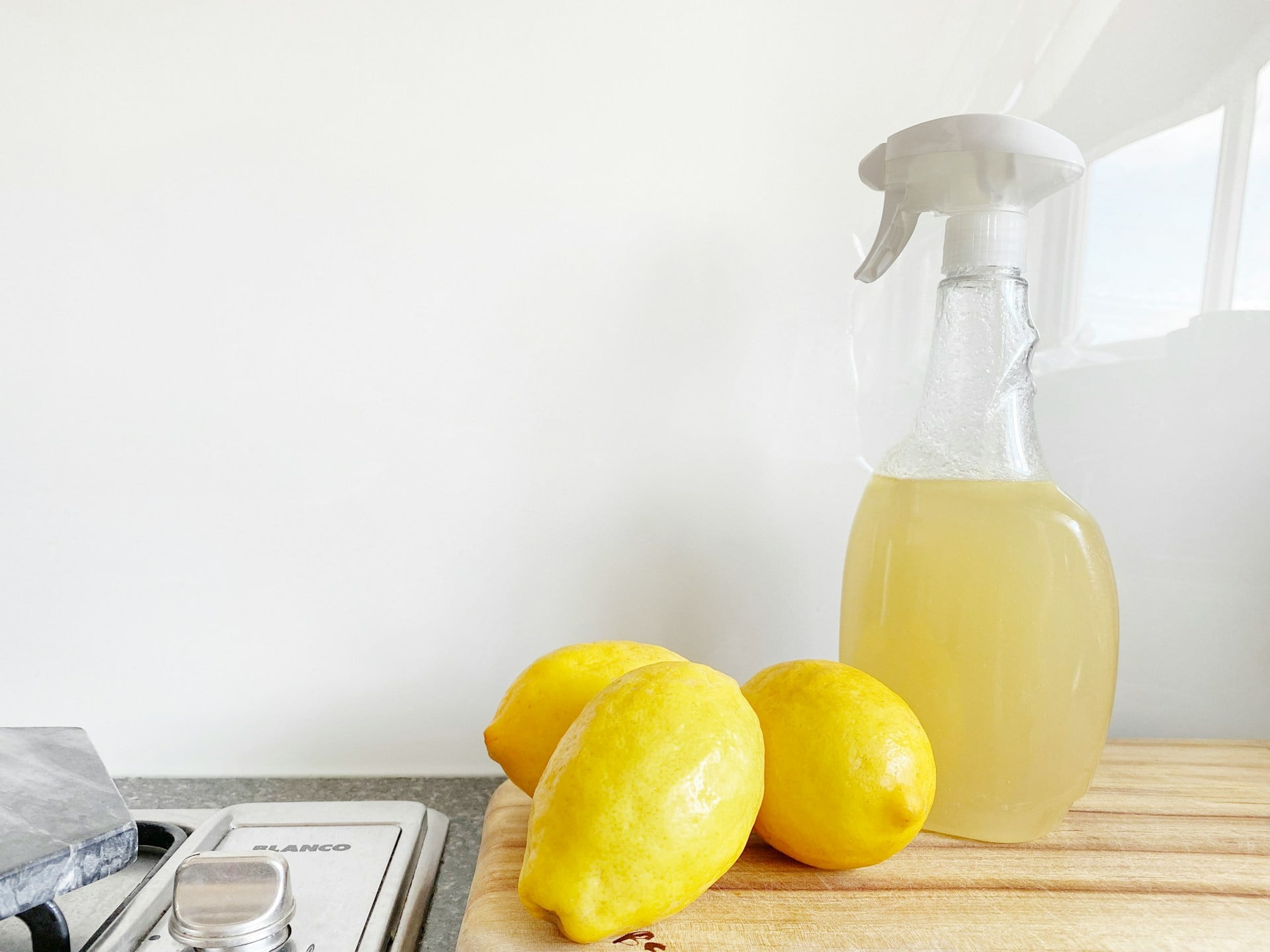
So what should we do? First, use separate cutting boards for raw meat and for vegetables. Color-coded boards make this easy—red for meat, green for veggies. Second, wash your hands immediately after touching raw meat. And third, don’t just clean your surfaces; sanitize them. Hot, soapy water removes visible dirt and some germs, but to truly kill bacteria, you need a disinfectant like a bleach solution or a commercial kitchen sanitizer. It’s an extra step, I know. But it’s the step that keeps everyone at your table safe.
Handwashing: The Simple Step Almost All of Us Are Getting Wrong
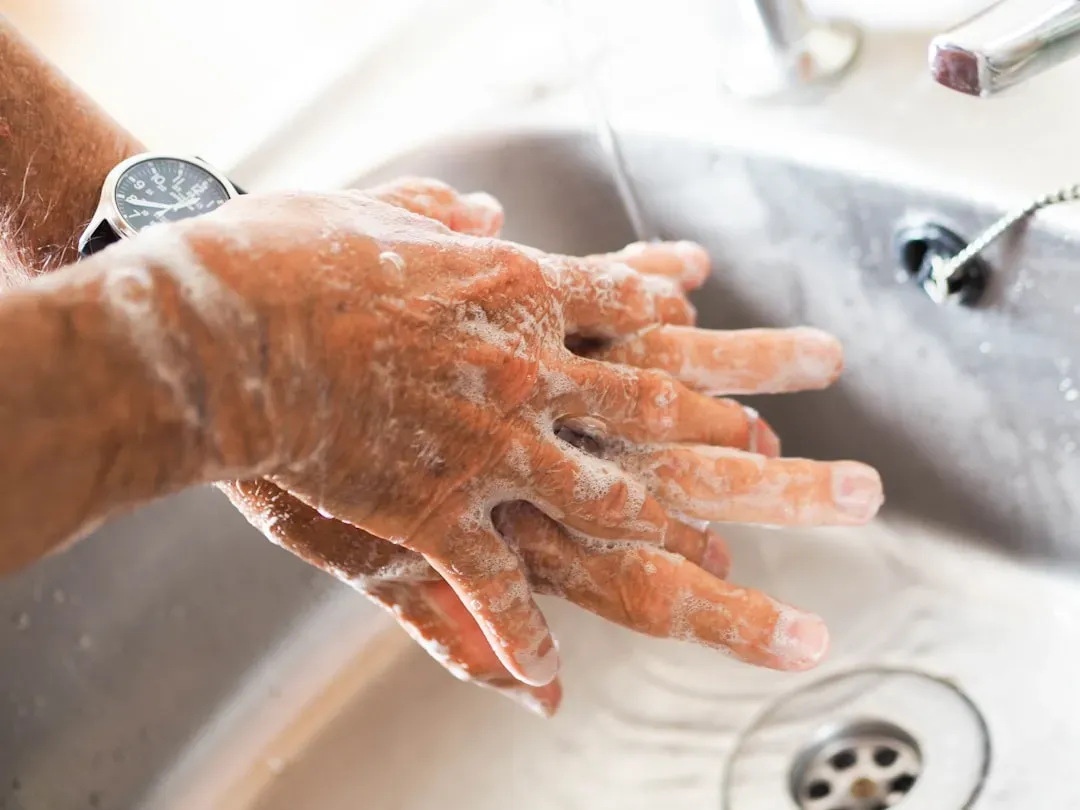
We all know we should wash our hands. It’s practically the first rule of cooking school, right? But here’s a number that stopped me in my tracks: a 2023 USDA study found that participants failed to wash their hands correctly a staggering 97 percent of the time. Ninety-seven percent! That means nearly every single person in that study thought they were doing it right, and they weren’t even close.
Here’s what “doing it right” actually looks like: wet your hands with clean, running water, then turn off the tap and apply soap. Scrub your hands for at least 20 seconds—that’s the “Happy Birthday” song twice, or my personal favorite, the chorus of “I Will Survive.” Scrub the backs of your hands, between your fingers, and under those nails where germs love to hide. Then rinse and dry with a clean towel or paper towel. A quick rinse without soap? That’s basically just giving the germs a nice bath. And here’s something else to consider: a 2024 study revealed that about one in three people didn’t wash their hands after touching raw chicken before picking up their phone. Think about that. You touch raw chicken, you grab your phone, and now your phone is a petri dish that you’ll be touching all through your meal prep. Let’s be the 3 percent who get it right, okay?
Please, Please Don’t Wash Your Raw Chicken—Here’s the Real Reason Why
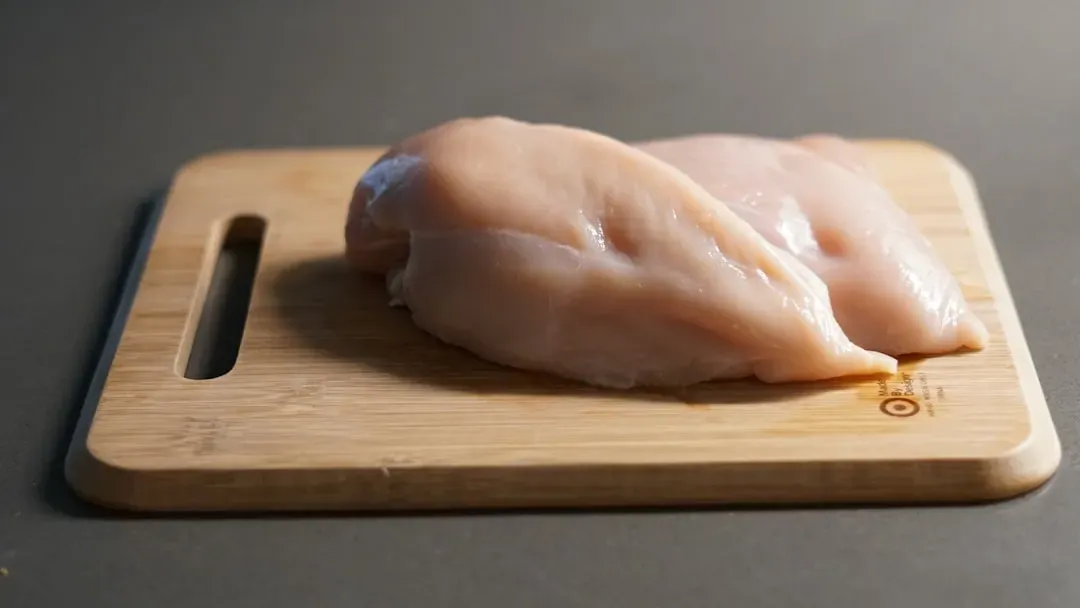
I know, I know. This one feels almost wrong, doesn’t it? You bring home that package of chicken, and every instinct tells you to rinse it under cold water before you even think about seasoning it. Maybe you watched your grandmother do it your whole life. It feels like the right thing to do. But here’s what the scientists at the USDA discovered: when you rinse raw chicken under that tap, the water doesn’t just wash away the pink juices. It splashes. And that splash—those tiny, invisible droplets—becomes a delivery system for dangerous bacteria like Salmonella and Campylobacter. Suddenly, your countertops are contaminated. Your utensils are contaminated. That salad you were about to make? Its leaves are now resting on a surface that’s been misted with raw chicken water.
In one USDA study, about a quarter of the salads prepared in test kitchens where people washed their chicken became contaminated with bacteria from that very chicken. And here’s the part that really gets me: even when participants tried to clean up afterward, one in seven still had germs lingering in the sink. The truth is, the only thing that actually kills the bacteria on raw chicken is heat. Not water. Not soap. Heat. Cook that chicken to an internal temperature of 165 degrees Fahrenheit, measured with a trusty food thermometer, and you’ve done your job. Skip the wash, save yourself the mess, and know that you’re actually keeping your kitchen cleaner by doing less.
Is Your Refrigerator Actually Cold Enough? Let’s Find Out!
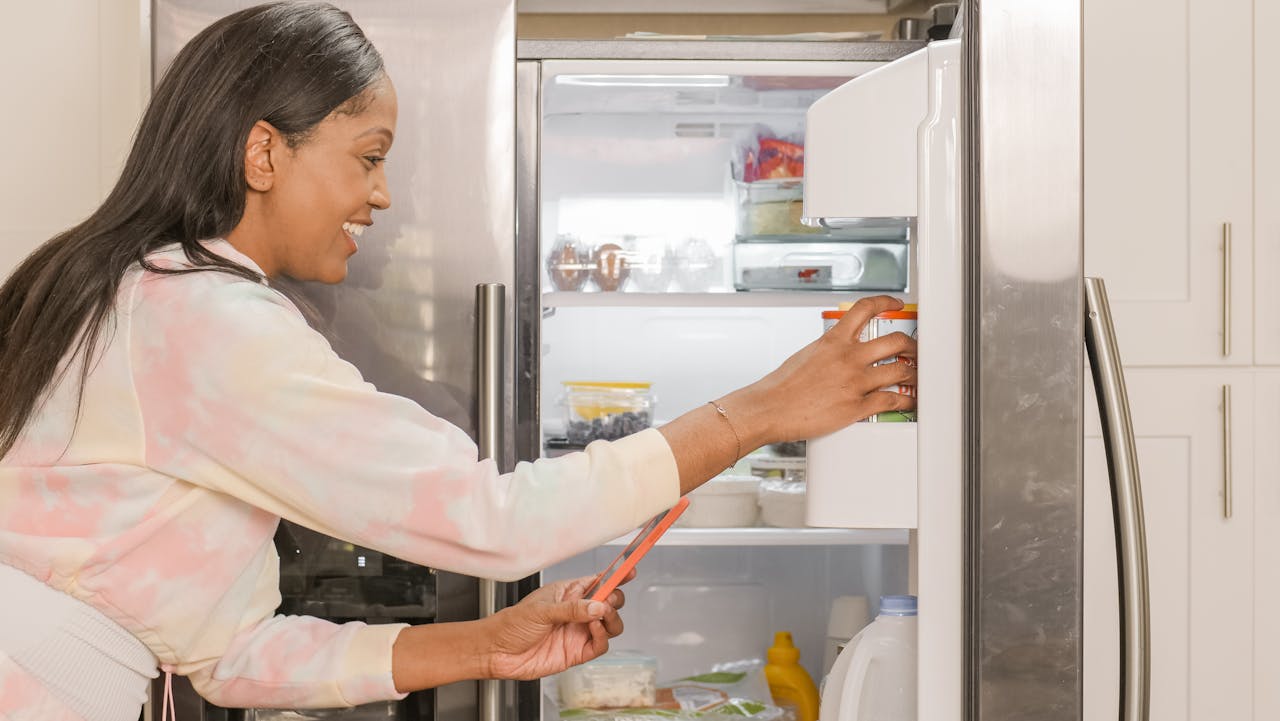
I have a question for you, and I want you to answer honestly: what temperature is your refrigerator right now, at this very moment? If you don’t know because you’ve never checked it with an actual appliance thermometer, you are not alone—but we need to fix this together. Your refrigerator should be at 40 degrees Fahrenheit or below. Your freezer should be at 0 degrees or below. These aren’t just suggestions; they’re the specific temperatures that keep bacteria from throwing a party in your leftovers.
Here’s why it matters so much: between 40 and 140 degrees Fahrenheit is what food safety experts call “the danger zone.” In that warm, cozy temperature range, bacteria that cause foodborne illness can double in number every 20 minutes. Every 20 minutes! That means a single bacterium left alone in a slightly-warm fridge could multiply into over two million bacteria in just seven hours. The tricky part is that your refrigerator can feel cold to your hand but still be sitting at 42 or 43 degrees—warm enough for bacteria to grow, but not warm enough for you to notice. An inexpensive freestanding thermometer costs just a few dollars and will tell you, with absolute certainty, whether your food is truly safe. Pop one in today and check it tomorrow. Your future self will thank you.
Thawing Meat on the Counter: A Risky Shortcut We Need to Retire
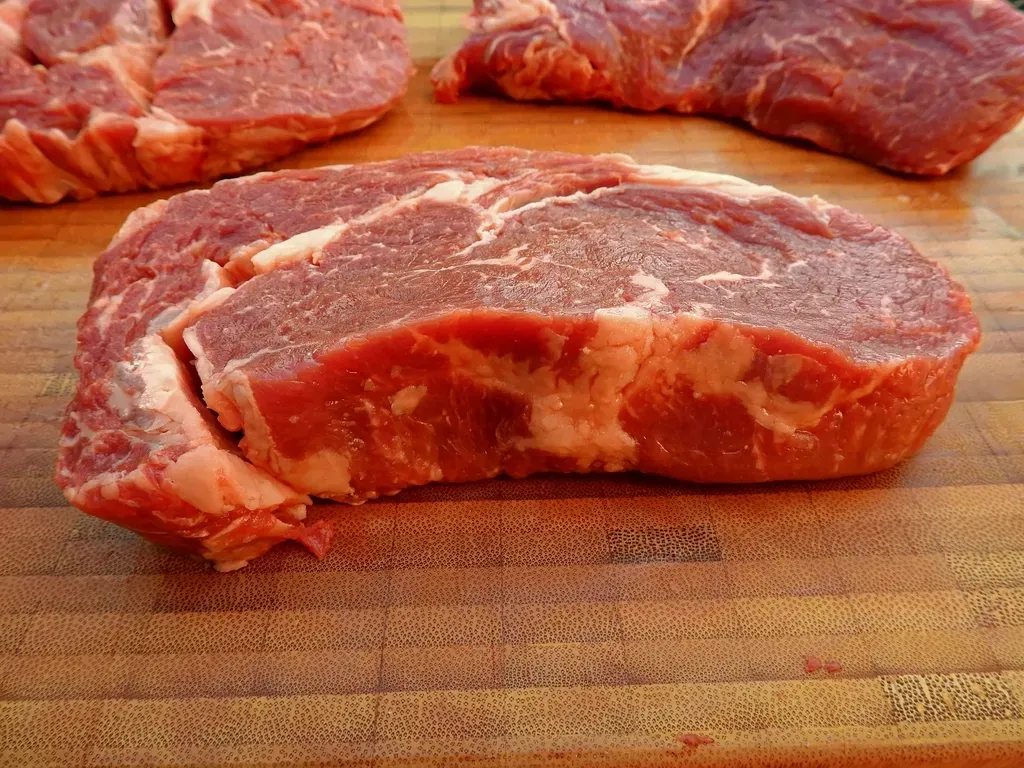
Oh, this habit is so tempting, isn’t it? You wake up in the morning, realize you forgot to take something out for dinner, and just plop that frozen chicken breast on the counter. “It’ll be thawed by the time I get home,” you think. “It’s fine. People have done this forever.” I completely understand the impulse. But here’s what’s actually happening while that meat sits at room temperature all day.
Frozen meat doesn’t thaw evenly. The outside edges warm up first, and within an hour or two, they’re sitting comfortably in the danger zone. Meanwhile, the center is still frozen solid. So while you’re waiting for the middle to catch up, the exterior has been at bacteria-friendly temperatures for hours and hours. Let’s do a little math together, because numbers really help me understand the “why” behind the rule. One single bacterium, doubling every 20 minutes, becomes 64 bacteria in two hours. In seven hours? That same bacterium has multiplied into more than two million bacteria. Two million! And you can’t see them, smell them, or taste them.
The safest method is to plan ahead and thaw in the refrigerator. It takes longer, yes—usually overnight or even a full day—but the meat stays at a safe, consistent temperature the entire time. If you forget to plan ahead, you can also thaw in cold water (changing the water every 30 minutes) or use the defrost setting on your microwave. These methods require more attention, but they keep your food out of the danger zone. Your countertop is for prep work, not thawing. Let’s keep it that way!
That Beautiful Pot of Soup Shouldn’t Sit Out All Night
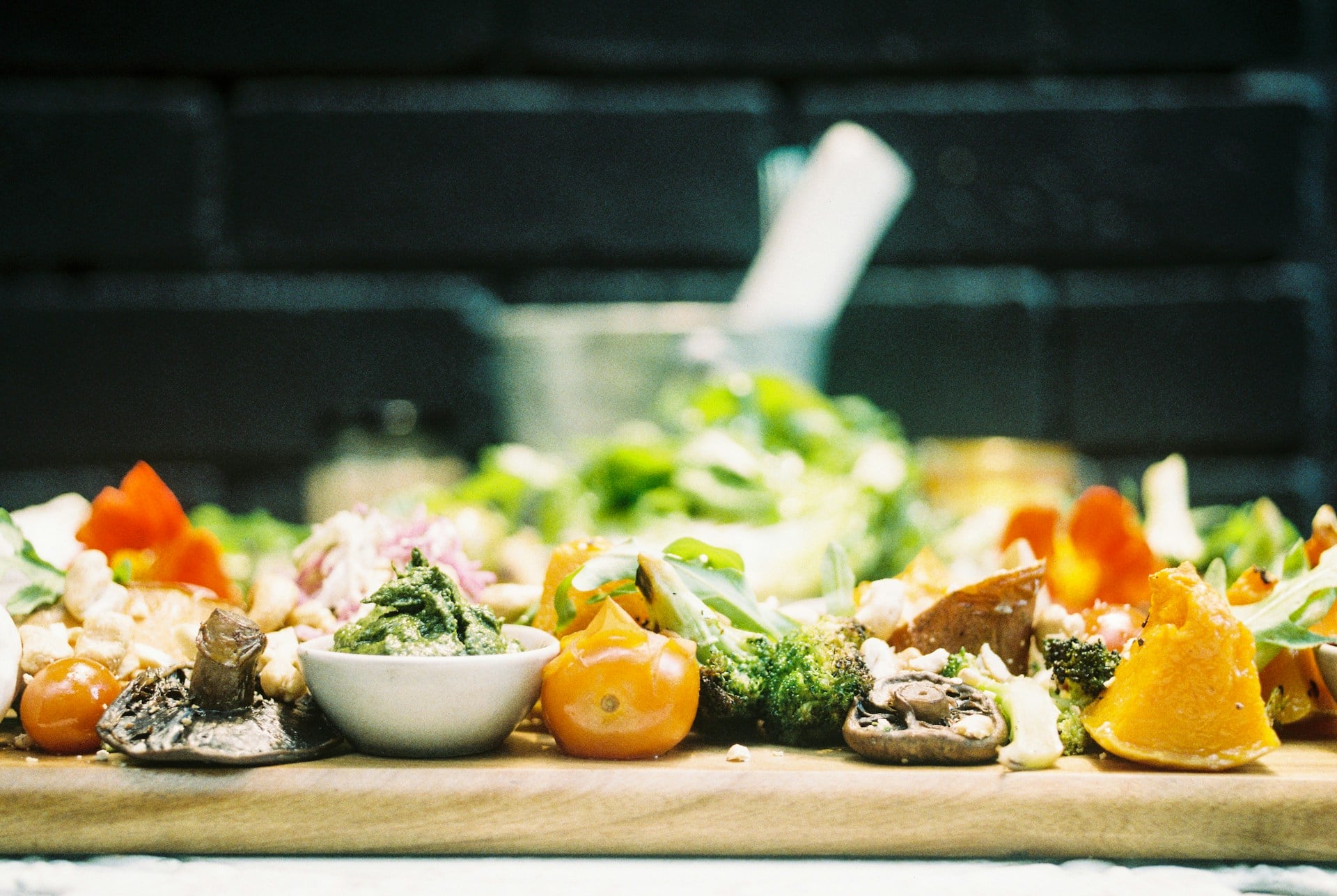
Let me paint a picture for you: you’ve spent the afternoon making a big, beautiful pot of soup or chili. Dinner is over, everyone is full and happy, and that pot is still sitting on the stove, cooling down slowly. You think, “I’ll put it away in a little while.” Then you get distracted by a show, or the kids need help with homework, or honestly, you’re just too tired to deal with it. Three hours later, you finally remember. Is it still safe?
I’m sorry to be the bearer of bad news, but no. It’s not. Perishable foods should never be left out for more than two hours—and if the temperature in your kitchen is above 90 degrees Fahrenheit, that window shrinks to just one hour. It sounds strict, I know. It sounds like the kind of rule that overly cautious people follow. But remember that danger zone we talked about? Even cooked food isn’t immune once it drops back into that 40-to-140-degree range. Bacteria can be reintroduced to your food after cooking (from your hands, from the ladle, from the air), and once the temperature is right, they’ll start multiplying just as fast as they did before the food was cooked.
The solution is simple: divide large pots of food into shallow containers before refrigerating. Shallow containers allow food to cool quickly and evenly, bringing the whole batch through the danger zone as fast as possible. And set a timer! When you sit down to eat, set a two-hour timer on your phone. When it goes off, it’s time to pack up the leftovers. No guessing, no forgetting, no risk.