Top 9 Foods to Improve Cognitive Performance Backed by Science

Did you know that your brain is the hungriest organ in your entire body? It’s true! Even though it only makes up about 2% of your weight, it uses up a whopping 20% of your energy. That means the foods we choose to feed it really, truly matter. The exciting news is that some of the very best brain fuel doesn’t come from fancy supplements or complicated potions—it comes from the delicious, colorful, real foods that have been around forever. Scientists are discovering more and more that what we eat can help keep our thinking sharp, our memory strong, and our minds youthful well into our golden years. I like to think of these foods as little love letters to our brains. Let me introduce you to my favorite brain-boosting all-stars. Your neurons are going to throw a party!
Eggs: Nature’s Perfect Little Brain Fuel Packs

Have you ever heard eggs called “nature’s multivitamin”? It’s such a fitting name! These humble, wonderful eggs are packed with choline, a nutrient that is absolutely fundamental for producing acetylcholine—a neurotransmitter that is essential for both memory and mood regulation. Think of acetylcholine as a little messenger that helps your brain cells talk to each other. A study published in the American Journal of Clinical Nutrition found that higher choline intake was consistently linked to better cognitive function in adults. Eggs also contain a family of B vitamins, which help slow the progression of mental decline and keep your brain healthy and resilient as the years go by. Vitamin B12, in particular, is crucial for maintaining healthy nerve cells and reducing the risk of brain shrinkage. Including eggs in your breakfast—whether scrambled, poached, boiled, or in a lovely omelet—can help you stay sharp, focused, and ready to tackle whatever the day brings. For most people, eating up to one egg per day fits beautifully within a healthy, balanced diet.
Turmeric: The Golden Spice That Shines Bright for Your Brain
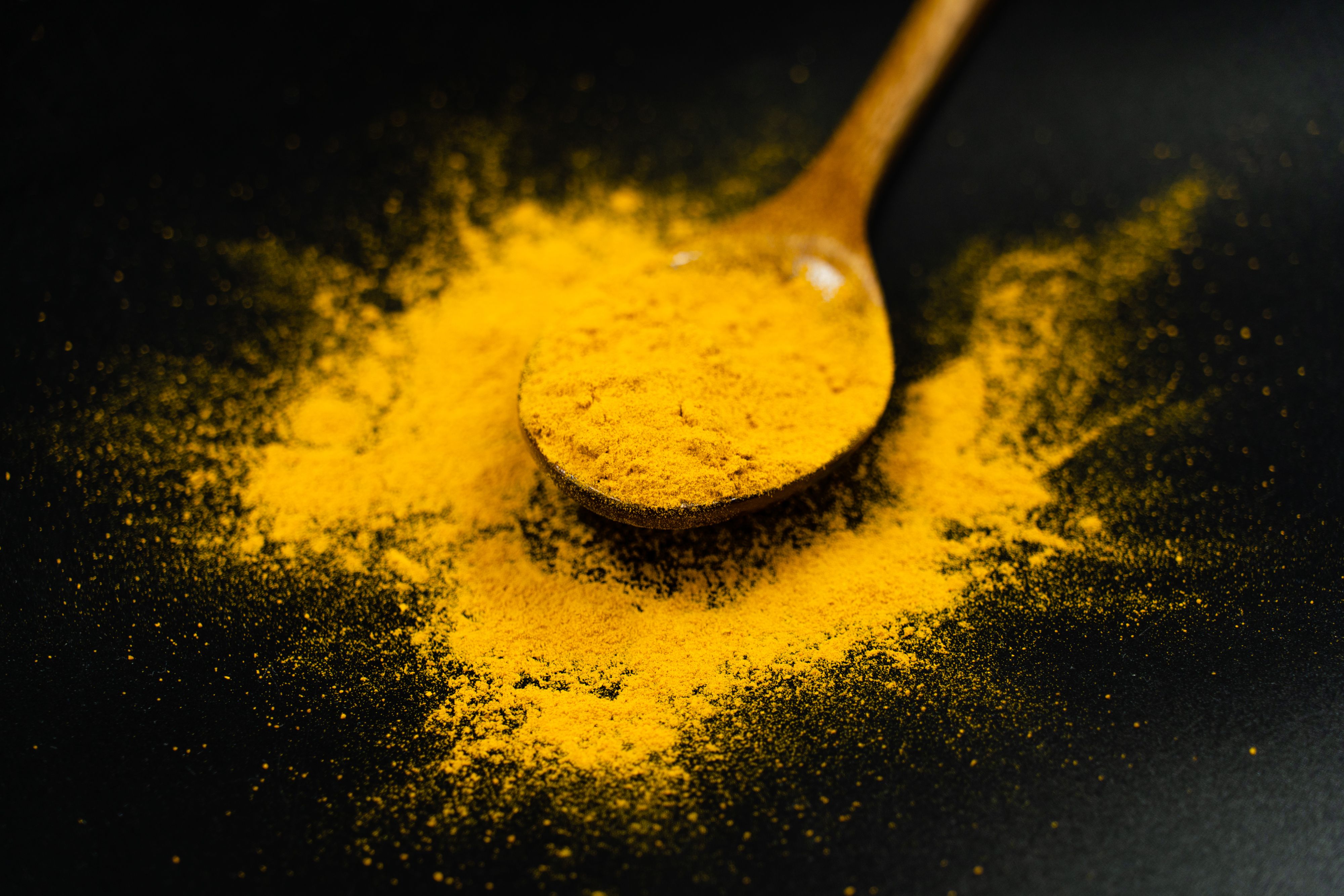
For centuries, turmeric has been treasured in traditional medicine, and now modern science is catching up and confirming what wise cultures have known all along. This brilliant golden spice is absolutely remarkable for brain health. The active ingredient in turmeric is called curcumin, and here’s the amazing part: it can actually cross the blood-brain barrier, that protective shield around your brain, and get right to work with its strong anti-inflammatory and antioxidant powers. A 2018 study in the American Journal of Geriatric Psychiatry showed that adults who took curcumin supplements twice daily saw significant, measurable improvements in their memory and attention over just 18 months. Curcumin has also been linked to increased levels of something called brain-derived neurotrophic factor, or BDNF. Think of BDNF as a growth hormone for your brain—it helps existing brain cells stay healthy and encourages new ones to grow and thrive. This can help delay or even reverse age-related declines in mental function. Adding turmeric to your warm rice dishes, roasted vegetables, soups, or even golden milk lattes is a simple, delicious way to harness its brain-protecting benefits. And here’s a helpful tip: always pair turmeric with a tiny pinch of black pepper, which dramatically improves how well your body absorbs that wonderful curcumin!
Fatty Fish: The Omega-3 Rich Food Your Brain Is Begging For

If your brain could write you a grocery list, fatty fish would be at the very top, underlined, with sparkly stars all around it. Salmon, mackerel, trout, and sardines are some of the very best sources of omega-3 fatty acids, which are absolutely essential for a healthy, happy brain. Here’s why: your brain is actually about 60% fat, and a big portion of that fat is omega-3s! They are major building blocks for the membranes that surround every single one of your brain cells. The National Institutes of Health tells us that low levels of omega-3s have been linked to learning difficulties and depression. One fascinating study in the journal Neurology found that people with higher omega-3 levels actually had larger brain volumes—meaning these healthy fats help preserve your brain’s precious real estate as you age. Most health organizations recommend eating fatty fish at least twice a week. Your brain will use those omega-3s to support memory, learning, and may even help reduce the risk of Alzheimer’s disease down the road. For my friends who aren’t fish fans, omega-3 supplements can help, but whenever possible, whole food sources are the very best way to go.
Pumpkin Seeds: Tiny Seeds with Tremendous Brain Benefits
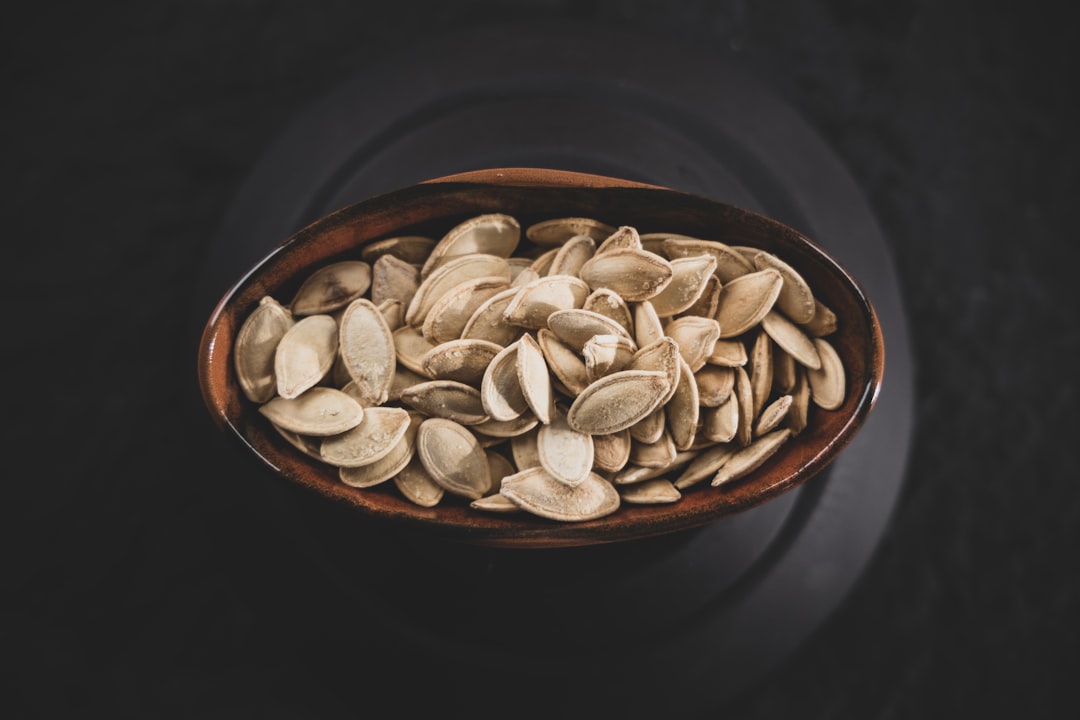
Have you ever cracked open a pumpkin and looked at all those seeds nestled inside? Those little green powerhouses are absolutely packed with minerals that your brain craves. Pumpkin seeds are an outstanding source of magnesium, iron, zinc, and copper—four minerals that play crucial, non-negotiable roles in nerve signaling and cognitive function. Research from the International Journal of Molecular Sciences highlights that magnesium is essential for learning and memory, and low levels are linked to an increased risk of neurological issues like migraines and depression. Zinc is vital for proper nerve signaling between brain cells, and even a small deficiency can lead to problems. Copper helps your brain cells communicate effectively, and iron is absolutely essential for clear thinking—low iron often shows up as brain fog and sluggish cognitive performance. The best part? Snacking on a handful of pumpkin seeds each day, or sprinkling them over salads, yogurt, or oatmeal, is one of the easiest and most delicious ways to deliver this mineral magic to your waiting brain.
Walnuts: The Poetic Nut That Nourishes Your Neurons
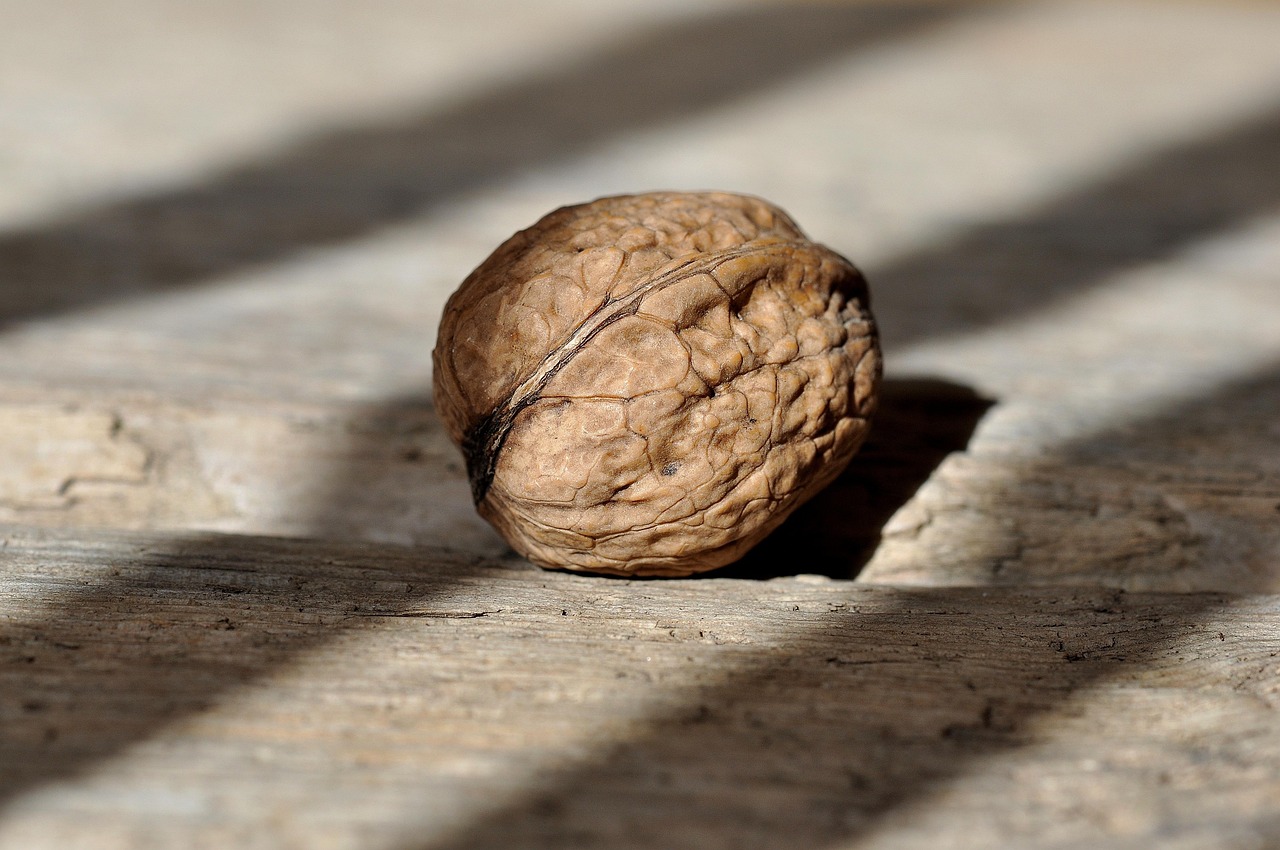
Isn’t it lovely how a walnut actually looks like a tiny, wrinkled brain? Nature has such a wonderful sense of humor! These buttery, satisfying nuts are rich in DHA, a very special type of omega-3 fatty acid that is particularly important for brain health. They also bring along vitamin E, polyphenolic compounds, and antioxidants to the party. A remarkable 2020 study from UCLA found that walnut consumption was directly associated with improved cognitive function in adults—especially when it came to memory and how quickly we can process information. The researchers noticed that adults who ate walnuts scored significantly higher on cognitive tests than those who didn’t. Just a handful a day, about one ounce or seven whole walnuts, is enough to see real benefits. Walnuts also help calm inflammation and oxidative stress in the brain, and their unique nutrient profile even supports neurogenesis—that’s the fancy word for the process by which your brain creates brand new brain cells! Sprinkle them on your oatmeal, toss them into a salad, or simply enjoy them by the handful. Your brain will thank you.
Blueberries: Tiny Berries That Pack a Mighty Memory Punch
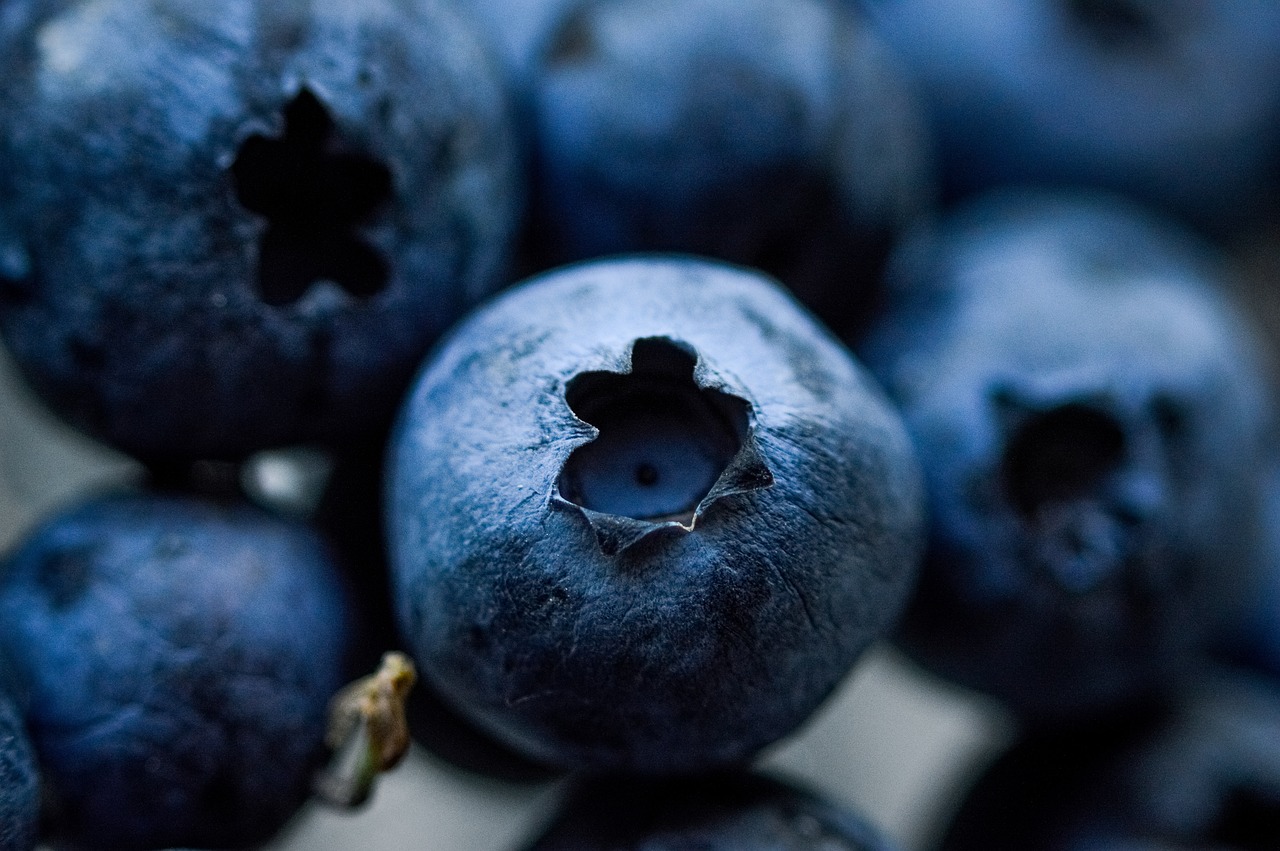
Have you ever looked at a tiny blueberry and wondered if something so small could really make a difference? The answer is a resounding yes! These little indigo gems are absolutely bursting with anthocyanins, special plant compounds that give them their beautiful color and act as powerful antioxidants. Think of antioxidants as your brain’s personal cleanup crew, sweeping away oxidative stress that can wear down your thinking over time. A wonderful Harvard study discovered that people who ate blueberries regularly experienced a slower rate of cognitive decline than those who skipped them. But here’s my favorite finding: research published in the Annals of Neurology showed that women who enjoyed just two or more servings of blueberries each week had brain function that tested up to 2.5 years younger than their actual age. Isn’t that incredible? Scientists believe the antioxidants in blueberries can actually cross the protective blood-brain barrier and get right to work, directly nourishing your precious gray matter. Tossing a handful into your morning yogurt, oatmeal, or even just eating them frozen as a sweet, cold snack is such a simple way to give your brain a happy little boost.
Broccoli: The Green Tree That Keeps Your Memory Green

Broccoli has always been a superstar in the vegetable world, but did you know it’s also a magnificent brain protector? This green tree-like veggie is rich in two very special nutrients: vitamin K and choline. Vitamin K helps keep your memory sharp, and choline is essential for supporting overall brain function. A study published in Frontiers in Aging Neuroscience showed that older adults with higher vitamin K intake had better episodic memory—that’s the memory of specific events and experiences that make up the story of our lives. Broccoli also contains wonderful compounds called glucosinolates, which, when broken down during digestion, produce isothiocyanates. These have been shown to reduce oxidative stress and lower the risk of neurodegenerative diseases. And we can’t forget the vitamin C, giving you an extra layer of antioxidant protection. Steaming or lightly roasting broccoli until it’s tender but still bright green is the best way to preserve all these precious nutrients. Including broccoli in your meals regularly is like giving your brain a little daily tune-up.
Dark Chocolate: A Deliciously Decadent Brain Booster
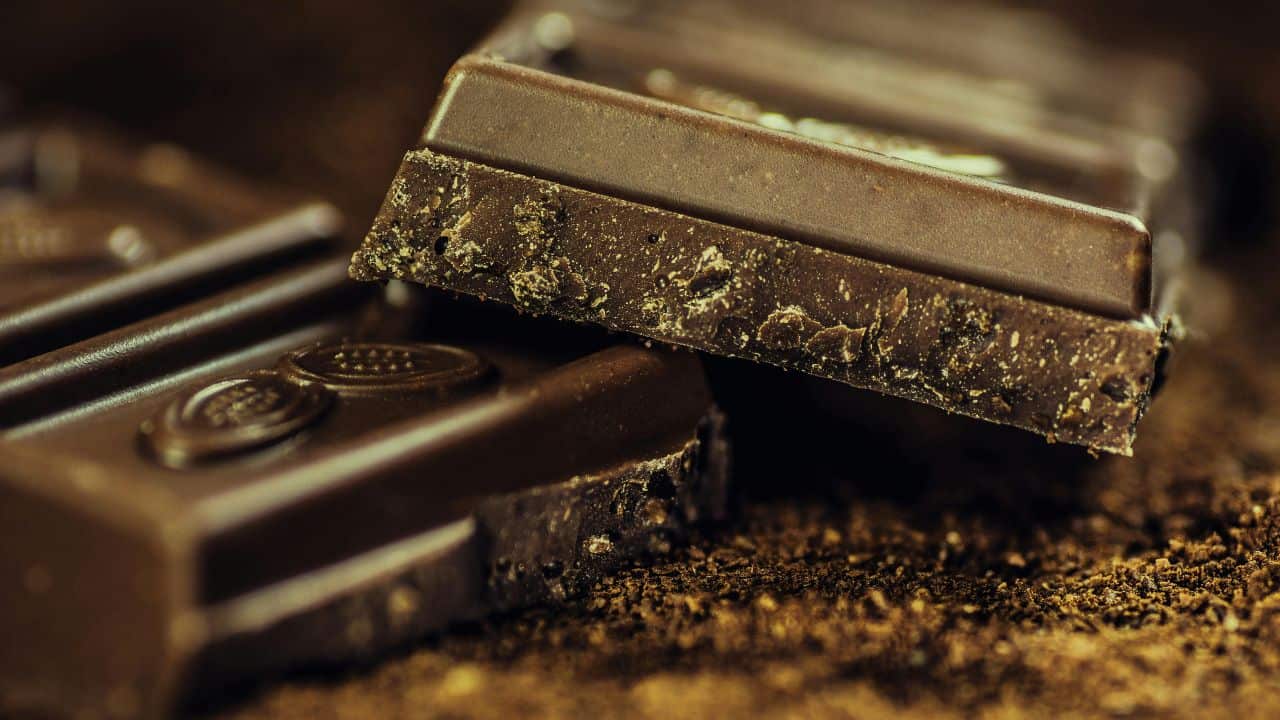
Oh, this is one of my very favorite discoveries! Dark chocolate isn’t just a treat for your taste buds—it’s genuinely, scientifically good for your brain. Rich in flavonoids, a tiny bit of natural caffeine, and powerful antioxidants, dark chocolate can enhance your memory, sharpen your focus, and lift your overall cognitive function. A study in the journal Appetite found that participants who ate dark chocolate at least once a week performed better on mental tasks than those who didn’t indulge. The flavonoids in cocoa have been shown to accumulate in the areas of the brain responsible for learning and memory, especially the hippocampus, which is like your brain’s librarian. Dark chocolate also gives a gentle, happy boost to serotonin and endorphin levels, improving your mood and reducing that heavy feeling of mental fatigue. For the best results, look for chocolate with at least 70% cocoa content—the darker, the better! And remember, moderation is key, but a small square of dark chocolate a day can be a completely guilt-free way to sharpen your mind and sweeten your day.
Oranges: Sunny, Juicy, and Full of Cognitive Protection
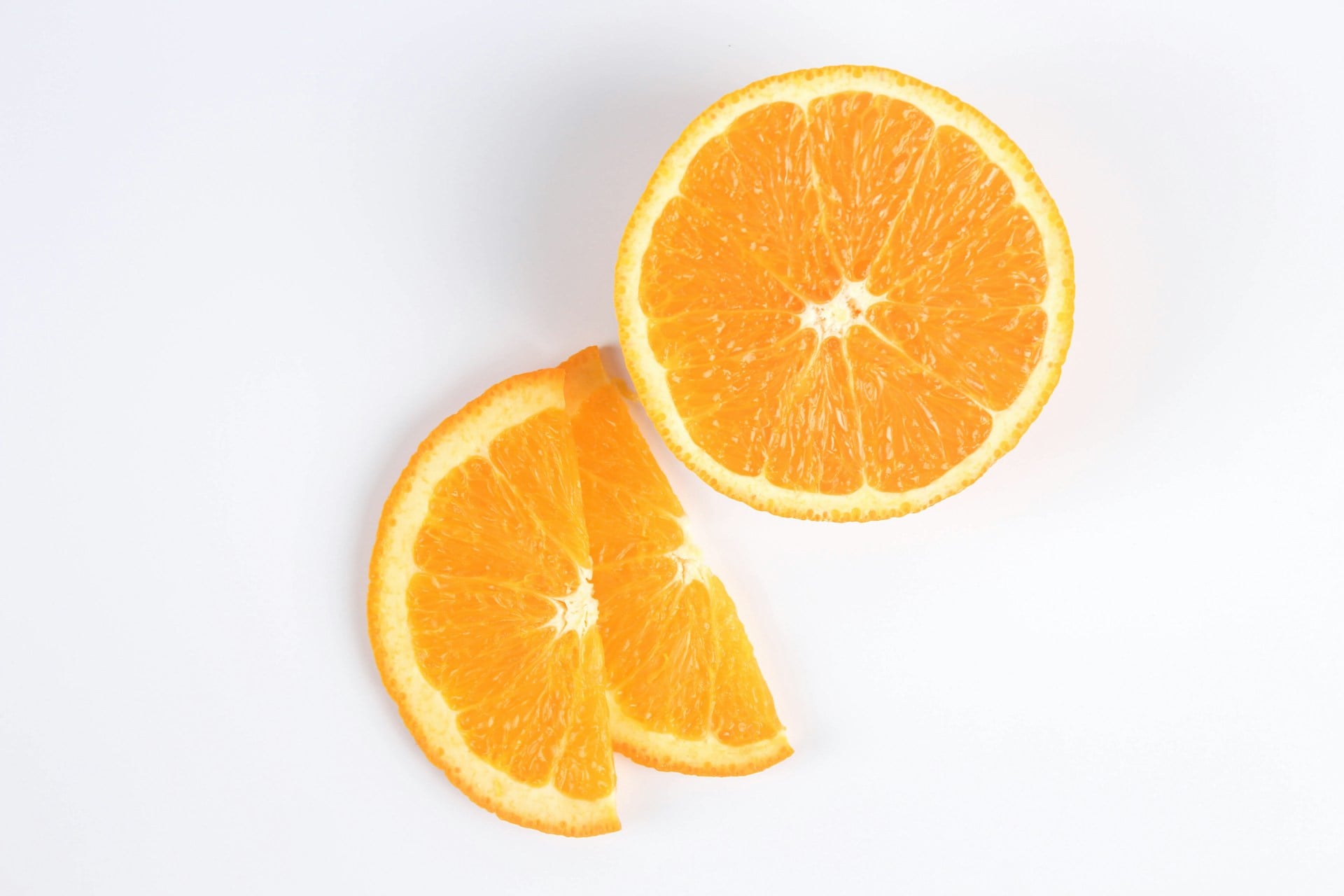
When life gives you oranges, your brain rejoices! Oranges are justly famous for their vitamin C content, and this sunny vitamin is an absolute star when it comes to brain health. One single medium-sized orange provides all the vitamin C you need for an entire day. According to a study in the journal Frontiers in Aging Neuroscience, people with higher levels of vitamin C in their blood performed better on tests of memory, attention, and decision speed. Vitamin C is a powerful antioxidant that helps protect your precious brain cells from damage caused by free radicals—think of them as little rust particles that can accumulate over time. It also supports the production of neurotransmitters, the chemical messengers that allow your brain cells to communicate clearly and quickly. Eating oranges or drinking a small glass of fresh orange juice regularly can help keep your mind sharp, bright, and youthful. And don’t forget that other citrus fruits like grapefruits, lemons, and limes offer similar lovely benefits!