10 Fruits to Avoid When Reducing Sugar Intake

I know, I know—it feels almost unfair to talk about fruit this way. For years, we’ve been told fruit is nature’s perfect candy, a guilt-free treat we can enjoy anytime, anywhere. And in so many ways, that’s absolutely true! Fruit is packed with vitamins, minerals, fiber, and antioxidants our bodies need and love. But here’s the thing I’ve learned: not all fruits are created equal when it comes to sugar. Some of our favorite sweet, juicy treats actually contain more sugar than we realize—sometimes even more than a cookie! This isn’t about making you afraid of fruit. It’s about empowering you with knowledge so you can make choices that feel good for your body. Let’s take a kind, curious look at the fruits that pack a surprising sugar punch.
Figs: Ancient, Elegant, and Surprisingly Sugar-Dense
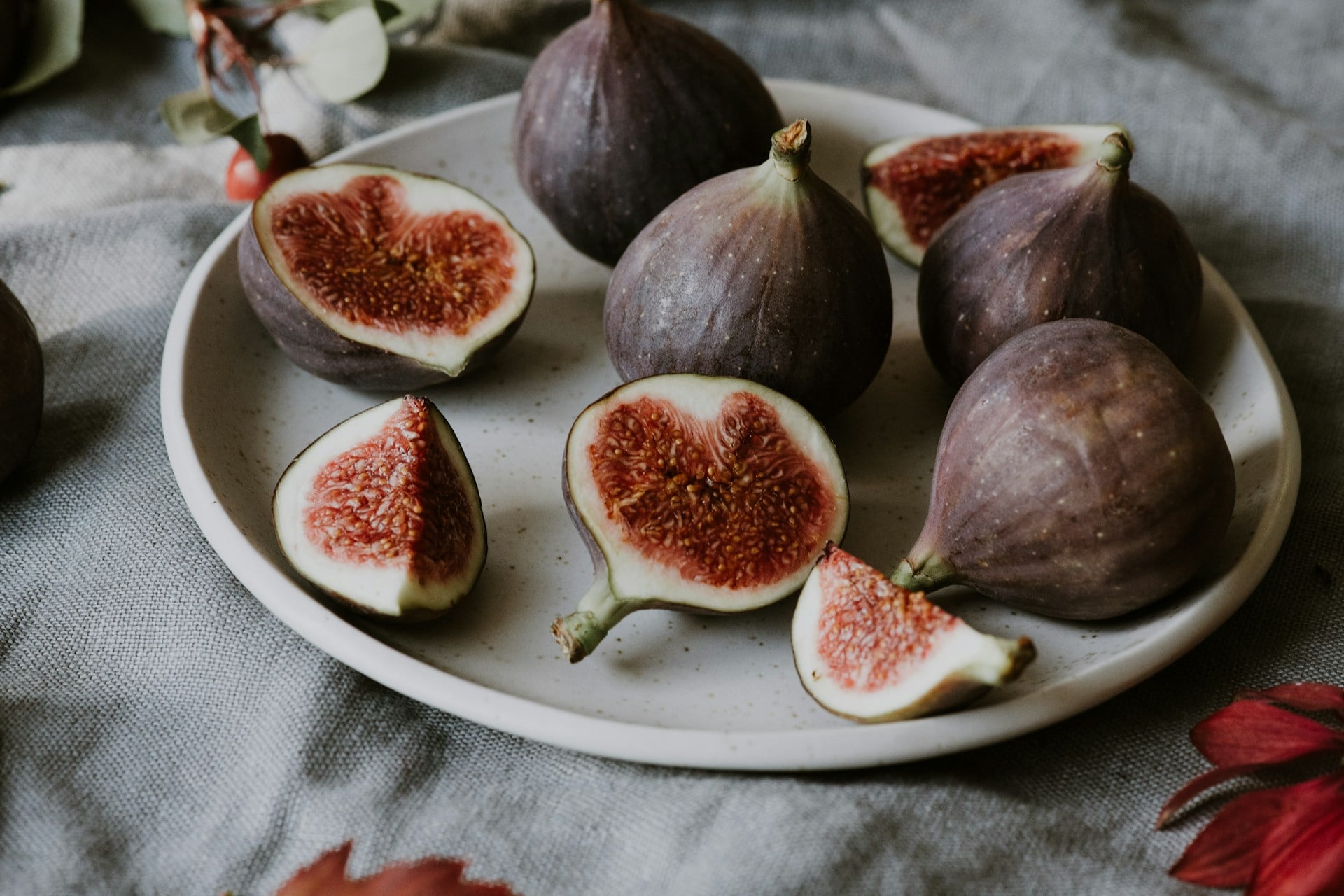
A single medium fig contains about 8 grams of sugar, and since a typical serving is three or four, you could easily consume over 30 grams in one sitting. Dried figs are even more concentrated, packing as much sugar as a candy bar in just a handful. While figs offer wonderful fiber, calcium, and potassium, they can be a hidden hazard for sugar watchers. Try a fresh peach or crisp apple instead for sweet satisfaction with a much gentler sugar impact.
Grapes: Those Tiny, Juicy, Deceptively Sweet Little Balls
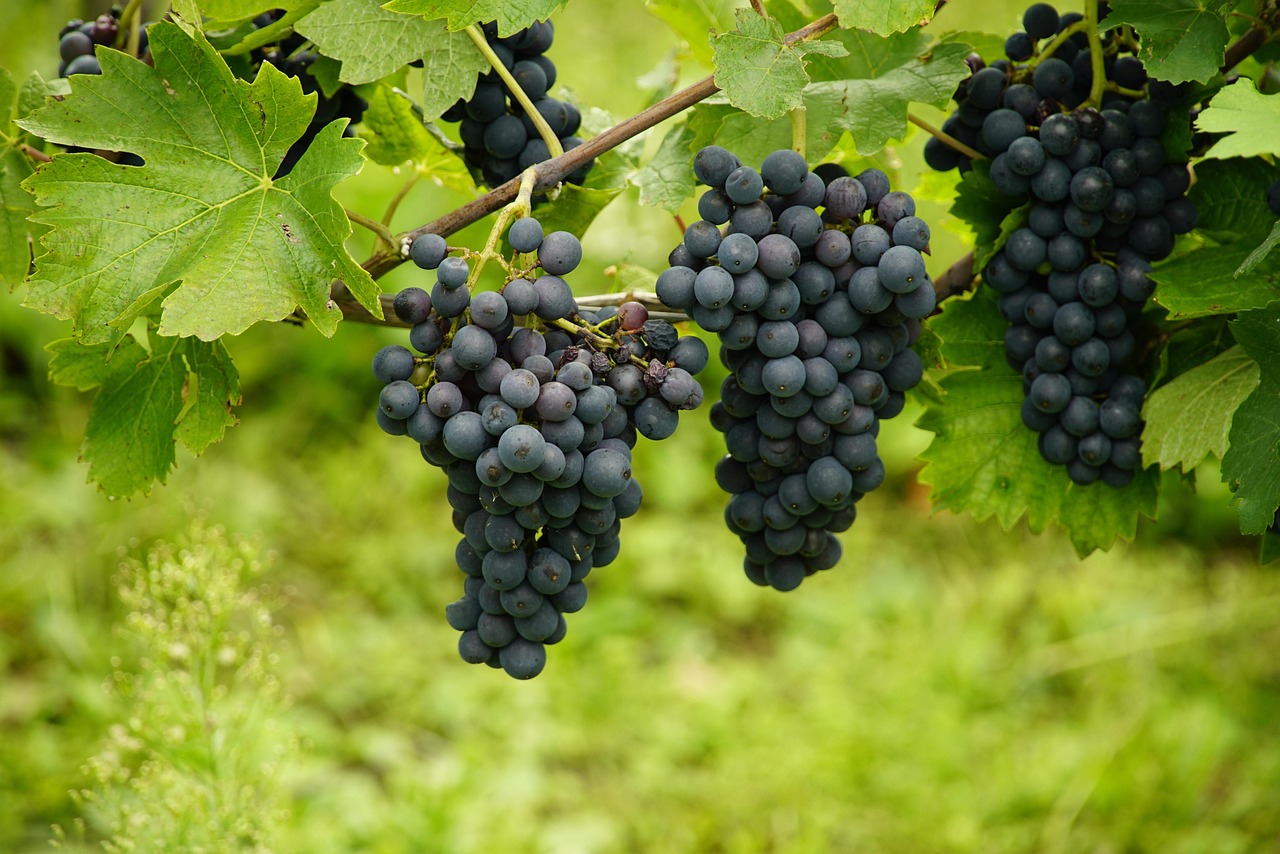
A single cup of grapes contains about 23 grams of sugar—almost the same as a can of soda. Their high glycemic index means they can cause a fairly rapid rise in blood sugar. The solution isn’t to never eat grapes again; it’s to be mindful. Pour a small handful into a bowl instead of eating from the bag, pair them with almonds or cheese to balance that sugar, or swap them for berries or kiwi on lower-sugar days.
Oranges: The Vitamin C Powerhouse With Hidden Sugar
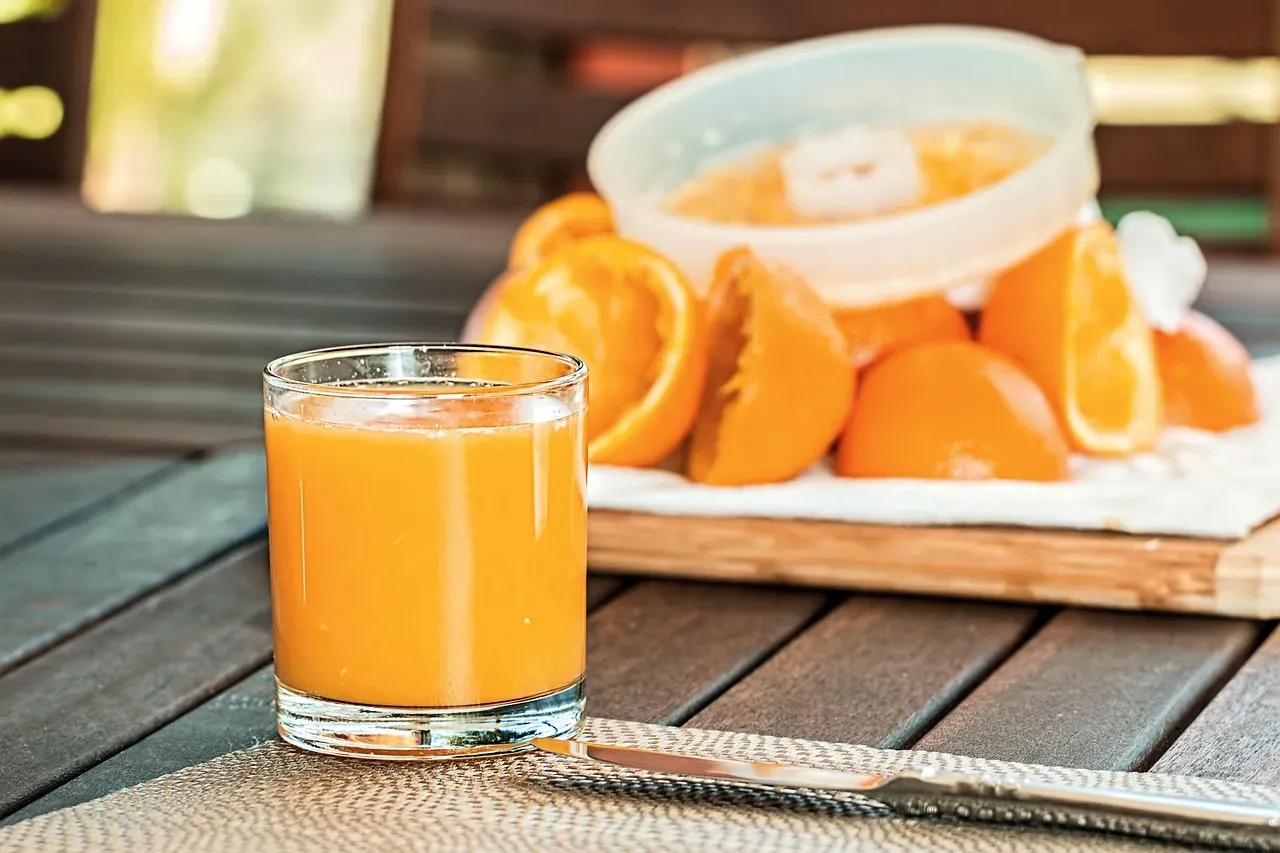
A medium orange contains about 12 grams of sugar, but orange juice—even fresh-squeezed—can contain far more sugar per serving than people expect, and without the fiber that helps slow sugar absorption. This doesn’t mean oranges are bad; it just means choose whole oranges over juice, limit yourself to one a day, or reach for grapefruit when you want that citrus zing with significantly less sugar.
Cherries: Nature’s Candy (And Yes, That’s Literally Accurate)
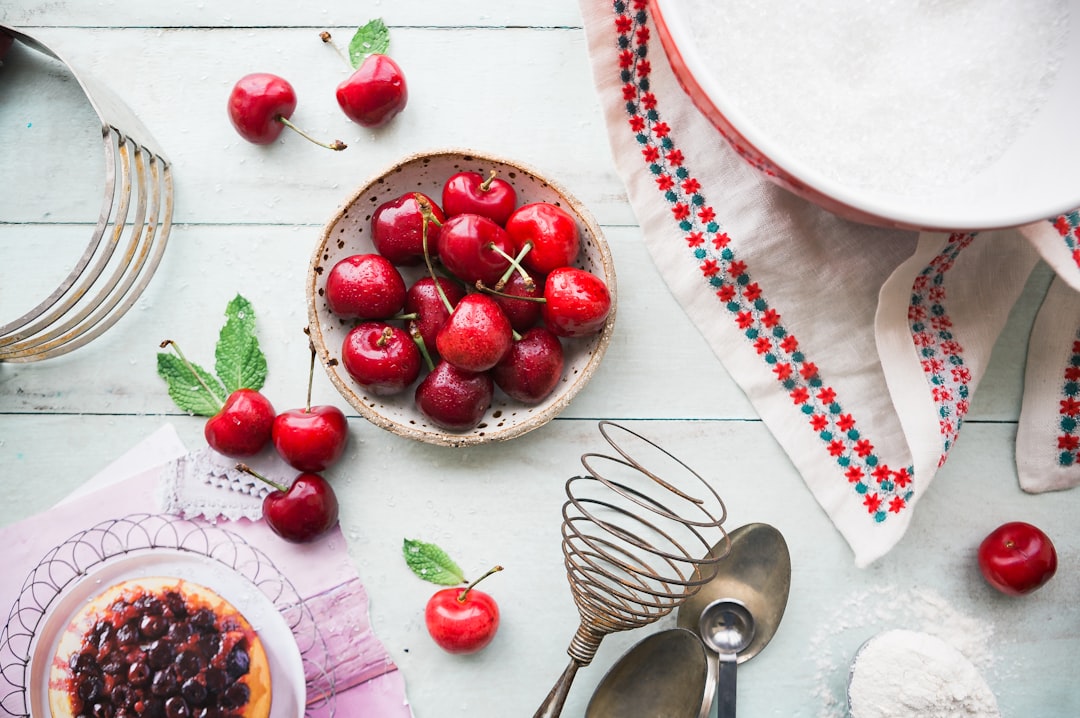
One cup of sweet cherries contains roughly 18 grams of sugar, giving them a sugar density genuinely similar to many sweets. While they’re celebrated for their antioxidants and anti-inflammatory properties, they can be challenging for low-sugar diets. Choose sour cherries when you can—they contain significantly less sugar—and remember that dried cherries are much more sugar-dense than fresh ones.
Pineapple: Tangy, Tropical, and Surprisingly Sugar-Heavy
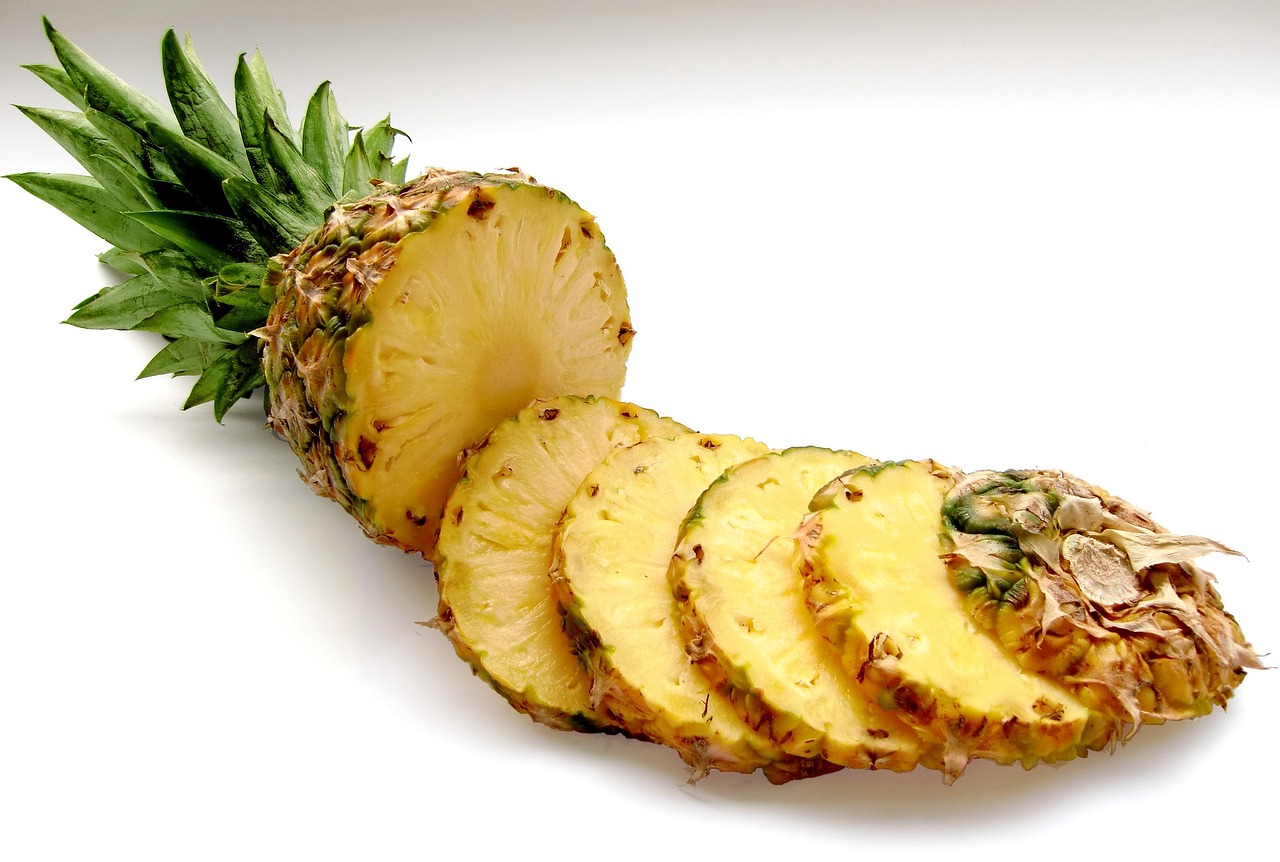
A single cup of pineapple chunks contains about 16 grams of sugar and has a higher glycemic index than many other fruits, meaning it can raise blood sugar more quickly than apples or pears. The tradeoff is real nutritional benefits: vitamin C, manganese, and anti-inflammatory bromelain. Stick to small portions, pair it with protein like grilled chicken, or choose melon or strawberries for everyday snacking—save the pineapple for when you really want that tropical pop.
Mangoes: Tropical Sunshine That Comes With a Sugar Surprise
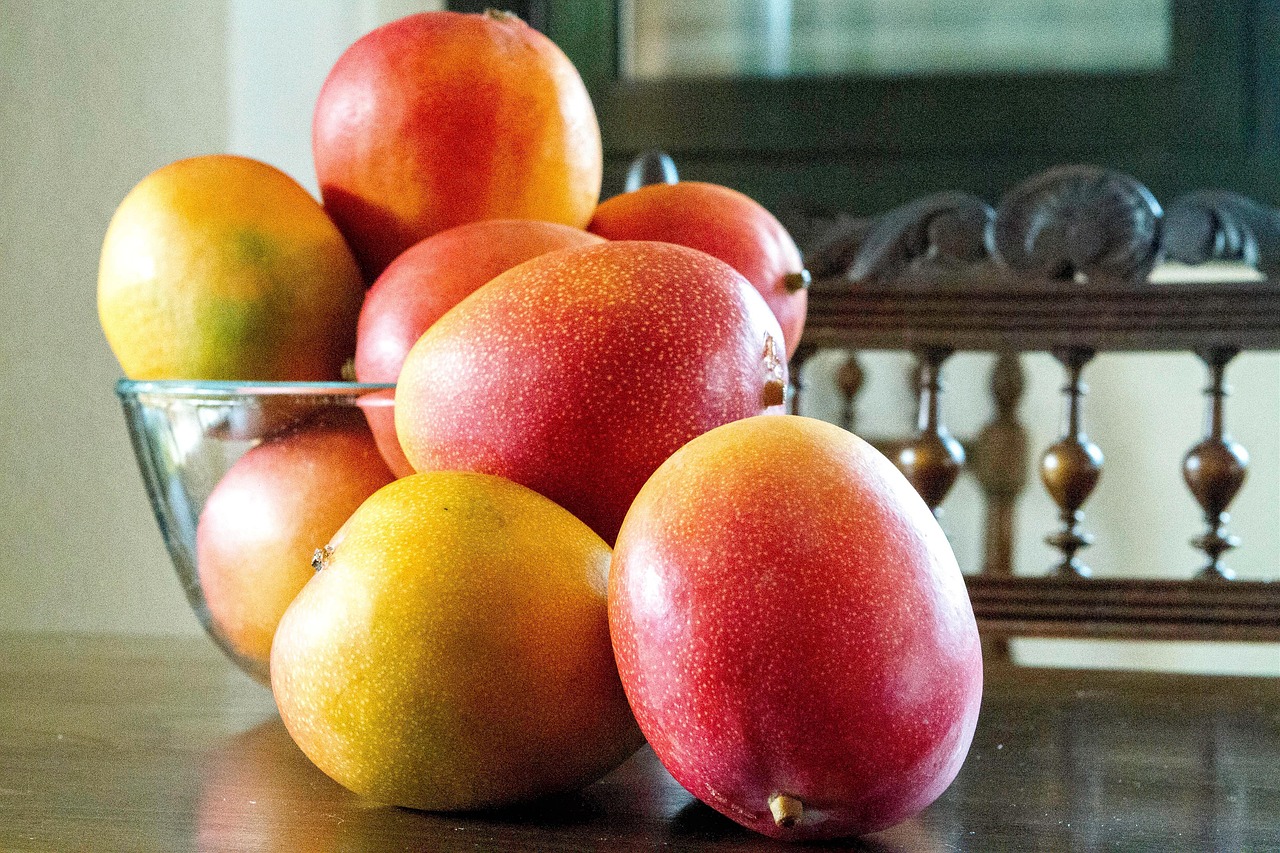
One single cup of sliced mango contains about 23 grams of sugar—more than a standard chocolate chip cookie. Mangoes are glorious and full of vitamin C, vitamin A, and fiber, but recent dietary guidelines suggest enjoying them in moderation, especially if you’re prone to insulin resistance. If you’re craving that tropical vibe, try papaya or guava instead; they deliver the same sunny flavor with significantly less sugar.
Lychees: The Exotic Jewel Hiding an Ocean of Sugar
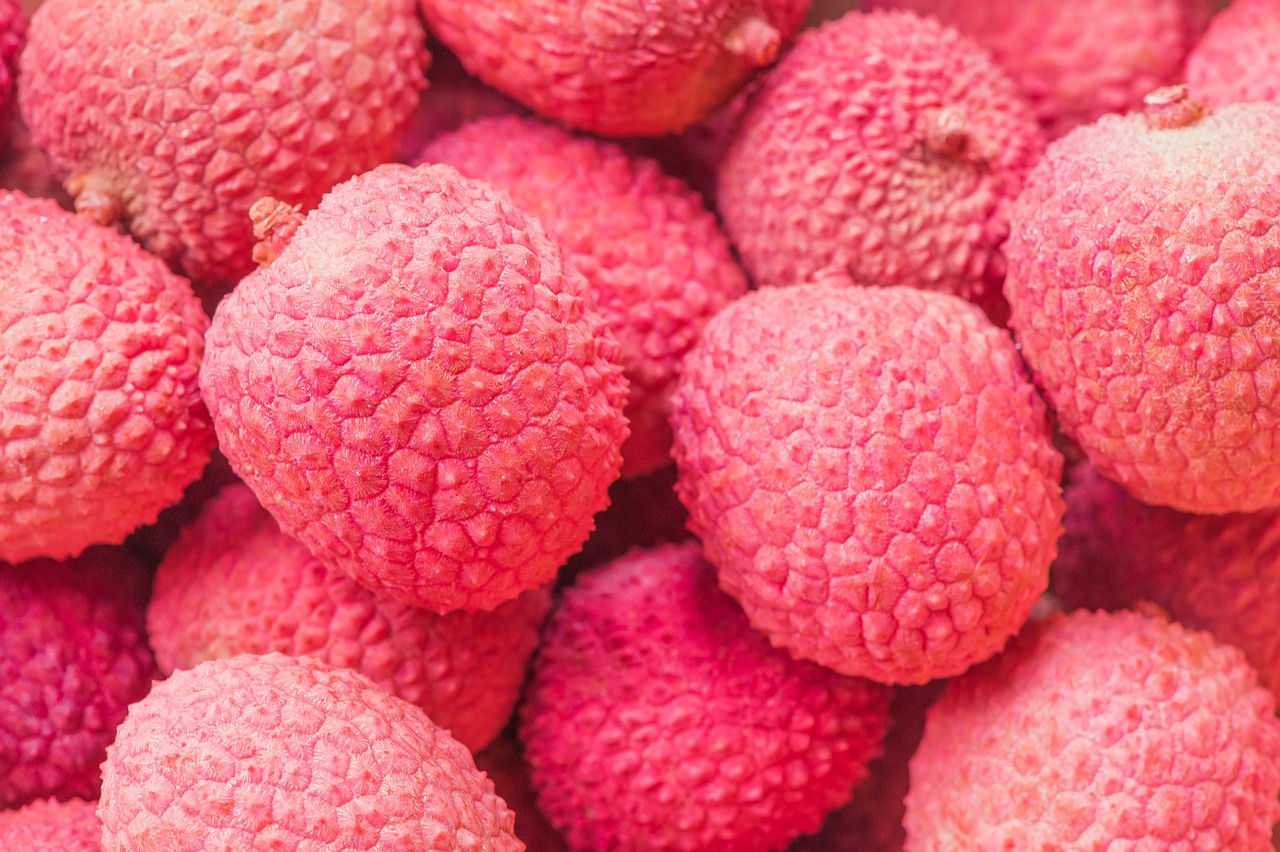
One cup of lychees contains about 29 grams of sugar, making them one of the absolute highest-sugar fruits in the entire produce section. They’re rarely eaten alone—often floating in sweet syrup or mixed into sugary cocktails—so approach them with gentle caution. Enjoy them as an occasional delicacy, and consider swapping them for starfruit or passionfruit when you’re craving something tropical and exotic.
Dates: Nature’s Caramel and the Sweetest of Them All
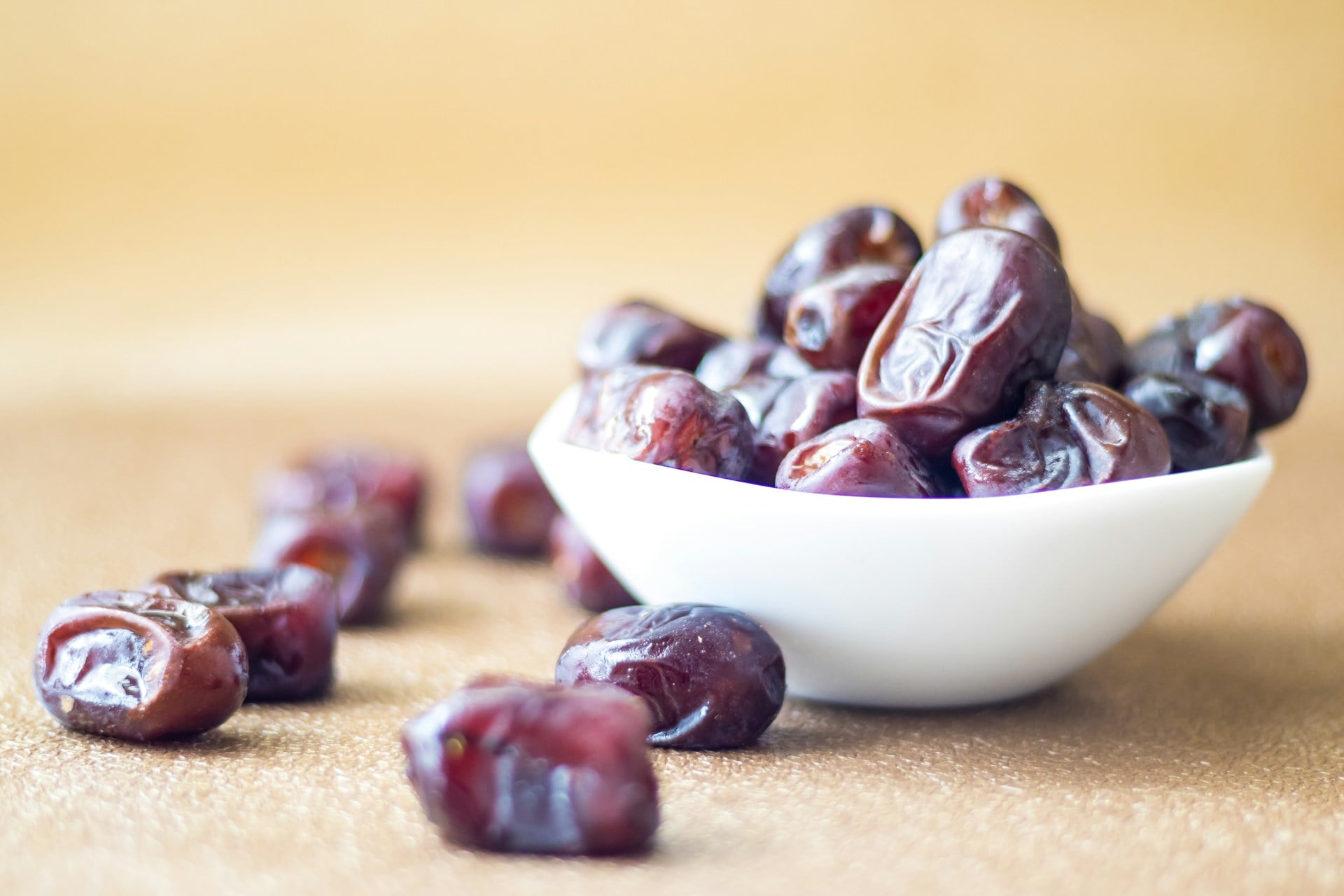
Dates are often marketed as a natural sweetener and used in health foods, but their sugar content is staggering. A single Medjool date contains about 16 grams of sugar, and people often eat several at once. According to the USDA, dates are almost entirely made up of natural sugars, which can quickly add up. While dates provide potassium and fiber, their sugar load is a concern for anyone aiming to reduce sugar. They are often used in energy bars and desserts, which can lead to accidental overconsumption. Nutritionists suggest using dates sparingly, if at all, when trying to limit sugar. Their caramel-like taste is delicious, but the sugar content is off the charts.
Watermelon: The Summer Classic With a Sugar Kick
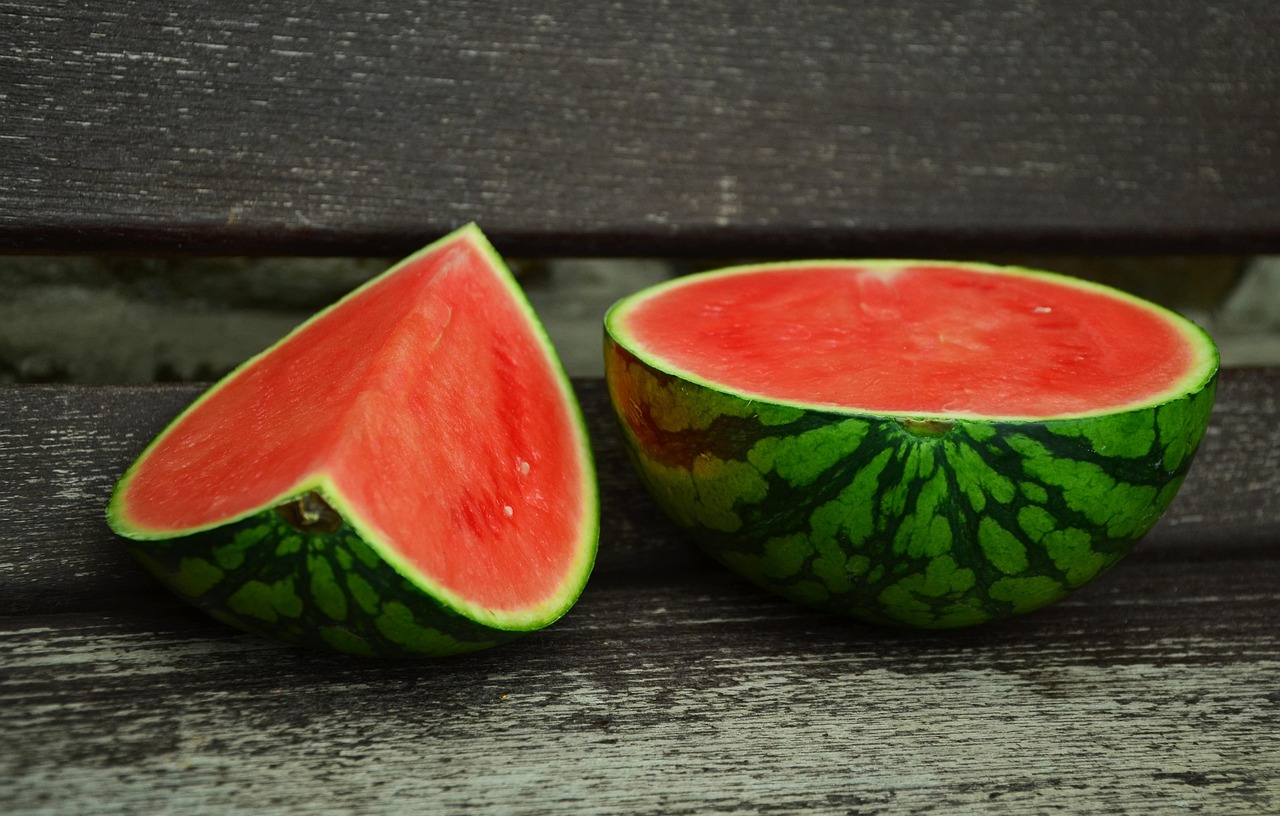
A two-cup serving of watermelon contains about 18 grams of sugar and has a higher glycemic index than many other fruits, meaning it can raise blood sugar fairly quickly. It’s also over 90% water, low in calories, and incredibly satisfying and hydrating. Pair it with protein-rich foods like nuts or cheese to help reduce blood sugar spikes, or choose cantaloupe and honeydew as lower-sugar everyday alternatives.
Bananas: The Beloved Breakfast Staple With a Sweet Secret
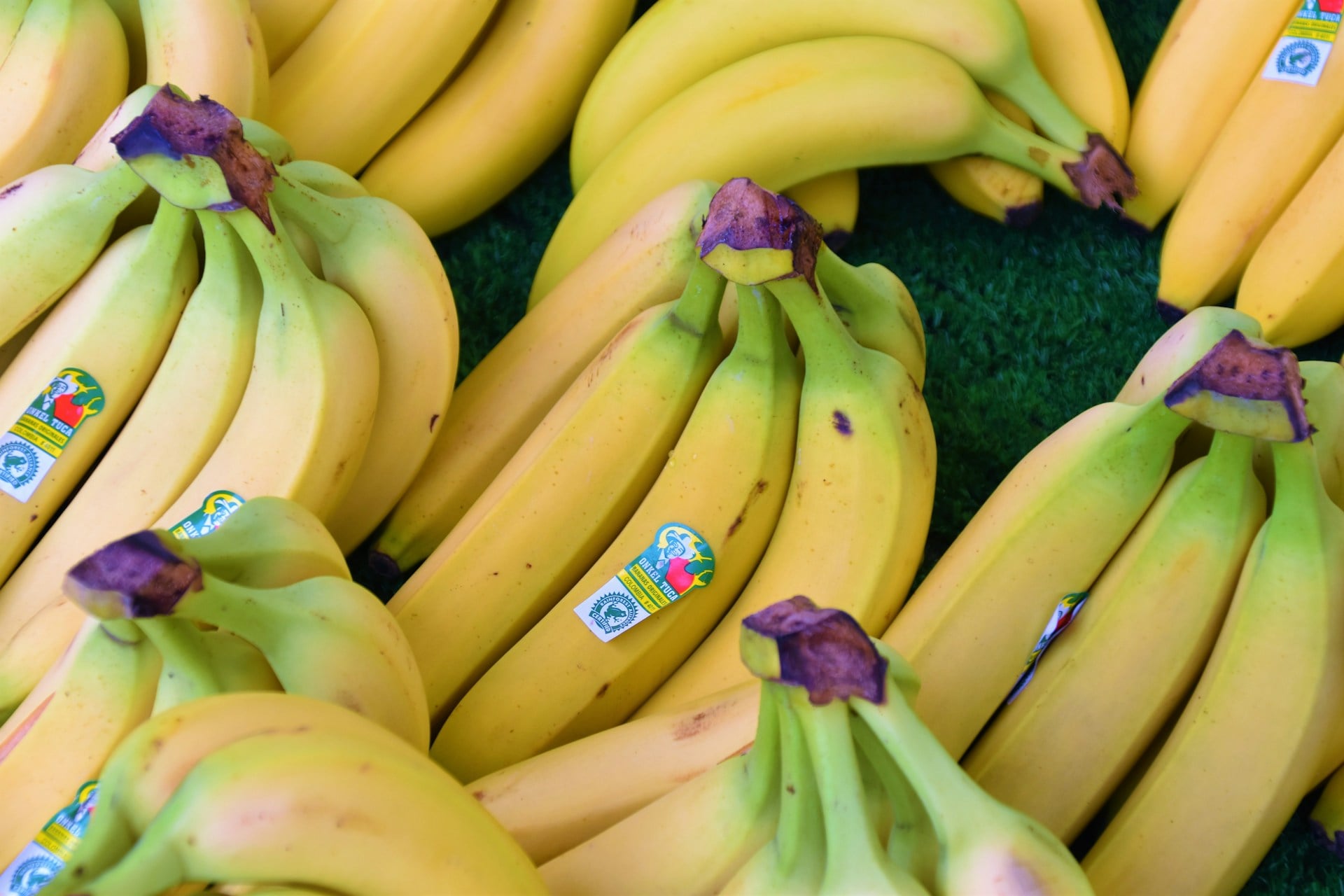
A medium banana contains about 14 grams of sugar, and the riper it gets, the higher that number climbs—making those brown-speckled beauties sugar bombs compared to their greener cousins. They’re absolutely not “bad”; they’re rich in potassium and fantastic fuel for athletes. But if you’re managing blood glucose or simply cutting down on sweet flavors, consider swapping banana slices for berries in your smoothie or oatmeal, or just choose a smaller, greener banana less often.