Classic Pantry Staples from the Depression Era for Modern Cooking

These days, with grocery bills climbing and so much uncertainty in the air, something unexpected is happening. People are looking back—to the kitchens of the Great Depression—and finding wisdom that feels surprisingly fresh. The frugal habits that helped families get through those hard times are making a comeback, and not just for nostalgia’s sake. They offer a real, practical way to cook nourishing meals, stretch a budget, and waste less. At its heart, this isn’t about deprivation. It’s about resourcefulness. It’s about learning how to make a little go a very long way.
The Resurgence of Frugal Cooking: Why Old-School Wisdom Feels New Again
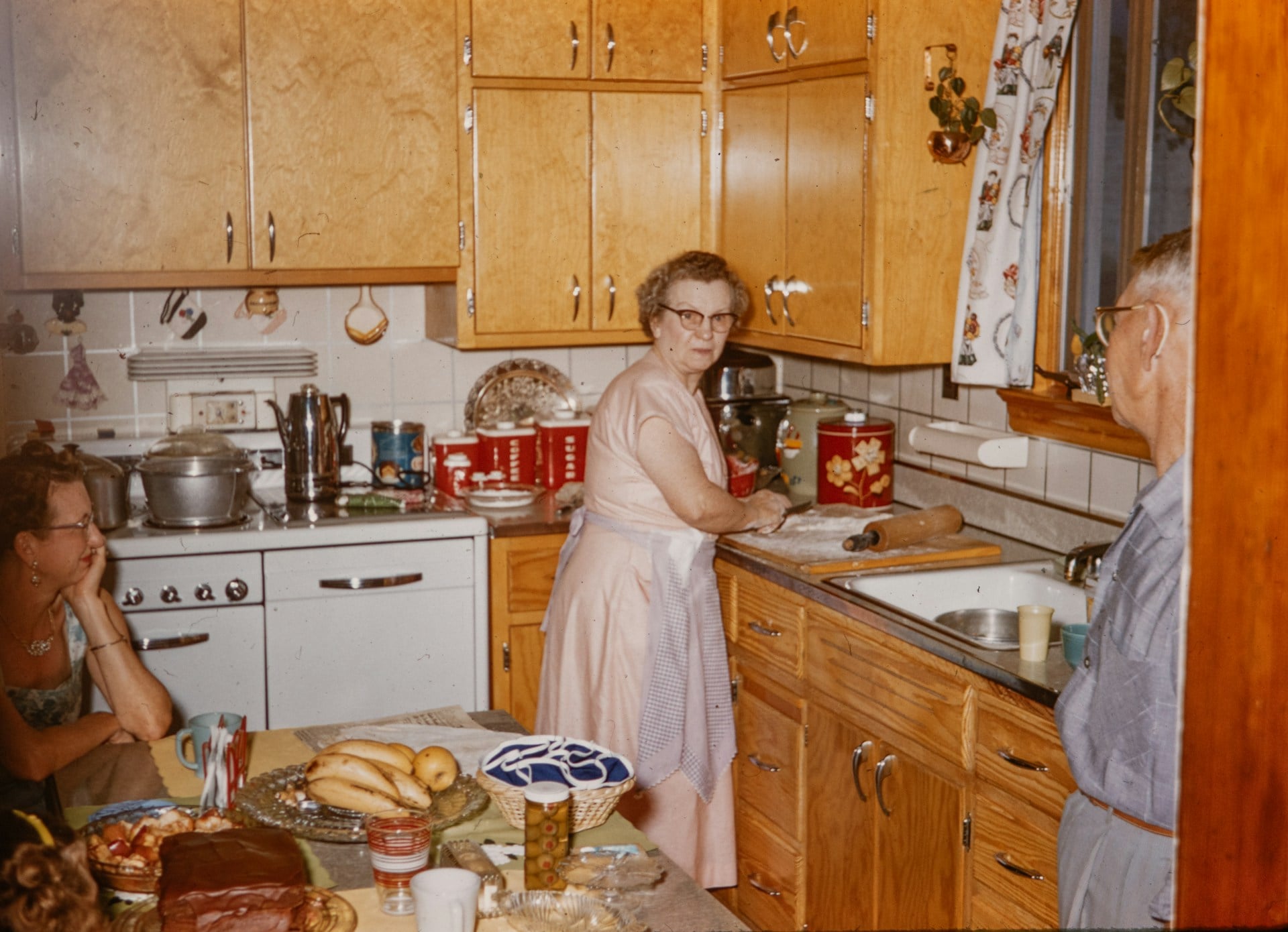
Between unpredictable prices and a growing desire to live more sustainably, a lot of us are rethinking how we shop and cook. And interestingly, the answers we’re finding come from nearly a century ago. Depression-era cooking wasn’t about trends—it was about necessity. But the techniques born from that time feel incredibly relevant now: cooking with whole ingredients, wasting nothing, and building meals from what you have. There’s nothing romantic about hardship, but there is something powerful about cooking with intention. By shifting focus from expensive, trendy items to humble staples, we’re not just saving money—we’re building resilience. And in the process, we’re connecting with a tradition of smart, resourceful cooking that feels more empowering than limiting.
Staples That Stretched Meals: The Enduring Power of Beans and Grains
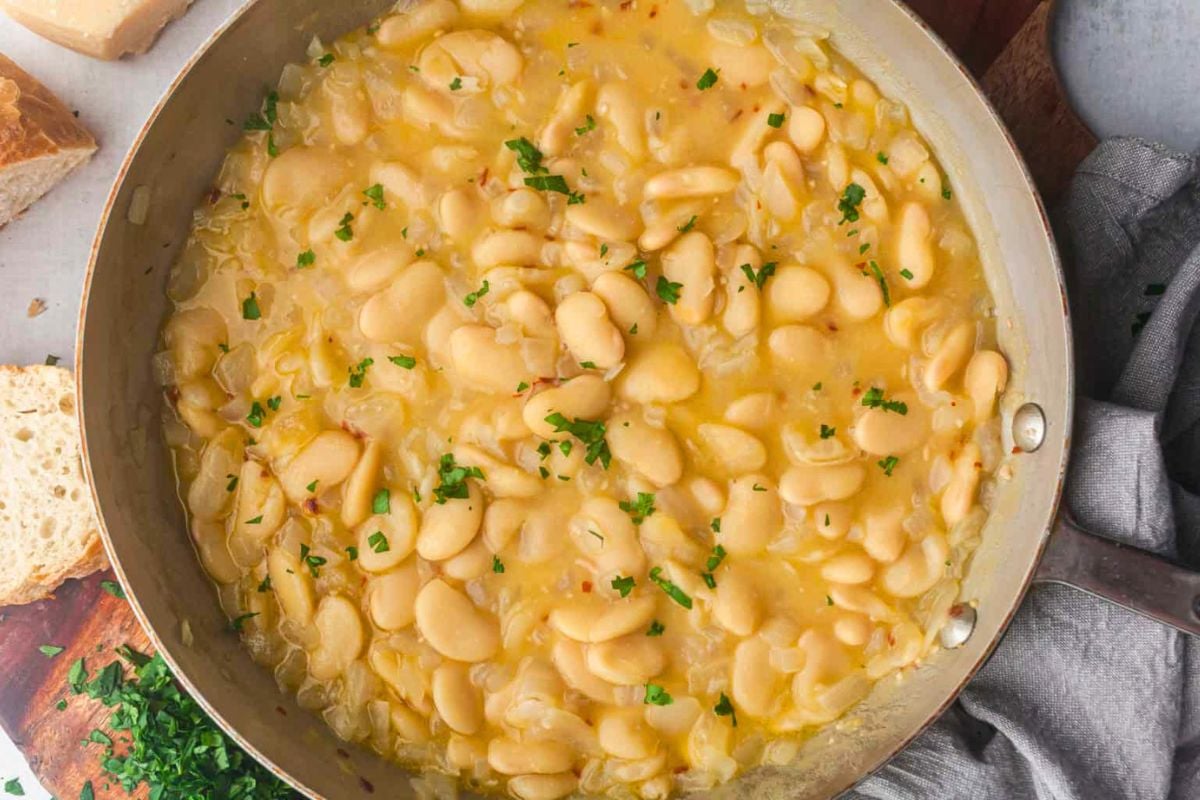
Back then, meals were built on a simple, sturdy foundation: affordable carbohydrates and plant-based proteins. Dried beans and legumes were the workhorses of the kitchen—cheap, filling, and endlessly versatile. A pot of beans could turn into soup, stew, or even a hearty loaf, feeding a family for pennies. Paired with rice, barley, or oats, they stretched even further. And root vegetables like potatoes, carrots, and onions added nutrition and stayed good for months in storage. That trio—beans, grains, and roots—was the backbone of countless meals. And honestly? It still is. These staples remain the most cost-effective way to build a satisfying, nourishing plate. No fancy ingredients required.
Shelf Anchors in the Pantry: Building a Kitchen from the Basics
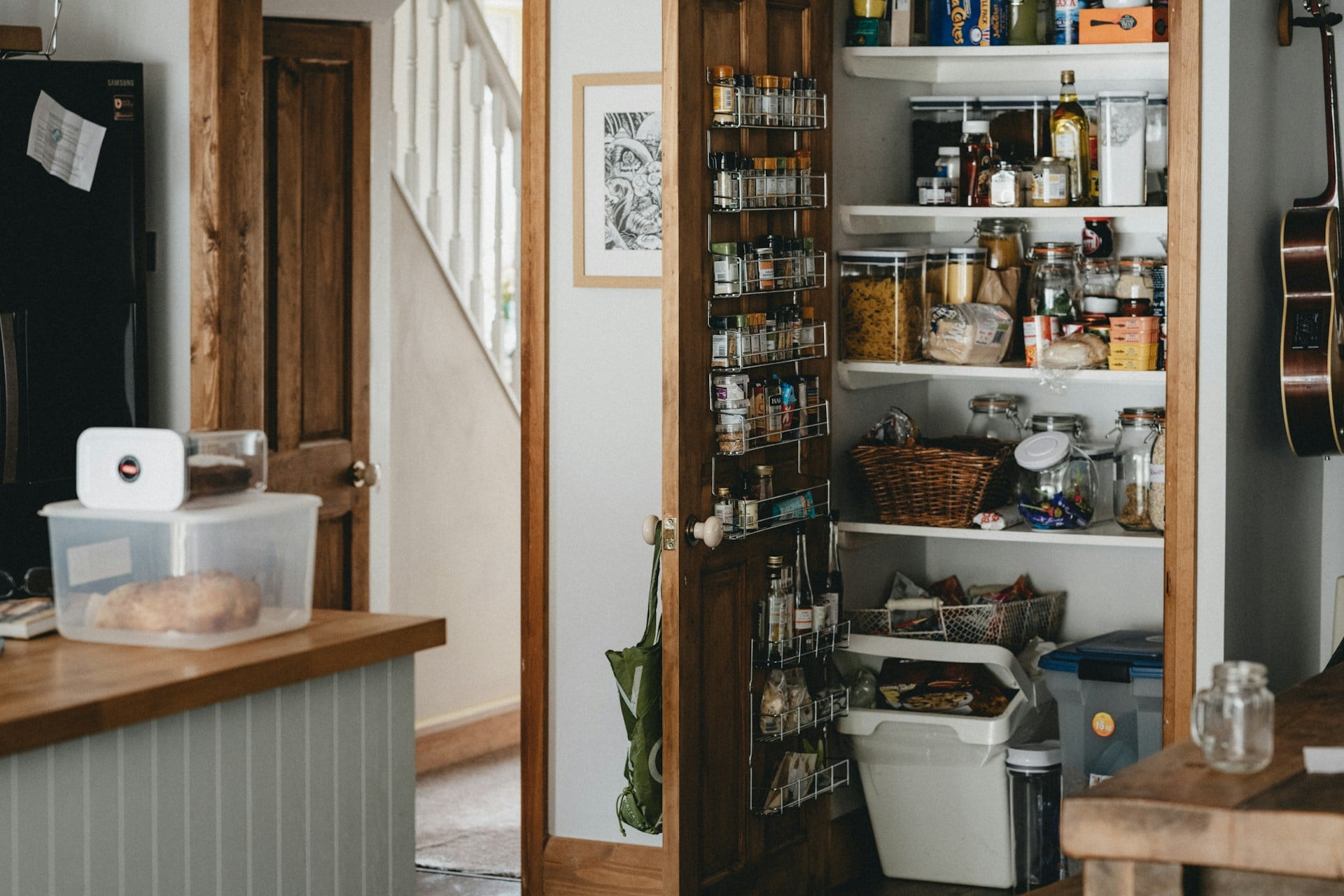
The Depression-era pantry was a study in smart strategy. It wasn’t about variety for variety’s sake—it was about longevity and utility. Flour and cornmeal were essential, the starting point for bread, pancakes, dumplings, and more. With those two, you could build so much. Salt was non-negotiable, used for both flavor and preservation. Baking powder made quick breads possible without yeast. Dried fruits like raisins and prunes offered a touch of sweetness and nutrition during lean months. This wasn’t hoarding—it was creating a reliable foundation. Building a modern kitchen with that same mindset—prioritizing versatile, shelf-stable basics—gives you a cushion against high prices and last-minute grocery runs.
Flavor on a Budget: Extracting Richness from Humble Ingredients
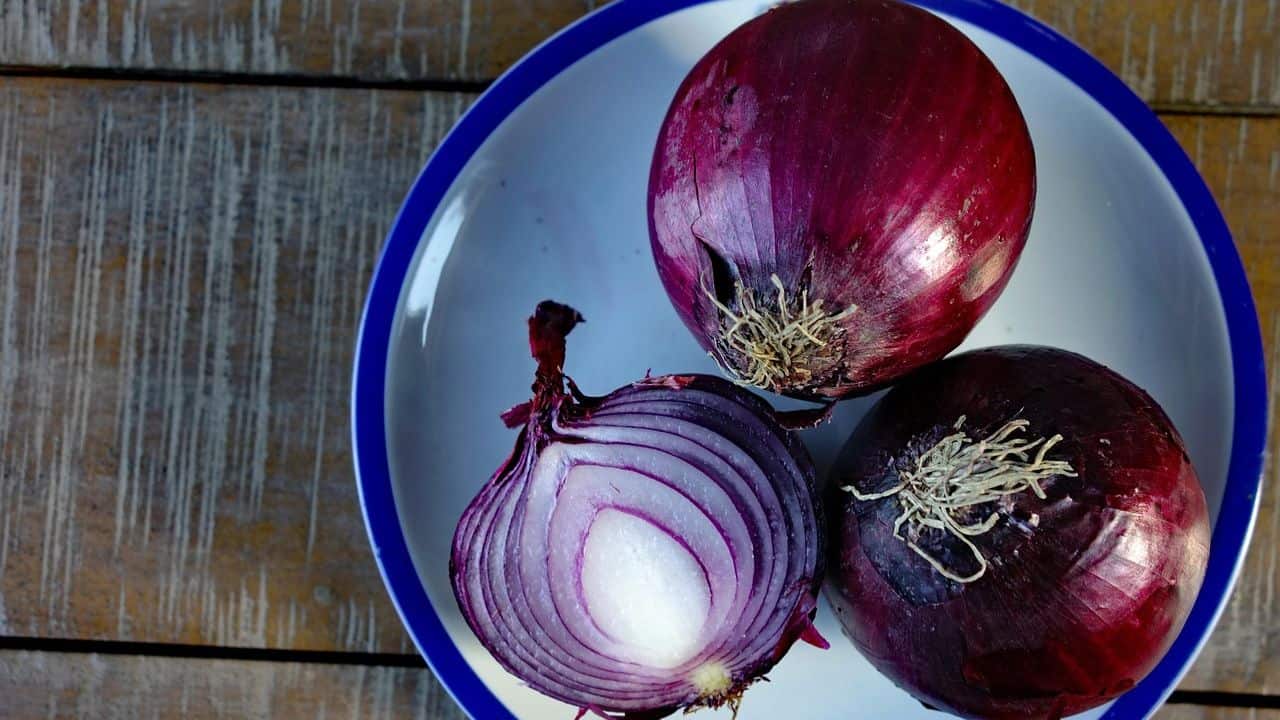
When expensive ingredients were out of reach, flavor came from patience and know-how. A ham bone, some vegetable scraps, and a handful of herbs would simmer for hours to create a broth that tasted like it cost a fortune. Cooks learned to build layers of flavor with onions, garlic, and a few dried herbs like thyme and bay leaves. The lesson here is timeless: deep, satisfying flavor often comes from technique, not price tags. Modern cooks can tap into that by making homemade stock, caramelizing onions slowly, or toasting spices. Some of the most memorable meals start with the humblest ingredients—they just need a little time and care.
Zero-Waste Techniques: The Original Sustainable Kitchen
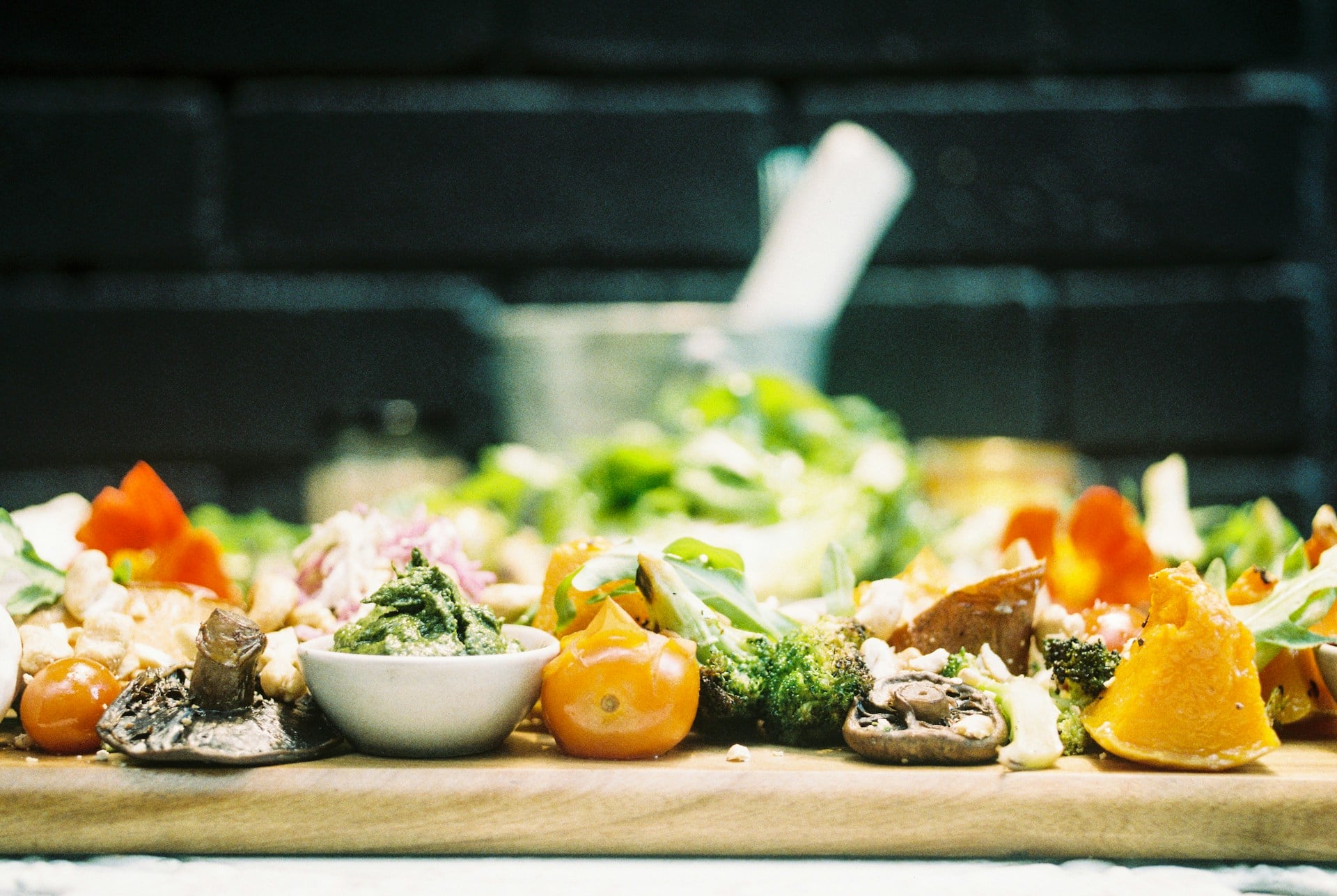
In those days, nothing was thrown away. Vegetable peels, onion skins, herb stems—all went into the stockpot. Stale bread became breadcrumbs, croutons, or bread pudding. Bones simmered until they surrendered every last bit of flavor. Leftovers weren’t an afterthought; they were the intentional starting point for the next meal. That mindset was born of necessity, but it fits perfectly with how many of us want to live today. Adopting these zero-waste habits isn’t just about pinching pennies—it’s about developing a more thoughtful, respectful relationship with food. It turns what we might call “scraps” into valuable ingredients and makes the kitchen feel more resourceful and less wasteful.
Preserving the Harvest: Capturing Seasons in a Jar
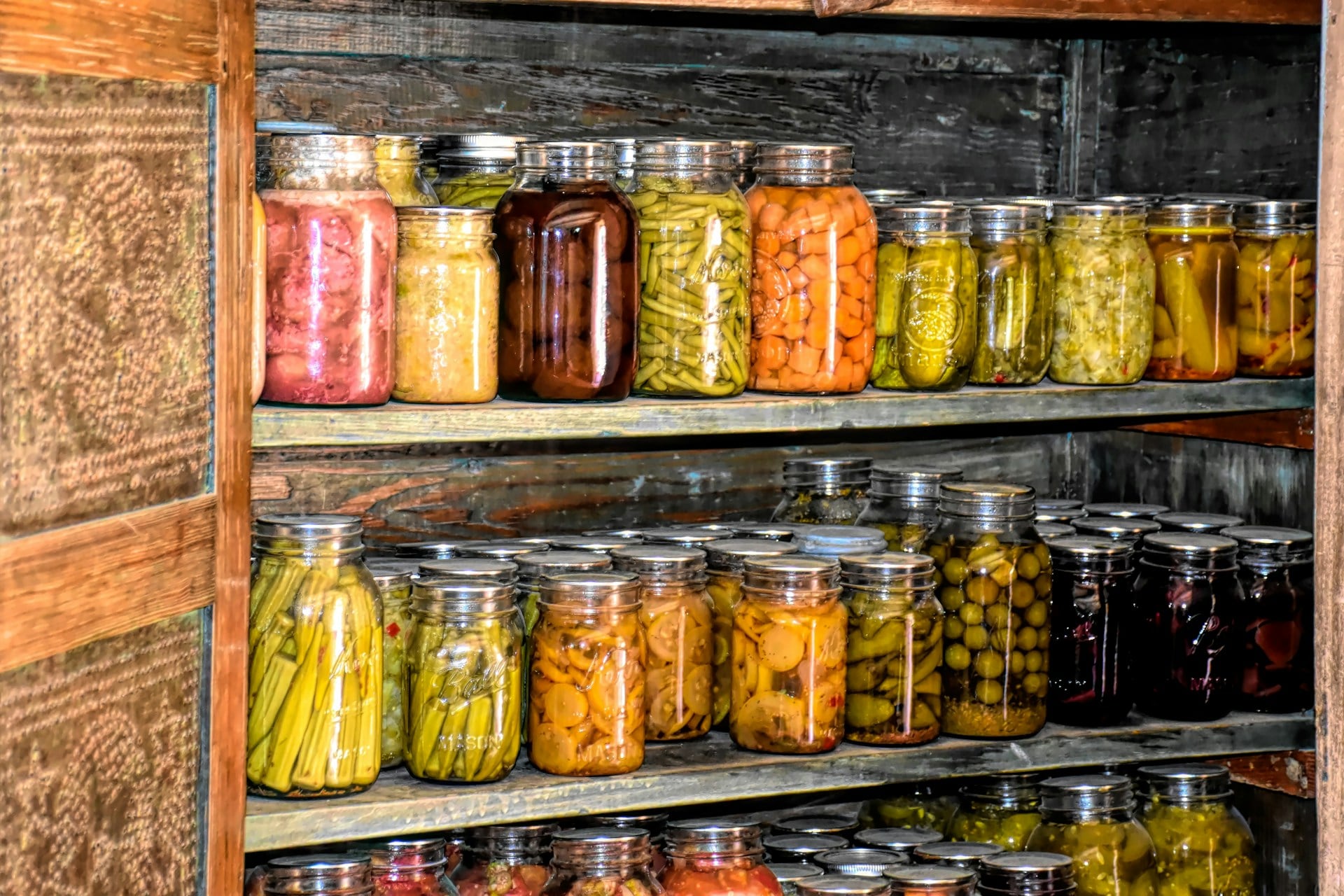
The ability to preserve food was a lifeline, providing security and variety all year long. Summer’s tomatoes, cucumbers, and fruits were “put up” through canning, pickling, and drying, filling pantry shelves with bright, home-preserved goods. It ensured that even in the depths of winter, you could taste summer. Today, that same impulse—toward self-sufficiency, better flavor, and more control over what we eat—is bringing preserving back. Whether it’s a batch of pickles, jars of tomato sauce, or dried herbs from the garden, these practices connect us to the seasons and give us a wonderful sense of preparedness.
Stretching Small Proteins: The Art of Making a Little Meat Go Far
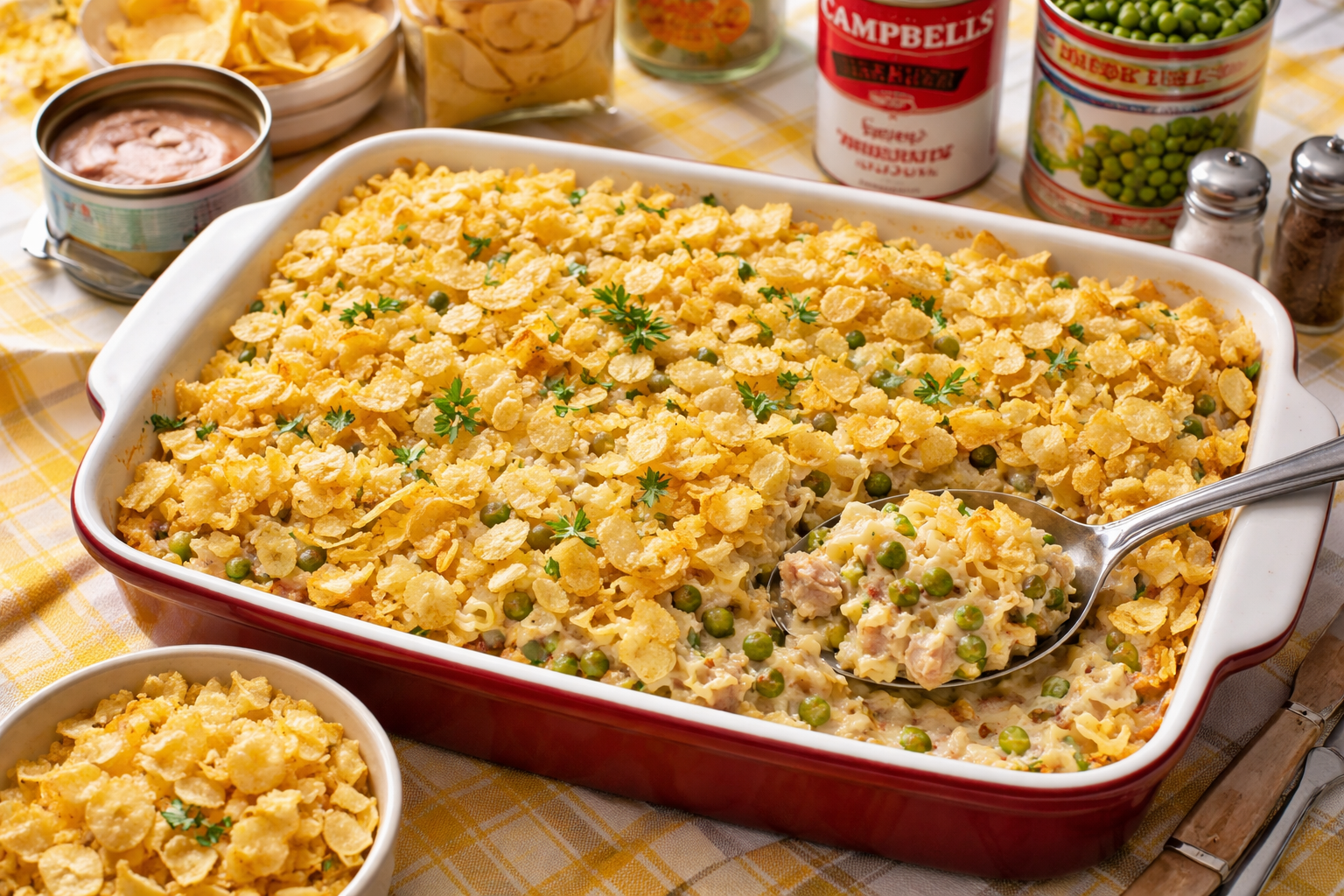
Meat was often the most expensive part of the meal, so it was used sparingly—as a flavoring rather than the main event. A little ground meat stretched with beans, oats, or breadcrumbs could turn a meatloaf into a meal for many. A single can of tuna or salmon flaked into a creamy casserole filled out with noodles and peas. Eggs did double duty, stretching and enriching everything from breakfasts to savory puddings. This approach feels incredibly relevant now. It gently shifts us toward more plant-forward meals while still enjoying animal proteins thoughtfully. It’s about quality and flavor over sheer quantity.
Comfort on a Shoestring: Nourishing the Body and Spirit
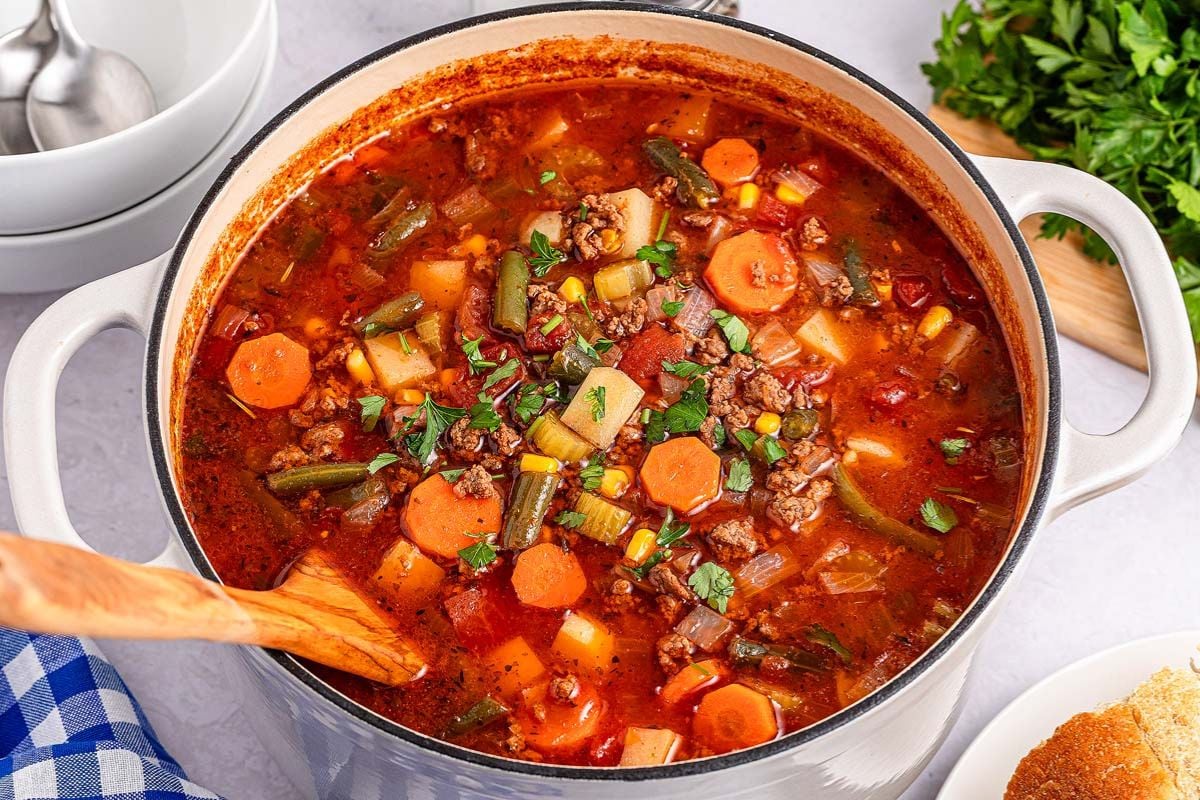
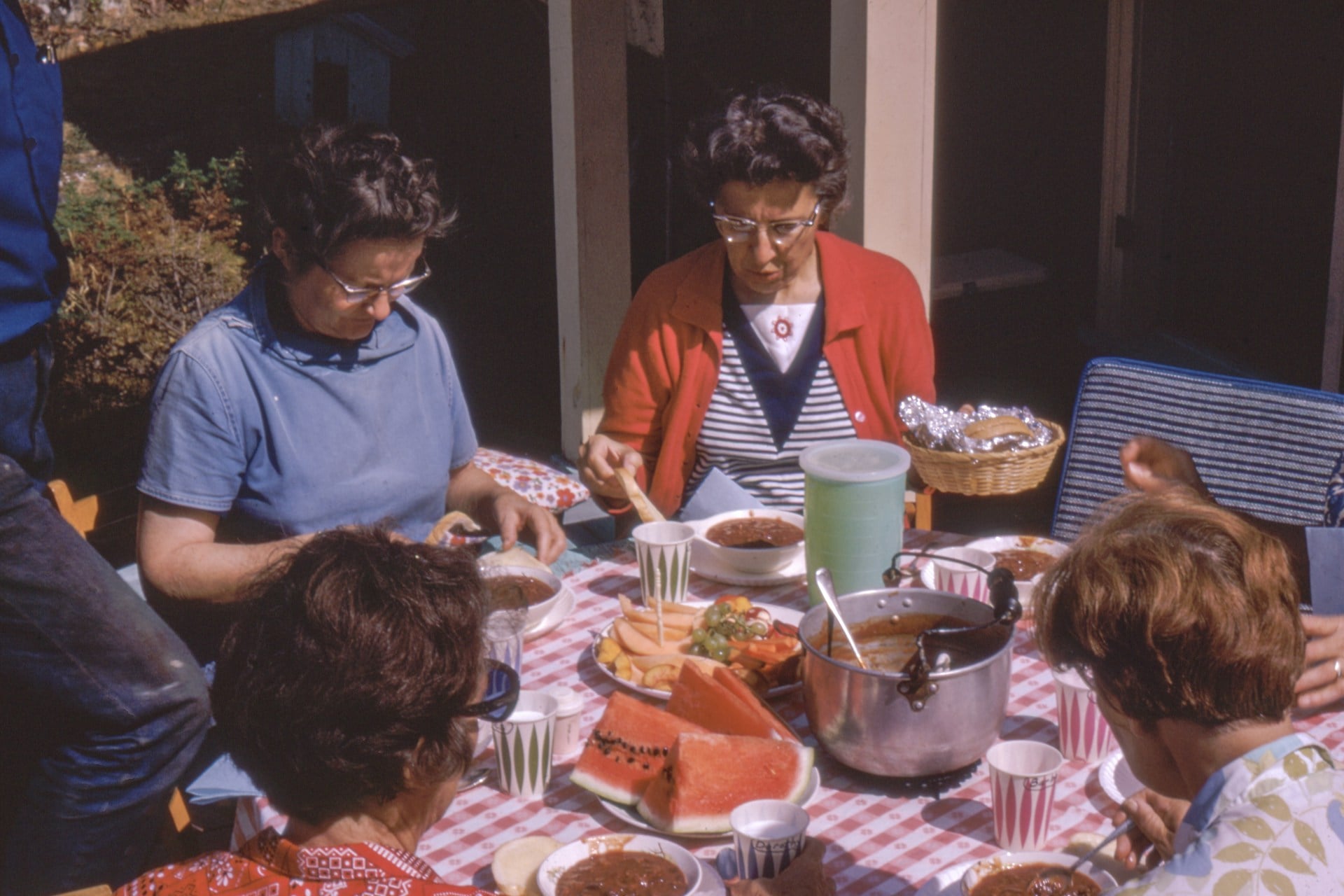
Comfort food during hard times wasn’t about extravagance—it was about warmth, nourishment, and satisfaction. One-pot wonders like soups, stews, and casseroles were the stars: simple ingredients simmered together into something cohesive and hearty. A pot of beans or a bowl of oatmeal provided both physical fuel and emotional comfort. These dishes remind us that true comfort comes from the care we put into cooking, not from fancy ingredients. Reclaiming these recipes lets us create a sense of abundance and well-being from even the most modest kitchen staples.
Modern Kitchen Savings: Blending Timeless Wisdom with Today’s Tools
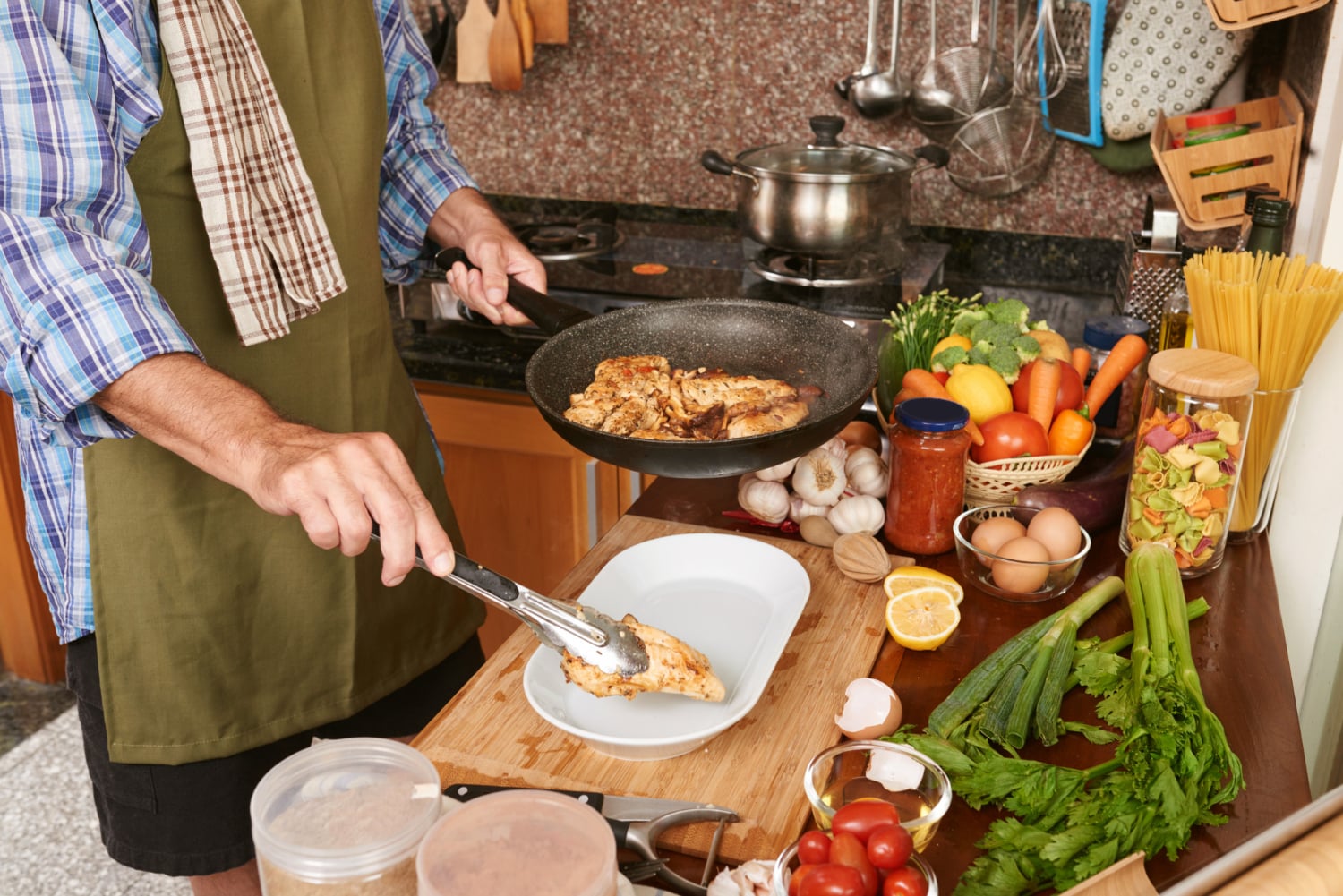
The real beauty of Depression-era wisdom is how well it pairs with modern convenience. We can buy in bulk and store things smarter. We have slow cookers that mimic all-day simmering while we’re out living our lives. Freezers let us safely stash leftovers and seasonal bounty. The principles haven’t changed: buy staples in bulk, store them well, repurpose leftovers, cook from scratch when you can. But now we have better tools to make it all easier. Combining that strategic mindset with the tech of today creates a kitchen that’s not just more economical, but more creative, sustainable, and resilient. It turns frugal cooking from a limitation into a kind of freedom.