
How Our Food Choices Reflect and Influence Who We Are

Food is so much more than fuel. It’s a reflection of where we come from, the traditions we hold close, and the values we live by. Every meal tells a story—whether it’s a childhood dish that brings comfort, a trendy superfood that signals a new chapter, or a family recipe passed down for generations. What we eat shapes not just our bodies, but our sense of self. And that connection between identity and diet? It runs deeper than we often realize.
Veganism as a Statement of Ethics and Identity

For many people, veganism isn’t just about what’s on the plate—it’s a reflection of who they are. Rooted in compassion for animals and a deep concern for the environment, it’s a lifestyle built around intention and the desire to do less harm. Choosing plant-based eating often becomes a visible expression of values, influencing everything from social circles to shopping habits. In that way, veganism is both an ethical stance and a deeply personal form of self-expression.
Fast Food: Convenience, Culture, and Class Markers

Fast food is everywhere, and it means different things to different people. For some, it’s a symbol of modern convenience and familiar, globalized taste. For others, it highlights issues of access, affordability, and class. Whether it’s a late-night drive-thru run or a quick lunch between meetings, fast food carries layers of meaning beyond the burger and fries. It shapes how we see lifestyle, status, and even belonging in a fast-moving world.
Gourmet Dining and the Language of Status

There’s a reason fine dining has long been associated with exclusivity and refinement. From beautifully plated courses to rare ingredients and thoughtful wine pairings, gourmet meals are often about more than taste—they signal cultural capital, education, and access. The rituals of a high-end restaurant, from the service to the storytelling behind each dish, create a kind of language of prestige. In that world, food becomes a stage where identity and social standing are on full display.
Comfort Foods as Emotional Anchors of Belonging

Comfort foods have a kind of magic. They soothe, they ground, and they connect us to something bigger than ourselves. Maybe it’s a recipe your grandmother used to make, or a simple dish that takes you right back to your childhood kitchen. These meals are edible reminders of home, culture, and community. They nourish us emotionally as much as physically, acting as anchors that reinforce who we are and where we belong.
Cultural Cuisines and the Pride of Heritage
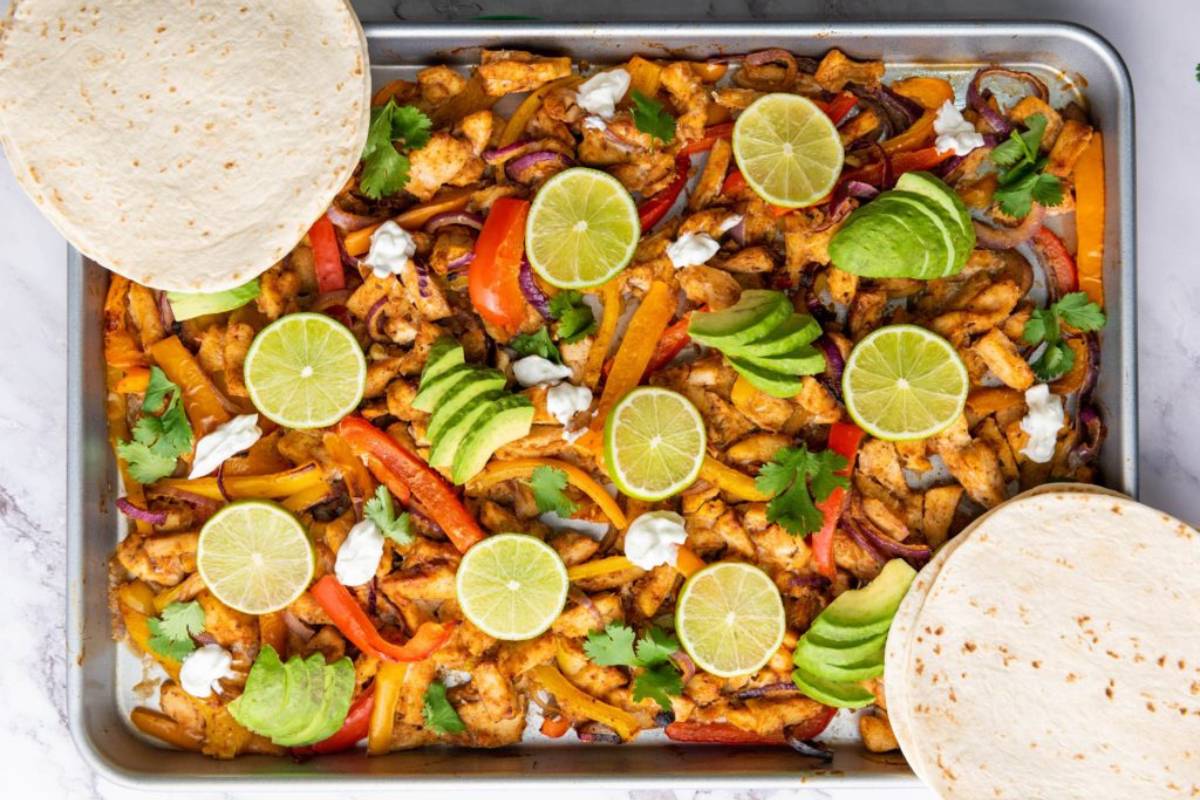
Cultural cuisines are living history. Every spice blend, every cooking method, every dish shared across a table carries the stories of ancestors and the pride of community. Cooking these foods becomes an act of preservation—celebrating heritage while passing it forward to the next generation. In a world that often feels increasingly globalized, these flavors stand as powerful symbols of identity, reminding us of where we come from and who we are.
Organic, Local, and Sustainable: The Politics of Plate

Choosing organic, local, or sustainably sourced food has become about more than personal health—it’s a statement. These choices reflect a growing awareness of environmental impact, food justice, and supporting local economies. For a lot of people, filling their plate with responsibly sourced ingredients is a quiet but meaningful act of advocacy. It turns everyday meals into opportunities to live out values around sustainability and social responsibility.
Diet Trends as Modern Self-Branding

In today’s world, diet trends often function as a kind of self-branding. Whether it’s keto, paleo, intermittent fasting, or something else entirely, the way we eat has become part of how we present ourselves to the world. These choices are frequently shared online, woven into personal identity and lifestyle content. Beyond health goals, they signal discipline, wellness, or a willingness to try something new. In that sense, food becomes a way to say something about who we are and what we care about.