How Rising Prices Made Common Grocery Items Feel Like Luxuries

“Sticker shock” isn’t just a phrase anymore. It’s the feeling you get standing in the grocery aisle, holding something that used to be a no-brainer purchase, trying to decide if you really need it. Inflation may have leveled off overall, but the prices of certain everyday staples have settled at heights that feel permanent. Things that once filled every middle-class pantry are now being weighed, measured, and often put back on the shelf. For a lot of families, every trip to the store means making choices between nutrition and budget. Here are the staples that have quietly slipped out of reach for the average shopper.
Multigrain and Sourdough Breads

Bread used to be the cheapest thing in the cart. White bread still is. But hearty multigrain, artisanal sourdough, anything with actual texture and nutrition? Those loaves are crossing the seven-dollar mark in a lot of places. High labor costs and specialty flours have turned healthy bread into a difficult purchase. People are moving back to highly processed loaves just to keep sandwiches affordable. A thick, crusty loaf of real bread is becoming a once-a-month treat, and that’s a quiet return to simpler, less nutritious staples.
Artisanal and Specialty Cheeses

There was a time when grabbing a wedge of brie or a hunk of aged cheddar felt like a normal weekend treat. That time has passed. Dairy production costs and labor shortages have pushed specialty cheese prices into a whole different bracket. The basic block of cheddar is still fine, but the fancy cheese aisle? That’s becoming a browse-only section. A cheese board, once a simple pleasure, now feels like a financial decision. More and more shoppers just keep walking past the deli counter.
Extra Virgin Olive Oil

They’re calling it a liquid gold crisis for a reason. Bad harvests and climate shifts in the Mediterranean have sent olive oil prices through the roof. A standard bottle that used to be an everyday cooking staple now costs almost double in some places. People are using it sparingly, measuring by the drop instead of the drizzle. A lot of households have quietly switched back to vegetable or canola oil just to keep monthly bills under control. Finding a decent bottle for under ten bucks? Almost impossible now.
Fresh Berries Out of Season

Berries used to be a year-round fixture. Blueberries, raspberries, blackberries—they were just there, whenever you wanted them. But the cost of shipping delicate fruit in the winter has gotten astronomical. A tiny half-pint of raspberries can cost more than a gallon of milk. Frozen berries are still an option, but that fresh pop of fruit in February? That’s fading. Most families wait for local seasons now, or stick to bananas and apples. The berry section is starting to look like it’s reserved for a different tax bracket.
Prime and Choice Cuts of Beef

Beef has taken some of the hardest hits over the last couple of years. With the cattle herd shrinking and feed costs staying high, steak prices are just brutal now. Ribeyes, sirloins—these aren’t weekly options anymore. They’re special occasion food, the kind of thing you buy for a birthday or anniversary. Even ground beef, which used to be the reliable budget protein, costs more than you’d expect. A whole roast in the cart? That’s a flex now. Most families are swapping in chicken, pork, or just stretching smaller portions further.
Premium Coffee Beans

The morning cup is getting more expensive, and not just by a little. Bad weather in major coffee-growing regions has hit supply hard, and high-quality beans are taking a price hike. Local craft roasts, whole-bean bags—these feel like indulgences now. A lot of people are scanning the shelves for store-brand cans instead. Even the daily grind has changed; some are stretching a single bag longer or just drinking less. The era of the affordable, high-end home brew is kind of over.
Real Maple Syrup

Real maple syrup has quietly become a luxury. Between rising production costs and unpredictable weather affecting sap flow, a small jug can easily run you fifteen bucks. Families are being pushed back toward the high-fructose corn syrup stuff, the pancake syrups that don’t taste anything like maple. For people who care about natural ingredients, this one stings. It’s moved from the breakfast table to the back of the pantry, a special-occasion item instead of a morning staple.
Wild-Caught Seafood

Salmon and shrimp used to be regular Friday night dinners. Now? Fuel costs and fishing limits have sent prices into the stratosphere. Wild-caught options are so expensive they sometimes sit behind glass or have security tags. Middle-class shoppers are pivoting to canned tuna or frozen farm-raised alternatives just to get some omega-3s in the house. The experience of walking up to the fish counter and buying something fresh? That’s becoming a memory for a lot of people.
Organic Eggs and Dairy

Egg prices have settled down from their peak, but the gap between conventional and organic is wider than ever. Pasture-raised, organic, ethically sourced—these options carry a serious premium now. Families who once made those choices for health or animal welfare reasons are having to put the cheapest carton in the cart instead. Same goes for organic milk and butter. They’re the first things to get cut when the budget is tight, and that’s a frustrating reality for anyone trying to hold onto certain standards.
Canned Goods with Pull-Tabs

Even the packaging is working against us now. Canned goods with convenient pull-tabs or premium liners have gotten noticeably more expensive. Aluminum and steel prices are driving it, and suddenly a simple can of soup or beans costs more just because it’s easier to open. Shoppers are realizing that the old-school cans requiring a manual opener are significantly cheaper. It’s a small difference per can, but it adds up fast when you’re stocking a pantry. Convenience has been priced out.
Fresh Squeezed Juices

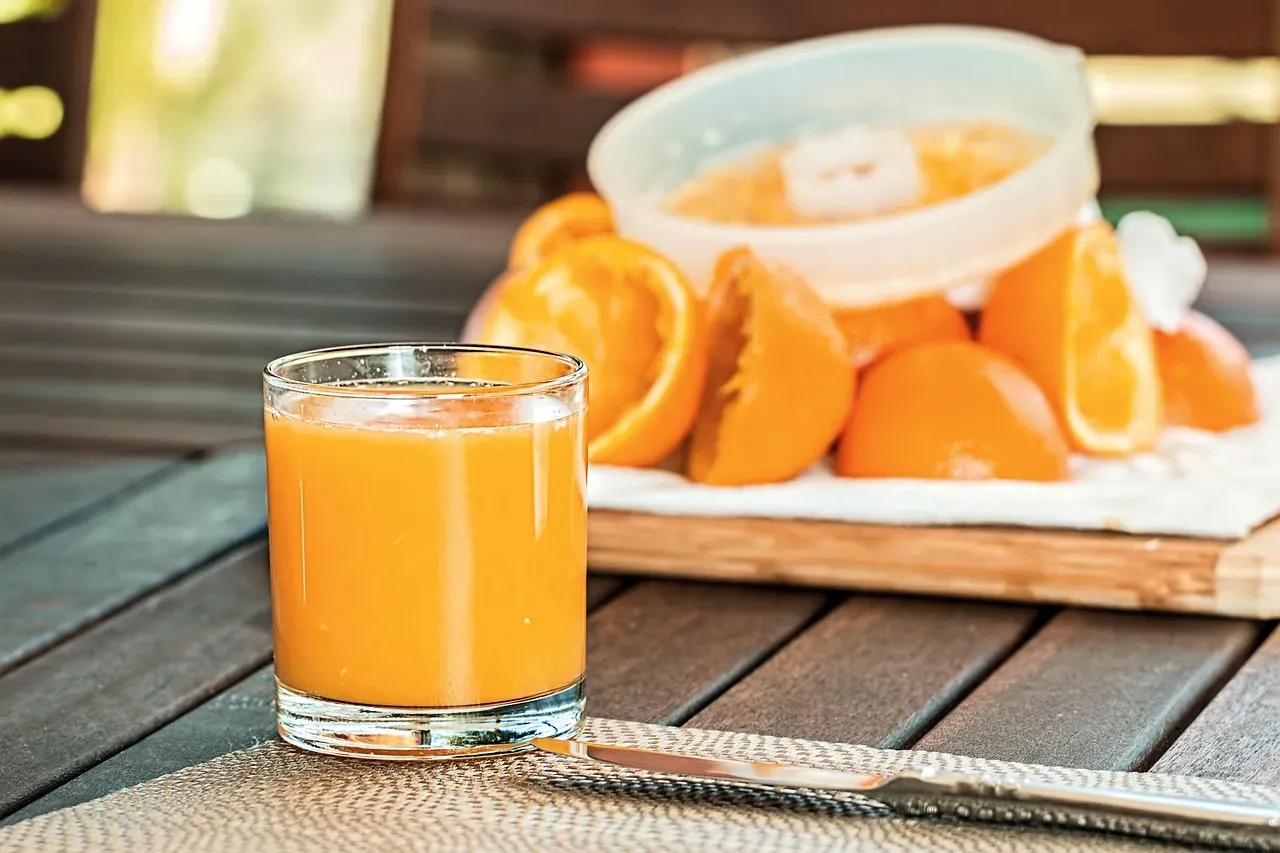
The refrigerated juice aisle looks different than it used to. Pure orange juice, the real stuff, has become a high-cost luxury. Disease and weather have hammered citrus crops, and a half-gallon of premium OJ can now cost as much as a fast-food meal. Parents are switching to water or powdered mixes just to keep grocery bills under control. That morning glass of fresh juice? Not a given anymore. It’s being replaced by cheaper, sweeter alternatives, and that shift feels like a loss.