Common Errors to Avoid When Cooking Rice and Pasta

Rice and pasta seem simple. Boil water, add food, cook, drain. Done. But anyone who’s ended up with a pot of mushy noodles or gummy rice knows that simplicity can be deceptive. Small mistakes make a big difference. The good news is, most of them are easy to fix once you know what to look for. Before your next pot hits the stove, make sure you’re not making one of these seven common errors.
Not Letting It Rest
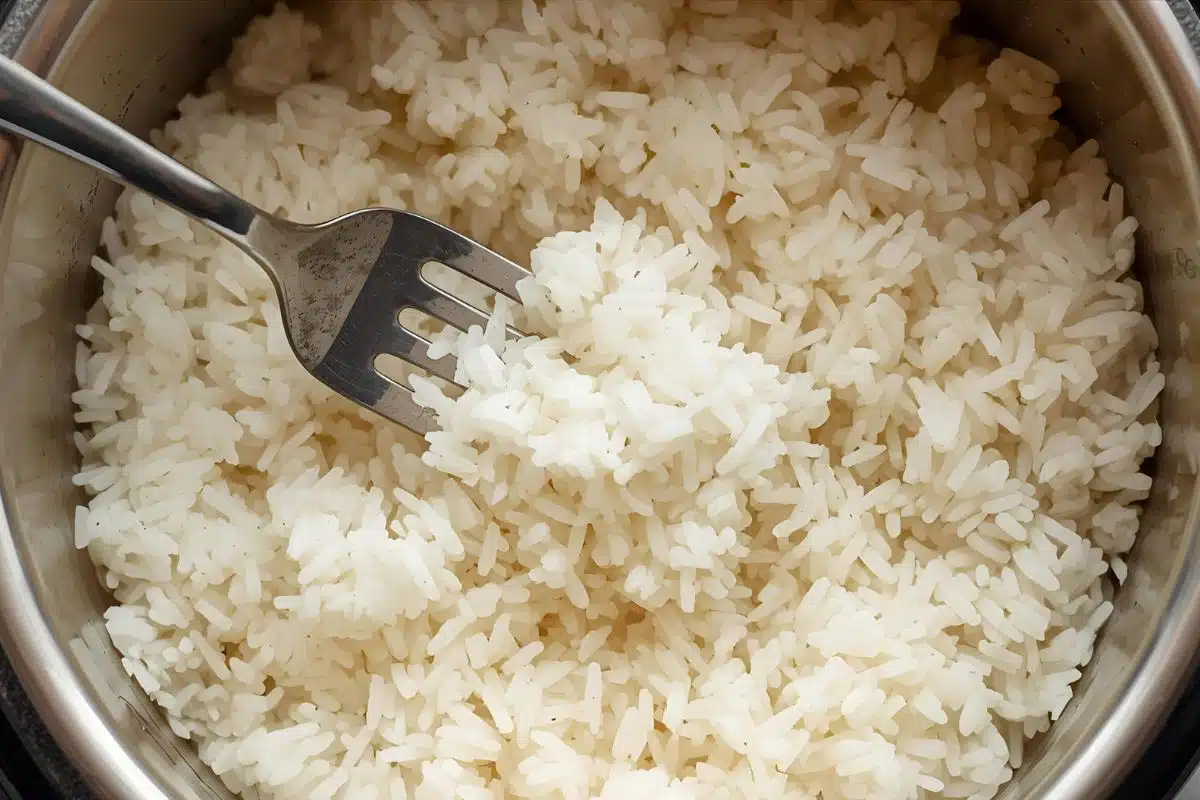
Rice needs a few minutes to rest after cooking. Keeping it covered off the heat allows steam to finish the cooking process and redistribute moisture evenly. Fluffing too soon makes it seem wet or uneven. Pasta benefits from a quick toss with sauce immediately after draining, allowing flavors to absorb before serving. Patience pays off.
Using Too Little Water
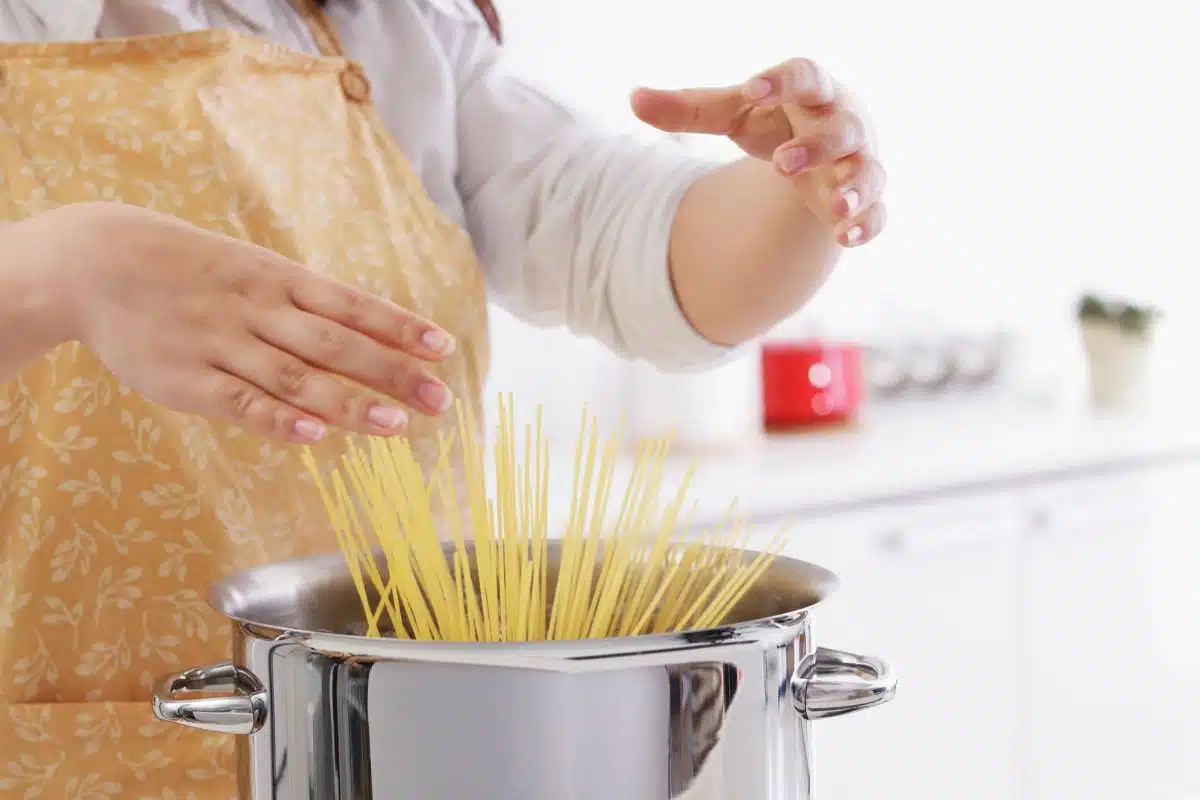
Crowding pasta in a small pot is a recipe for sticky, unevenly cooked noodles. Pasta needs room to move, to release starch properly, and to cook evenly. Rice also needs the correct water ratio. Too little, and it scorches. Too much, and it turns to mush. Follow recommended measurements and use a pot large enough for proper circulation. Your food will thank you.
Skipping the Rinse (When It’s Needed)
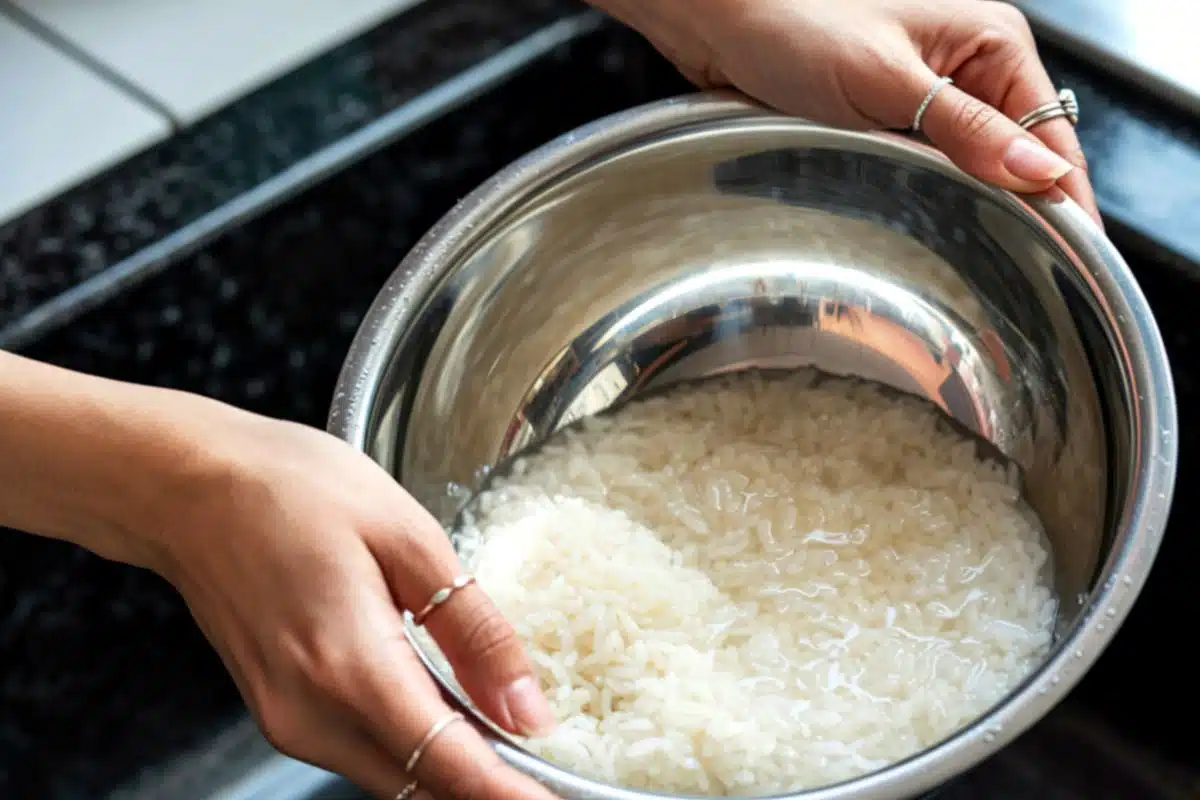
Not all rice should be rinsed, but many varieties benefit. Rinsing removes excess surface starch, which helps prevent clumping and gummy texture. Long-grain white rice, jasmine, and basmati especially improve with a quick rinse until the water runs mostly clear. Pasta, on the other hand, should never be rinsed after cooking unless you’re making a cold pasta salad. Rinsing washes away the starch that helps sauce cling.
Stirring Too Much—or Not Enough
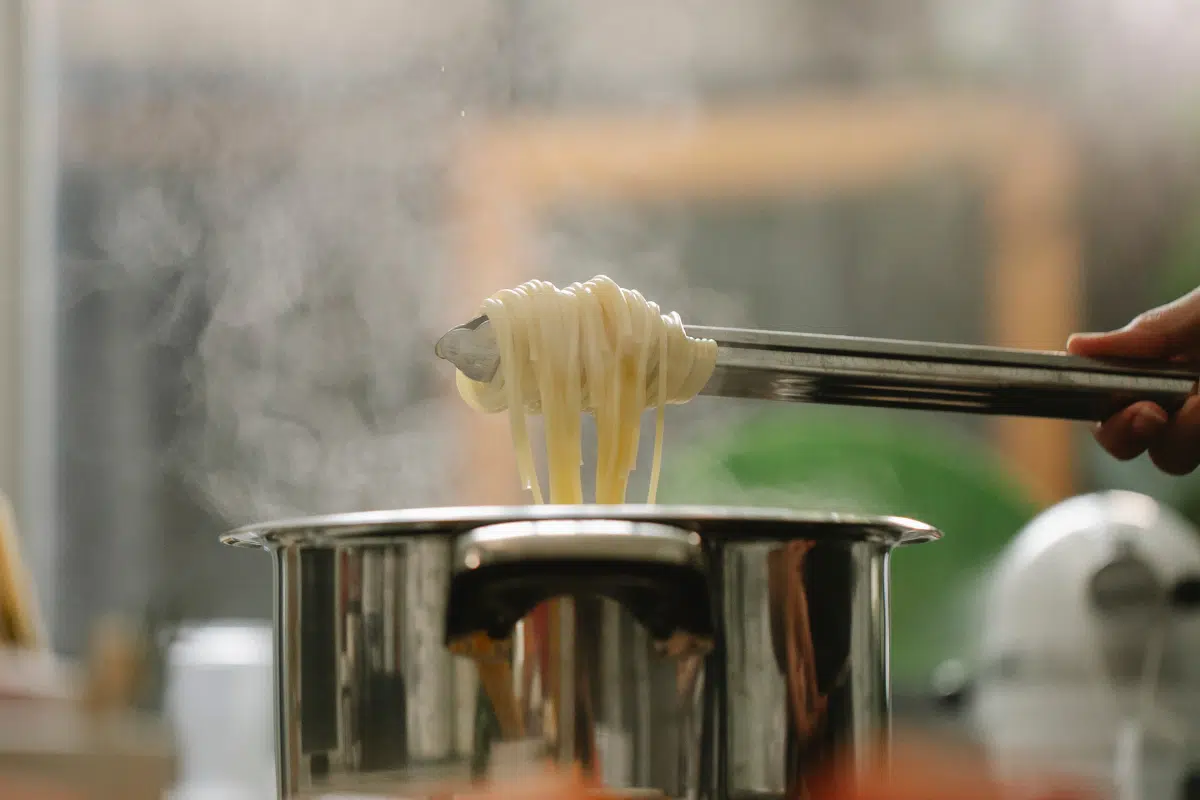
Pasta needs an occasional stir during the first few minutes to prevent sticking, but constant stirring isn’t necessary. Rice is the opposite. Stirring too often during cooking releases starch and can make it gluey. Once rice is simmering, keep the lid on and resist the urge to constantly check. Trust the process.
Cooking on the Wrong Heat Level
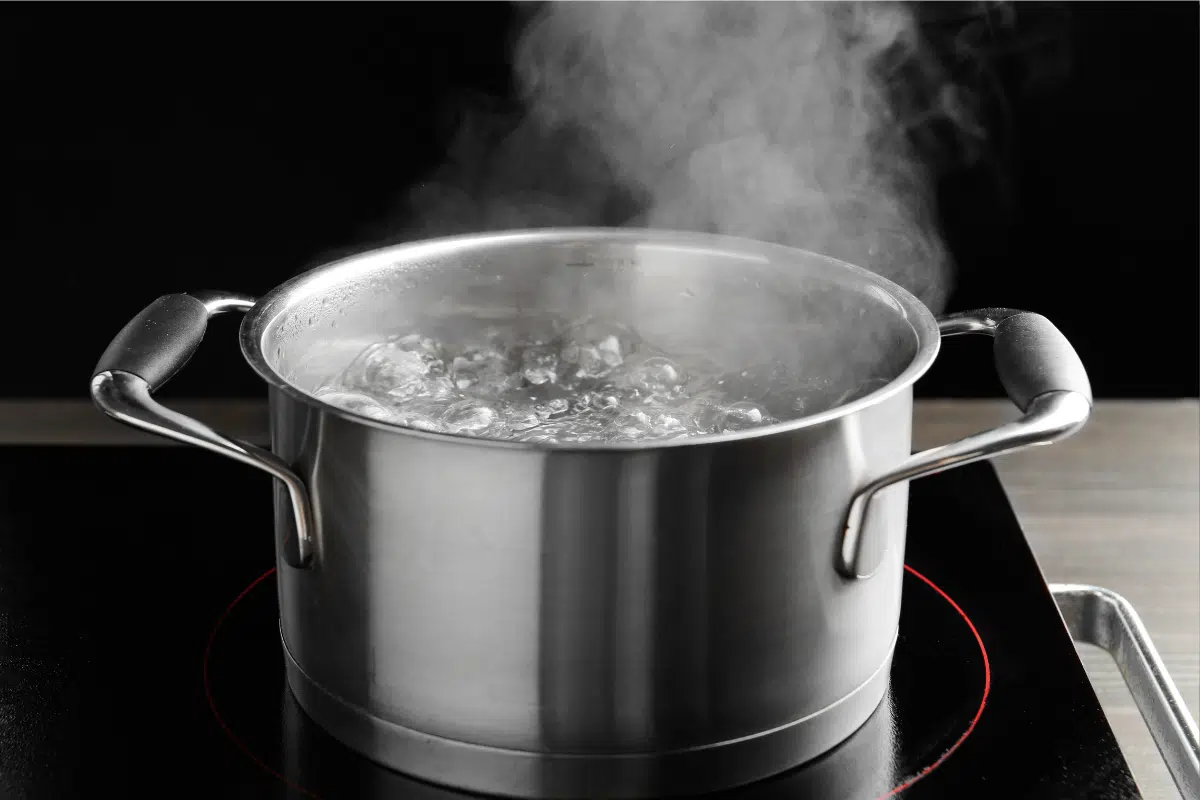
A rolling boil is ideal for pasta. Rice, however, requires a gentler touch. After bringing it to a boil, reduce to a low simmer and cover tightly. High heat causes water to evaporate too quickly, leading to uneven cooking. Managing heat properly is the difference between fluffy grains and burnt bottoms.
Draining All the Pasta Water
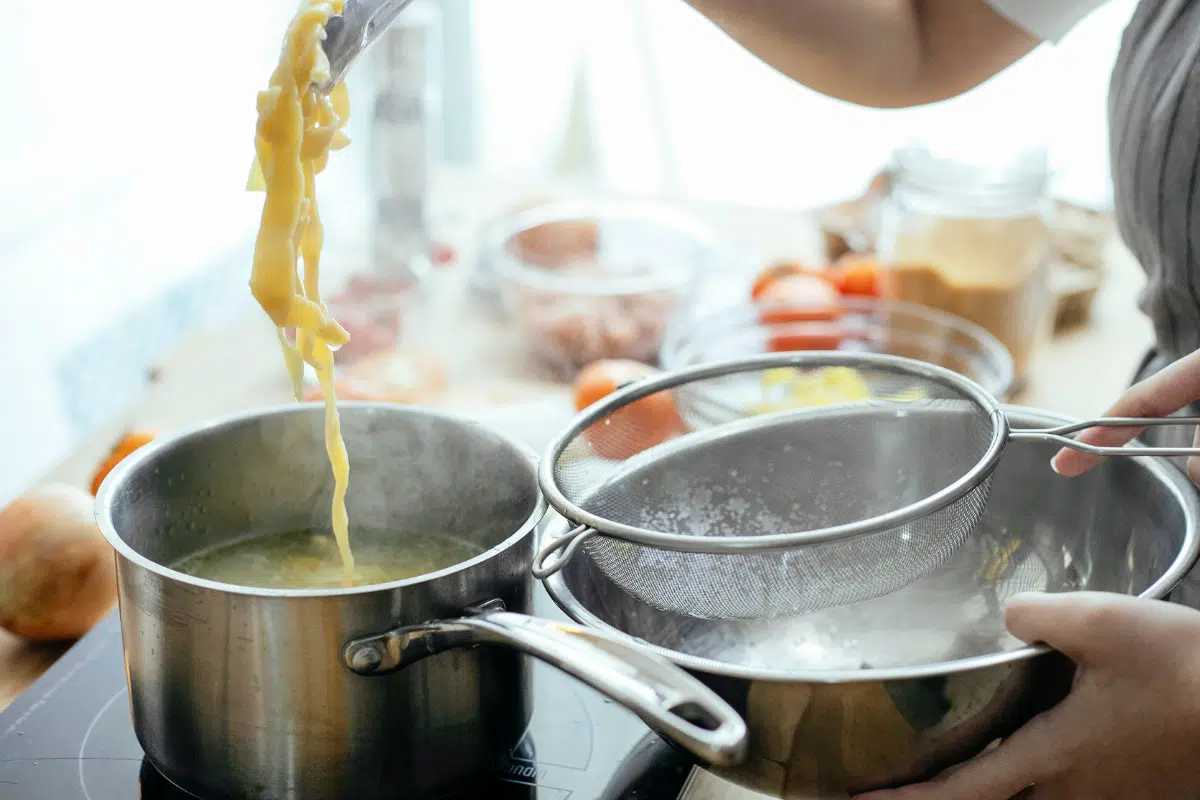
Pouring every drop of pasta water down the drain is a missed opportunity. That cloudy water is packed with starch, which helps thicken sauces and bind everything together. Reserve about a cup before draining. Add small splashes to your sauce as needed. It’s a simple chef trick that instantly upgrades your dish.
Not Salting the Water Properly
If your pasta or rice tastes flat, even under a blanket of sauce, the problem started at the beginning. Properly salted water seasons the food from the inside out. For pasta, the water should taste lightly salty, like a good broth. For rice, seasoning the cooking liquid ensures every grain carries flavor, not just the toppings. Don’t skip this step. It’s the easiest upgrade you can make.
These small adjustments are easy to make. Next time you cook, pay attention to the details. Your rice and pasta will come out better every time.