Understanding the Connection Between Taste and Cultural Memory

Flavor is so much more than just a taste. It’s a thread connecting us to who we are, where we’ve been, and the people we love. In The Forgotten Power of Flavor, we’re diving into that connection—exploring how the food we eat shapes our memories, our culture, and even our sense of self. It’s a journey through taste, yes, but also through identity, family, and the quiet ways food holds us together.
Flavor: The First Language of Memory

Have you ever taken a bite of something and been instantly transported somewhere else? That’s the power of flavor. It’s like a time machine disguised as food. A sharp squeeze of lemon might suddenly pull you back to your grandmother’s kitchen, or the smell of herbs roasting can bring a family gathering rushing back. Cooking methods like caramelizing or roasting only deepen these connections, layering richness into the flavors that stick with us longest. This is where science meets something almost magical—how taste becomes memory.
Heritage Foods: A Legacy on the Plate
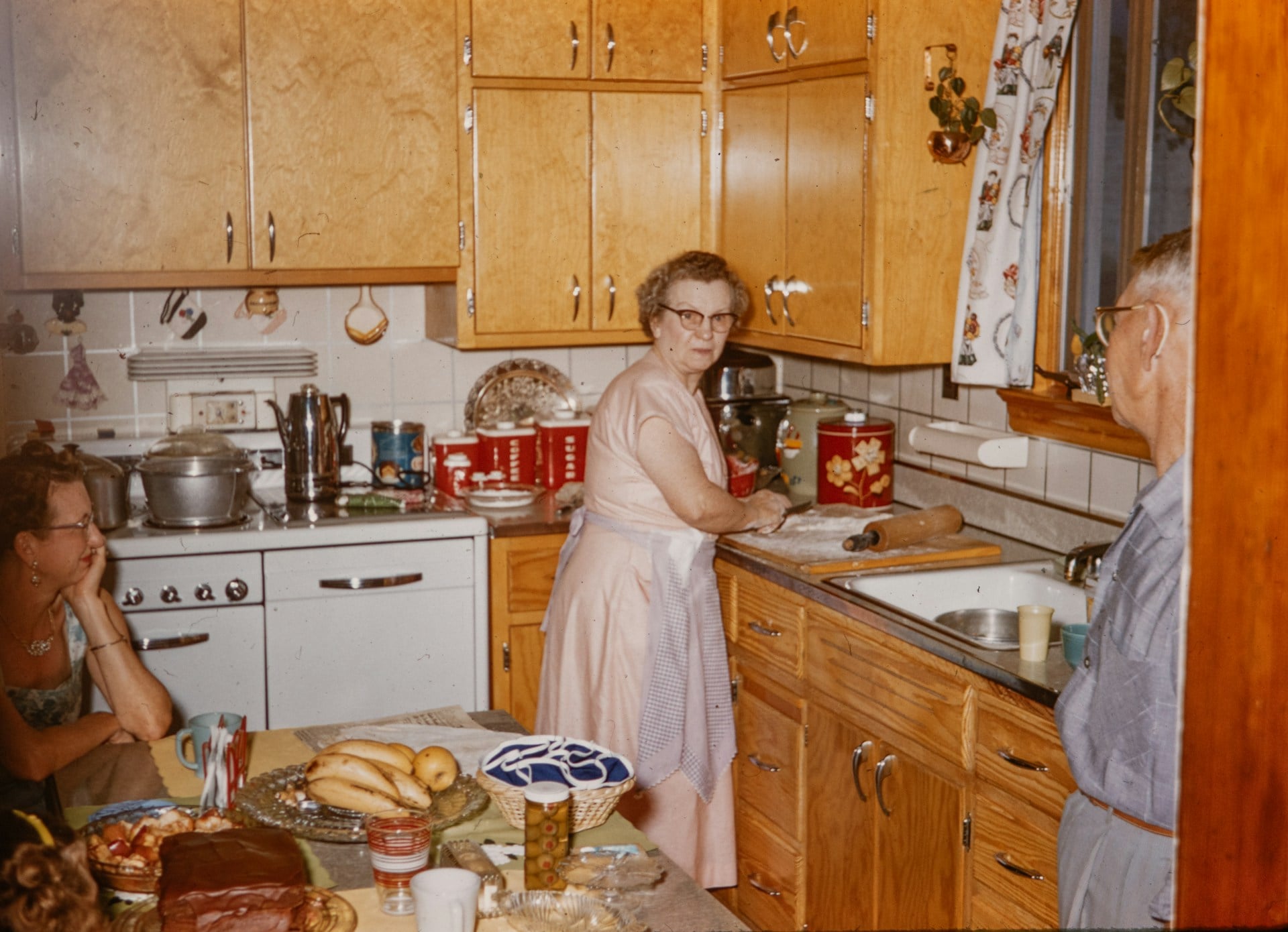
Heritage foods are edible history. They’re the recipes handed down through generations, each one carrying stories, struggles, and celebrations. A bowl of gumbo or a stone pot of bibimbap isn’t just a meal—it’s tradition, preserved through techniques like slow-cooking and fermentation that have stood the test of time. These dishes connect us to place, using local ingredients and regional flavors that ground us. Cooking them isn’t just about feeding ourselves; it’s an act of keeping culture alive, one meal at a time.
Nostalgia’s Bite: The Taste of Childhood
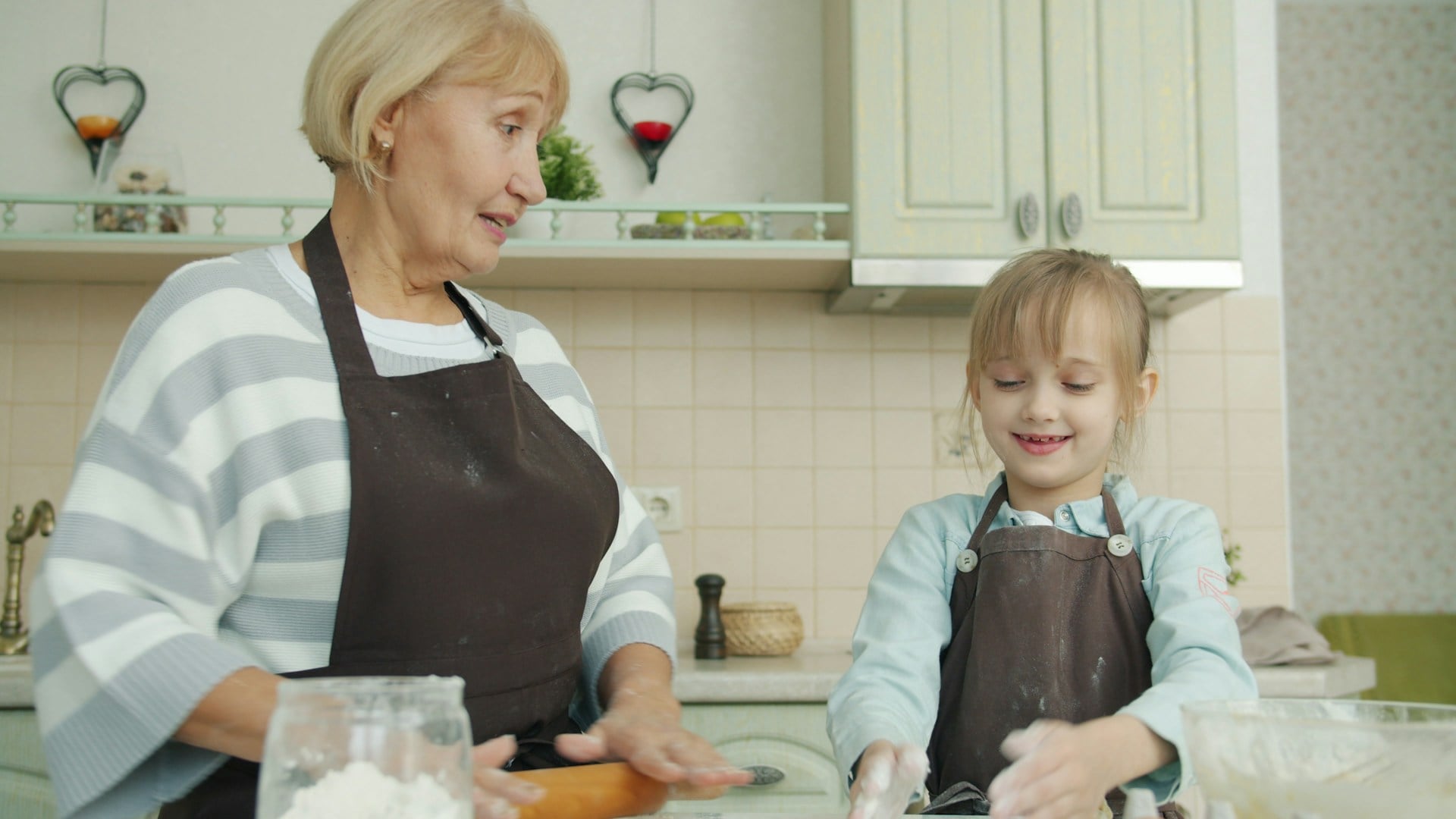
There’s something about the food we grew up with that stays with us in a way almost nothing else can. That first bite of a warm, gooey cookie fresh from the oven. The deep comfort of a soup that tastes exactly like your mom used to make. These flavors don’t just taste good—they feel like home. Whether it’s the gentle simmer of a family recipe or the simple joy of something baked with care, these tastes anchor us. They remind us of who we are and where we come from, offering comfort when we need it most.
Family Bonds at the Dinner Table
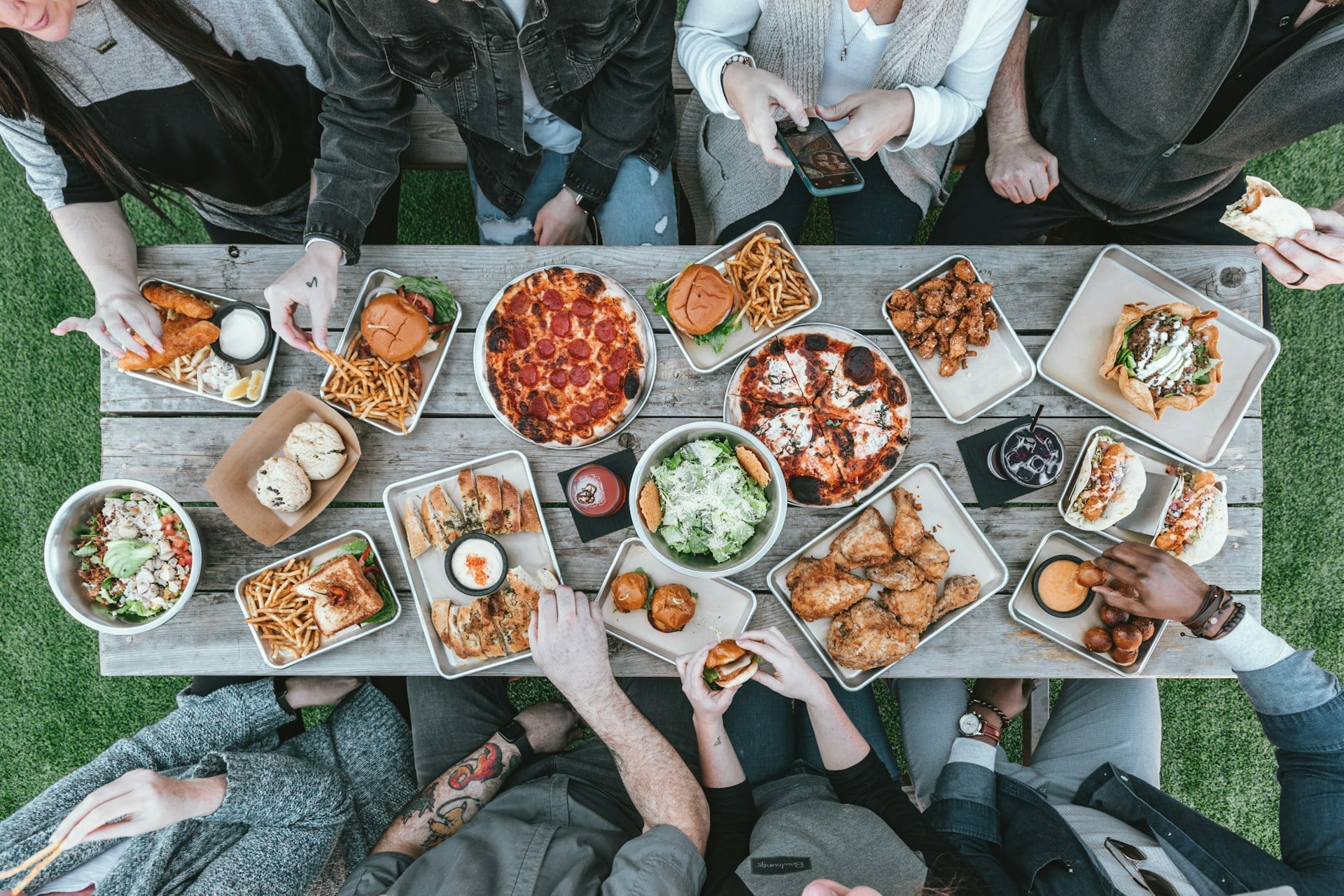
The dinner table is where more than just food gets passed around. It’s where stories are told, laughter is shared, and connections are built. When we cook and eat together—especially when we pass dishes family-style or take time to slow-roast something special—we’re creating rituals that bring us closer. Using fresh, seasonal ingredients becomes a shared project, something to explore together. It’s in those moments that food stops being just fuel and starts being a language of love.
Flavors Abroad: Traditions on the Move

One of the most beautiful things about food is how it travels. When spices like turmeric or cardamom leave their homeland and settle into new kitchens, they change—and they change the food around them. That’s how you get Szechuan peppercorns adding unexpected depth to a Western dish, or a familiar recipe getting a surprising new twist. The key to honoring these flavors is to let them complement, not overpower. Toast your spices briefly to wake them up, and let them mingle with local ingredients. Watching how traditional foods evolve in new places can inspire us to be more curious—and more creative—in our own cooking.
Everyday Taste: Hidden Cultural Values
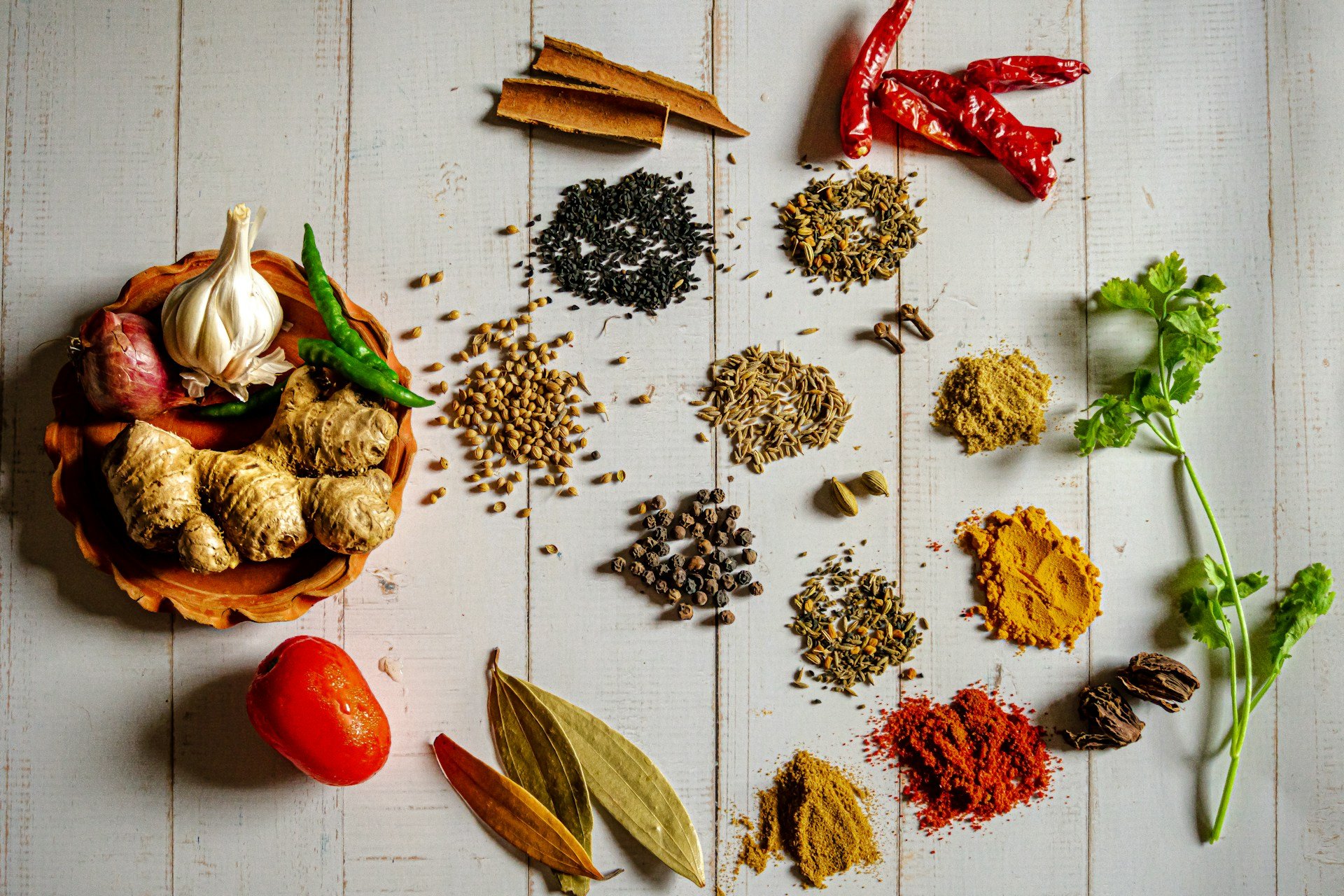
The flavors we reach for every day say more about us than we might realize. In a Moroccan tagine, sweet apricots and savory lamb come together in a way that speaks to balance and generosity. In Italian cooking, it’s all about simplicity—letting a few good ingredients like tomatoes, basil, and olive oil shine. As home cooks, we can tap into these traditions by focusing on technique: a long, slow simmer can turn humble ingredients into something deeply flavorful. Understanding the stories behind everyday tastes helps us cook with more intention, and brings a little more of the world to our own tables.