Common Food Myths That May Be Affecting Your Healthy Eating Habits

When it comes to nutrition, there’s a lot of information out there—and not all of it is helpful. Some food myths have been around for so long that they still shape how people eat today, even when they’re not backed by science. That can make it harder to build a balanced, realistic approach to food.
The good news? Once you understand what’s actually true (and what isn’t), it gets a whole lot easier to make smarter, more flexible choices in the kitchen. Let’s break down some of the most common nutrition myths that might be holding you back.
Microwaving Destroys Nutrients

Microwaving actually helps preserve nutrients because it cooks food quickly and uses less water than other methods.
Using microwave-safe containers and covering your food helps retain moisture and nutrients while making meal prep faster and easier.
All Fats Make You Fat
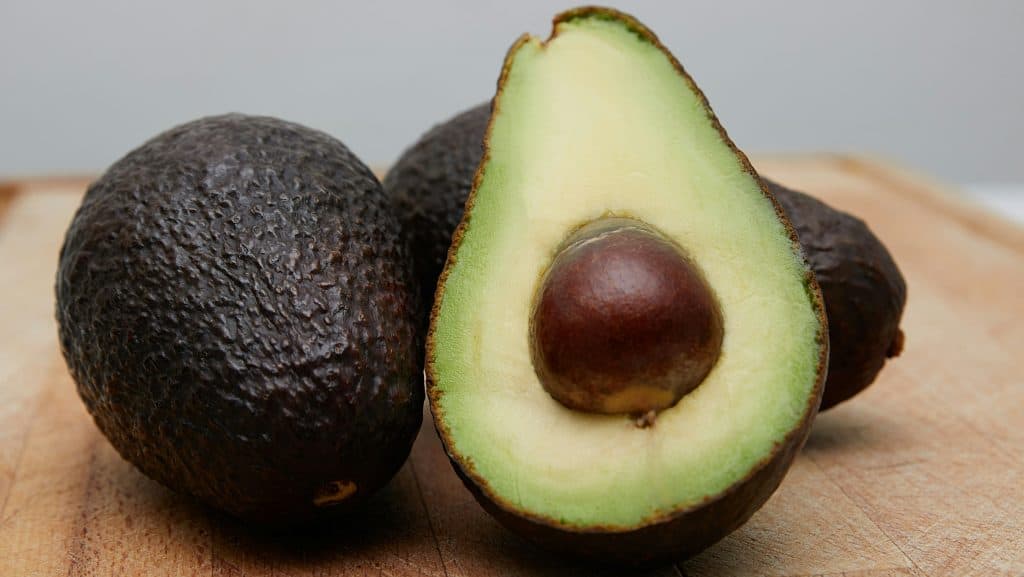
Not all fats are created equal. Healthy fats—like those found in avocados, nuts, and olive oil—are essential for things like hormone function and nutrient absorption.
Instead of avoiding fats altogether, it’s better to focus on the right kinds. Adding healthy fats to meals can actually make them more satisfying and flavorful.
Detox Diets Cleanse You
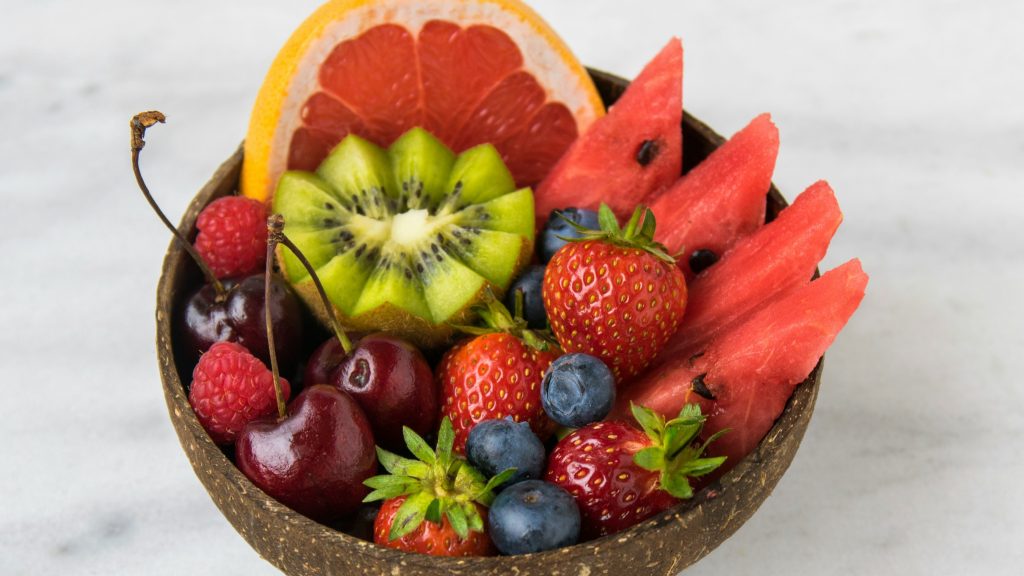
Detox diets sound appealing, but your body already has a built-in system for that—your liver and kidneys.
Rather than following restrictive cleanses, it’s more effective to eat a balanced diet with plenty of fruits, vegetables, and water. Supporting your body naturally works better than any short-term detox plan.
Gluten Is Always Bad

Gluten gets a bad reputation, but it’s only an issue for people with celiac disease or specific sensitivities. For everyone else, whole grains that contain gluten can be a great source of fiber and nutrients.
Unless you have a medical reason to avoid it, cutting out gluten can limit your food options more than it helps.
Carbs Are the Enemy
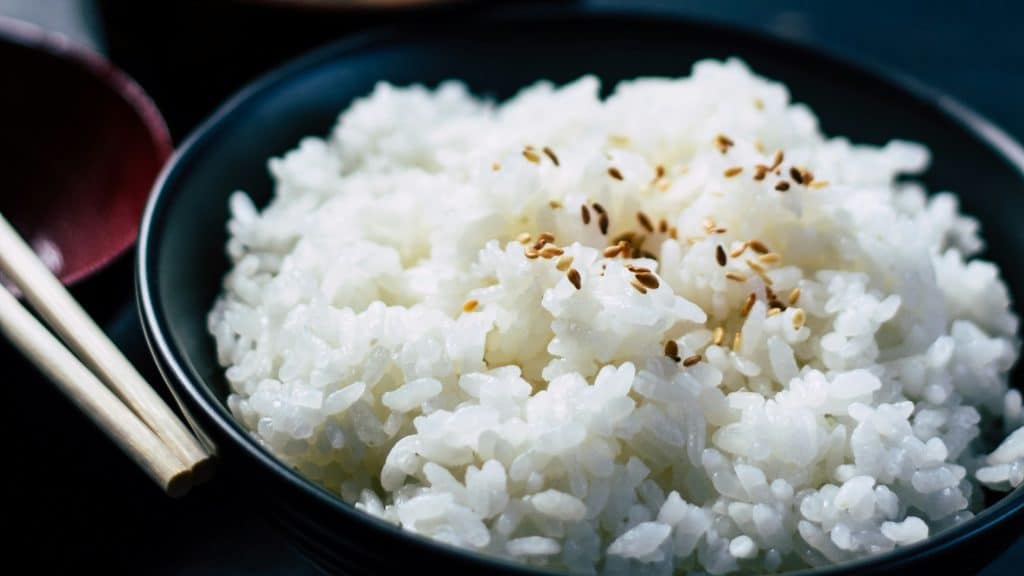
Carbohydrates often get blamed for everything, but they’re actually one of your body’s main sources of energy. The issue isn’t carbs themselves—it’s the type and amount.
Choosing whole grains like brown rice or quinoa gives you fiber and nutrients that help keep you full and energized. When you focus on balance instead of cutting them out completely, carbs can absolutely be part of a healthy diet.
Eating Late Causes Weight Gain

It’s not the time you eat that matters most—it’s how much you eat overall. Weight gain comes down to total calorie intake, not the clock.
If you’re eating late, focus on lighter, balanced options like yogurt with fruit or a small protein-rich snack to keep things in check.
Organic Means Healthier

Organic foods are often seen as more nutritious, but they don’t necessarily contain more vitamins or minerals than conventional options.
The real priority is variety and freshness. Whether organic or not, washing produce and eating a wide range of fruits and vegetables matters more.
Frozen Veggies Lack Nutrients
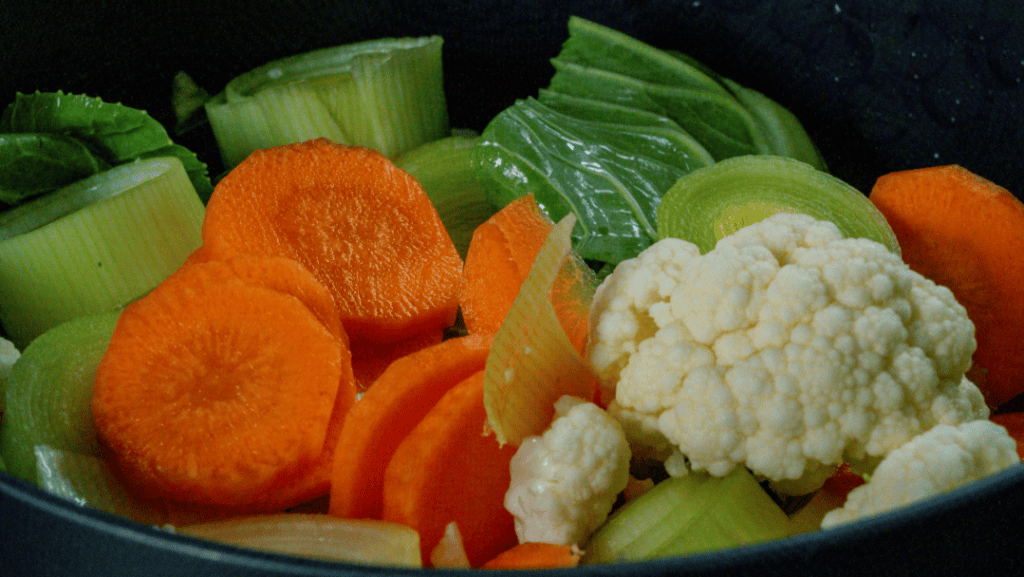
Frozen vegetables are often just as nutritious—if not more—than fresh ones because they’re frozen shortly after being harvested.
They’re also convenient and easy to use in meals like stir-fries, soups, or quick side dishes. Choosing plain options without added sauces keeps them a healthy choice.
All Sugar Is Harmful
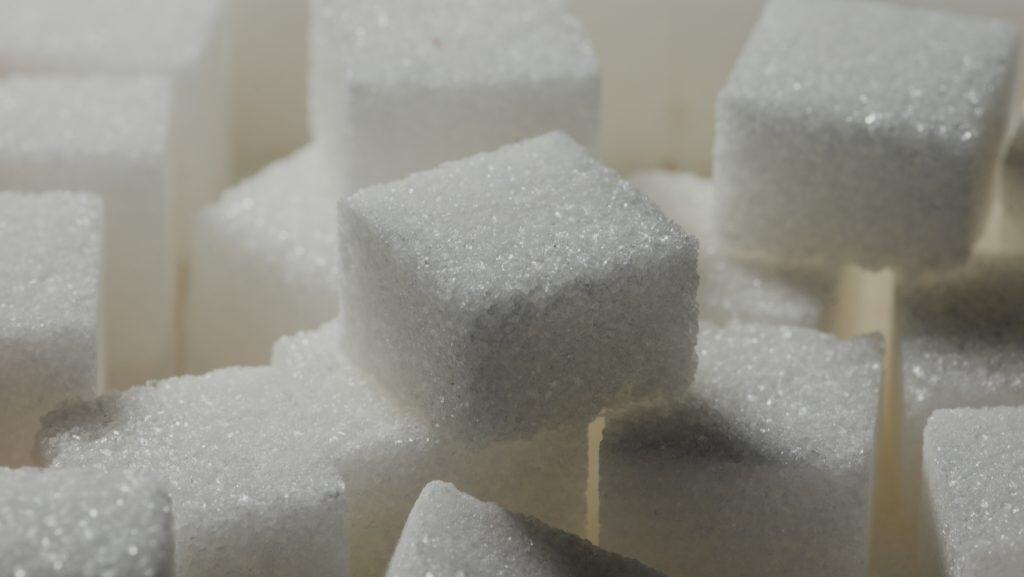
Not all sugar is the same. Natural sugars in fruits and dairy come with nutrients your body needs.
The real concern is added sugars found in processed foods. Focusing on whole foods while limiting refined sugar is a more realistic and sustainable approach.
Eggs Raise Your Cholesterol

Eggs have long been linked to high cholesterol, but research shows dietary cholesterol doesn’t impact blood cholesterol the way people once thought.
Eggs are packed with protein and nutrients, making them a great addition to a balanced diet. Cooking them simply—like boiling or poaching—keeps them even healthier.
Raw Foods Are Superior

Raw foods can be nutritious, but they’re not always better. Some nutrients actually become easier for your body to absorb when foods are cooked.
A mix of raw and cooked foods gives you the best of both worlds—variety, flavor, and balanced nutrition.
Juicing Is Nutritionally Complete

Juicing can give you vitamins quickly, but it removes fiber, which helps with digestion and keeps you full.
Eating whole fruits and vegetables gives you the full benefit—fiber, nutrients, and better blood sugar balance.