Understanding Food Cravings: Insights Into Our Eating Desires

Cravings are often dismissed as simple weaknesses, moments when willpower fails and we reach for something we know we shouldn’t. But the truth is more complex. Our desires for certain foods are messages, signals from our bodies and minds that something needs attention. Understanding the psychology behind these cravings can transform how we relate to food. It turns mindless indulgence into conscious awareness. Here’s what your cravings might be trying to tell you.
Cravings as Clues: Food Desires and Health Needs

Sometimes cravings are more than emotional. They’re physical signals. A desire for chocolate can indicate a magnesium deficiency. Craving salt might mean you’re dehydrated or lacking electrolytes. Listening to these signals doesn’t mean indulging every urge. It means paying attention and responding thoughtfully. Choose nutrient-rich options that address the need. And if cravings persist, consult a professional. They can help you interpret what your body is trying to say.
Mood on a Plate: Emotions Shape Our Cravings

Our emotional state directly influences what we want to eat. Sadness might drive us toward creamy, soft textures that feel like comfort. Joy calls for celebration foods. Anger can make us crave something crunchy and aggressive. These patterns aren’t random. They’re emotional needs expressing themselves through food. Pay attention to what you’re feeling before you crave. Address the emotion, and the craving often loses its power.
Memory Bites: Nostalgia’s Role in Food Desires

A single bite can transport you back decades. Foods linked to positive memories, a grandmother’s cookies, a holiday dish, a favorite meal from childhood, carry emotional weight. When you crave them, you’re not just wanting the taste. You’re wanting the feeling. The warmth, safety, and love those memories hold. Recognizing this allows you to appreciate the craving for what it is, a desire for comfort. Enjoy it intentionally, not mindlessly.
Pasta vs. Mac: Cultural Comfort Food Patterns
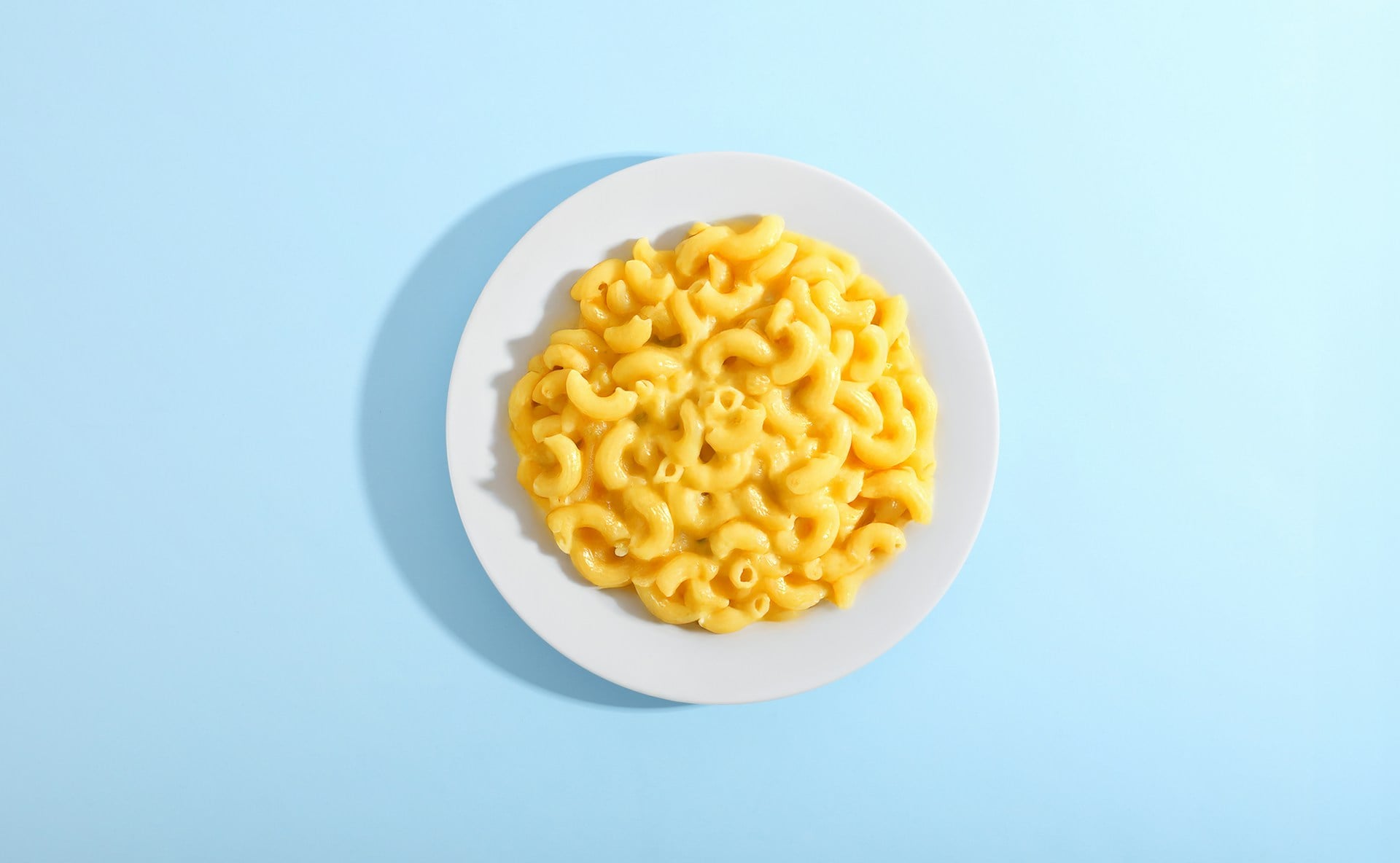
Comfort food isn’t universal. It’s cultural. An Italian might crave pasta. An American might reach for mac and cheese. Both are warm, filling, and soothing, but they reflect different histories and traditions. Understanding these patterns expands your palate and deepens your appreciation for other cultures. It also helps you see your own cravings as part of a larger story, one shaped by where you come from and what you grew up with.
Selling Desire: Ads and False Hunger

Food advertising is designed to bypass your rational brain. Vivid imagery, sizzling sounds, perfectly styled dishes, all of it triggers primal instincts. Suddenly you’re hungry for something you hadn’t thought about moments before. This isn’t true hunger. It’s manufactured desire. Recognizing when a craving is externally triggered helps you pause. Ask yourself: Am I actually hungry, or did a commercial just make me think I am? Mindfulness breaks the spell.
Stress and Sugar: Why Anxiety Calls for Sweets

When stress hits, the body craves quick energy. Sugar provides exactly that, a rapid spike that temporarily soothes and comforts. This isn’t weakness; it’s biology. The body perceives stress as a threat and reaches for fuel. Recognizing this connection is the first step. Instead of reaching for processed sweets, try fruits or a spoonful of honey. They satisfy the same need without the crash. Balancing blood sugar throughout the day also helps break the stress-sugar cycle.
Body vs. Mind: Biological vs. Emotional Hunger

Biological hunger builds gradually. It comes with physical signs, a growling stomach, low energy, difficulty concentrating. Emotional hunger hits suddenly and demands specific foods. Learning to tell them apart is one of the most powerful skills you can develop. Before you eat, pause. When did you last eat? What are you feeling? If it’s been hours and your body is signaling need, eat. If it’s been twenty minutes and you’re stressed, address the stress first.
Identity on the Tongue: Favorite Foods and Self
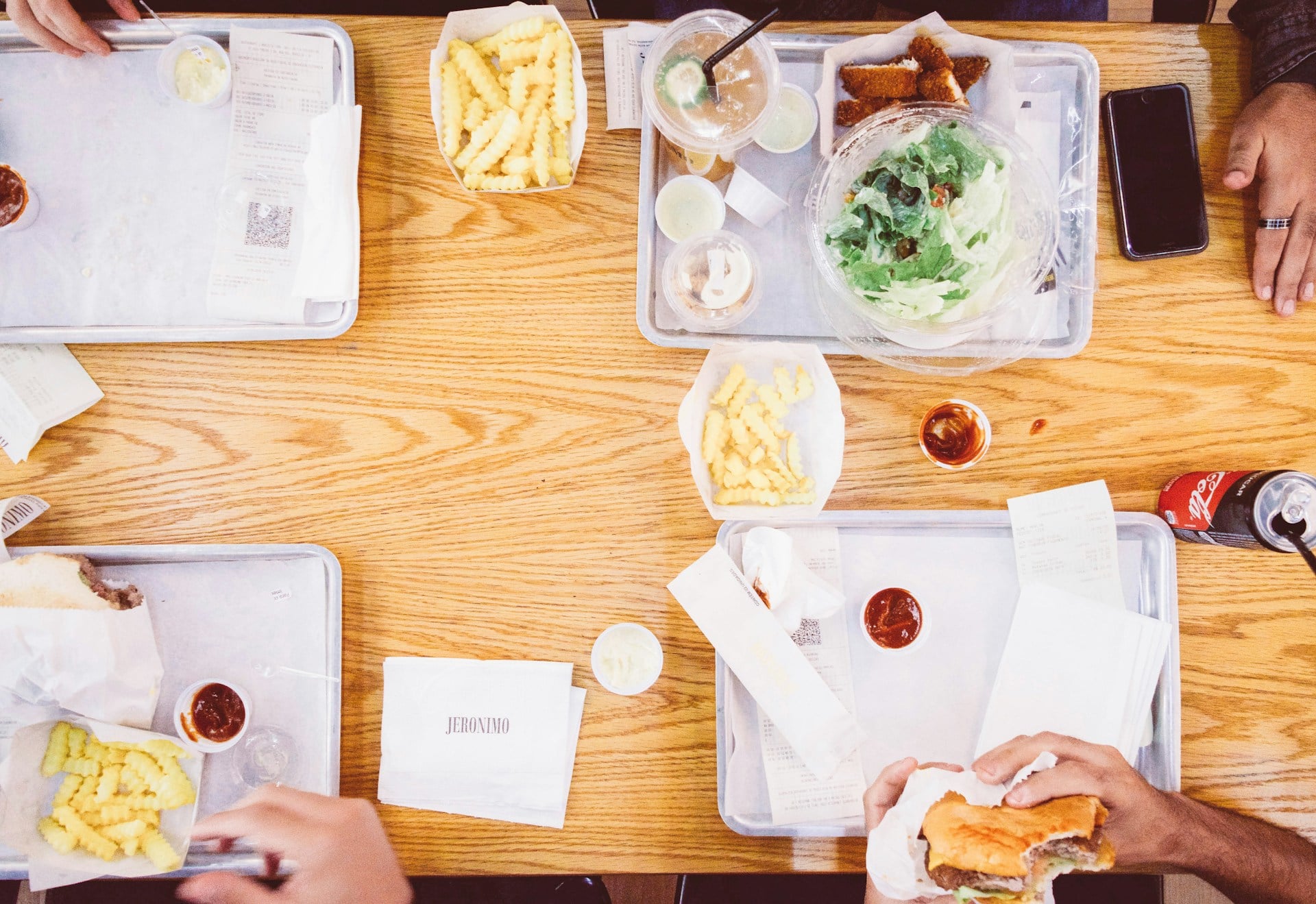
Your favorite foods say something about you. They reflect your heritage, your personality, your history. A love of spicy food might signal a taste for adventure. A preference for simple, familiar dishes might reveal a need for stability. Embracing these connections turns eating into self-exploration. You’re not just consuming calories. You’re honoring who you are and where you come from.
Cravings aren’t enemies. They’re messengers. Learn to listen, and you’ll not only eat better, you’ll understand yourself better too.