Common Mistakes Shoppers Make When Choosing Organic Produce

Shopping for organic produce can feel like trying to read a map in a foreign language. There are so many labels, buzzwords, and marketing claims that it’s hard to know what’s actually legit. Is that “natural” label meaningful? Does local automatically mean organic? The truth is, there are real ways to tell the difference, and once you know what to look for, you’ll never be fooled again. Here’s how to make sure you’re getting the real thing.
Decoding ‘Organic’ Claims on the Labels
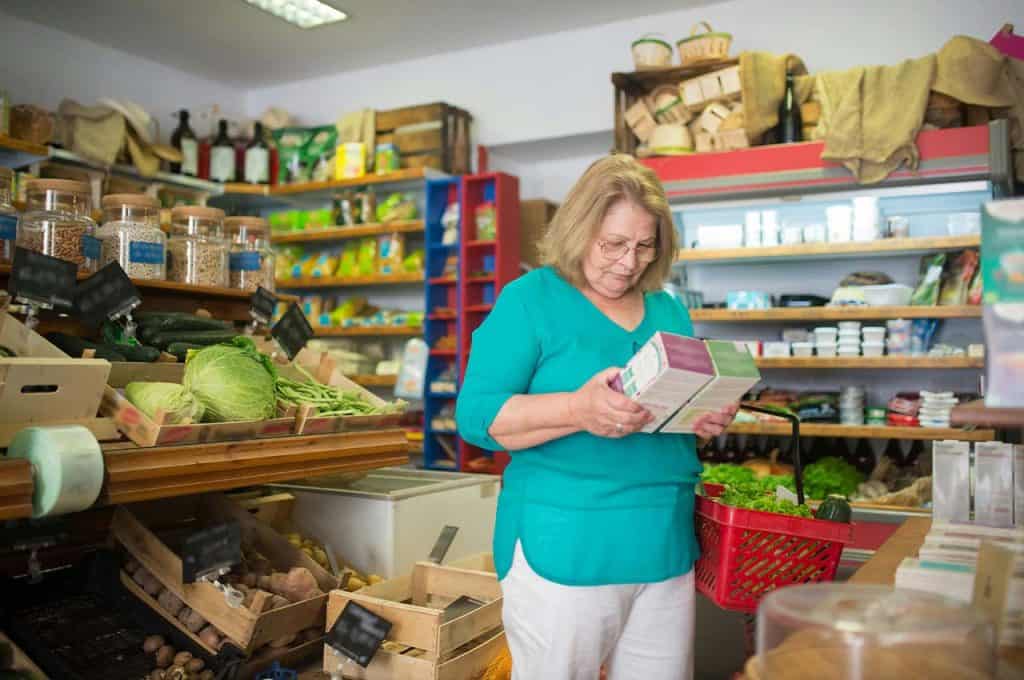
Not all organic labels mean the same thing. “100% Organic” means exactly that—no synthetic additives. “Organic” means at least 95% organic ingredients. “Made with Organic Ingredients” means at least 70%. And terms like “natural” or “biodegradable”? They mean nothing in the organic context. The USDA seal is your friend. If you see it, you know the product has been held to a real standard. If you don’t, read carefully. The difference between “organic” and “made with organic” might matter more than you think.
Perfect Produce: Why Appearance Isn’t Everything
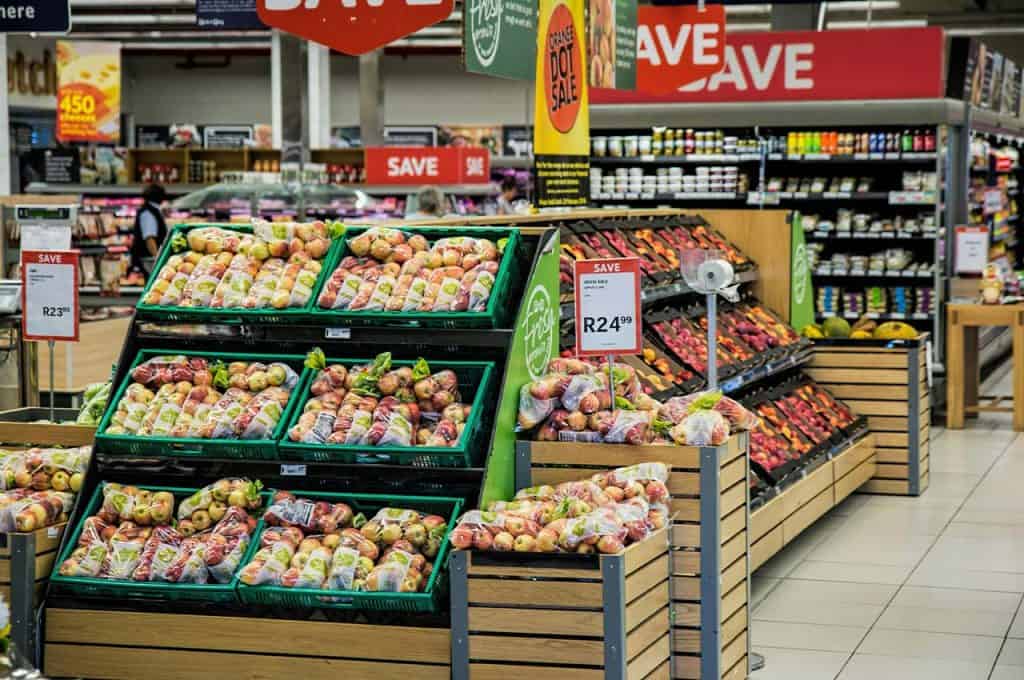
We’re trained to want perfect-looking fruits and vegetables. But here’s the thing: truly organic produce often has little imperfections. A scar here, an uneven shape there. That’s what happens when you don’t douse things in synthetic chemicals. Instead of chasing perfect looks, start paying attention to texture and smell. A good organic tomato should feel heavy, yield slightly to pressure, and smell like… tomato. Earthy, rich, unmistakable. Those cues tell you more about quality than any glossy surface ever will.
USDA Organic vs. Buzzwords: The Real Deal
The word “organic” gets thrown around a lot, but not all uses are equal. The USDA Organic seal is the gold standard—it means the produce meets strict federal requirements for how it was grown and processed. Buzzwords like “natural,” “eco-friendly,” or “sustainable” sound nice, but they carry no legal weight. Anyone can slap them on a package. If you want to be sure, look for that green and white circular seal. It’s the only thing that guarantees you’re getting actual organic produce, not just clever marketing.
Cracking the Code: PLU Secrets Revealed
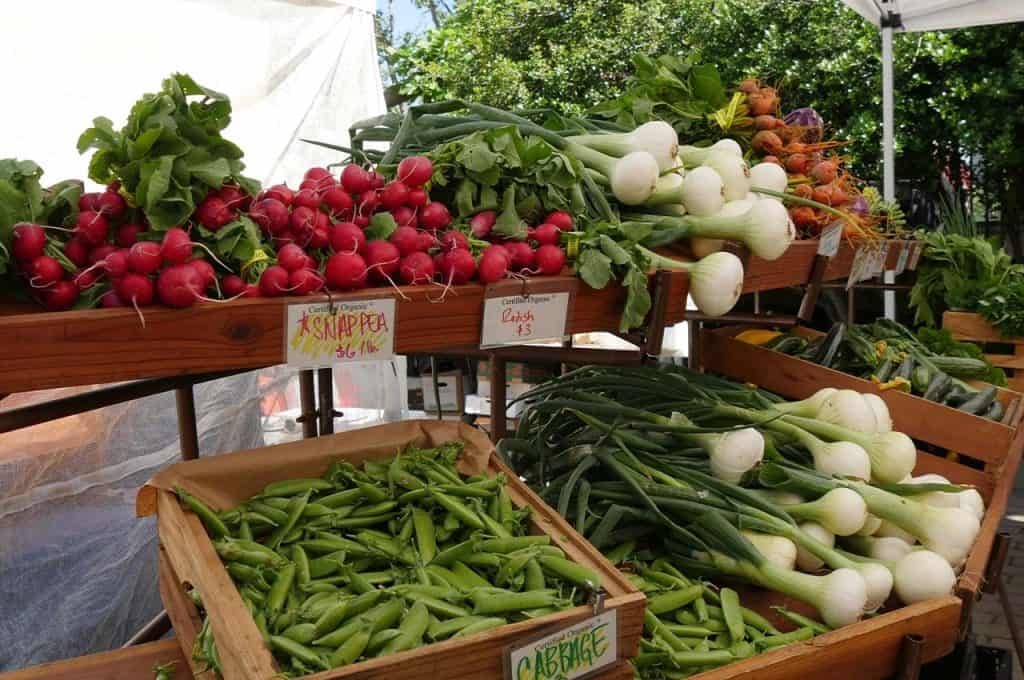
Here’s a trick that works every time. Those little stickers on fruits and vegetables? They’re not just for the cashier. The PLU code can tell you exactly how the item was grown. A four-digit code means conventionally grown. A five-digit code starting with 9 means organic. So if you see a banana with 4011, that’s standard. If it’s 94011, that’s organic. It’s a simple way to verify what you’re buying, even if the packaging is trying to confuse you. Memorize that 9 prefix and you’ll never be fooled again.
Local Myths: When ‘Local’ Isn’t ‘Organic’

Just because it came from a farm down the road doesn’t mean it was grown without pesticides. Local and organic are two different things. Some small farmers use conventional methods to maximize yield, and that’s fine—but it’s not organic. If you’re shopping at a farmers’ market, don’t be afraid to ask questions. How do they handle pests? Do they use synthetic sprays? Most farmers are happy to talk about their practices. You might find local organic gems, but you have to do a little digging.
Is Organic Worth It? Pricing Explained
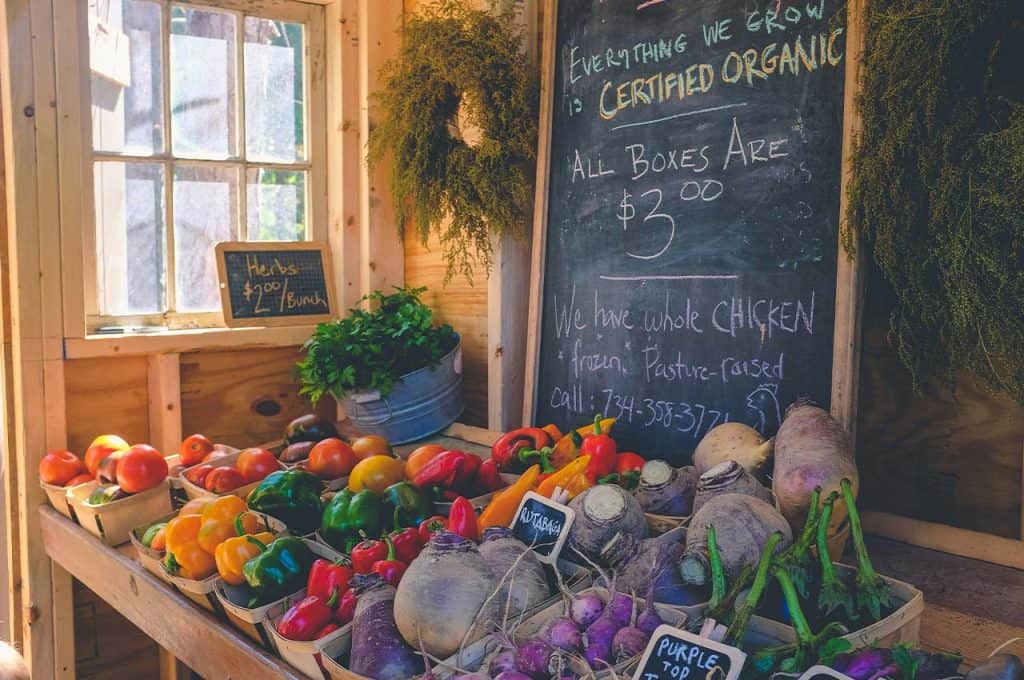
Yes, organic costs more. There’s no way around it. The farming practices are more labor-intensive, the certification process costs money, and the scale is often smaller. But here’s how to make it work: not everything needs to be organic. Some conventionally grown crops carry higher pesticide residues than others. You can prioritize your spending on the ones that matter most—things like strawberries, spinach, and apples tend to top the “dirty dozen” lists. For thicker-skinned produce like avocados or bananas, conventional might be fine. It’s about being strategic, not perfect.