Experts Predict Which Fast-Food Chains Might Not Last in 2026

Restaurant bankruptcies kept piling up through 2025, and trade coverage kept circling the same culprits: soft traffic, high costs, cautious diners, and debt that never really loosened its grip. Bankruptcy attorney Daniel Gielchinsky warned that some restaurants operating now will disappear within a few years, while others will survive only with a much smaller footprint. That makes the most fragile quick-service names feel less like nostalgia pieces and more like live warning lights that are actually flashing. A few could still recover, but the chains below entered 2026 with the kind of pressure that usually forces hard choices fast, not slowly, for operators who are already running out of room to maneuver.
Del Taco
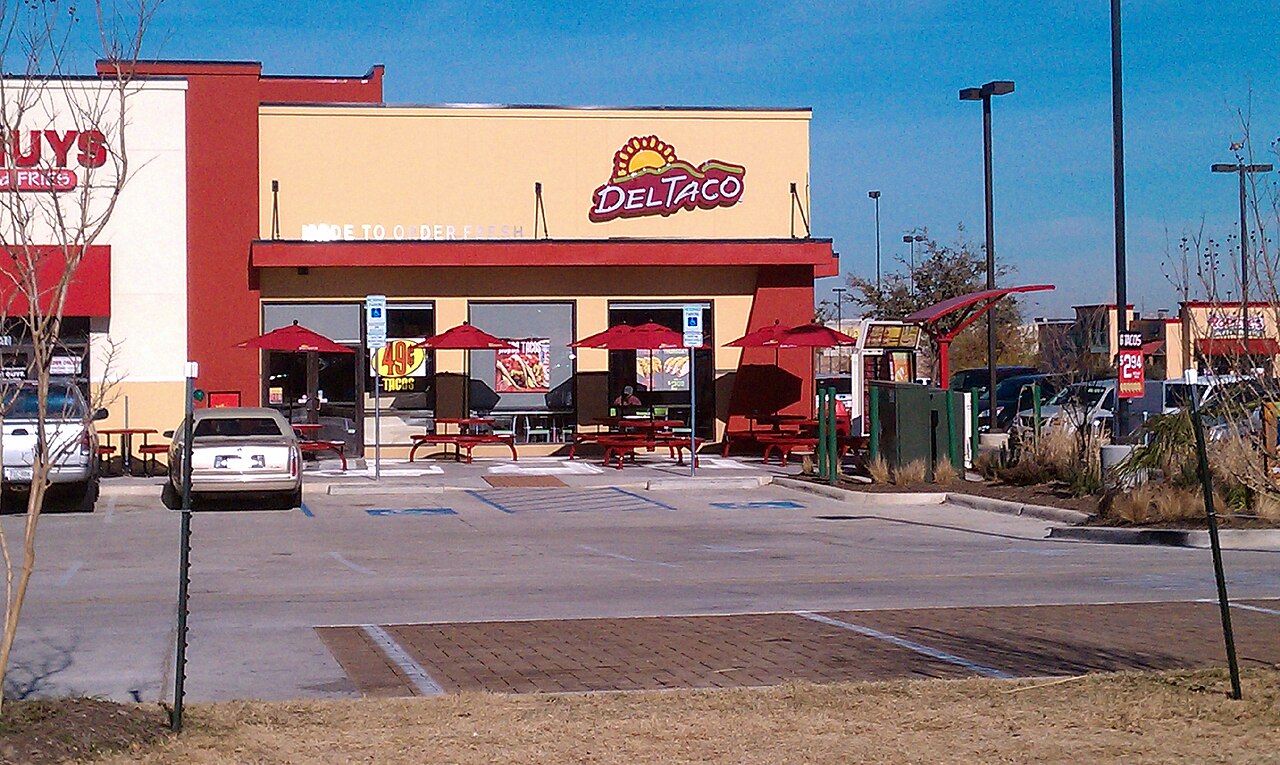
Del Taco is bigger than most names here, which makes its pressure easier to miss at first glance if you’re not paying close attention. But in 2025, Jack in the Box said it might sell the brand, then completed a sale to franchisee Yadav Enterprises for $115 million—about an 80 percent drop from what it had paid in 2022. Around the same period, a 22-unit Del Taco franchisee filed for bankruptcy. That does not guarantee the chain is headed off the map entirely, yet it does suggest real instability around ownership, valuation, and operator health. Those are the signals analysts watch when they suspect more retrenchment may still be ahead. Its scale helps, but the turbulence is real and not going away on its own.
Boston Market
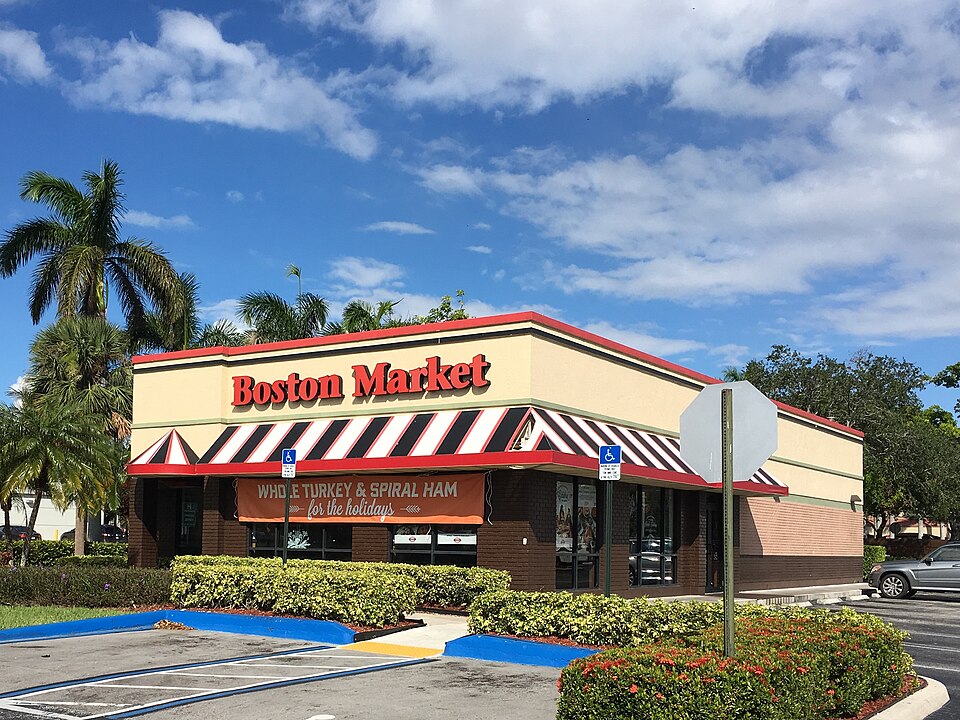
Boston Market now feels less like a chain in retreat and more like one nearing the edge of the map entirely. Restaurant Business reported in December 2024 that the brand appeared to be down to just 16 U.S. locations, a stunning and almost hard-to-believe fall for a company once woven so deeply into ordinary weeknight takeout routines. At that size, even small problems hit with outsized force. Every closure cuts visibility just a little more, every empty market erases years of habit formation, and every month without clear reinvestment makes the brand look less like a comeback candidate and more like a name that may keep slipping quietly out of everyday life. For legacy chains, that kind of invisibility can become a crisis long before anyone officially calls it one.
Rubio’s Coastal Grill
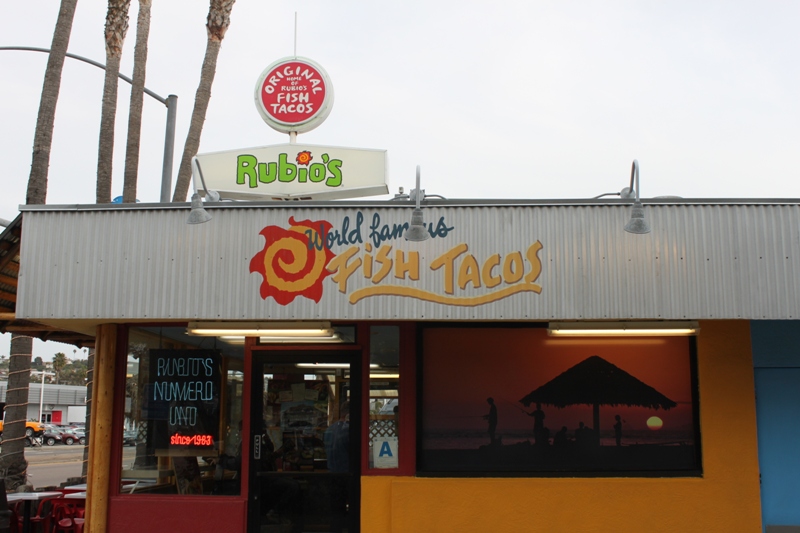
Rubio’s Coastal Grill entered this stretch with fresh bankruptcy damage already on the books. Reuters reported that the chain filed for bankruptcy again in June 2024, marking its second filing since 2020, after closing 48 restaurants and saying it would keep 86 open across California, Arizona, and Nevada. The petition also showed more than $100 million in debt, the sort of weight that can turn a regional favorite into a long restructuring story that never quite reaches a satisfying ending. Even with strong name recognition and loyal customers, a brand that has returned to bankruptcy court twice in four years does not get much room for another bad season. Its margin for error plainly looks thin, and every decision from here forward carries more weight than it should.
MOD Pizza
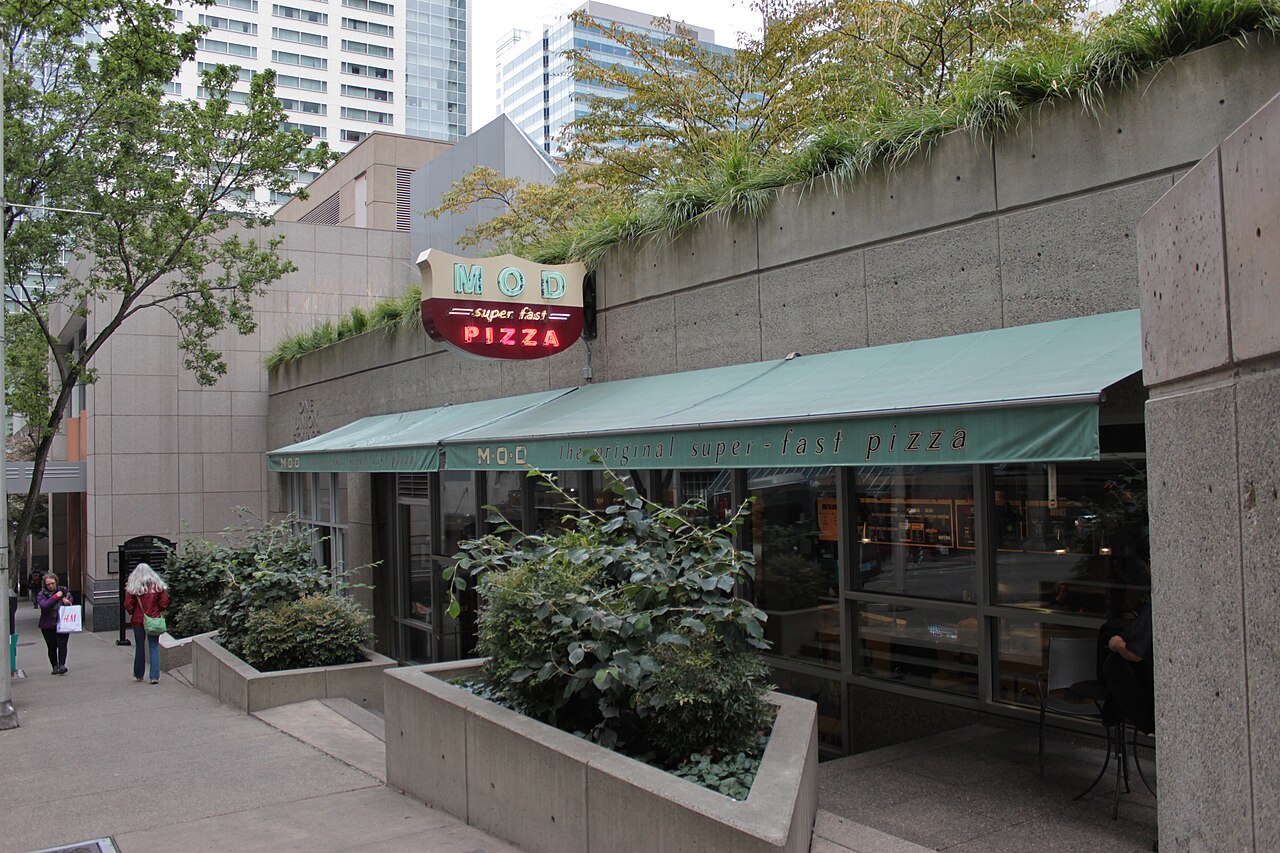
MOD Pizza escaped a bankruptcy filing in 2024 by selling to Elite Restaurant Group, but the warning lights did not switch off just because ownership changed hands. Restaurant Business reported in November 2025 that the chain was still shrinking, and its franchise documents raised doubt about its ability to continue as a going concern. That is unusually stark language for any restaurant brand to have in official filings. It becomes even more serious in a pizza segment already littered with stalled fast-casual dreams that burned bright and then faded fast. A rescue deal can buy time, certainly, but if the footprint keeps thinning and official documents still sound uneasy, stability can keep drifting further out of reach. Entering 2026 that way is not comfortable for anyone involved.
Pieology
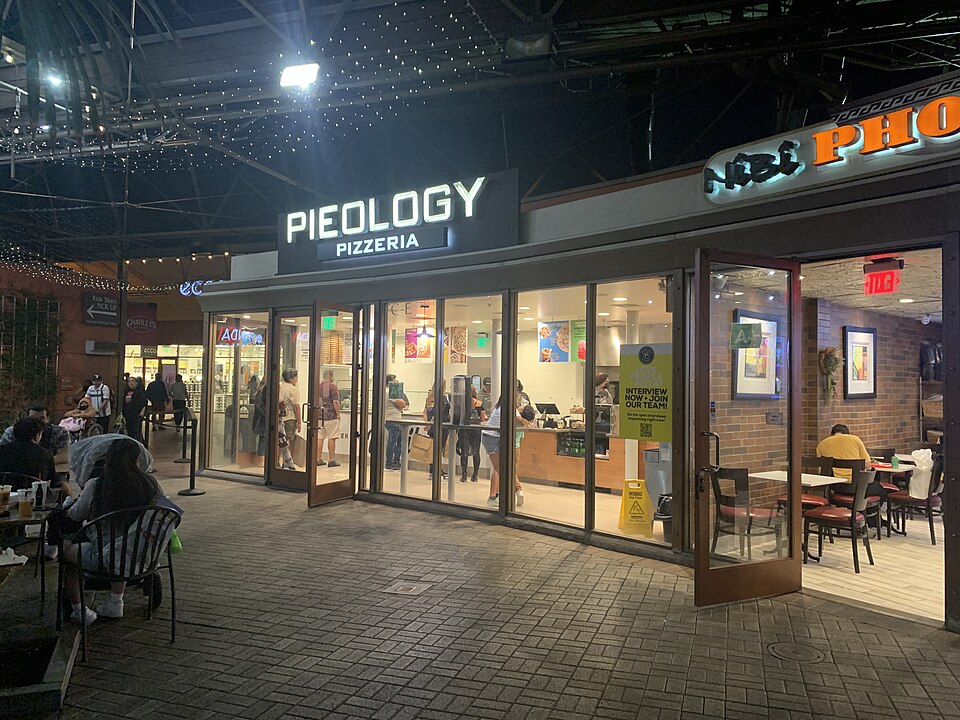
Pieology shifted from struggling to formally distressed in December 2025, when the fast-casual pizza chain filed for Chapter 11 protection. Trade coverage said the brand had dropped to about 40 locations and had already closed 17 restaurants before the filing even landed. That kind of contraction changes how a chain is perceived almost overnight. It no longer looks like an operator merely trimming weak stores around the edges. It starts to look like a company fighting simply to preserve a brand name while the physical map keeps shrinking, and pizza is not a forgiving category once guests start sensing instability. Once that feeling spreads, winning back routine visits gets exponentially harder.
Quiznos
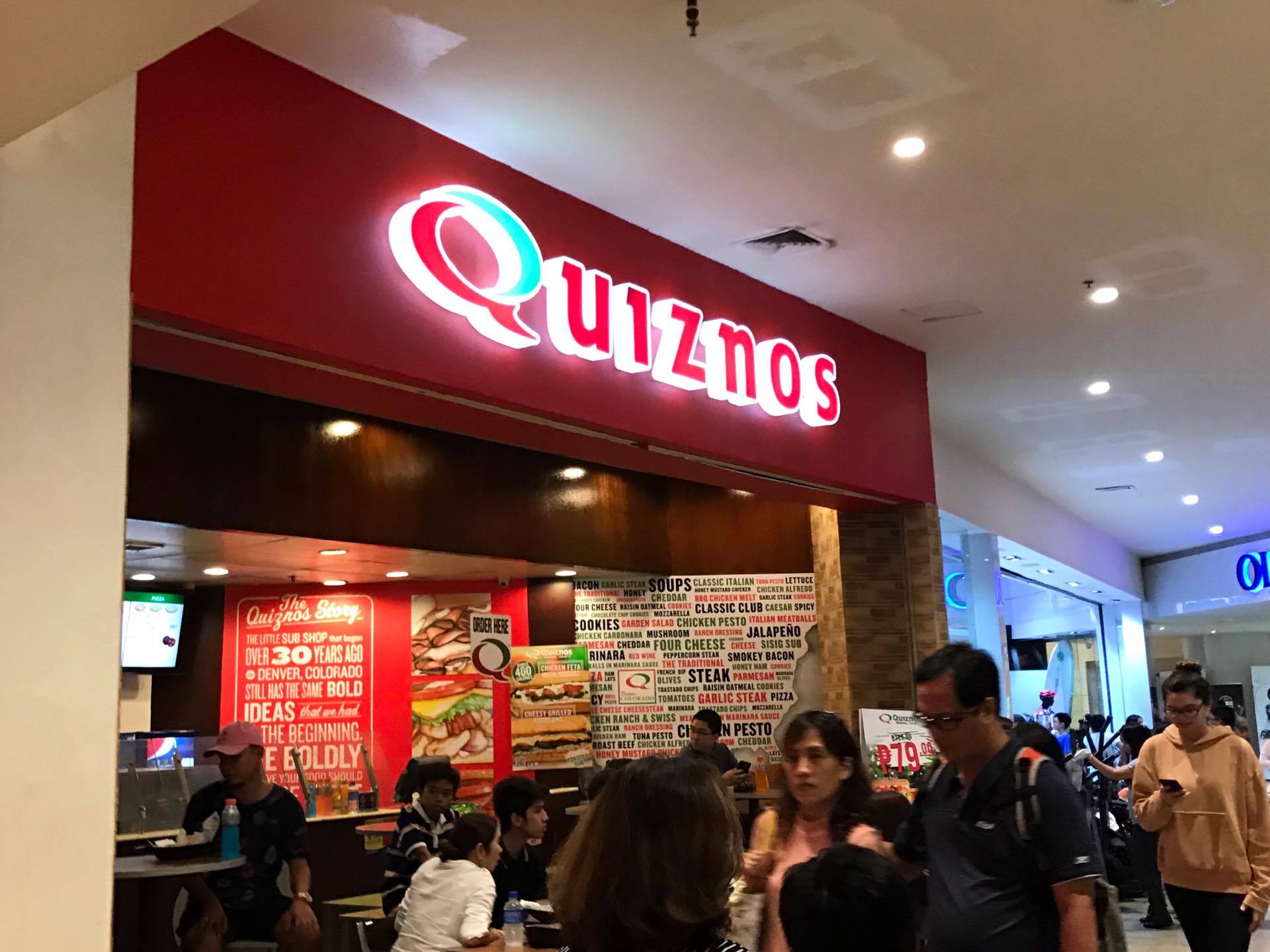
Quiznos has spent years talking about revival, which is exactly why the remaining numbers feel so stark and discouraging. Restaurant Business reported in early 2025 that the chain finished 2023 with fewer than 150 locations after once nearing 5,000, and QSR later noted a new CEO had been brought in to chase a turnaround. That history does not prove the brand will vanish in 2026, but it does show how little margin remains for more mistakes at this stage. Weak scale, fading relevance, and years of unit erosion can leave even a once-famous sandwich name operating with far less resilience than its old reputation might suggest. The buffer is not very wide anymore, and every passing year makes the climb steeper.
BurgerFi
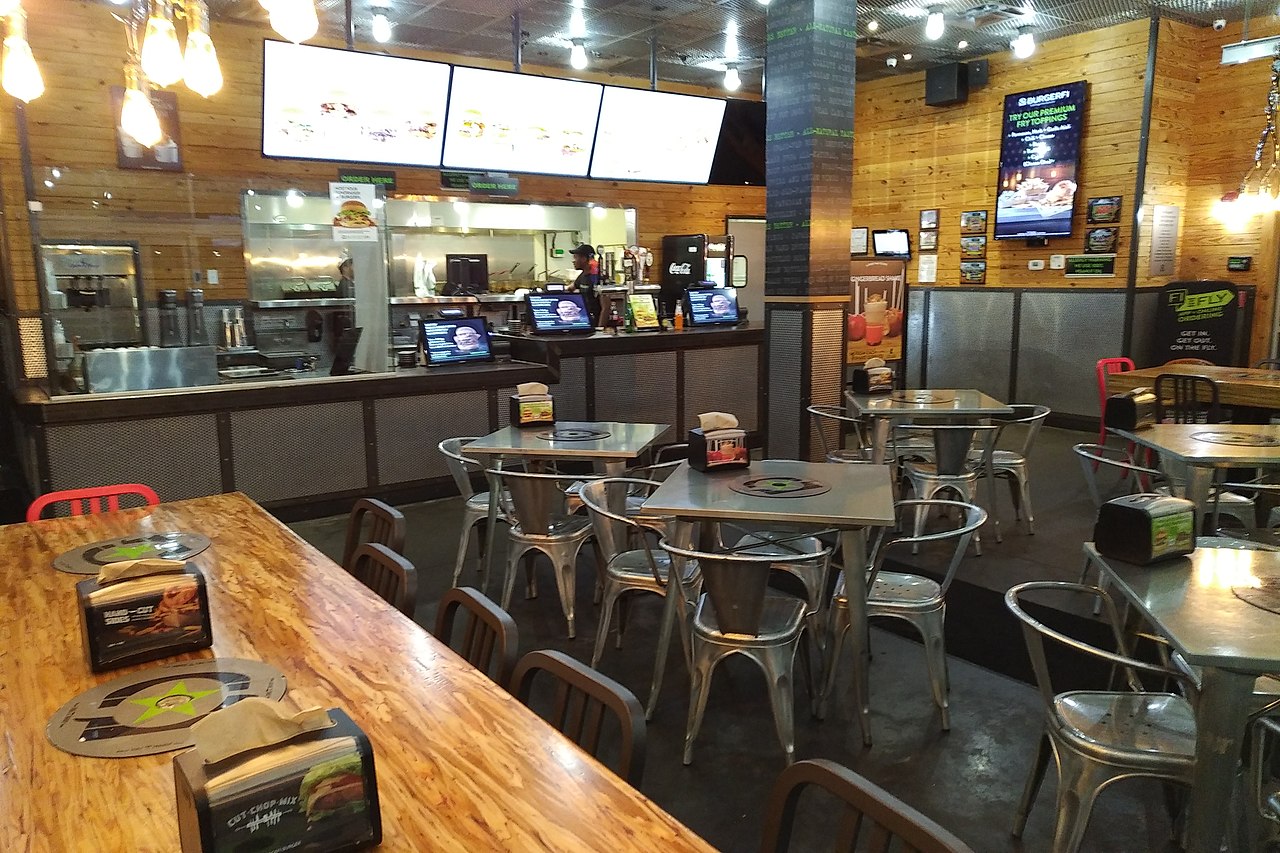
BurgerFi already moved past rumor territory when it filed for bankruptcy in September 2024. By December of that year, the brand had been sold out of court proceedings, and its new owner was taking over 85 BurgerFi restaurants—a noticeable drop from the system count reported only months earlier. That matters because burger chains need scale, steady traffic, and enough store density to stay visible in a crowded category. When a brand is shrinking, changing hands, and trying to reassure franchisees and guests at the same time, every quarter starts to feel less like normal business and more like an audition for survival. For smaller burger players, that is a brutal place to be. There’s no room for missteps when you’re already fighting to prove you still belong.
Blimpie
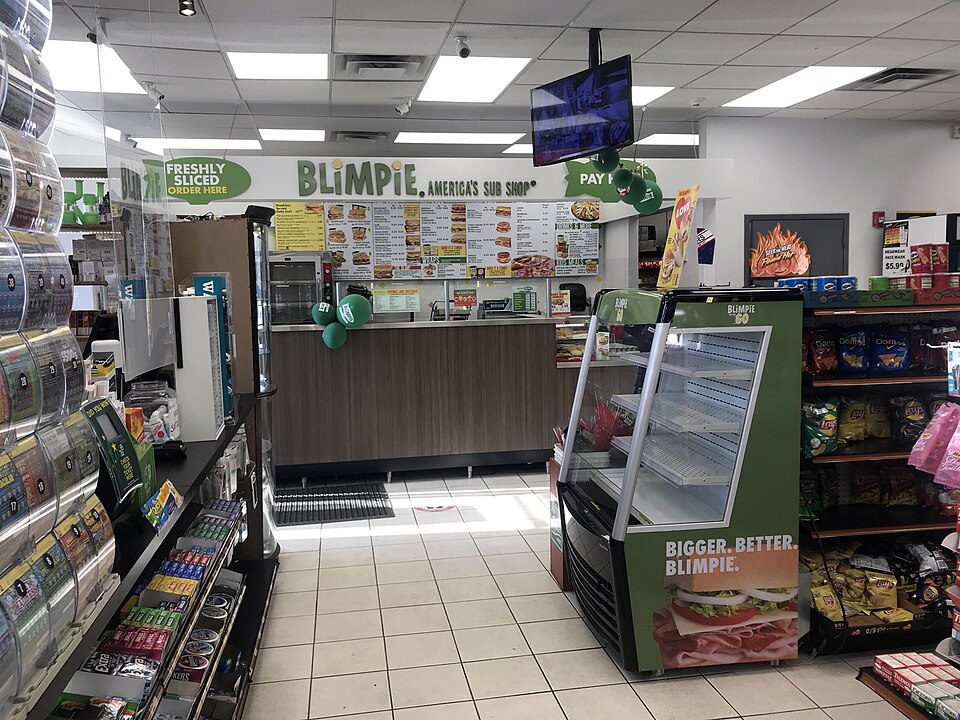
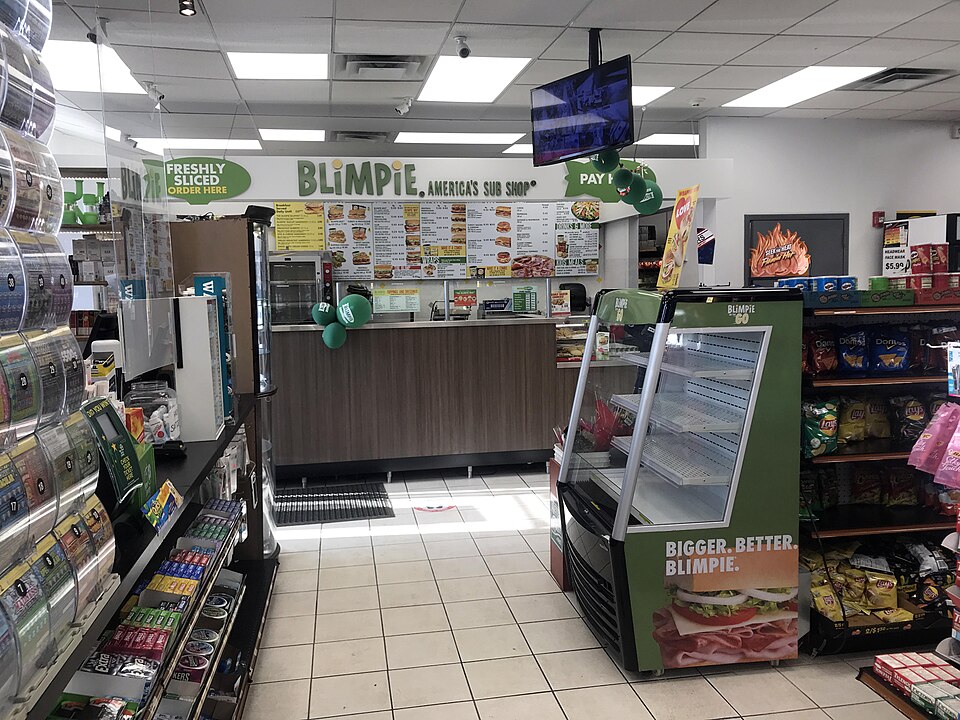
Blimpie has faded more quietly than Quiznos, but the shrinkage is still severe and maybe even more telling. Restaurant Business reported in July 2025 that the chain, which had about 1,600 locations two decades earlier, was down to roughly 100 restaurants by the end of 2024. That kind of drop changes everything around a brand. Advertising reach weakens, convenience disappears for most of the country, and younger diners stop encountering the brand often enough to form any habit at all. A loyal pocket of fans can keep a name alive for a while, but it cannot always rebuild the momentum a national footprint once supplied. Recovery usually gets harder once the network gets that thin, and Blimpie is navigating that reality right now.