Classic Retro Recipes That Shaped 1970s Cookbooks

The 1970s were a glorious time for home cooking. It was an era of culinary adventure, when cooks opened their kitchens to global flavors and techniques that felt exciting and new. Fondue pots bubbled on tables. Beef Wellington emerged from ovens in golden puff pastry. Aspic molds shimmered under dining room lights. These dishes weren’t just food; they were statements, proof that the person in the kitchen was creative, ambitious, and ready to entertain. Today, many of these retro recipes are ripe for rediscovery. They offer something valuable: a chance to slow down, practice real techniques, and serve meals that still impress.
Sizzling Charm of Beef Wellington

Beef Wellington is the ultimate dinner party flex, and for good reason. A tender beef fillet, seared until golden, gets wrapped in a savory mushroom duxelles, a layer of prosciutto, and finally encased in flaky puff pastry. The result is a centerpiece that stops conversation when it hits the table. The keys to success are patience and temperature control. Sear the beef well, chill the assembled Wellington so the pastry holds its shape, and brush generously with egg wash for that glossy, golden finish. Slice it open at the table, and you’ll understand why this dish defined luxury dining.
Fondue: The Ultimate Party Pleaser

Fondue is more than a meal; it’s an experience. A pot of melted cheese, kept warm over a gentle flame, turns dinner into a communal event. The classic blend of Gruyère and Emmental, melted with white wine and a hint of garlic, creates a sauce that’s rich, smooth, and utterly irresistible. A splash of kirsch adds warmth, and a pinch of nutmeg brings depth. Surround the pot with cubes of crusty bread, blanched vegetables, and maybe some apple slices, and let everyone dip at their own pace. It’s interactive, comforting, and pure 1970s nostalgia.
Quiche Lorraine’s Savory Elegance

Quiche Lorraine proves that simplicity, done right, is its own kind of luxury. A buttery, blind-baked tart shell holds a custard of cream, eggs, smoky bacon, and nutty Gruyère. The key is low, slow baking, which ensures a silky, tender texture rather than something rubbery. A sprinkle of chives or a whisper of nutmeg lifts the whole thing. Serve it warm or at room temperature, for brunch, lunch, or a light dinner. It’s elegant, versatile, and timeless.
Coq au Vin: French Bistro Classic

Coq au Vin is rustic French cooking at its finest. Chicken pieces are browned until deeply golden, then slowly simmered in red wine with onions, mushrooms, and pancetta. Thyme and bay leaves perfume the whole thing as it cooks. The secret is patience. Given time, the wine reduces, the flavors meld, and the chicken becomes impossibly tender. Serve it with crusty bread or buttered potatoes, and you’ll understand why this dish has never gone out of style.
Jiggly Art of Aspic Molds

Aspic molds are perhaps the most iconic symbol of 1970s culinary creativity. Savory or sweet, suspended in a crystal-clear gelatin, they were the centerpiece of countless dinner parties. Mastering aspic requires precision. The gelatin must be thoroughly dissolved for an even set. A clear consommé or stock shows off embedded ingredients, like vegetables or seafood, to best effect. Slice them carefully, and serve with confidence. They’re a conversation starter, a relic of an era when food was as much about presentation as flavor.
Chicken Cordon Bleu: Dinner Deluxe

Chicken Cordon Bleu takes a few simple ingredients, chicken, ham, cheese, and transforms them into something special. Flatten the chicken breasts evenly, layer with quality ham and Swiss cheese, then roll tightly. Secure with toothpicks, bread carefully, and fry gently in butter before finishing in the oven. The result is a golden, crisp exterior giving way to tender chicken and melted cheese. Slice diagonally to show off those beautiful layers, and serve with pride.
Perfectly Piquant Deviled Eggs

Deviled eggs were the MVP of every 1970s party spread. Creamy, tangy, and endlessly customizable, they disappeared from trays within minutes. The foundation is simple: hard-boiled yolks mixed with mayonnaise, mustard, and a dash of vinegar. From there, the variations are endless. Chopped chives, crisp bacon, smoked paprika, each addition makes them your own. Pipe the filling back in for a polished look, garnish with something pretty, and watch them vanish again.
Tuna Mousse: The Savory Spread

Tuna mousse might sound like a relic, but it deserves a second look. Smooth, rich, and packed with umami, it’s the perfect spread for crackers or crudités. High-quality canned tuna gets folded into a mixture of cream cheese and gelatin, brightened with lemon juice and a whisper of pepper. Mold it, chill it until firm, and unmold onto a bed of crisp lettuce. The contrast between creamy mousse and crunchy vegetables is pure pleasure.
Ambrosia Salad’s Sweet Symphony

Ambrosia salad is a sweet, creamy, slightly retro dream. Pineapple, mandarin oranges, coconut, and mini marshmallows are bound together in a fluffy dressing of whipped cream or sour cream. It’s not complicated, but that’s the point. The key is balance, letting each ingredient shine without overwhelming the others. Chill it well, serve it generously, and watch smiles appear. It’s nostalgia in a bowl.
Shrimp Cocktail: Timeless Starter

Shrimp cocktail is proof that simplicity can be elegant. Large, firm shrimp, poached briefly with lemon and bay leaves, then chilled until snappy. The cocktail sauce is just as important: ketchup, horseradish, lemon juice, and a dash of Worcestershire, balanced so the shrimp’s natural sweetness can shine. Served in a glass with the sauce on the side, it’s a starter that never goes out of style.
Baked Alaska: Flambéed Finale

Baked Alaska is dessert as theater. A layer of sponge cake supports firm ice cream, all encased in glossy meringue. A quick blast of high heat browns the meringue while the ice cream stays frozen. For the grand finale, a splash of rum, ignited, creates a caramelized crust and a moment of pure drama. It’s warm and cold, crisp and creamy, and utterly unforgettable.
Classic Comfort of Carrot Cake
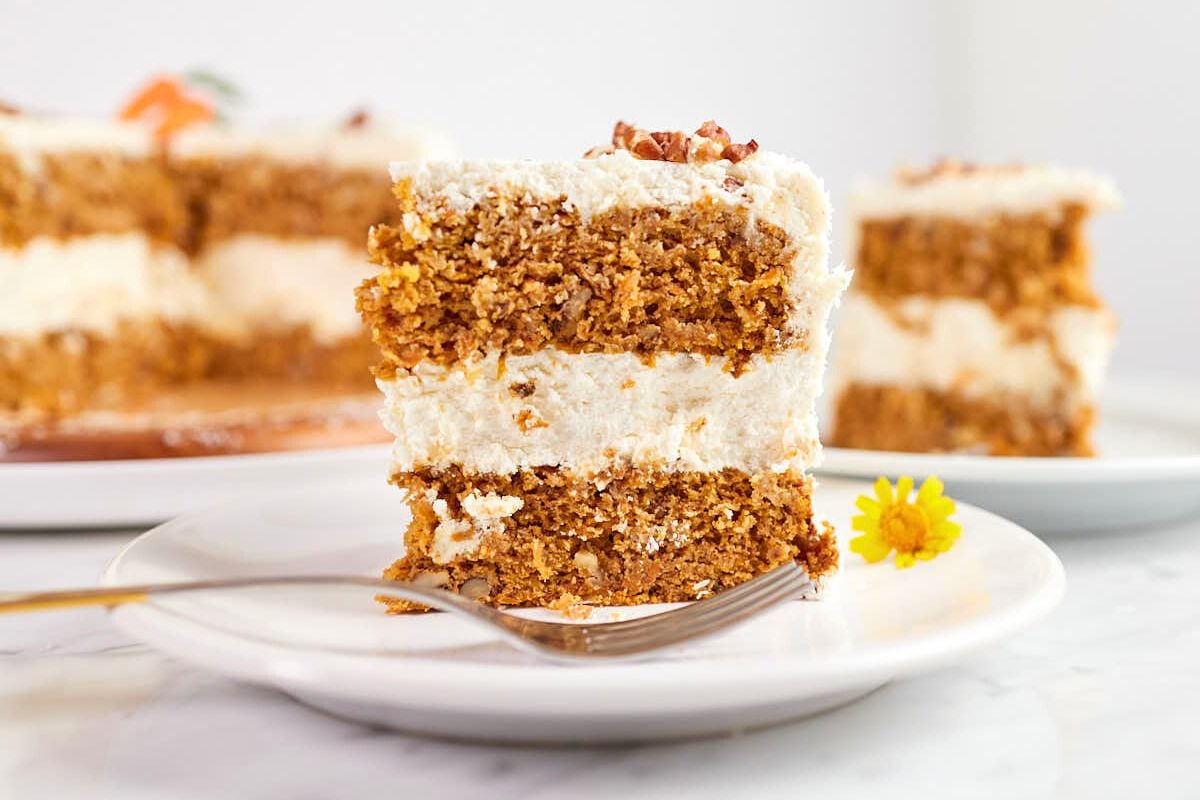
Carrot cake is the quiet star of the dessert table. Finely grated carrots keep it moist, while warm spices, cinnamon, nutmeg, and walnuts add depth and crunch. The cream cheese frosting, tangy and lightly sweetened, is the perfect partner. Beat it until light and airy, then spread generously. It’s humble ingredients, transformed into something complex and deeply satisfying.
These recipes are more than relics. They’re invitations to cook with intention, to practice techniques that matter, and to serve meals that bring people together. The 1970s got a lot right. It’s time to remember why.