Creative Sweet Potato Menu Swaps to Enhance Your Side Dishes

Sweet potatoes have quietly become one of the most strategic upgrades on modern menus. What used to be a seasonal side has turned into a premium swap that often comes with a small but noticeable upcharge. From fries to mash to noodle alternatives, this bright orange root now signals something healthier, trendier, or more chef-driven. The interesting part is that the cooking methods rarely change much. The shift is in presentation, perception, and positioning. Diners see color, sweetness, and a hint of wellness, and suddenly a simple side feels elevated enough to cost more.
Sweet Potato Fries Quietly Replaced the Standard Side
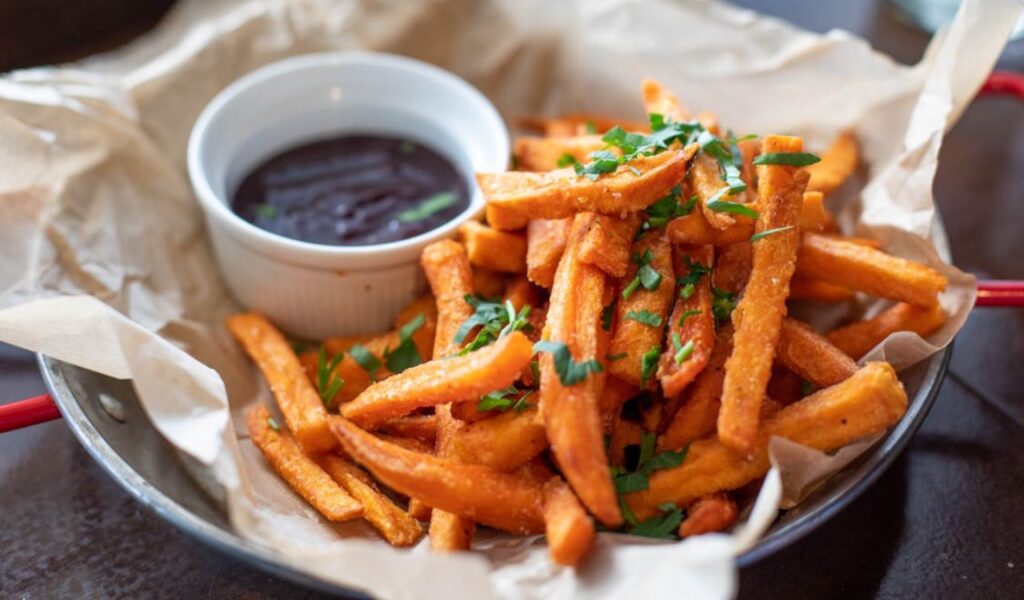
There was a time when fries were just fries. Now, sweet potato fries show up as a “premium swap” almost everywhere, often with a small upcharge attached. The reason is simple: sweet potatoes contain more natural sugars than white potatoes, which caramelize quickly at high heat and create that deep golden color diners associate with craft cooking. Their orange hue also signals vitamin A and fiber, which makes the upgrade feel healthier, even when they are fried. From a kitchen standpoint, sweet potato fries cost more per pound than standard russets. They also require tighter temperature control to avoid burning due to their higher sugar content. Restaurants often pair them with specialty sauces like chipotle mayo or garlic aioli, which reinforces the idea that this is not just another fry basket but a more curated side. What this really means is perception drives the upsell. Customers see color, texture, and a hint of sweetness and assume they are getting something more thoughtful. The base cooking method is nearly identical, but the experience feels elevated, which justifies the added cost on the menu.
Mashed Sweet Potatoes Add a Comfort Food Premium
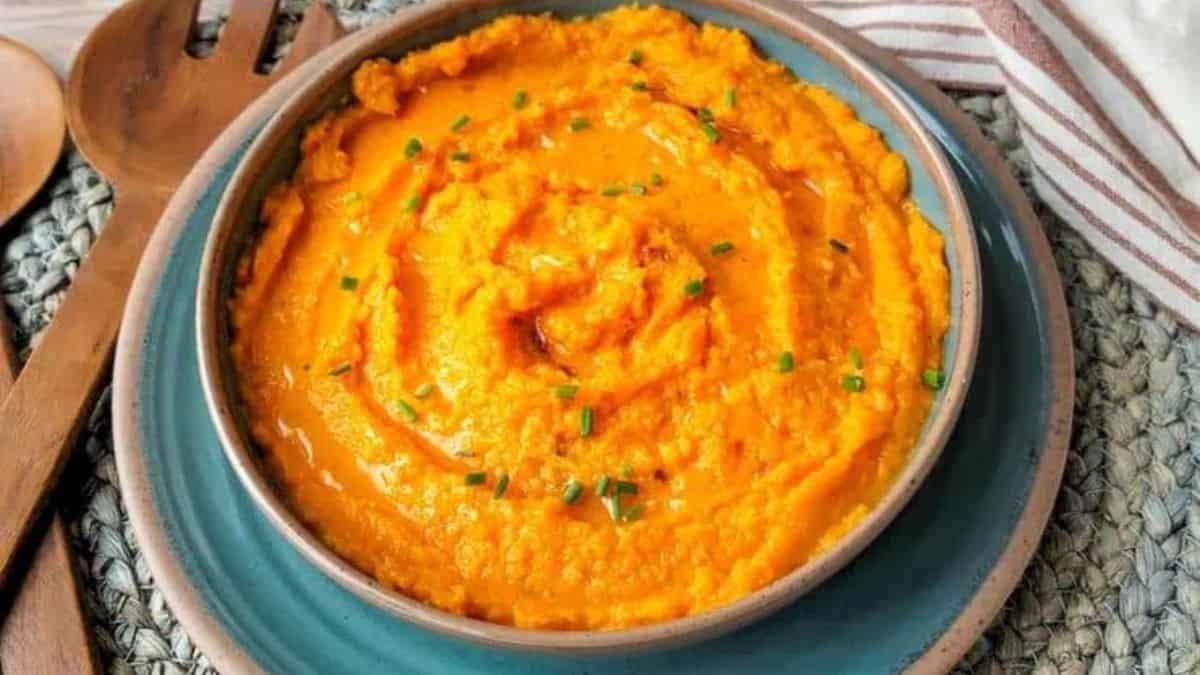
Regular mashed potatoes are predictable, but mashed sweet potatoes feel seasonal and intentional. Their naturally creamy texture, combined with butter, cream, or even Greek yogurt, creates a smoother mouthfeel without requiring as much added fat. The inherent sweetness also reduces the need for extra seasoning, making them versatile alongside roasted meats and holiday-style plates. Sweet potatoes are denser and slightly more fibrous than white potatoes, which gives the mash more body. Chefs often add cinnamon, nutmeg, or maple syrup, leaning into warm flavor notes that evoke comfort. That connection allows restaurants to present the dish as special rather than routine. The difference in cost is small at the ingredient level, but the perceived value is higher. When something feels festive or chef-inspired, diners are willing to pay a higher price. The technique is similar, yet the result feels distinct enough to command more attention and a slightly larger bill.
Twice-Baked Sweet Potatoes Turn a Basic Side Into a Showpiece
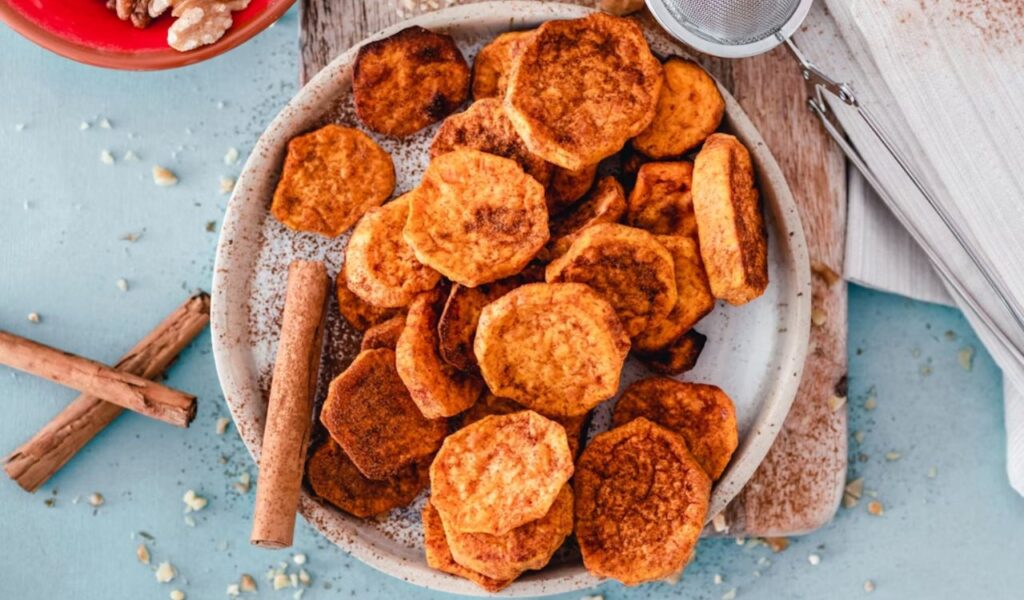
A plain baked potato is functional, but a twice-baked sweet potato feels crafted. The process of baking, scooping, mixing, and refilling creates a layered texture that elevates what could have been a simple starch. The filling often includes butter, cream, herbs, cheese, or even nuts, creating contrast between the soft interior and lightly crisped skin. Because sweet potatoes hold their shape well, they are ideal for this treatment. Their natural sweetness balances savory toppings like goat cheese or sharp cheddar. In some menus, brown sugar and pecans are added, creating a dish that blurs the line between side and dessert. That versatility makes it appealing across seasons. Labor is part of the price increase here. The extra preparation time and added ingredients allow restaurants to frame the dish as premium. It still starts with a humble tuber, but the transformation gives it visual impact and a richer flavor profile that feels worthy of an upcharge.
Air-Fried Sweet Potato Wedges Feel Modern and Intentional
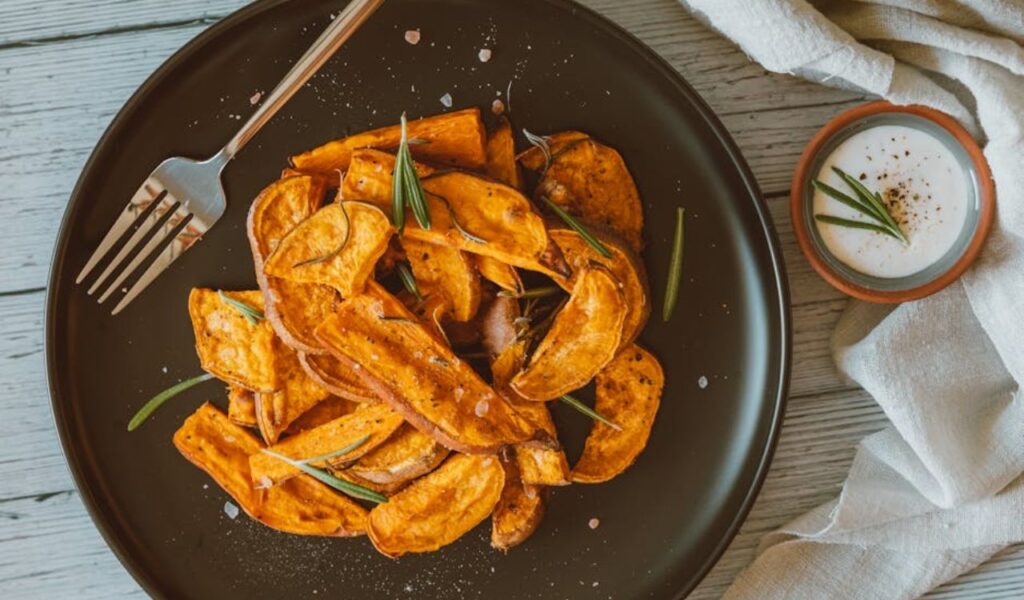
Air frying carries a health-forward reputation, even when the result is still crisp and indulgent. Sweet potato wedges benefit from this method because their surface sugars brown quickly, forming a caramelized crust without deep frying. The result is a crisp exterior and a soft, almost creamy interior. Compared to standard potato wedges, sweet potato wedges offer more beta carotene and slightly more fiber. That nutritional edge allows menus to position themselves as a smarter alternative. Restaurants often serve them with house-made dips, which further enhances the premium feel. The swap is subtle but effective. Diners see a familiar shape in a new color and preparation style. It feels modern, lighter, and more curated. Even when the ingredient cost difference is modest, the presentation and perceived wellness factor make the higher price easier to accept.
Sweet Potato Casserole Turns a Vegetable Into a Statement
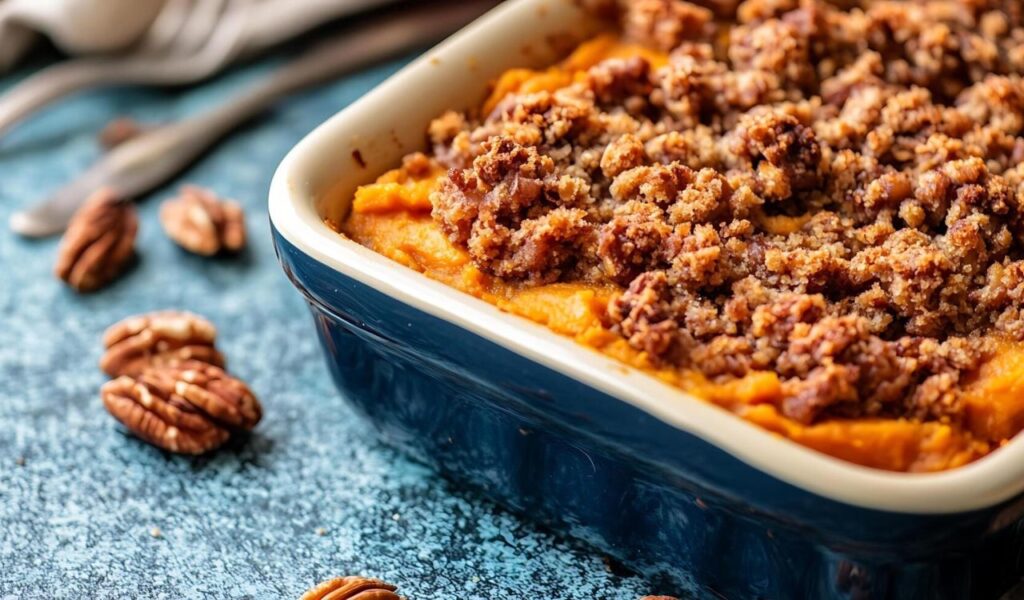
Few sides shift perception like sweet potato casserole. What begins as a root vegetable ends up topped with pecans, marshmallows, or a crumbly streusel. The combination of creamy base and textured topping makes it richer than a standard roasted vegetable side. Sweet potatoes naturally thicken when mashed and baked, which gives the casserole structure without needing heavy binding agents. The sugars intensify during baking, creating a dessert-like aroma that signals indulgence. That sensory impact alone makes it feel more substantial than steamed greens or plain roasted carrots. Because of the added toppings and preparation, this dish carries higher ingredient and labor costs. Yet diners rarely question the price. It feels celebratory, even when served outside the holidays. That emotional association is what makes it such a successful upsell.
Grilled Sweet Potato Rounds Add Depth to the Plate
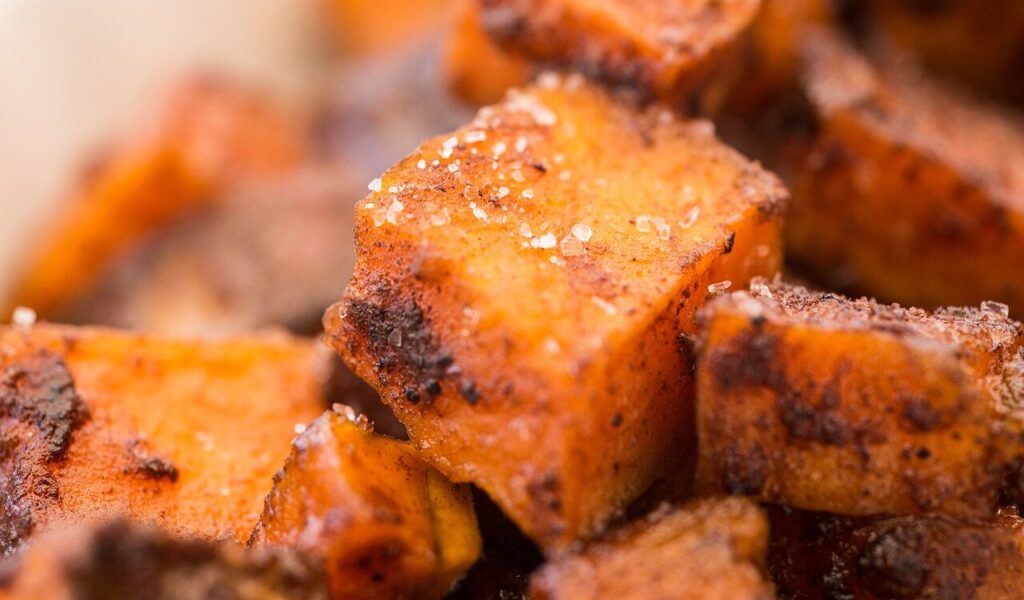
Grilling sweet potatoes brings out their natural sugars while adding smoky complexity. When sliced into thick rounds and charred, they develop grill marks that visually mirror premium proteins. That presentation instantly elevates them above lighter grilled vegetables like zucchini. Sweet potatoes are sturdier than many other vegetables, so they hold up well on the grill without turning mushy. Their density gives them a more filling quality, which makes them feel like a substantial side rather than filler. Olive oil, smoked paprika, or fresh herbs enhance their depth without masking their sweetness. This swap shifts the entire balance of a plate. Instead of a mild green vegetable, diners receive something colorful and robust. The flavor is deeper, the portion feels heartier, and the visual appeal is stronger. All of that supports a higher price point with minimal change to the core cooking process.
Candied Sweet Potatoes Blur the Line Between Side and Treat
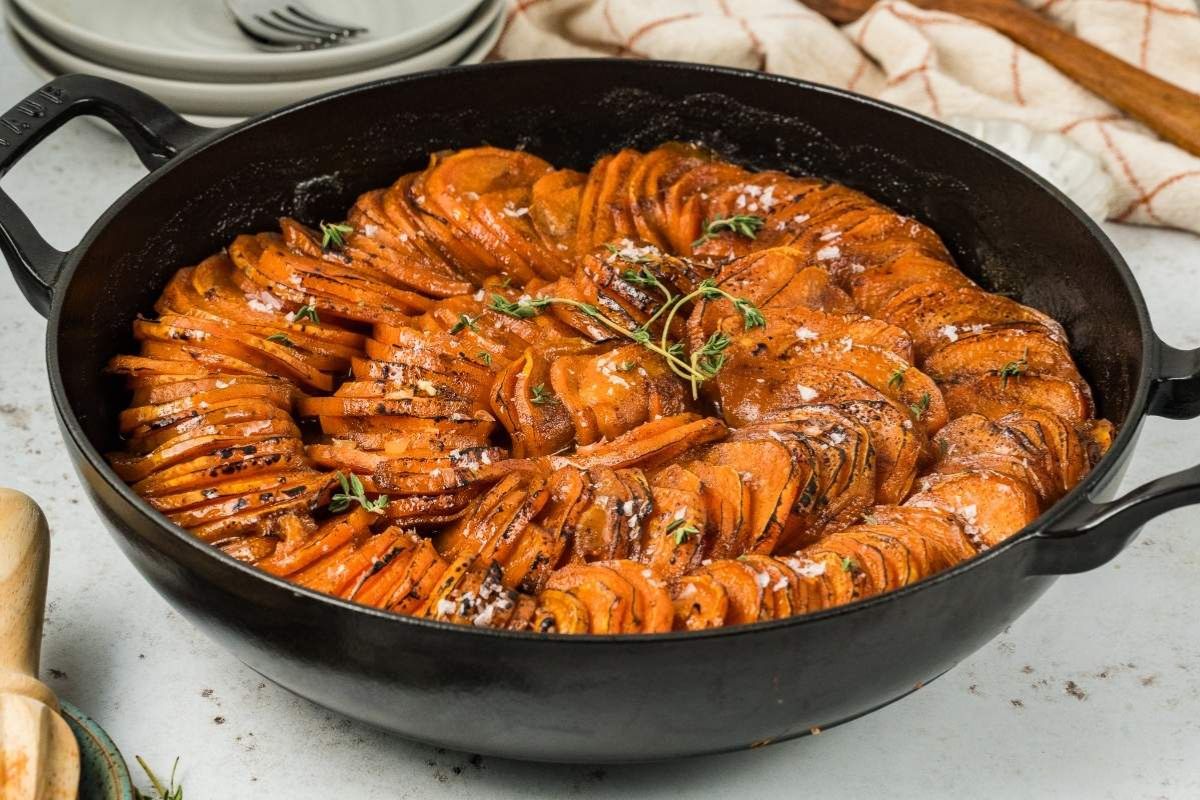
Candied sweet potatoes lean fully into their sweetness. Brown sugar, butter, and warm spices coat the slices, creating a glossy finish that feels indulgent. While technically still a vegetable, the dish satisfies cravings usually reserved for dessert. The natural sugar content of sweet potatoes caramelizes easily, which means the glaze intensifies during baking. This produces a richer flavor without excessive added sugar. The result is a soft interior with a lightly sticky coating that feels luxurious compared to plain roasted roots. From a pricing standpoint, the added sugar, spices, and butter increase costs slightly. More importantly, the dish feels indulgent. When something tastes halfway to dessert, customers expect it to cost more than a simple vegetable medley. That perception makes this swap especially effective on comfort-driven menus.
Sweet Potato Hash Feels More Crafted Than Home Fries
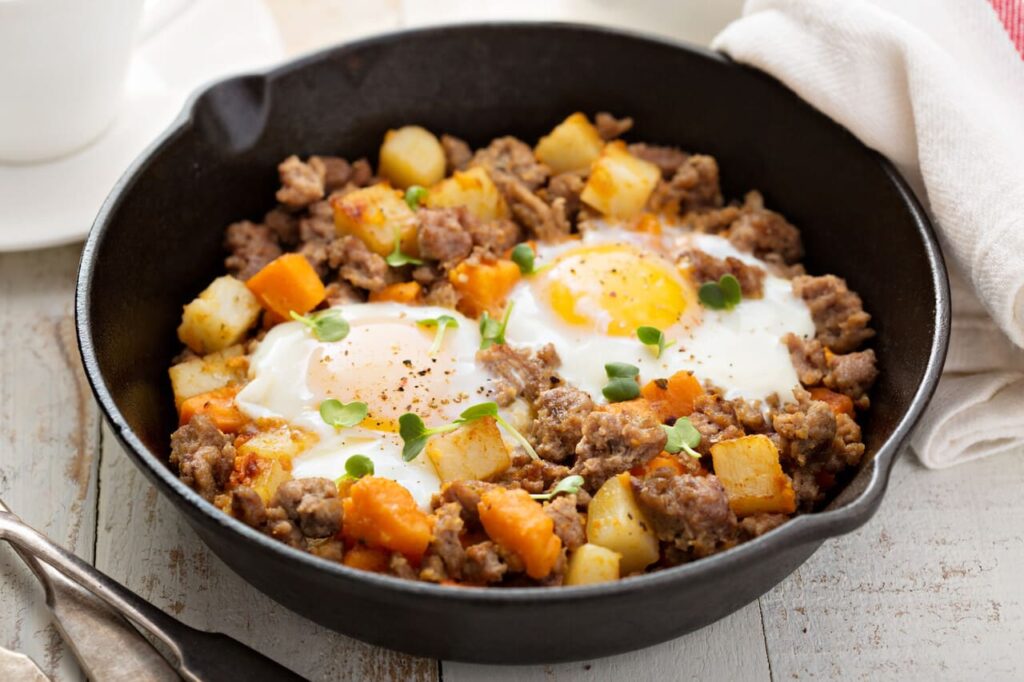
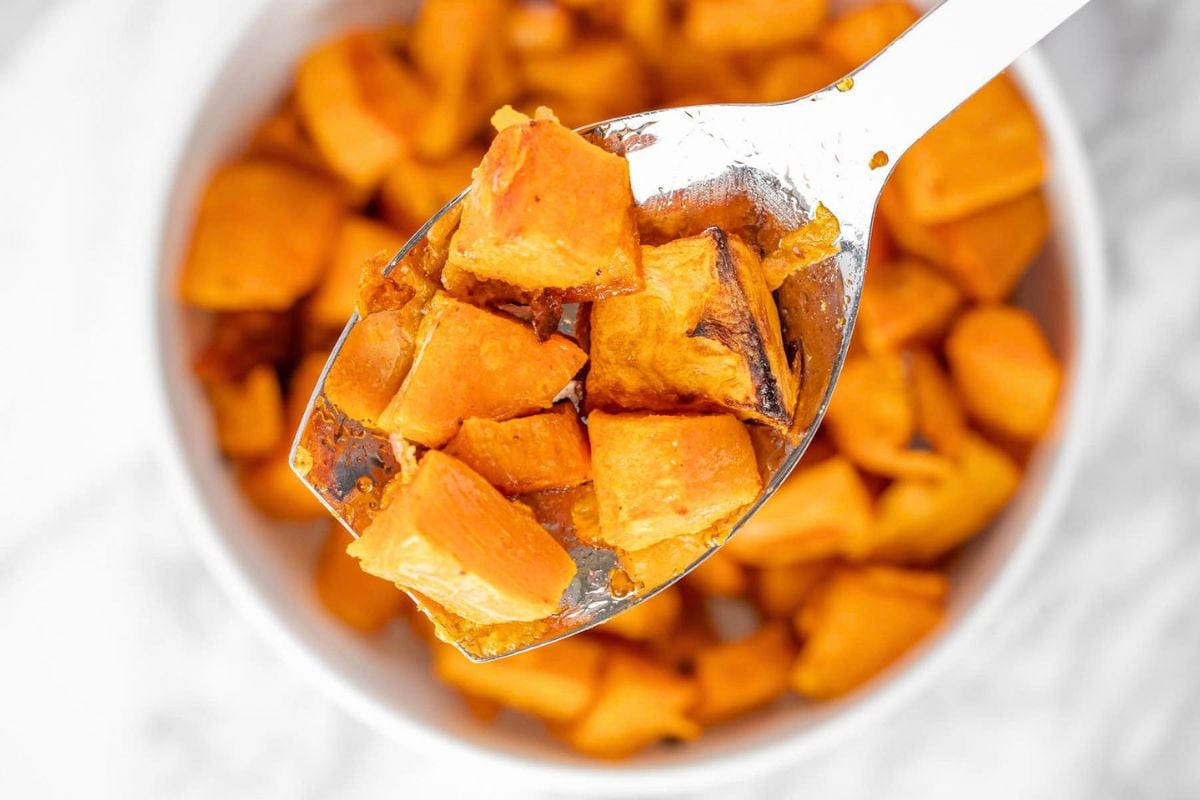
Home fries are dependable but predictable, whereas sweet potato hash introduces color and complexity. Cubed sweet potatoes sautéed with onions, peppers, and spices create layers of flavor that feel more intentional than basic breakfast potatoes. Sweet potatoes take slightly longer to cook because of their density, but they hold their shape well when diced. Their sweetness pairs well with savory elements like bacon or smoked paprika, creating balance rather than monotony. The contrast in texture and flavor makes the dish feel complete on its own. Because it reads as chef-driven rather than standard, restaurants can present sweet potato hash as an upgrade. It uses similar techniques and equipment, yet the result feels more curated. That shift in perception allows for a higher price while delivering a side that genuinely tastes more dynamic.
Sweet Potato Noodles Tap Into Health-Conscious Trends
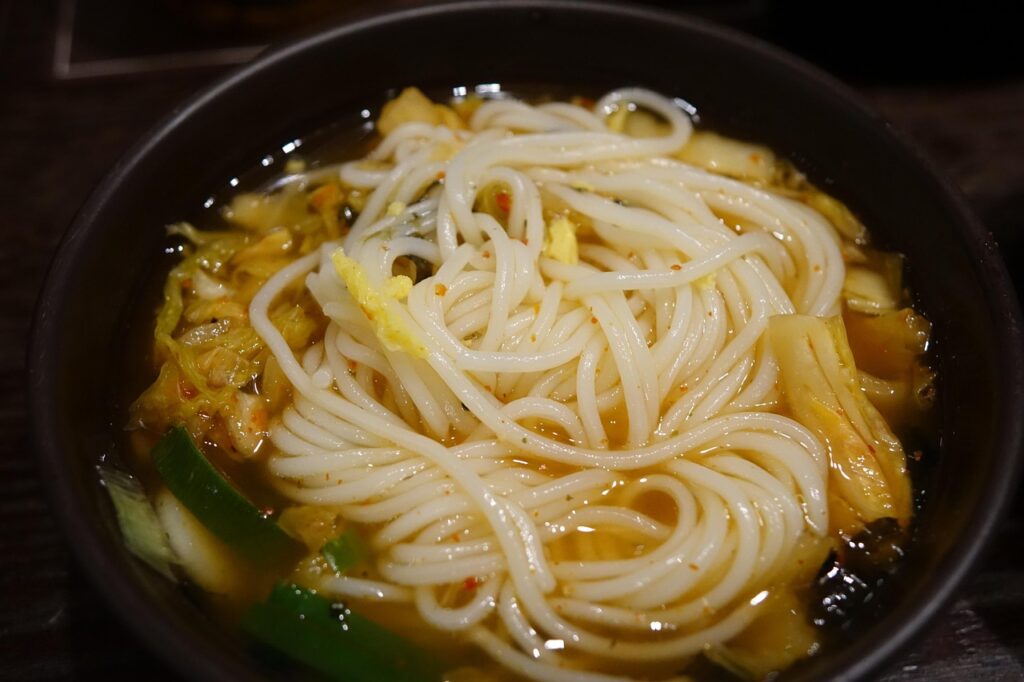
Spiralized sweet potatoes, or sweet potato noodles, offer visual novelty and align with lower-carb or gluten-conscious eating trends. While not dramatically lower in calories than pasta, they contain more fiber and beta carotene, which supports their health-focused reputation. When lightly sautéed, sweet potato noodles retain a slight bite, similar to al dente pasta. Their sweetness pairs well with tangy dressings or savory sauces, creating balance. The bright orange strands also make a plate look more vibrant and thoughtful. The preparation requires specialized equipment and more labor than boiling rice or pasta. That alone justifies a price increase. More importantly, diners associate vegetable noodles with mindful eating. Even if the calorie difference is modest, the perception of wholesomeness gives this swap strong upsell power.
Sweet Potato Latkes Bring Texture and Tradition Together
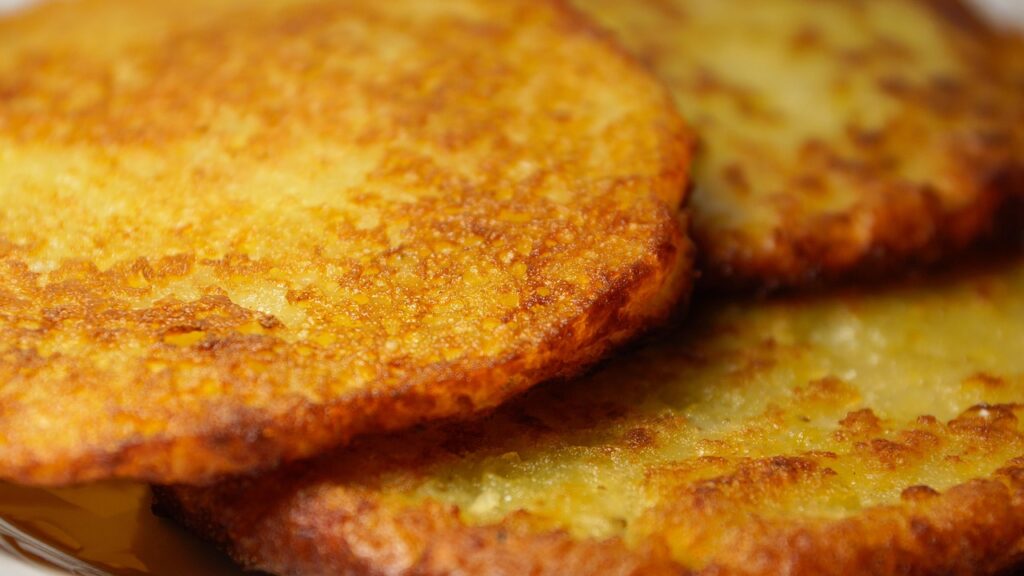
Finally, latkes made with sweet potatoes offer a crisp exterior and tender interior with a subtle sweetness that traditional hash browns lack. The starch and natural sugars help them brown beautifully when pan-fried, creating a satisfying crunch. Compared to standard hash browns, latkes require shredding, squeezing out moisture, mixing with egg or binder, and frying in controlled batches. That extra effort translates into higher labor costs. The flavor payoff, however, is clear. The sweetness balances well with sour cream, yogurt, or even savory sauces. Because they carry cultural roots and a handcrafted appearance, sweet potato latkes feel special. They are not just another breakfast side but something with intention behind it. That added sense of craft and heritage makes the upsell feel justified rather than forced.