Five Common Vegetables That May Negatively Impact Your Health

Okay, so we all know veggies are the absolute VIPs of a healthy diet, right? But here’s a little secret: not all of them are created equal! It might come as a surprise, but some of those “healthy” vegetables can actually sneakily throw a wrench in your nutritional goals. By understanding the real deal about common picks like corn, canned peas, and even good old potatoes, you can totally make smarter choices that genuinely boost your health. Sometimes, it’s not even the veggie itself, but how we prepare and eat it that turns these potential health heroes into hidden little pitfalls!
The Truth About Corn

Corn often pops up in dishes claiming to be super healthy, but this sweet veggie might not always be the best friend you think it is. It’s mostly starch, which means it can actually cause spikes in your blood sugar, especially if you’re piling it on. Plus, let’s be real, a lot of the corn out there is genetically modified. To really get the most out of it, enjoy corn fresh or grilled – that way you keep more of those good nutrients. And try pairing it with fiber-rich foods to help balance out its sugar impact. Moderation and how you prep it are totally key to enjoying corn without the downsides!
Canned Peas: A Hidden Concern

Canned peas are super convenient, I get it! But sometimes, they come loaded with extra sodium and preservatives that can totally cancel out their nutritional perks. Fresh or frozen peas are usually your best bet, as they hold onto more vitamins and are way lower in sodium. If you’re going with canned, just give them a really good rinse to wash away some of that sodium. A quick, gentle sauté with a little olive oil can bring out their natural flavor and texture without needing anything extra. With a few simple tweaks, peas can totally reclaim their spot as a healthy and delicious part of your meals!
Potatoes: More Than Just Carbs

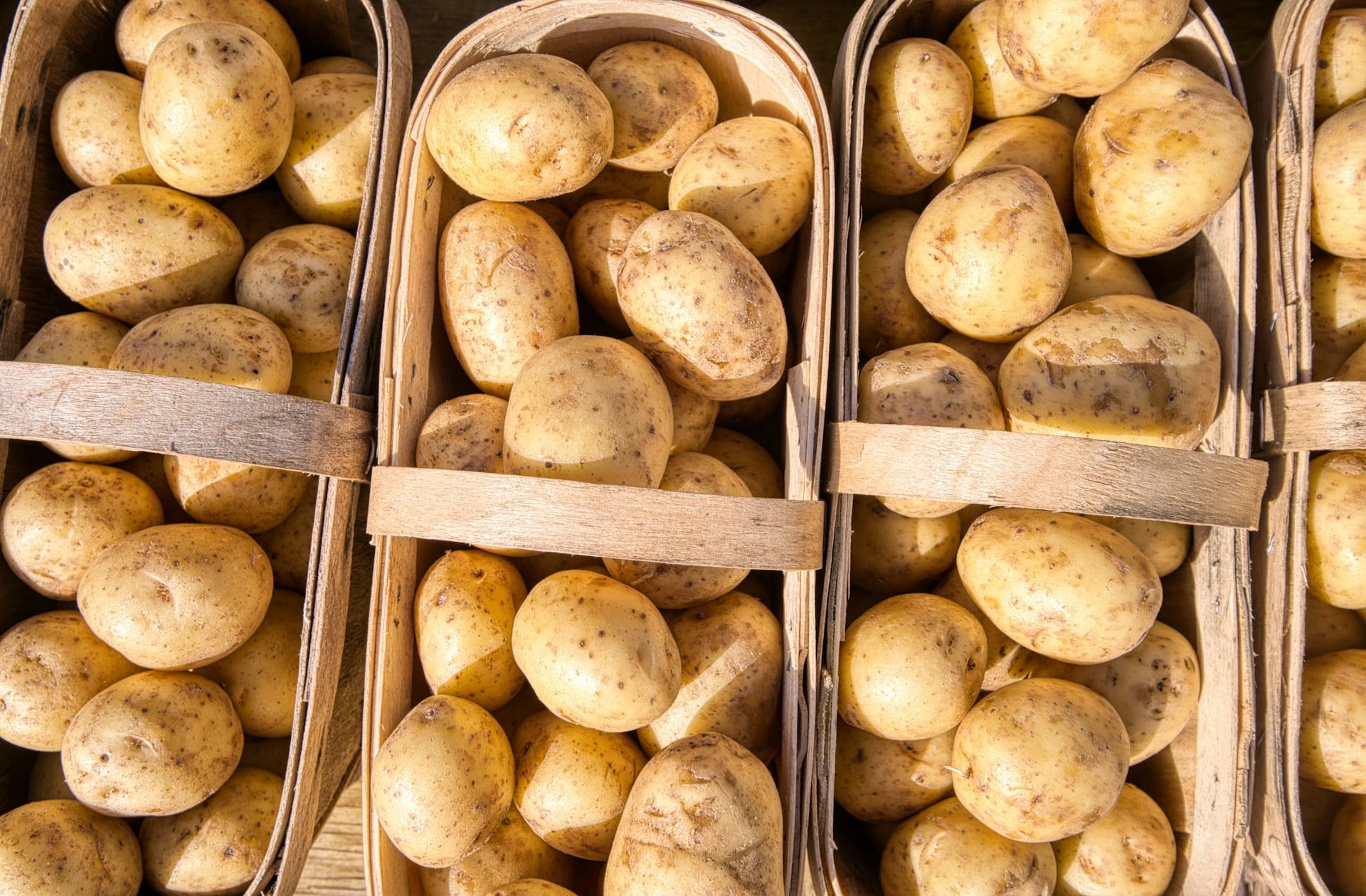
Potatoes sometimes get a bad rap for being all about the carbs, but let’s not forget they’re also packing fiber, vitamin C, and potassium – those are some serious wins! The real trouble starts when they’re deep-fried or drowned in heavy toppings. Your best bet? Bake or boil them to keep all those good nutrients, and definitely leave the skin on for an extra fiber boost! For a healthier twist, try roasting them with some herbs and a touch of olive oil, or mash them with garlic and Greek yogurt for a super silky, satisfying side. With a little mindfulness, potatoes can be a seriously delicious and nutritious part of your diet!
Raw Spinach – Oxalate Overload

Spinach is practically synonymous with superfood, thanks to its rich iron and calcium content. But here’s the kicker: it’s also high in oxalates, which are natural compounds that can actually cling to minerals like calcium and stop your body from absorbing them. For some people, especially those who are prone to kidney stones, too much oxalate can lead to those pesky calcium oxalate stones. So, eating massive amounts of raw spinach all the time might increase that risk. The takeaway? Enjoy your spinach, but think moderation and mix it up with other greens for variety!
Nightshades (Tomatoes, Eggplants, Peppers) – Inflammation Triggers

Nightshade veggies – we’re talking tomatoes, eggplants, peppers, and even white potatoes – contain natural compounds called alkaloids, like solanine. For most folks, these are totally harmless! But for sensitive individuals, especially those with autoimmune disorders or arthritis, these substances might trigger inflammation. Some people say they notice more joint pain, stiffness, or digestive upset after eating nightshades regularly. If you suspect you’re sensitive, try taking a break from them for a bit to see if you feel better. It’s all about listening to your body!