
Everyday Foods That Help Boost Your Brain Function Naturally

You know how some days your brain just feels sharper than others? Like you’re firing on all cylinders, remembering things without trying, staying focused for hours? What you eat has a lot to do with that. The right foods can actually support your memory, protect your brain as you age, and help you think more clearly. It’s not about some complicated diet—it’s about adding things that work. Here are some of the best brain-boosting foods you can easily work into your routine.
Greek Yogurt

Greek yogurt is packed with protein and probiotics, and both matter for your brain. A healthy gut microbiome, supported by probiotics, has been linked to better mood and cognitive performance. Greek yogurt also gives you calcium and B vitamins, which help maintain healthy brain cells. Plain with fruit and honey, blended into smoothies, or used as a base for dips—it’s creamy, satisfying, and good for your gut and your mind.
Blueberries

Blueberries are tiny but mighty. They’re packed with flavonoids, a type of antioxidant that’s been shown to boost communication between brain cells. Research has linked regular blueberry consumption to better memory and mental sharpness, especially as we get older. They also help protect the brain from oxidative stress and inflammation, which can damage cells over time. Low in calories, high in fiber, and delicious in smoothies, yogurt, or oatmeal—there’s really no downside. A handful a day might be one of the simplest things you can do for your brain.
Turmeric
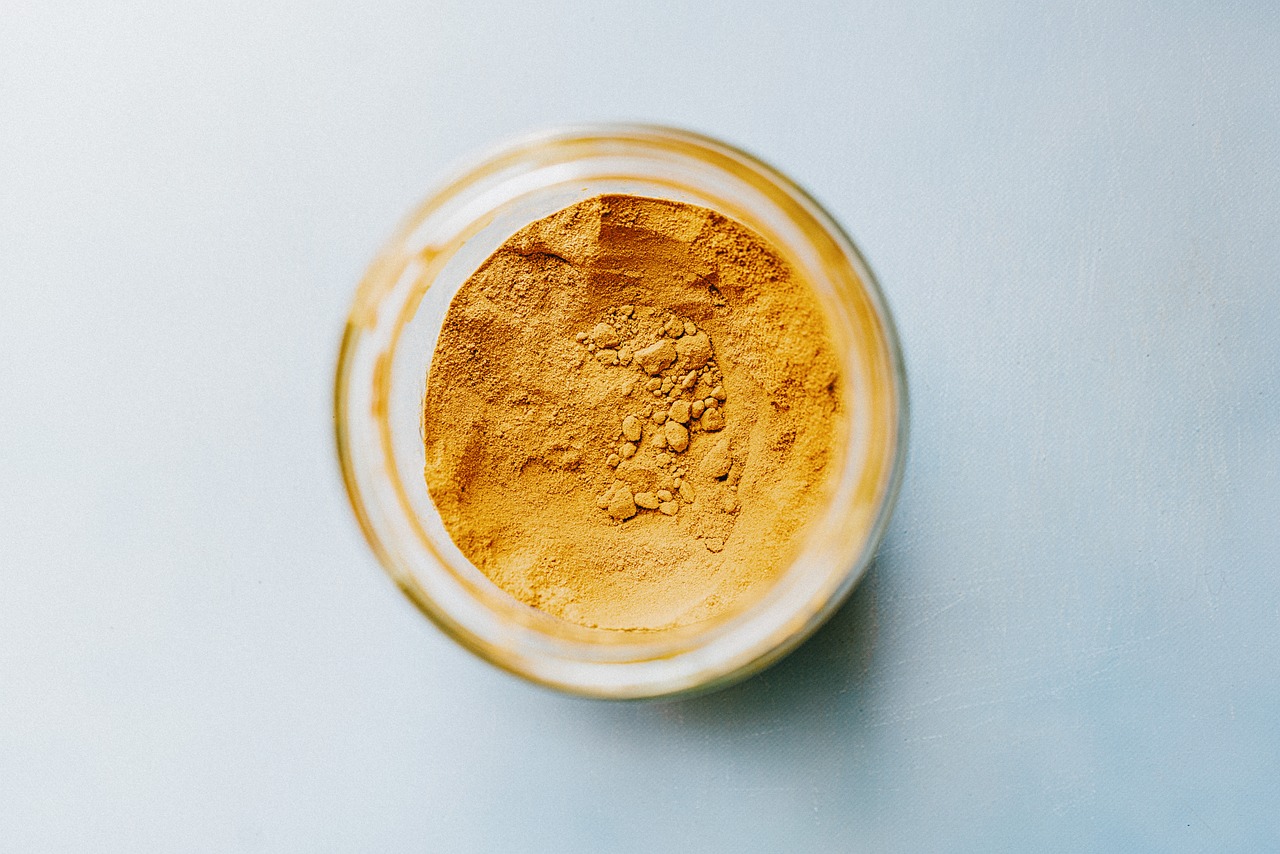
Turmeric is that golden spice that does way more than add color to your curry. Its active compound, curcumin, is a powerful anti-inflammatory and antioxidant that can actually cross the blood-brain barrier. Some studies have found that curcumin supplementation improves memory and attention in older adults. It may even help stimulate the growth of new brain cells. The trick is to pair it with black pepper, which helps your body absorb it much more effectively. Sprinkle it into soups, rice dishes, or smoothies, or try golden milk as a calming evening drink.
Broccoli
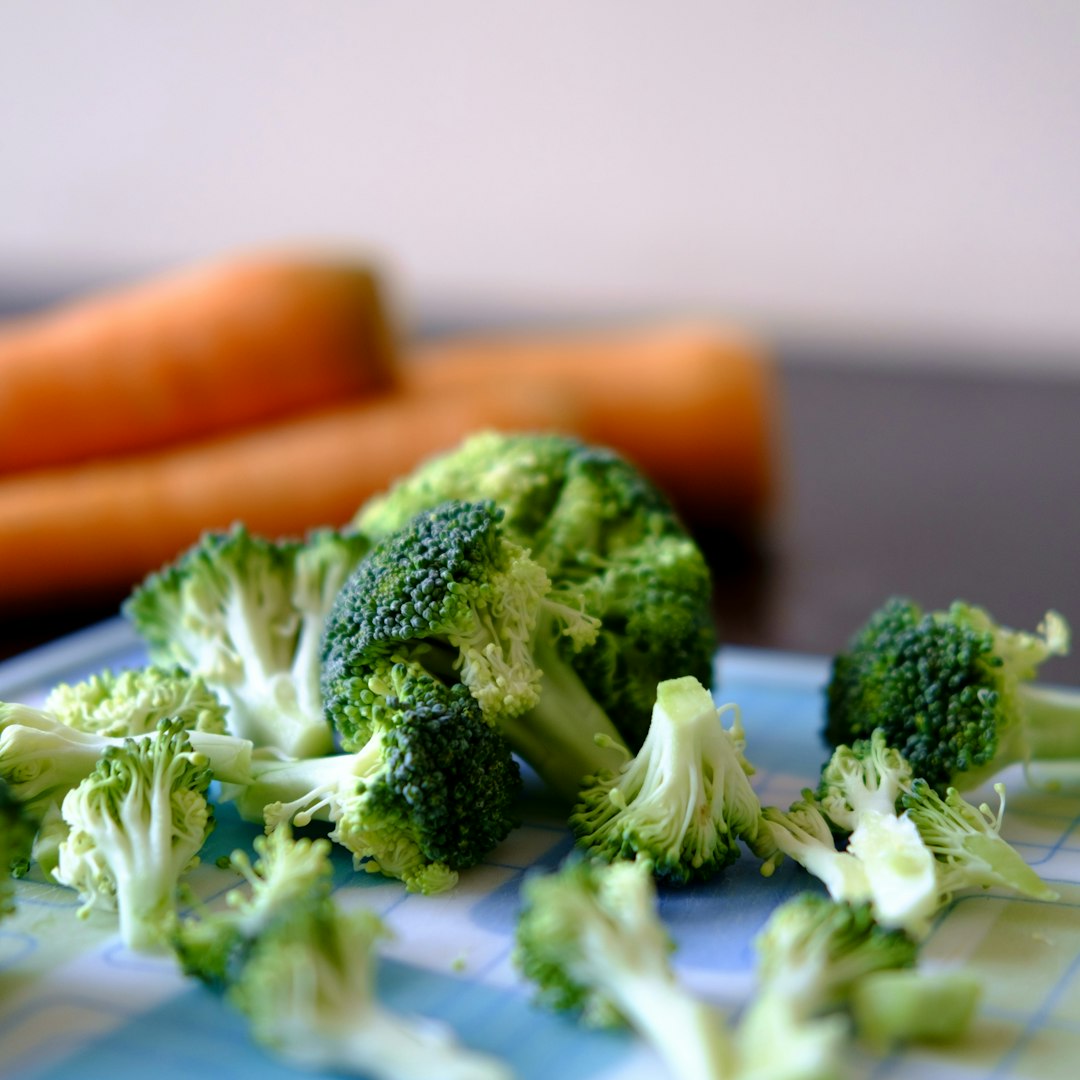
Broccoli is one of those vegetables that just keeps giving. It’s packed with antioxidants and vitamin K, which is essential for forming sphingolipids—a type of fat densely packed into brain cells. Research has linked higher vitamin K intake to better cognitive abilities. Broccoli also contains compounds that help reduce inflammation, which protects the brain over the long haul. Steam it, roast it, toss it into stir-fries—it’s versatile, mild, and easy to love, even for picky eaters.
Fatty Fish
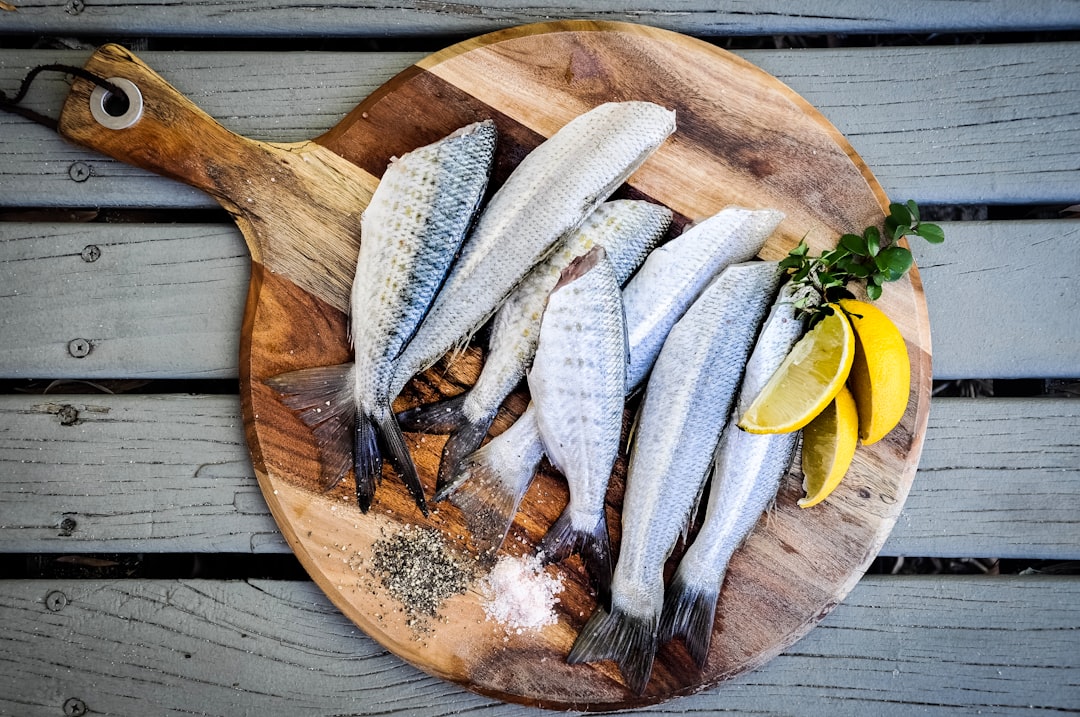
Salmon, mackerel, sardines, trout—these are the heavy hitters when it comes to brain food. They’re loaded with omega-3 fatty acids, which are essential for building and maintaining brain cells. Studies have shown that people with higher omega-3 levels tend to have better cognition and memory as they age. The research even suggests that eating fatty fish at least twice a week can help lower the risk of Alzheimer’s and dementia. Plus, you get a nice dose of vitamin D, which is another brain-friendly nutrient. Grilled, baked, or even in sushi, it’s an easy win.
Pumpkin Seeds
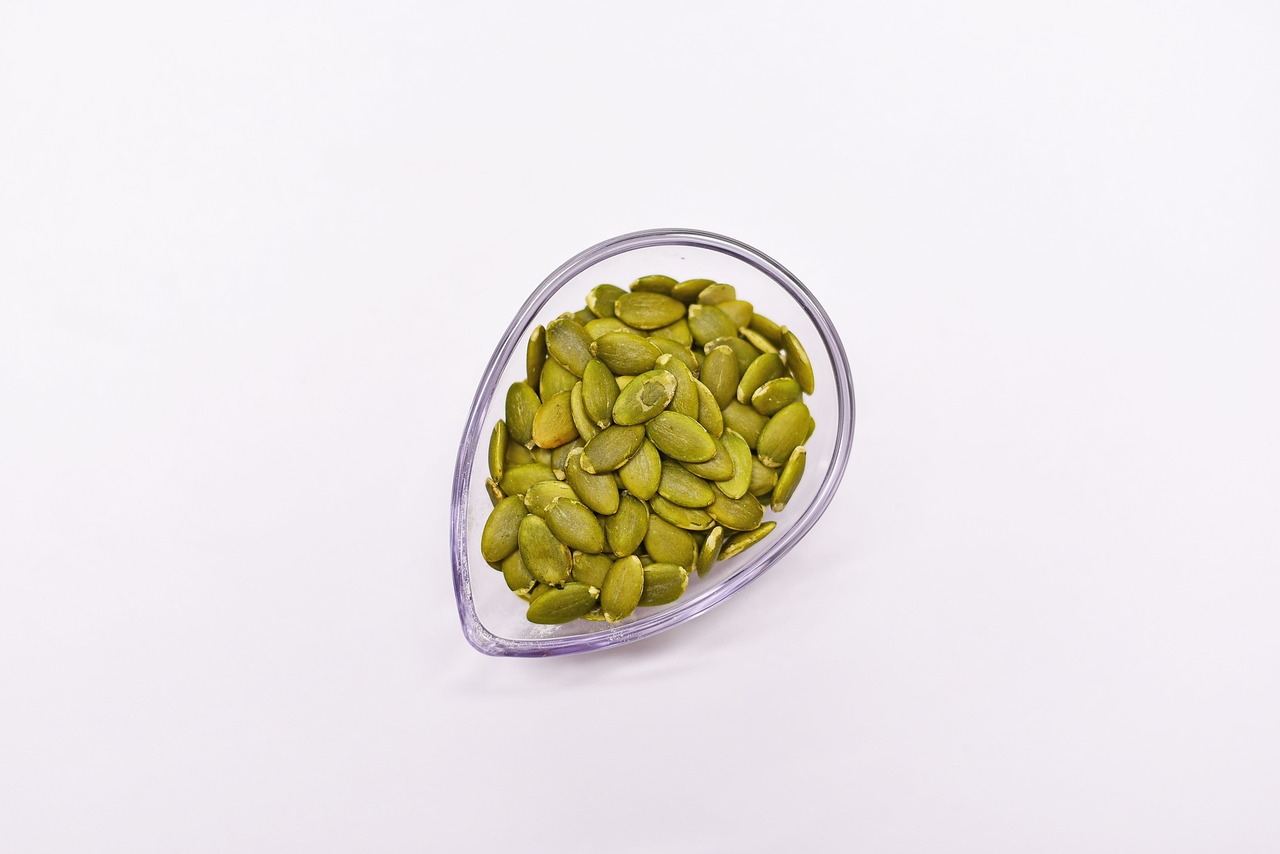
Don’t let their size fool you. Pumpkin seeds are loaded with magnesium, iron, zinc, and copper—all minerals that play important roles in brain health. Magnesium supports learning and memory. Zinc is crucial for nerve signaling. Iron deficiency has been linked to cognitive decline, so these little seeds are a smart way to keep levels up. A handful makes a great snack, or you can sprinkle them on salads, yogurt, or granola. They’re nutty, satisfying, and packed with brain-boosting power.
Avocados

Avocados are full of monounsaturated fats, which help promote healthy blood flow to the brain. Research has linked avocado consumption to better memory and problem-solving abilities. They also contain antioxidants that protect against oxidative stress. Slice them onto toast, toss them into salads, blend them into smoothies—they add richness and creaminess to almost anything. Plus, those healthy fats help your body absorb other brain-boosting nutrients from foods like leafy greens and tomatoes.
Dark Chocolate

Yes, chocolate. But not just any chocolate—dark chocolate with at least 70% cocoa. It contains flavonoids, caffeine, and antioxidants that have been shown to enhance memory, focus, and even mood. Some research has found that people who regularly eat dark chocolate perform better on cognitive tests. The flavonoids may also increase blood flow to the brain, which supports sharper thinking. A small square a few times a week is all you need. It’s one of those rare treats that actually does you some good.
Nuts

Nuts, especially walnuts, are full of healthy fats, antioxidants, and vitamin E, all of which support brain function. Walnuts even provide a type of omega-3 called DHA, which is vital for brain development and maintenance. Studies have shown that older adults who eat nuts regularly tend to have better memory and cognition. A mix of almonds, hazelnuts, pistachios—whatever you like—gives you a variety of nutrients. A handful makes a perfect snack, and you can toss them into salads or blend them into nut butter.
Oranges
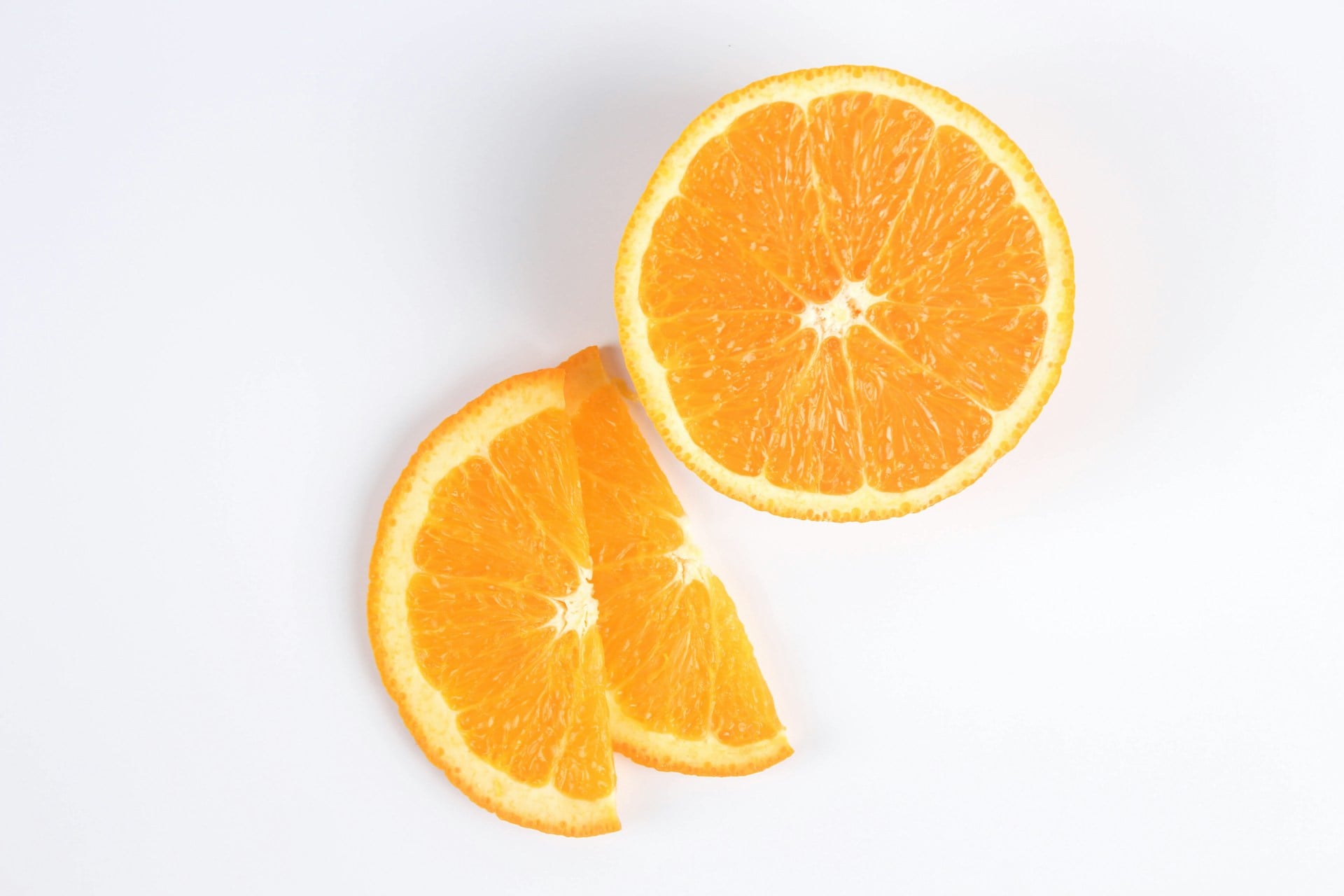
One medium orange gives you all the vitamin C you need in a day, and that matters for your brain. Vitamin C is a powerful antioxidant that helps protect brain cells from damage caused by free radicals. Research has linked higher vitamin C intake to better cognitive performance and memory. Oranges also help keep you hydrated, which is another factor in clear thinking. Fresh, juiced, or in a salad, they’re a bright, easy way to support your mind.
Eggs
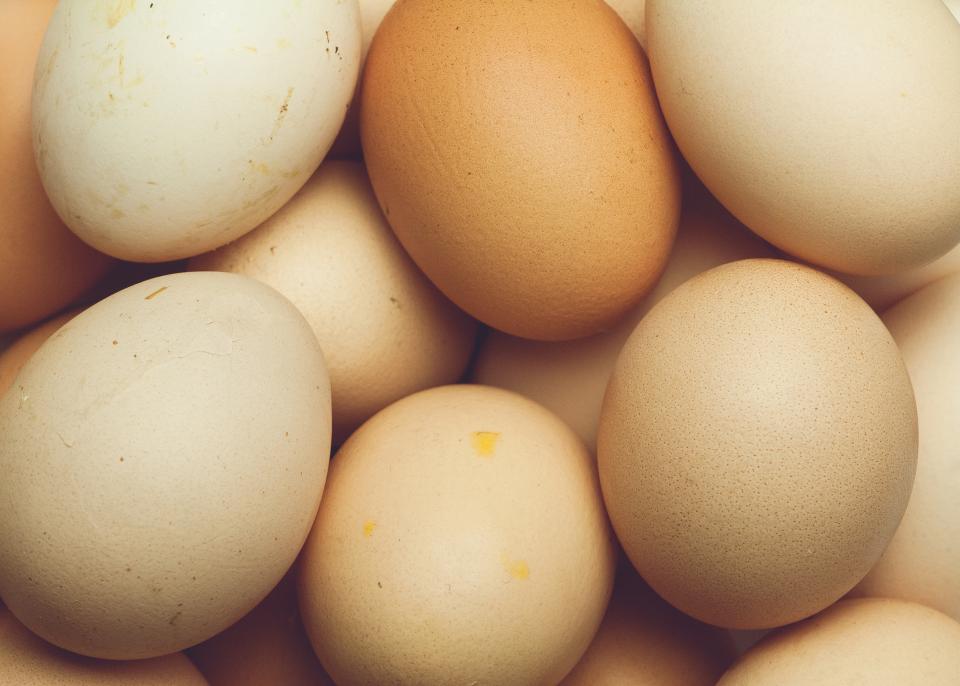
Eggs are a nutritional powerhouse, especially when it comes to brain health. They’re one of the best dietary sources of choline, a nutrient used to make acetylcholine, a neurotransmitter that influences mood and memory. Higher choline intake has been linked to better cognitive scores. Eggs also give you B vitamins, which help slow cognitive decline. Boiled, scrambled, poached, or in an omelet—they’re cheap, versatile, and incredibly good for you.
Green Tea

Green tea is more than just a calming ritual. It’s loaded with antioxidants called catechins, plus a modest amount of caffeine for alertness. Unlike coffee, it also contains L-theanine, an amino acid that promotes calm focus without jitters. Drinking green tea has been linked to greater mental alertness and improved memory. A cup or two a day, hot or iced, is a gentle way to support brain function. Some people swear it helps them concentrate during work or study.
Whole Grains
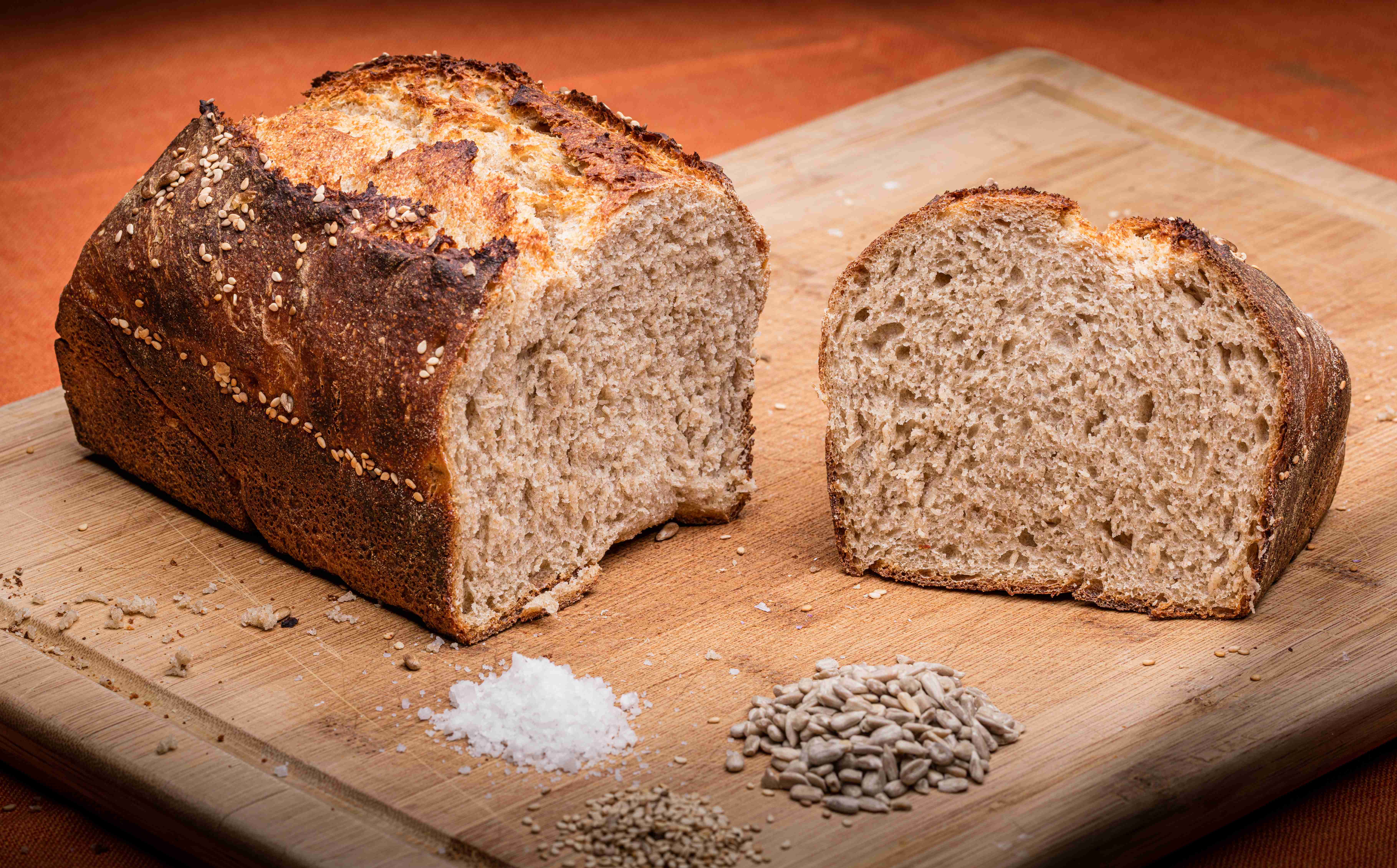
Your brain runs on glucose, and whole grains like oats, brown rice, quinoa, and whole wheat bread provide a steady, slow-release source of that fuel. Unlike refined grains, they’re packed with fiber, vitamins, and minerals that support long-term brain health. People who eat whole grains regularly tend to score better on memory and attention tests. Swapping white bread or rice for whole grain versions is a small change with real benefits. Breakfast, lunch, or dinner—they fit anywhere.
Spinach
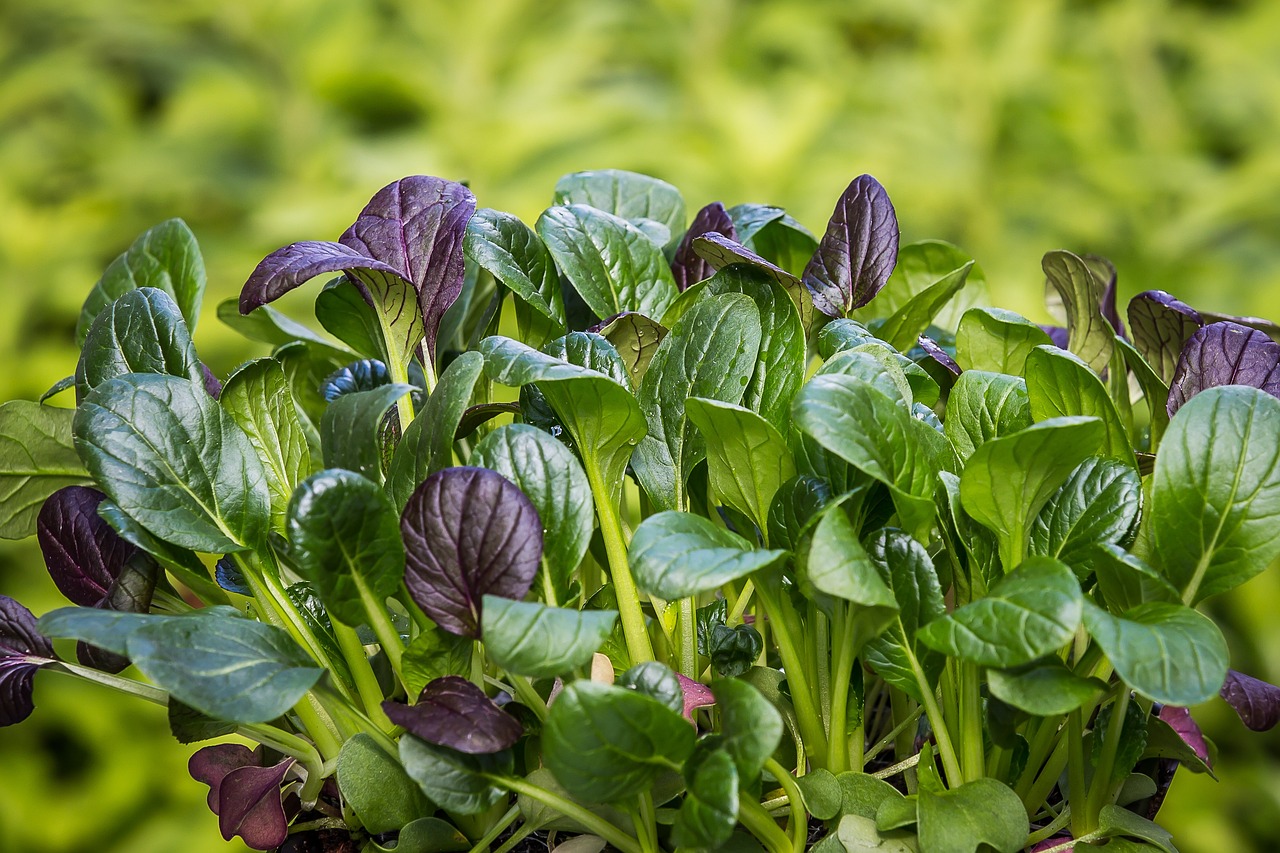
Spinach is a leafy green powerhouse. It’s loaded with vitamin K, folate, and antioxidants that have been shown to slow cognitive decline. Research suggests that people who eat more leafy greens experience slower brain aging. Spinach is mild enough to slip into salads, omelets, soups, or smoothies without anyone noticing. It also provides iron, which helps deliver oxygen to the brain, supporting focus and energy. A few times a week is all it takes.
Beets
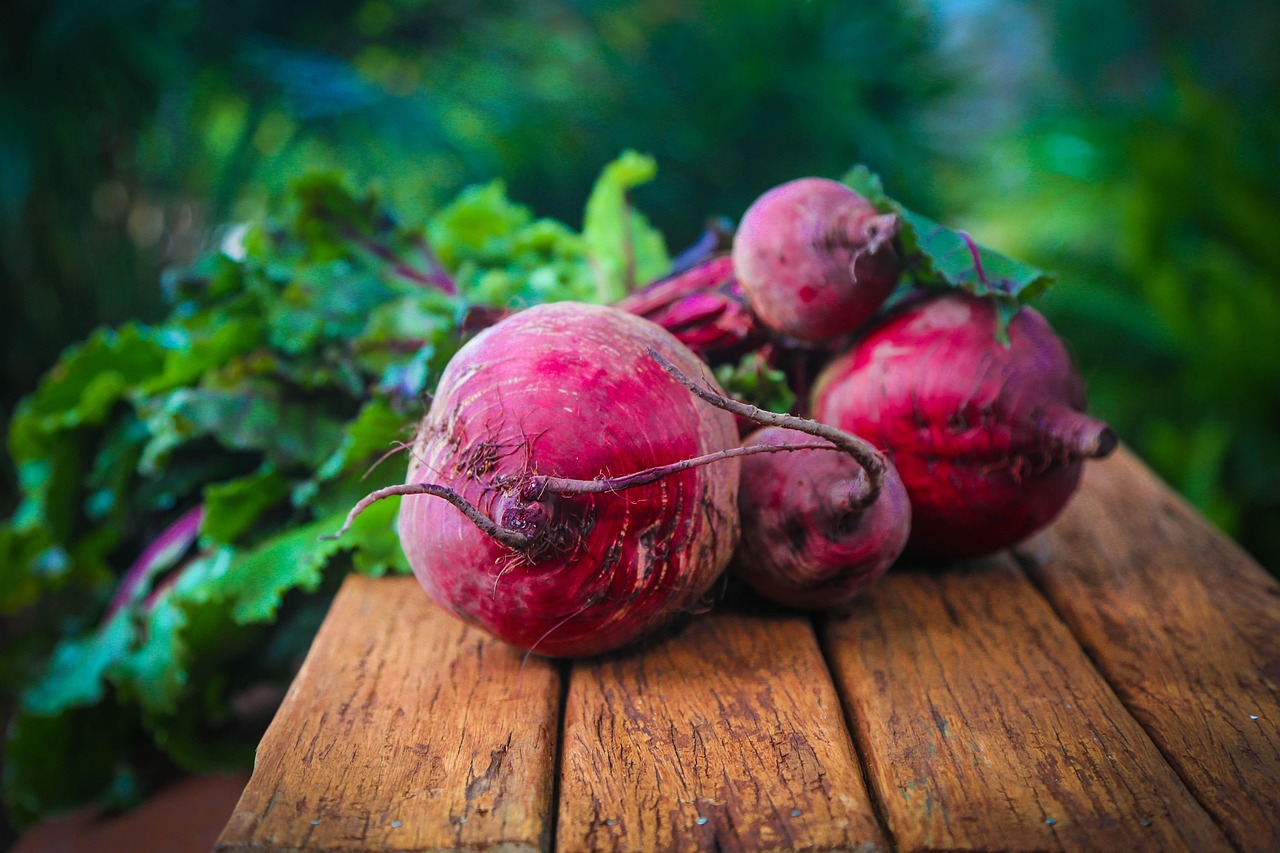
Beets are rich in natural nitrates, which your body converts into nitric oxide—a compound that improves blood flow to the brain. Drinking beet juice has been shown to enhance cognitive function, especially in older adults. They’re also packed with antioxidants that protect brain cells. Roast them, grate them raw into salads, or even juice them. That deep red color signals serious nutritional power. A few servings a week might help you feel more alert and focused.