What Olympic Athletes Are Eating at the 2026 Winter Games

Behind every triple axel, blistering downhill run, and lightning-fast hockey shift at the 2026 Winter Games is a carefully designed plate of food. The meals served in the Olympic Village are more than just fuel—they’re a critical part of an athlete’s preparation, crafted with the same precision as their training regimens. Chefs and nutritionists work side by side to create dishes that support endurance, speed recovery, and satisfy palates from over 90 countries. Here’s a glimpse into how the world’s best athletes eat to compete at the highest level.
Cultural Cuisine: Host Nation’s Flavor Influence

With the Games taking place in Italy, the host nation’s culinary soul weaves through the entire menu. Athletes are treated to authentic regional specialties that double as perfect training fuel. Whole-grain pasta dishes are served with simple, vibrant sauces like tomato-basil, showcasing the philosophy that great ingredients need little manipulation. Locally sourced Parmigiano-Reggiano adds a hit of umami to vegetable sides and salads. Cold-pressed olive oil drizzles over everything from roasted fish to fresh greens. Even Italian flatbreads and sustainably caught seafood make appearances, proving that cultural authenticity and world-class athletic nutrition can coexist deliciously on the same plate.
Protein Power: Muscle Recovery in Action

When athletes return from training, the clock is ticking on recovery. Post-workout meals center on high-quality, easily digestible proteins to repair and rebuild stressed muscle tissue. Grilled chicken breast, lean cuts of beef, and omega-rich salmon are frequent stars, often accompanied by quinoa or roasted sweet potatoes for replenishing glycogen. Chefs use fresh herbs and spices to build flavor naturally, keeping sodium in check. Plant-based athletes aren’t left out—hearty lentil salads and spiced chickpea stews provide complete protein profiles, proving that recovery knows no dietary boundaries.
Carb Loading: Pasta, Rice, and Beyond

For events demanding maximum endurance, athletes turn to carbohydrates to top off their fuel tanks. The Olympic Village takes carb loading far beyond basic spaghetti. While classic pasta dishes are abundant, menus also feature whole grains like farro, barley, and nutty brown rice. These are tossed with vibrant roasted vegetables and lean proteins to create meals that are both substantial and easily digestible. Chefs keep things interesting with variety of sauces—bright tomato-based versions, aromatic pestos, and simple high-quality olive oil drizzles—ensuring palates stay engaged when the body needs fuel most.
Plant-Powered Plates: Vegan Olympian Choices

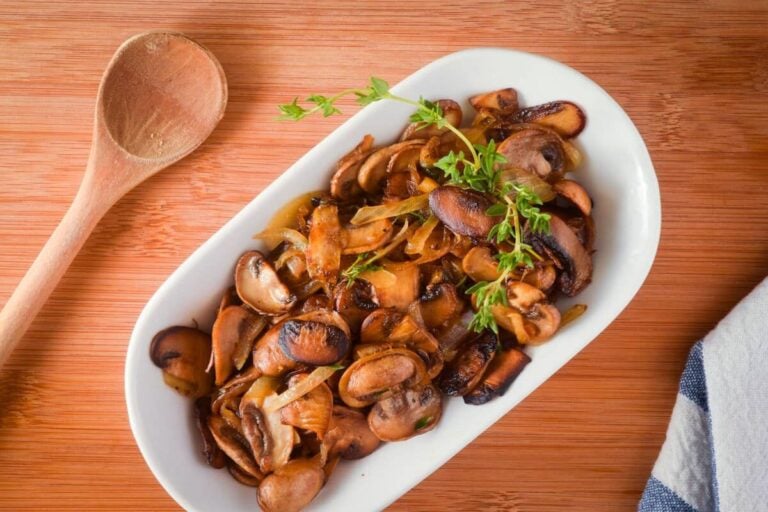
Vegan athletes competing in Milan find a village fully equipped to support their performance. Meals are crafted to deliver complete nutrition without compromise. Protein-packed quinoa bowls are piled high with colorful roasted vegetables, marinated beans, and grilled tofu or tempeh. Chefs get creative with global spices, herbaceous dressings, and umami-rich ingredients like mushrooms and nutritional yeast to build deep flavor. These aren’t afterthoughts; they’re thoughtfully composed plates that provide the iron, calcium, and protein needed for peak output and rapid recovery.
Breakfast Fuel: Morning Routines of Champions

The first meal of the day sets the tone for competition. Athletes wake to breakfasts built for sustained energy, focusing on a strategic balance of slow-burning carbs, lean proteins, and healthy fats. Steel-cut oats topped with a medley of fresh berries and crunchy nuts release energy gradually, preventing mid-morning slumps. Poached eggs perched on hearty whole-grain toast deliver clean, muscle-building protein. Fresh fruit like bananas and oranges add quick-digesting sugars and essential vitamins. This isn’t just food; it’s a calculated start designed to keep energy steady and focus sharp through demanding morning training sessions.
Snacks on the Go: Energizing Quick Bites

Between events and training, athletes need portable nutrition that fits in a gym bag. The village snack stations are stocked with smart, homemade-style options. Energy bars crafted from oats, nuts, seeds, dried fruit, and a touch of honey offer a perfect portable balance of carbs, protein, and healthy fats. Bowls of fresh fruit sit alongside single-serving nut butter packets for a quick protein hit. These snacks are designed to be easy to grab, easy to digest, and effective at bridging the energy gap between meals.
Hydration Stations: Drinks to Keep Pace

Staying hydrated at altitude and in cold, dry air is a science. Athletes have access to a full range of beverages tailored to their needs. Electrolyte-infused sports drinks are formulated to rapidly replace sodium and potassium lost through sweat, helping prevent cramping. For a more natural option, coconut water provides potassium and magnesium with a light, refreshing taste. Post-workout, many athletes blend personalized protein shakes, mixing their preferred powder with milk or water for immediate muscle repair. Herbal teas, like calming chamomile or soothing ginger, offer a warm, hydrating way to wind down after a long day of competition.
Desserts and Comfort Foods: Sweet Success

Even Olympians crave something sweet. The village dessert stations offer treats designed with a nod to nutrition. Creamy Greek yogurt parfaits are layered with fresh, vibrant berries and a sprinkle of crunchy granola—satisfyingly sweet while delivering a final protein boost. Oatmeal cookies, studded with dark chocolate and walnuts, provide a familiar comfort without the sugar crash. Even classic comfort foods get a lighter touch, with whole-grain pasta bakes or creamy potato gratins that keep the soulful flavors athletes miss from home while respecting their dietary goals.