Finding True Italian Family Meals: Tips and Insights

There is a particular kind of meal you remember for years. Not because the restaurant had a famous name or a view of some landmark, but because the food tasted like it came from someone’s home. Italy has that meal waiting for you—if you know where to look and what to avoid.
Look for Where Families Actually Sit

In Italy, family meals are serious. Sunday lunch can last three hours. When you spot a restaurant where multigenerational groups are seated together—grandparents, young children, parents—that’s a good sign. Those families are not tourists. They come back week after week. They would not return if the food were not worth it. Pay attention to who is eating, not just where. A room full of people speaking Italian is more telling than any online review.
Understand the Trattoria

The trattoria sits somewhere between a casual bar and a full restaurant. Historically, they were run by families who cooked whatever they had on hand and served it to neighbors and workers. Many still operate this way today, especially in smaller towns and away from city centers. Short menus, low prices for the quality, no-fuss service. You might share a table with strangers. The pasta is often made by hand in the back. The wine comes in a ceramic jug, not a labeled bottle. If you find a trattoria run by the same family for more than one generation, sit down and order everything they recommend.
Go to Smaller Towns

Rome, Florence, Venice—they’re beautiful. They also have decades of experience feeding millions of visitors who may never return. That reality shapes how some restaurants operate. Smaller towns are different. In a town of a few thousand people, word travels fast. A restaurant that cuts corners or charges unfair prices will hear about it from its own community. The incentive to cook well and honestly is social, not just commercial. Rent a car. Spend a night or two away from the major tourist routes. It changes everything.
Ask at Where Your Staying

If you’re staying somewhere small—an agriturismo, a family-run bed and breakfast, a small hotel with an owner behind the desk—ask them directly where they eat. Not where they send guests. Where they personally go for a good meal. People who live and work in a place know it differently than any guidebook. They’ll often send you somewhere you never would have found on your own, somewhere without a website or an English menu.
Pay Attention to the First Course

In Italian home cooking, the primo—the first course—is often where the most care goes. This is pasta, risotto, soup. It reflects the region, the season, the cook’s skill. When a kitchen takes the primo seriously, you can usually trust the rest. A plate of pasta that arrives in two minutes was not made fresh. A bowl of ribollita that tastes like it’s been developing flavor all morning was made by someone who cares.
Eat at the Local Hour

Italians do not eat dinner at six in the evening. Lunch is typically between one and three. Dinner rarely starts before eight, and nine or later is common in the south. Arriving when locals eat means sitting in a room full of locals. Walking into a restaurant at five-thirty and finding it empty does not mean the place is bad. It means you arrived at the wrong time. Come back at eight and see who shows up.
Find the Market First

Every town of any size in Italy has a weekly or daily market. Going before you eat gives you a sense of what’s in season and what the region produces. If the market stalls are full of a particular vegetable or cheese or cured meat, you’ll likely find it on local menus that day. Markets also have stalls and small counters where you can eat simply and well for very little money. A piece of focaccia, a wedge of aged cheese, a few slices of something cured—that’s a legitimate meal, one that connects you directly to how people in that place eat every day.
Notice What Is Not on the Menu

Authentic kitchens often have dishes that aren’t written down anywhere. The cook makes them because the ingredients arrived that morning, or because it’s a dish tied to a particular season or local tradition. These are the meals worth asking about. A simple question—”is there anything today that is not on the menu?”—sometimes opens up an entirely different conversation about what the kitchen is actually proud of.
Eat Where the Workers Eat

Near any market, any construction site, any industrial area, there are places designed to feed working people quickly and affordably. The food is almost always honest, filling, made from decent ingredients. Portions are generous. Prices are low. The crowd is local by definition. These spots rarely appear in travel guides. They don’t have atmospheric lighting or curated playlists. But the pasta is real and the sauce was made that morning.
Stay for the Whole Meal

In Italian eating culture, a meal is not just fuel. It moves through courses with pauses between them. Staying for the whole arc—from starter through dessert and a small coffee at the end—is part of how you participate in the rhythm of the place. Restaurants notice when you rush. They also notice when you settle in. Staying longer often means the kitchen sends out something extra, a small taste of something they wanted to share, or the owner pulls up a chair to talk.
Skip the Menus With Photos

Restaurants that line tourist squares hang laminated menus outside with glossy photos of every dish. That’s a reliable sign the food was designed for visitors who want something familiar and fast, not for people who want to eat the way locals actually eat. Walk past them. The places worth finding rarely advertise this way. Their menus are handwritten or printed simply, sometimes on a single sheet. The dishes change with the season and with what the kitchen has that day.
Where the Table Always Has Room
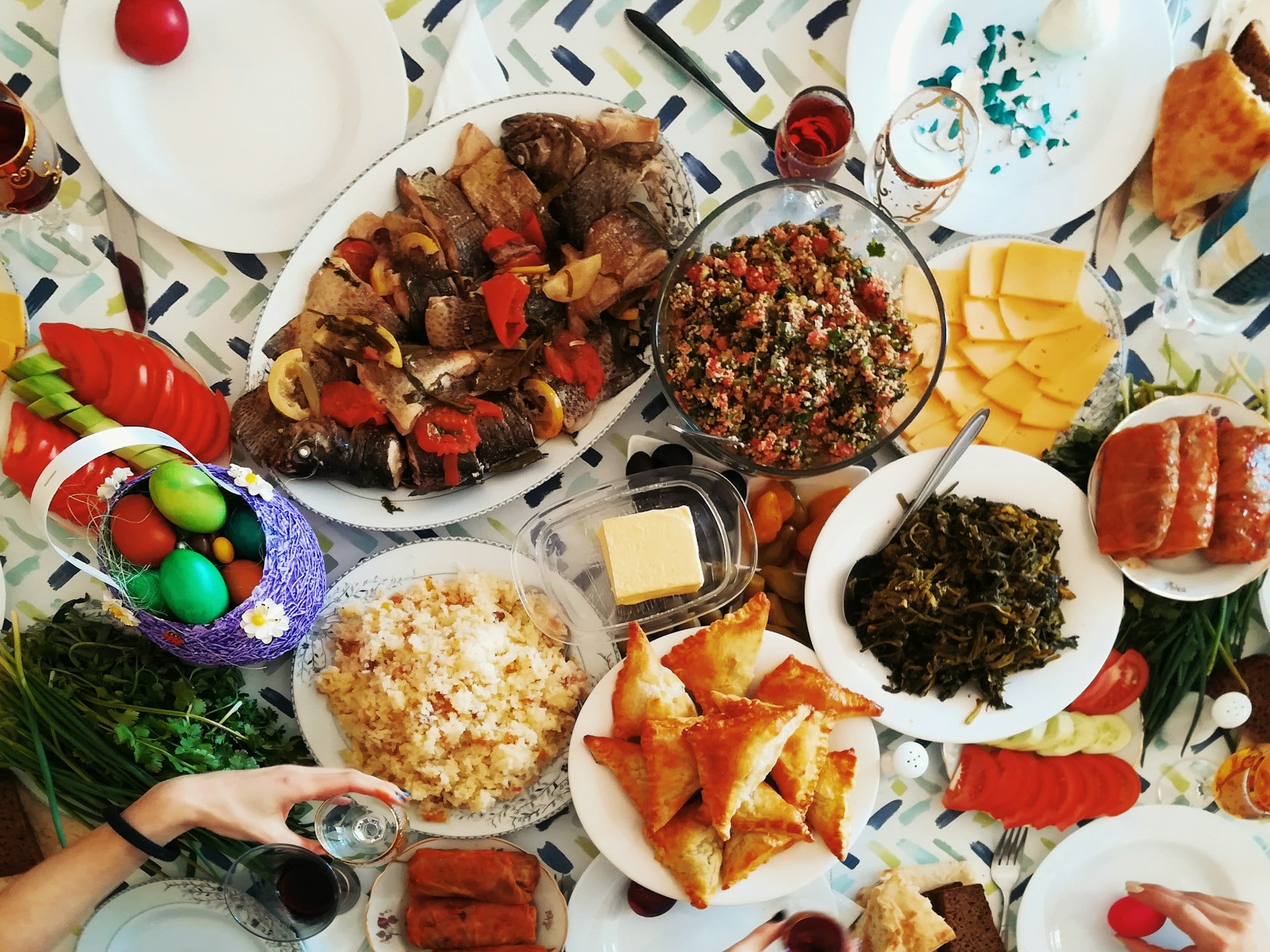
Finding a good meal you won’t forget is not about doing a lot of research. It’s about paying attention. Walk past the big, obvious places. Eat when local people eat. Talk to the people who live there. Be open to sitting in a place that doesn’t look special from outside. The best family meals in Italy are not hard to find. They’re there for anyone who takes their time. The food is ready. You just need to come at the right time, with the right mind, and let the meal speak for itself.