8 Global Vegetable Juices That Fail to Impress Palates

Let’s be honest: vegetable juices look amazing on paper. They promise a quick shot of vitamins, a burst of energy, and that clean, “I’ve got my life together” feeling. But the reality can be… different. Not every veggie plays nice once it’s been through a juicer. Some flavors become intense in a not-so-great way, textures can get weird, and the whole experience can feel more like a chore than a treat. It turns out, a drink can be packed with nutrients and still be something you really don’t want to finish. Here are a few veggie juices where the idea is often better than the actual sip.
Pure Kale Aojiru: The No-Nonsense (and No-Fun) Green Shot
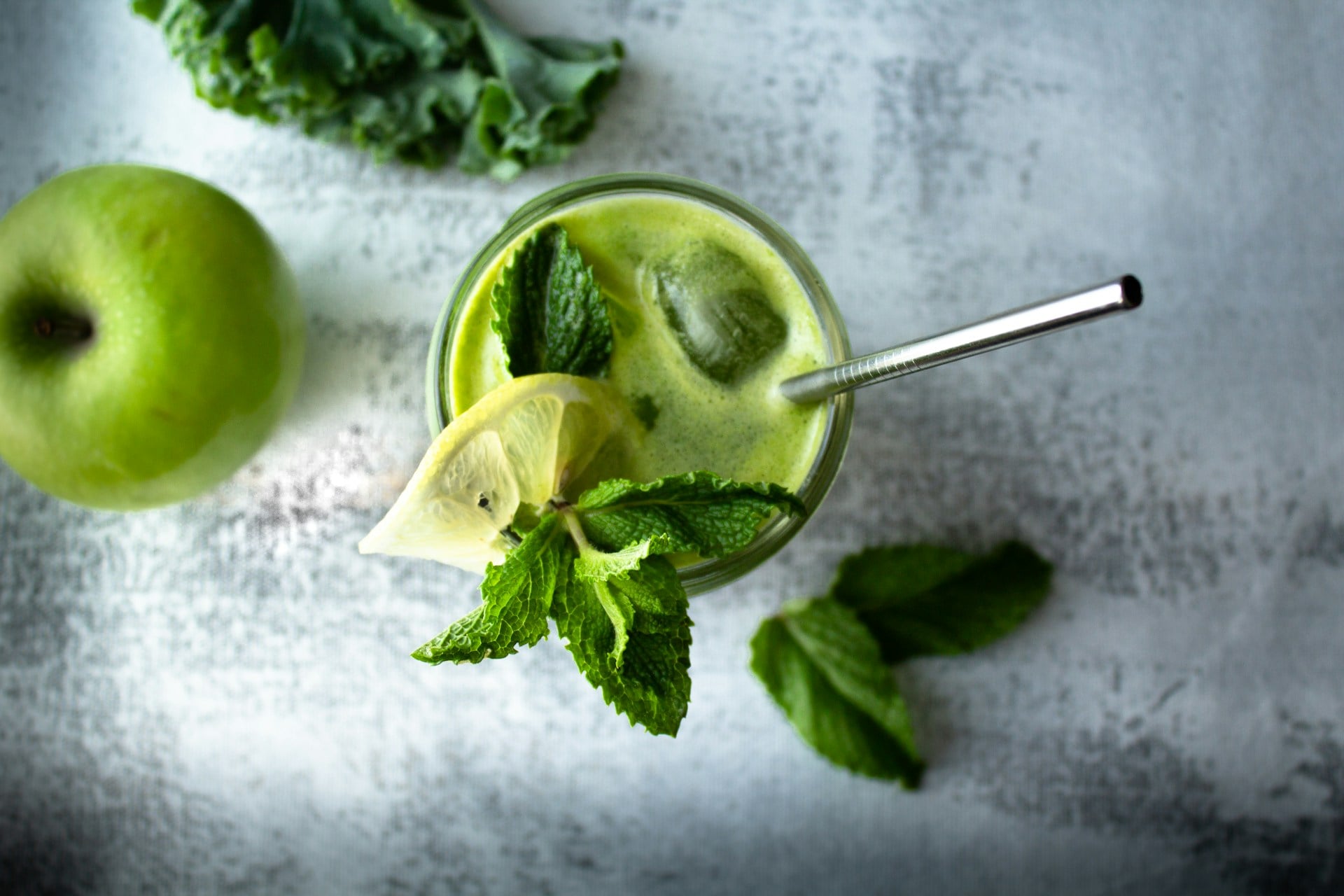
There’s something brutally honest about a glass of pure kale juice, or aojiru. It’s a deep green concentrate of nutrients and doesn’t pretend to be anything else. The problem? Kale all by itself is intensely grassy and bitter. It’s less of a refreshing beverage and more of a health tonic that tastes, well, medicinal. The texture can be a bit chalky and it settles fast, so you’re constantly stirring it. Plus, for some people, a big hit of raw, concentrated greens can lead to a bloated, uncomfortable feeling. While you can’t argue with its nutritional stats, the experience makes it really hard to stick with. Most people end up sneaking in some apple or lemon just to get it down, which kinda proves the point.
Straight Beet Juice: Earthy, Intense, and… A Lot

Beet juice looks gorgeous—a vibrant, jewel-toned elixir. But that first sip can be a surprise. The dominant flavor isn’t sweet; it’s an intense, earthy taste that some people describe as “clean dirt” or even slightly metallic. It’s thick, can be pulpy, and leaves a coating in your mouth. And then there’s the, uh, visual side effect that can be startling if you’re not expecting it. While athletes love it for the nitrates, the strong, heavy flavor profile means very few people enjoy drinking it straight. It almost always needs a splash of citrus or a carrot to cut through and make it actually enjoyable on a regular basis.
Cabbage Juice: The Unexpected Sulfur Surprise
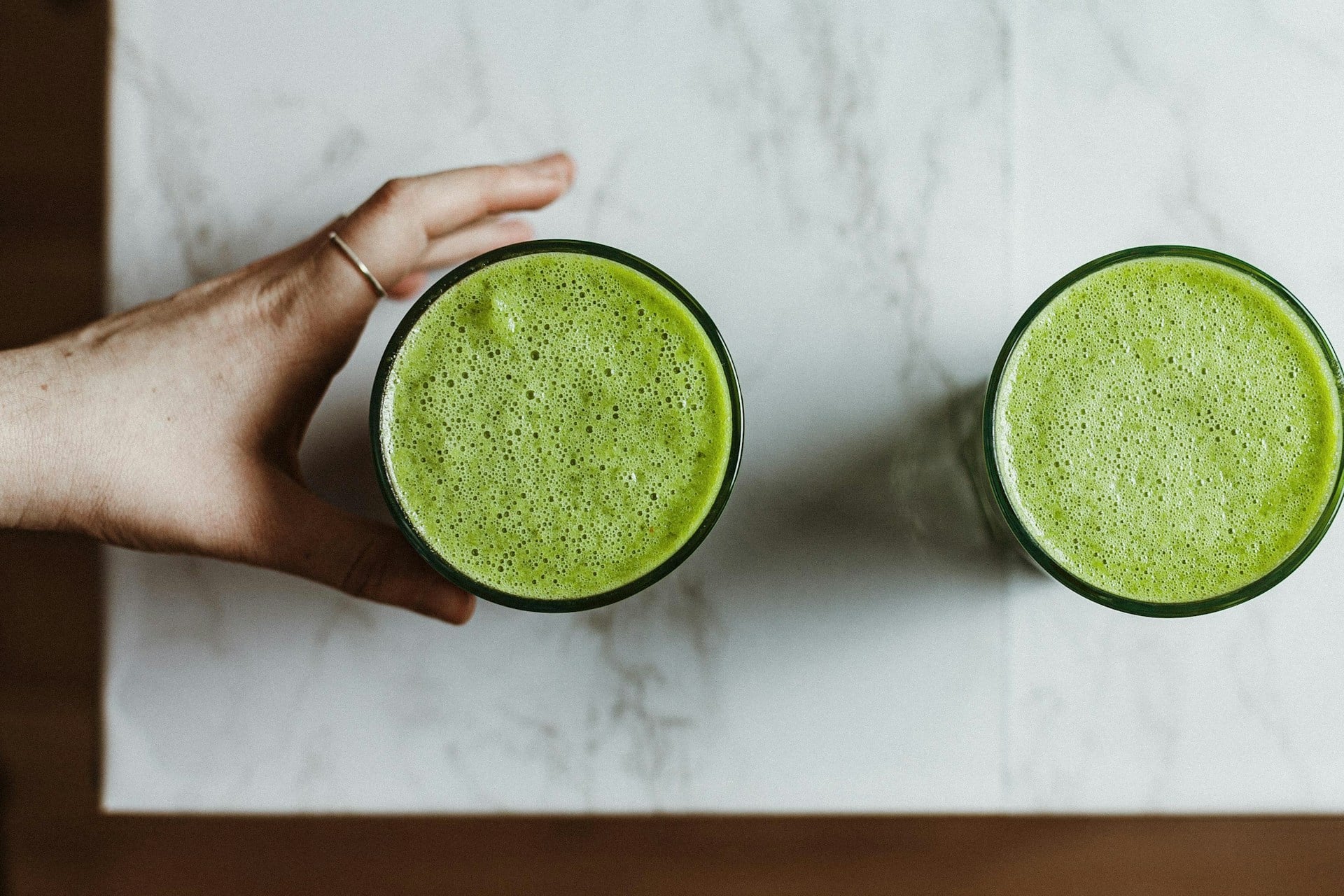
Cabbage juice sounds like it should be mild, right? Think again. When juiced, cabbage releases sulfur compounds that give it a distinct aroma—think of the smell of cooked cabbage, but in your cold drink. Flavor-wise, it’s thin, a little bitter, and strangely hollow. It lacks any natural sweetness or zip to make it interesting. It oxidizes (turns dull) super fast, so you have to drink it immediately. While it has its digestive health fans, for most people, the gap between its health promise and its actual taste is just too wide. It quickly feels like you’re drinking a supplement, not a satisfying beverage.
Bitter Gourd (Karela) Juice: Not Called “Bitter” for Nothing
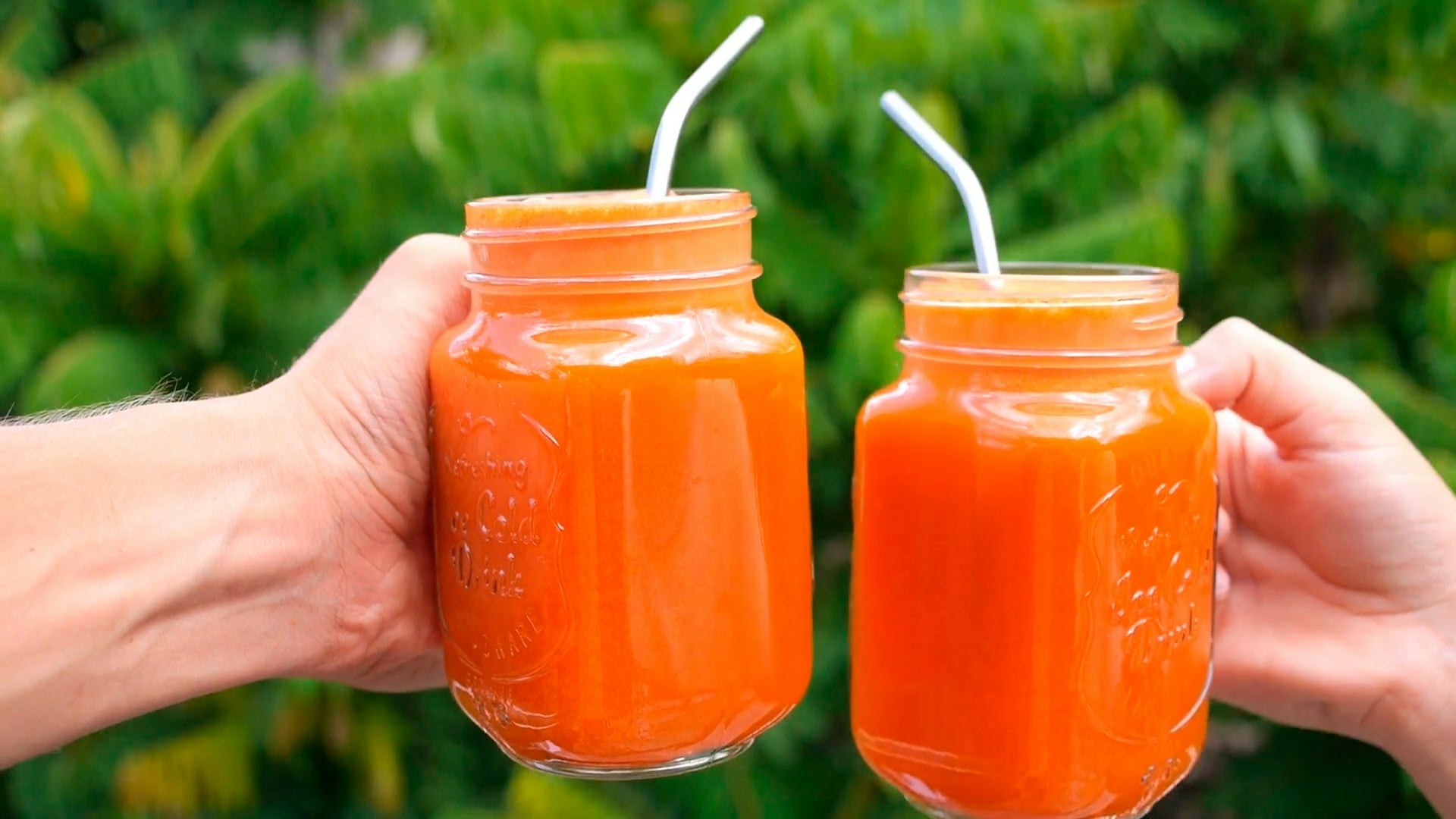
This one lives up to its name. Bitter gourd juice is famous in traditional medicine, and its flavor is famously not for the faint of heart. The bitterness is immediate, sharp, and lingers long after you swallow. The texture can be foamy and it separates quickly. For many, it can even cause a bit of stomach upset. People often try to mask it with lemon or salt, but the underlying bite usually wins. It’s the definition of an acquired taste, and for most, the “acquiring” part never quite happens. It’s respected for its potential benefits, but rarely loved for its flavor.
Pure Celery Juice: The Trend That Tastes Like Salty Water

Celery juice had a huge moment as a wellness trend, touted for digestion and hydration. On its own, though, the experience is pretty underwhelming. It tastes lightly salty and vegetal, but without any sweetness or acidity, it’s just… flat. It’s also mostly water, so you need a lot of celery stalks for one small, expensive glass. The fine fibers can make it feel slightly gritty unless you strain it perfectly. While it’s hydrating, many people realize they don’t feel remarkably different than if they just drank water, making the daily ritual hard to justify once the trend hype fades.
Straight Spinach or Collard Juice: When Green Goes Grim
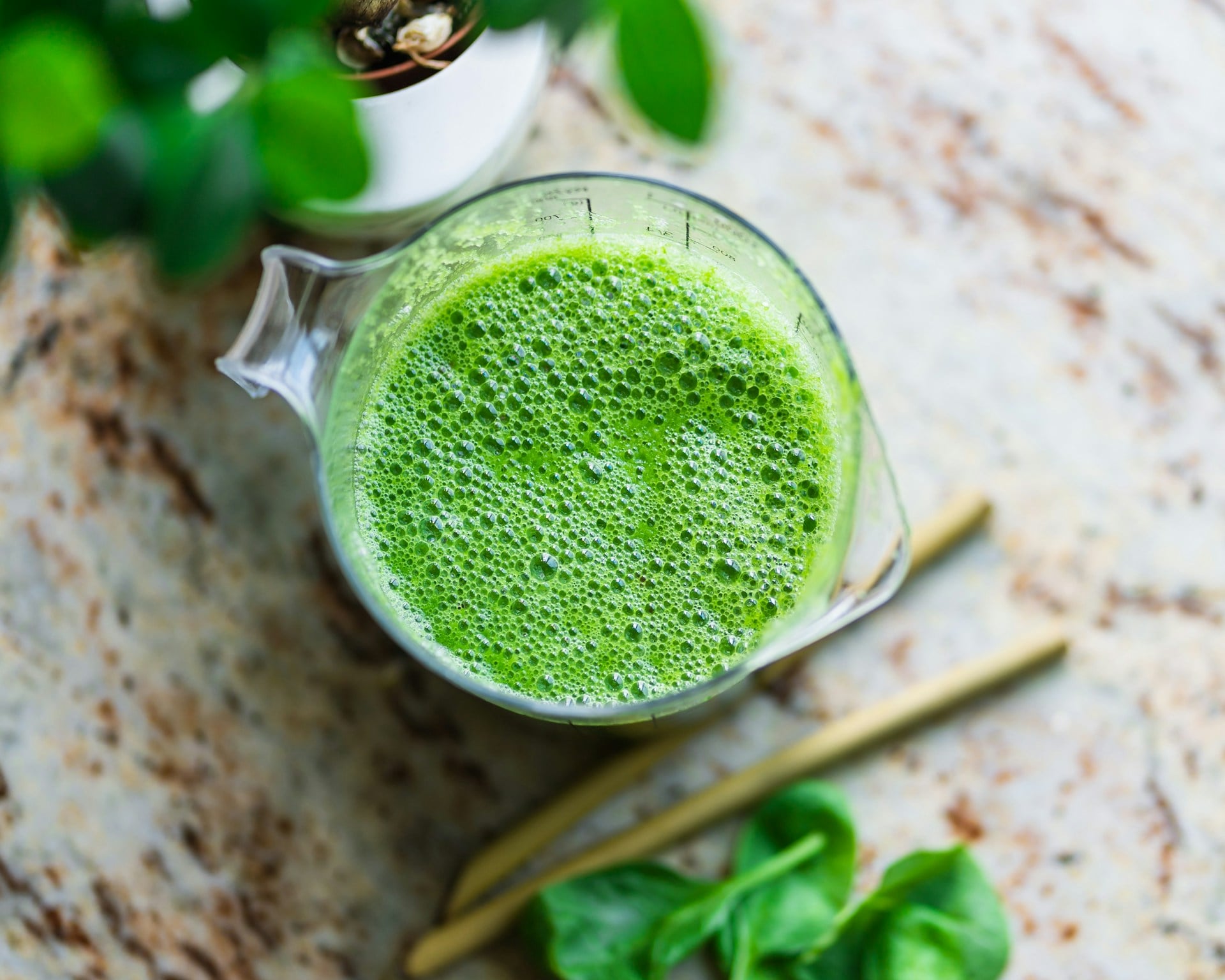
We know dark leafy greens are superheroes. But juicing them solo is a challenge. The flavor is strongly bitter and chlorophyll-heavy—like drinking liquid lawn. The color often turns a murky brown-green, which isn’t exactly appetizing. Texture-wise, it can be thick and almost muddy. For some, the high oxalate content in raw greens like spinach can be a concern. These greens are fantastic in a smoothie with fruit, but as a standalone juice, they’re more of a nutritional punishment than a pleasure. The aftertaste alone is enough to make you rethink your life choices.
Lettuce Juices (Like Iceberg): Why Bother?
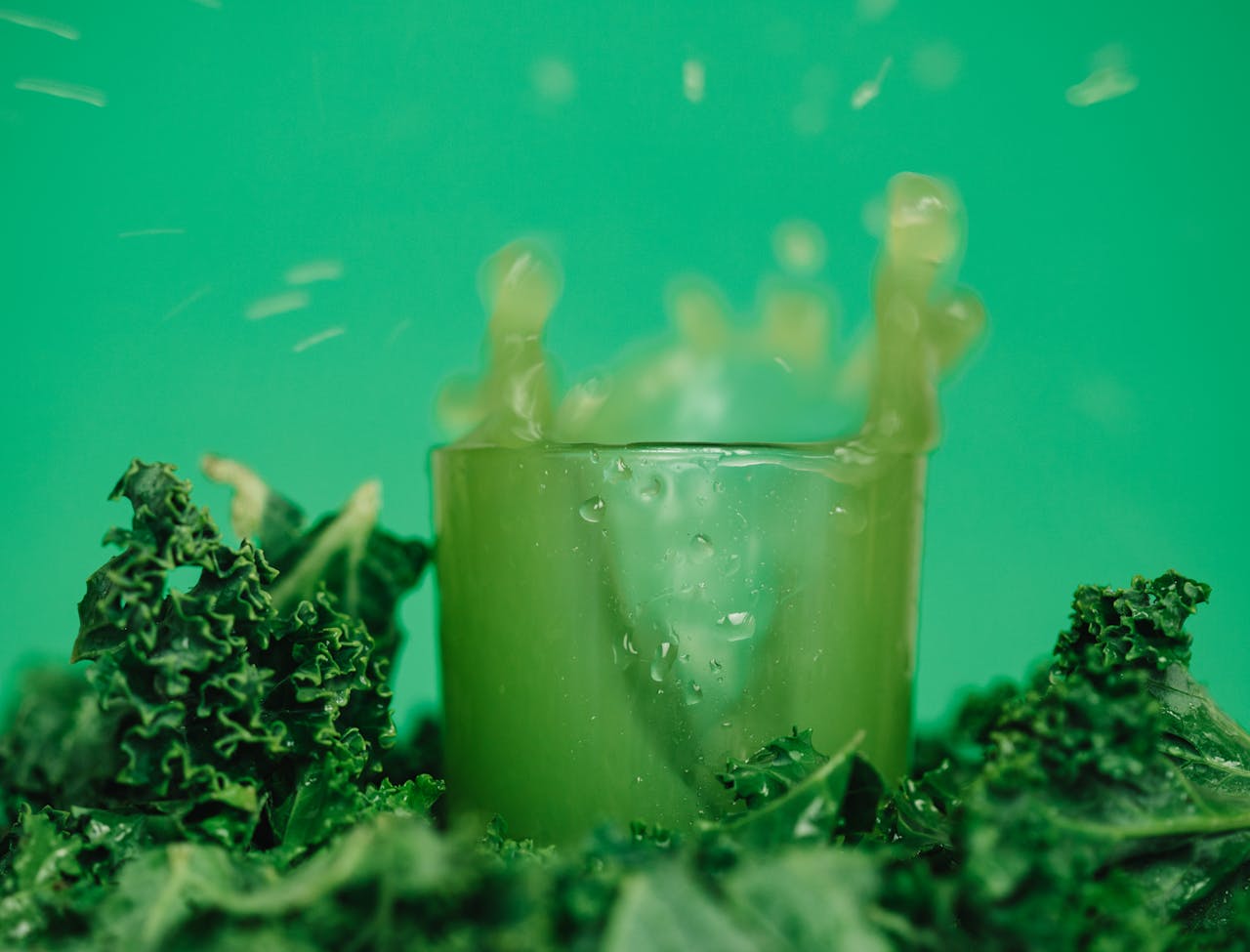
Juicing iceberg lettuce is a lesson in pointlessness. It’s 95% water, so you end up with a glass of faintly green, vaguely vegetal water. It has almost no flavor, no sweetness, and minimal nutritional payoff compared to denser greens. The texture is insubstantial and it separates instantly. It’s the juice equivalent of eating air—it might hydrate you, but so will a glass of actual water with far less cleanup. It quickly reminds you that not everything that can be juiced, should be juiced.
Overly Complex Root Vegetable Blends: The Kitchen Sink Problem
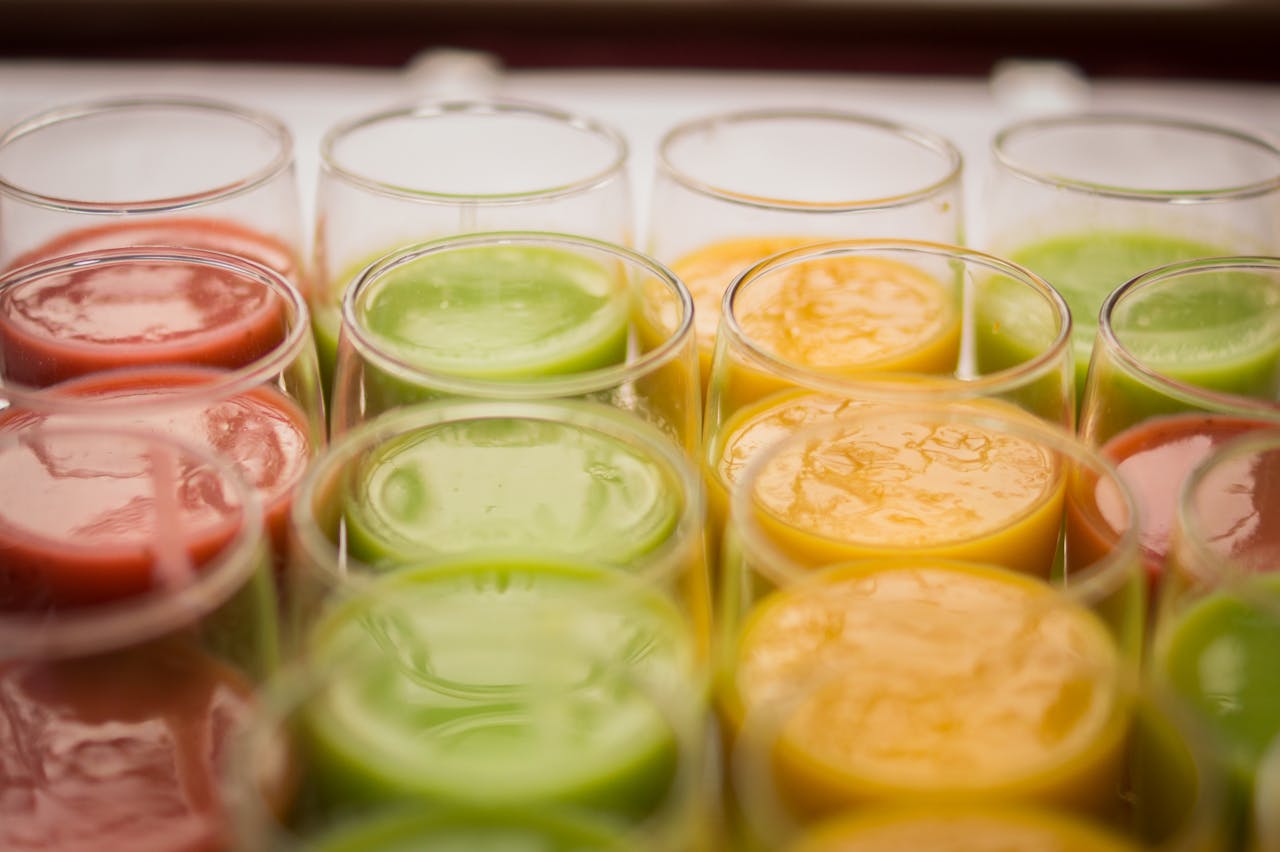
The idea is tempting: throw every root veggie—beets, carrots, turnips, celery root—into one super-juice. The result is often a dense, sweet, earthy muddle where no single flavor shines. It becomes a thick, filling concoction that feels heavy, not refreshing. All that raw root fiber can also be tough on digestion. You’re left with a glass that tastes confusing and feels like a meal. Most home juicers quickly learn that simpler combinations (like carrot-ginger-apple) are way more successful and actually enjoyable to drink.
The bottom line? The healthiest juice in the world is useless if it’s sitting half-finished in your fridge. The best veggie juices are the ones you actually want to drink, which usually means balancing those strong, earthy flavors with a touch of something sweet, bright, or spicy.