How Eight Condiments Changed Ingredients Without Notice

You probably don’t think much about the bottle of ketchup in your fridge or the jar of mustard in your pantry. They’ve been there forever. The label looks the same, the taste feels familiar, and somehow you assume the recipe never changes. But here’s the thing: it probably has. Behind those trusted brand names, condiment recipes quietly shift all the time. Sweeteners get swapped. Oils change. Preservatives come and go. These updates are driven by cost, supply chain realities, new regulations, or the push for cleaner labels. Most of the time, no one announces it. You’d never know unless you compared ingredient lists side by side. Here are some familiar favorites that have evolved over the years, one subtle reformulation at a time.
A.1. Steak Sauce
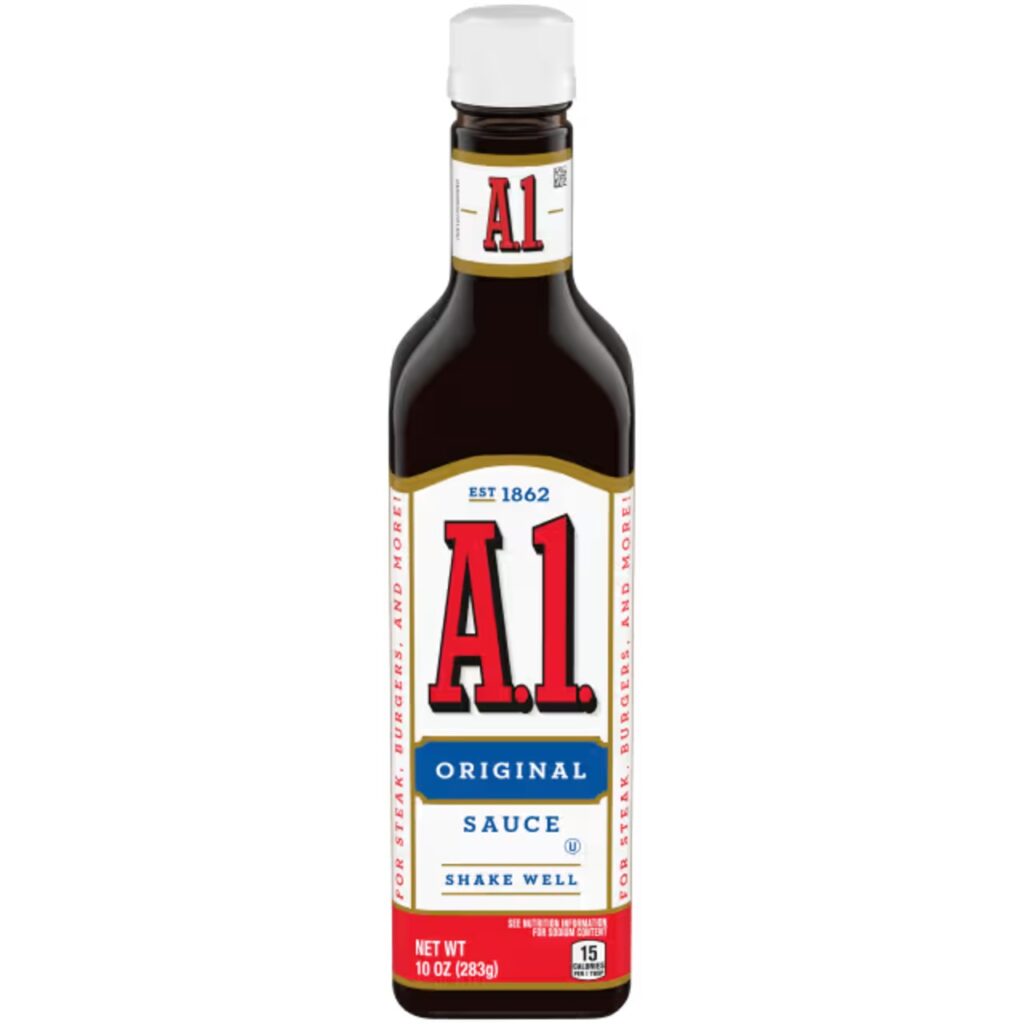
A.1. is bold and tangy, blending tomatoes, raisin paste, vinegar, and spices into that thick, savory condiment people love. Over time, sweetener ratios and ingredient sourcing have shifted, often in response to supply chain pressures. Even subtle changes in raisin concentrate or sweetener type can affect depth and texture. Devoted fans might notice. Casual users probably wouldn’t. The packaging kept its classic look, but the recipe kept pace with production realities.
Hidden Valley Ranch Dressing

Ranch dressing seems simple enough, but that creamy texture depends heavily on oil blends and stabilizers. Hidden Valley has tweaked its formula over time, adjusting the balance of soybean oil, buttermilk solids, and thickening agents to improve shelf life and consistency. Even small changes in emulsifiers can affect how the dressing feels on a salad or how it clings to chicken wings. Most people never noticed because the updates were gradual. But the label told the truth.
Hellmann’s Mayonnaise
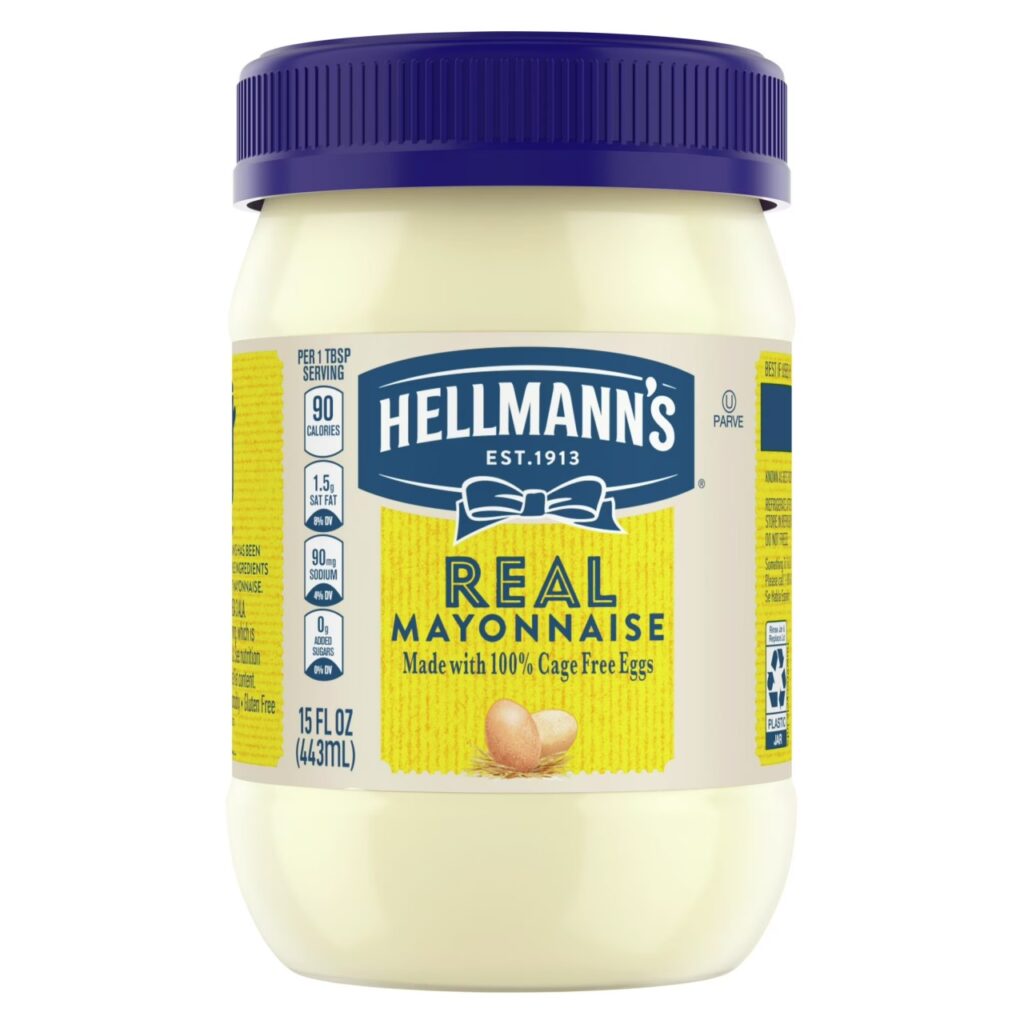
Mayonnaise is basically chemistry. Hellmann’s relies on oil, egg yolks, vinegar, and lemon juice to create that signature creaminess. In certain markets, oil sourcing and ratios have shifted to manage costs and respond to nutrition labeling rules. Switching between soybean oil and other vegetable oils can slightly change flavor and thickness. Stabilizers get adjusted to keep texture consistent during shipping. The jar looks the same. But the recipe behind it has quietly adapted to real-world pressures.
Kraft Cheese Singles
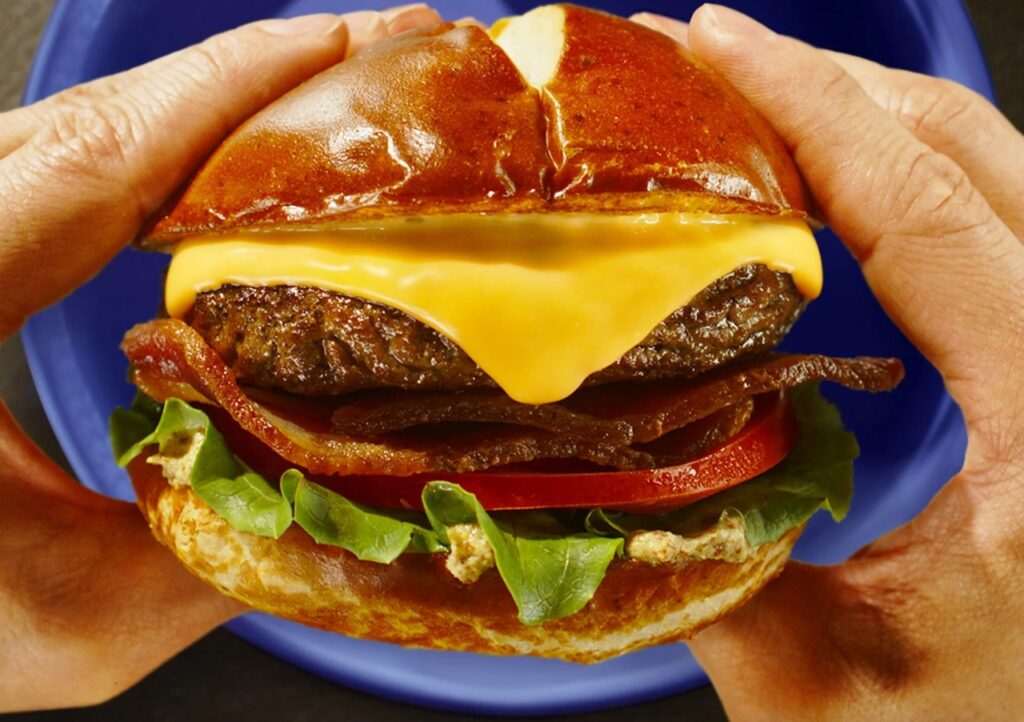
Those bright orange slices that melt perfectly over burgers have always been iconic, but they’ve also faced scrutiny over what actually qualifies as cheese. Over time, the recipe changed, with varying levels of milk proteins, whey, and emulsifying salts to get that uniform melt and stretch. That’s why the label says “pasteurized prepared cheese product” instead of just cheese. The melting quality stayed consistent. The ingredients behind it evolved to meet manufacturing and regulatory realities.
Maggi Hot & Sweet Sauce
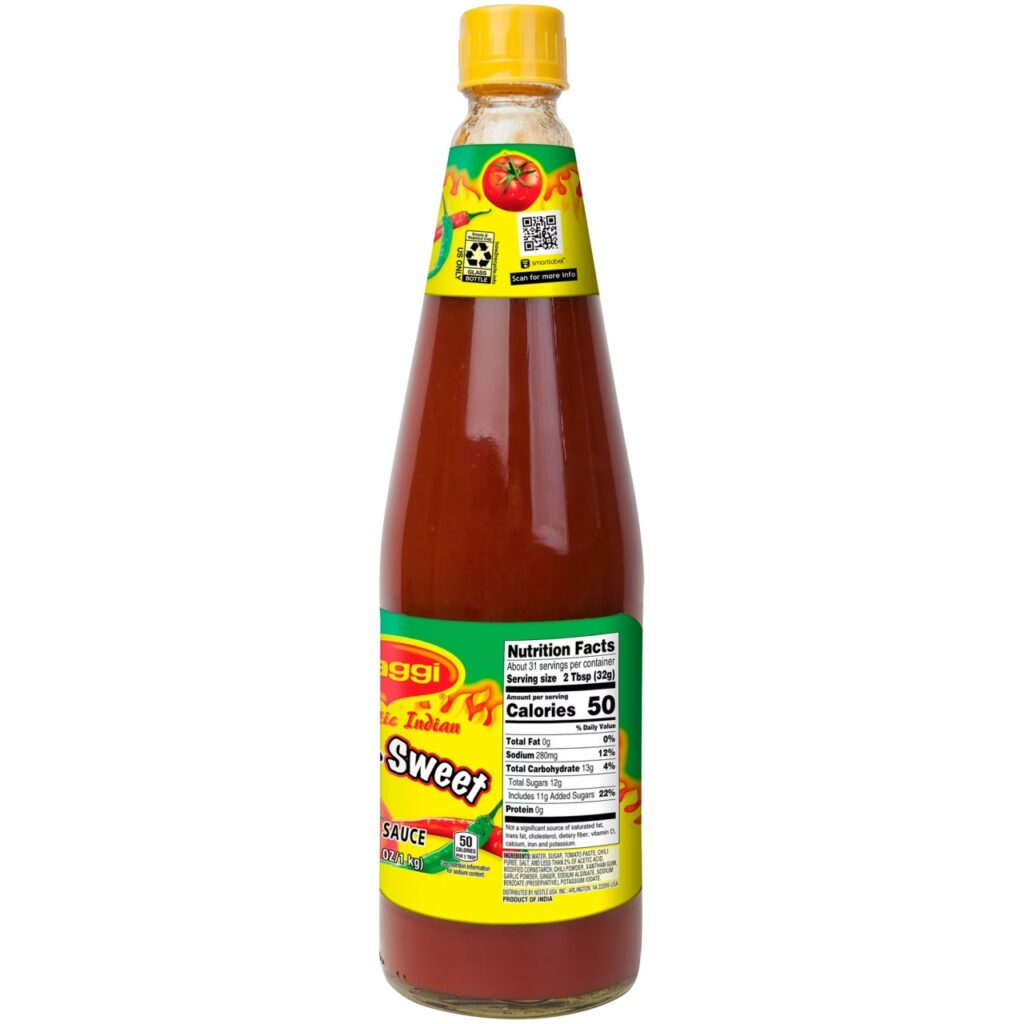
Sweet and spicy sauces depend heavily on sugar balance. Maggi’s version has seen ingredient refinements over the years, especially after regulatory reviews and growing demand for clearer labels. Sugar levels adjusted. Preservative blends changed. Even slight tweaks can influence aftertaste, but the updates were mostly about meeting safety standards and keeping the sauce stable on shelves. The packaging barely changed. The recipe quietly did.
French’s Classic Yellow Mustard
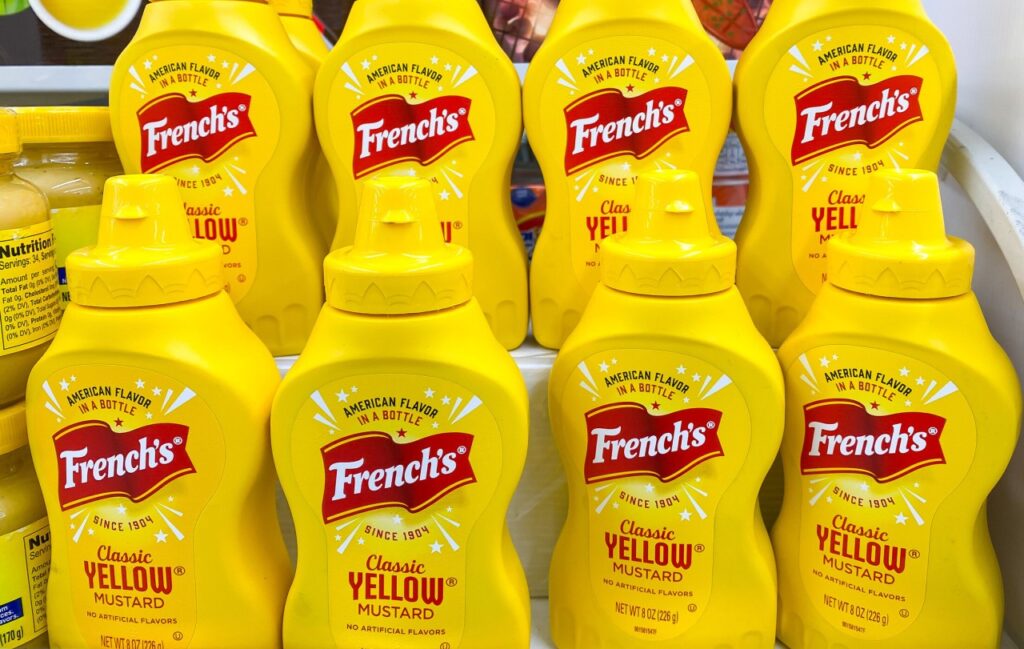
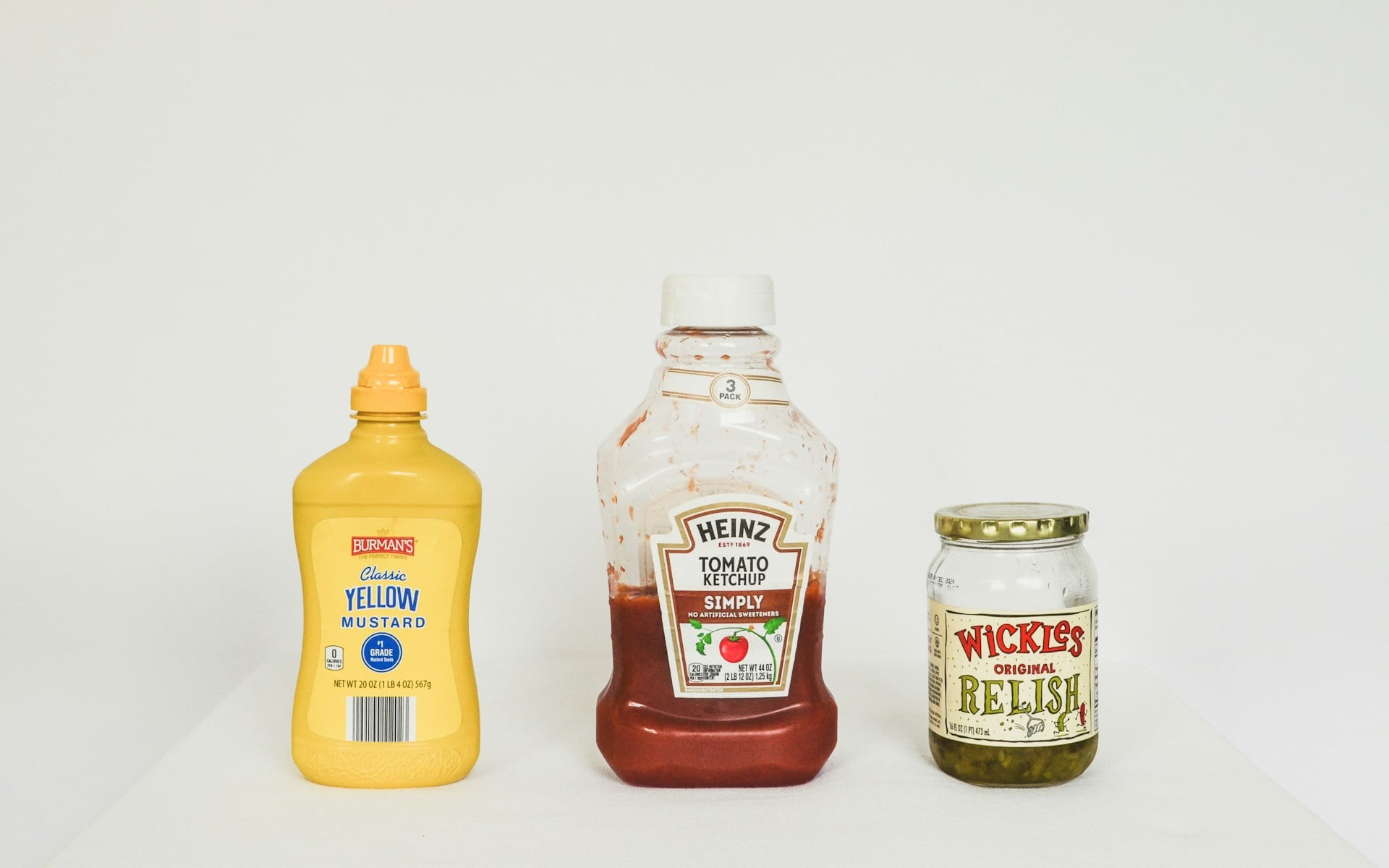
Mustard looks simple, but that sharp bite takes careful balancing. French’s has adjusted its formula in different markets—tweaking turmeric levels for consistent color, fine-tuning vinegar strength to keep that familiar tang. Crop variation and sourcing costs play a role. As clean label trends gained momentum, certain additives got reduced or removed. Even minor changes in spice ratios can soften or intensify the finish. The bottle stayed instantly recognizable. The ingredient list told a quieter story.
Tostitos Salsa
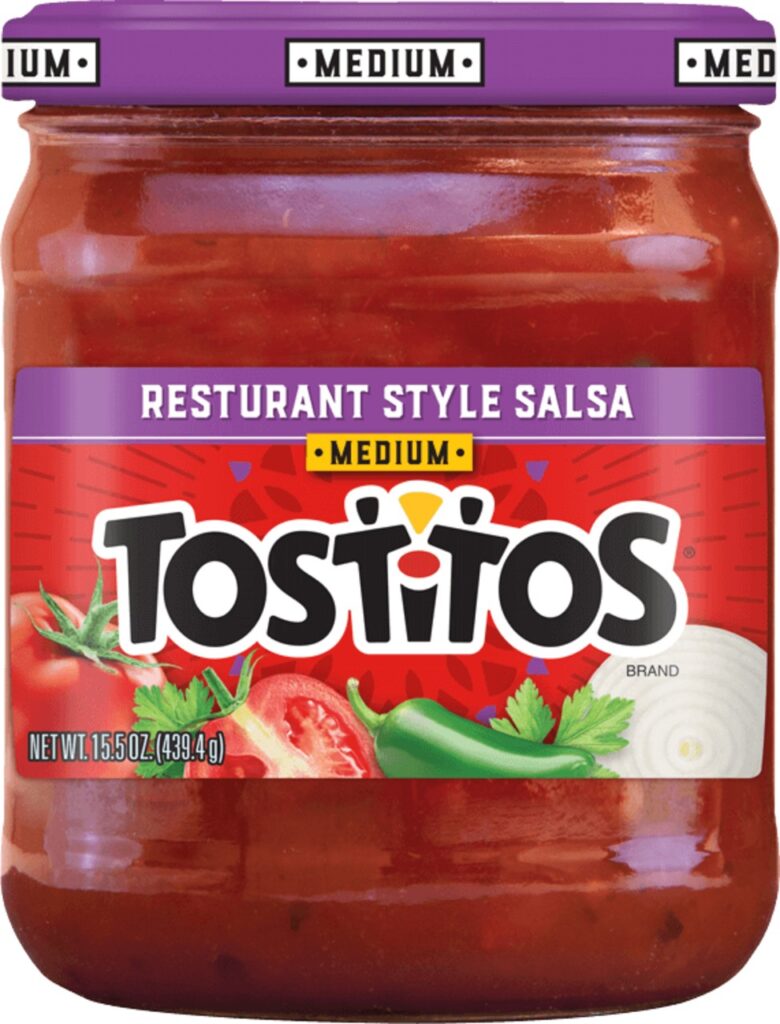
Getting fresh-tasting salsa into a shelf-stable jar takes some engineering. Tostitos has refined its formula over the years, tweaking acidity regulators, thickeners, and stabilizers to preserve texture, color, and safety during long distribution runs. These adjustments reduce separation and keep that chunk-to-liquid ratio consistent. Even small changes in stabilizers can affect how smooth or hearty the salsa feels on a chip. No bold announcements. Just ingredient panels reflecting the quiet work behind millions of uniform jars.
Heinz Ketchup
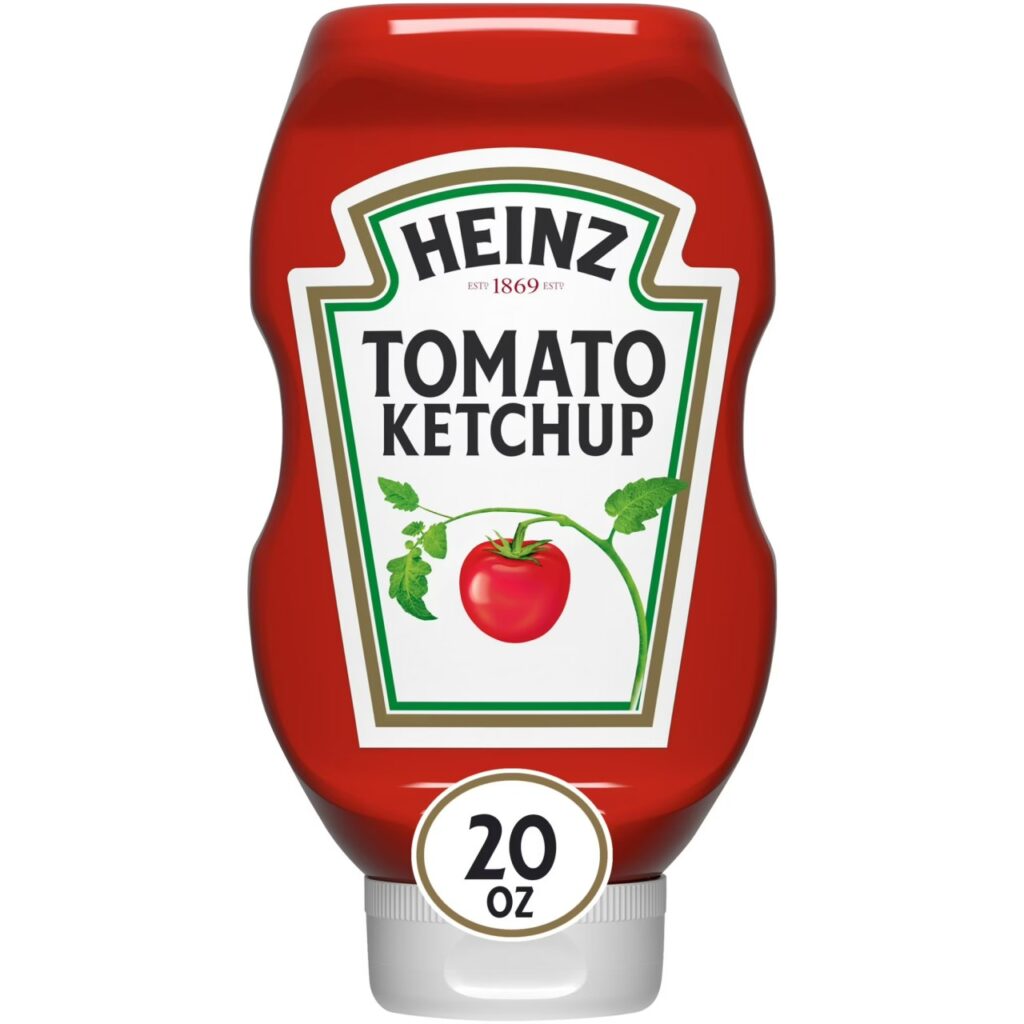
Heinz ketchup has that thick, glossy texture people are fiercely loyal to. The classic formula is built on tomatoes, vinegar, sugar, salt, and spices. But over the years, the sweetener quietly shifted in many markets from cane sugar to high fructose corn syrup. The reason? Cost and supply stability. It changed the sweetness profile for some longtime fans, and enough people noticed that the brand eventually brought back versions without high fructose corn syrup in certain regions. The bottle still looked the same. The ingredient list told a different story.