12 Expert Secrets to Perfect Cast Iron Cooking Every Time

Cast iron has a reputation, and not always a good one. People hear “seasoning” and “rust” and “never use soap” and suddenly it feels like too much work. But here’s the truth: cast iron is one of the most forgiving, versatile, and rewarding tools you can own. It sears a steak like nothing else, bakes cornbread to perfection, and with the right habits, it’ll outlast you. You just need to know a few things. Here are thirteen secrets to cooking with cast iron like someone who’s been doing it for years.
Always Preheat for Even Cooking
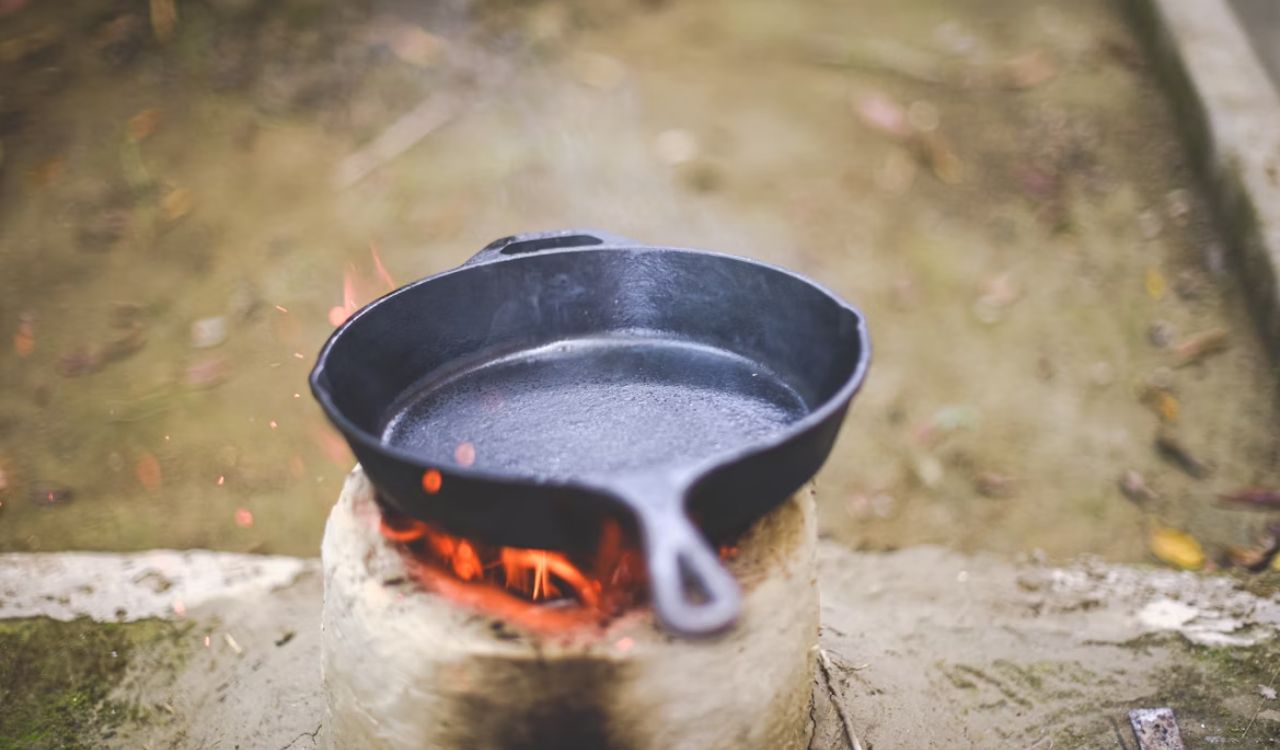
Cast iron takes a minute to warm up, but once it’s hot, it stays hot. That’s the whole point. Preheat it over medium heat for several minutes before anything goes in. Test with a drop of water—if it sizzles and evaporates, you’re ready. Skip this step and you’ll get uneven browning and food that sticks. A little patience at the start changes everything.
Ready For the Oven or Grill
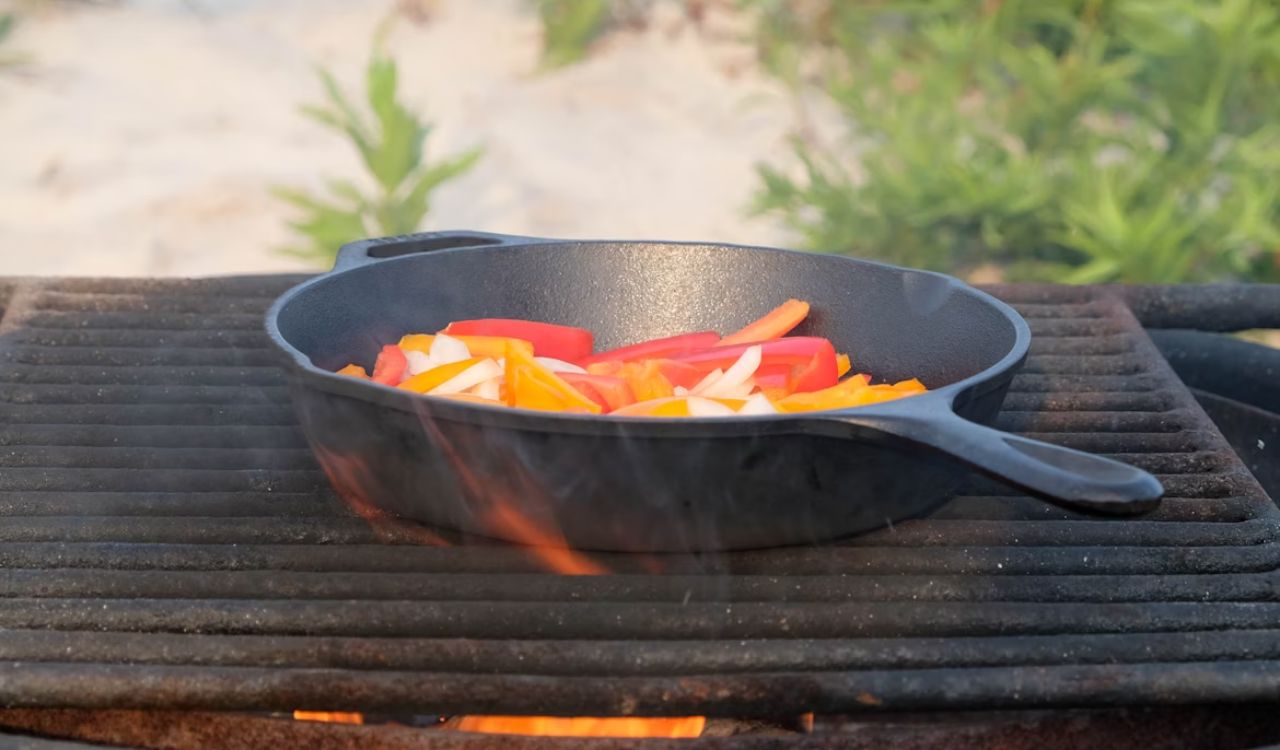
Cast iron doesn’t care where the heat comes from. Stovetop, oven, grill—it handles everything. Start chicken thighs on the burner, finish them in the oven. Bake skillet cookies or cornbread. Throw it on the grill for smoky, high-heat cooking that would destroy other pans. That versatility is the whole point.
Season Your Pan for Long-Term Performance
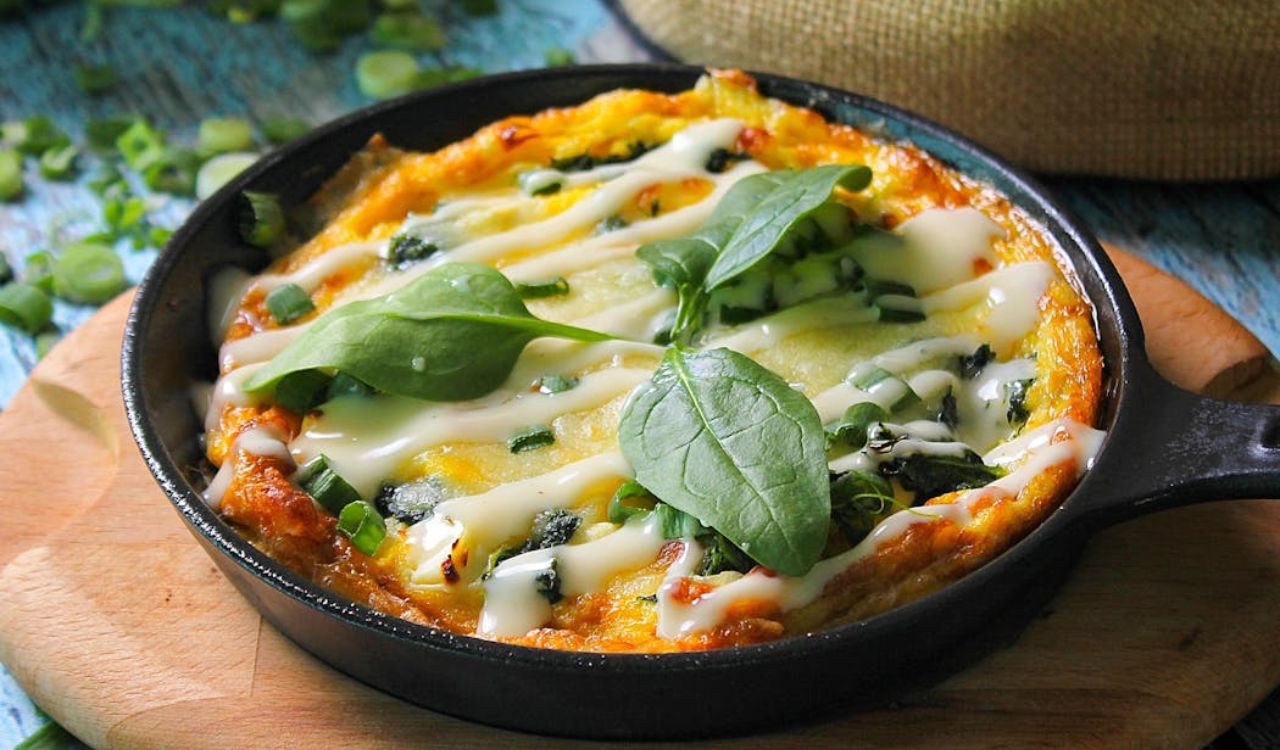
Seasoning isn’t complicated. It’s just oil heated until it bonds to the pan, creating a natural nonstick surface. That layer also protects against rust. The more you cook, the stronger it gets. Fry chicken, roast vegetables, bake cornbread—every meal adds to that glossy black finish. It’s not something you do once and forget. It’s something you build over time, and the pan gets better with every use.
Choose the Right Oils for Seasoning
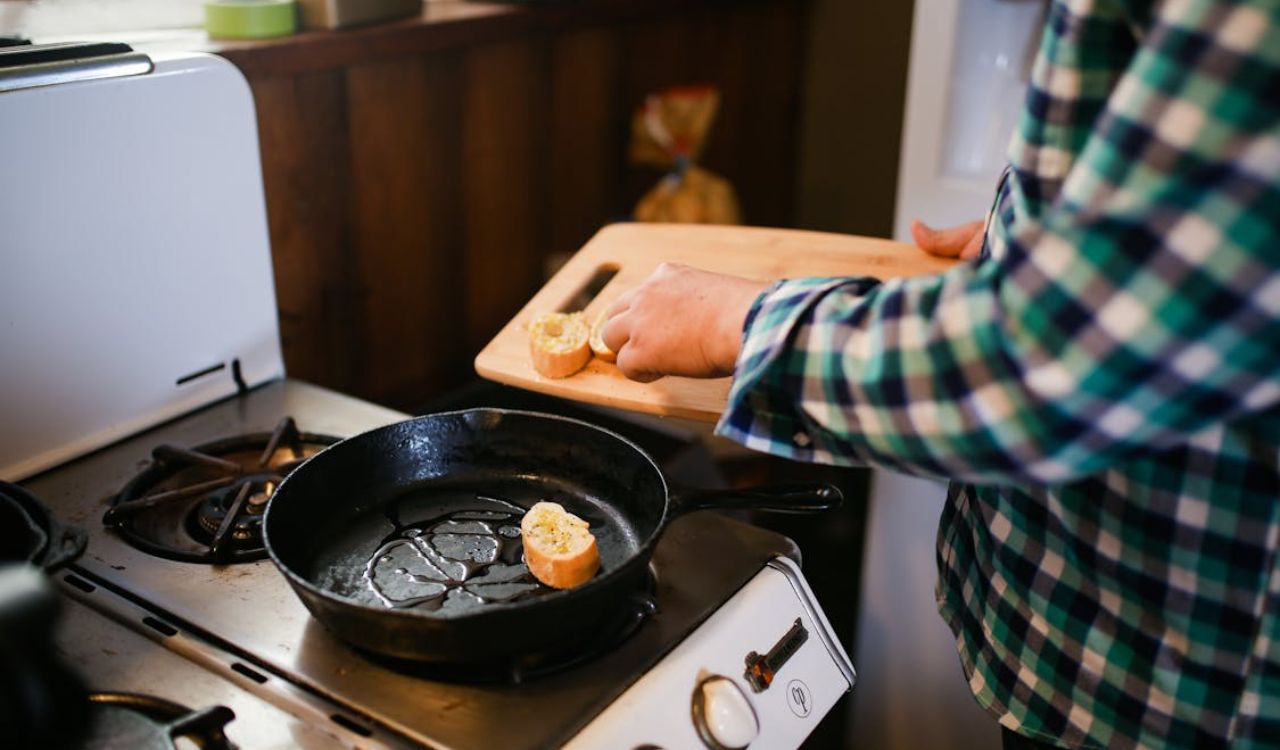
Not all oils work the same way. You want oils with high smoke points—vegetable, canola, grapeseed. Flaxseed oil creates a hard layer but costs more. Avoid butter or olive oil for seasoning; they burn too easily and leave residue. After cleaning, wipe on a thin coat of oil. That’s it. The right oil makes the seasoning last longer and perform better.
Clean Gently Without Harsh Soap
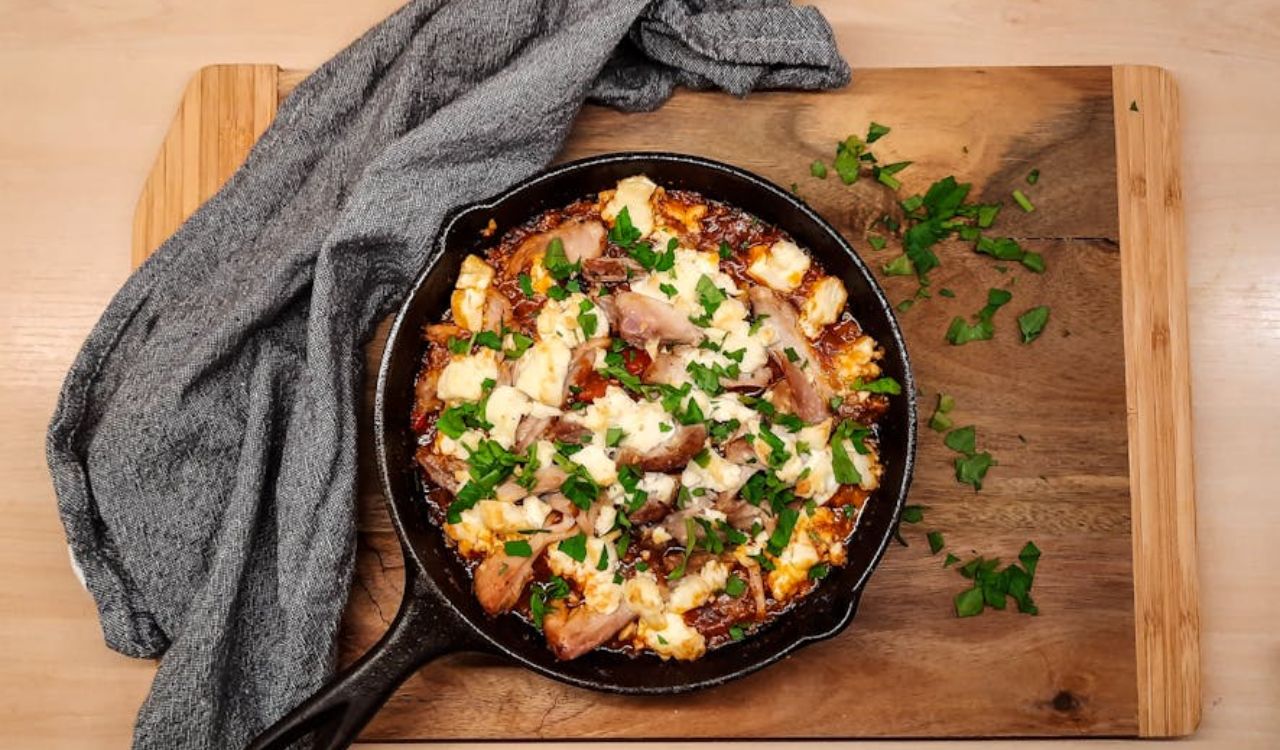
You’ve heard the “never use soap” rule. It’s not entirely true. A little mild soap won’t destroy seasoning, but harsh scrubbing with steel wool will. Usually, hot water and a stiff brush or chainmail scrubber are all you need. For stuck-on bits, coarse salt works as a gentle abrasive. Clean it, dry it, oil it. That’s the rhythm.
Dry Thoroughly to Prevent Rust
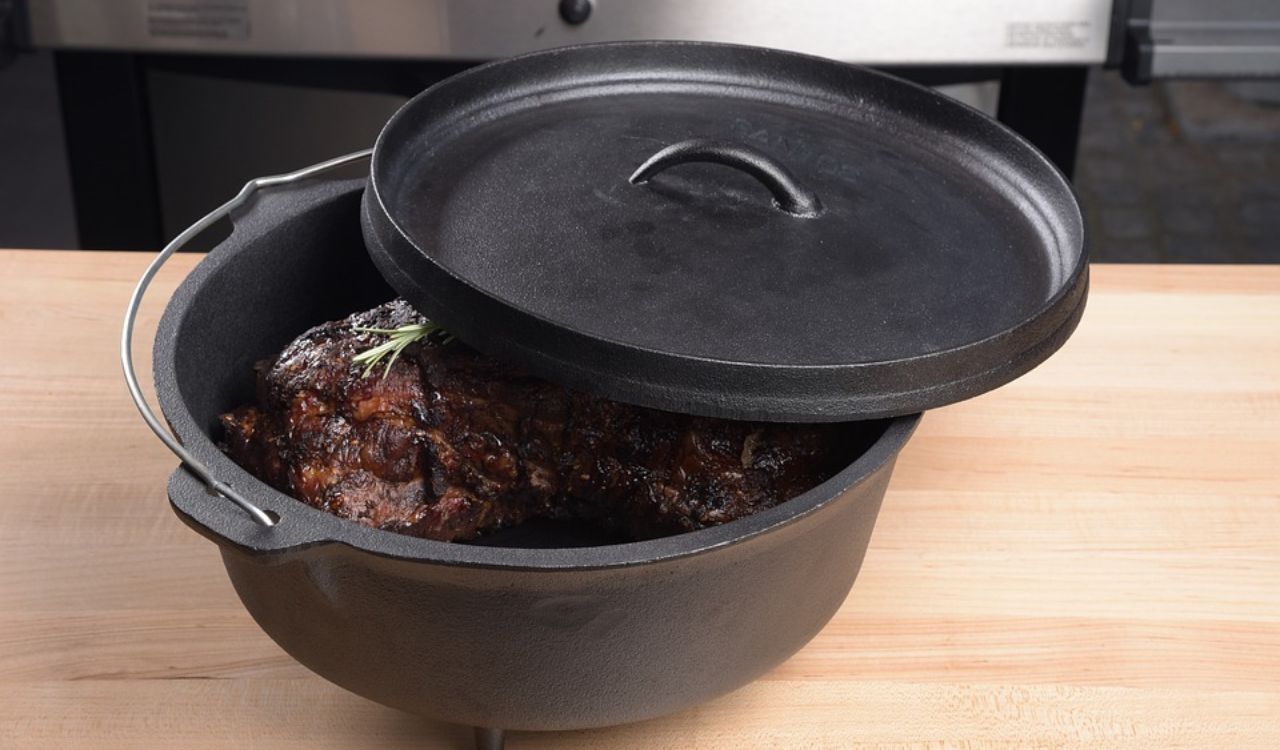
Water is the enemy. Even a little moisture can start rust. After washing, towel dry completely, then put it on a low burner for a few minutes to evaporate anything hiding in the metal. Then wipe on a thin coat of oil. This takes two extra minutes and makes the difference between a pan that lasts forever and one that spots up.
Avoid Storing Leftovers in the Pan
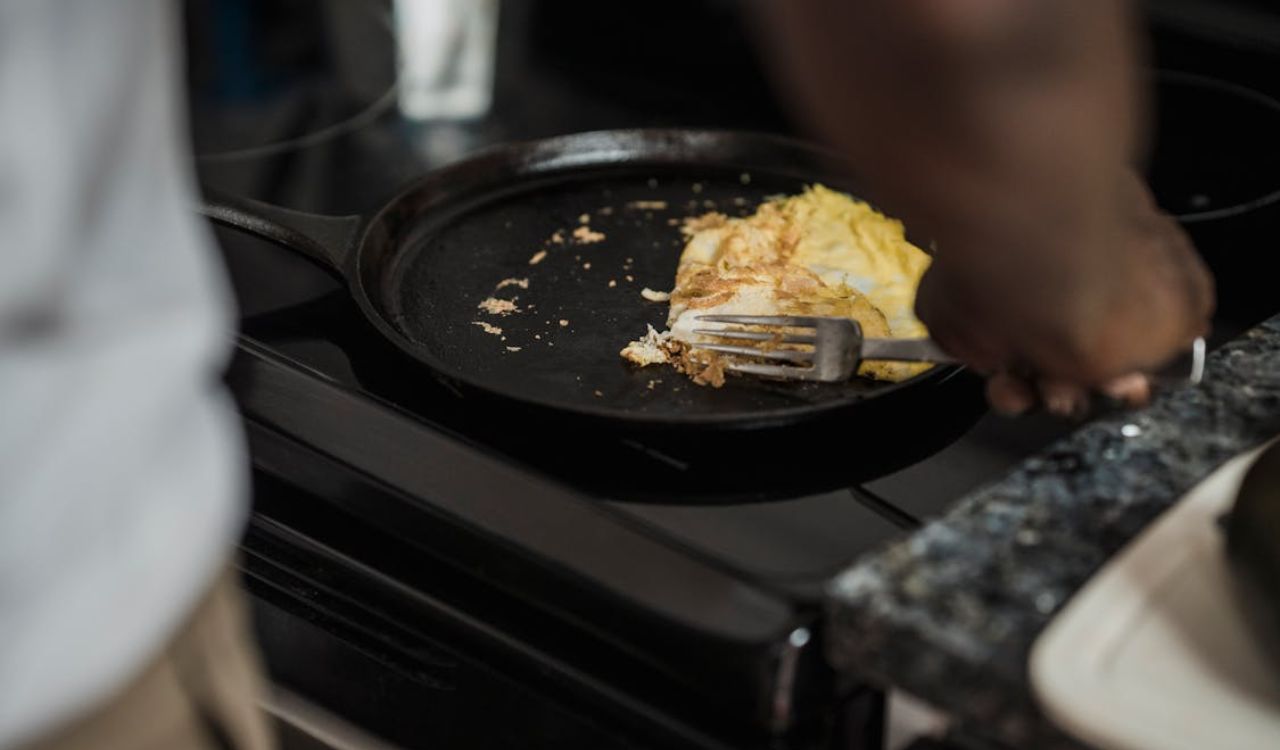
Cast iron is for cooking, not storing. Acidic foods like tomato sauce can react with the surface, degrading seasoning and leaving a metallic taste. Once dinner’s done, move leftovers to glass or stainless steel. Treat the pan as a tool, not a container, and it’ll stay in better shape.
Store the pan with a paper towel or cloth inside
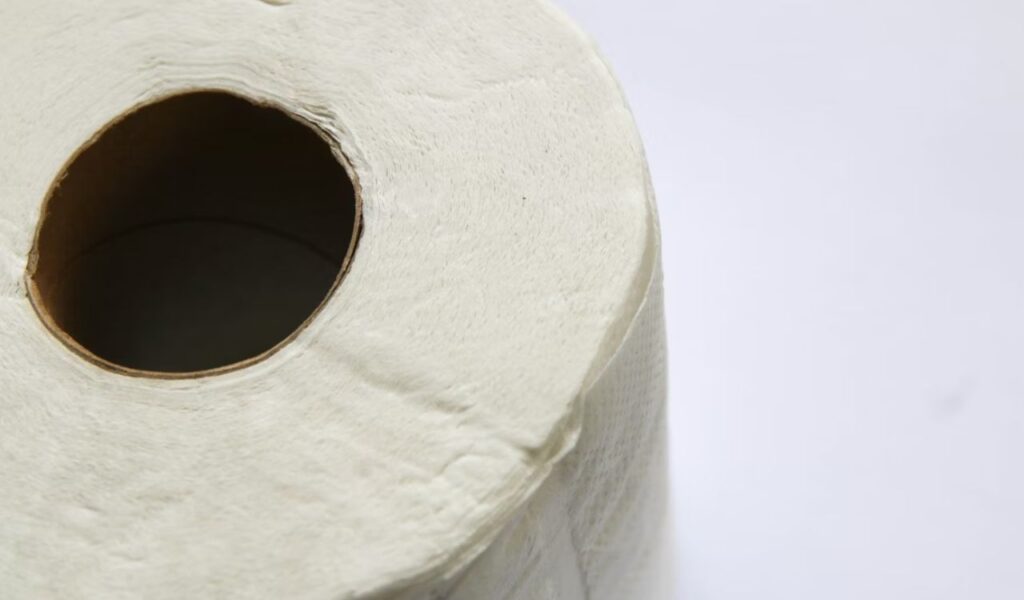
Cast iron doesn’t rust because it’s old. It rusts because moisture lingers. Slide a dry paper towel or cloth inside when you store it. It absorbs humidity from the air and keeps the surface from rubbing against other pans. Tiny habit, huge difference. Pull it out, and it’s ready to go.
Manage Heat Wisely
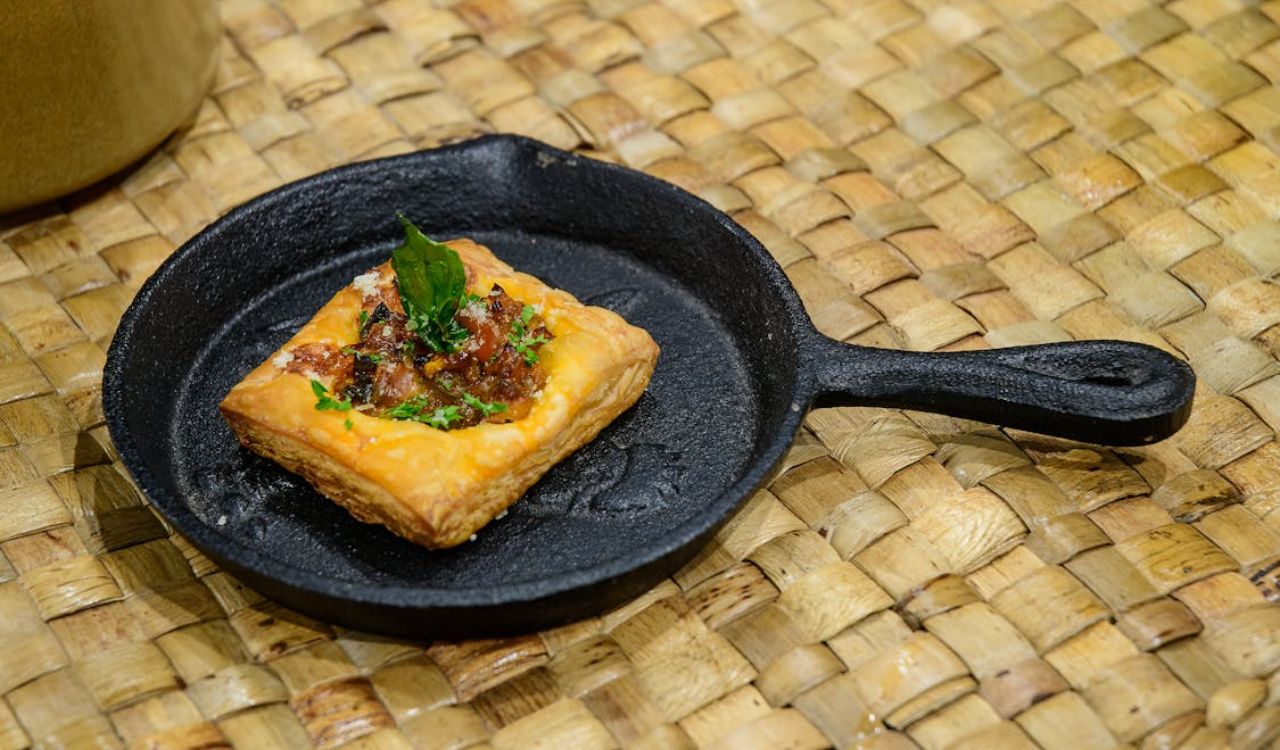
Cast iron can take high heat, but that doesn’t mean you always need it. Medium is plenty for most things—eggs, vegetables, searing. High heat all the time can burn food and damage seasoning. On the flip side, low and slow works too, which is why cast iron is great for braises. Learn to adjust, and the pan becomes way more useful.
Perfecting the Sear
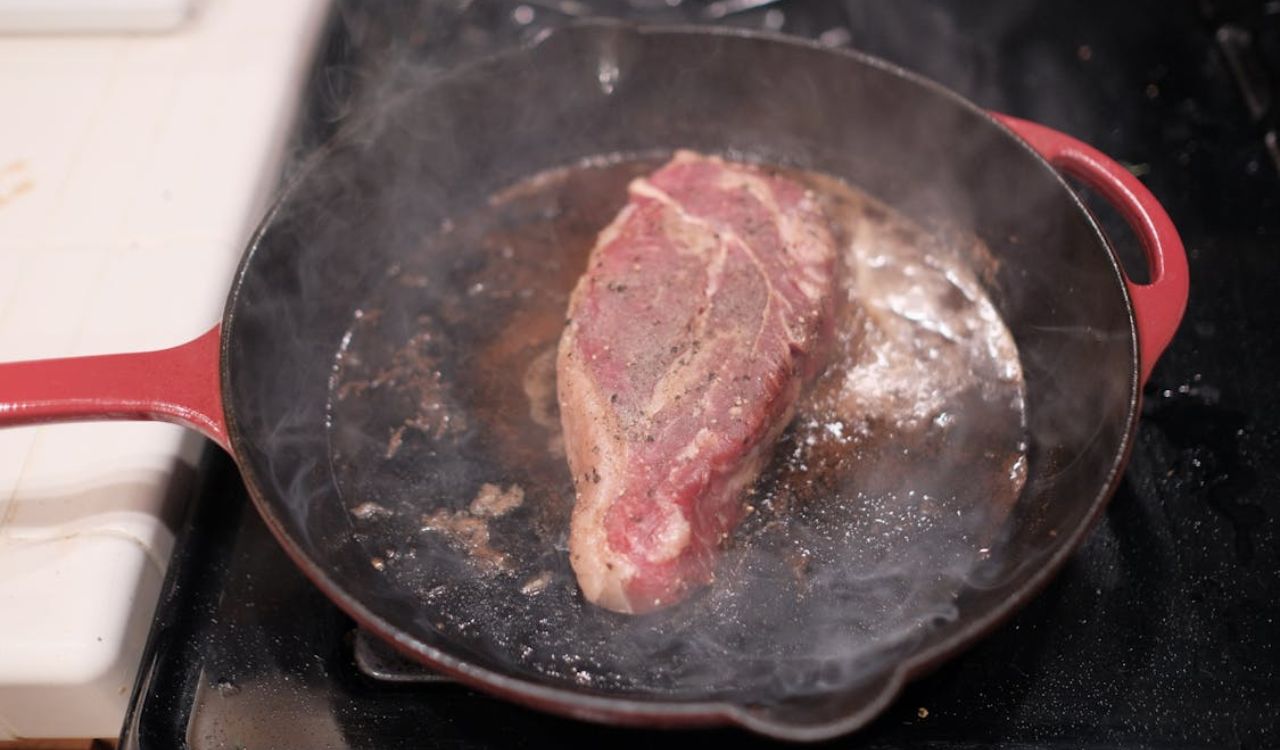
This is where cast iron really shines. Preheat until hot, pat your meat dry, and lay it in without moving it. Let it sit. The even heat caramelizes the surface into a deep, flavorful crust while the inside stays juicy. Steaks, pork chops, mushrooms, cauliflower—once you get this down, you’ll reach for cast iron every time.
Be Careful of High Acidic Foods
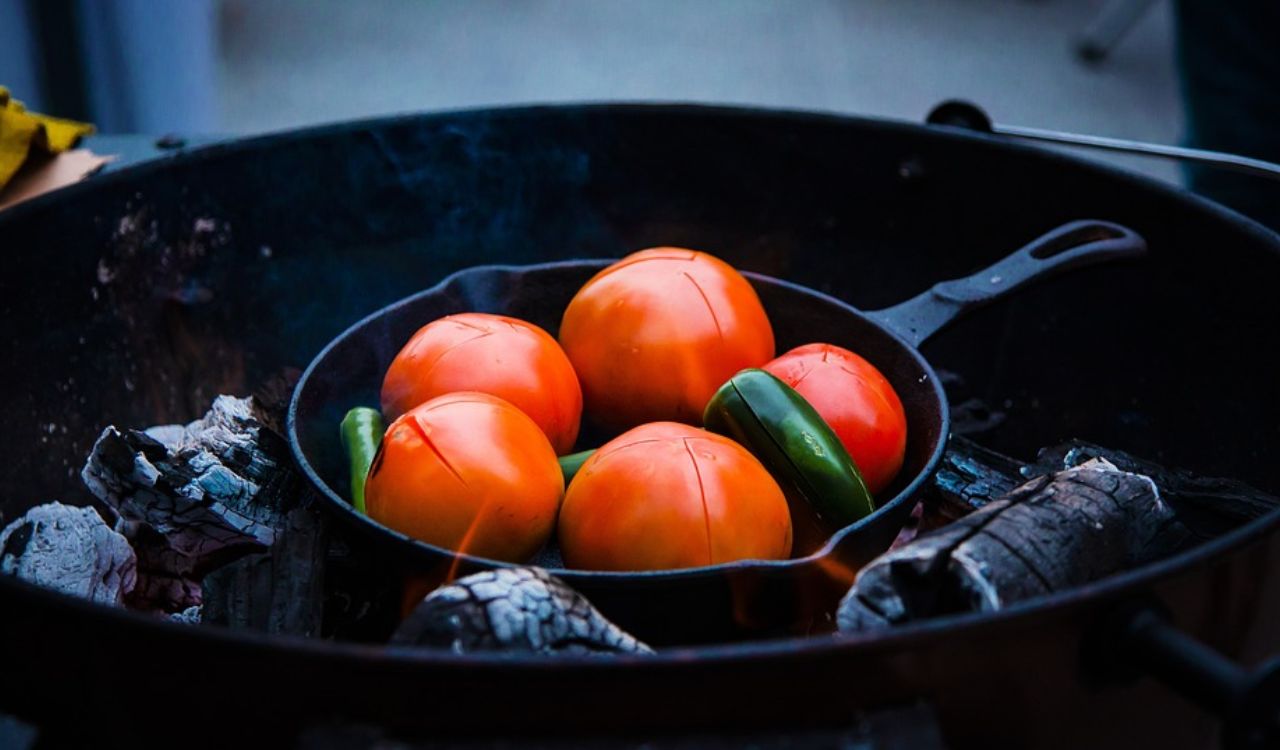
If your pan is new, go easy on tomatoes and vinegar. Acid can strip fresh seasoning. Once you’ve built up a strong coat, occasional acidic cooking is fine, but long simmering may still wear it down. If you cook a lot of tomato-based dishes, enameled cast iron is a better bet. For traditional cast iron, build that foundation first.
Keep Cooking to Improve Your Pan
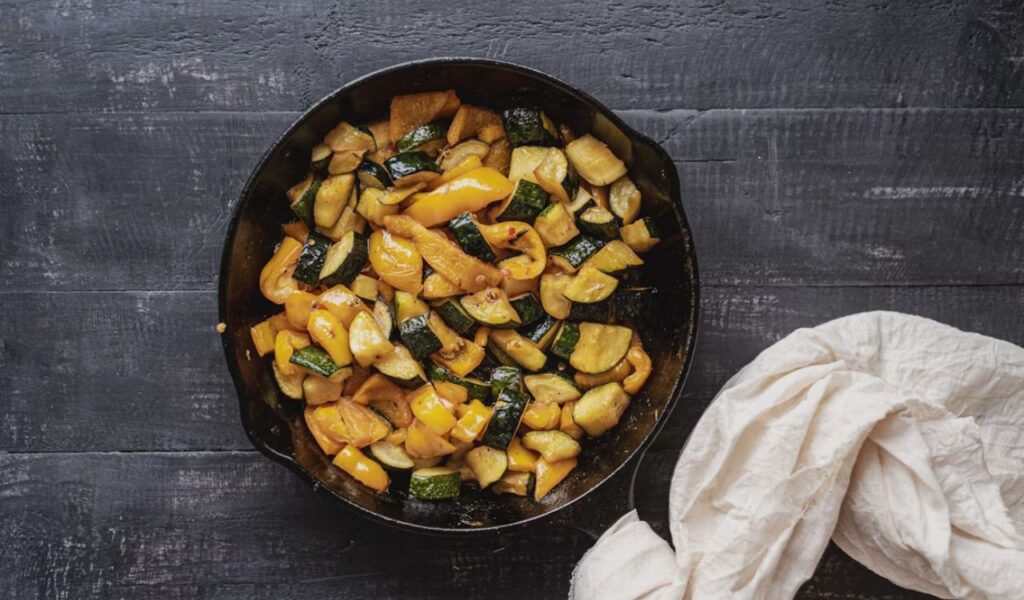
This is the best part: the more you use it, the better it gets. Every meal adds to the seasoning. Fry something, roast something, bake something. Over time, the surface becomes smoother, more nonstick, more beautiful. Unlike other pans that wear out, cast iron just gets better with age.