Key Differences in Grocery Shopping Between the 1970s and Today

You know, if you could step into a grocery store in the 1970s and then walk through one today, you might not recognize it as the same experience. The carts are bigger, the aisles are different, and the things people put in those carts? Completely transformed. It’s not just about what we eat anymore—it’s about how we live, how much time we have, and what we value. Taking a look back at how grocery shopping has evolved is like holding up a mirror to shifting priorities, changing family structures, and our ongoing relationship with food itself.
Handwritten Paper Lists vs. Digital Checkout
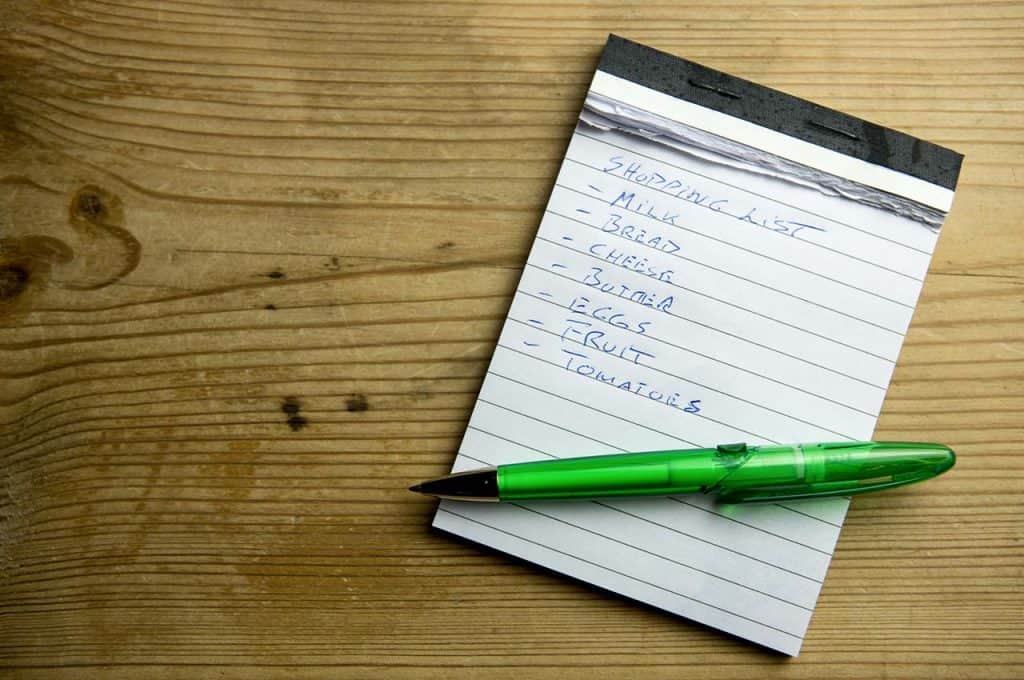
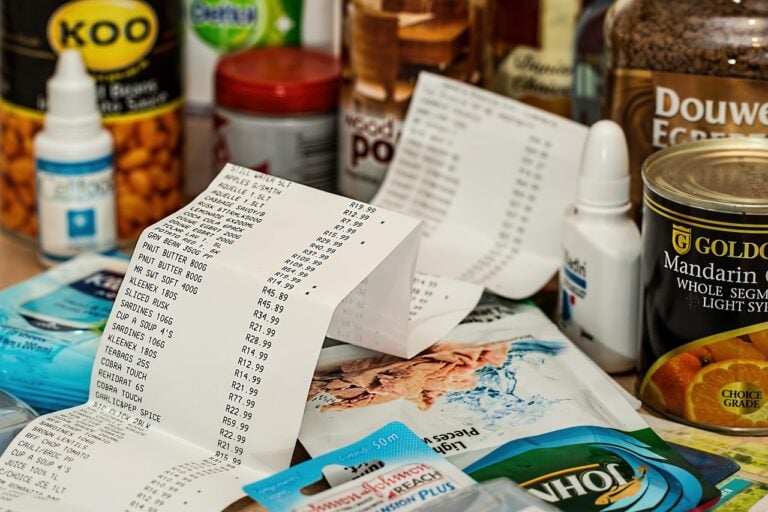
There was a ritual to shopping in the ’70s. You’d sit down with a piece of paper, check what you were low on, and write out your list by hand. It was simple, but it relied on memory and a little bit of guesswork. Today, we’ve got apps for that. Digital lists we can share with family members, updated in real time. Store apps with digital coupons, aisle maps, and even the ability to skip the checkout line entirely. It’s faster, it’s more efficient, and honestly? It’s kind of amazing. We’ve taken the guesswork out of grocery shopping, and that extra mental space? That’s a win.
Sugary Cereals vs. Healthier Choices

Oh, the cereal aisle of the 1970s. It was a kaleidoscope of bright colors and cartoon mascots, all promising a fun start to the day. And sure, it was fun. But it was also packed with sugar, and eventually, we started paying attention. These days, that same aisle looks different. Sure, the nostalgic boxes are still there, but they share shelf space with cereals boasting whole grains, reduced sugar, and added protein. Organic options, gluten-free varieties—shoppers are reading labels now. We still want convenience in the morning, but we also want to feel good about what we’re pouring into the bowl.
Brand Loyalty vs. Store Generics

If you grew up in the ’70s, you probably remember that your family had their brands. The ketchup had to be Heinz. The cereal had to be Kellogg’s. That loyalty was passed down like a family heirloom, reinforced by advertising and a deep-seated belief that certain names meant certain quality. Today? The game has changed. Store generics—once seen as the sad, budget option—have gotten genuinely good. They sit right next to the name brands on the shelf, often with similar ingredients and a much friendlier price tag. It’s not about loyalty anymore; it’s about value. And private labels have earned their place in our carts.
Weekly Stock-Up vs. Frequent Trips
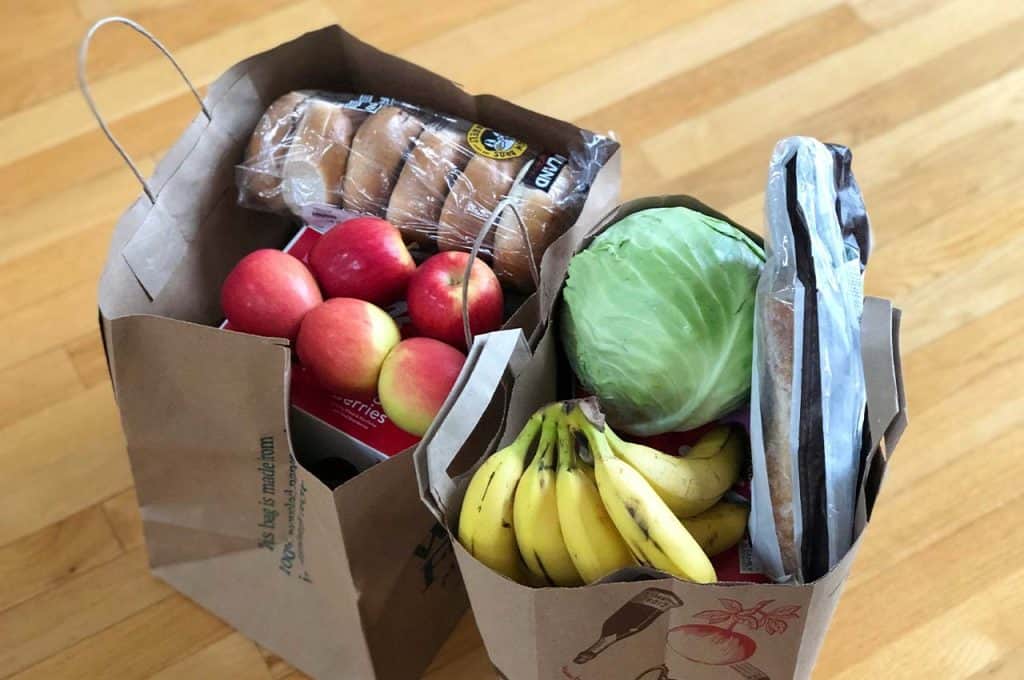
In the 1970s, you planned. You made a list, you checked it twice, and you did one big weekly shop to stock the pantry for the days ahead. Kitchens were built to hold enough food to feed larger families for longer stretches. These days, we’re more likely to pop into the store a few times a week, grabbing just what we need for the next day or two. It’s partly because stores are everywhere now, but it’s also about freshness. We want our vegetables crisp and our bread just-baked. Smaller, more frequent trips let us eat well without committing to a week’s worth of meals in advance.
Canned Staples vs. Ready-Made Meals
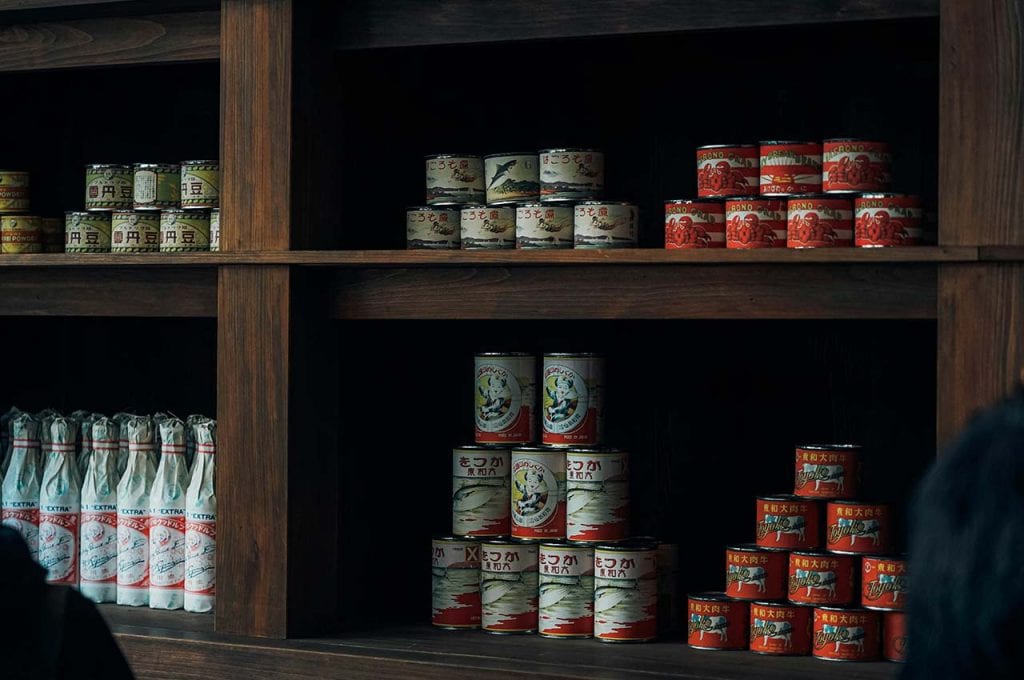
Open a 1970s pantry, and you’d find rows of canned goods. Vegetables, soups, beans—they were the building blocks of dinner, always there when you needed them. They were practical, non-perishable, and endlessly versatile. Today, that space is often taken up by ready-made meals. Things you can heat and eat in minutes, offering a taste of cuisines from around the world without any of the prep work. It’s not that we’ve abandoned the pantry; it’s that our definition of convenience has evolved. We want dinner now, and we want it to be interesting.
Whole Ingredients vs. Packaged Foods
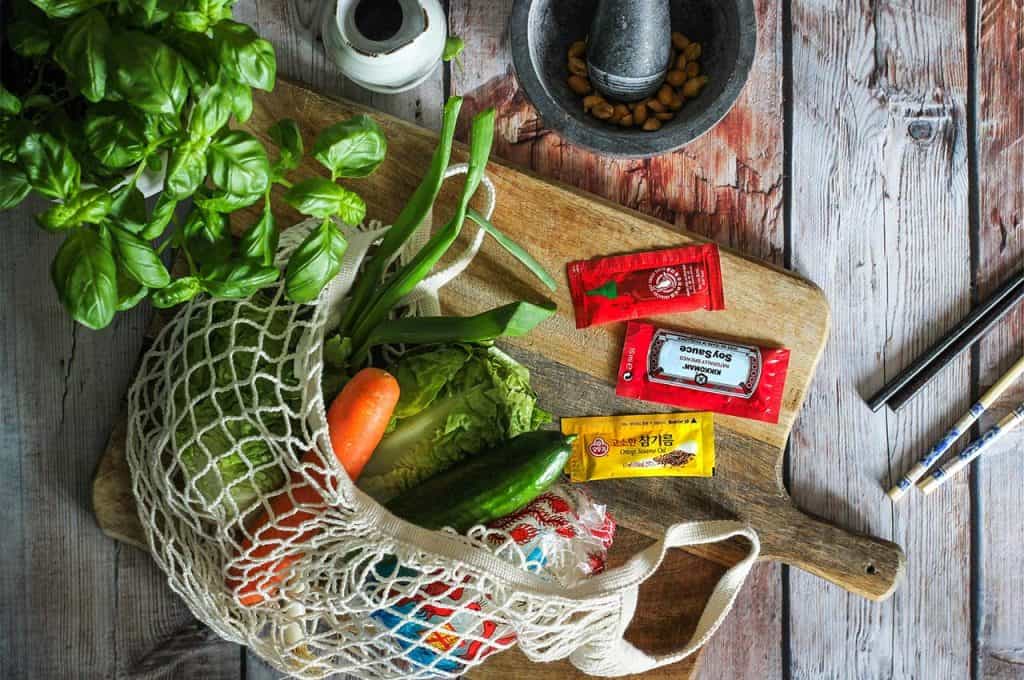
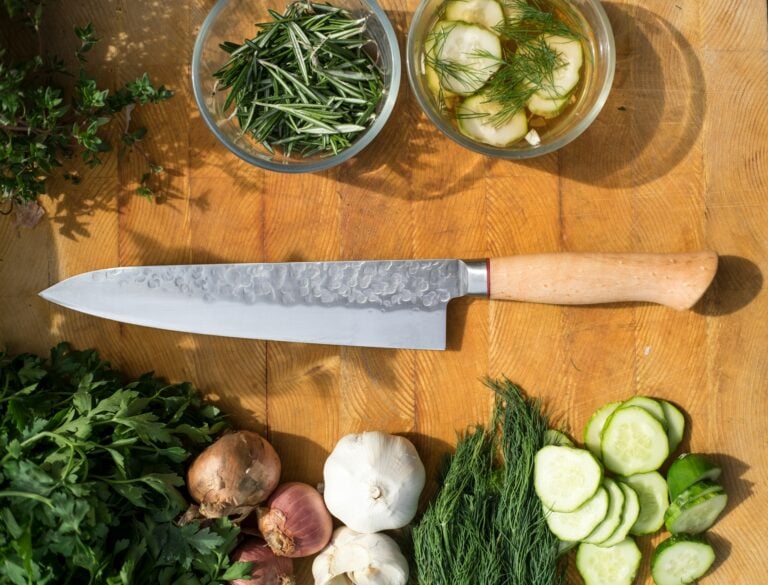
Back in the 1970s, a grocery cart told a simple story. You’d see whole ingredients—fresh produce, cuts of meat, bags of flour and rice. Home cooking was a point of pride, and meals were built from scratch. There was a certain satisfaction in controlling exactly what went into the pot. Fast forward to today, and the story is different. Carts are filled with pre-chopped vegetables, ready-to-eat meals, and an overwhelming array of snack options. It’s not that we’ve stopped caring about what we eat; it’s that time has become our most precious commodity. Convenience isn’t just a luxury anymore—it’s a necessity for most of us.