How Having Too Many Food Options Affects Our Eating Habits

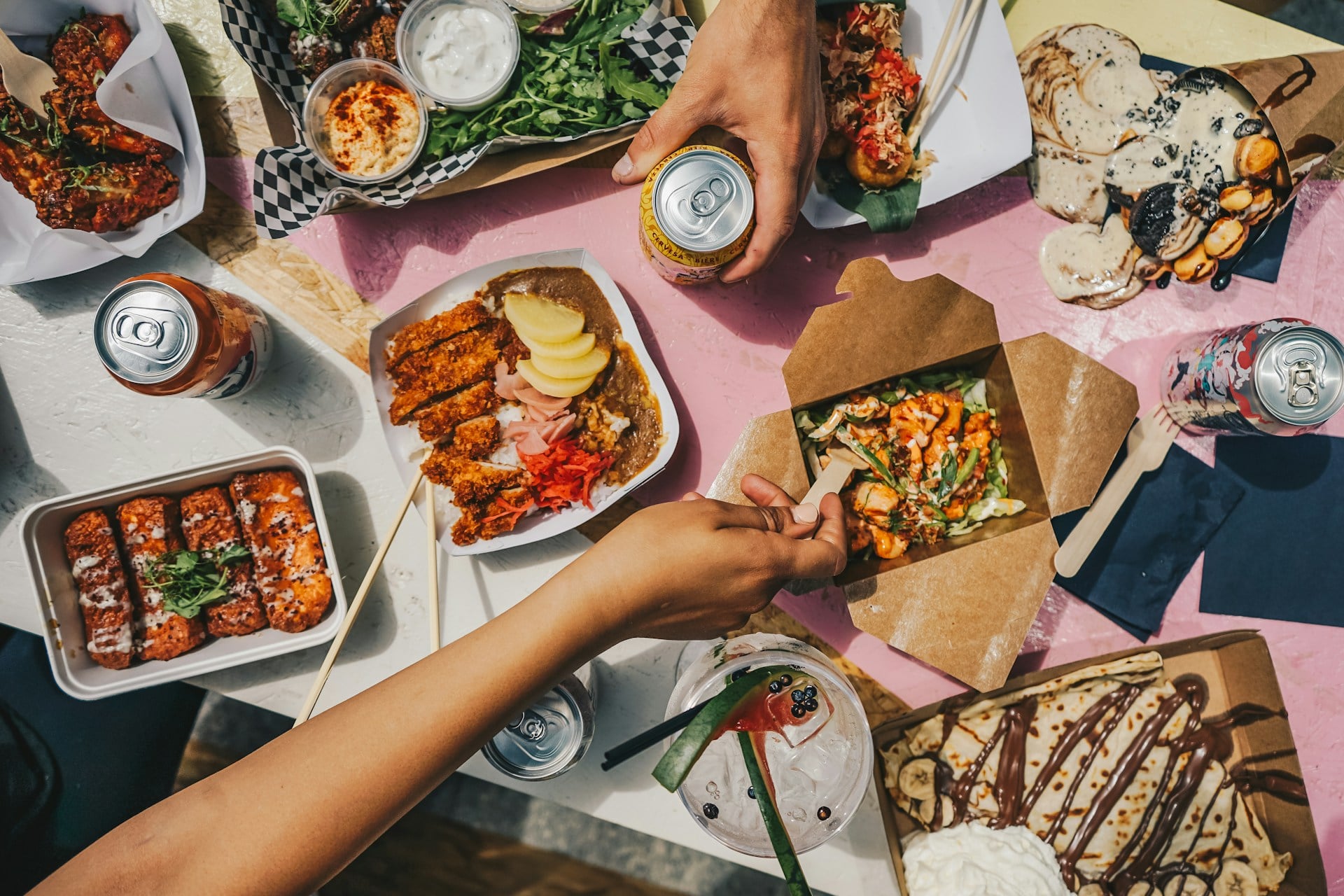
We live in a golden age of food options. Grocery aisles stretch endlessly. Delivery apps scroll forever. Restaurant menus read like novels. More choice should mean more happiness, right? Psychologists suggest otherwise. Sometimes, abundance overwhelms. The very freedom to choose can leave us stressed, regretful, and less satisfied with what ends up on our plates. Here’s how too many options might be quietly shaping the way you eat and feel.
Finding Balance in Abundance

Variety will always be part of modern dining, but satisfaction comes from balance. Choosing fewer, more meaningful options, or letting experts decide once in a while, can restore joy to eating. When every decision isn’t a competition, food becomes simpler, warmer, and more human. The way it was always meant to be enjoyed.
The Paradox of Choice

Psychologists call it “choice overload.” At a certain point, having too many options stops feeling like freedom and starts feeling like frustration. In food, this means the excitement of variety turns into mental fatigue. Diners worry about making the best choice, and that anxiety follows them through the meal. Instead of savoring, they second-guess. The joy of eating gets buried under the weight of alternatives.
From Excitement to Exhaustion

A long menu used to feel like abundance. Now studies show it can drain us. The brain works harder comparing sauces, toppings, and meal deals. Tiny differences start to feel monumental. This cognitive strain pushes people to rush decisions or fall back on the same safe order every time. The variety that was supposed to delight becomes a burden instead.
Regret After Ordering

You finally choose, the food arrives, and then it happens: you wonder if you should have ordered something else. Psychologists call this “post-choice regret.” Even when your meal tastes great, the memory of all those other options lingers. You imagine other dishes that might have been better, and satisfaction slips away. It’s a uniquely modern problem, born of endless abundance.
Supermarkets and the Illusion of Freedom

Grocery stores stock thousands of similar products, from yogurt to cereal to salad dressing. This feels empowering, like you’re in control. But research suggests people actually feel happier when choices are limited. Curated selections, quality over quantity, create more consistent delight. Endless rows of near-identical items lead to impulse buys and quiet dissatisfaction.
Streaming-Style Menus and Food Apps

Delivery apps have turned food browsing into endless scrolling. You swipe through cuisines, compare pictures, read reviews, and suddenly twenty minutes have passed. The act of choosing replaces the act of eating. You’re left with a digital hunger cycle, where the hunt for the perfect meal becomes more consuming than the meal itself.
Cultural Differences in Choice

Western societies often link freedom with having options. But in places like Japan or Italy, shorter menus and seasonal offerings reflect a different value: trust in expertise. Diners let chefs decide, knowing freshness and mastery matter more than endless variety. These cultures remind us that satisfaction doesn’t require abundance. Sometimes it requires restraint.
Emotional Overload and Eating Behavior

Too many choices can trigger anxiety that affects how we eat. Decision stress makes people more likely to overeat, snack mindlessly, or reach for comfort foods. The constant mental load of micro-decisions, what, where, when, how much, quietly erodes mindful eating. Food becomes another task to manage rather than an experience to enjoy.
The Rise of Curated Food Brands

Meal kits and boutique food companies have figured out that curation sells. They offer fewer choices but emphasize freshness, quality, and story. Customers find comfort in knowing someone else has done the selecting. A guided experience can feel more personal and satisfying than a wall of endless alternatives.