How Pantry Staples in American Homes Have Changed Over Four Decades

If you peeked into an American kitchen in the 1980s and then again today, you’d spot some serious differences. A bunch of ingredients that would have seemed totally foreign back then are now sitting right next to the olive oil and salt. Thanks to global travel, food shows, and way better shipping, our pantries have gotten a whole lot more interesting and global. Things that once required a trip to a specialty store are now just part of the regular grocery run. Let’s look at some of the ingredients that quietly went from obscure to essential in just a few decades.
Quinoa: The Protein-Packed Grain That’s Not a Grain
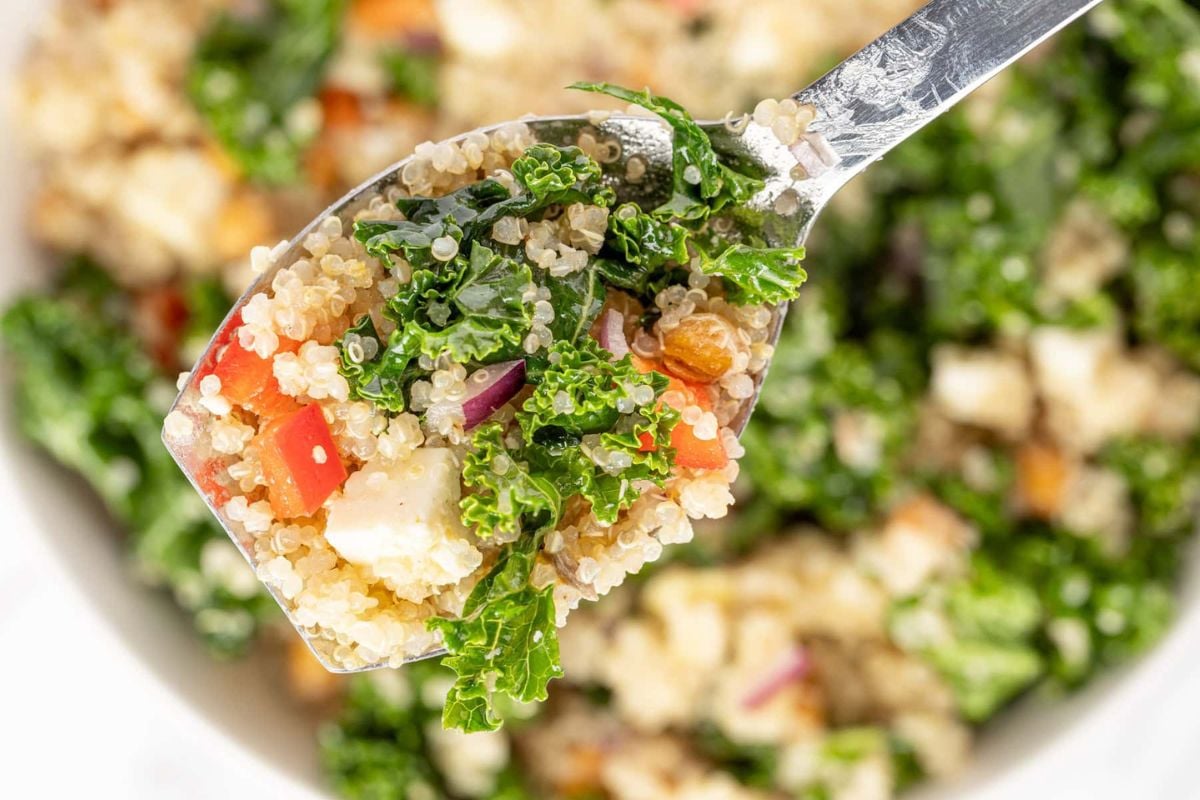
A generation ago, quinoa was barely a blip on the radar. Now? It’s a pantry staple right up there with rice. This tiny seed (yep, it’s a seed!) became a superstar because it’s a “complete protein,” meaning it has all the essential amino acids—a huge win for plant-based eating. It cooks fast, soaks up flavors like a champ, and works in everything from salads to breakfast bowls. What sealed the deal was convenience: most brands now sell it pre-rinsed, so you don’t have to worry about the bitter coating. Once people realized it was an easy, nutritious swap for rice or pasta, it stopped being exotic and started being dinner.
Chia and Flax Seeds: The Tiny Powerhouses

Remember when these were just for bird feeders? Now they’re sprinkled on yogurt, blended into smoothies, and baked into muffins. The shift came from a growing love for fiber, omega-3s, and gut health. Chia seeds turn into a fun gel in liquids, perfect for puddings, while flax is a classic egg substitute in baking. They add a nutritious punch without changing the flavor much. These little seeds show how we started adding functional “boosters” to our everyday meals without a second thought.
Avocado Oil: The High-Heat Hero

The cooking oil section used to be simple: vegetable oil, maybe some olive oil. Enter avocado oil. It got popular thanks to its crazy high smoke point (great for searing and roasting) and its heart-healthy fats. As avocados themselves became a daily thing, their oil followed. It’s mild, versatile, and people loved the idea of having one oil that could do it all—from dressing a salad to frying an egg. It went from a specialty item to a mainstream kitchen workhorse.
Coconut Oil: The Trendy All-Rounder

Coconut oil had a wild ride. Once avoided for its saturated fat, it came roaring back as a stable cooking oil and a dairy-free butter substitute. Its mild sweetness works wonders in baking and roasting. It also crossed over into the wellness world for skin and hair, which made everyone familiar with it. Once home cooks got comfortable with its tropical vibe, it became a regular backup to their go-to olive oil.
Tahini: The Sesame Secret Weapon
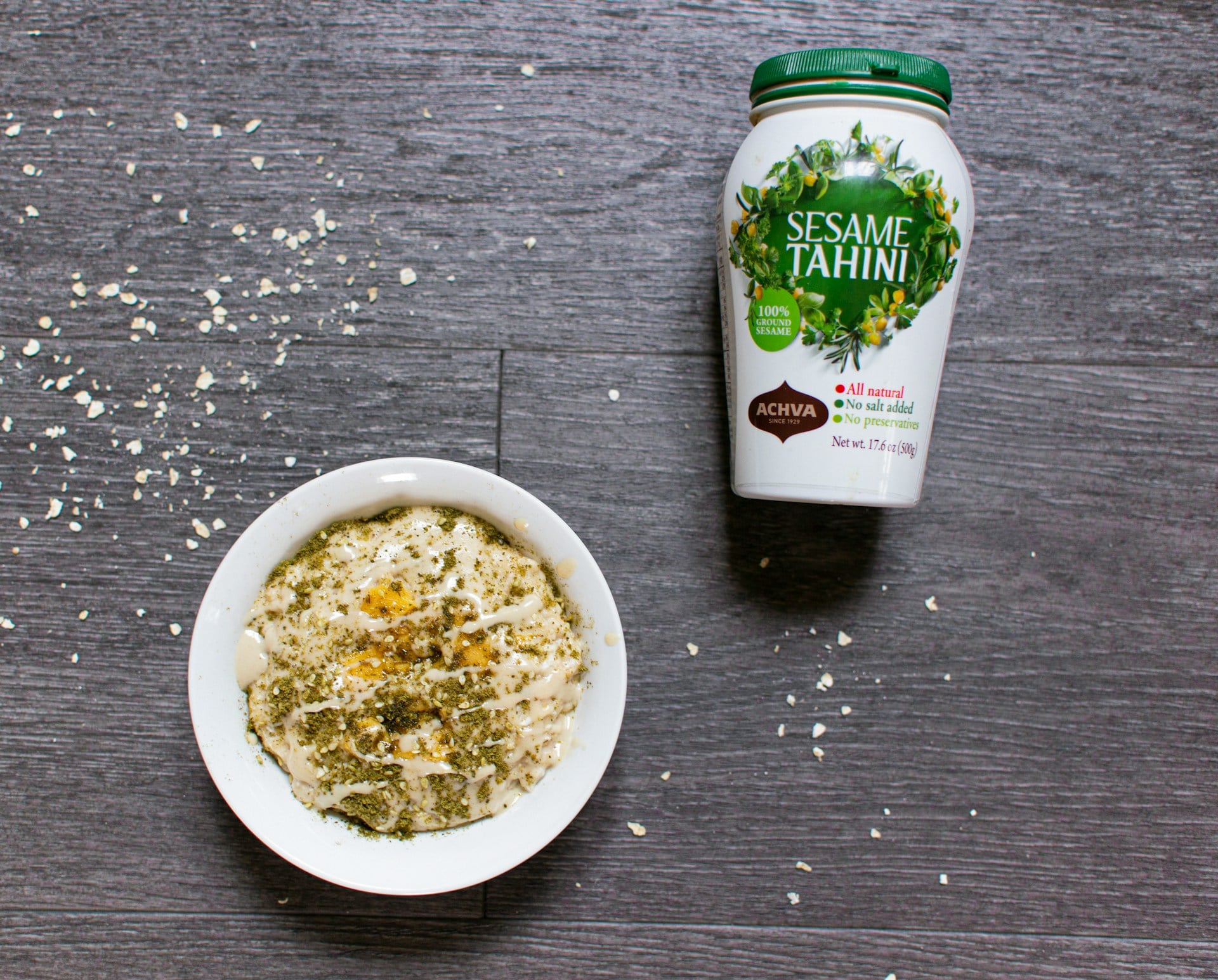
Tahini used to be something you only found if you were making hummus from scratch. Now, that jar of ground sesame paste is a flavor secret weapon. As Middle Eastern foods like hummus and baba ghanoush went mainstream, tahini hit the big time. People discovered its rich, nutty, slightly bitter kick is amazing in salad dressings, drizzled on roasted veggies, or even in cookies. It’s a powerhouse ingredient that proves a little goes a long way.
Gochujang & International Pastes: The Flavor Shortcuts
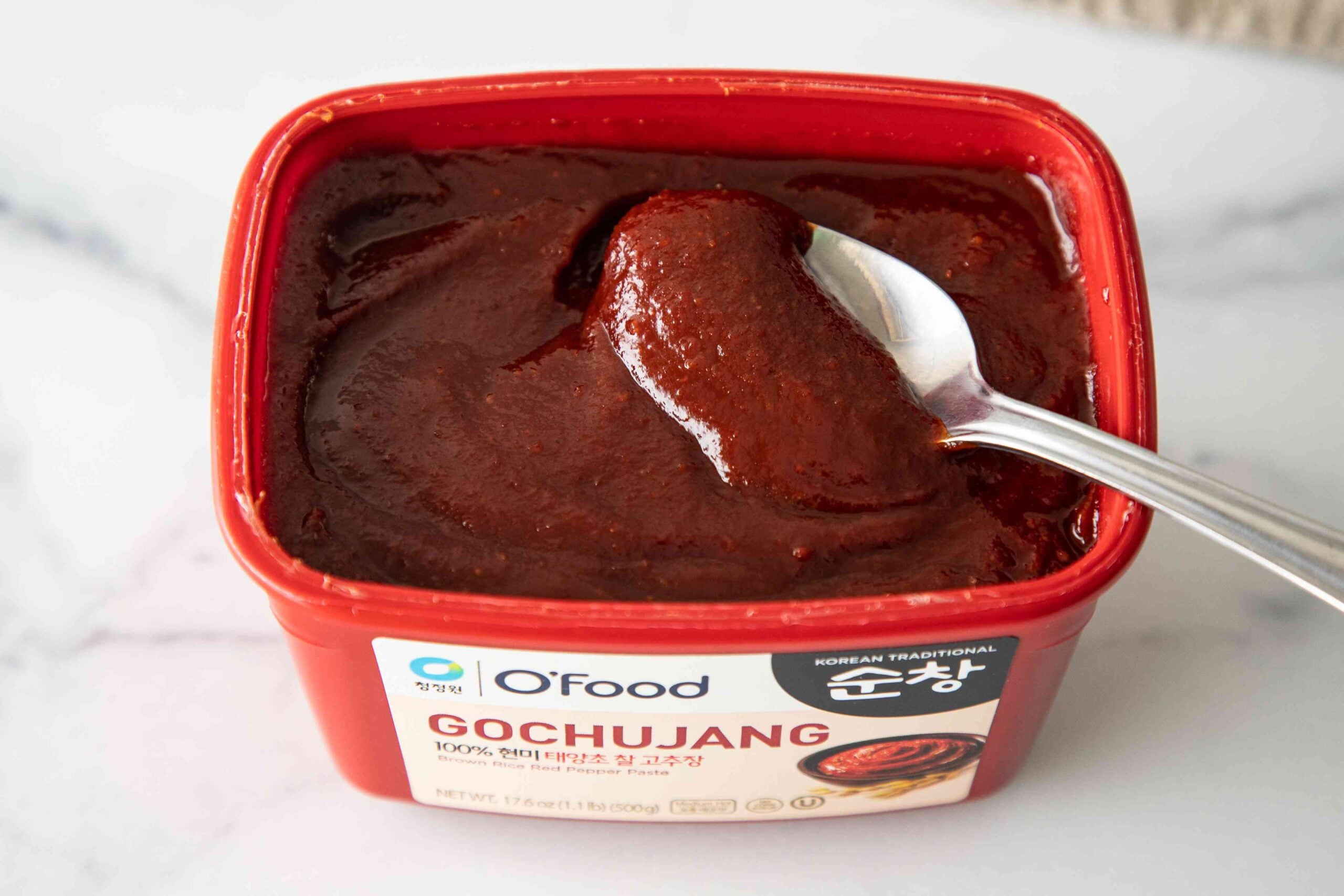
A shelf full of fermented pastes like gochujang, miso, and harissa is a modern pantry hallmark. These jars are instant flavor bombs—salty, sweet, spicy, and packed with umami. Decades ago, they were much harder to find. Now, thanks to our love for global flavors, they’re kitchen shortcuts for creating complex sauces and marinades in minutes. Their long shelf life makes them a savvy investment for spicing up weeknight dinners.
Nutritional Yeast: The Cheesy (But Not Cheese) Savior
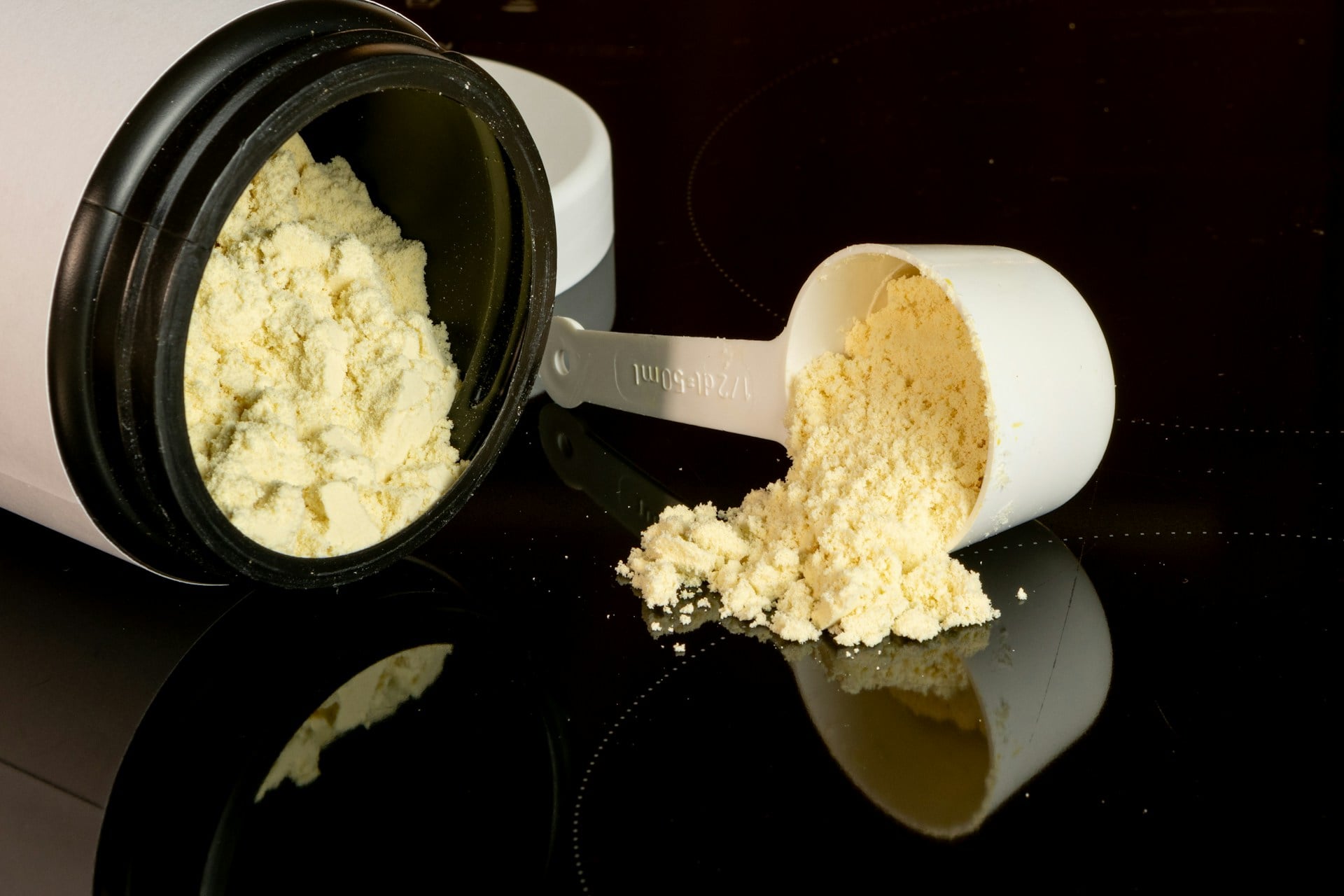
“Nooch” was once a niche product for the vegan community. Now, this flaky, savory, cheese-flavored yeast is everywhere. It’s the magic dust that makes popcorn, pasta, and soups taste rich and cheesy without any dairy. As plant-based eating grew, so did its fanbase. It’s shelf-stable, packed with B vitamins, and honestly, just really tasty. It’s the ultimate pantry hack for adding depth.
Specialty Vinegars: The Acid Avengers

Remember when vinegar just meant the plain white stuff for cleaning? Today’s pantry might have balsamic glaze, rice vinegar, apple cider vinegar, and more. This explosion shows how home cooking has gotten more sophisticated. We’ve learned that a splash of the right acid can brighten a dish instantly. These bottles last forever and totally transform salads, sauces, and marinades.
Gluten-Free Flour Blends: Baking’s New Normal
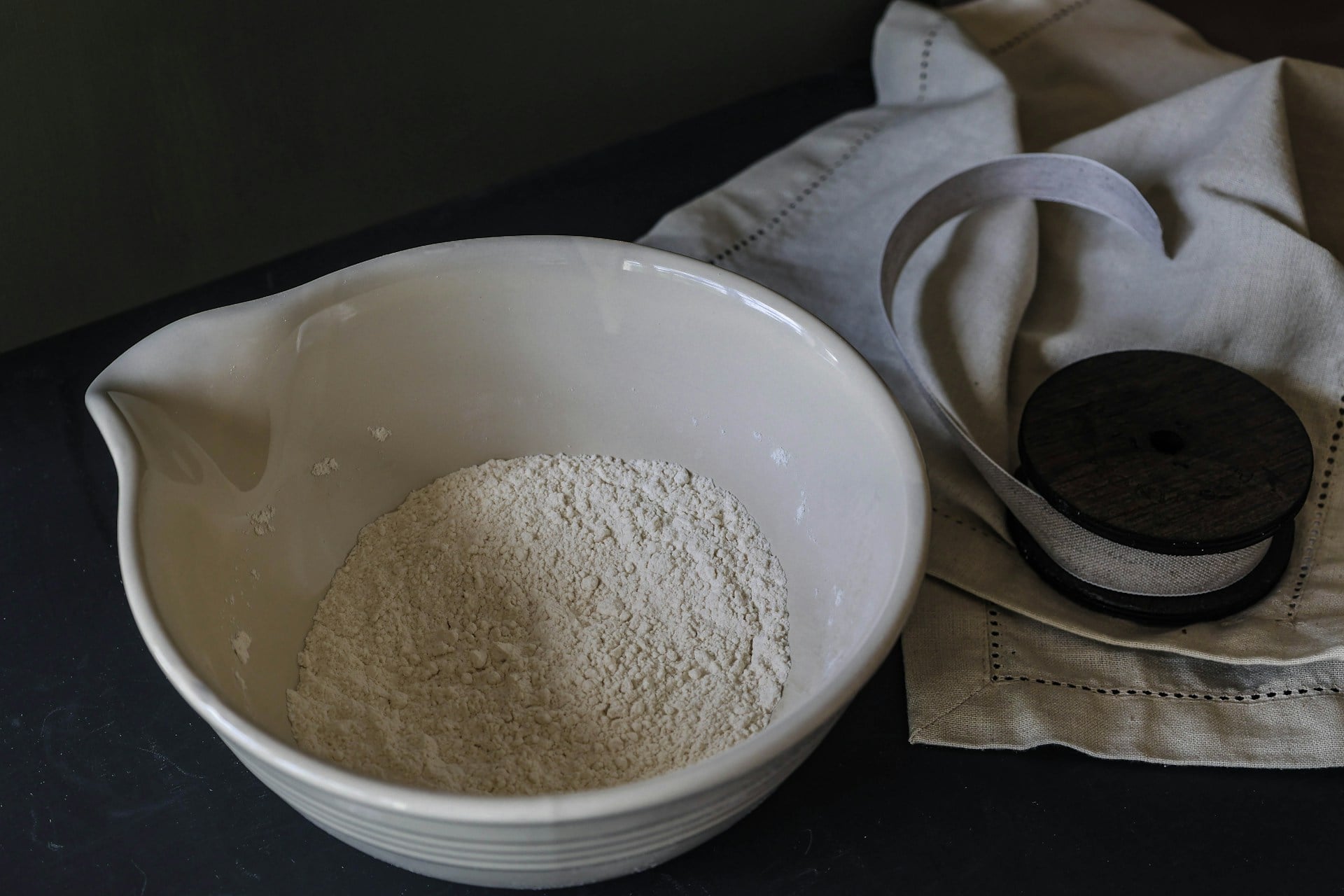
Flour isn’t just all-purpose wheat flour anymore. Pantries now stock almond flour, oat flour, and pre-mixed gluten-free blends. This shift came from more awareness of celiac disease and gluten sensitivity, plus a curiosity about alternative baking. These flours offer different textures and nutrients, and reliable store-bought blends have made gluten-free baking way less intimidating for the average home cook.
Superfood Powders: The Wellness Boost
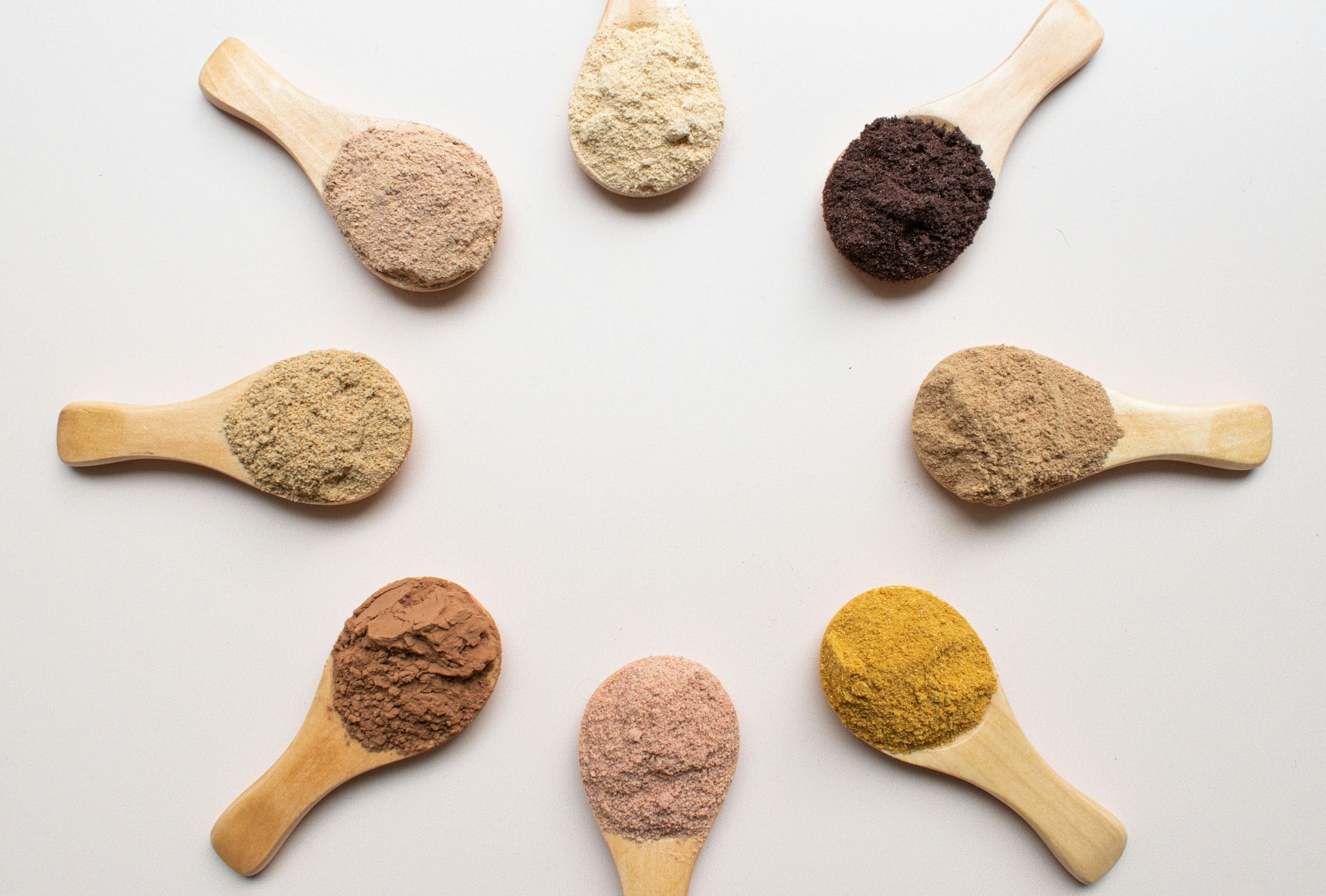
Matcha, turmeric, spirulina—these vibrant powders are the poster children of modern “functional” eating. Once confined to specialty stores or ancient traditions, they’re now stirred into smoothies, lattes, and even baked goods. They’re a concentrated hit of flavor, color, and supposed health benefits, reflecting how wellness trends have landed right in our kitchen cabinets.
Canned Coconut Milk: The Dairy-Free Dream Cream
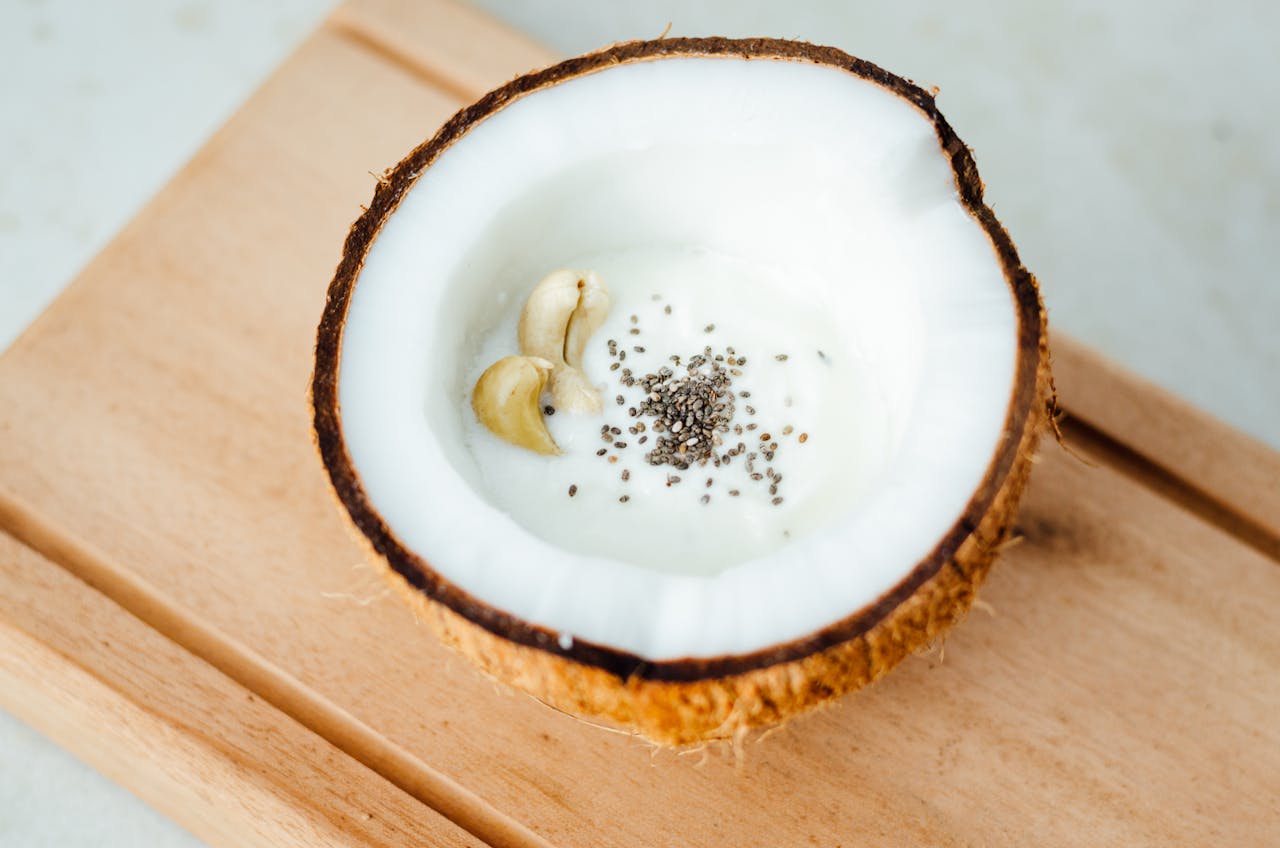
Coconut milk is the secret to rich, creamy curries, soups, and desserts without a drop of dairy. While it was once a specialty item, the boom in Thai, Indian, and vegan cooking made it a must-have. Its shelf-stable convenience means you can whip up a luxurious dish anytime. It opened up a whole new world of creamy, dreamy recipes for the mainstream home cook.
Chutneys & International Sauces: The Condiment Revolution
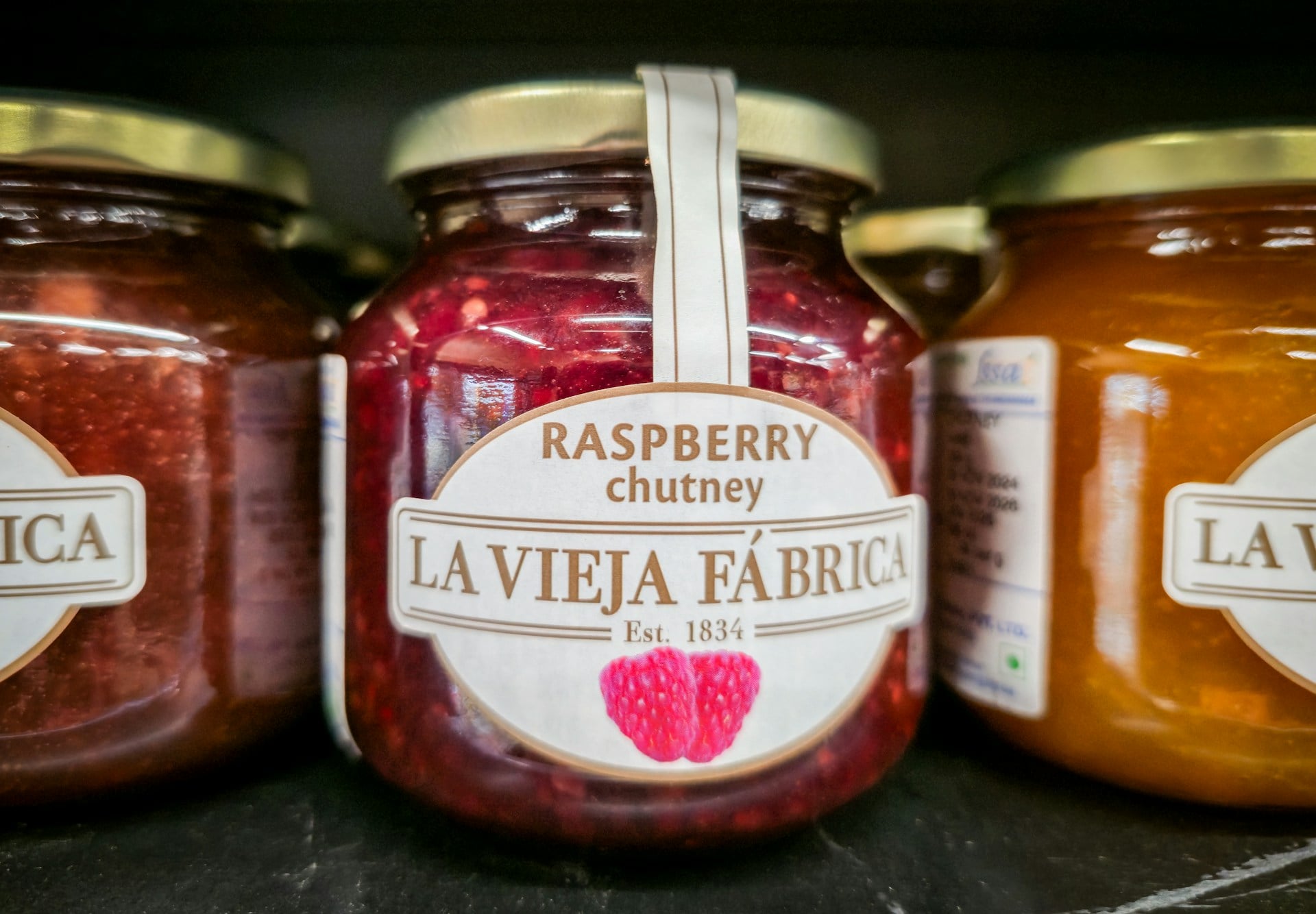
The condiment door has burst wide open. Beyond ketchup and mustard, you’ll now find mango chutney, sriracha, gochujang, and all sorts of global sauces. They’re instant upgrades for sandwiches, grilled meats, and bowls. As our taste buds got more adventurous, these flavor-packed jars became an easy way to travel the culinary world from our own kitchens.
Looking back, it’s pretty cool to see how curious and connected we’ve become. Our pantries are now tiny museums of global food trends, proof that a love for new flavors and a desire to eat well have permanently changed the way we cook at home.