Retail Trends: 8 Plant-Based Meat Brands Losing Shelf Space

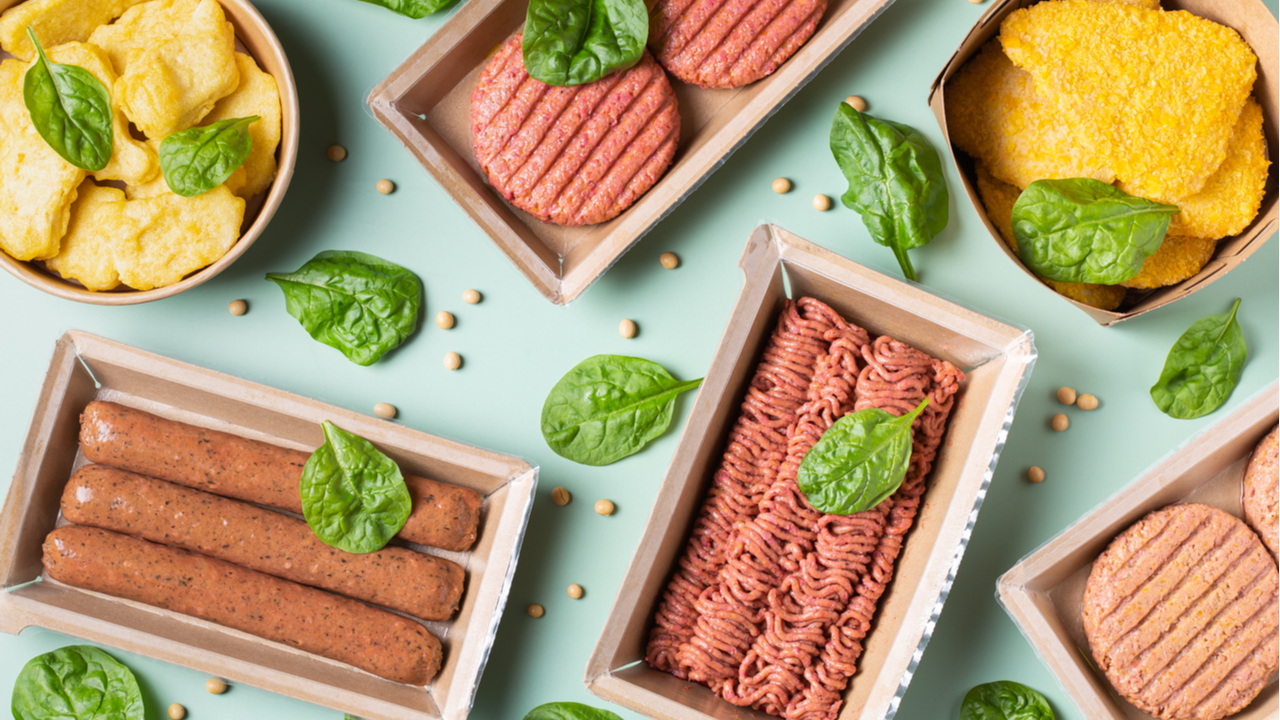
A few years ago, plant-based meat felt like it was taking over the world. Grocery stores couldn’t stock enough of it, new brands were popping up constantly, and everyone seemed convinced that this was the future of protein. The momentum was real, and it felt unstoppable.
Now? Things have cooled off. Sales have slowed, retailers are cutting back on slower-moving products, and some of those once-visible brands are shrinking their shelf presence. Price concerns, taste expectations, and questions about processing have all played a role. This isn’t the end of plant-based meat—not by a long shot. But it is a reset. The category is maturing, and only the brands that deliver real value, strong flavor, and steady demand are holding their ground. Here’s what that looks like on the shelves
Vegan Lines Scaled Back by Major Food Brands
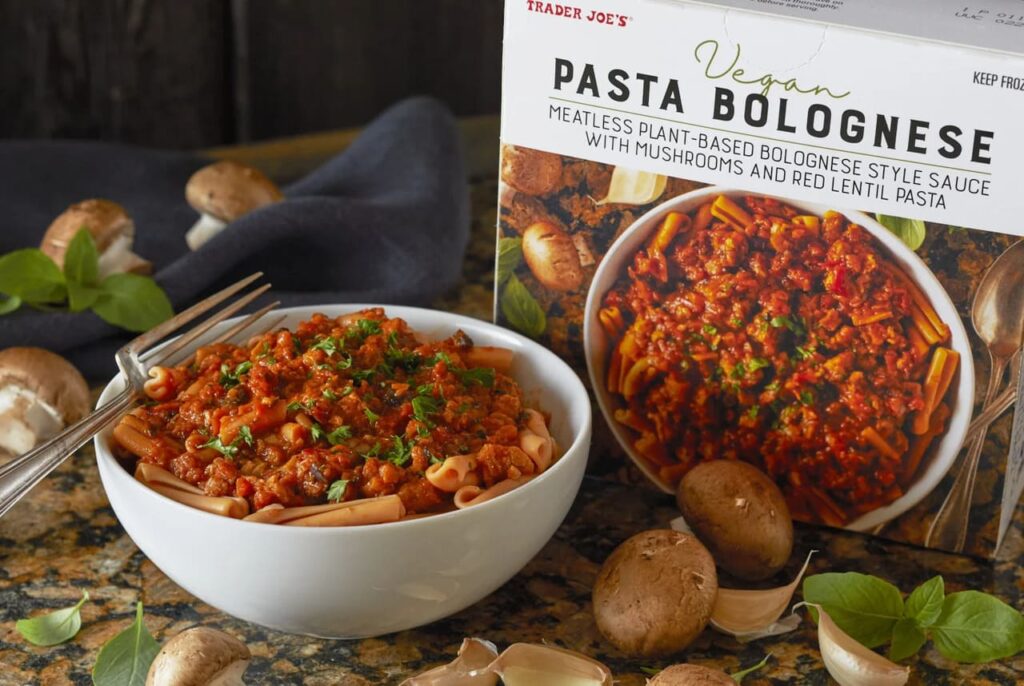
During the peak growth years, major food corporations launched all kinds of vegan subbrands. It felt like everyone wanted a piece of the action. As momentum slowed, a lot of those lines struggled to meet internal sales targets. Cost pressures, shifting consumer habits, and stronger competition from both traditional proteins and private labels forced companies to reassess. Underperforming lines got reduced or quietly withdrawn from certain markets. The plant-based aisle is more streamlined now. Expansion has shifted to consolidation. The brands that maintain a wide national presence are the ones that actually balance price, taste, and steady demand.
Yves Veggie Cuisine
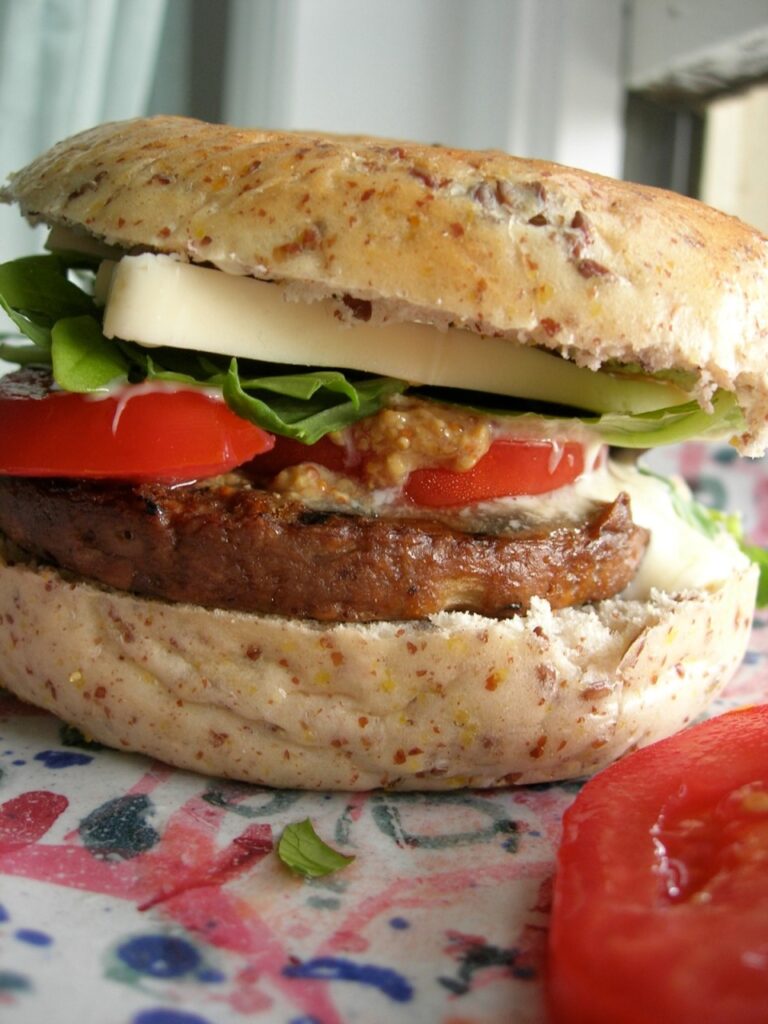
Yves has been around long enough to build real loyalty. For decades, it was the reliable plant-based option for a lot of households. But loyalty only goes so far when sales start slipping. Retailers have been pulling slower-moving products as parent companies streamline their portfolios and prioritize whatever sells best. Consumers are gravitating toward fresher or cheaper protein options, and older brands without major innovation or price adjustments are struggling to compete. Long-time fans are finding it harder to track down their favorites. It’s a reminder that heritage alone doesn’t guarantee shelf space when buying habits shift.
Meatless Farm
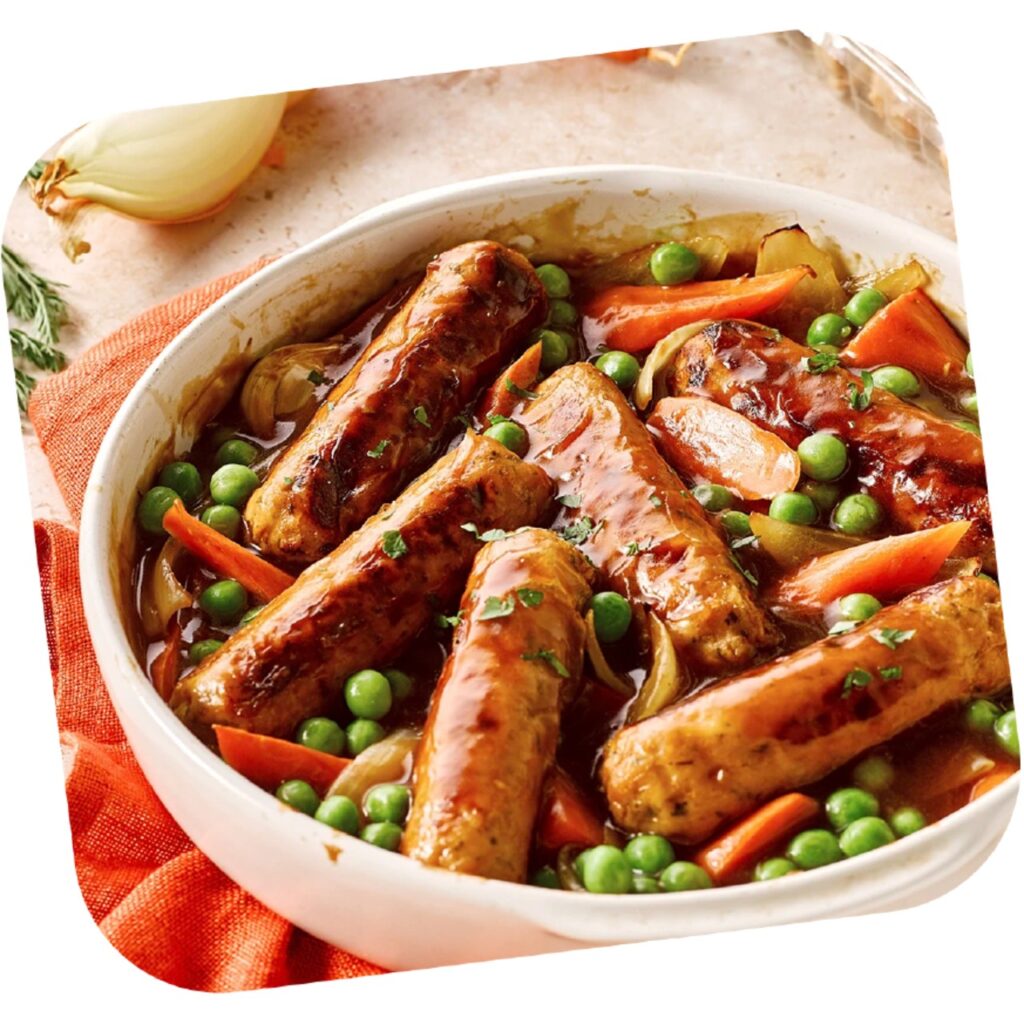
Meatless Farm grew fast by promising familiar taste and simpler ingredients. But growth isn’t the same as stability. Restructuring and ownership changes have narrowed its retail presence in some regions. Parent companies are refocusing on core, profitable operations, and products that don’t deliver consistent sales velocity are getting cut. Retail buyers are watching margins closely. Heavy promotions or frequent reformulations don’t help. For shoppers, that means fewer visible options from a brand that once seemed poised for big things.
The Vegetarian Butcher
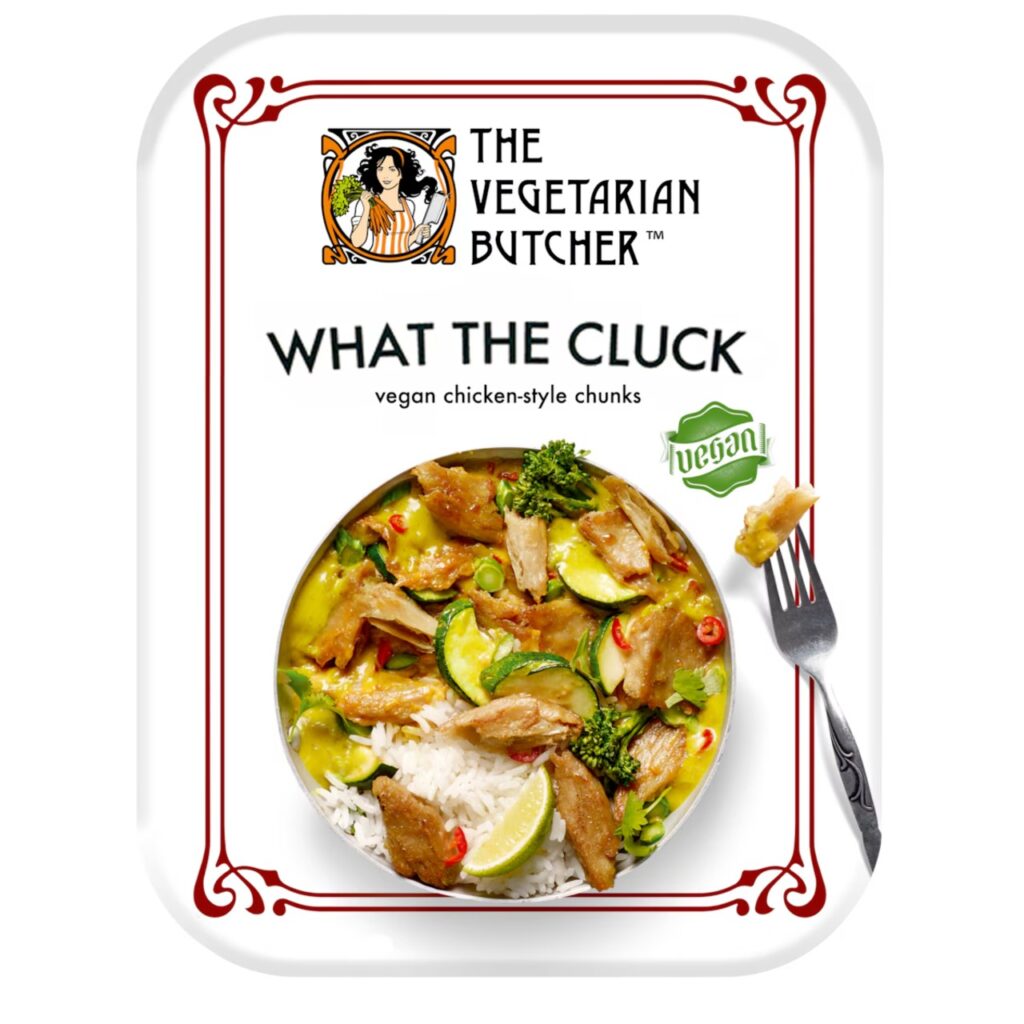
The Vegetarian Butcher came in with big ambitions, but the slowdown in demand for processed plant proteins triggered some strategic shifts at the corporate level. When ownership changes loom, retailers tend to pull back, reducing orders until the future direction becomes clear. Large food companies are trimming portfolios across the board, concentrating on categories that actually deliver steady growth. The result has been a reduced shelf presence in certain markets. It’s not a failure—it’s a recalibration. The question is how the brand repositions itself from here.
Garden Gourmet
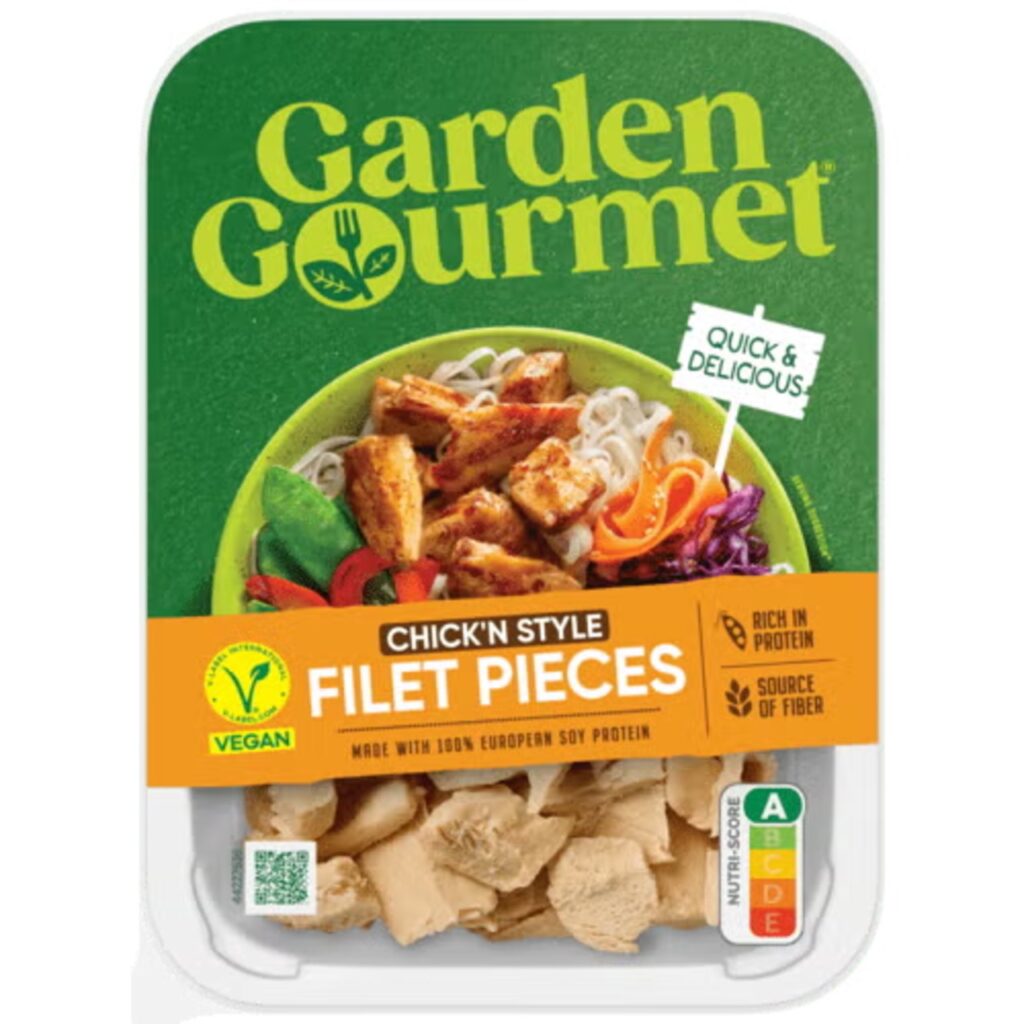
Garden Gourmet helped bring plant-based meat into mainstream grocery aisles. But slower category growth means parent companies are now cutting underperforming products that don’t meet sales targets. Innovation alone doesn’t secure space if consumer demand softens. Companies are weighing marketing costs, production efficiency, and long-term viability more carefully than they did during the early expansion phase. For shoppers, that translates into a leaner assortment. The products that stick around are the ones that balance price, taste, and consistent turnover.
VBites

VBites once represented the bold ambition of early plant-based expansion. But recent struggles show how vulnerable rapid growth can be. Rising ingredient costs, energy expenses, and operational strain pushed the company into financial trouble, disrupting supply and distribution. Retailers depend on steady inventory. When uncertainty hits, products get delisted fast. Even a loyal customer base can’t protect a brand that can’t reliably stock shelves. Restructuring might bring things back, but rebuilding retailer trust takes time. In a competitive environment, regaining broad presence is a slow process.
Plant-Based Burgers and Nuggets by Various Labels
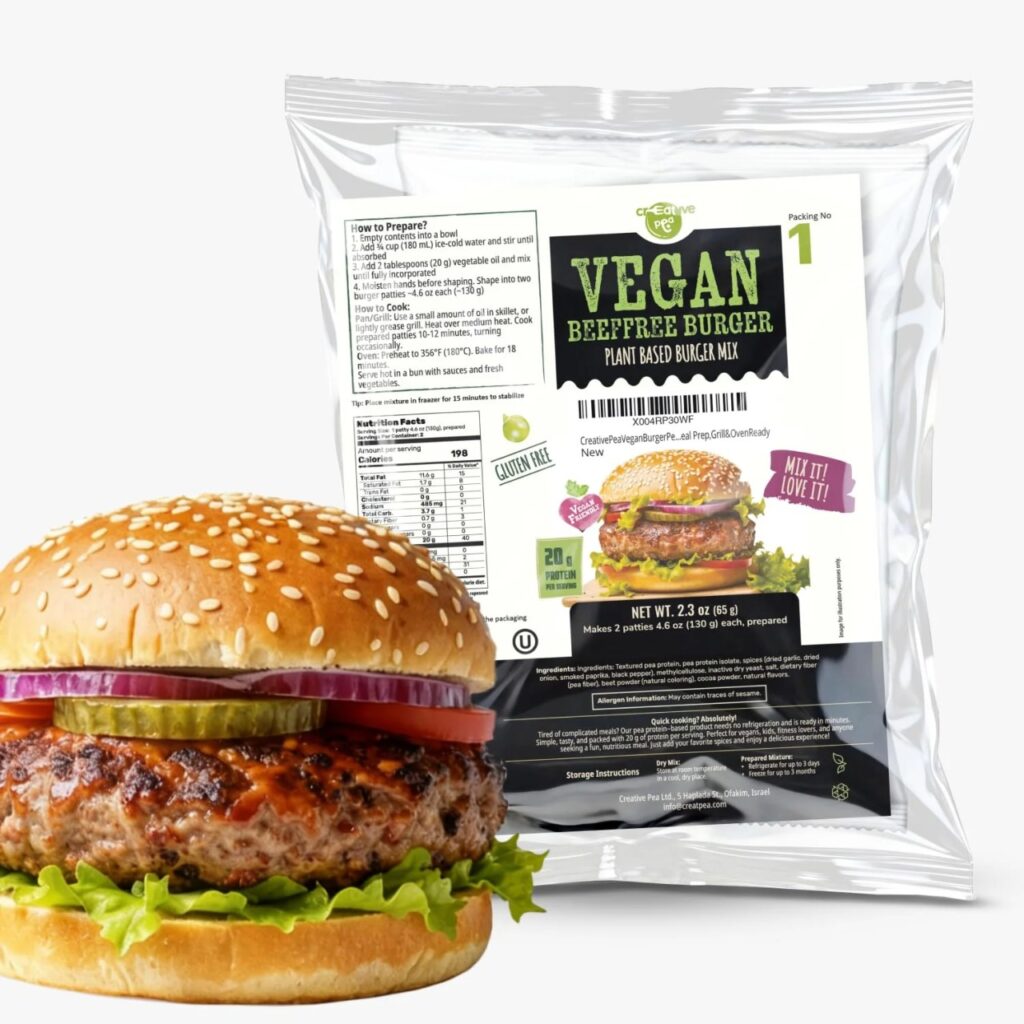
For a while, plant-based burgers and nuggets were everywhere. Retailers rushed to stock them, chasing what looked like endless demand. Then sales cooled, and the crowded refrigerated section started thinning out. Secondary brands, the ones that relied on novelty rather than consistent performance, began losing visibility. Retailers measure turnover closely. Products that need heavy discounts to move or deliver slow sales get cut. Higher prices than conventional meat and mixed opinions about taste haven’t helped. What’s left is a tighter assortment focused on proven sellers with steady margins.
Beyond Meat
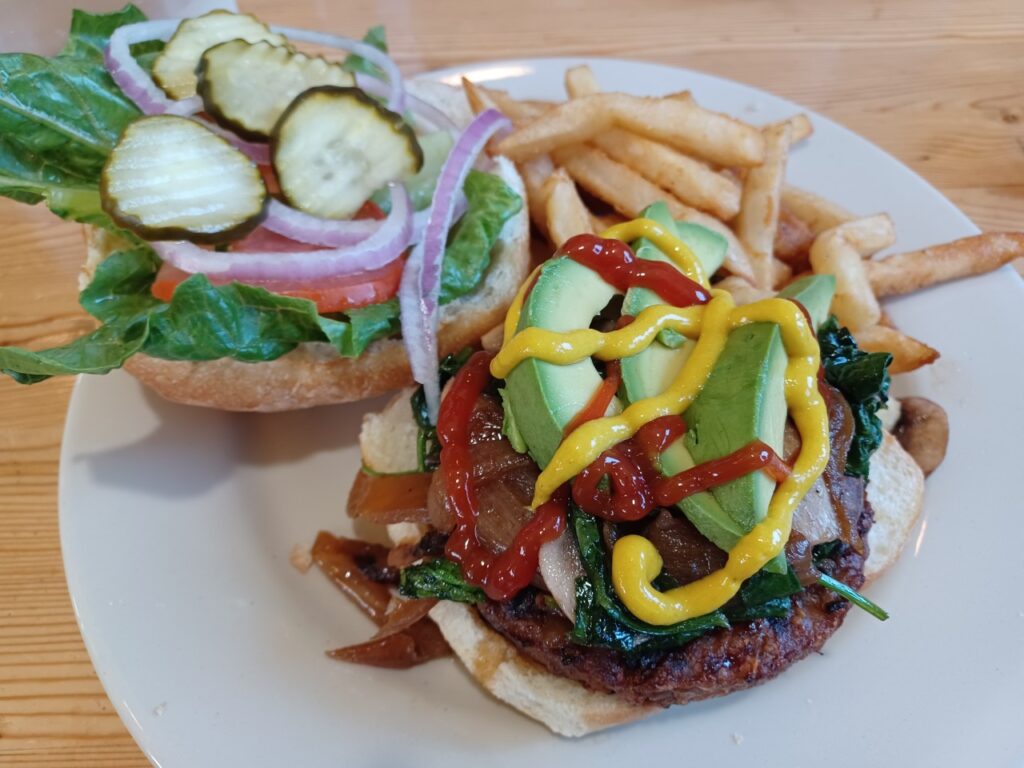
Beyond Meat was the face of the plant-based revolution, the brand that made burgers bleed beet juice and convinced meat-eaters to give alternatives a shot. But lately, the momentum has shifted. Slowing demand means retailers are ordering less, and shelf space has tightened. Price-sensitive shoppers are comparing options more carefully, and perceptions about processing are influencing decisions. The company has made adjustments—cutting costs, tweaking prices—but overall sales volume remains under pressure. Promotions have scaled back as the focus shifts to financial stability. The result? A narrower retail footprint, with the brand concentrating on core partnerships while figuring out how to regain steady footing.