How to Make Perfectly Crispy Fries with Simple Kitchen Tricks

Soggy fries are a disappointment every cook knows. You put in the effort, but somehow they come out limp, pale, and nothing like the restaurant version. The good news is crispiness isn’t luck. It’s technique. A few simple adjustments can transform your potatoes into golden, crunchy perfection. Here’s how to get fries worth making again and again.
Salt at the Right Time
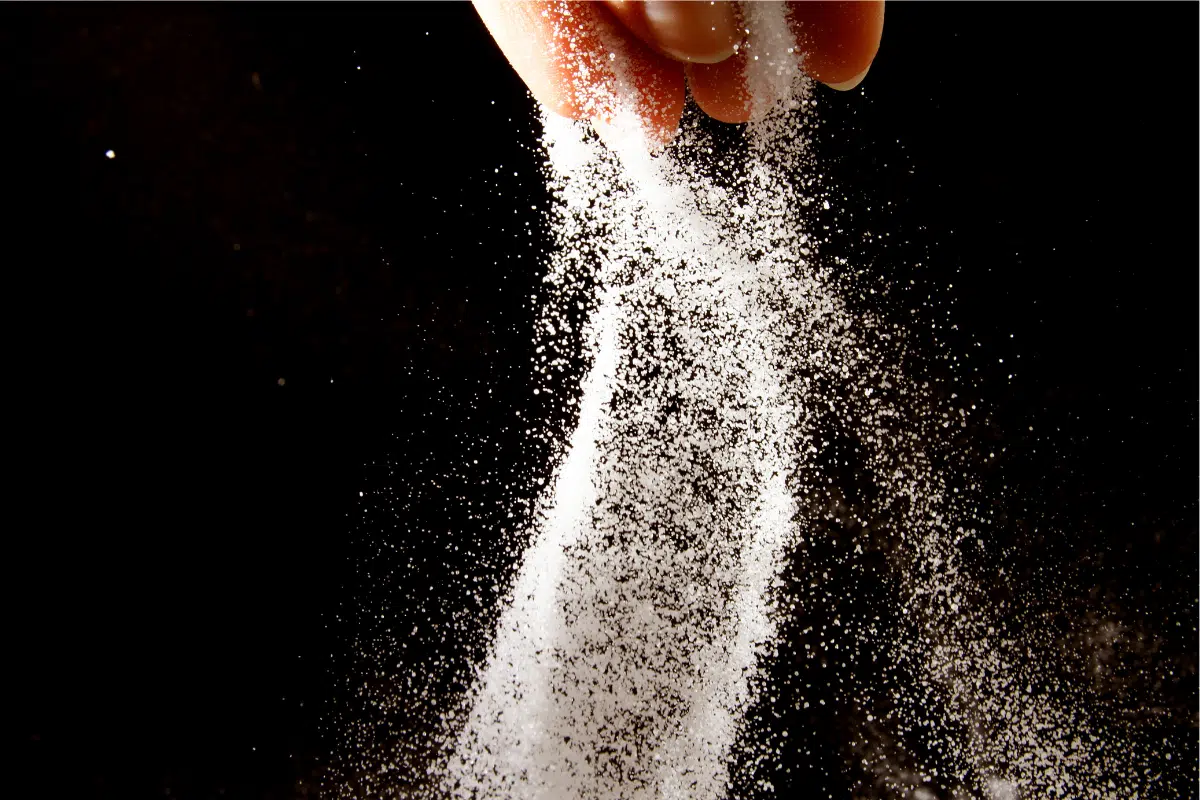
For deep-fried fries, salt them immediately after they come out of the oil. That’s when the salt sticks best. For baked fries, a light pre-seasoning plus a final sprinkle after baking works well. Adding salt too early can draw out moisture. Timing your seasoning helps preserve that hard-earned crunch.
Soak the Potatoes First
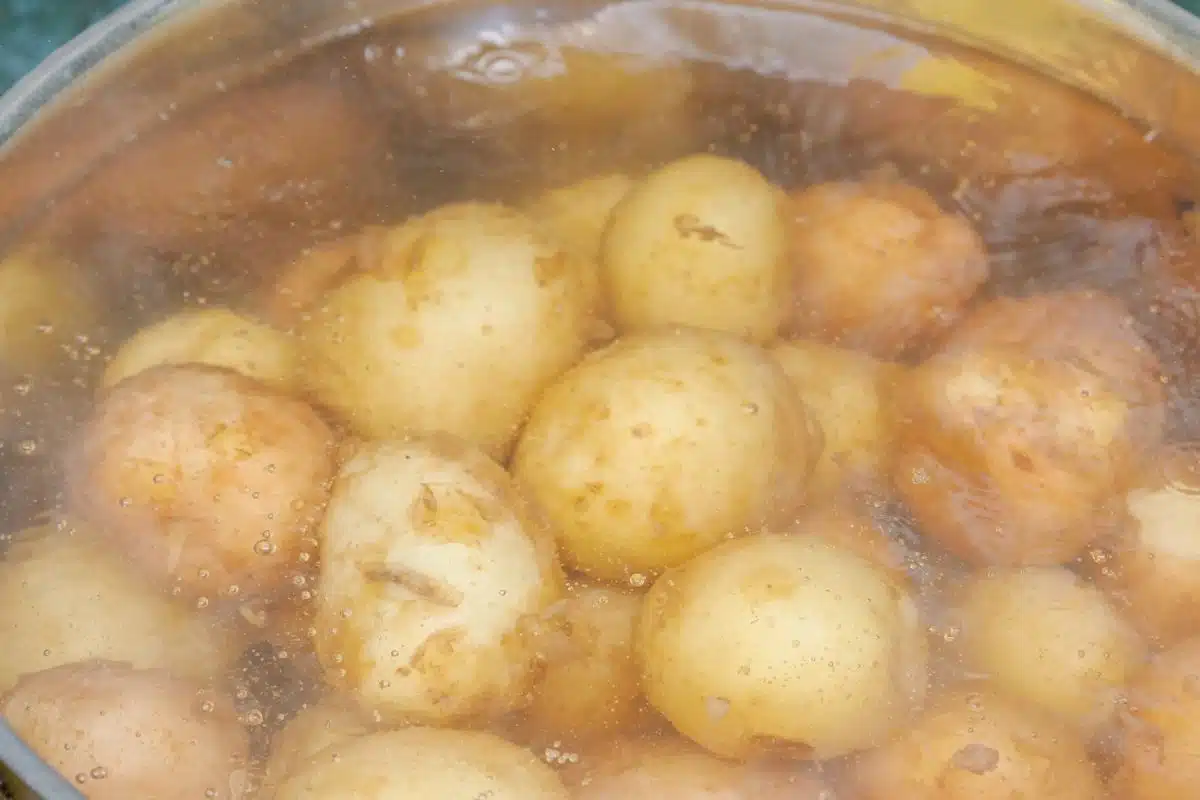
After cutting your fries, drop them into a bowl of cold water and let them soak for at least 30 minutes. This step removes excess surface starch, which is the enemy of crispiness. The less starch on the outside, the better the crunch. Just make sure to dry them thoroughly before cooking. Water and hot oil don’t mix.
Dry Them Completely
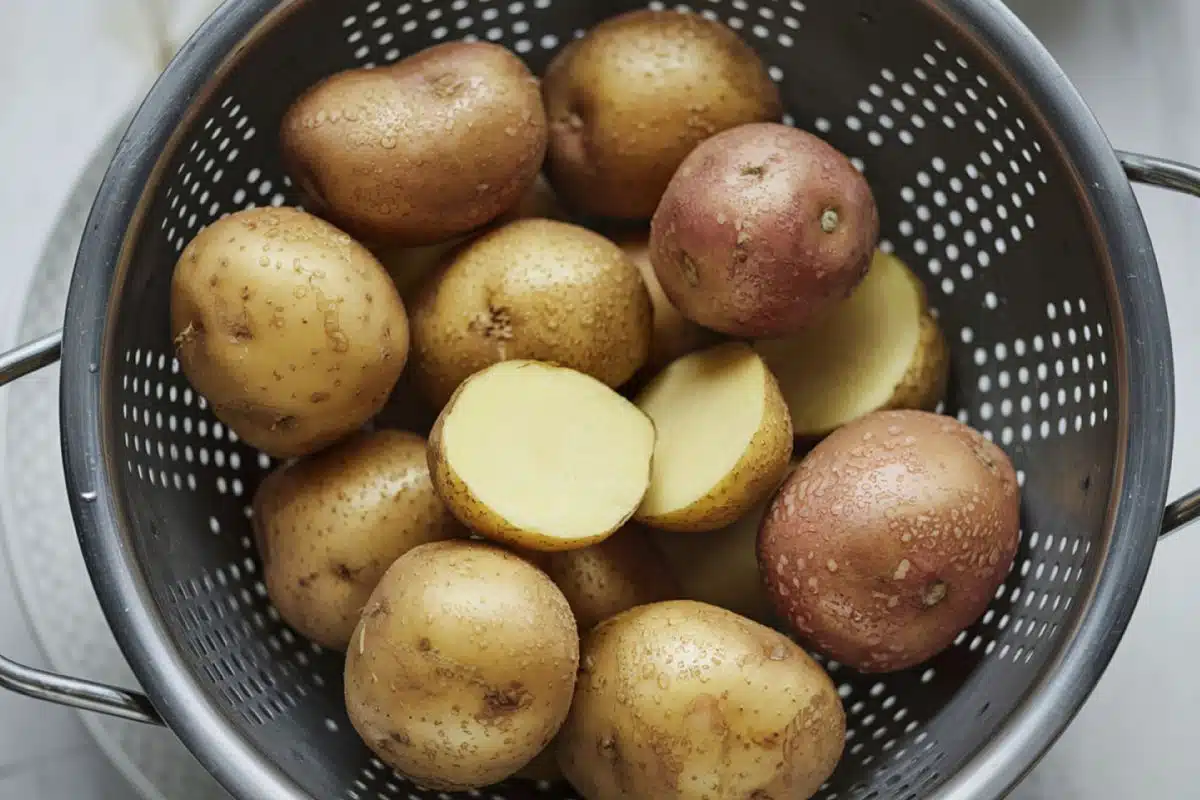
Water is the enemy of crispiness. After soaking, pat the fries completely dry with a clean kitchen towel. Even a little moisture can cause steaming instead of browning. The drier the surface, the crispier the result. Take your time here. It matters.
Cut Them Evenly
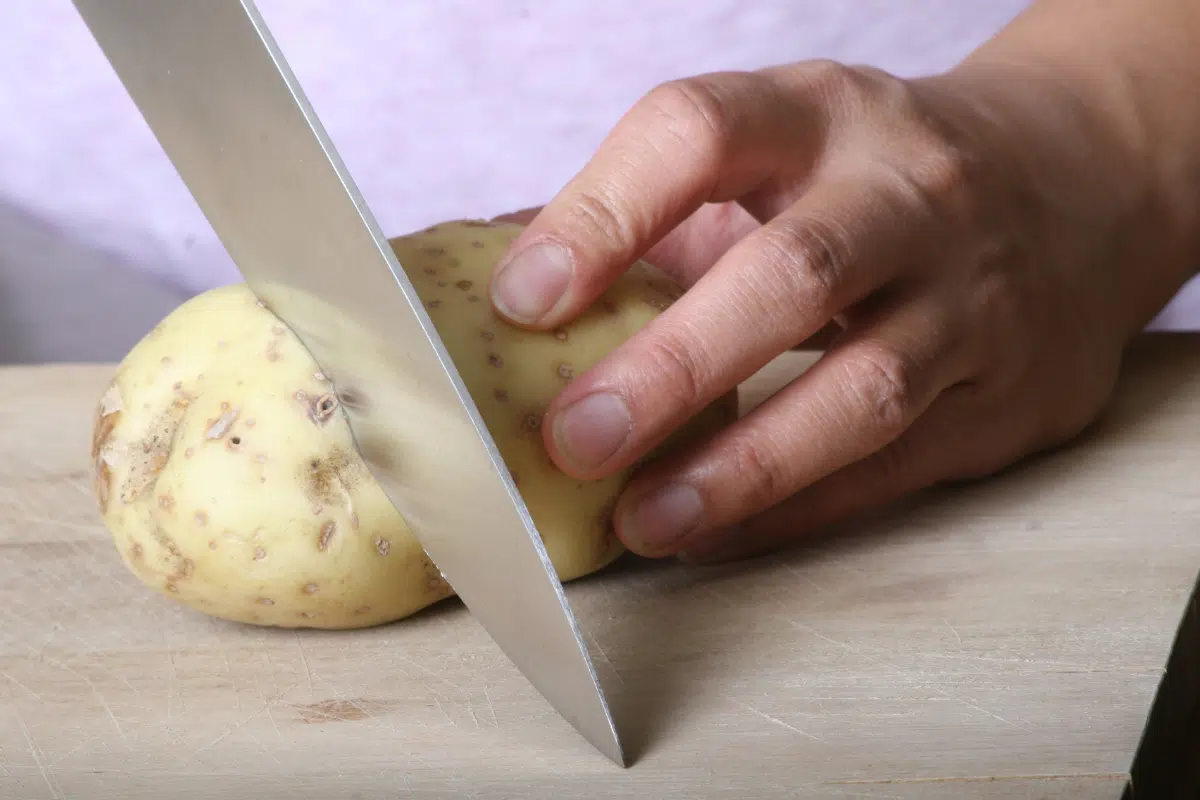
Uniform size isn’t just about looks. If some fries are thick and others thin, they’ll cook unevenly, leaving you with a mix of burnt and limp pieces. Aim for consistent thickness so everything finishes at the same time. A sharp knife or a fry cutter makes this easier. Your patience will be rewarded.
Use High-Starch Potatoes
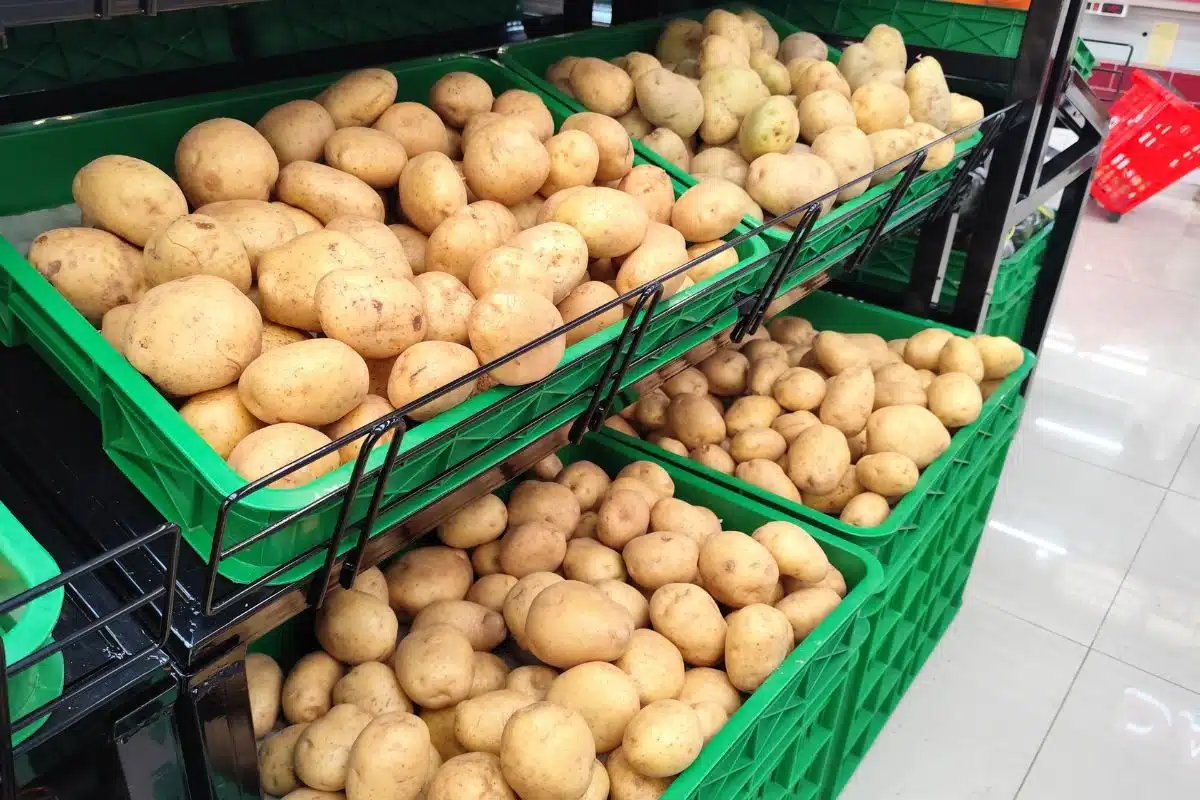
Not all potatoes are created equal. High-starch varieties like russets are the gold standard for fries. They create a fluffy interior and a crisp exterior. Waxy potatoes, like reds or Yukon golds, stay dense and don’t crisp as well. Choosing the right potato is half the battle.
Flip Halfway Through Cooking
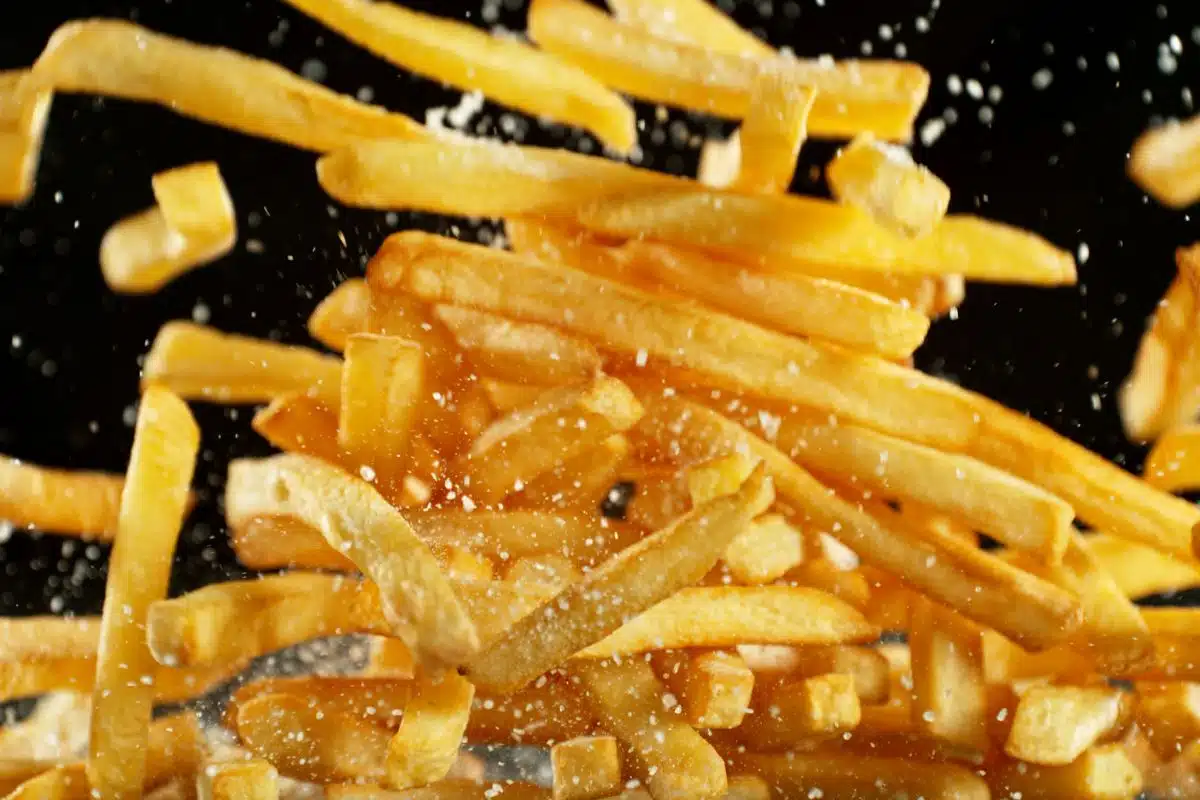
Fries need exposure on all sides to crisp evenly. Turn them once during baking or air frying to ensure both sides brown properly. Skipping this step often leaves one side pale and soft. A quick flip makes a noticeable difference.
Don’t Crowd the Pan
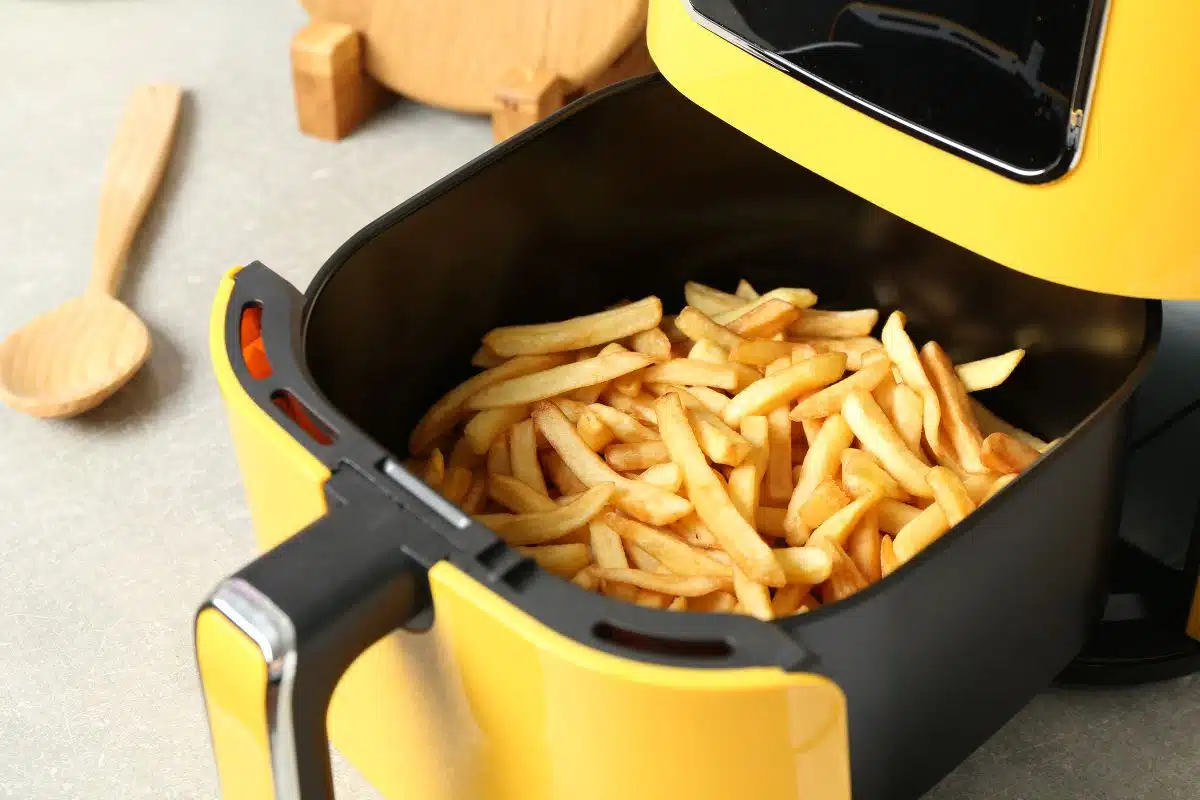
Whether you’re baking, air frying, or deep frying, space is key. Overcrowding traps steam and prevents browning. Arrange fries in a single layer with space between them. If you have to cook in batches, do it. That extra few minutes is worth the texture.
Try the Double-Cook Method
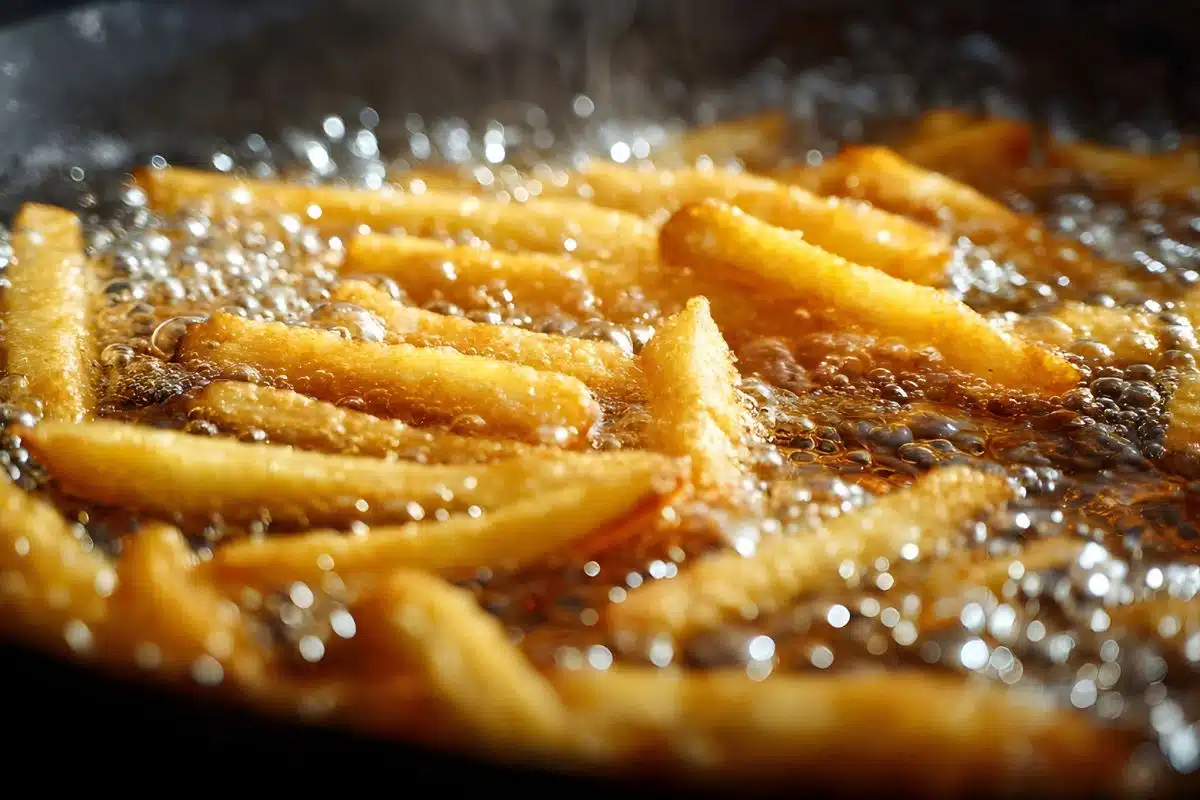
Restaurants often fry potatoes twice for maximum crunch. The first cook, at a lower temperature, softens the interior. The second cook, at higher heat, crisps the outside. This method works beautifully for deep frying and even for oven fries with a two-stage bake. It takes a little more time, but the results speak for themselves.
Add a Light Coating of Cornstarch
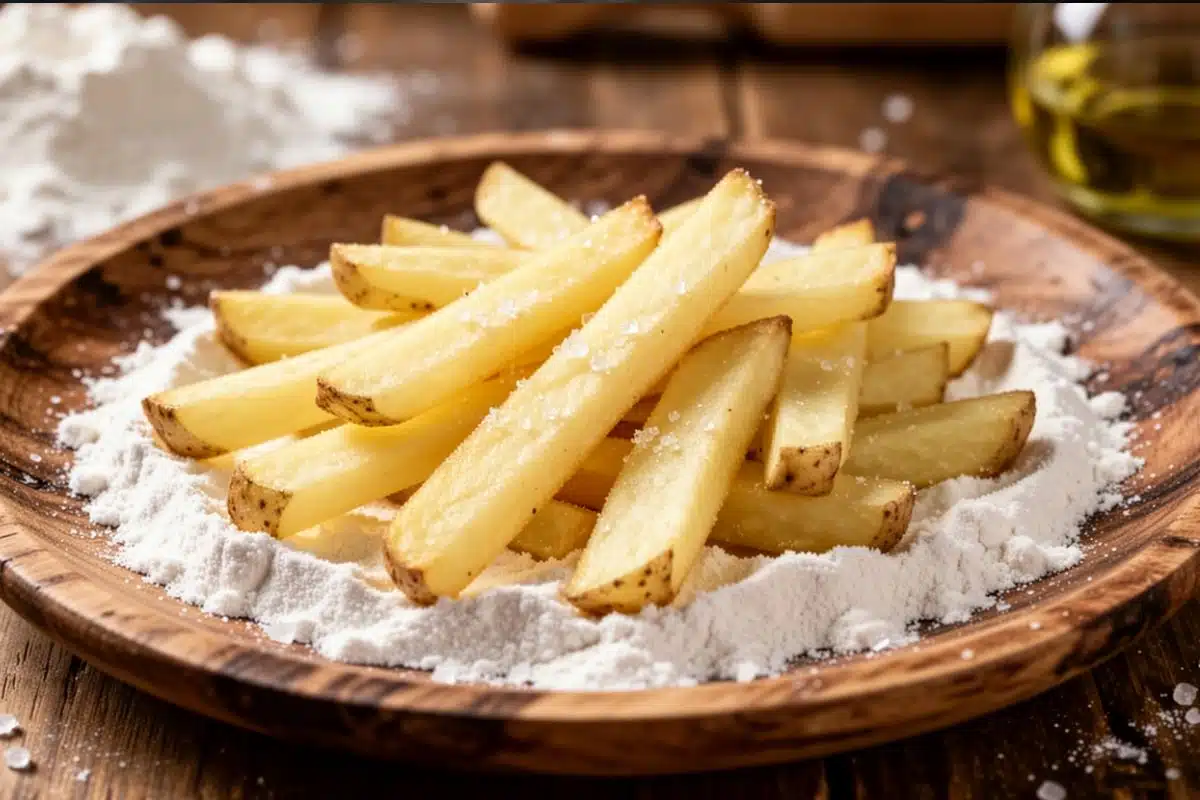
A thin dusting of cornstarch before cooking can boost crispiness significantly. It absorbs surface moisture and creates a delicate, crunchy crust. Toss the fries lightly, you don’t need much. This trick works especially well for oven-baked fries.
Preheat the Pan or Oil
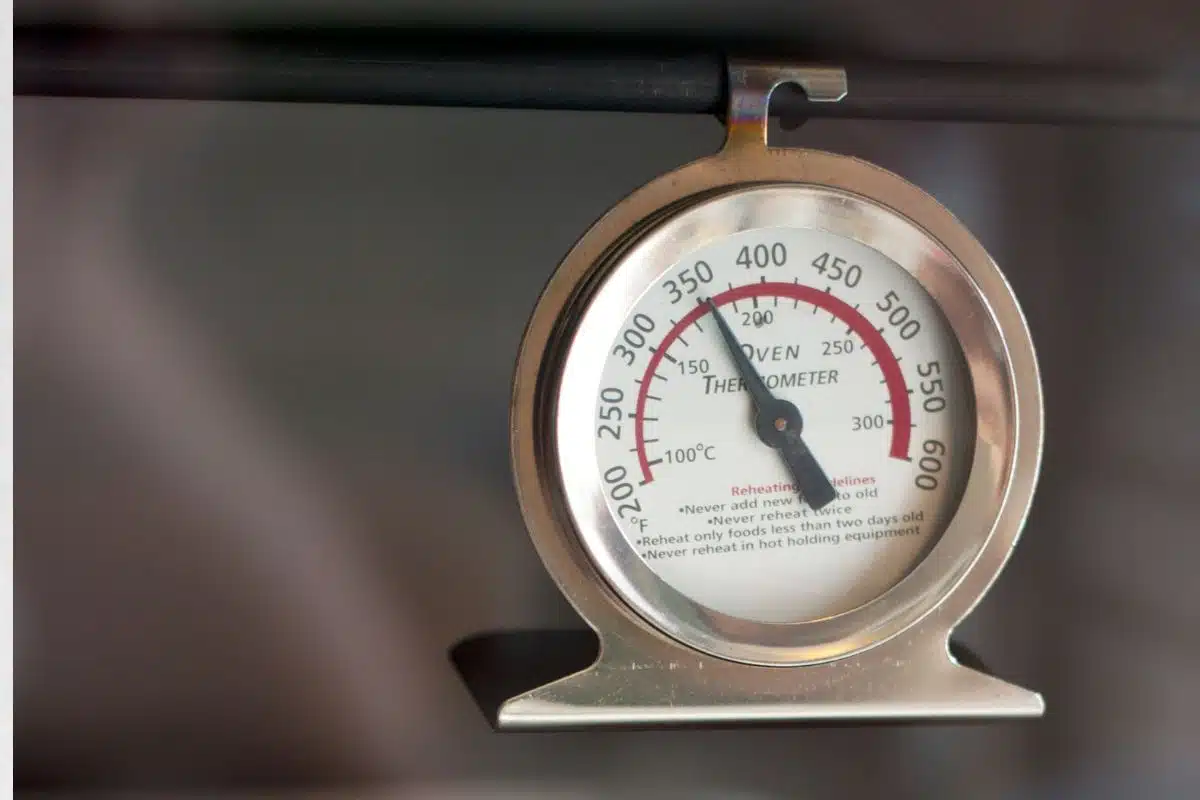
Starting with hot oil or a preheated baking sheet jumpstarts browning. Cold surfaces lead to sticking and uneven texture. If you’re baking, place your sheet pan in the oven while it preheats. That sizzle when the fries hit the pan is exactly what you want.
These tricks aren’t complicated. They’re small adjustments that add up to something big. Next time you make fries, take a little extra care. Your taste buds will thank you.