The Most Overpriced Products to Avoid at Whole Foods

Shopping at Whole Foods Market can feel like you’re making a smart, healthy choice—and sometimes you are. But not everything in the store is worth that higher price tag.
Some items truly deliver on quality and sourcing. Others? You’re mostly paying for convenience, branding, or location. If you’re trying to keep your grocery bill in check, these are the items that shoppers and budget-conscious pros tend to skip.
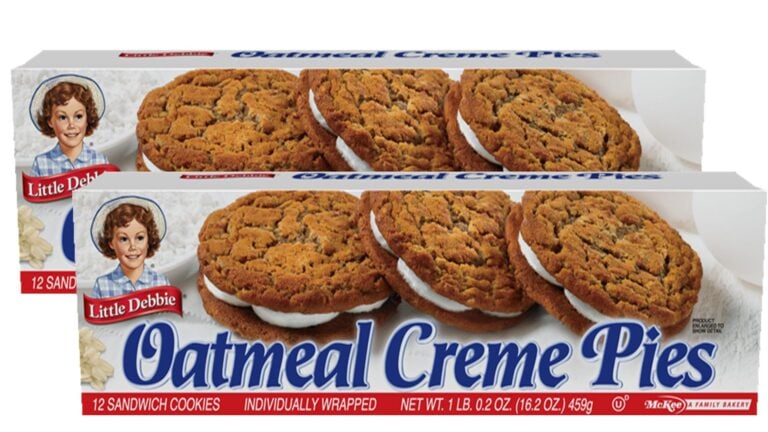
Organic Packaged Sweets and Treats

Organic cookies, chips, and desserts can be tempting—but they’re often priced at a premium.
You can usually find similar “better-for-you” options at other stores for less. These are one of the easiest places to overspend without noticing.
Single-Serve Snack Packs

Individually packaged snacks add up fast.
Nuts, trail mix, and snack boxes cost significantly more per ounce than buying a full bag. Portioning them yourself at home is an easy way to cut costs without changing what you eat.
Gourmet Cheese Cuts
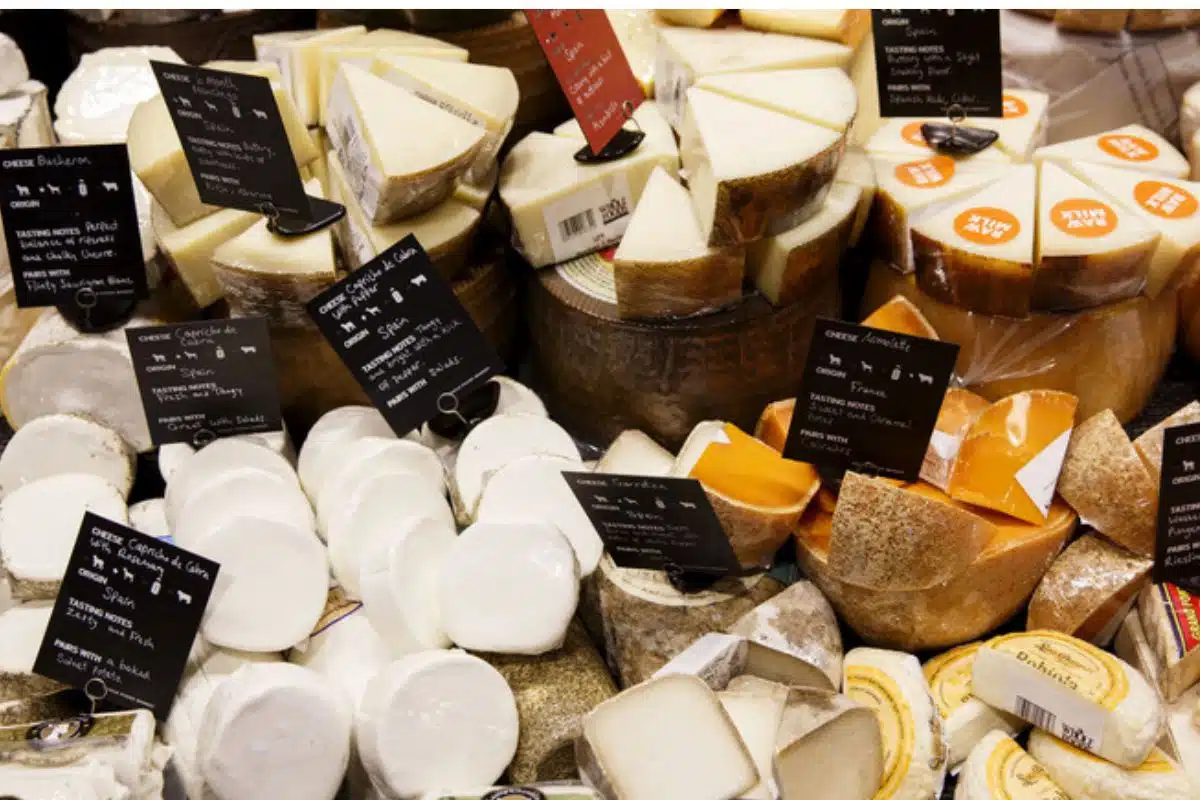
Pre-cut specialty cheeses tend to cost more per pound.
If you want the same quality for less, ask the counter for a smaller custom cut instead of grabbing a pre-packaged piece.
Prepared Hot Bar Meals
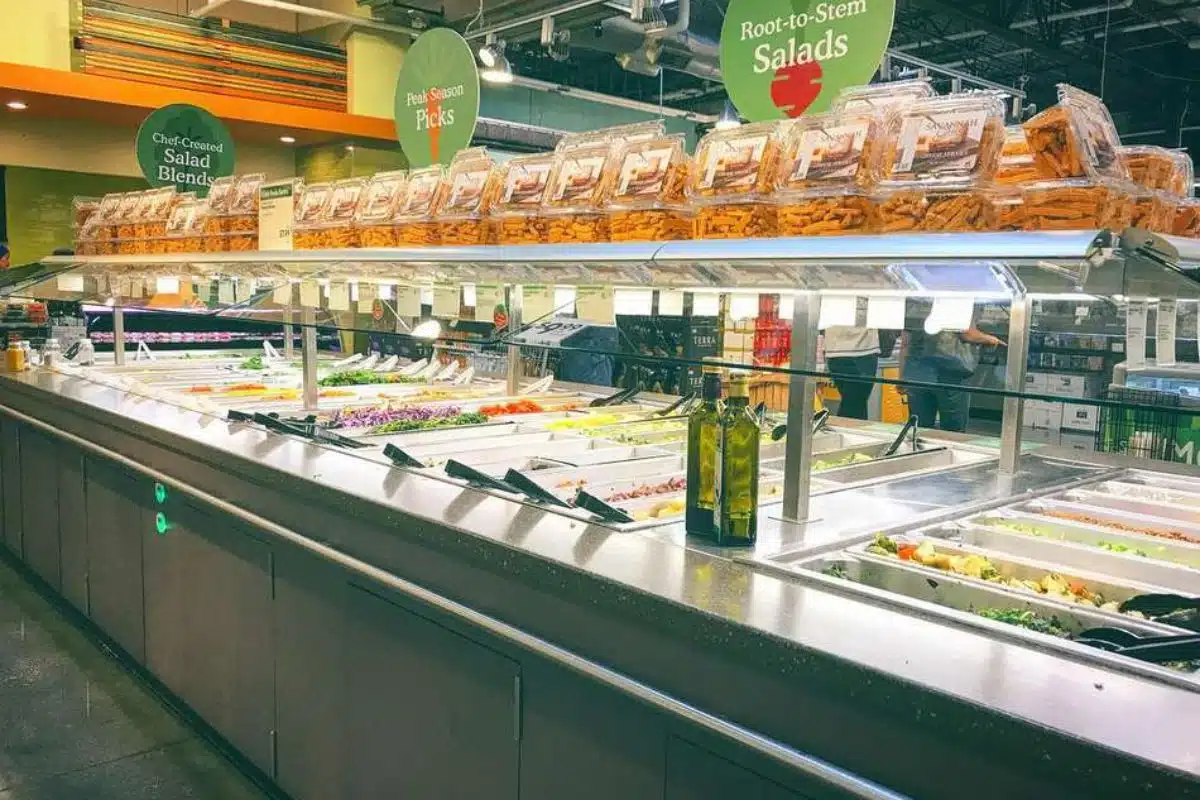
The hot bar is where budgets go to disappear.
Since everything is priced by weight, it’s easy to overspend without realizing it—especially with heavier items. A single container can cost more than a full restaurant meal.
Bottled Smoothies and Fresh Juices
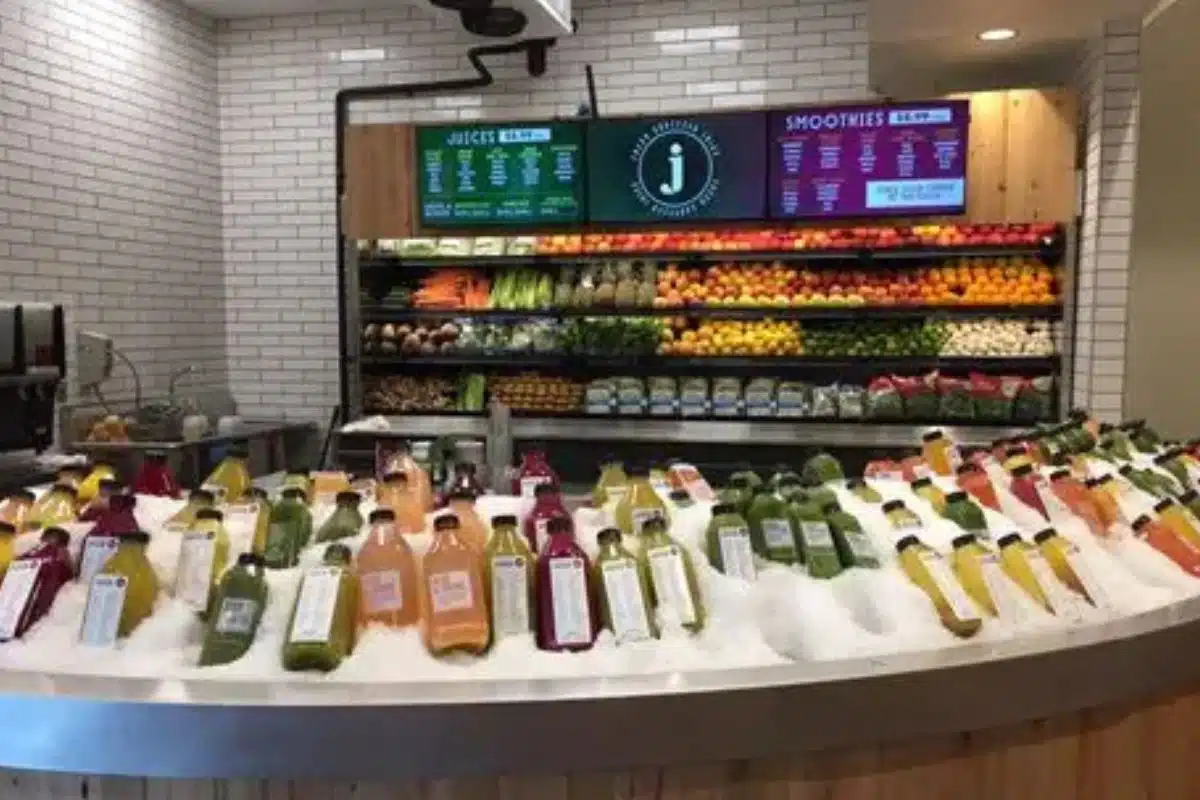
Cold-pressed juices and bottled smoothies look healthy… and they are—but they’re also expensive.
Making your own at home costs a fraction of the price and gives you more control over ingredients.
Name-Brand Pantry Staples
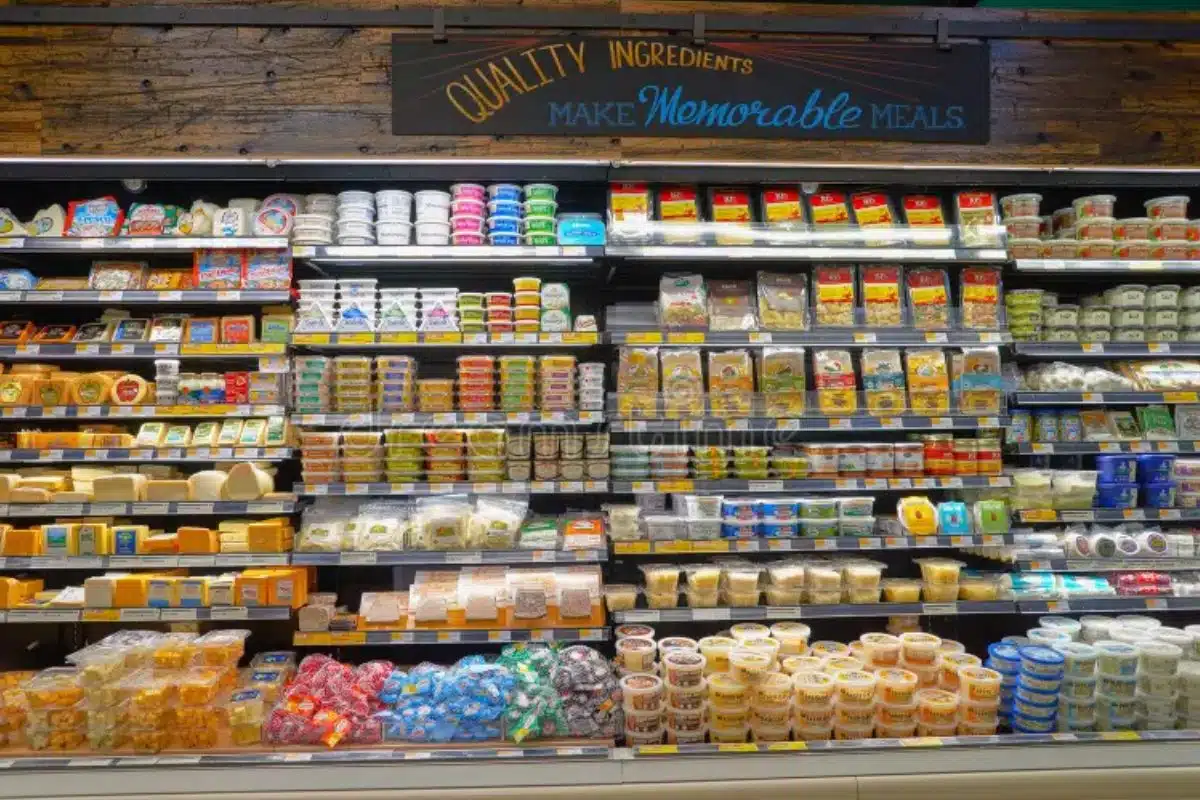
Pantry basics like cereal, pasta, and condiments are often priced higher here than at other stores.
Unless there’s a sale, you’re usually better off buying these items elsewhere. Checking the unit price can make the difference really clear.
Specialty Waters and Functional Drinks
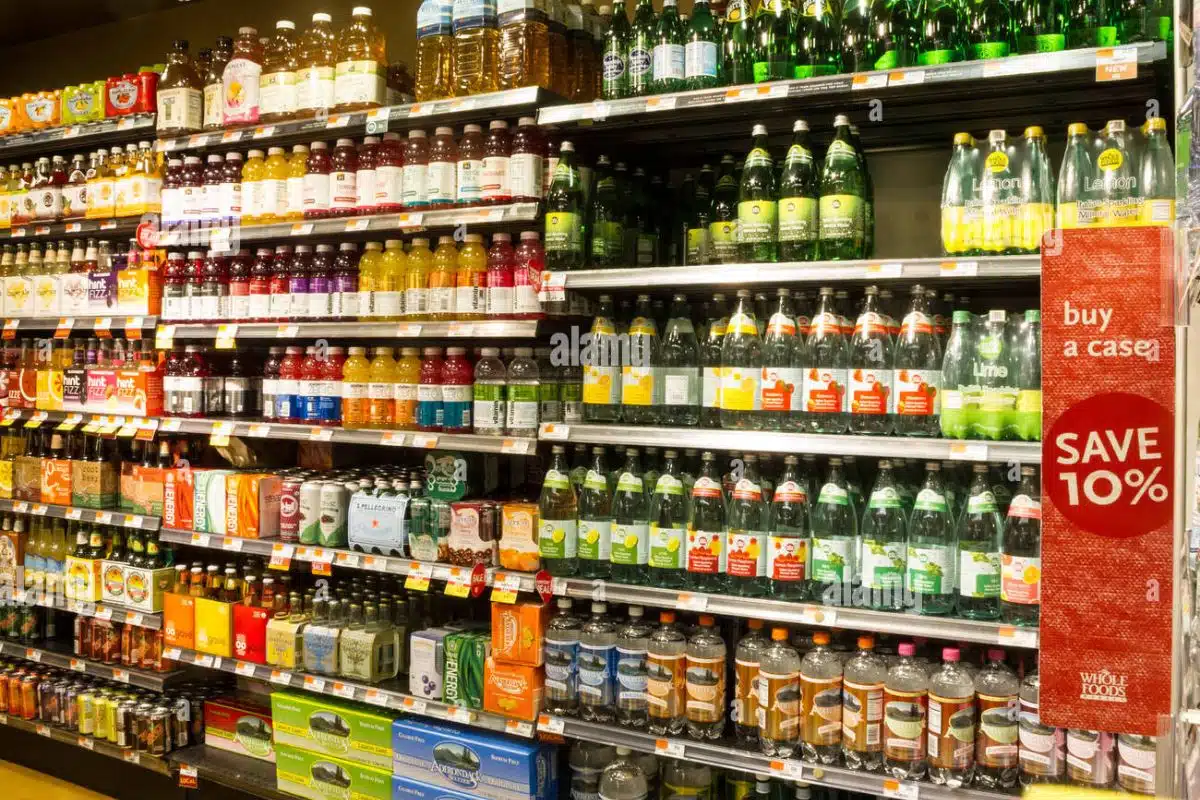
Alkaline water, electrolyte drinks, and “performance” beverages come with premium pricing.
In many cases, the benefits don’t match the cost. A reusable bottle and filtered water are the simplest (and cheapest) option.
Out-of-Season Produce
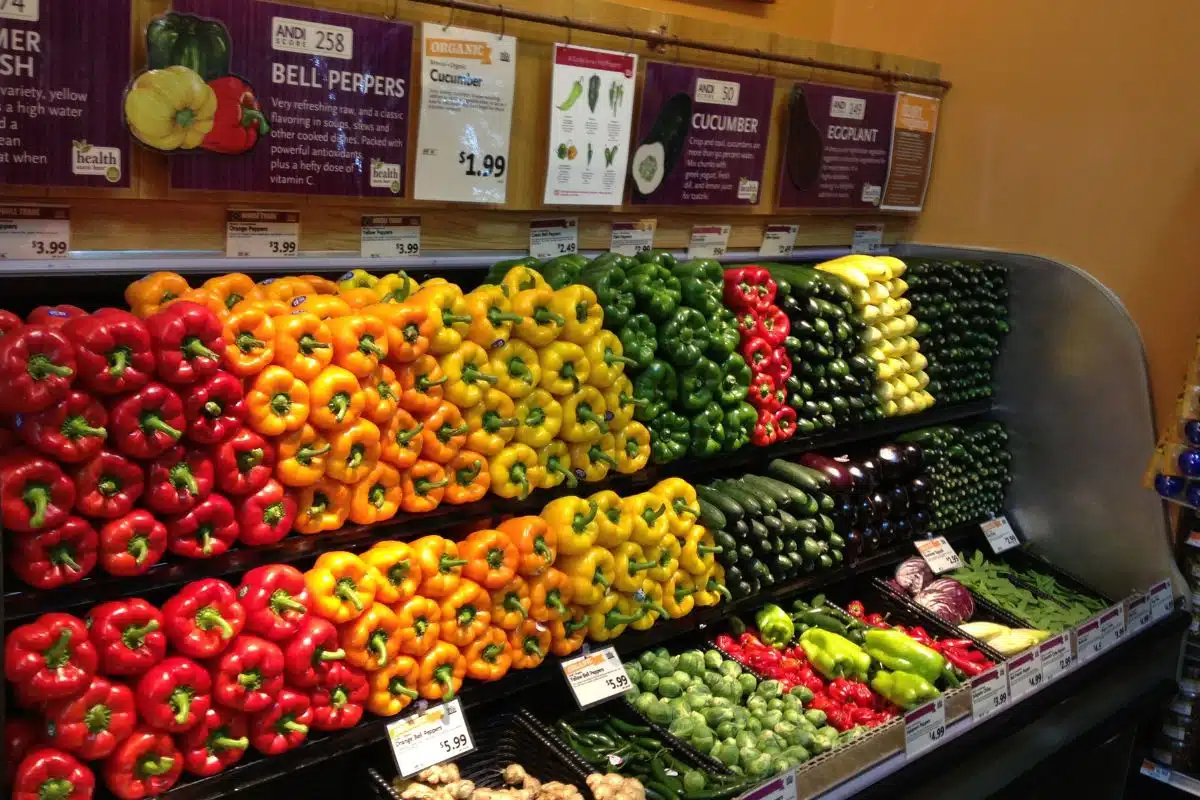
When something isn’t in season, the price jumps—sometimes a lot.
Frozen fruits and vegetables are often just as nutritious and much more budget-friendly. Shopping seasonally can make a big difference.
Pre-Cut Fruits and Vegetables
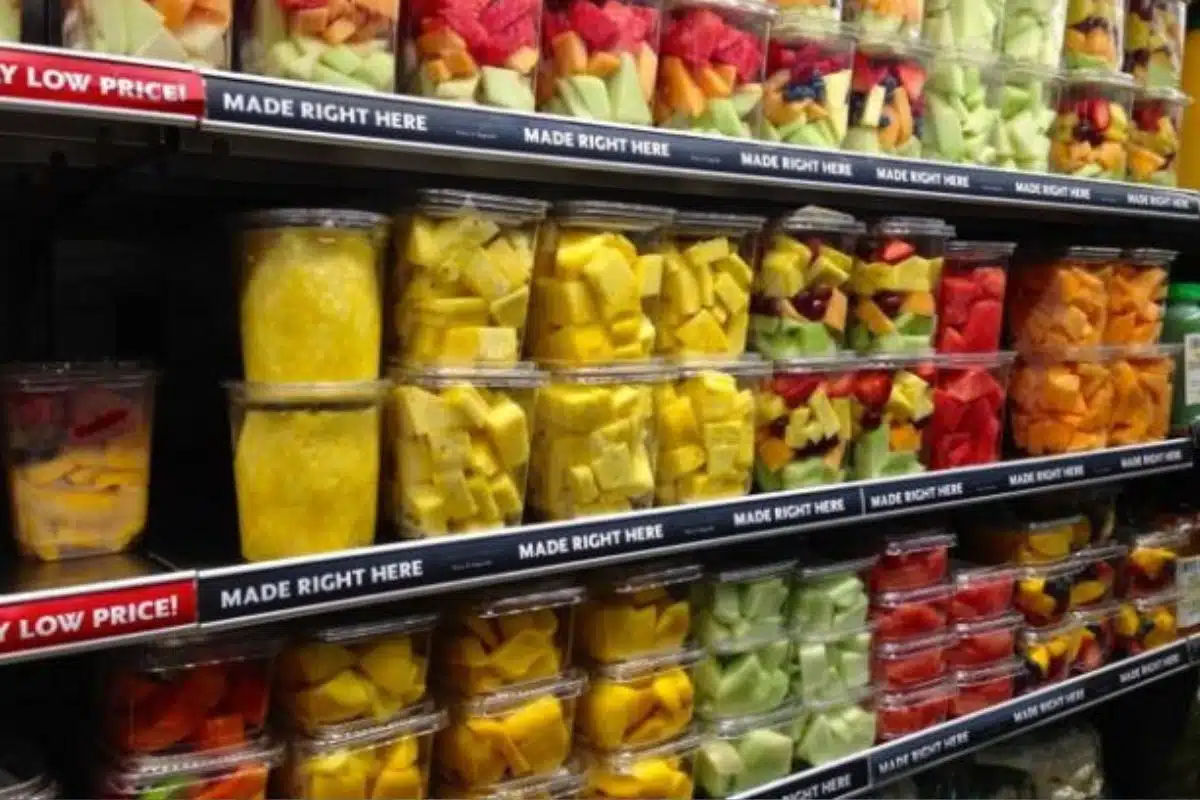
Pre-cut produce is convenient—but that convenience comes at a price.
You’ll often pay double (or more) compared to buying whole fruits and vegetables. A few minutes of prep at home can save you a noticeable amount every trip.