Affordable Dining: McDonald’s Launches New $3 Menu Options

Fast food was never meant to feel like a luxury. It was built on speed, convenience, and affordability. But somewhere between the 2020 pandemic and 2025, that equation started to shift. More and more people found themselves sitting in the drive-through line, doing the math in their heads, and deciding it just wasn’t worth it anymore. For a brand like McDonald’s, that kind of hesitation is a serious problem.
What we’re seeing now is a direct response to that shift. McDonald’s is rolling out a new value strategy aimed at bringing back the customers who quietly stopped showing up. And this isn’t just about cheaper menu items—it’s about rebuilding trust with the very people who helped make the brand what it is today.
The Birth of “McValue 2.0”: What’s Actually Changing
McDonald’s is preparing to launch what it’s calling “McValue 2.0,” with $3 items and $4 meal deals designed to reconnect with lower-income customers who felt priced out after years of increases. This is more than a small adjustment to the menu—it’s a full shift in strategy based on real feedback and declining traffic from budget-conscious diners.
The lineup itself sounds simple, but there’s more going on behind the scenes. Offers include breakfast bundles with a McMuffin, hash brown, and coffee, along with low-cost staples like sausage biscuits and 4-piece McNuggets. Getting all U.S. franchisees aligned on consistent pricing, though, is far from simple. What looks like a straightforward value menu to customers is actually the result of a much larger coordination effort across the entire system.
What You Can Actually Order and What It’ll Cost You
The new offers being dubbed internally as “McValue 2.0” reportedly include at least the following: Breakfast items such as a Sausage Biscuit, Hash Browns, and Sausage McMuffin, plus Lunch/Dinner options including 4-Piece Chicken McNuggets, McDouble, McChicken, and Small Fries. That’s a decent lineup, honestly. Not everything on the menu, but enough variety to feel like a real value proposition.
The $4 meal deal will feature breakfast options including a McMuffin, hash brown and coffee. For roughly the price of a gas station coffee somewhere else, you can get a full breakfast combo. That’s a compelling pitch, especially for morning commuters watching every dollar.
The Road Here: How McDonald’s Lost Its Affordability Crown
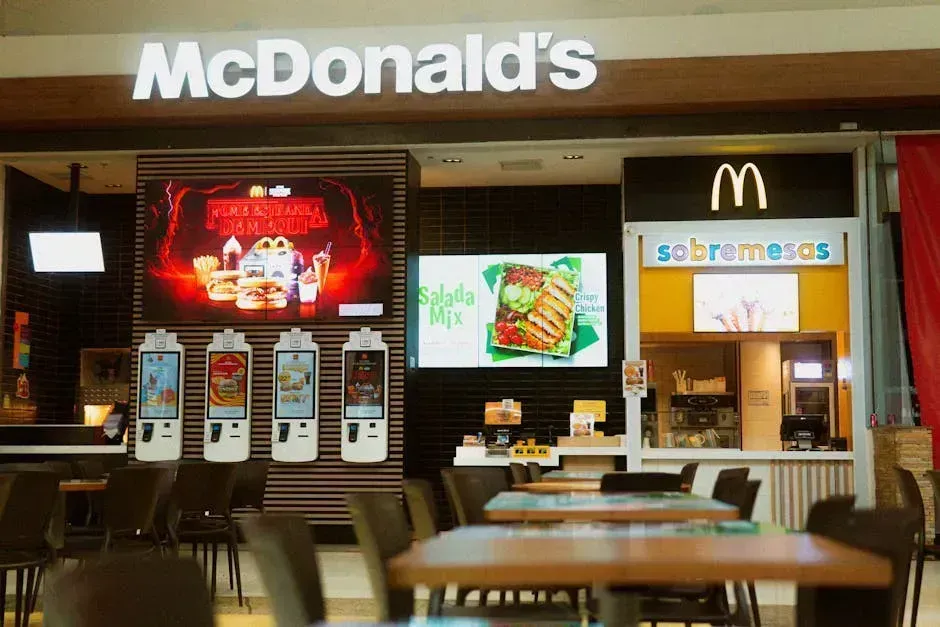
For nearly two years, McDonald’s has been trying to rebuild its reputation around value. Price increases following the 2020 pandemic pushed some customers away, especially those who had always relied on the brand as a budget-friendly option. When a company known for the Dollar Menu starts being seen as expensive, it creates a disconnect that’s hard to ignore.
From a business perspective, those price increases made sense. Supply chains were disrupted, labor costs went up, and food prices rose across the industry. But from the customer’s point of view, the experience changed. And once people start feeling like they’re paying too much for something that used to feel affordable, they don’t forget it quickly.
The $5 Meal Deal: Where the Comeback Really Started
The turning point came with the $5 meal deal introduced in June 2024. Originally meant to be a limited-time offer, it stuck around longer than expected because customers responded so strongly to it. That extension was a clear signal that value wasn’t just a temporary promotion—it was something people genuinely needed.
By early 2025, McDonald’s expanded on that idea by adding $1 options tied to certain purchases. Each step built on the last, gradually bringing customers back and reinforcing the idea that affordable meals were still part of the brand. McValue 2.0 feels like the next logical step in that progression.
Replacing the Old Deals: Out With Buy-One-Add-One
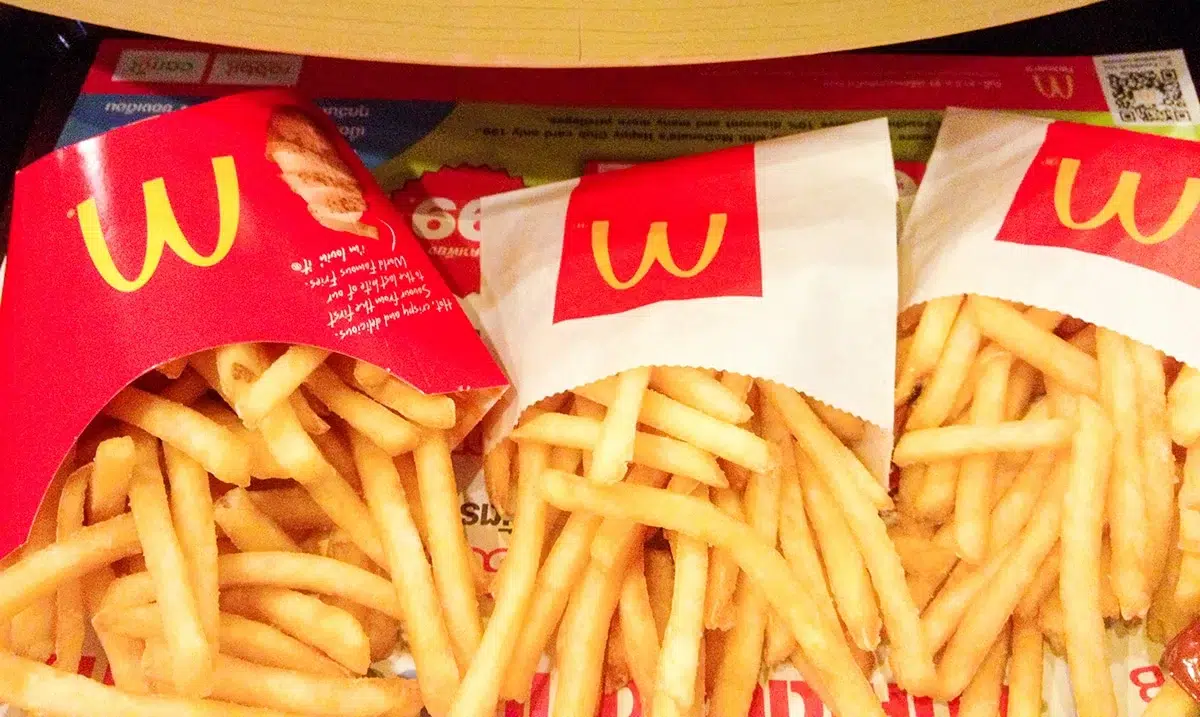
The “McValue 2.0” lineup includes a mix of familiar favorites that are easy to recognize and order. Breakfast options like Sausage Biscuits, Hash Browns, and Sausage McMuffins are paired with lunch and dinner staples such as 4-piece McNuggets, McDoubles, McChickens, and Small Fries. It’s not the full menu, but it’s enough variety to feel like a real, usable value option rather than a limited promotion.
The $4 meal deal stands out in particular, especially for breakfast. Getting a McMuffin, hash brown, and coffee for that price point makes a strong case for commuters trying to save money without skipping a meal. When a full combo starts to feel comparable to the cost of a single coffee elsewhere, it changes how people think about stopping in.
Big Spending Behind the Scenes: The Franchisee Factor
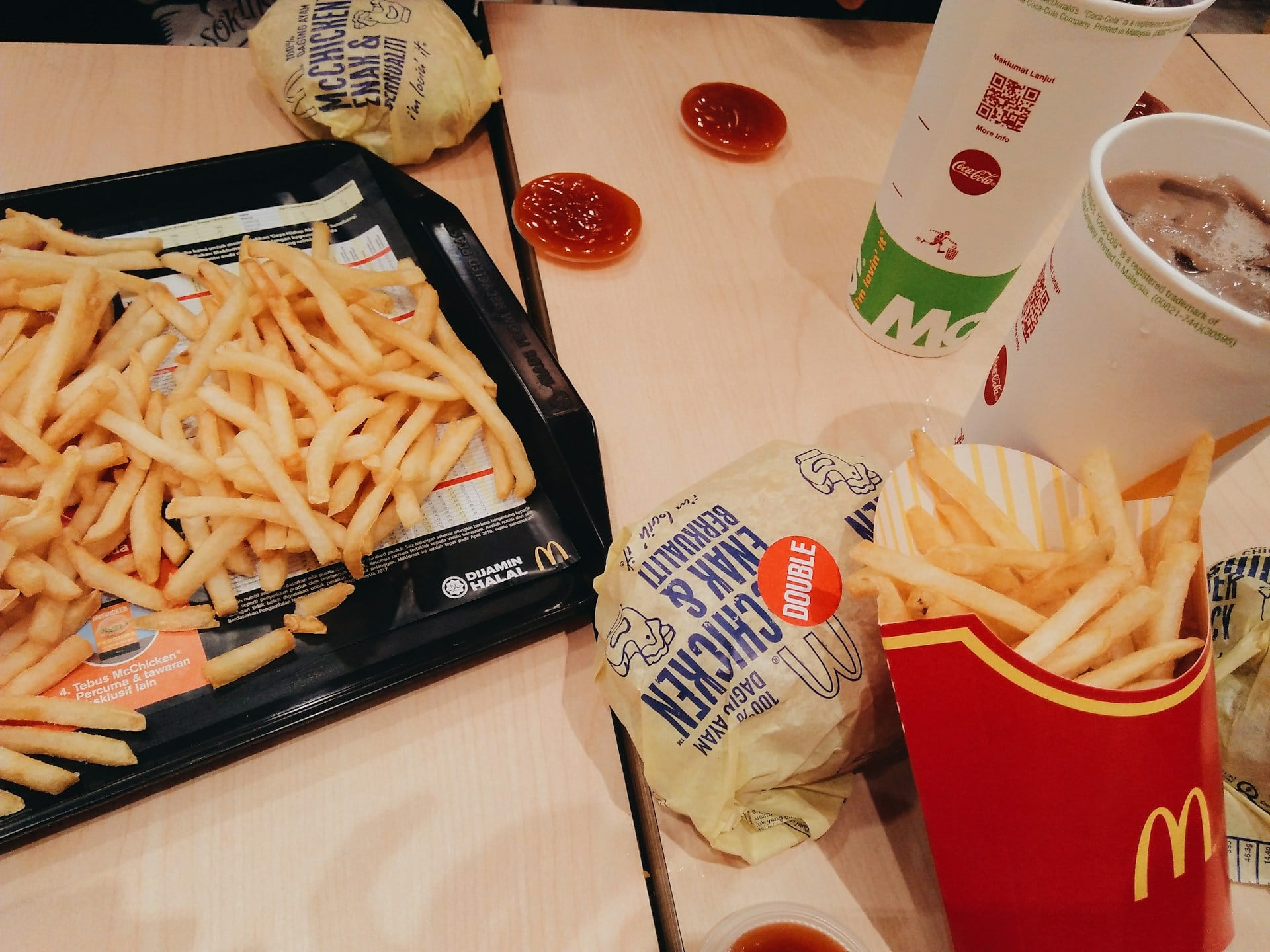
Behind all of this is a significant financial investment. McDonald’s and its franchisees spent around $85 million promoting discounted meals, with an additional $35 million planned to support operators affected by lower pricing. That level of spending shows just how serious the company is about making this strategy work.
Balancing affordability with franchise profitability isn’t easy. Franchisees ultimately set prices, and keeping them on board while pushing value-focused deals requires careful coordination. Even so, leadership has emphasized that franchisees remain supportive, which is a key factor in making a nationwide strategy like this sustainable.
Is It Actually Working? The Numbers Say Yes
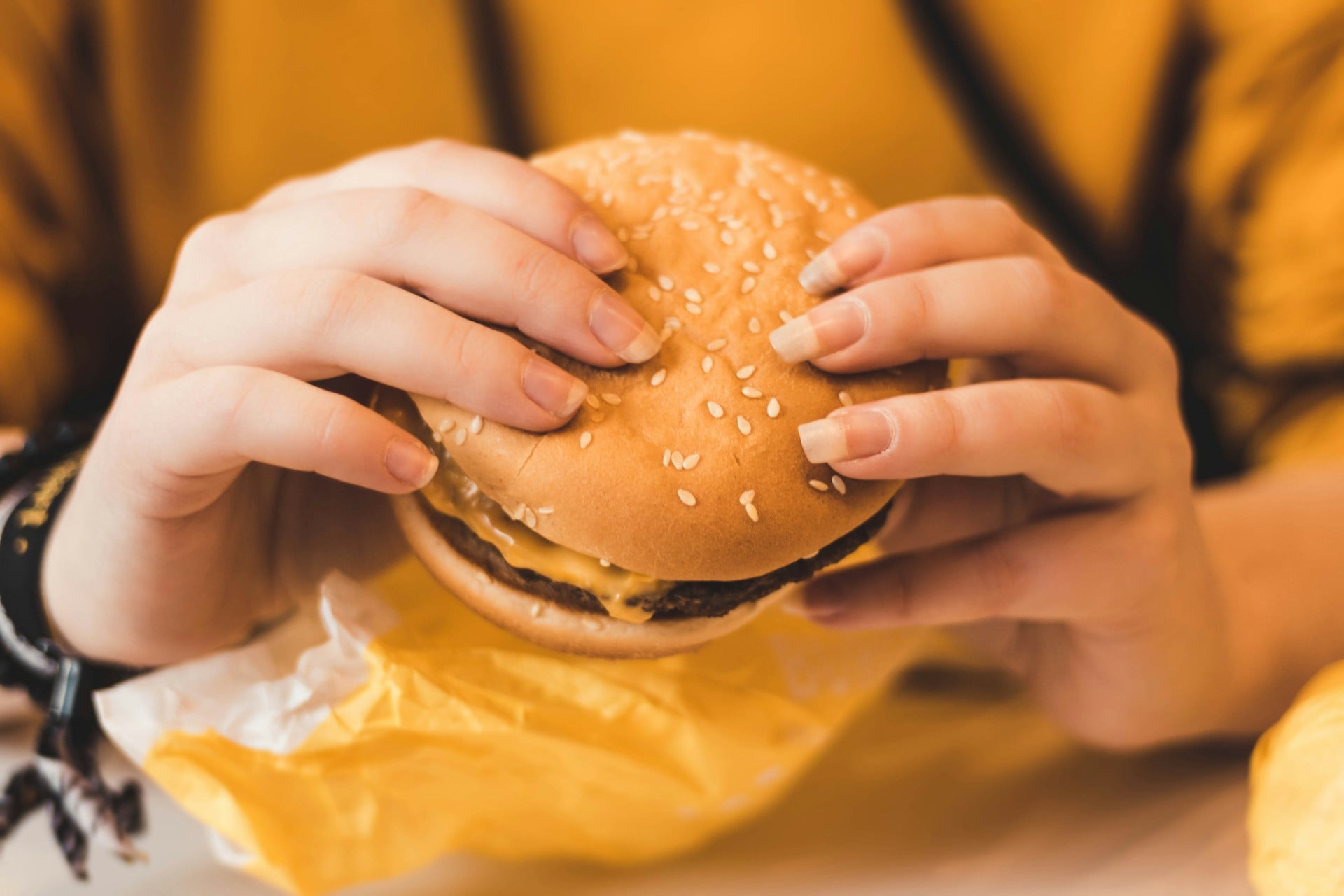
So far, the results suggest the strategy is working. McDonald’s reported a 6.8% increase in same-store sales during the fourth quarter, with value-focused promotions playing a major role in that growth. That’s not just a small bump—it’s a clear indicator that customers are responding.
At the same time, feedback from lower-income diners has improved, especially around affordability. When both sales and customer perception move in the same direction, it’s a strong sign that the approach is landing the way it was intended.
Competing in a Crowded Value Arena
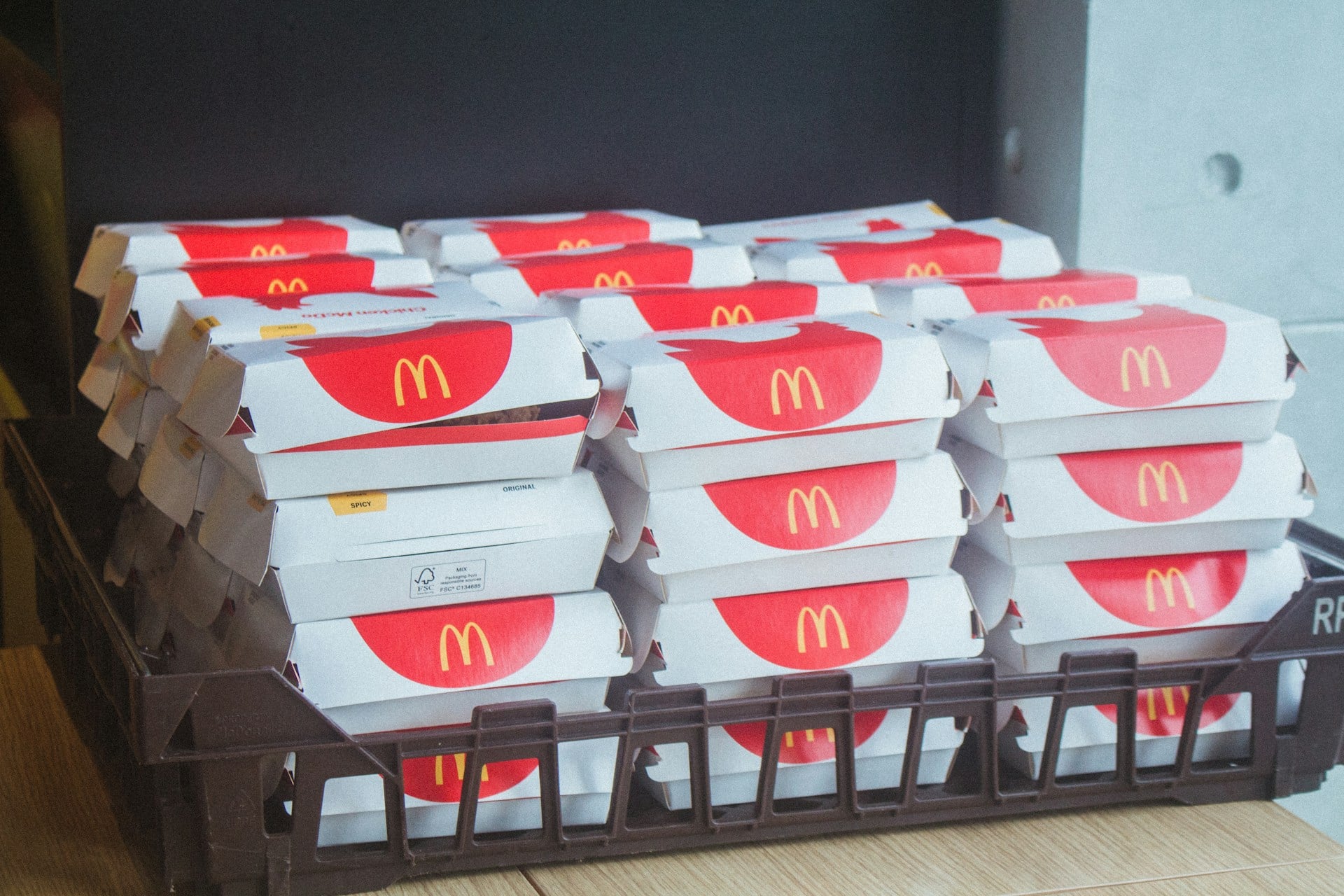
McDonald’s isn’t the only brand moving in this direction. Competitors like Taco Bell and Burger King are also rolling out aggressive value menus, all targeting the same group of budget-conscious customers. This isn’t happening in isolation—it’s part of a broader shift across the entire fast food industry.
What that means is competition is tighter than ever. Every brand is trying to offer the best perceived value without cutting too deeply into profits. McDonald’s is betting that its scale and brand recognition will give it an advantage, but the pressure is coming from all sides.
Extra Value Meals and the Broader Strategy
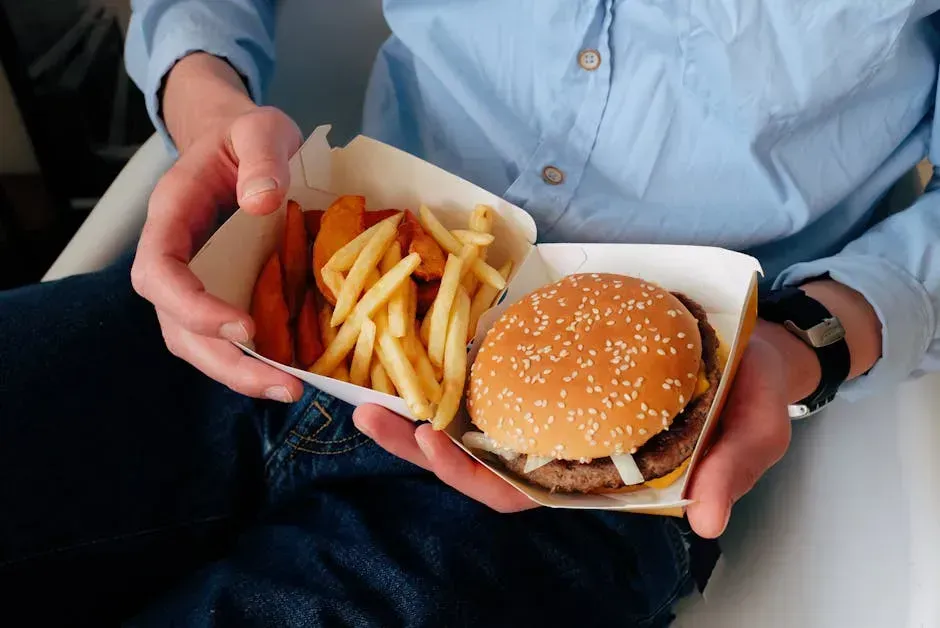
The broader McValue platform has already shown early success. Leadership pointed to “immediate incrementality,” meaning the strategy is bringing in new visits and new customers rather than just shifting existing behavior. That’s a key distinction and one of the main reasons the company is continuing to invest in it.
Even as some financial support phases out, many franchisees are choosing to keep these offers in place because they’re seeing positive results in their own cash flow. That kind of voluntary continuation is one of the strongest signals that the approach is working at the ground level.
McDonald’s Wants Every Customer
At the same time, McDonald’s isn’t focusing only on budget diners. There’s also an effort to attract higher-income customers through menu innovation, like the Big Arch Burger and the ongoing Best Burger platform rollout. It’s a two-track strategy—value on one side, premium options on the other.
That balance allows the brand to reach a wider range of customers without relying on a single approach. While one part of the menu focuses on affordability, another is designed to keep things fresh and appealing for those willing to spend more. It’s a broad strategy, but one that reflects how diverse the fast food audience has become.