Insider Insights: Dishes Servers Would Never Order at Restaurants

Servers see the reality of the kitchen every single shift. They know how ingredients are handled, which items are secretly repurposed, and what gets pushed on customers for a reason. Under the dining room lights, a dish might look beautiful. But the staff knows which ones are inconsistent, overpriced, or just not fresh. Here’s what industry veterans suggest you avoid ordering on your next night out.
The Overpriced Pasta Special
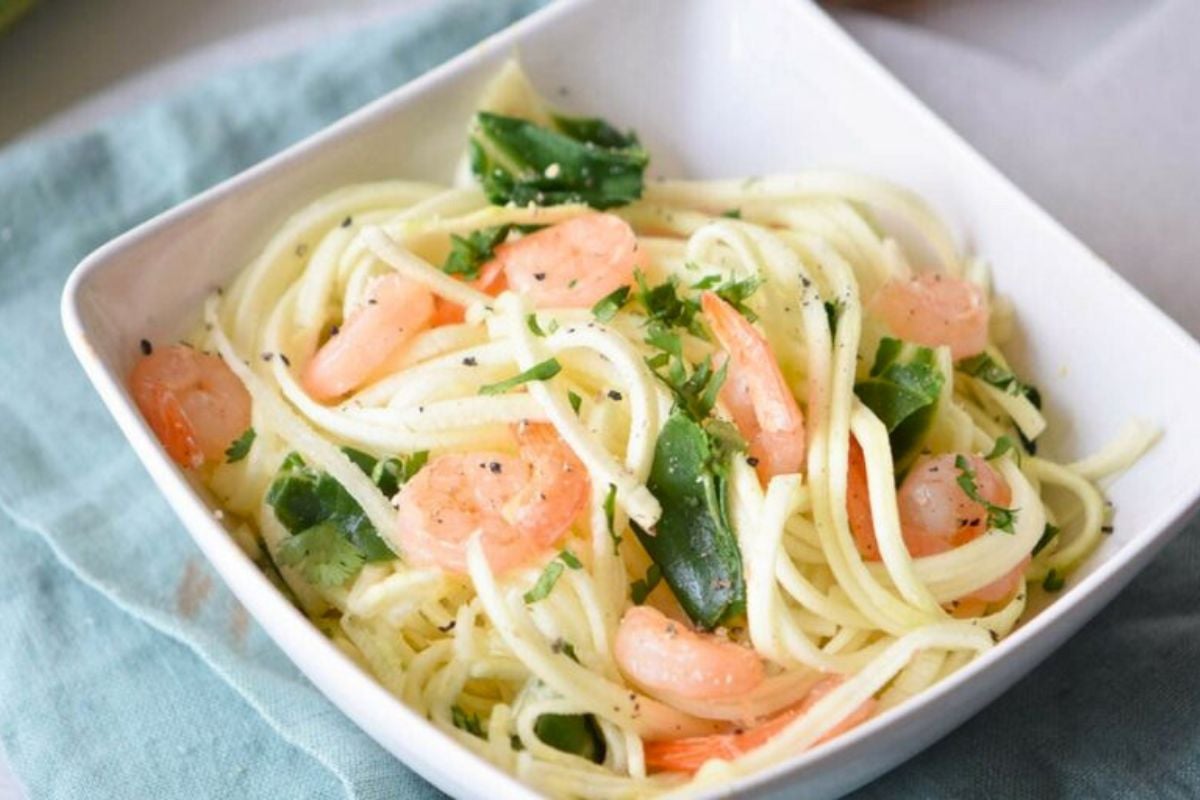
Seafood pasta, chef’s special pasta—they’re often the highest-margin items on the menu. Kitchens use smaller pieces of seafood or trimmings that aren’t pretty enough for a standalone entrée. The description sounds gourmet, but the actual ingredient cost is low compared to what you’re paying. And pasta is cheap and filling, so kitchens use it to bulk up the plate while skimping on expensive proteins. If you want true value and quality, order something protein-focused instead.
The Daily Soup Trap

The “Soup of the Day” often sounds like a comforting, made-from-scratch option. But here’s what servers know: it’s frequently used as a tool to clear out leftovers. If the special was prime rib yesterday and today’s soup is beef barley, you’re likely eating repurposed meat that didn’t sell. These soups also sit in steam wells for hours, which affects texture and temperature. Unless the restaurant is known for scratch-made stocks, ordering the soup is a gamble. Stick to the main, consistent menu.
The Risky Brunch Sauce

Hollandaise is a notorious red flag. Made from raw egg yolks and butter, it has to be kept at a very specific warm temperature to stay safe. During a busy brunch rush, that sauce can sit out for hours—way longer than recommended. If you notice a skin on top or it looks separated, it’s been sitting too long. Many servers won’t touch Eggs Benedict themselves because of the food safety risk. Poached or scrambled eggs are a much safer bet.
The Hidden Cost of Seafood

Large, expensive fish like swordfish often sit around. When a high-priced item doesn’t sell quickly, it can get frozen and thawed multiple times. That destroys texture and flavor. Servers also know that seafood prone to parasites or lower-quality cuts often gets masked with heavy sauces. Unless you’re at a dedicated seafood place with daily deliveries, the fish might have been in the cooler for days. Ask what arrived fresh that morning. Don’t just pick the most expensive thing on the menu.
The Uninspired House Salad
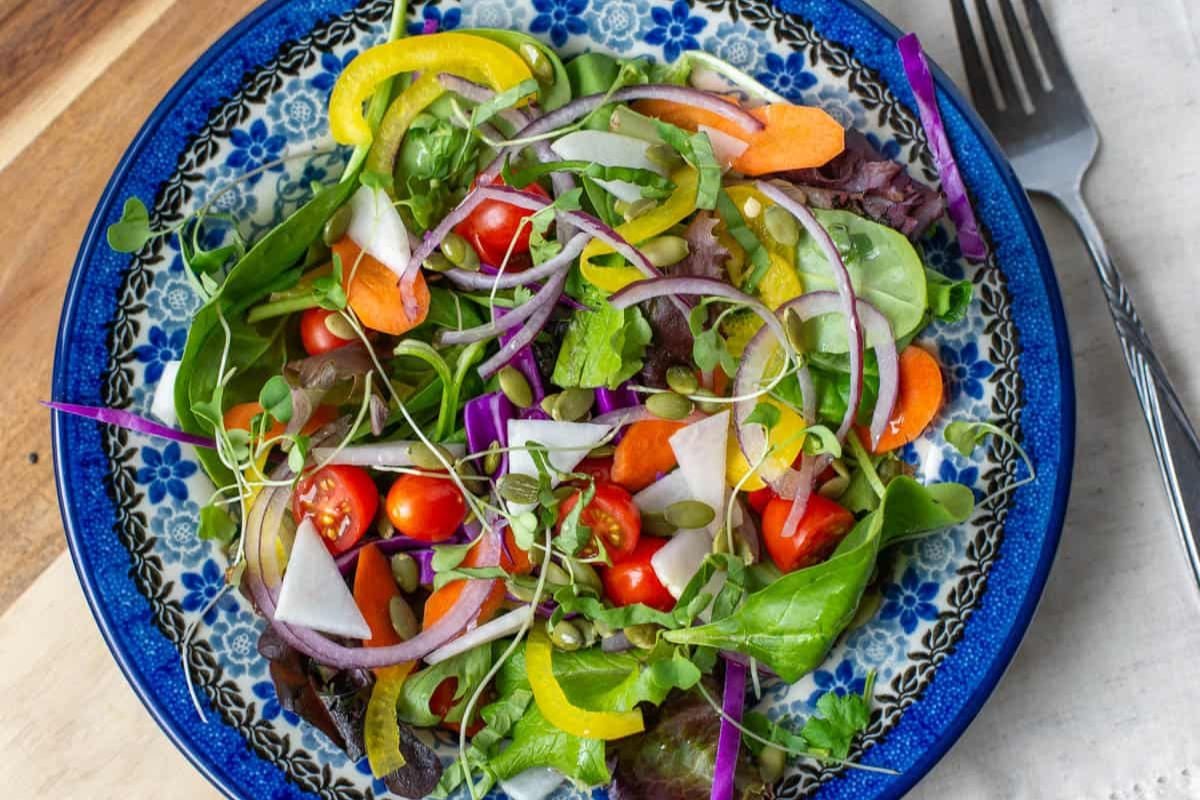
The house salad is often the dumping ground for the kitchen’s oldest produce. Limp greens, pale tomatoes, things that need to move. These salads are usually pre-prepped in large batches, so by the time they reach you, the leaves have lost their crispness. Heavy creamy dressings are designed to mask aging vegetables, not enhance fresh ones. The salad station is also one of the least supervised spots in many kitchens. Order a specialized salad or a cooked side. You’ll get better quality.