Nine Common Snacks Banned at International Airport Security Checks

You’d think a granola bar is just a granola bar, right? Or that an apple you grabbed at the airport to eat later is totally harmless. But international customs officers see it differently. What feels like a simple snack to you can look like a biosecurity threat to them. Countries take this stuff seriously—protecting their agriculture, preventing disease, stopping invasive pests. And that means some of the most ordinary snacks can get you flagged, fined, or at least thoroughly embarrassed at baggage claim. Here are nine popular foods that frequently get confiscated, and the reasons might surprise you.
Fresh Seafood
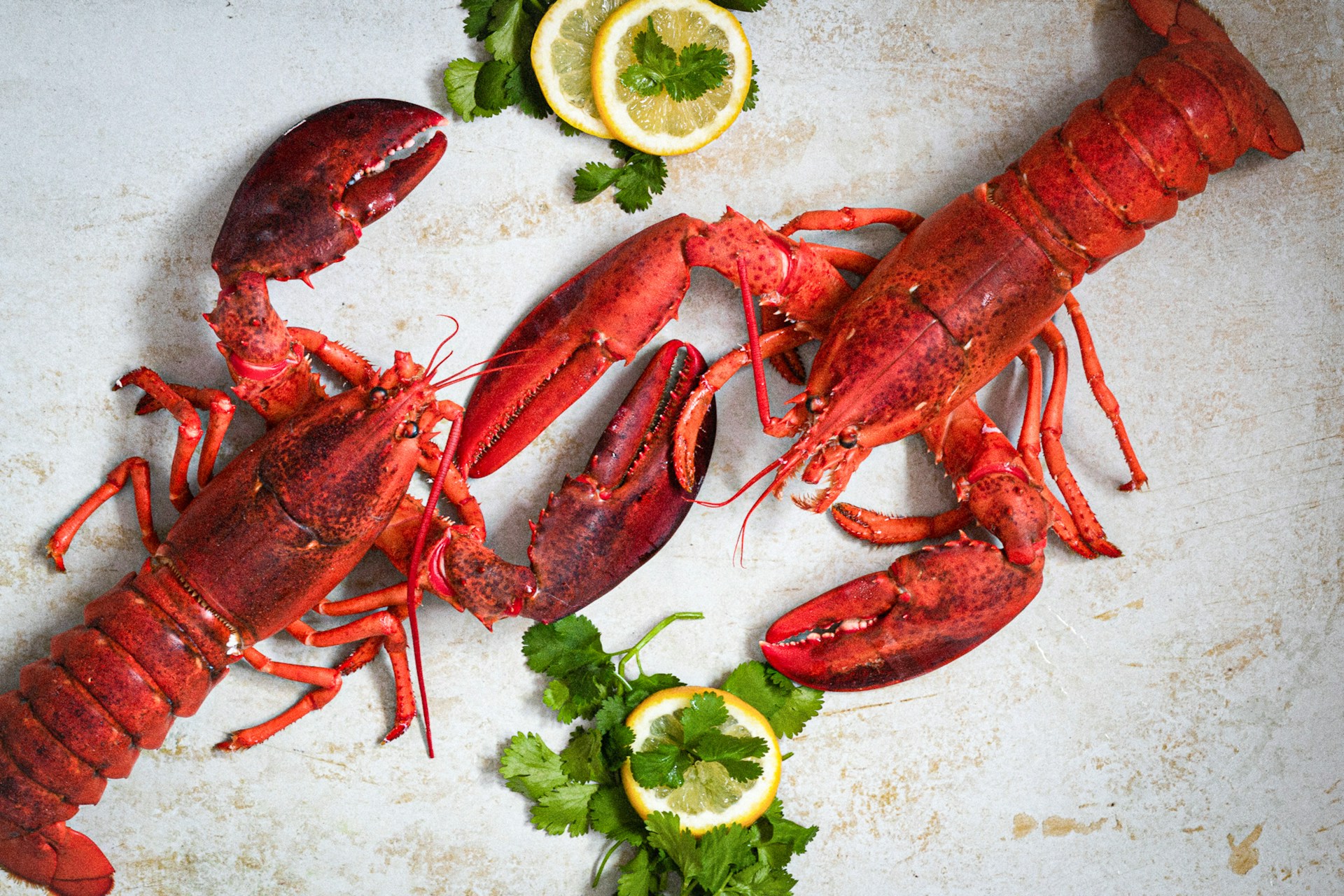
Fish, shellfish, anything that came out of the water recently—often banned. Seafood can carry parasites or diseases that harm local marine ecosystems. And even dried or smoked seafood might be restricted depending on how it was processed. Travelers from coastal regions, people who grew up with seafood as a normal snack, often get caught off guard. But customs treats marine products with the same seriousness as meat. That bag of dried shrimp? Could be a problem.
Fresh Fruit

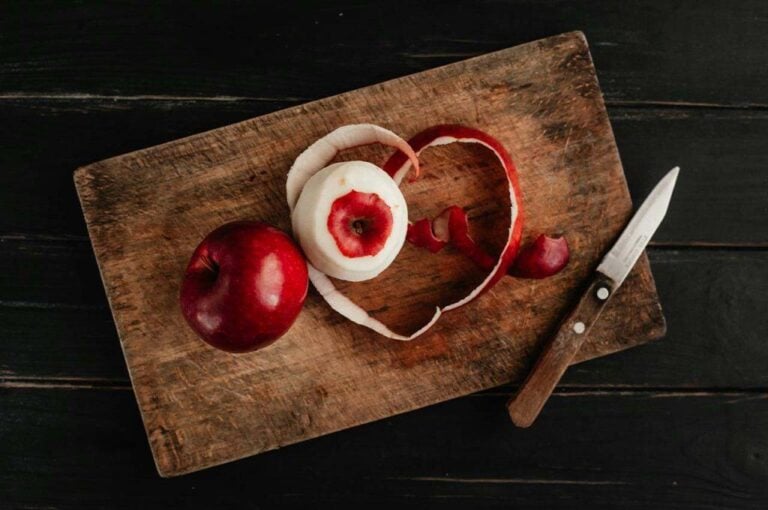
This is the number one most confiscated item for a reason. Apples, oranges, bananas—it all looks innocent enough. But fresh fruit can carry pests or plant diseases that absolutely devastate local agriculture. Countries like the U.S., Australia, and New Zealand have incredibly strict biosecurity laws, and they do not mess around. That single apple you packed for the flight? Could trigger a fine. It feels unfair, but from their perspective, it’s about protecting entire industries from something as small as a fruit fly.
Meat Jerky

Beef jerky, pork jerky, that fancy biltong you picked up as a souvenir—often a problem. Even though it’s dried and packaged, it can still carry animal diseases. Many countries just flat-out ban meat imports unless they come with specific certifications and processing standards. Travelers are always surprised that something shelf-stable, something that doesn’t even need refrigeration, gets treated like fresh raw meat. But customs doesn’t distinguish. Jerky gets confiscated all the time.
Cheese Made from Unpasteurized Milk

That beautiful wheel of artisanal cheese you picked up at a European market? Might not make it home. Cheeses made from unpasteurized milk are restricted in a lot of countries because of food safety risks—bacteria like Listeria are the concern. Even if it’s vacuum-sealed, even if it cost you a small fortune, customs can seize it if it doesn’t meet local pasteurization rules. It’s one of those things that feels so sophisticated to bring back, and then you’re watching it get tossed in a bin at the airport.
Homemade Snacks

Your mom’s cookies, a sandwich you made that morning, some leftover cake wrapped in foil—these are red flags. Customs can’t verify what’s in them. Without a commercial label, they have no way of knowing if that cookie contains meat products, dairy, nuts, or anything else restricted. Many countries just ban homemade food outright. It’s frustrating because it’s usually the most thoughtful food you’re carrying. But traceability is the issue, and homemade stuff has none.
Nuts and Seeds

Trail mix, loose nuts, those little packets of seeds you thought would be fun to plant when you got home—all risky. Nuts and seeds can introduce invasive plant species or pests that disrupt local ecosystems. Some countries allow commercially packaged nuts, but ban loose or unroasted ones. Seeds are especially sensitive because, well, they’re designed to grow. Agricultural protection laws take them very seriously. That bag of mixed nuts you grabbed for the flight? Might need to stay in the country you’re leaving.
Fresh Bread with Fillings

Plain bread? Usually fine. But the second you put meat, cheese, or fresh vegetables inside it, you’ve got a problem. Filled sandwiches are treated as composite foods, which means they’re harder to inspect and more likely to contain restricted ingredients. Many countries prohibit meat and dairy imports entirely without permits. That sandwich you packed for convenience? Suddenly a customs issue. Airport signage warns about this for a reason.
Fresh Sausages and Cured Meats

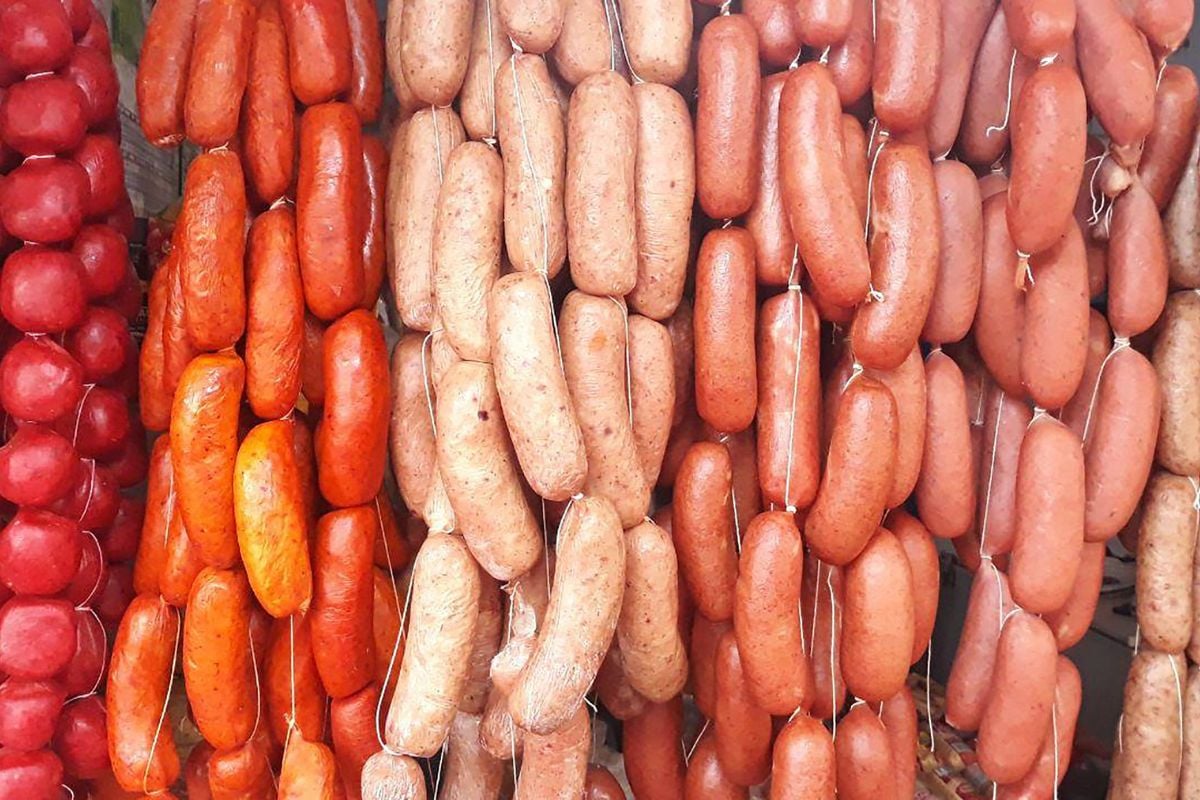
Fresh sausages, semi-cured chorizo, anything that isn’t fully shelf-stable—these get banned all the time. They pose higher disease risks and usually lack the export certification customs wants to see. And here’s the thing: vacuum sealing doesn’t help. It doesn’t magically make them approved. Travelers coming back from Europe or Asia are constantly losing these at customs. Meat products are some of the most strictly enforced items across the board.
Dairy-Based Snacks

Yogurt cups, cream-filled pastries, milk-based candies—dairy is tricky. Spoilage and bacterial risks are the concerns. Some countries allow small amounts under specific conditions, but others just say no entirely. Travelers are always surprised that a sealed yogurt or a packaged pastry isn’t automatically safe to bring in. But dairy regulations vary wildly, and enforcement tends to be strict. If you’re unsure, eat it before you land.