How 9 Common Dishes Gained Popularity in Surprising Ways

You know how some foods feel like they’ve been around forever, like they were always meant to be classics? The truth is, most of them stumbled into popularity completely by accident. They weren’t dreamed up by chefs aiming for greatness. They were responses to shortages, adaptations for new audiences, or solutions to everyday problems. Over time, practicality turned into preference, and necessity turned into nostalgia. These nine meals prove that sometimes the best things happen when you’re just trying to make do.
Breakfast for Dinner

Breakfast for dinner is pure practicality disguised as fun. Eggs, pancakes, toast—these things were always cheaper and faster than traditional meat-and-potato dinners. On busy nights or tight-budget weeks, families just made it work. Nobody planned it as a special occasion. But eventually, the simplicity became the appeal. The comfort became intentional. What started as a workaround turned into a beloved tradition. It’s proof that practicality, repeated enough, can feel exactly like love.
Chicken Tikka Masala

This one is a beautiful accident. Chicken tikka masala wasn’t passed down through generations of Indian cooking. It was almost certainly created to satisfy someone who wanted sauce on their dry grilled chicken. Soften the spices, add some cream, and suddenly Indian flavors felt more approachable to a whole new audience. It bridged a gap between authenticity and expectation. And that flexibility? It made the dish a global phenomenon. Sometimes meeting people where they are is more powerful than staying rigidly traditional.
Caesar Salad

The Caesar salad is basically a story of making it work with what you had. Legend has it that during a busy restaurant service, ingredients ran low, and the chef had to improvise tableside with whatever was left. The whole performance—the tossing, the drama, the ritual—turned a practical moment into a memorable experience. Guests loved the show. They ordered it again and told their friends. A salad born from scarcity became a symbol of restaurant elegance. That’s some pretty good improvisation.
Pizza by the Slice

Whole pizzas are great, but they require commitment. You need people to share with, time to sit down, a plan. Pizza by the slice solved all that. It matched the pace of city life—fast, portable, solo. You could grab a slice on your way somewhere, eat it standing up, keep moving. Convenience drove the demand long before anyone thought of it as iconic. But over time, that slice became its own thing. It represents speed and affordability and the beauty of eating exactly what you want with no strings attached.
Instant Ramen
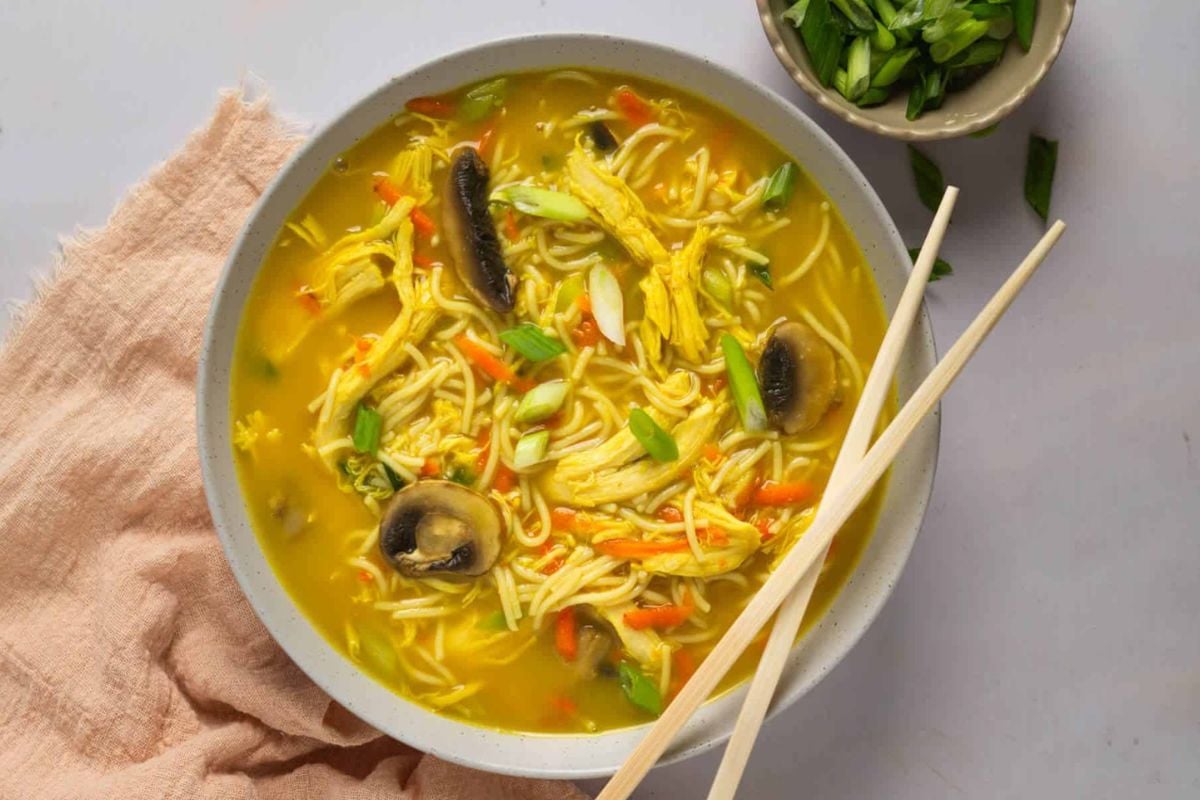
Instant ramen didn’t take over the world because it was some kind of culinary masterpiece. It succeeded because it solved a very real problem: how to feed people affordably with almost no effort. During times of food scarcity, it was a lifeline—hot, filling, and priced for anyone. Students, shift workers, anyone watching their budget—they all leaned on it. And somewhere along the way, all that repetition turned into genuine comfort. People started eating it even when they could afford better. That’s the power of solving a problem so well that people forget it was ever a problem at all.
Spam and Rice

Spam got its foothold through supply chains, not preference. During wartime and periods when fresh meat was hard to come by, it was everywhere—shelf-stable, cheap, available. Communities all over the world took it and made it their own, often pairing it with rice to create meals that stretched and satisfied. What started as survival food, as something people ate because they had to, slowly turned into comfort food. Generations later, it’s beloved. Memory and repetition transformed a ration into something people genuinely crave.
Avocado Toast
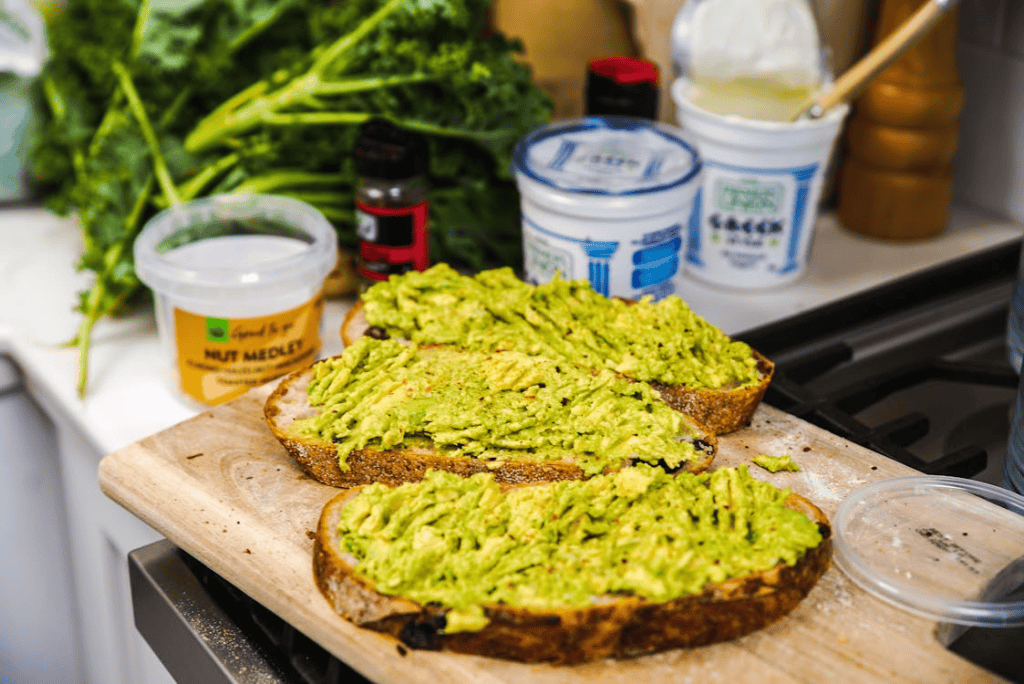
Avocado toast didn’t become a phenomenon because someone invented a brilliant new flavor combination. It happened because it fit perfectly into the way people were already living. It photographs beautifully, which mattered as social media took off. It aligned with wellness trends. It required almost no cooking skill. Cafés loved it because it was cheap to make and easy to tweak. The popularity followed the lifestyle, not the other way around. Sometimes visibility and identity drive demand just as much as taste does.
Frozen TV Dinners
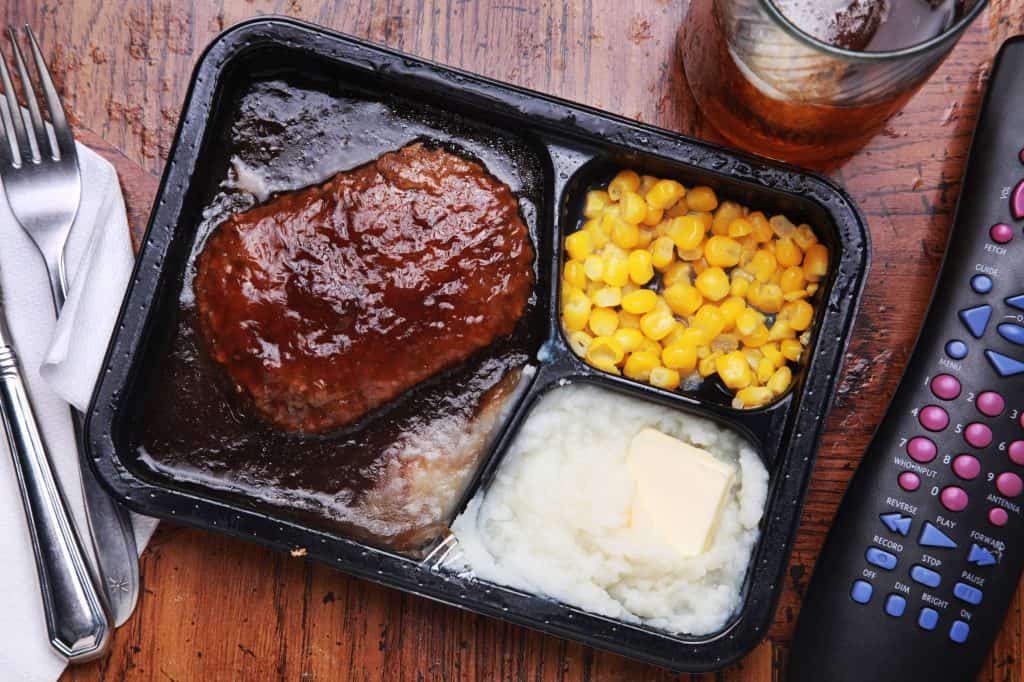
Frozen TV dinners exist because of television, not because anyone thought they were exceptional food. As TVs became central to home life, families wanted meals that were easy to serve and eat without missing their shows. Pre-portioned trays, heat and eat, done. Convenience and novelty won out over any concerns about taste or nutrition. These meals literally reshaped how families ate dinner. It was technology and lifestyle driving change, not culinary ambition.
Cup Noodles

Cup noodles took instant ramen and removed every single obstacle. No stove needed. No bowl. No cleanup. No time. They were designed for independence and speed, perfect for dorm rooms, late nights, anywhere you couldn’t or didn’t want to cook. The popularity came from logistics, from removing friction. And over time, all that convenience built familiarity, and familiarity built comfort. Sometimes making something easier to eat is just as powerful as making it taste better.