Popular Kitchen Tricks That Professionals Warn Could Be Dangerous

The kitchen feels like one of the safest places in your home. It’s familiar, comforting, and full of routines you probably don’t think twice about.
But here’s the reality—it’s also one of the most dangerous rooms in the house.
Kitchen hacks promise to save time and make life easier, but some of the most popular ones actually do the opposite. Chefs have been warning about these for years, yet they still show up everywhere.
Let’s break down the ones you should seriously stop doing.
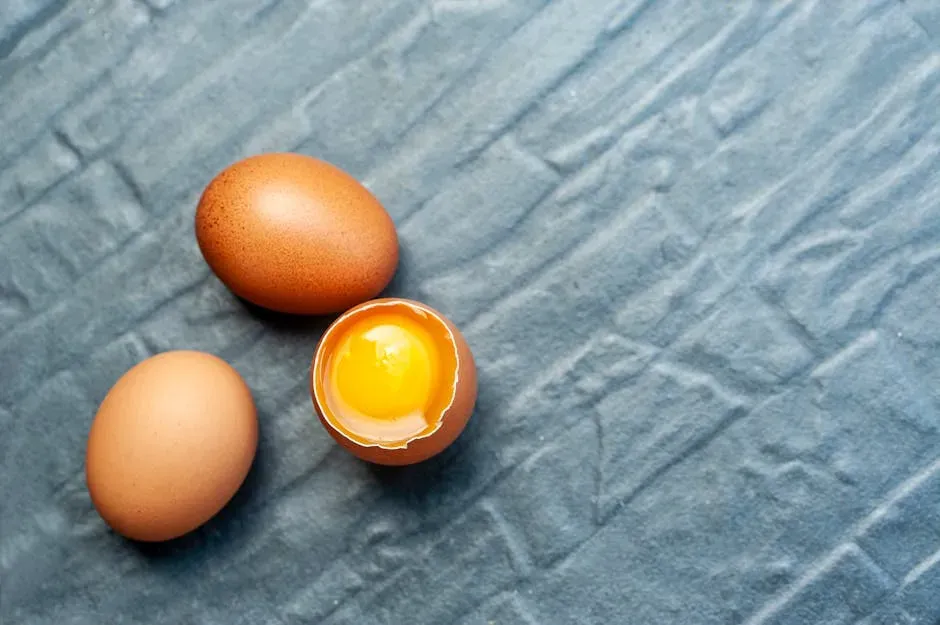
Using the Microwave to Heat Sealed or Whole Eggs
This one sounds convenient—but it can go very wrong.
Heating a whole egg in the microwave builds pressure inside the shell. That pressure has nowhere to go, so eventually… it explodes.
Sometimes inside the microwave. Sometimes when you pick it up.
Either way, it’s dangerous.
Avoid heating whole eggs or sealed foods in the microwave. It’s one shortcut that’s never worth it.
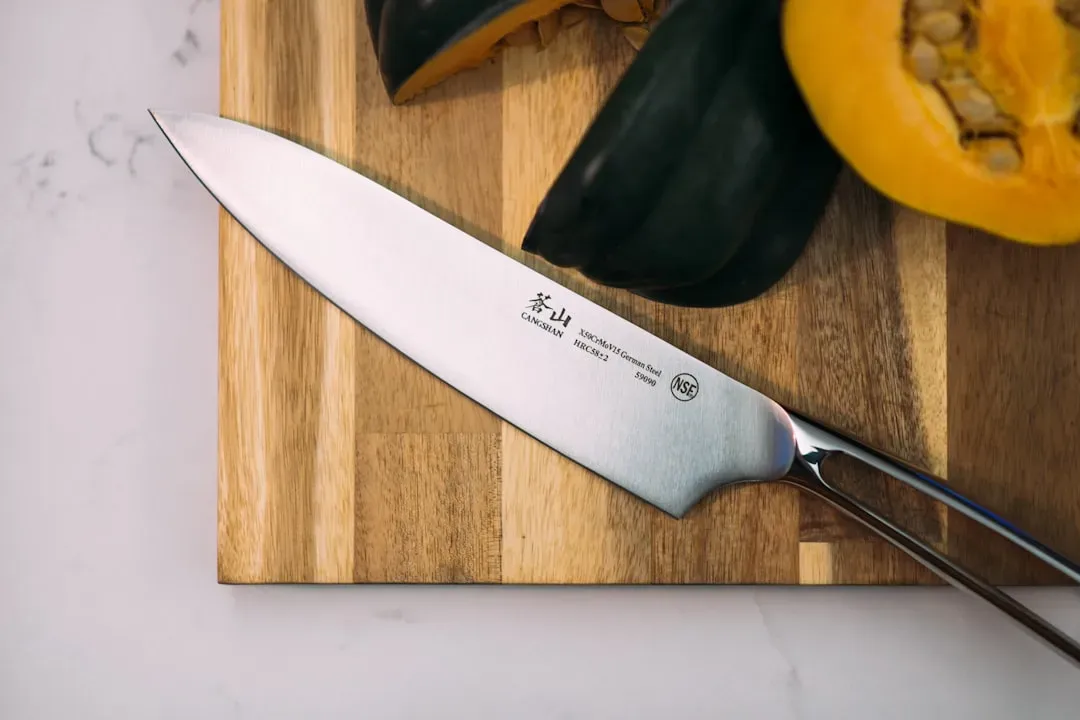
Using a Dull Knife Because It “Feels Safer”
It sounds logical—a dull knife feels less dangerous.
But it’s actually the opposite.
Dull knives require more pressure, which makes them more likely to slip. When they do, they don’t just stop—they keep going, usually toward your fingers.
Sharp knives give you control. Dull knives don’t.
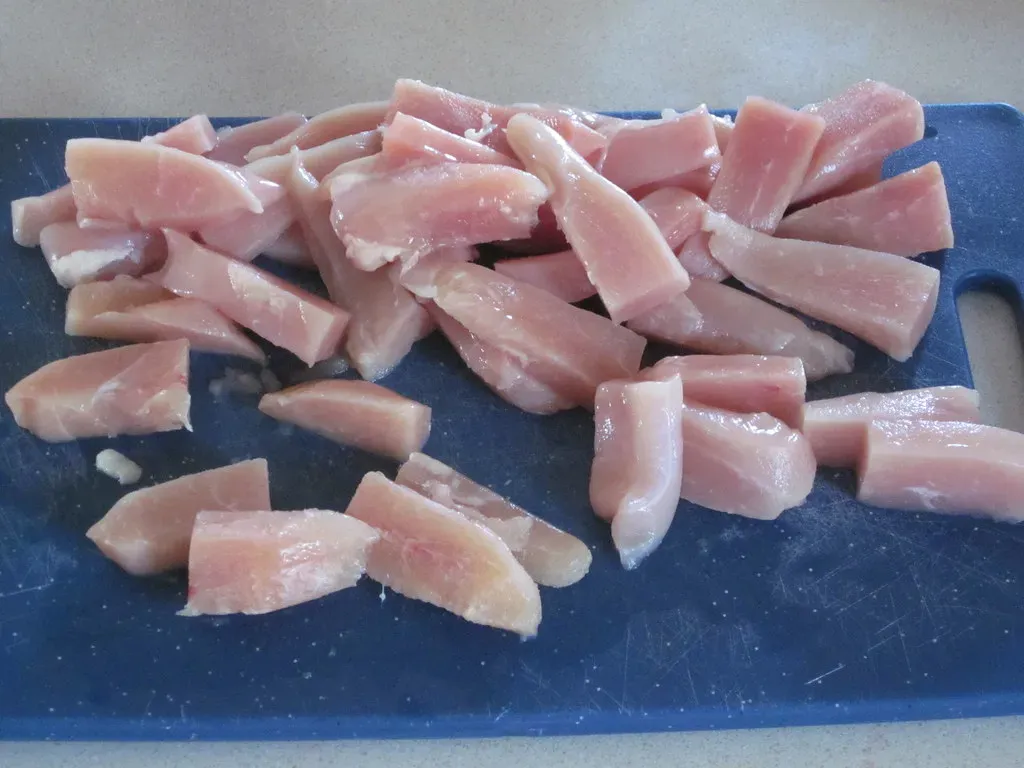
Thawing Frozen Meat on the Kitchen Counter
We’ve all been there—forgot to thaw dinner and now you’re in a rush.
Leaving meat on the counter might seem like a quick fix, but it puts it straight into the “danger zone” where bacteria grow quickly.
The outside warms up long before the inside thaws, creating the perfect environment for contamination.
Safer options? The fridge, cold water (in a sealed bag), or the microwave—followed by immediate cooking.
Washing Raw Chicken to “Clean” It
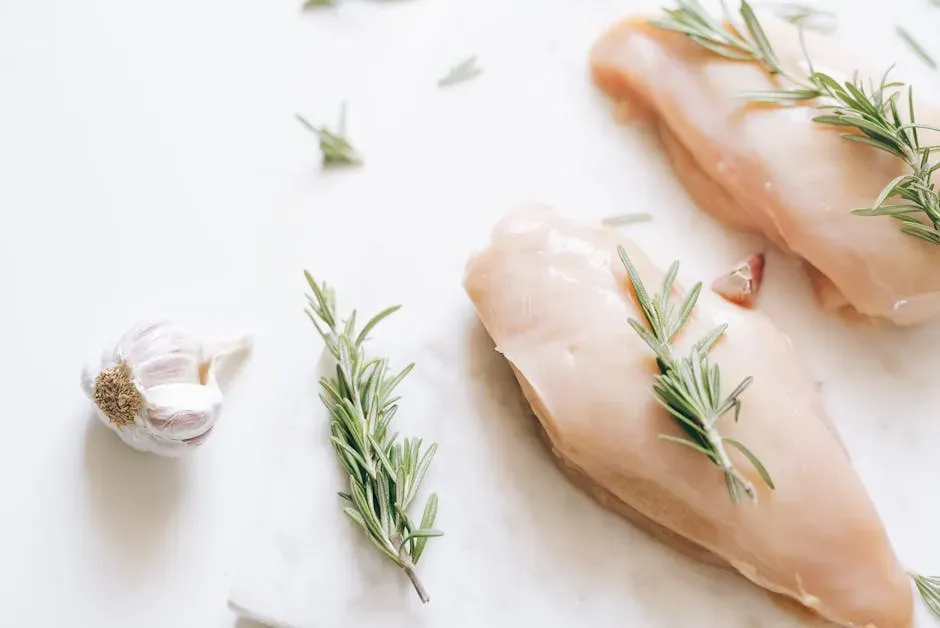
This one has been passed down for generations—but it’s completely wrong.
Rinsing raw chicken doesn’t remove bacteria. It spreads it. Water droplets can carry bacteria like Salmonella across countertops, sinks, and even nearby dishes.
The scary part? You can’t see it happening.
The only thing that actually makes chicken safe is cooking it to the right internal temperature. That’s it. No rinsing needed.
Cutting an Avocado in Your Hand
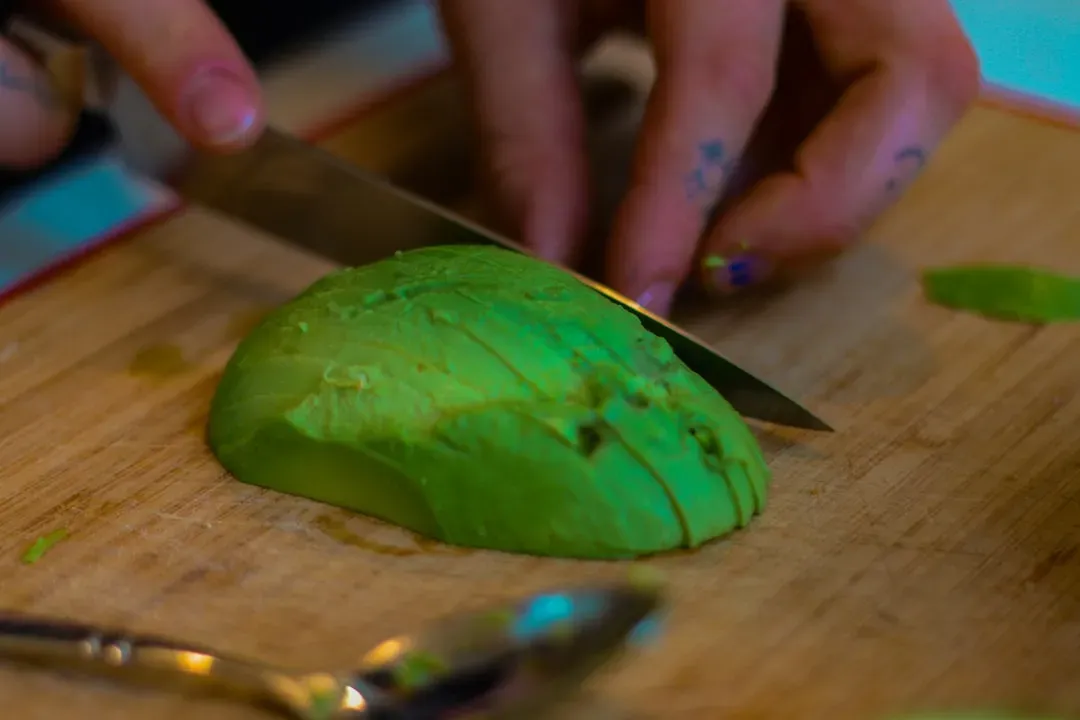
It looks cool. It feels efficient. It’s also how people end up with what’s literally called “avocado hand.”
Avocados are slippery, and once the knife breaks through the skin, it keeps going—right into your palm. The fix is simple: put it on a cutting board. Two extra seconds can save you a trip to the ER.
Using Wet Oven Mitts to Handle Hot Pans
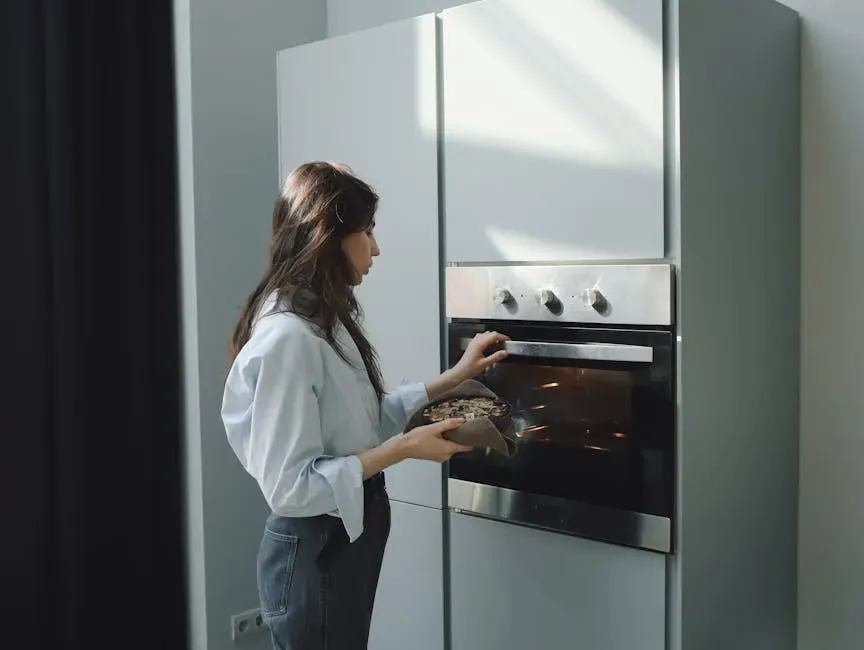
This one catches people off guard. Trust me, it happened to me before!
A wet mitt might feel harmless, but when it touches a hot surface, that moisture turns into steam instantly.
And steam burns are no joke—they can cause serious injury fast.
Always use dry, thick mitts or silicone holders. Moisture and heat are a bad combination.
Putting Water on a Grease or Oil Fire
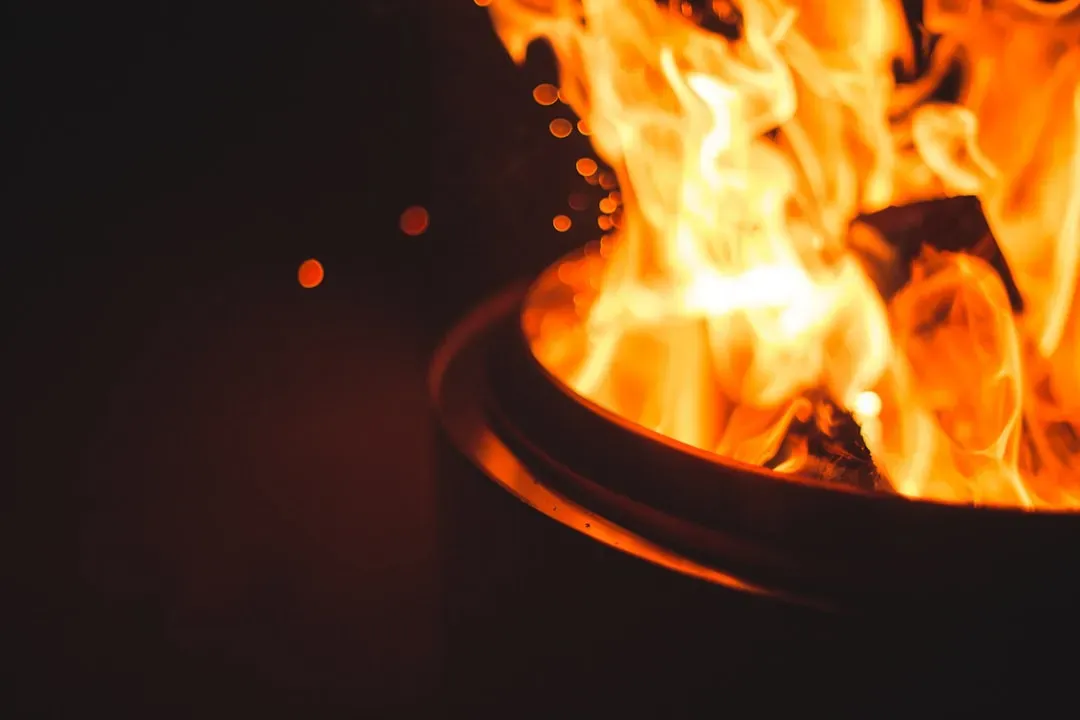
This is one of the most dangerous mistakes you can make.
Throwing water on a grease fire doesn’t put it out—it spreads it. The water turns into steam instantly and sends burning oil flying.
That small fire? Now it’s everywhere.
The correct move is simple: cover the pan with a lid and turn off the heat.