Affordable-Looking Foods That End Up Costing More at the Register

You know that moment when you grab what looks like a total steal, sail through the checkout line feeling pretty good about yourself, and then… flinch. Hard. The total on the screen is way higher than your brain predicted. Yeah, me too.
It turns out, the grocery store is full of sneaky little traps. Between packages that have secretly shrunk, fancy labels that add a premium, and portions that look bigger than they are, it’s easy to get tricked. I’ve rounded up some of the usual suspects to keep an eye on. This way, you can keep your cart full and your receipt from giving you a heart attack.
Eggs
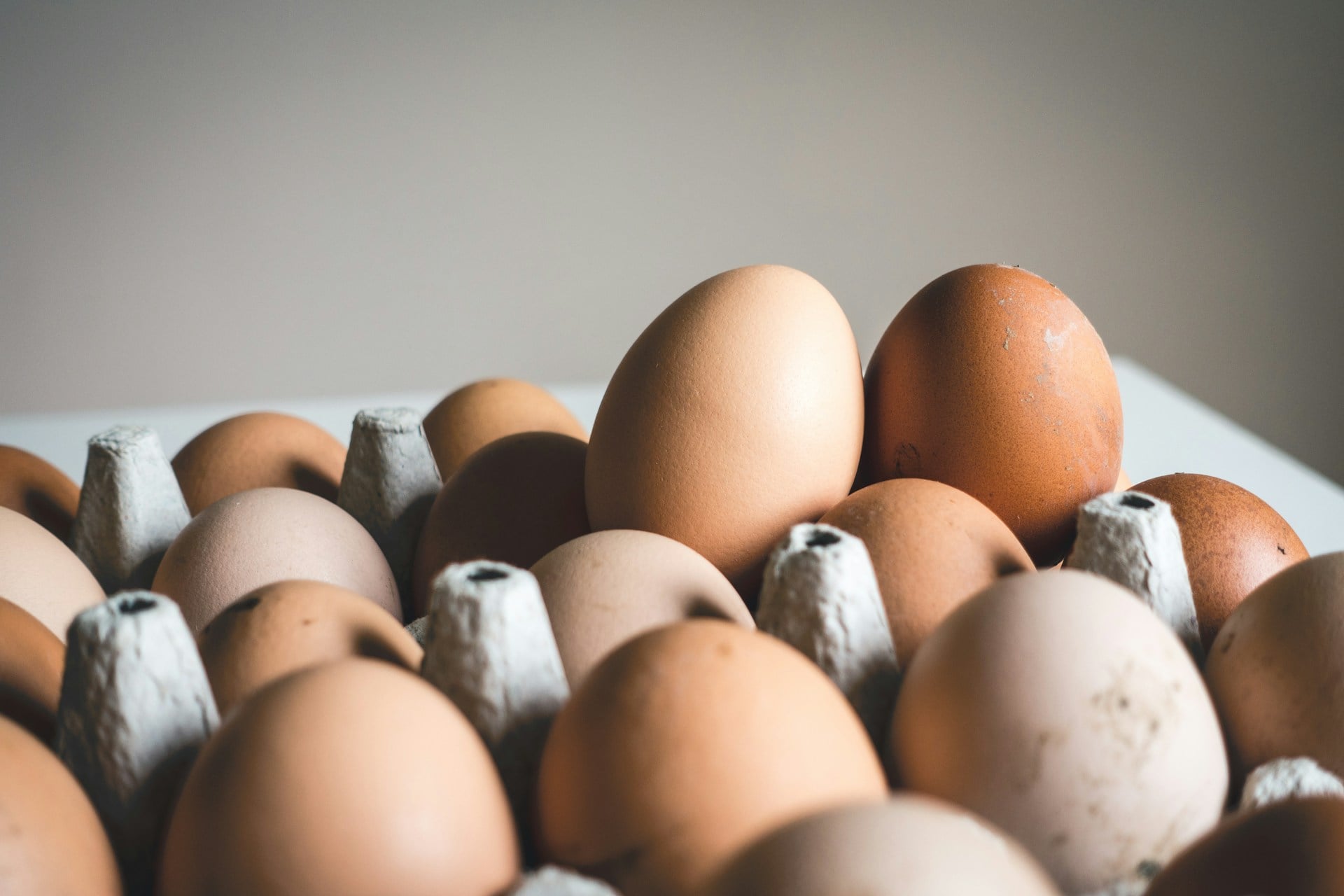
Eggs have been such a wild ride lately. Even when prices stabilize, there are traps everywhere. A dozen looks like a dozen, but specialty labels like “pasture raised,” “omega-3,” or “organic” can send the price soaring. You might grab what you think is the standard dozen, but it’s actually a 10-egg carton with a fancy label. The rule here is simple: watch the price per egg, not just the carton price. Store brands are often just as good, but it’s also worth knowing what those specialty labels actually mean so you can decide if the extra cost is worth it to you.
Pre cut fruit
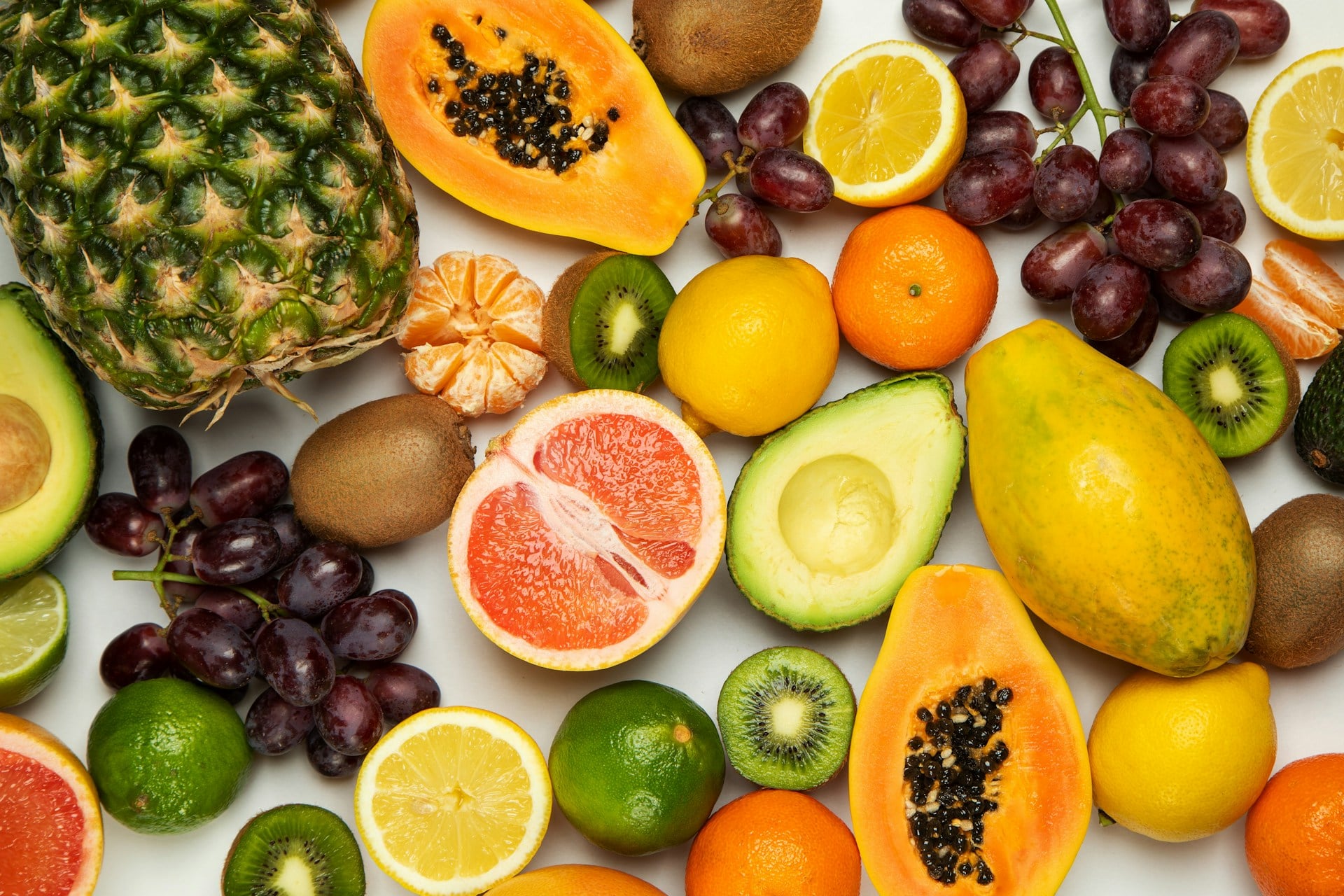
I get it. Pre-cut fruit is so easy. But you are paying a fortune for someone else to do the dicing. A little tub of watermelon or pineapple looks affordable, but the per-pound price is astronomical compared to buying the whole fruit. The solution is simple: buy the whole fruit. It takes five minutes to learn how to cut a mango or pineapple. Do it at home on the weekend and portion it out yourself. Save the pre-cut tubs for picnics or travel, and your grocery bill will stay much healthier.
Butter
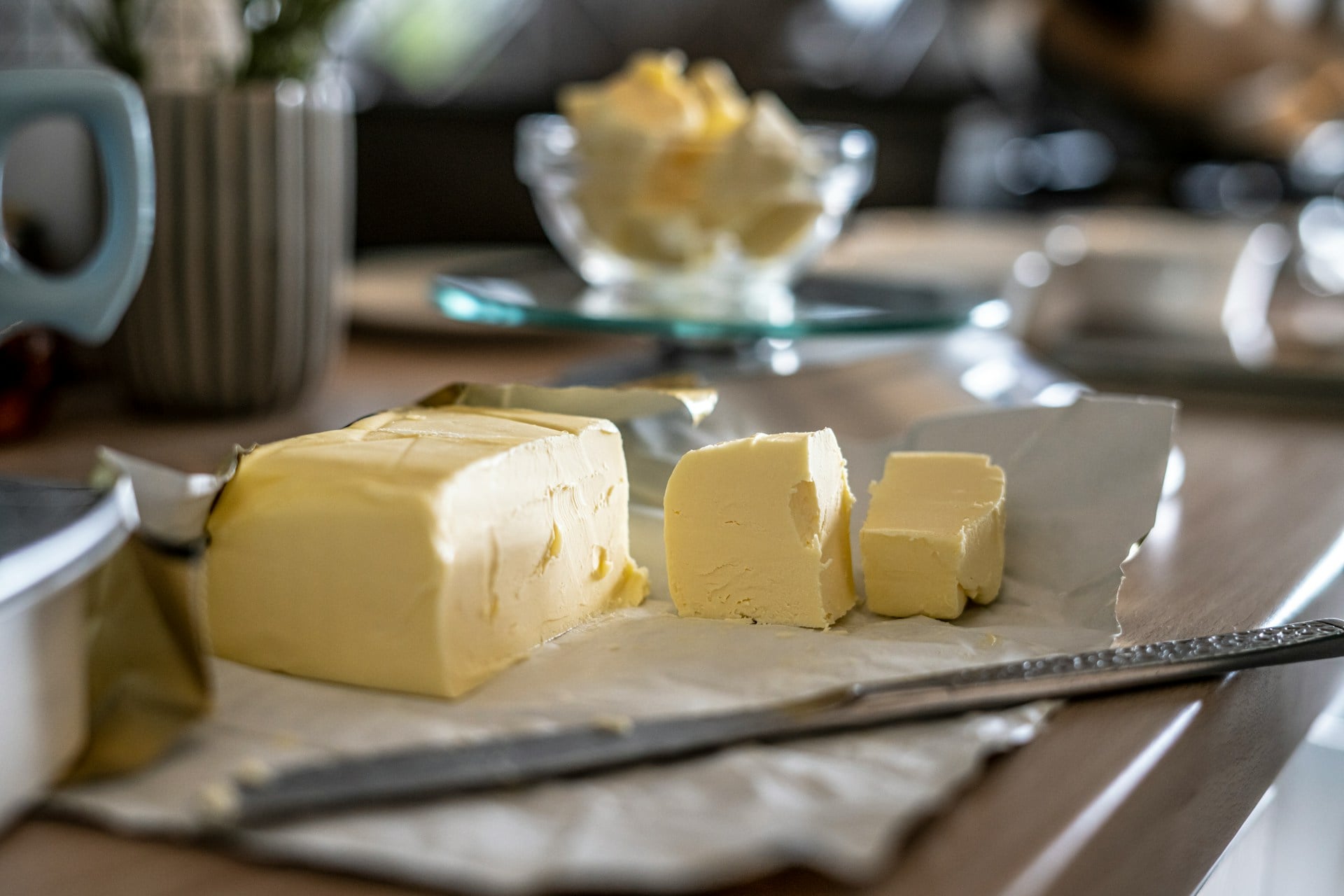
Butter seems so basic, but you can easily overpay. Brands charge more for “European-style,” higher fat content, or cultured versions. And have you noticed that four-stick boxes sometimes quietly drop from a full pound (16 ounces) to just 12? Sneaky. Prices also tend to spike right before big baking holidays, too. For everyday cooking and baking, the store brand is usually just fine. Save the fancy, expensive butter for spreading on a good piece of bread, and toss a few extra sticks in the freezer when you find a good price.
Olive oil
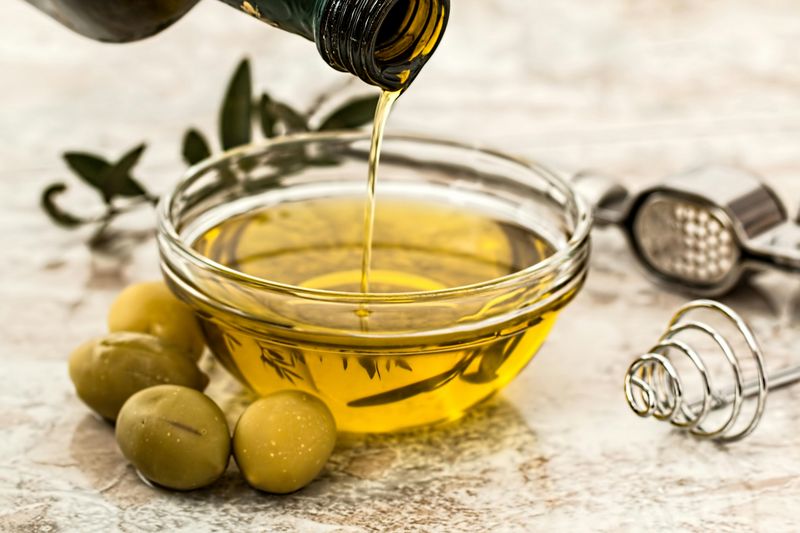
That sleek, elegant bottle of olive oil looks like a nice treat, but the cost per ounce can be staggering. “Extra virgin,” “cold pressed,” “single origin”—these terms all add invisible dollars to the price. And a lot of what you’re paying for is the fancy glass bottle and label. Here’s the truth: you don’t need your absolute best oil for sautéing vegetables. Buy a reliable, mid-tier bottle for salads and finishing, and a larger, more affordable bottle for everyday cooking. Focus on the cost per ounce and you’ll stop drizzling your money away.
Coffee
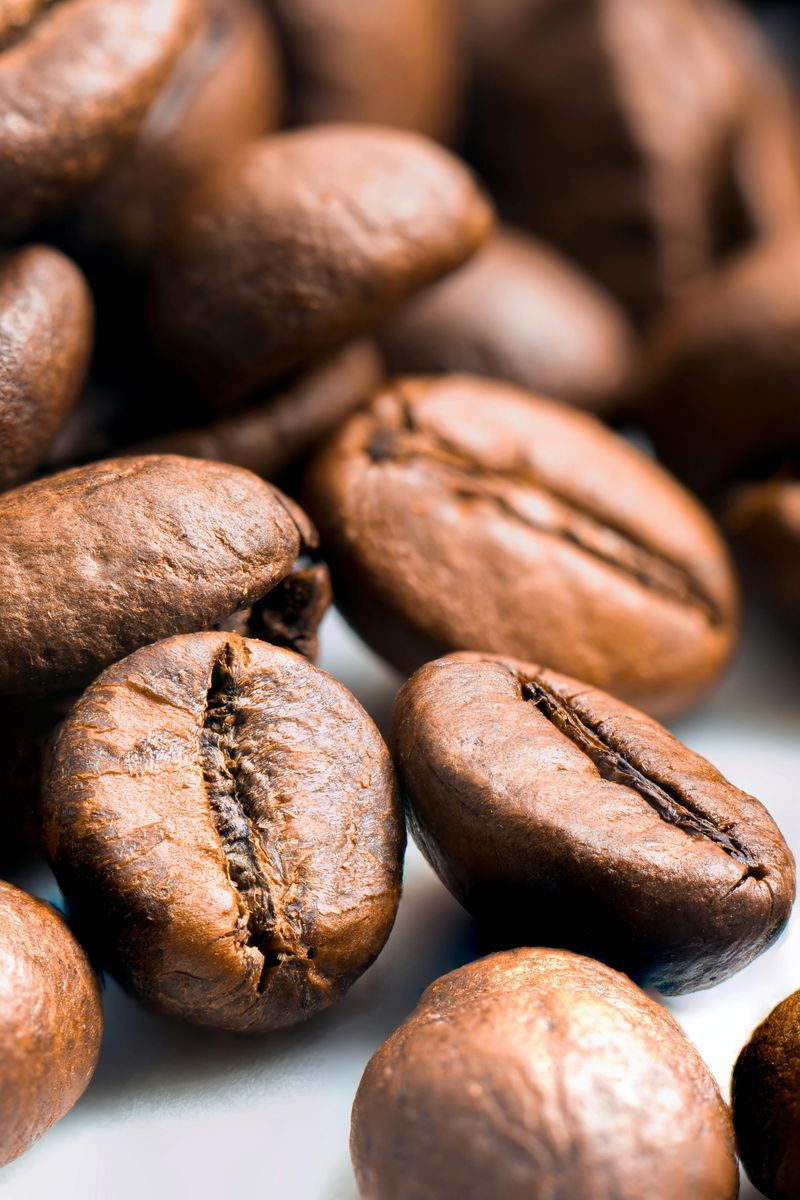
Coffee is a classic trap. A bag might look like a pound, but so many are now 10 or 12 ounces. It’s an easy miss. And those little pods? So convenient, but the cost per cup is through the roof compared to a simple drip machine or French press. If you want good coffee without the guilt, buy whole beans in the biggest bag you’ll reasonably use, and grind them yourself. It’s fresher, and the cost per cup stays where it should be.
Cheese
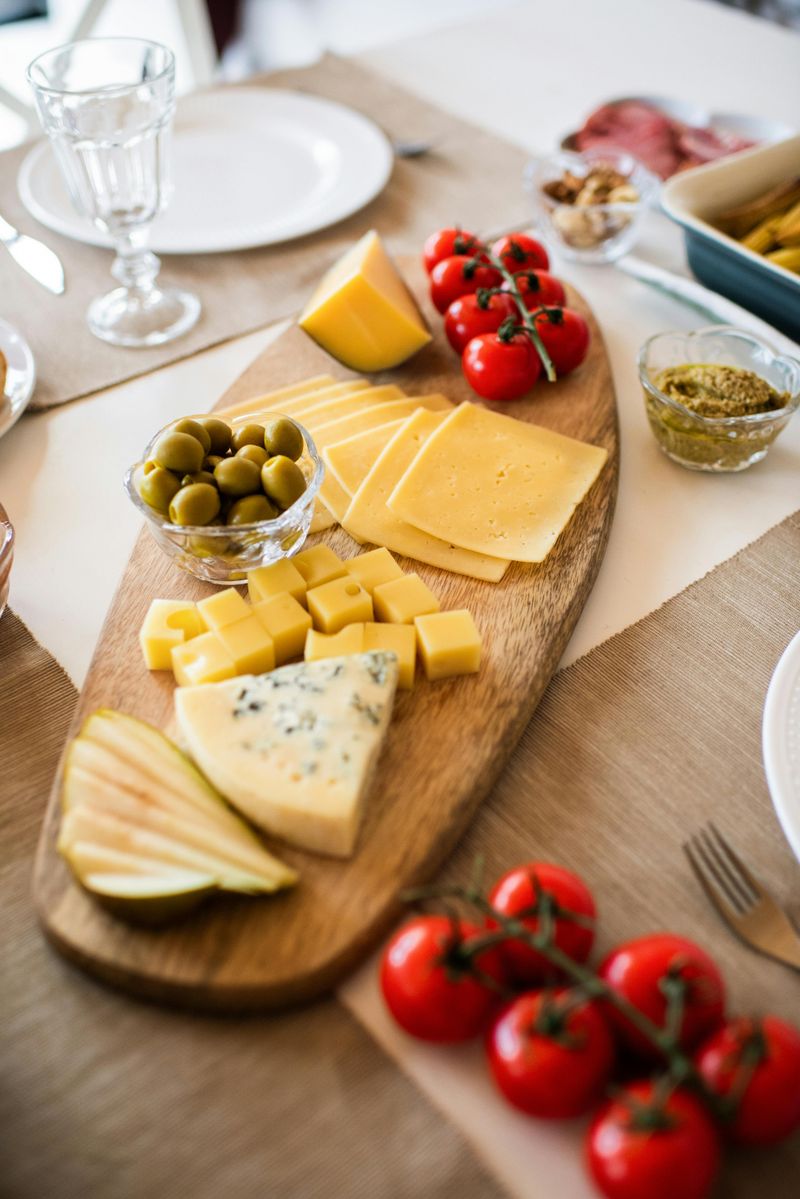
Cheese pricing is an art form. Pre-shredded cheese is a total ripoff—you’re paying extra for the convenience and the potato starch they toss on it to keep it from clumping. Those cute little wedges of fancy cheese? They weigh way less than you think. Just buy blocks of your favorite cheese and shred it yourself at home. It melts better, too. For everyday recipes, look for good domestic versions of those pricey European imports. And watch those snack packs—they feel cheap but the per-ounce price is painful.
Ground beef
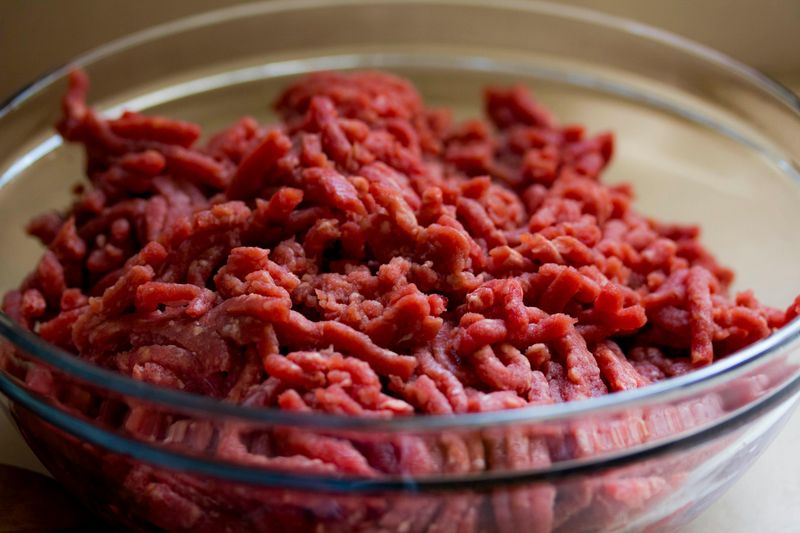
That big tray of ground beef can look like a bargain, but the fat percentage changes everything. A leaner blend costs more per pound, but it also shrinks way less in the pan. So which is actually the better value? You have to do the math in your head. Family packs seem thrifty, but not if half of it gets freezer burn. Check the price per pound based on what you’re making. When you find a good sale, buy a big tube, portion it out at home, and freeze it flat in bags for easy meals later.
Bacon
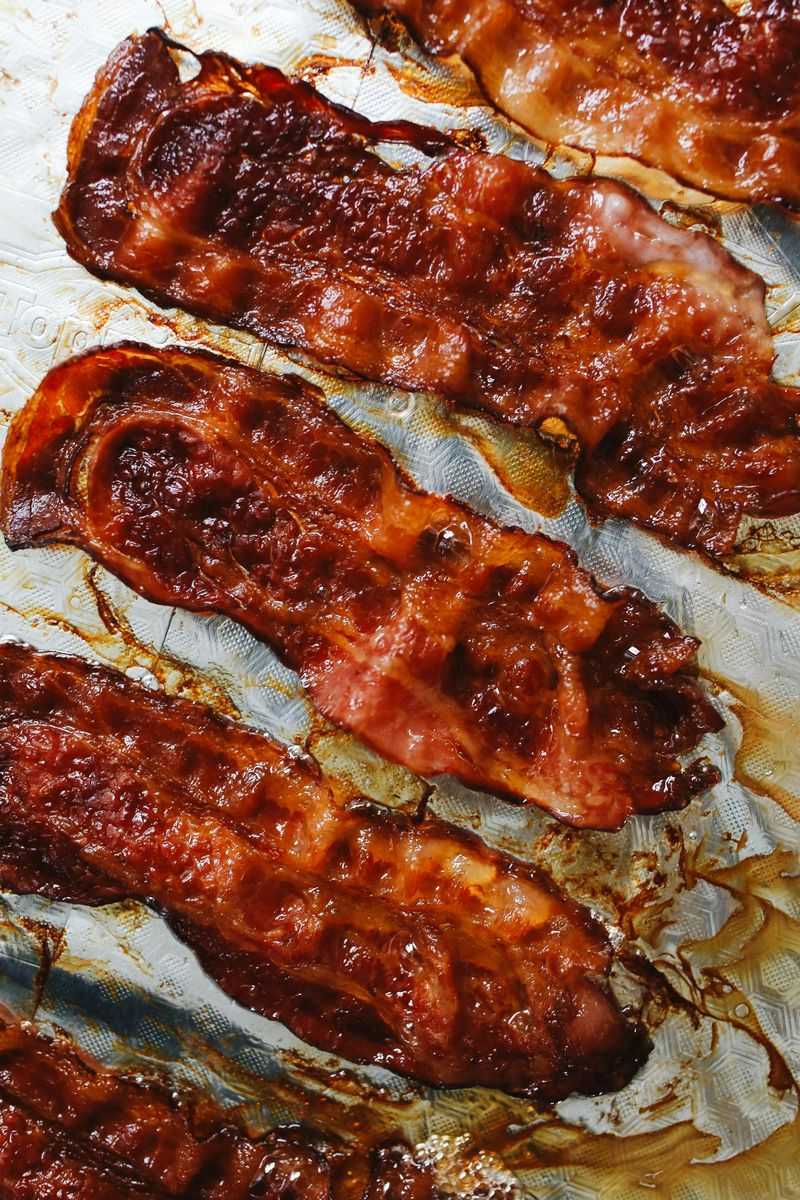
Bacon’s price tag can look totally reasonable until you notice the package has quietly shrunk to 10 or 12 ounces. Plus, so much of that weight is just water that sizzles away in the pan. And those “thick-cut” or “applewood smoked” labels? They come with a fancy price. Even sales can be deceiving—sometimes those “multi-buy” deals actually have a higher unit price than just buying one. Your best bet is to always, always check the price per ounce and give the store brand a chance. When you do catch a real sale, grab a few extra packs and freeze them.
Chicken wings
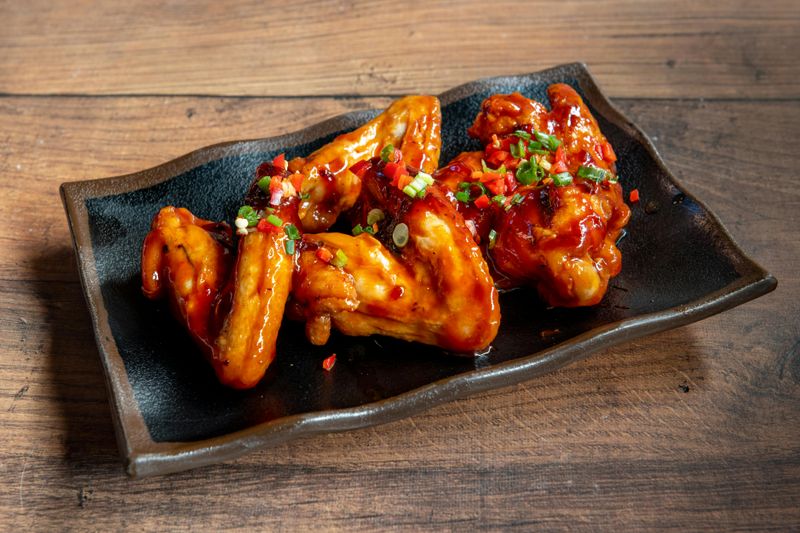
Wings feel like they should be a cheap meal, but demand has made them pricey, especially around big game weekends. And you’re paying for a lot of bone and skin, not just meat. Those pre-seasoned trays are an even worse deal—you’re paying extra for a packet of cheap sauce. If you’re craving wings, look for party packs and compare the per-pound price to thighs or drumsticks, which are often a better value. Make your own sauce and stretch them with plenty of veggies. Save wings for a treat, not a Tuesday night dinner.
Salmon
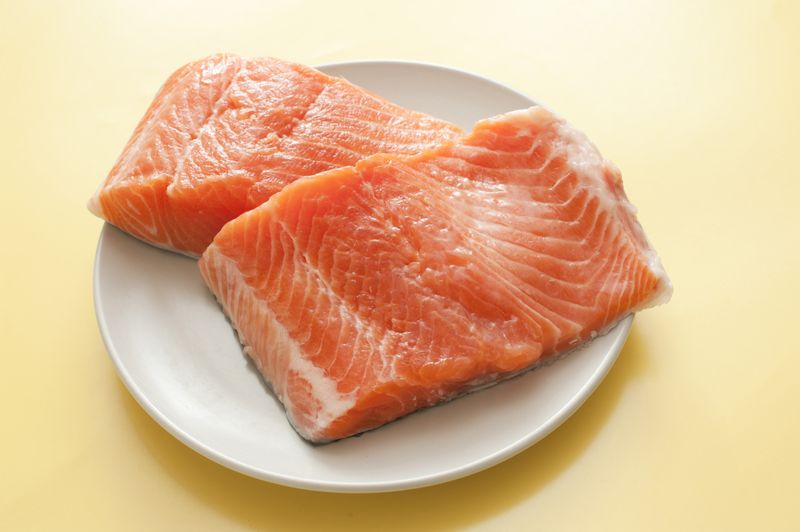
Salmon prices are all over the place depending on the season and the cut. Skinless, center-cut fillets that are already portioned for you? That’s the most expensive way to buy it. The package might look small, so the total seems fine, but the per-pound price is where they get you. Farmed salmon is usually cheaper, but do a quick check on sustainability. The real hack is to buy a whole side of salmon when it’s on sale and portion it yourself at home. It freezes beautifully.
Shrimp
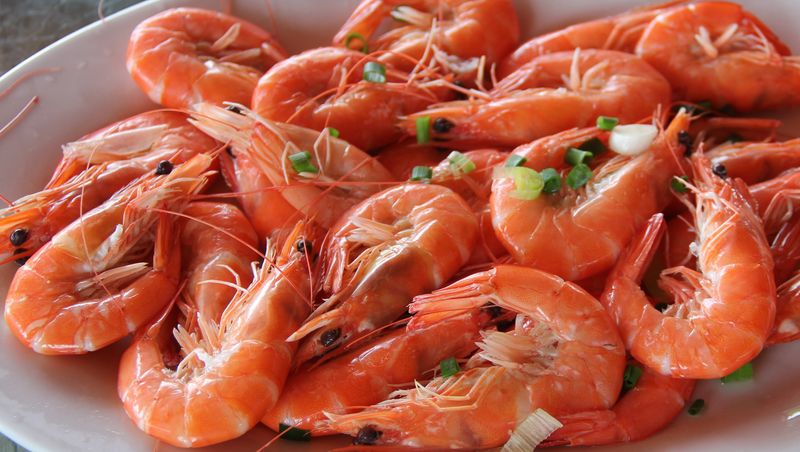
Shrimp is a tricky one. The price depends on the count per pound (the bigger the shrimp, the higher the price) and how much water weight they’ve added with glazing. “Peeled and deveined” adds a hefty labor cost. If you have a few extra minutes, buy shell-on shrimp—they’re cheaper and have way more flavor. Always thaw them slowly in the fridge, and check the net weight after accounting for any ice glaze. A simple homemade cocktail sauce beats any overpriced pre-seasoned bag.
Avocados

Avocados are a trap of good intentions. You grab a bag of them on a two-for deal, but then you’re playing ripening roulette. Half of them might go from rock-hard to brown mush before you can use them. Bagged avocados also tend to be smaller. The best move is to pick your own individual avocados. Give them a gentle squeeze—you want a little give near the stem. Plan your meals around them, and pop any ripe ones in the fridge to pause the countdown. And always check the price per avocado, not just the bag price.
Berries
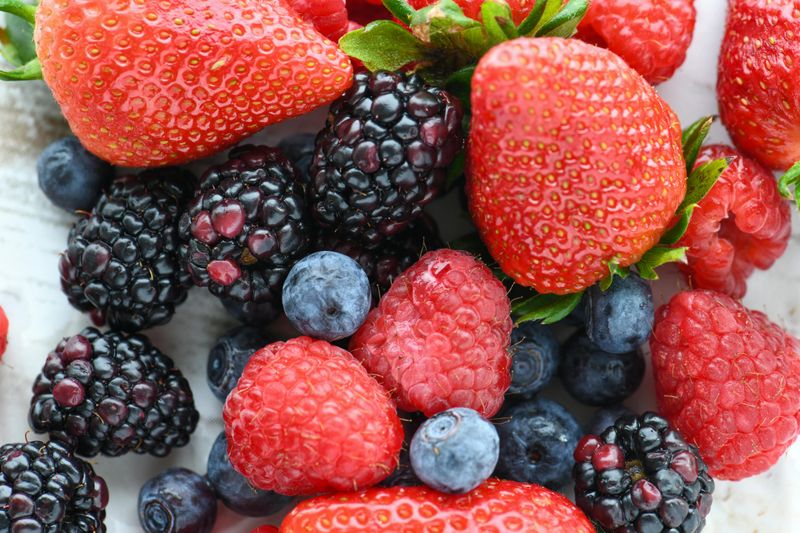
Those little clamshells of berries look so cheerful and affordable, but the cost per bite is actually pretty high. The ounces can vary, and the price swings wildly with the seasons. “Pre-washed” is just a way to charge you more for running them under water. Your best bet is to buy them in season, when they’re actually cheap and delicious. If you find a good deal, wash them, lay them on a sheet pan to freeze, and then toss them in a bag for smoothies later. And always, always check the bottom of the container for mush and mold before you buy.
Cooking oil
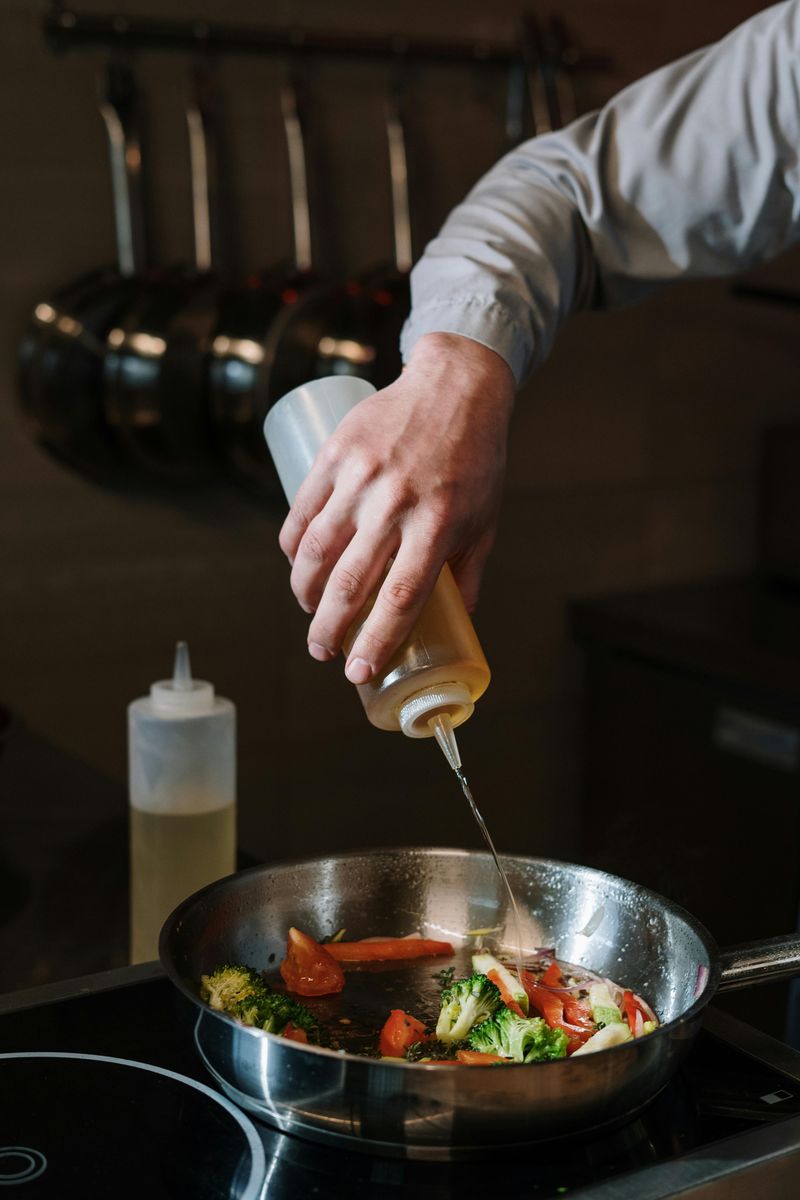
A slim bottle of cooking oil seems cheap, but those specialty oils add up fast. Avocado oil and peanut oil cost more because they’re marketed for high-heat cooking. The small sizes hide a brutal per-ounce cost compared to the big jugs. The key is to match the oil to the job. Keep a big, budget-friendly neutral oil (like canola or vegetable) for frying and roasting, and then buy a nicer, smaller bottle of extra virgin olive oil or avocado oil for salads and finishing. Compare unit prices and smoke points so you’re not pouring money down the drain.
Bread loaf
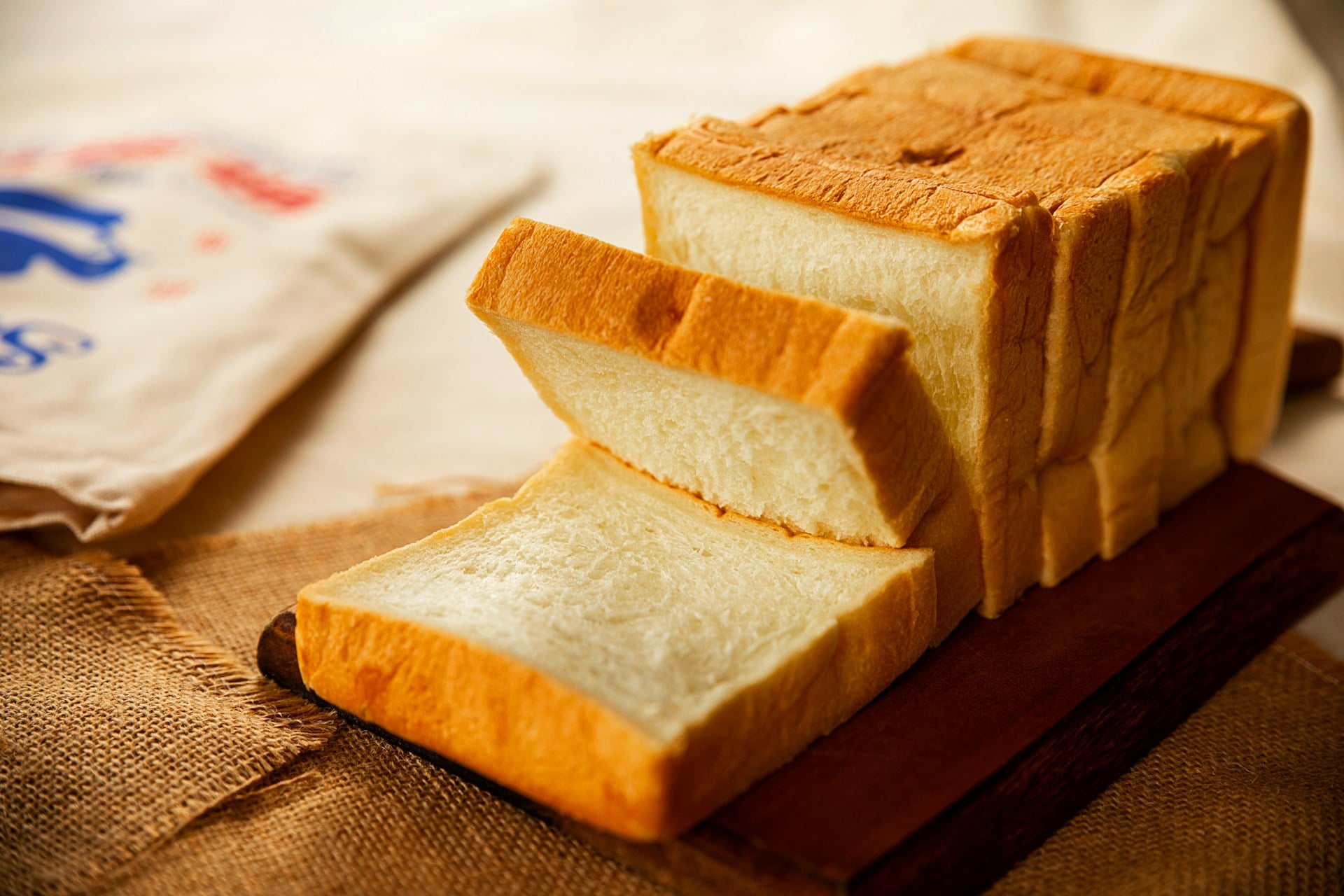
That crusty, artisanal loaf from the bakery section is tempting, but the price per pound is often way higher than the regular bread aisle. And those smaller, “artisan” loaves mean fewer slices, so your cost per sandwich climbs. Even the standard sliced bread has been shrinking, dropping weight without dropping the price. Compare ounces and serving counts, not just the brand. If you buy a good loaf, freeze half of it right away so it doesn’t go stale. And check for bakery markdowns late in the day—you can often snag a deal and revive it in the toaster.
Cereal
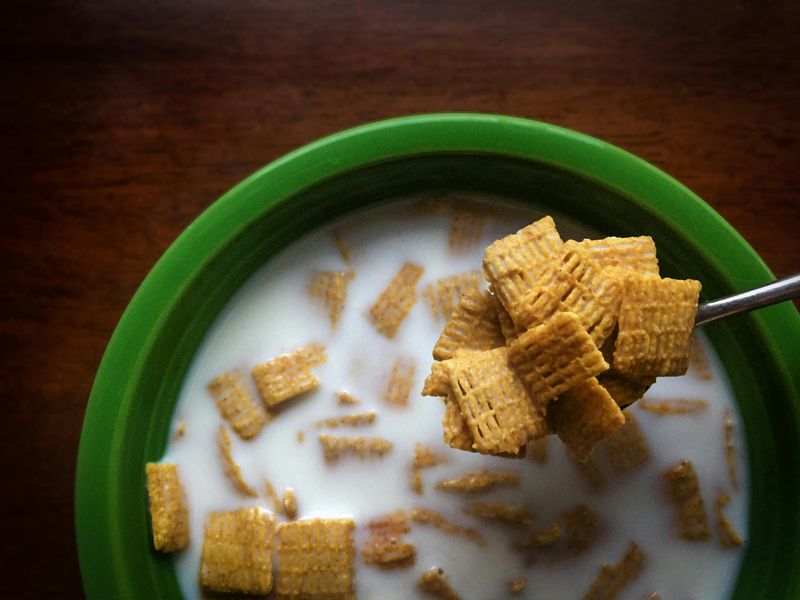
Cereal boxes are masters of illusion. They look big, but they feel so light. “Family size” might not be a value if half the box is air and the cereal itself is puffed into weird shapes. And honestly, once you actually measure out a real serving size, the cost per bowl can be shocking. Compare ounces across different boxes and give the bagged store brands a chance. You can even mix a sweet cereal with plain oats to stretch it out and cut the sugar. Stock up when you see a sale, but only if the per-ounce math actually works in your favor.
Frozen meals
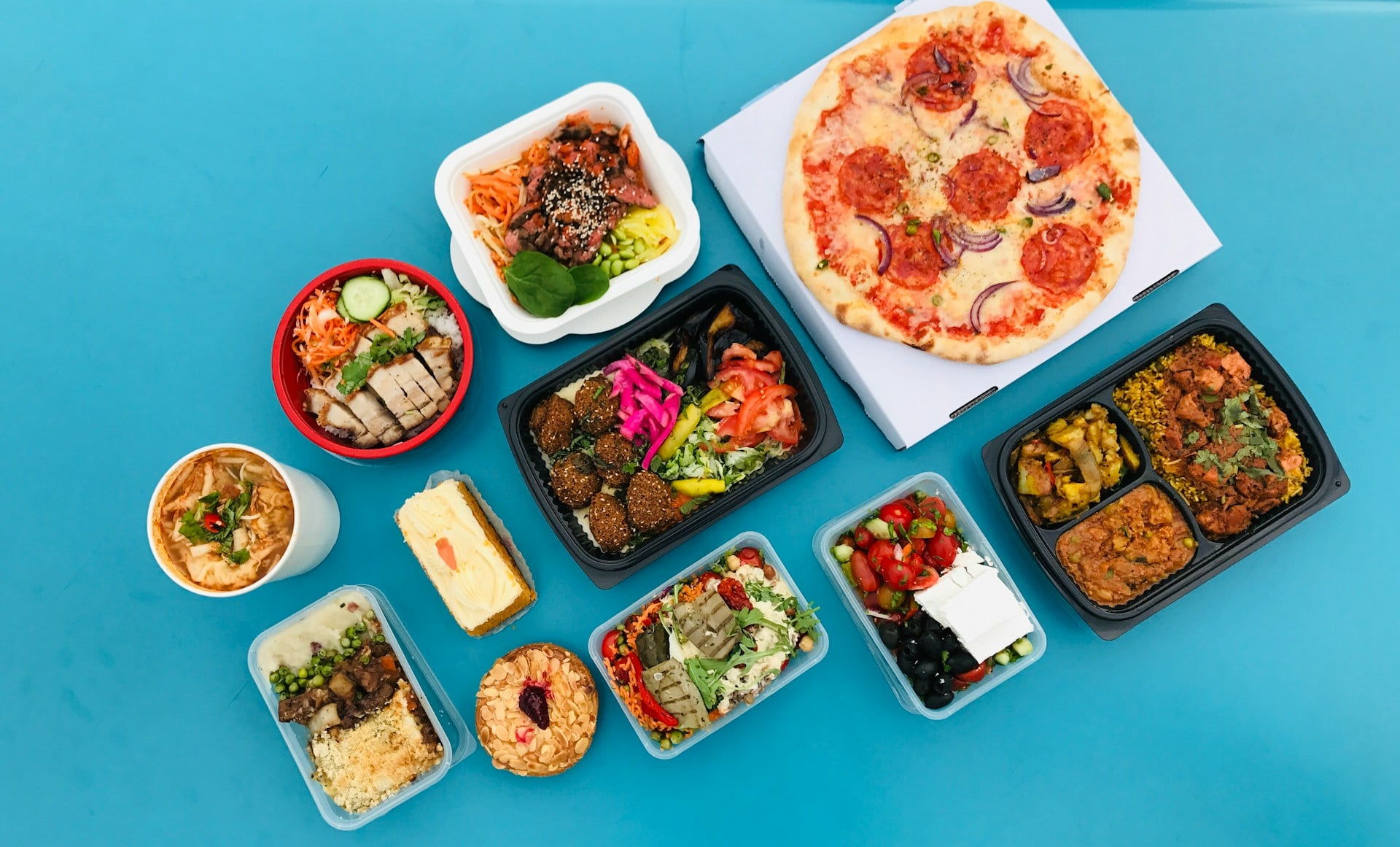
Frozen meals feel like a budget hero, but the value falls apart fast when you actually look at them. The portions are often tiny, so you end up eating two or needing a whole separate side. The “healthy” or “premium” labels raise the price even more, while the sodium content stays sky-high. My advice? Use them as a backup plan, not a weekly staple. Pair one with a big salad or some rice to make it an actual meal. Watch the sales, but do the math so convenience doesn’t frost over your wallet.
Snack packs
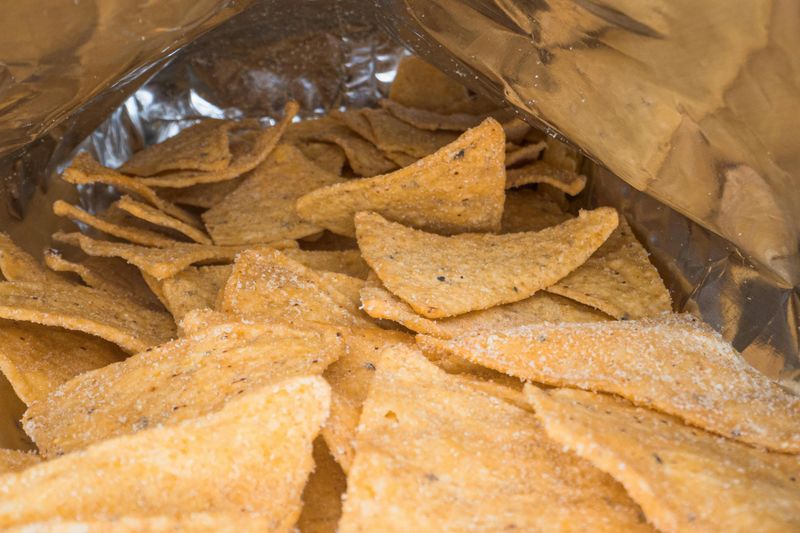
Individually wrapped snacks are the ultimate convenience tax. Those little 100-calorie packs or single-serving bags of chips? The per-ounce price is often double what you’d pay for a full-size bag. You’re paying for all that extra packaging and portion control. The fix is easy: buy the big bag and portion it out yourself into small reusable containers. Make your own trail mix, too. Keep a few of the store-bought packs for lunches or on-the-go emergencies, but don’t make them your everyday habit.
Protein bars
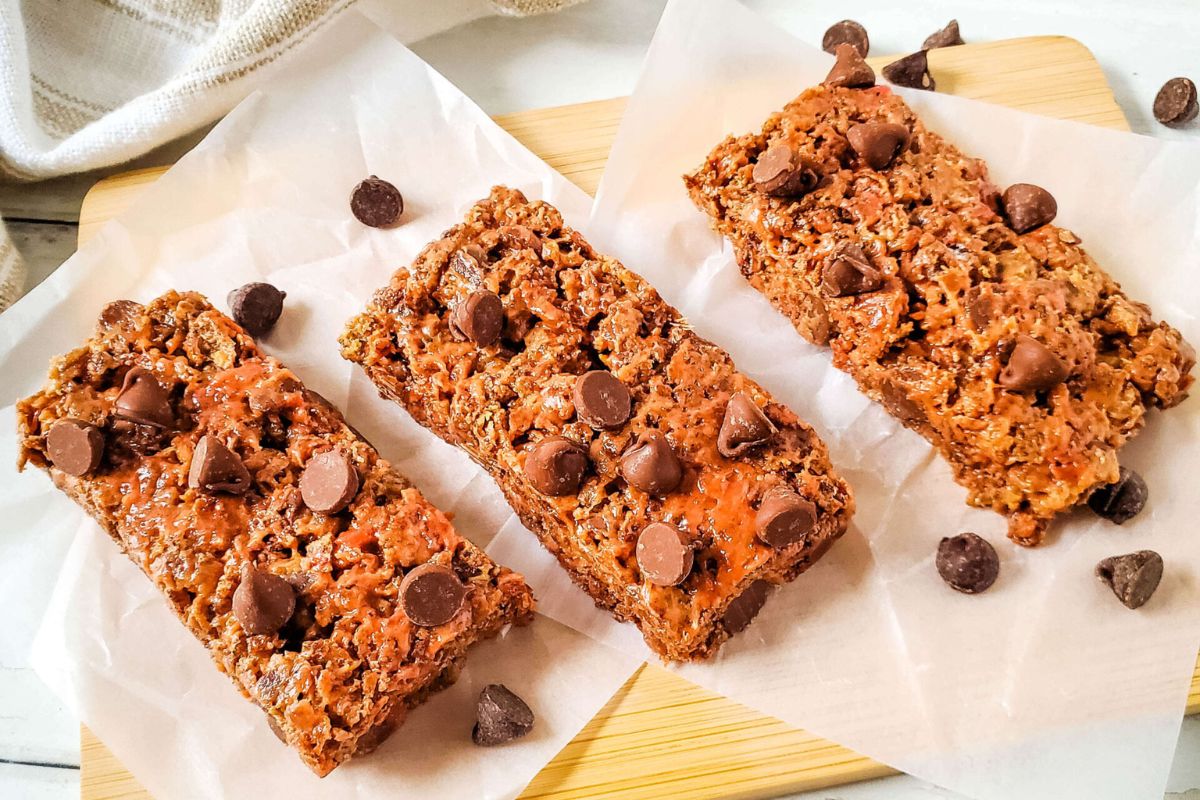
Protein bars market themselves as health food, but they’re really just expensive, wrapped-up snacks. You’re paying for the brand name, the marketing, the wrapper, and a bunch of syrupy binders. If you actually look at the grams of protein per dollar, it’s almost always a worse deal than simple foods like eggs, Greek yogurt, or a chicken breast. Scan the labels for realistic protein and sugar counts. If you buy a box, make sure you actually like the flavor. Keep a few in your bag for travel emergencies, but for everyday, homemade options are way better for your wallet.
Bagged salad
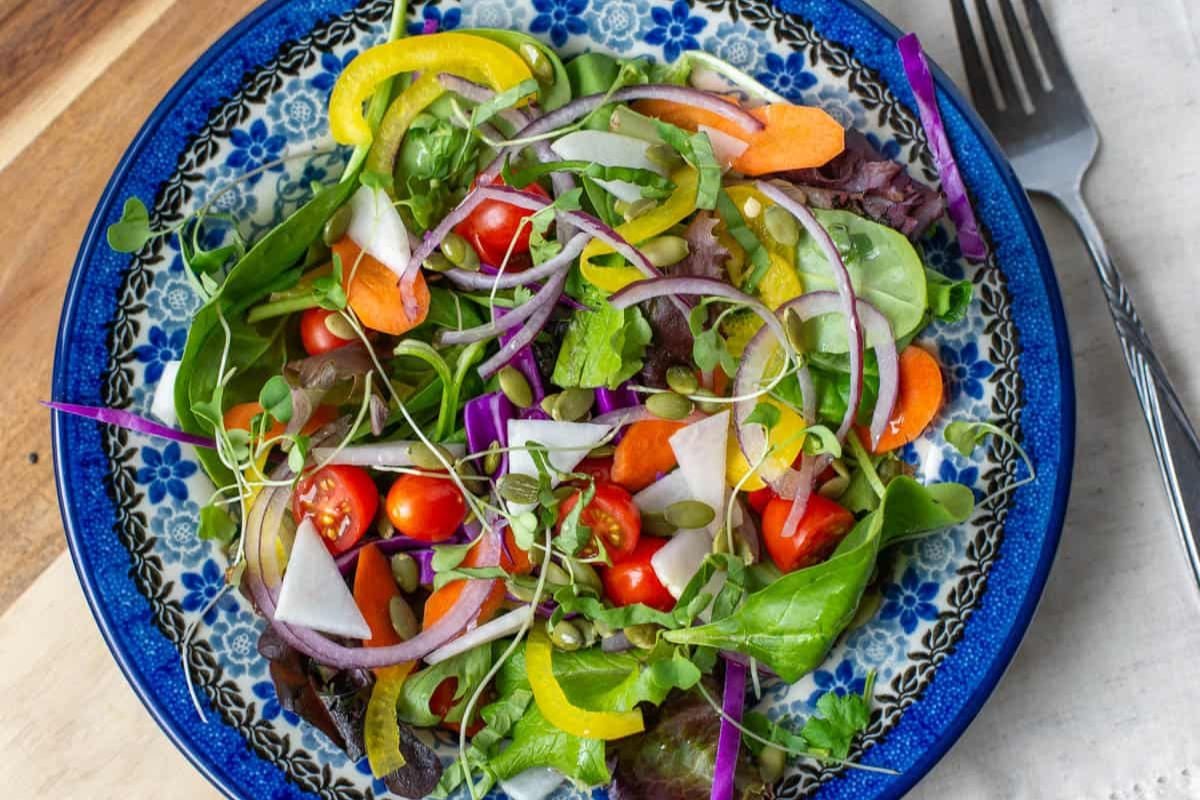
Bagged salad kits are a genius invention for busy nights, but they are a terrible value. You’re paying for the greens, plus a tiny packet of dressing, some dried cranberries, and a sprinkle of cheese—all of which you probably have at home already. The net weight is light, and the greens can go bad in two days. For everyday meals, buy a head of lettuce or a bag of plain greens and add your own toppings from the pantry. Save the kits for when you’re truly in a pinch, not as your go-to dinner.