Popular Restaurant Desserts Usually Prepared in Advance

The dessert menu is often the most tempting part of any meal. Rich cakes, creamy pies, warm chocolate treats, they promise a sweet finish that feels freshly prepared just for you. But the reality in most restaurant kitchens is a little different. Many desserts are made hours in advance, or even produced by specialized bakeries and shipped in. Preparing sweets ahead of time helps kitchens maintain consistency, control costs, and serve desserts quickly during busy hours. That doesn’t make them any less enjoyable. In fact, many classic desserts are designed to rest or chill before serving. But that slice arriving at your table may have been made long before your meal even began. Here are eight desserts that are rarely made to order.
Carrot Cake
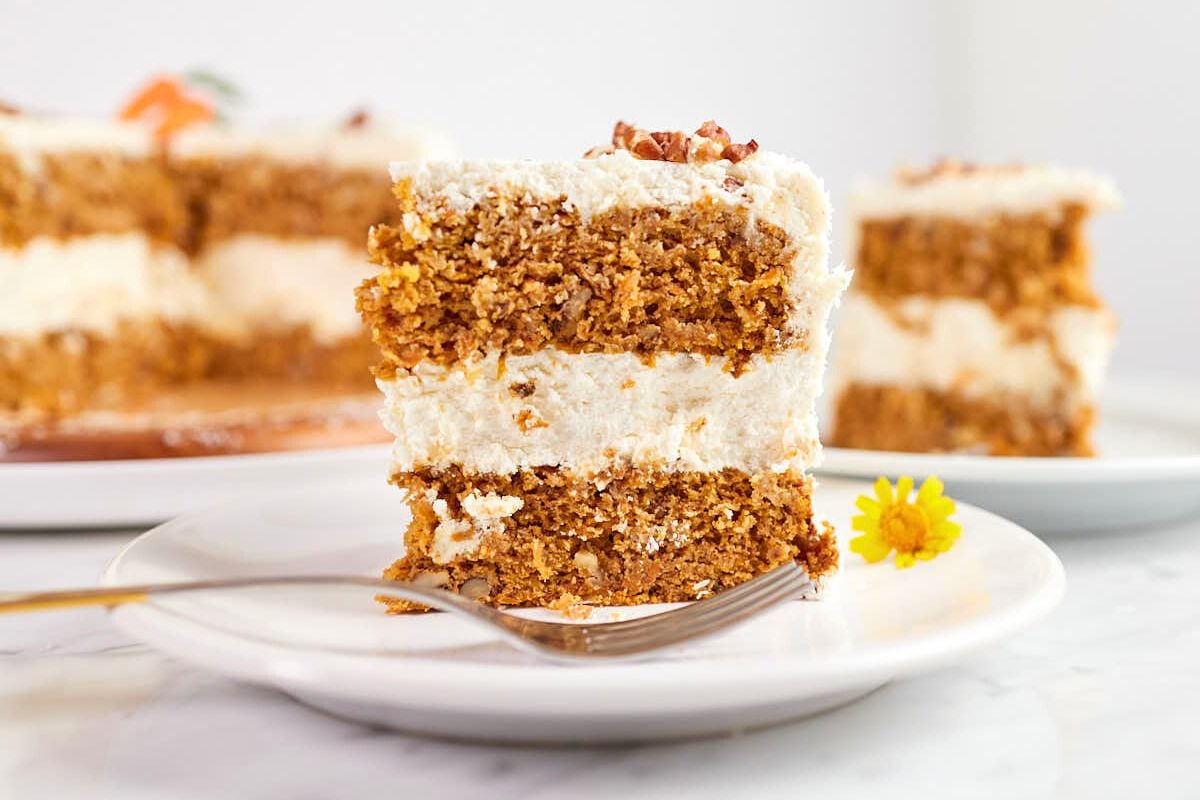
Carrot cake is dense, moist, and layered with cream cheese frosting. Baking a full cake takes time, mixing, baking, cooling, frosting. That’s why many restaurants rely on commercial bakeries that specialize in large layered cakes. They’re delivered whole and sliced as needed. Even when baked in-house, carrot cake is almost always prepared earlier in the day. The flavors actually improve after resting, as spices settle and moisture distributes. Preparation ahead of time isn’t a compromise; it’s the smart way to do it.
Chocolate Lava Cake
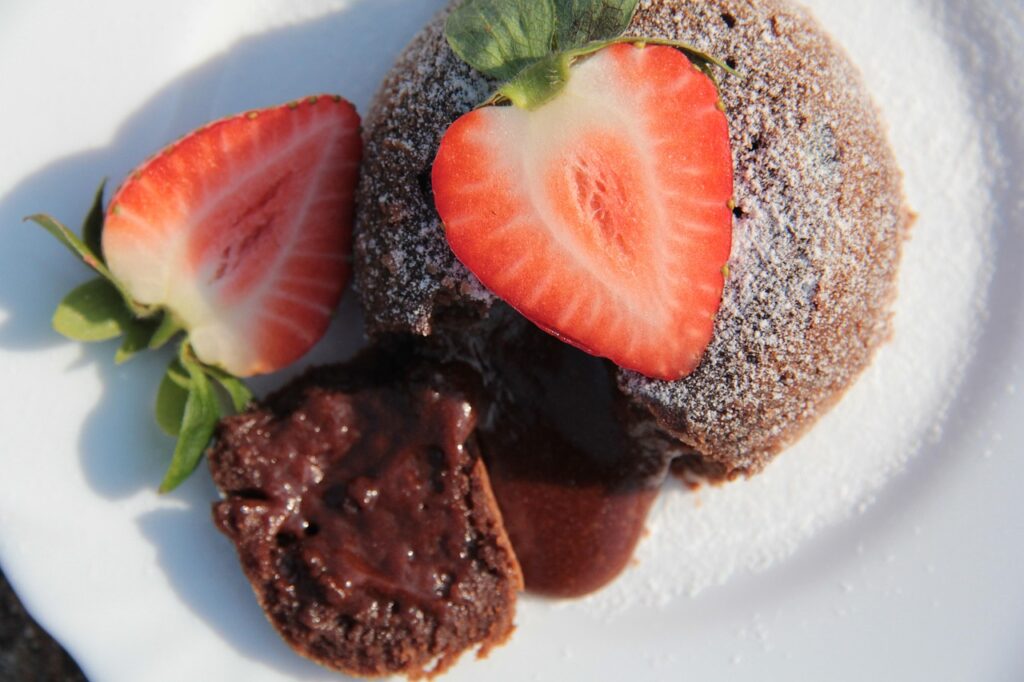
Chocolate lava cake feels dramatic, that warm, flowing center suggests it was baked fresh just for you. In reality, most are prepared ahead of time in individual molds, partially baked, then chilled or frozen. When you order, they’re reheated quickly in an oven or microwave, which finishes the baking process and creates that signature molten center. This method allows kitchens to serve the dessert in minutes during busy service. The effect is the same, the flowing chocolate, the warm cake, but it wasn’t made from scratch at that moment.
Tiramisu
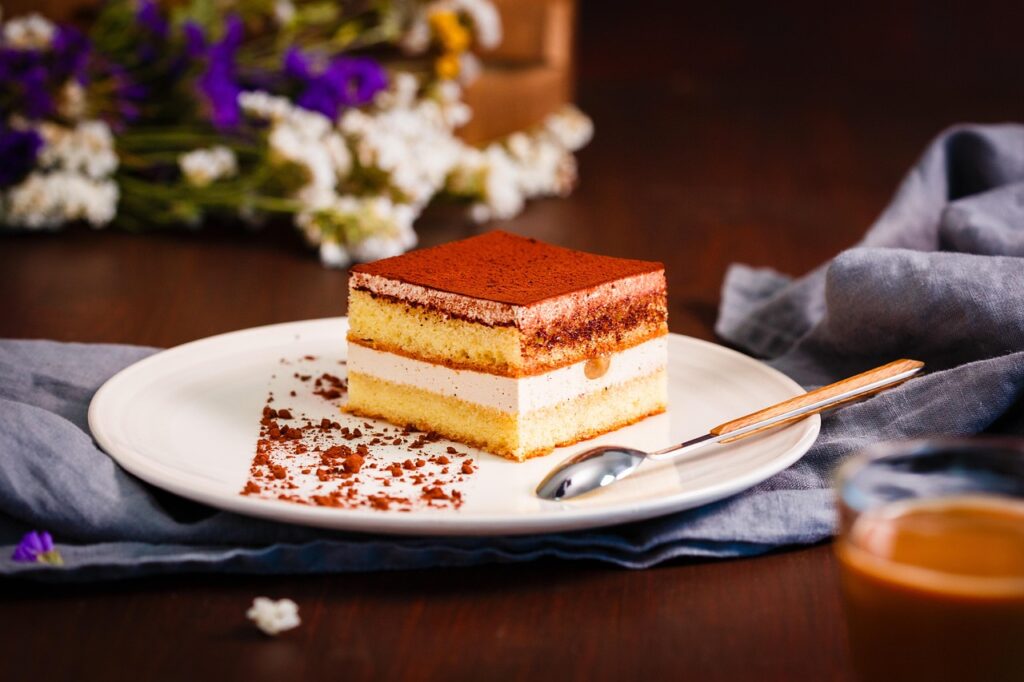
Tiramisu is defined by its delicate layers of coffee-soaked ladyfingers and mascarpone cream. But it requires hours of refrigeration to set properly and allow flavors to meld. That means it’s almost always made well before it appears on the menu. Many restaurants prepare large trays earlier in the day or purchase ready-made versions from specialty dessert suppliers. The resting time isn’t a shortcut; it’s part of the traditional method. Still, in most dining rooms, the slice served to you was assembled long before your meal began.
Key Lime Pie
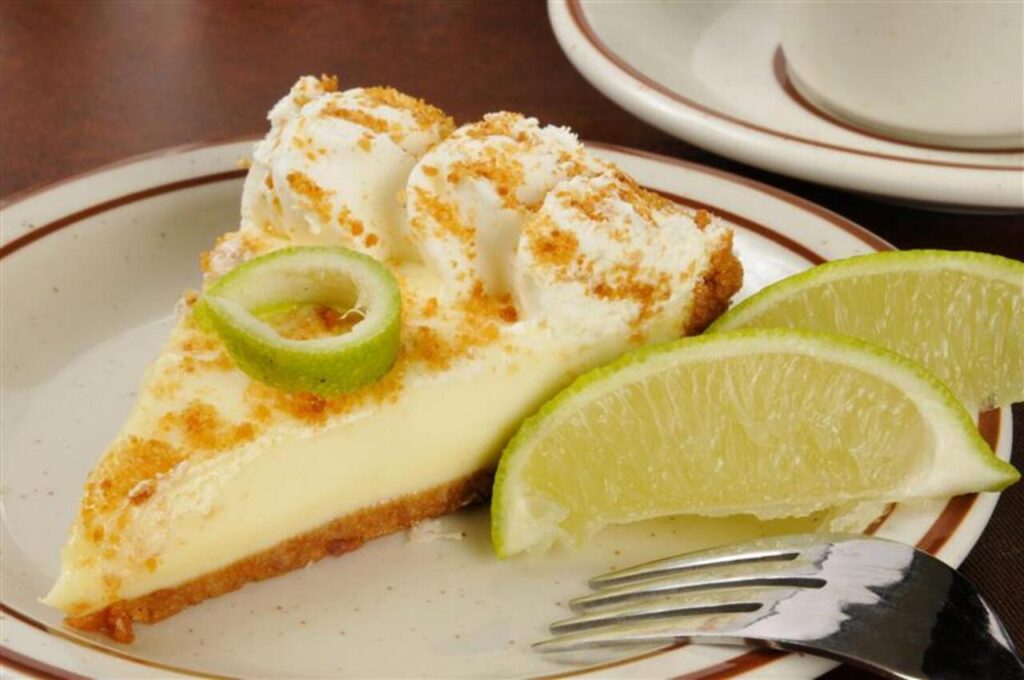
Key lime pie tastes bright and fresh, but it’s often produced outside the restaurant kitchen. The simple filling, lime juice, egg yolks, sweetened condensed milk, adapts well to bulk production. Commercial bakeries make these pies in large batches, and restaurants purchase whole pies that arrive frozen or refrigerated. Staff simply slice and garnish with whipped cream before serving. It’s efficient, consistent, and saves the kitchen from baking multiple pies during busy hours.
Bread Pudding
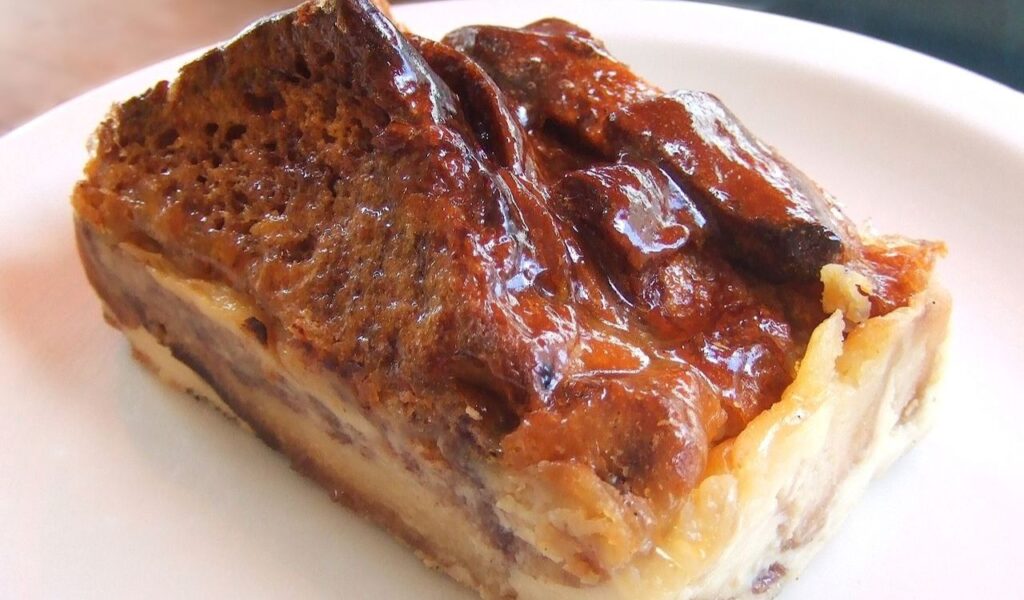
Bread pudding feels rustic, like something a kitchen might prepare fresh each day. And while some do make their own, most prepare large pans well before dinner service begins. The pudding is baked, cooled, then reheated in portions when ordered. This actually improves the flavor, because resting allows the custard to fully absorb into the bread. The reheating process warms it through, and sauces like caramel or bourbon glaze are added just before serving. It’s made ahead, but that’s part of what makes it good.
Chocolate Mousse
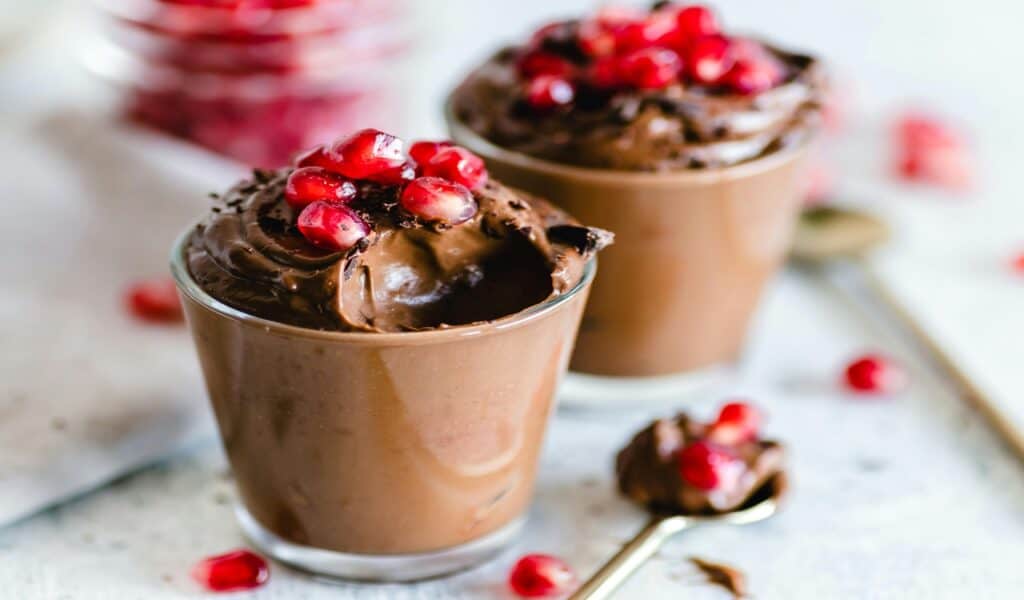
Chocolate mousse relies on its light, airy texture, achieved by folding whipped cream or egg whites into melted chocolate. But that texture requires time to set in the refrigerator. Mousse is almost always made hours before service, stored in individual cups or larger containers. Some restaurants even purchase pre-made mousse from dessert suppliers. Either way, it’s rarely mixed to order. The chilled, stable texture when it reaches your table is the result of planning, not last-minute work.
Ice Cream Sundaes

The ice cream sundae might seem like the simplest dessert on the menu. Scoops of ice cream, sauces, whipped cream, garnishes, assembled when ordered. But nearly every component is pre-made. Restaurants rely on commercially produced ice cream, packaged syrups, and prepared whipped toppings. The assembly happens at the moment of service, but every ingredient was produced well before the diner placed the order. It’s still delicious, but it’s not made from scratch.
Cheesecake
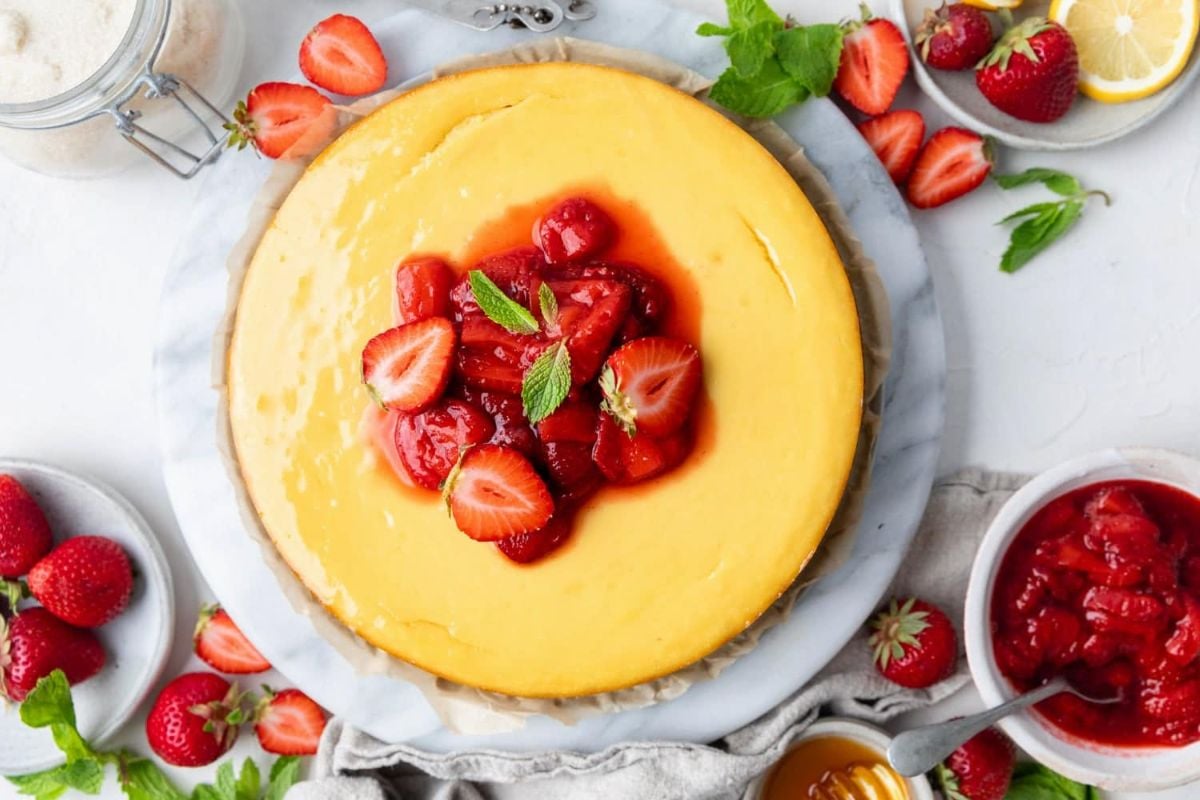
Cheesecake is a menu staple for good reason. Its rich, creamy texture and familiar flavor make it a reliable choice for diners. But most restaurants aren’t baking these cakes in-house. Large cheesecakes require careful baking, extended cooling time, and significant refrigeration space. That’s why many kitchens purchase fully prepared cheesecakes from commercial bakeries or distributors. They arrive frozen or chilled, then are thawed and plated when ordered. This method ensures consistency and saves labor, allowing restaurants to offer multiple flavors without baking several batches. The slice you enjoy was likely prepared well before you ever walked in.
These desserts are no less enjoyable for being prepared ahead. In many cases, the process is designed to make them better. But it’s worth knowing that what arrives at your table is often the result of careful planning, not last-minute magic. And that’s okay. Sometimes the best desserts are the ones that had time to wait