Hard-Boiled Egg “Rules” That Nobody Gets Right

You’d think boiling an egg would be the easiest thing in the world, right? But we’ve all been there—struggling with a shell that refuses to let go, or cutting into what was supposed to be a nice egg only to find a weird, green ring around the yolk. It’s frustrating. Whether you’re meal-prepping for the week or whipping up some deviled eggs for a gathering, these little mishaps can be a real downer.
The good news is, most of these problems are totally avoidable. You just need to know what to tweak. I’ve rounded up seven simple hacks that tackle the most common egg-boiling mistakes. A few small changes to your routine can turn this into a totally stress-free, foolproof task. Trust me, once you get these down, you’ll have perfect eggs every single time.
Overcrowding the Pot
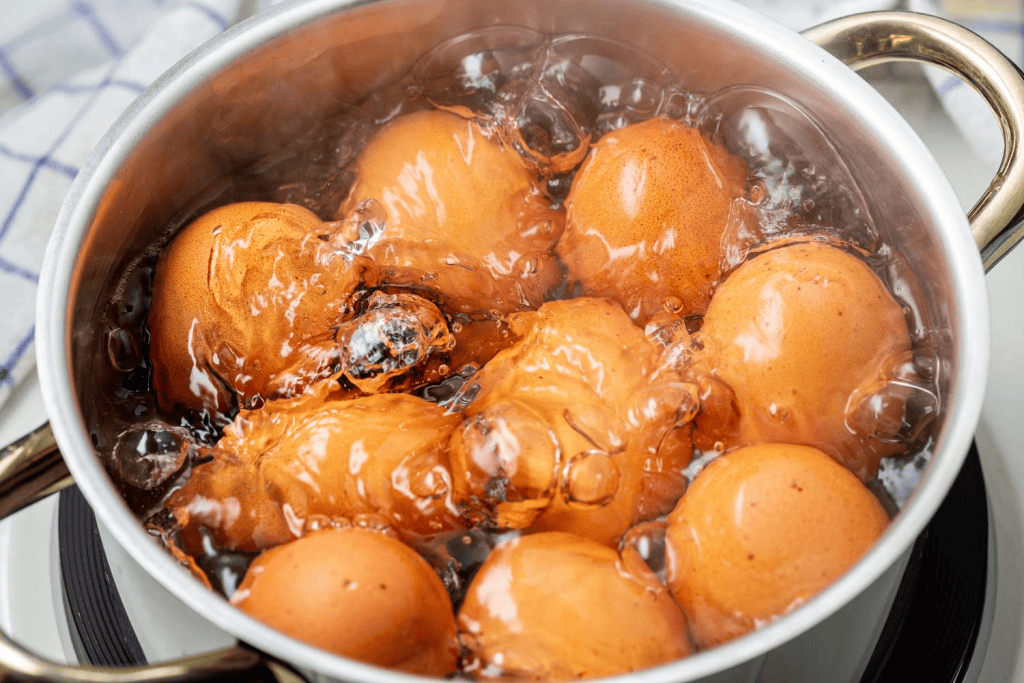
Cramming a dozen eggs into a tiny saucepan is asking for trouble. They need their own space! Always arrange them in a single layer so they aren’t stacked, and make sure they’re covered by at least an inch of water. This lets the water circulate freely, so every single egg cooks at the same rate. If they’re piled on top of each other, you’ll end up with some perfectly cooked and some sadly underdone. A bigger pot and a little room is all it takes for perfectly uniform eggs.
Start with Eggs That Aren’t Too Fresh
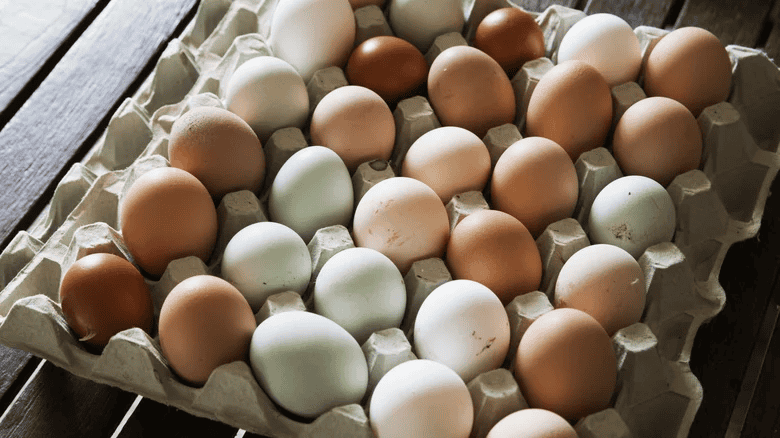
It sounds totally backwards, but it’s true: using eggs straight from the farm or a fresh carton is a recipe for peeling frustration. As an egg sits in your fridge for about a week, its chemistry changes just enough to make the membrane loosen up. That little air pocket gets a bit bigger, and suddenly the shell comes off in big, satisfying pieces instead of tiny, fingernail-breaking shards. So, if you’re planning to boil them, let them hang out in the fridge for a while. It makes all the difference.
Skipping the Ice Bath
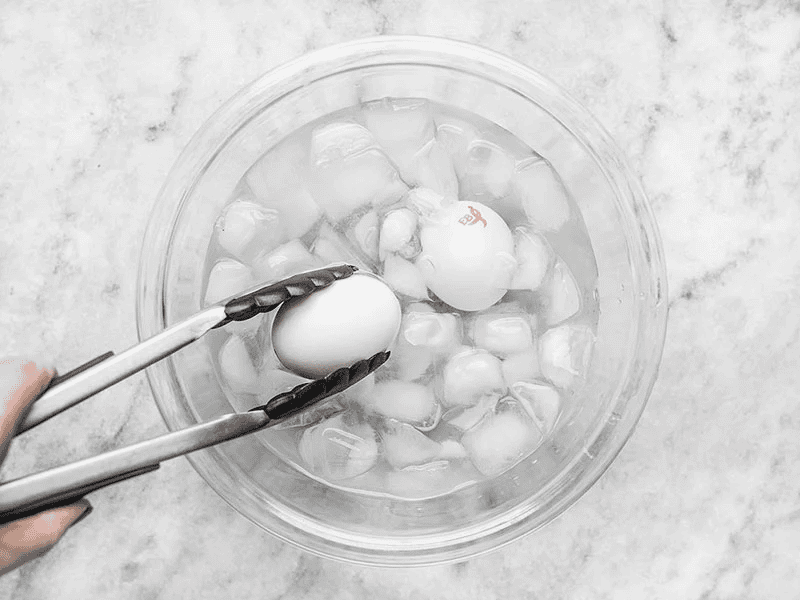
This is a game-changer. If you just drain the hot water and let the eggs sit, they keep cooking from their own residual heat. That’s what causes that unappetizing gray-green film on the yolk. A big bowl of ice water stops the cooking process instantly, guaranteeing a bright, sunny yellow yolk. Plus, that sudden cold shock helps shrink the egg away from its shell, making it even easier to peel later. It’s one extra step, but it’s the secret to a perfect egg.
Boiling Too Aggressively
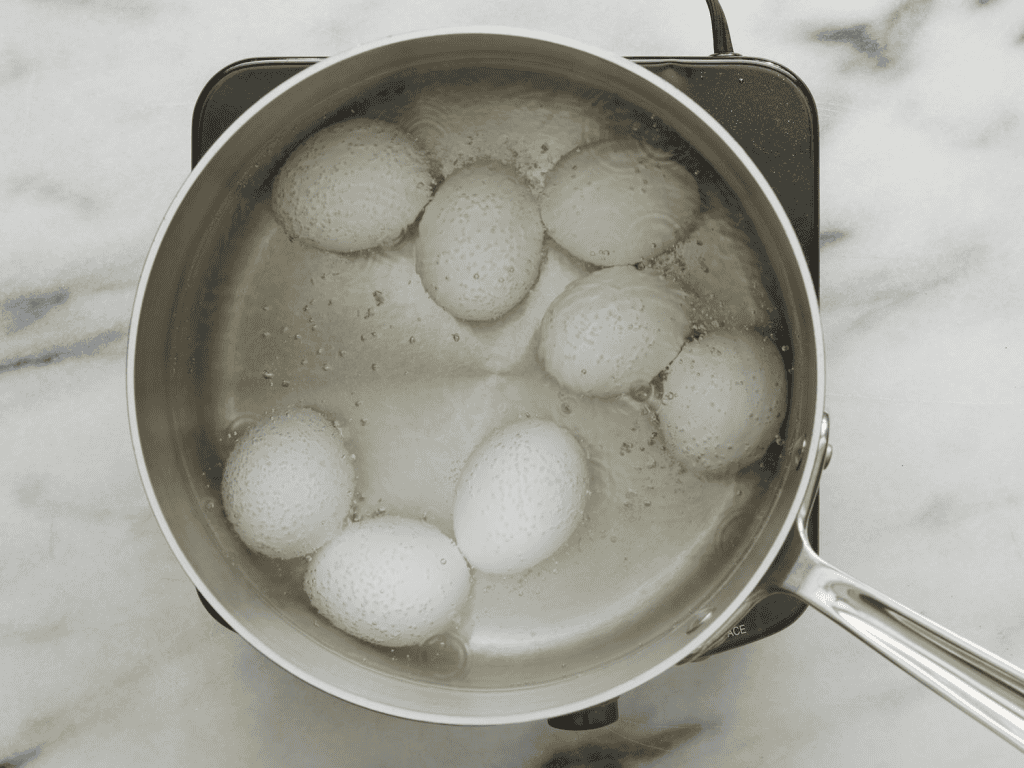
A violent, rolling boil might feel like the right move, but it’s actually your enemy. Eggs can bang against each other and the pot, leading to cracks. The better way? Bring your water to a full boil first, then gently lower the eggs in and immediately turn the heat down to a bare simmer. A calm, gentle bubble cooks the eggs evenly and keeps those fragile shells safe from any turbulence. Your egg whites will be tender, not tough and rubbery.
Ignoring Timing Precision
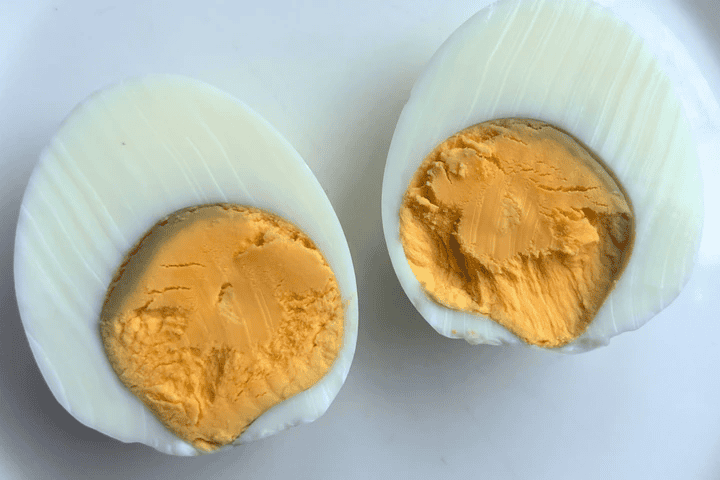
A minute or two really does change everything. The difference between a creamy, just-set yolk and a dry, chalky one is all in the timer. For a classic hard-boiled egg with a tender, not-crumbly yolk, aim for about 9 to 10 minutes. And start your timer after the water comes back to a simmer, not before. A digital timer is your best friend here—it takes the guesswork out and gives you consistent results every time.
Not Salting or Adding Vinegar
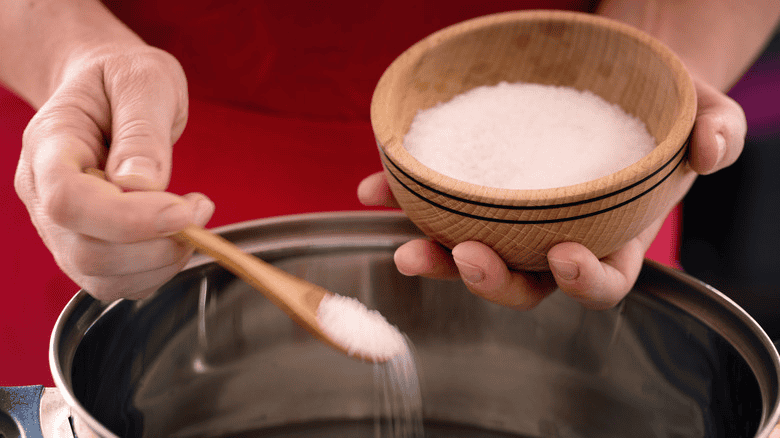
Think of this as a little insurance policy. If an egg does happen to crack while it’s cooking, a splash of vinegar in the water helps the white protein coagulate almost instantly, sealing up that crack and preventing a white, wispy mess. Salt can help, too, and makes the water boil at a slightly higher temperature. It’s a tiny addition that can save an egg from total disaster, keeping them looking clean and professional.
Peeling From the Wrong End
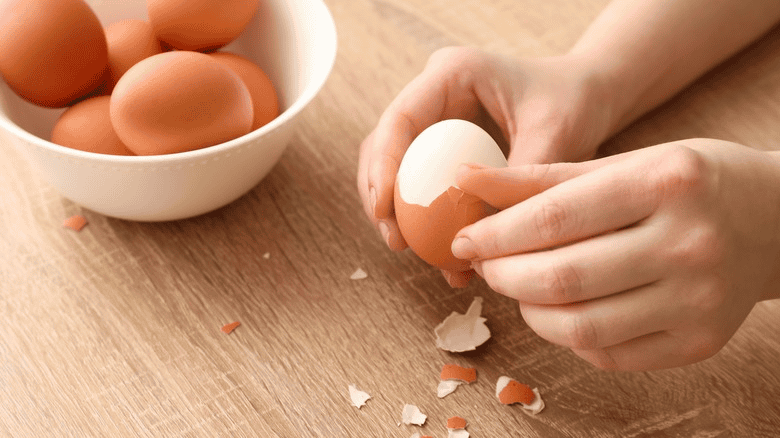
This is my favorite trick. The wider end of the egg has a little air pocket. If you gently crack that end first, you can get right under that membrane, which makes peeling so much easier. Starting from the pointy tip is a recipe for digging little craters in your egg white. Once you pop that air pocket, you can often slide the shell off in big, beautiful pieces. It makes prepping a whole batch for egg salad way less tedious.