Ranking 12 Fruits by Their Glycemic Load from Low to High

Ever wondered how to truly master the art of healthy eating, especially when it comes to fruit? Well, understanding something called the glycemic load (GL) can totally revolutionize your approach! Instead of just looking at the glycemic index, GL helps you consider both the quality and the quantity of carbs in your food, which is key for keeping those blood sugar levels nice and stable. So, let’s take a fun journey through 12 different fruits, all sorted by their glycemic load, to help you make super informed choices! We’ll start with the low GL champs, perfect for when you’re watching your sugar intake, and then gently move on to those with a slightly higher glycemic profile. Get ready to learn and glow!
Berries: Nature’s Low GL Sweetness

Oh, berries – strawberries, blueberries, raspberries – they are simply delightful and a fantastic choice if you’re keeping an eye on glycemic load. Their natural sweetness is beautifully balanced by tons of fiber, which acts like a little speed bump, slowing down how fast your body absorbs carbs. Plus, they’re bursting with antioxidants, making them a win-win for flavor and nutrition! Toss them in smoothies, sprinkle them over yogurt, or just munch on them fresh. For an extra boost, pair them with protein-rich foods like nuts or seeds to ensure that steady, awesome energy release!
Cherries: Sweet but Subtle

Cherries give you a fantastic burst of sweetness but with a surprisingly moderate glycemic load. That perfect balance of fructose and fiber helps keep your glucose levels cruising along steadily, making them a really smart snack choice. When you’re picking cherries, always go for the fresh ones to keep all those amazing nutrients intact. Whether you’re enjoying them straight up or tossing them into salads or even desserts, cherries bring a lovely contrast in both flavor and texture.
Grapefruit: Tart and Low Impact

Grapefruit seriously stands out with its invigorating tart flavor and impressively low glycemic load – making it a top pick for anyone who wants minimal impact on their blood sugar. It’s packed with water and fiber too, which helps you feel full and satisfied. Want to enhance its natural zing? Try a little sprinkle of cinnamon or a tiny dash of honey. This fruit can totally jazz up your breakfast routine, giving you nourishment and a refreshing citrusy kick without overwhelming sweetness!
Peaches: Soft and Mild GL

Peaches, with their tender flesh and juicy goodness, come in with a wonderfully mild glycemic load. Their moderate sugar content is perfectly balanced by soluble fiber, which is great for digestion and helps you feel full longer. They’re amazing fresh, but don’t stop there – they’re super versatile in both sweet and savory dishes. Try grilling peaches to bring out their sweetness even more, or throw them into a salsa for a surprising, delicious twist! This fruit brings such a gentle sweetness that plays well with so many other ingredients.
Apples: Everyday Low Glycemic

Apples are a total classic for a reason! They’re a staple fruit with a consistently low glycemic load, making them an excellent go-to for anyone watching their blood sugar. Their crisp texture and natural sweetness shine whether you eat them raw or cooked. When picking apples, look for ones that are firm and have vibrant skin – that means they’re super fresh and flavorful. Toss them into salads for a refreshing crunch or gently stew them with a pinch of cinnamon for a cozy, warming treat. And hey, pairing slices with a dollop of almond butter can seriously boost their nutritional benefits while keeping that glycemic impact super minimal!
Oranges: Citrusy and Balanced

Oranges offer that perfect sunny blend of sweetness and acidity, rocking a moderate glycemic load that fits right into a balanced diet. Their juicy segments are awesome in fresh fruit salads or as an invigorating addition to your morning smoothie. When you’re peeling them, try to get rid of most of that white pith to avoid any bitterness, but keep those thin, juicy membranes intact. Zesting the skin can give a super aromatic lift to desserts or savory dishes, adding an extra layer of complexity. And keeping whole oranges on hand is great for portion control and ensures you get all that valuable fiber!
Pears: Elegant and Moderate

Pears are famous for their elegant texture, which can go from crisp to wonderfully tender, and they carry a moderate glycemic load. To really make the most of their versatility, choose pears that give just a little under gentle pressure. Their delicate sweetness is a dream with cheeses and nuts, making them perfect for any charcuterie board. For a simple yet sophisticated dessert, try poaching pears in spiced wine or cider – it lets their flavors meld and deepen beautifully. Adding fresh pears to baked goods like muffins can also make them extra moist and subtly sweet without overwhelming your palate!
Plums: Juicy with Mild Effects

Plums give you a juicy, refreshing bite and come with a mild glycemic load, making them a fantastic seasonal snack. Look for plump, smooth-skinned ones with a slight give when you press them – that’s how you know they’re ripe! Their juicy flesh is super versatile, great for jams, sauces, or simply eaten fresh. For a savory twist, try slicing plums over grilled meats or tossing them into salads with arugula and goat cheese for a delicious sweet-savory contrast. Baking plums really releases their natural juices, making them perfect for rustic galettes or spooning over creamy desserts like panna cotta.
Bananas: Go Green for Lower GL

Bananas are definitely a beloved fruit, but here’s a cool trick: picking greener bananas can actually lower their glycemic load a bunch! These starch-rich, less-sweet options are perfect for slicing onto whole-grain cereals or mashing into pancakes. The firmness of greener bananas even makes them ideal for grilling as a caramelized side dish, giving them a unique texture and flavor. Blend them into smoothies for added thickness or slice them into salads for an unexpected freshness. As bananas ripen, their starches turn into sugars, making them super sweet and better suited for quick breads or muffins.
Grapes: Small But Potent

Grapes might be small, but they can have a pretty significant impact on your glycemic load. Their natural sugars get absorbed quickly, giving them a medium glycemic load. When you’re enjoying grapes, think about them in their freshest form. Whether they’re tossed into salads or just enjoyed on their own, the juiciness of each bite complements a variety of dishes. To get the most out of them, serve grapes chilled to really enhance their crisp texture. And for a balanced glycemic response and some super satisfying flavor combos, pair them with protein-rich options like cheese or nuts!
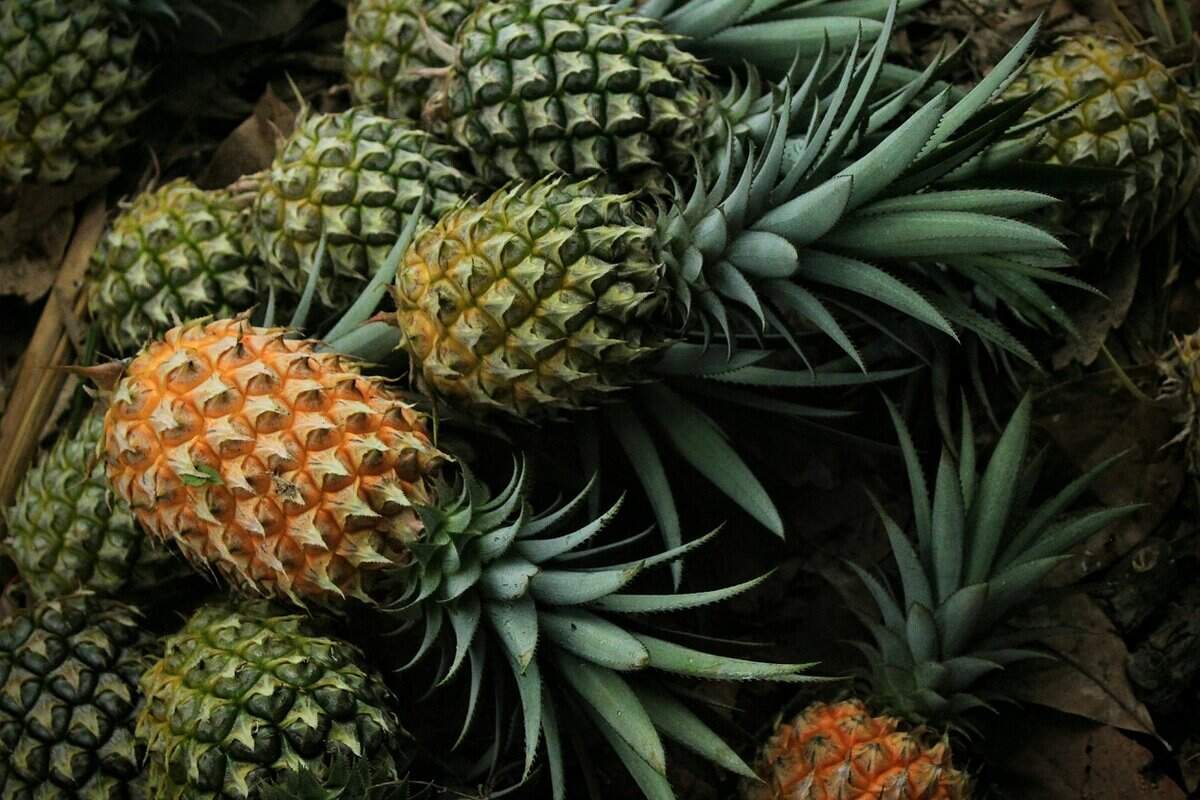
Pineapple: Tropical Medium GL

Pineapple is such a vibrant, tropical delight that comes with a medium glycemic load. Its natural sweetness and fibrous texture make it a super versatile ingredient for both sweet and savory creations. Fresh pineapple holds onto more nutrients and brightens dishes with its unique acidity. Try it in salsas or as a topping for grilled proteins to really make the most of its tender, juicy profile. When you’re cutting pineapple, try to make uniform pieces – it helps everything taste evenly delicious and makes it easier to handle in recipes!
Watermelon: High Glycemic Surge

Among all the fruits, watermelon actually ranks pretty high on the glycemic scale, all thanks to its sugar content and super juicy composition. While it’s famously refreshing, it’s best enjoyed in moderation, especially if you’re keeping a close eye on your glycemic intake. Its amazing hydrating properties make it ideal for summer salads or as a perfectly chilled snack. To really highlight its sweetness without overdoing the sugar, try balancing it with some fresh mint or salty feta cheese. And always pick watermelons with a uniform green rind for the best ripeness and sweetness!