Rediscovering 10 Pantry Staples Grandmothers Never Forgot to Stock

There’s something special about thinking back to our grandmothers’ kitchens. You know, the ones where you could always find something good to eat, no matter when you showed up? They had this almost magical ability to open a cupboard and pull together a meal that felt like a warm hug. It wasn’t about fancy ingredients or trendy gadgets. It was about having a pantry stocked with the right things—simple, versatile, long-lasting staples that could turn into something wonderful with just a little love and know-how. Let’s take a stroll down memory lane and revisit some of those forgotten heroes that used to grace every home.
Dried Herbs
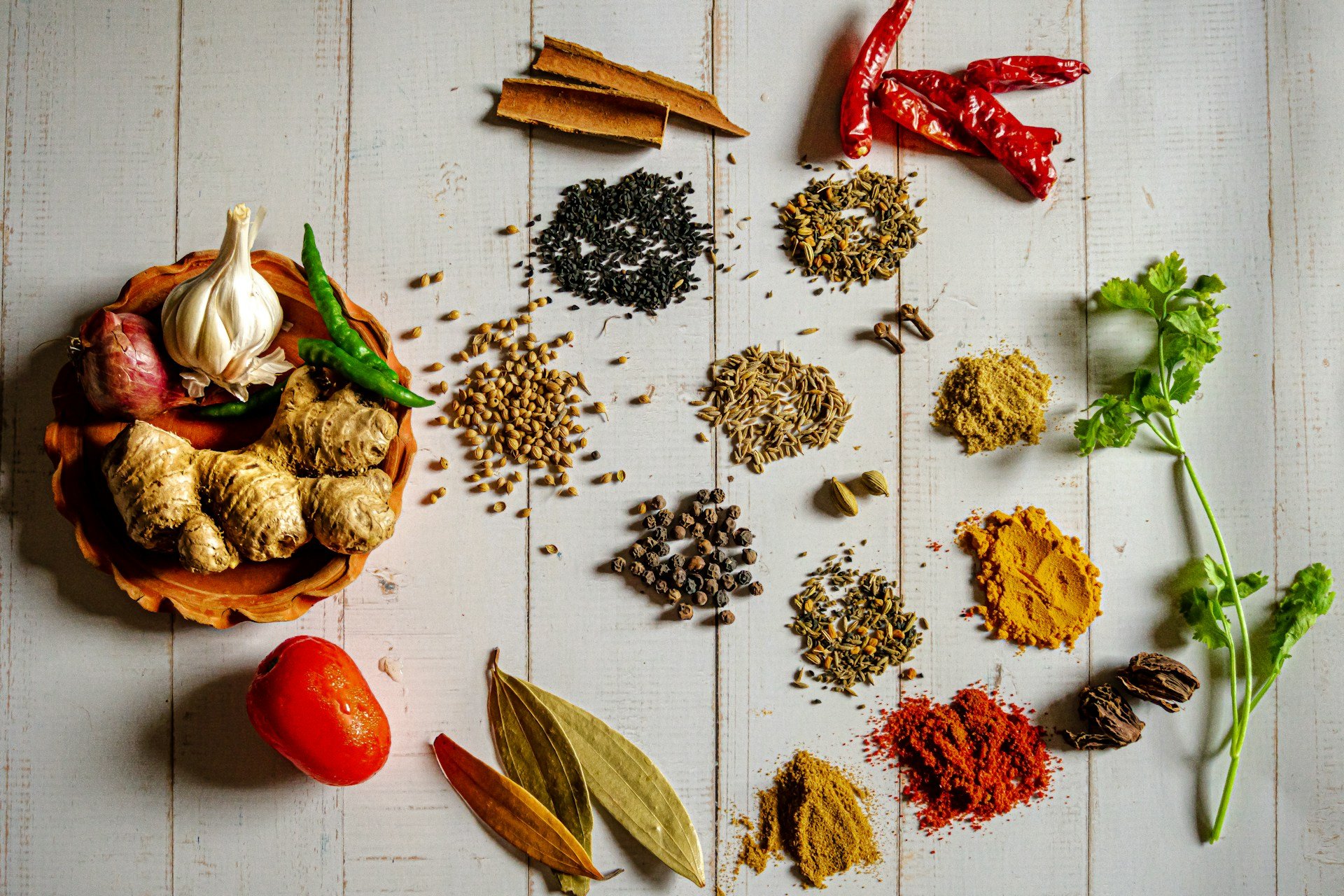
Walk into any grandmother’s kitchen, and you’d likely find little bundles or jars of dried herbs, harvested and preserved by hand. These aromatic treasures were the secret ingredients, the little something that made her dishes taste like her dishes. A pinch of rosemary, a sprinkle of thyme—each herb brought its own character, turning simple, everyday meals into something that felt gourmet.
Drying herbs was a way of capturing the garden’s essence, ensuring that flavor was always just an arm’s reach away. It was a quiet act of culinary creativity, a way of seasoning with intention and a deep connection to the earth.
Lentils

Oh, lentils. They might be small, but they were mighty in our grandmothers’ pantries. They were a nutritional powerhouse, a vital source of protein, especially for meals that stretched the budget or skipped meat altogether. And the best part? They cooked up so fast.
With just a handful of lentils, a little onion, maybe some carrot, she could conjure up a hearty, flavorful soup or stew that felt like it had been simmering all day. It was pure magic born of simplicity. Lentils remind me of a time when meals were crafted with care and a deep knowledge of what a few humble ingredients could become.
Cooking Lard
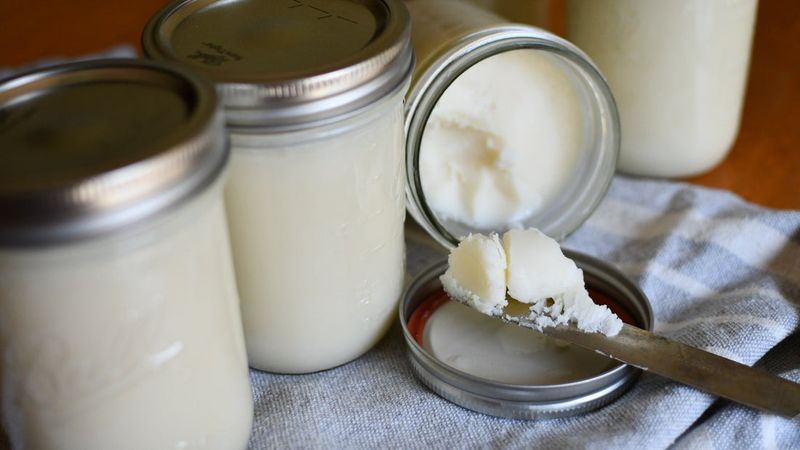
Okay, let’s talk about lard. It was a kitchen essential for so long, and for good reason. It brought an unmistakable richness and depth of flavor to cooking that’s hard to find these days. Grandmothers relied on it for everything—for frying the perfect chicken, for making the flakiest, most tender pie crusts you’ve ever tasted.
That creamy texture gave food a satisfying mouthfeel that modern vegetable oils just can’t quite replicate. Lard was a symbol of a bygone era of practical, no-nonsense cooking where nothing was wasted and flavor was king. Its legacy lives on in the culinary traditions that still swear by it.
Rice
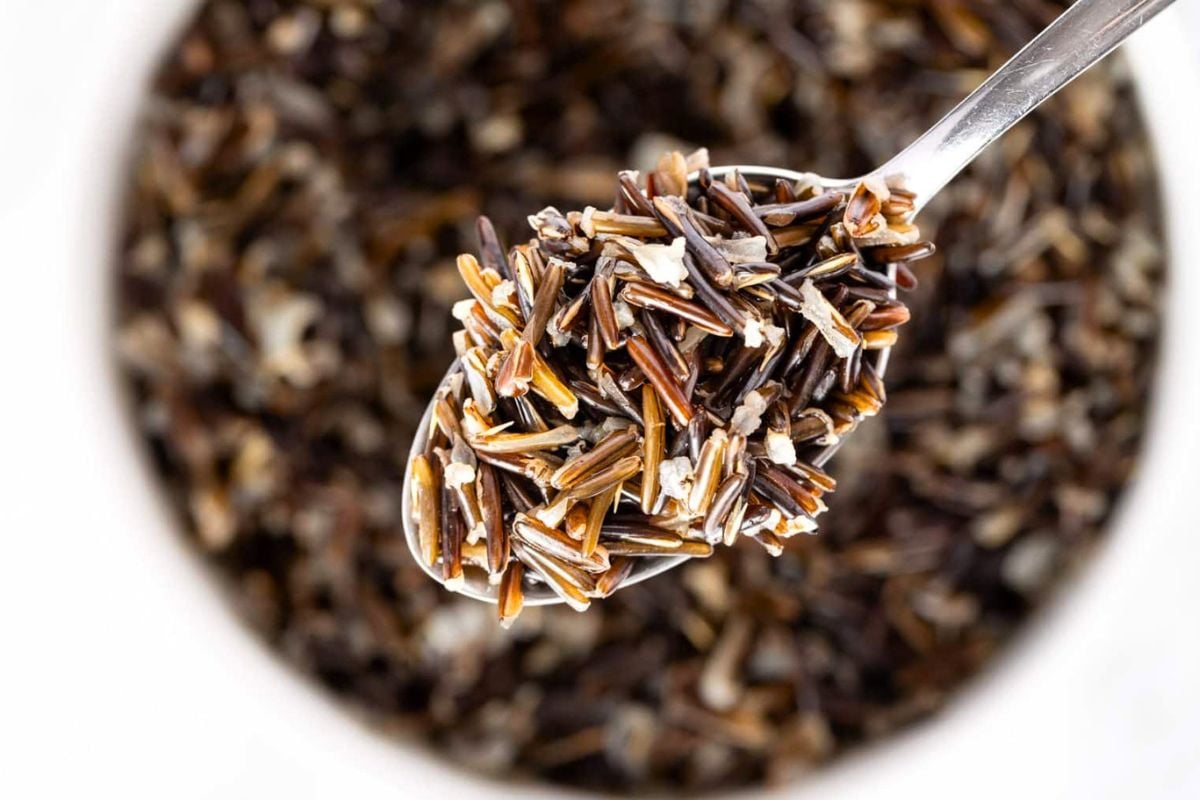
Rice was a constant, a familiar friend in the pantry, and it showed up in so many ways. It was the perfect blank canvas, ready to soak up whatever flavors were around. A simple, fluffy side dish to stretch a meal, or the star of the show in a creamy risotto or a fragrant pilau—rice did it all.
It was the foundation for so many family recipes, the thing that connected one generation’s table to the next. Every grain cooked to perfection felt like a little bit of history, a symbol of sustenance and the simple hospitality of offering a satisfying meal.
Pickles
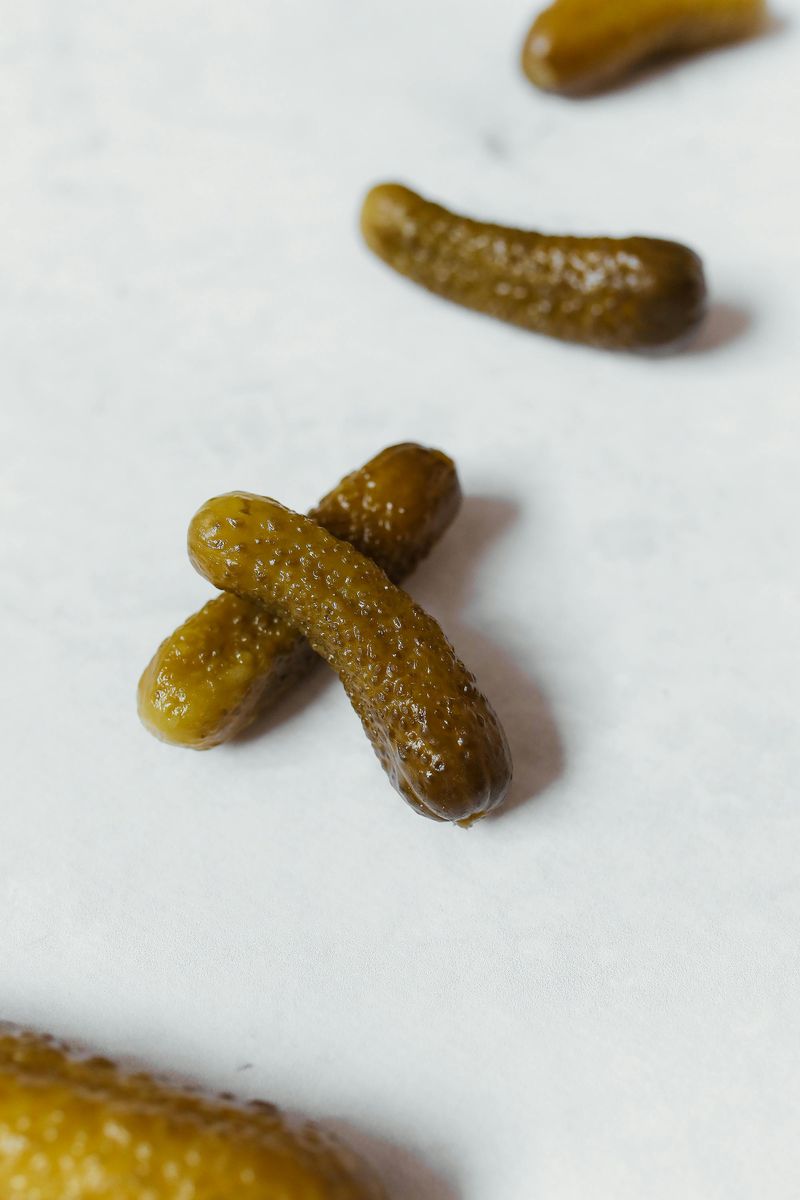
A jar of homemade pickles was pure pantry gold. That tangy, crunchy bite could wake up an entire plate. Grandmothers knew that nothing from the garden should go to waste, and pickling was their beautiful, delicious solution. It was an art of preservation, capturing the freshness of summer cucumbers and transforming them into something that would last all year.
Those jars weren’t just about flavor; they were about resourcefulness. A few pickles on the side could balance a rich stew or add zest to a simple sandwich, turning the ordinary into something extra special. They remind me of homegrown goodness and the love that went into every single jar.
Homemade Jam
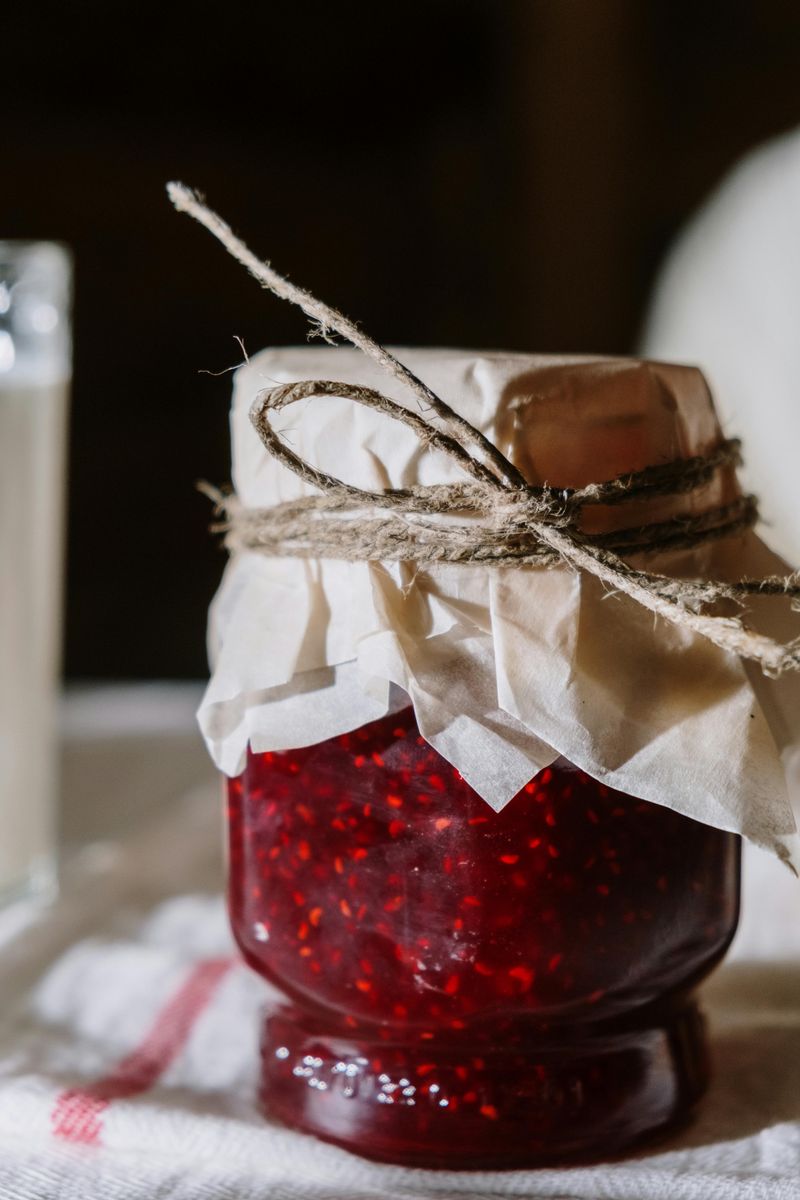
If pickles were the tangy delight, homemade jam was pure, sweet summer captured in a jar. It was a labor of love, for sure. Grandmothers would take the bounty of ripe berries or stone fruits and, with a little sugar and patience, turn them into jars of sticky, jewel-toned perfection.
Every single spoonful was an explosion of flavor. It was the best thing to happen to a piece of toast or a warm, buttery biscuit. The vibrant colors, the rich texture—it was tradition you could taste. Making jam was a way of preserving not just fruit, but the joy of the season, often to be shared as gifts or savored on quiet winter mornings.
Vinegar
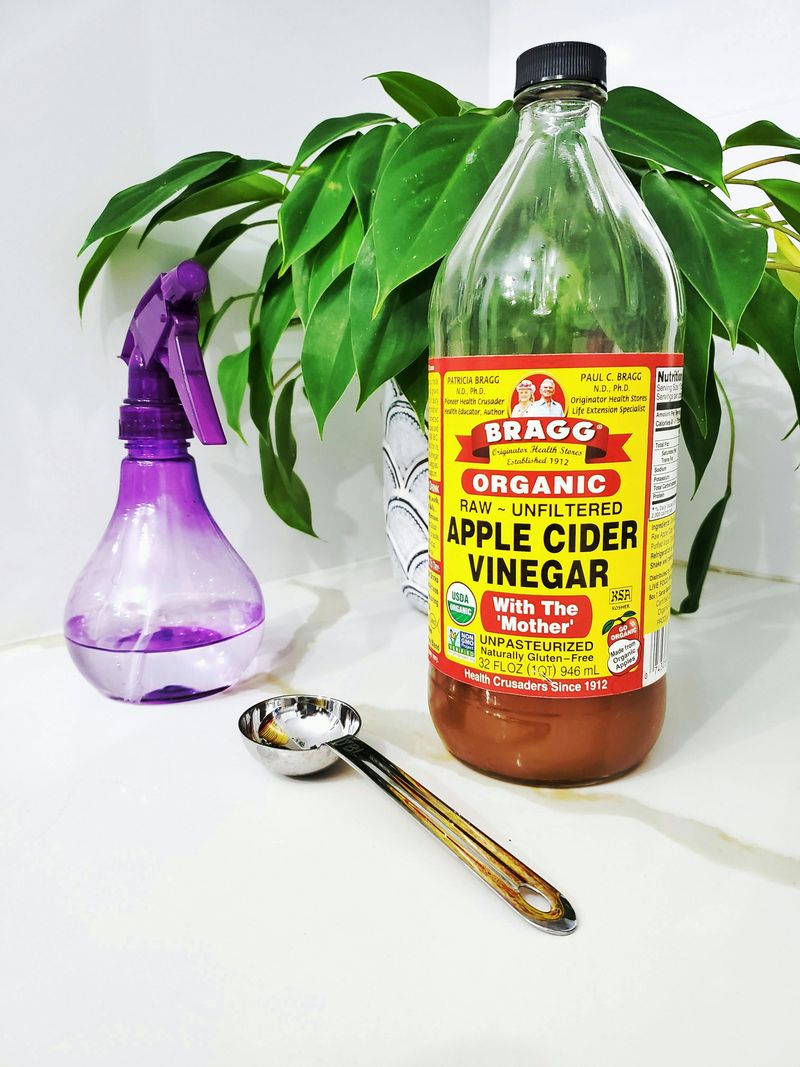
Vinegar might sound simple, even boring, but it was one of the most versatile tools in the kitchen. That sharp tang was essential—for pickling, of course, for brightening up a salad dressing, for adding a last-minute kick to a soup or sauce. It was a flavor enhancer, plain and simple.
And here’s where the resourcefulness really shines: its use didn’t stop at cooking. Grandmothers knew that vinegar’s natural properties made it a powerhouse for cleaning, too. A little vinegar and water could cut through grease and leave windows sparkling. It was a humble liquid with a dozen jobs, a perfect example of the clever, no-waste mindset of past generations.
Canned Tomatoes
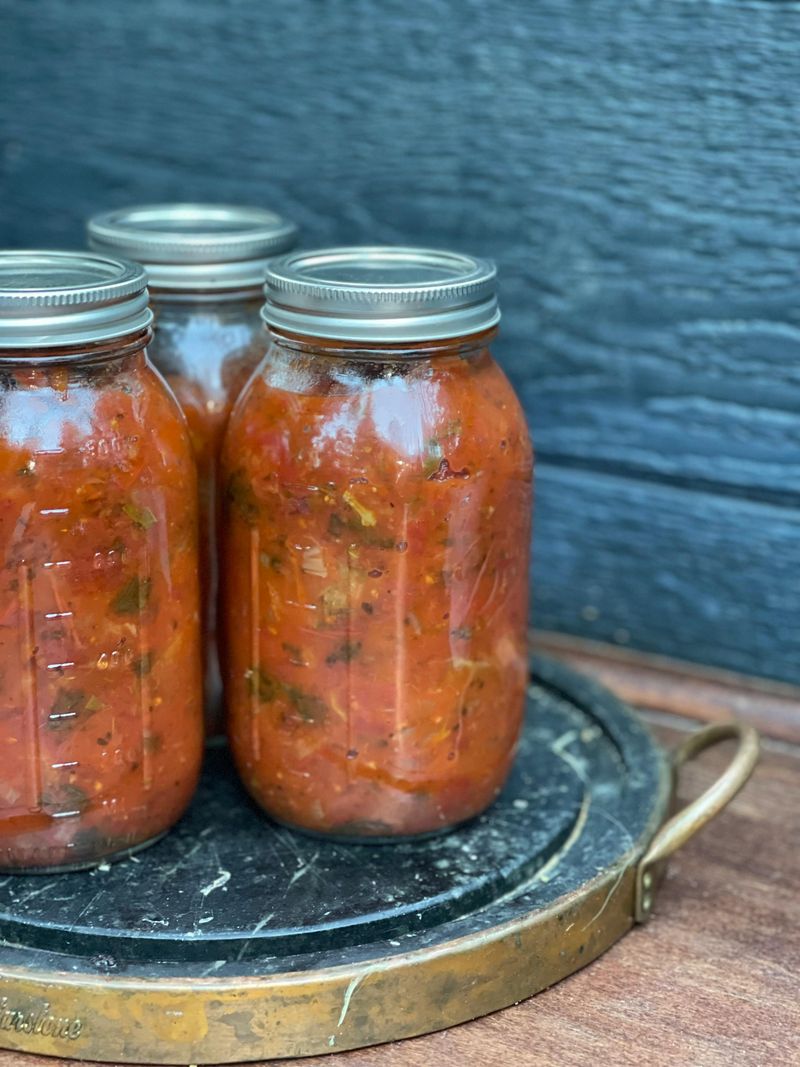
A pantry wasn’t complete without a shelf of home-canned tomatoes. They were both a convenience and a flavor secret weapon. Grandmothers would preserve them at the peak of ripeness, capturing all that sunny, summer flavor to be unleashed in the middle of winter.
A single jar could become the base for a rich pasta sauce, a hearty soup, or a shakshuka for a weekend breakfast. They added depth and a brightness that store-bought often lacks. Those jars were a reminder of the ingenuity of preserving the season’s bounty, keeping the taste of sunshine alive all year long.
Flour
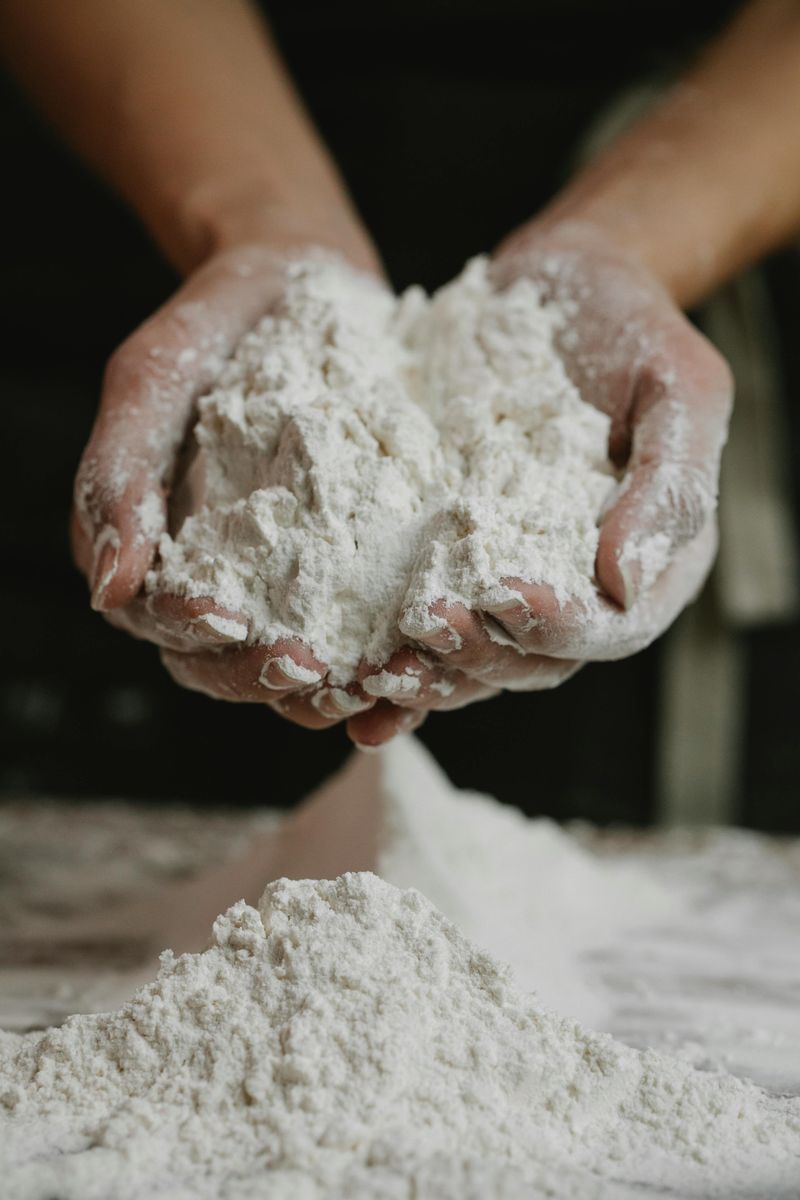
Flour was the absolute backbone of everything. It was the starting point for so much of the love that came out of that kitchen. Think about it: crusty loaves of bread, delicate, flaky pastries, a simple roux for gravy—it all began with flour. It was this quiet, humble ingredient that somehow made the most spectacular things possible.
And can we talk about that smell? The aroma of freshly baked bread floating through the house is something I still chase. That scent wasn’t just about food; it was about comfort, about family, about traditions being passed down. Flour was at the heart of it all, a simple testament to resourceful, from-scratch cooking that we could all use a little more of these days.
Dried Beans
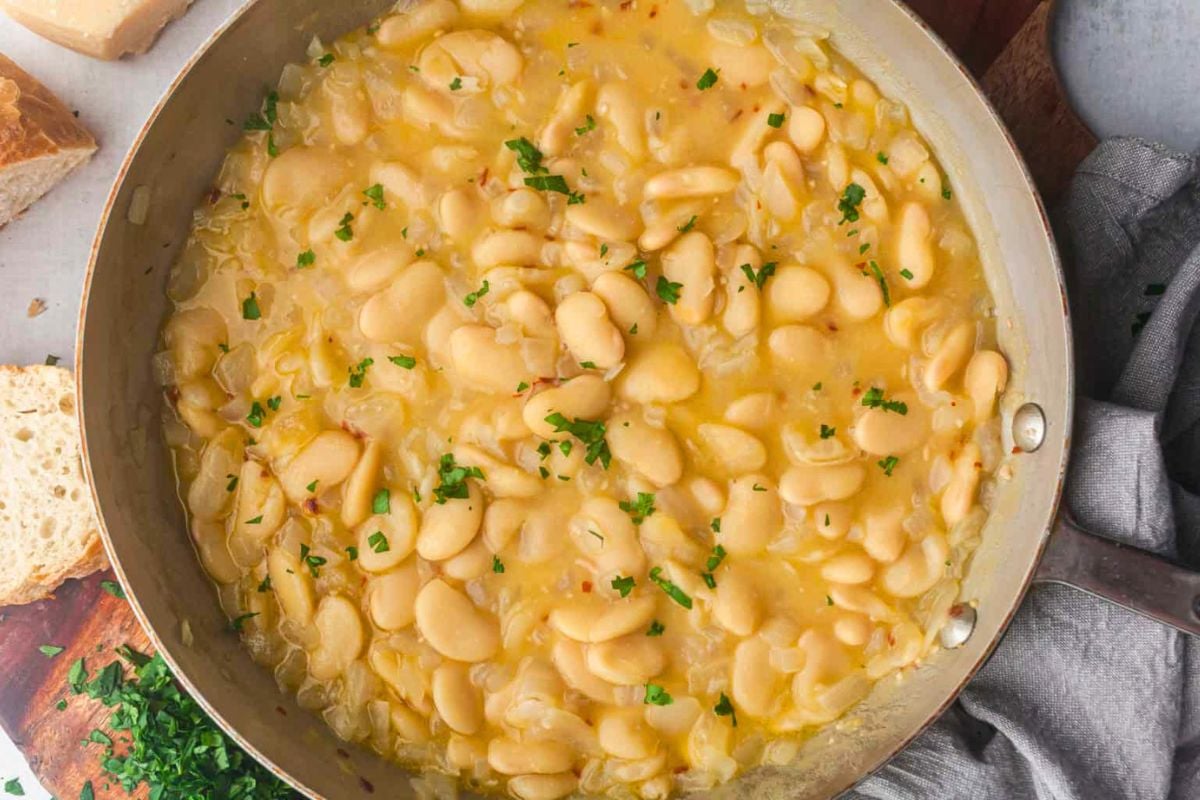
Last but certainly not least, there were always dried beans. They were the ultimate pantry staple for hearty, nourishing meals. Rich in protein and fiber, they could be stored for months, making them an invaluable source of sustenance, especially during leaner times.
Cooking a pot of dried beans wasn’t a quick task; it was an act of patience. It meant soaking, and then the long, slow simmer that transformed those hard little legumes into tender, creamy morsels full of flavor. They were the heart of so many stews and soups, stretching a little bit of meat or a few vegetables into a meal that could feed a crowd. In our fast-paced world of convenience foods, dried beans are a humble, beautiful reminder of slow, intentional cooking and a legacy of nourishment and thrift.