Eight Timeless Sandwiches That Have Nearly Disappeared

Lunchtime in America has changed. The old diners and lunch counters that once anchored Main Street are fading, and with them, a whole world of sandwiches is quietly disappearing. These weren’t just meals; they were traditions, passed down through generations of short-order cooks and loyal customers. Modern menus have moved on, embracing wraps and trendy toppings, but there’s a deep nostalgia for these hearty bites. They represent a simpler time, a slower pace, and flavors that demanded attention. Here are the classics getting harder to find.
The Fried Bologna Sandwich
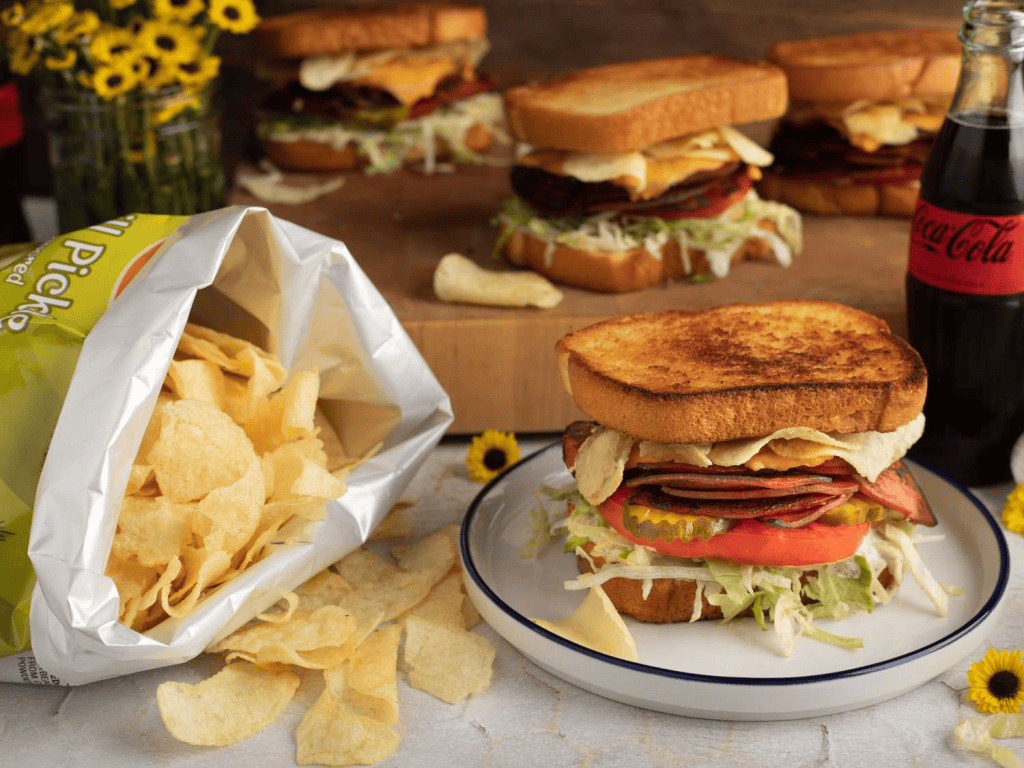
This was a blue-collar staple in countless American households. Thick slices of bologna were fried until the edges curled into a little cup, then placed on soft white bread with yellow mustard and American cheese. The rise of clean-label eating has hurt bologna sales, and people are wary of processed meats. But the caramelized flavor of fried bologna is unique, far better than the cold, limp version. It’s a nostalgic trip back to 1970s childhood kitchens. A few retro diners are trying to bring it back, and for good reason.
The Classic Patty Melt
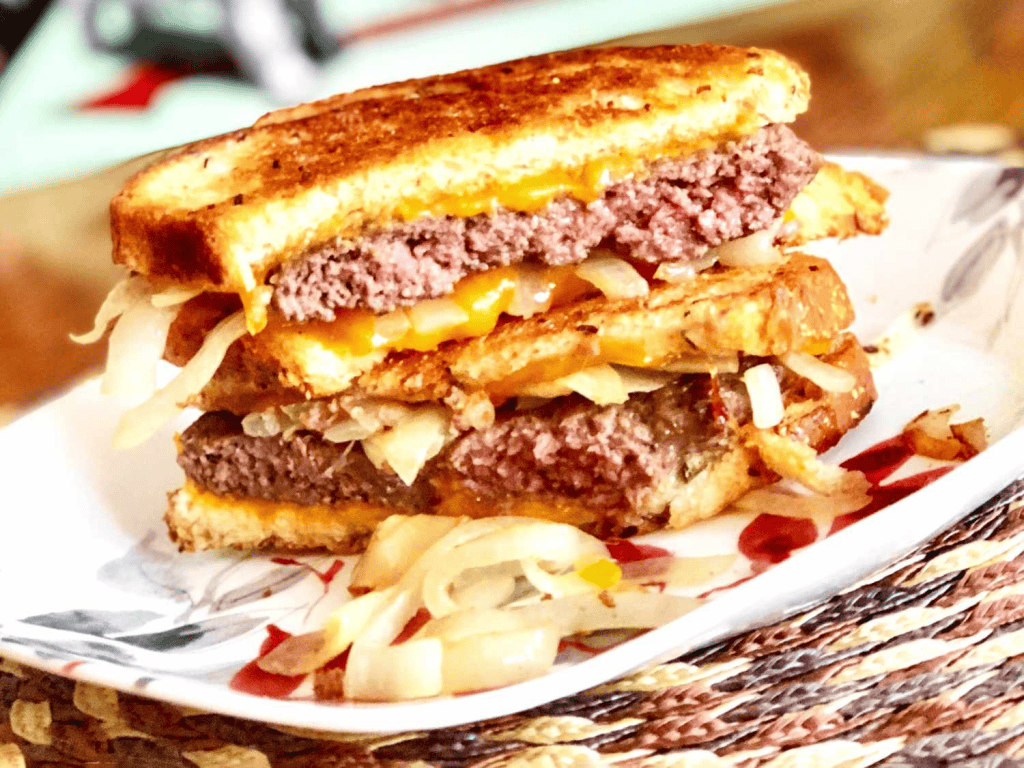
The patty melt is the perfect hybrid, a burger and a grilled cheese in one. A beef patty, Swiss cheese, and caramelized onions are grilled together between slices of rye bread until buttery, crispy, and golden brown. Modern burger joints often swap the rye for soft brioche, but that ruins the structural integrity and the crunch. A true patty melt should be greasy, hot, salty, and satisfying, the ultimate comfort food from the classic diner era. You have to hunt for a vintage greasy spoon to find one, but when you do, it’s a masterpiece of simple, high-heat griddle cooking.
The Monte Cristo Sandwich
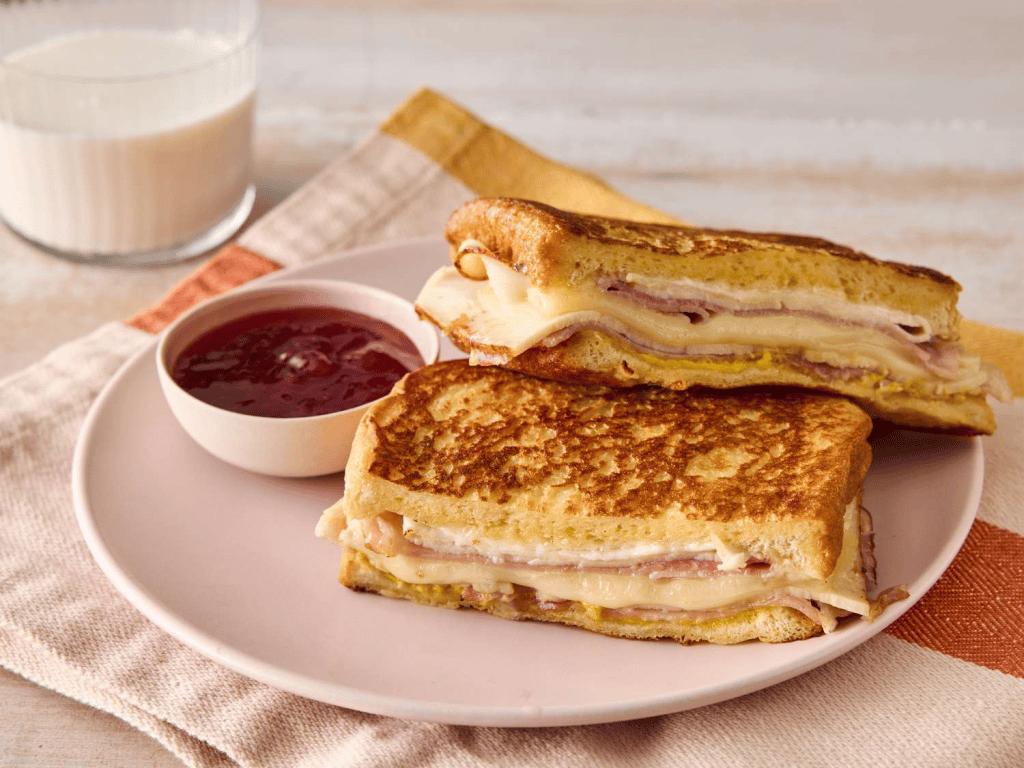
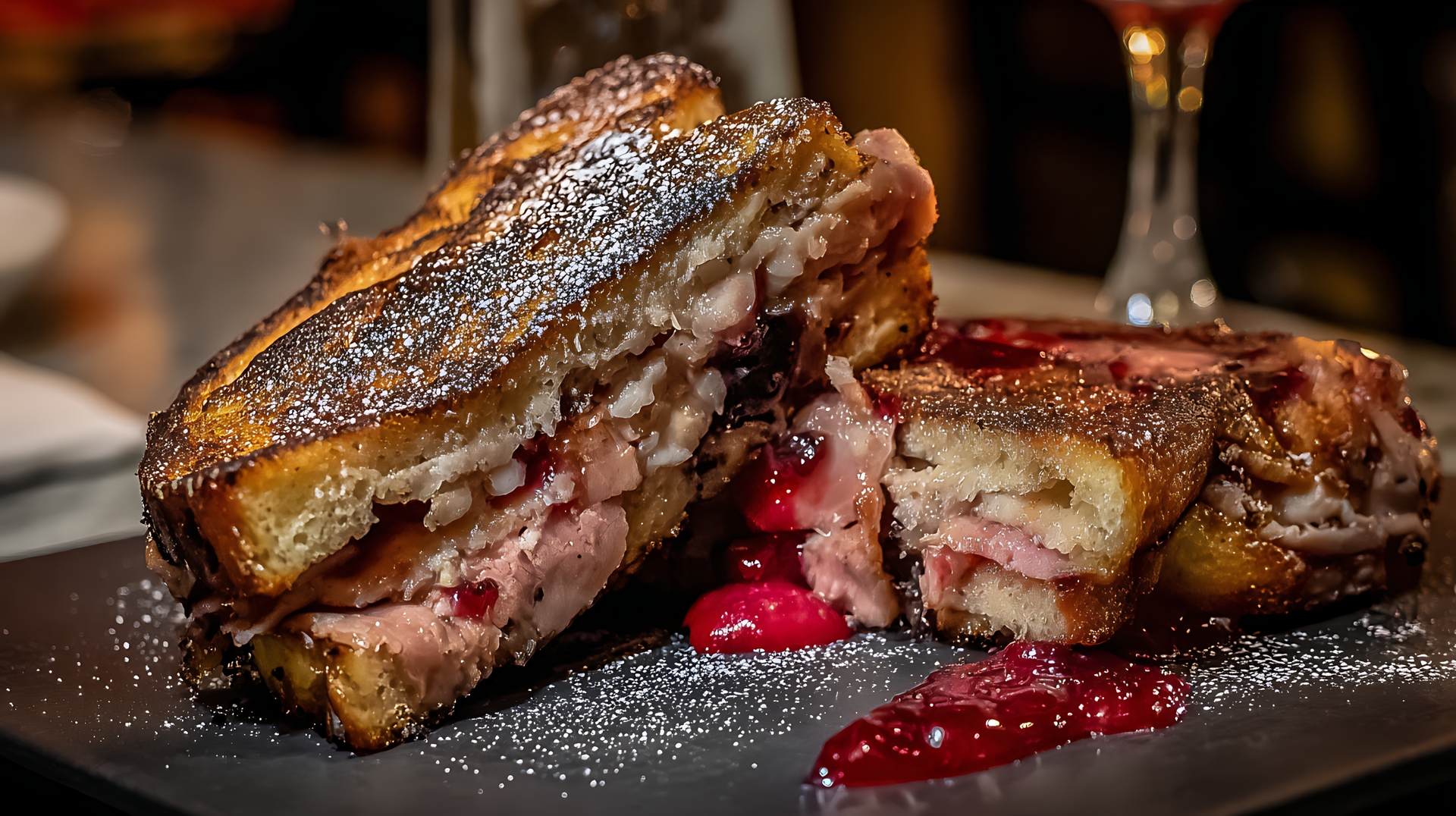
The Monte Cristo is decadence itself, a deep-fried ham and cheese sandwich dipped in egg batter like savory French toast. Served with a side of raspberry jam, it creates a unique mix of salty, sweet, and crunchy that’s unforgettable. It fell out of favor for good reason: the calorie count is high, and it takes time to prep correctly. Most chains removed it to simplify their fryer setups, and rushing the process leaves it soggy. It feels like a special occasion meal from the past, a rich reminder of old-school hotel dining and a time when indulgence was the whole point.
The Egg Olive Salad Sandwich
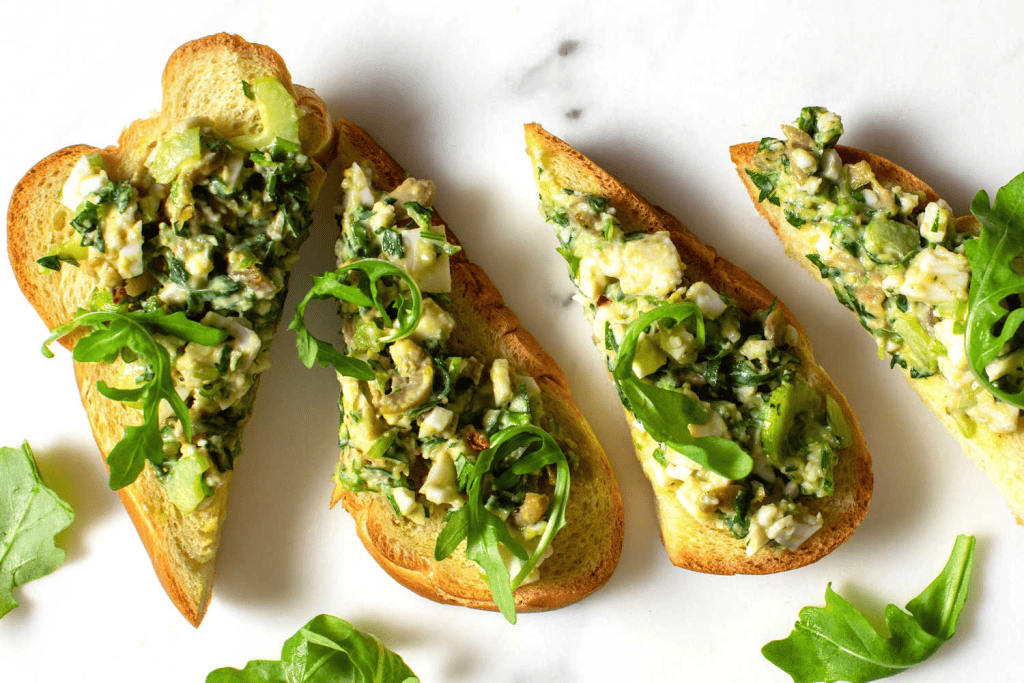
Egg salad is common enough, but the olive version is a relic. Finely chopped green olives added a salty, briny punch to the creamy base, creating a texture that was zesty and bright. It was a staple at high-end tea rooms and luncheons, often served on crustless white bread for an elegant touch. Modern palates often find that olive flavor too sharp, and most delis now stick to plain mayo and mustard. But those green specks gave the sandwich a vintage look that many remember fondly. It’s a sophisticated take on a humble base, evoking grandmothers and garden parties.
The Original Limburger Sandwich
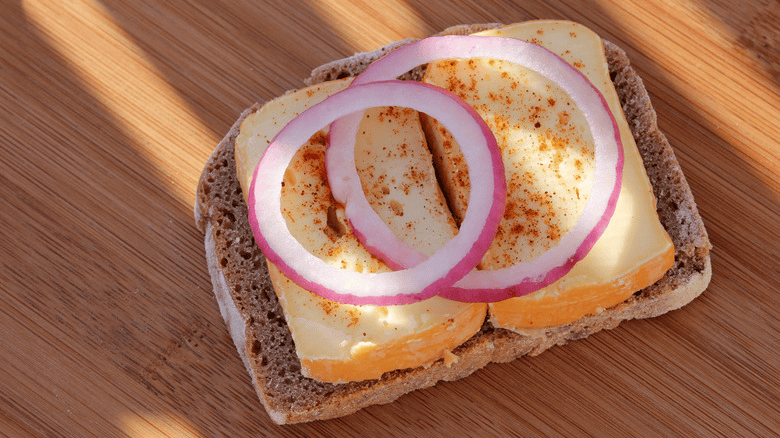
Limburger cheese is famous for its incredibly strong, pungent aroma. In the Midwest, the Limburger sandwich was a local legend, pairing that stinky cheese with thick onion and dark bread, often with a cold glass of lager on the side. As artisanal cheeses gained popularity, Limburger was left behind. Most grocery stores no longer stock the authentic, smelly blocks. It’s become a dare food, a bold choice that requires a brave palate. Only a few historic bars in Wisconsin still serve it. You will certainly remember the scent, and the experience, for a long time.
The Cucumber and Cream Cheese
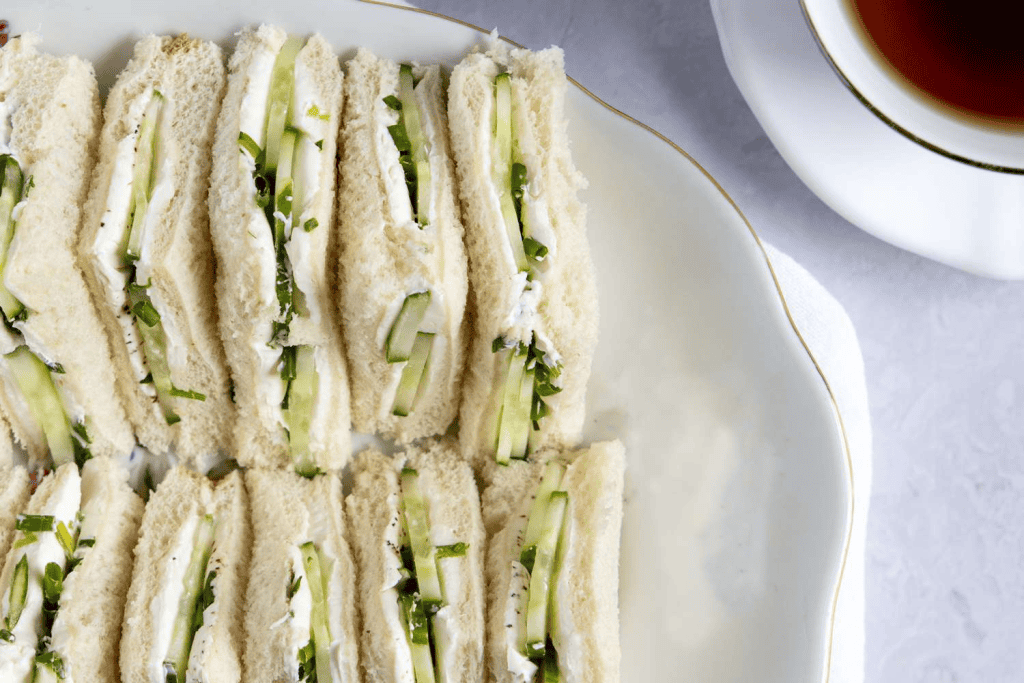
This was the height of light lunching in the mid-century. Thinly sliced cucumbers layered over thick cream cheese, with a dash of dill or white pepper, created the ultimate refreshing snack on a humid summer day. Now, people prefer power bowls and protein wraps, and the simple cucumber sandwich feels too dainty. It’s often relegated to tea time or bridal showers, but its cooling crunch is still unmatched. It’s a low-cost way to feel fancy, especially with the freshest garden vegetables. Sometimes simple is best.
The Tongue Sandwich
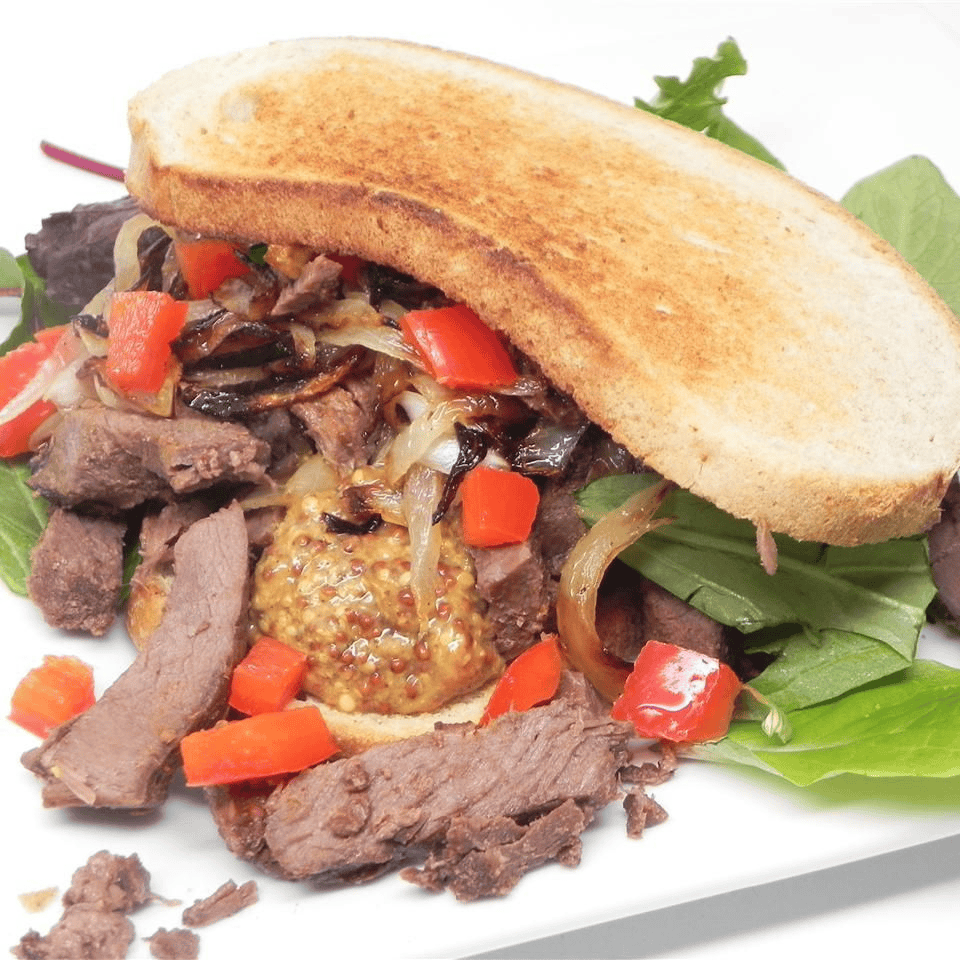
Tongue was once a premium deli meat, right up there with corned beef. Slow-cooked until incredibly tender, it was served thinly sliced in most traditional Jewish delis, with just a bit of mustard. As people became more squeamish about offal, it vanished. The name alone scares off modern diners. It’s now a specialty item found in very few cities. But those who know it appreciate the silky, melt-in-your-mouth texture. It’s a lost art of the old-world butcher shop, a true piece of edible history.
The Liverwurst and Onion
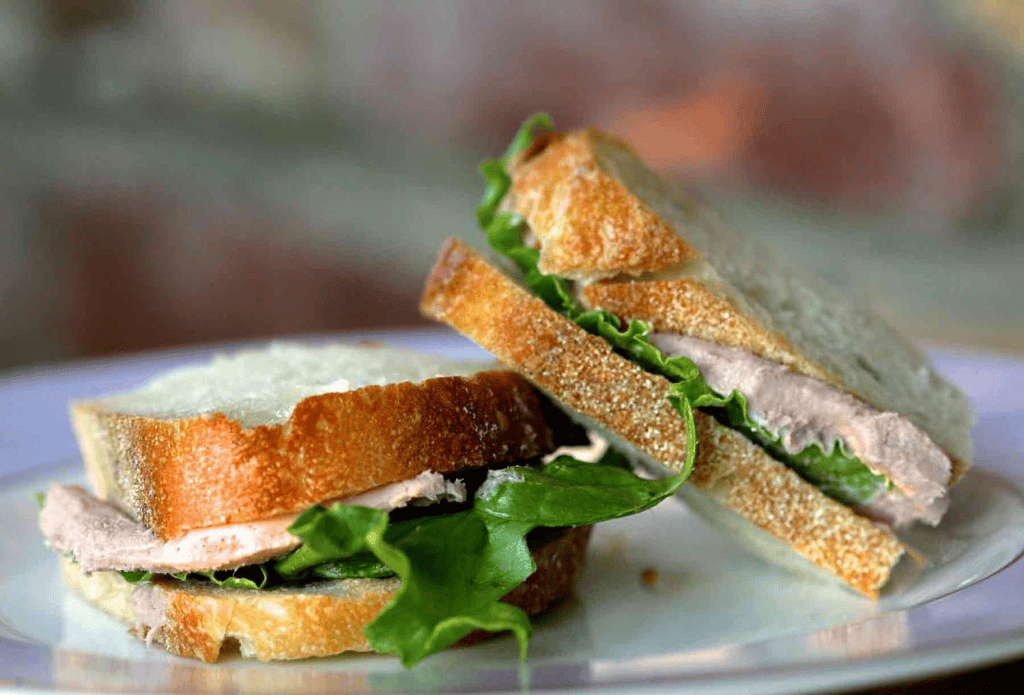
This sandwich was once a favorite for its rich, savory depth. Thick slices of liver sausage on rye bread, topped with raw white onions and spicy brown mustard, delivered a massive hit of protein and flavor for next to nothing. Today, that strong taste is polarizing. Younger diners rarely seek it out, and liverwurst itself has become a hidden item in the refrigerated aisle, stocked for an older generation that still remembers. The smell is distinctive, filling a room instantly. Finding a cafe that still serves it is a rare treat, a secret handshake for those in the know.
These sandwiches are more than just food. They’re memories of a different America, one where lunch counters were community hubs and every bite had a story. Seek them out while you still can