Restaurants Introducing New Surcharges You Might Overlook

You know that moment when the bill arrives and the total just feels… higher than it should? You glance back at the menu prices, do some quick mental math, and something doesn’t quite add up. It’s not a mistake. It’s surcharges—those little line items that quietly appear on your receipt, often without much explanation. Restaurants are dealing with rising costs everywhere you look: labor, rent, payment processing, benefits. And instead of raising every single menu price, many have started adding smaller, separate fees. They sound routine, even harmless, which makes them easy to overlook in the moment. But once you know what to look for, that final number starts making a lot more sense. Here are the fees you might be paying without realizing it.
Automatic Service Add-On for Large Parties
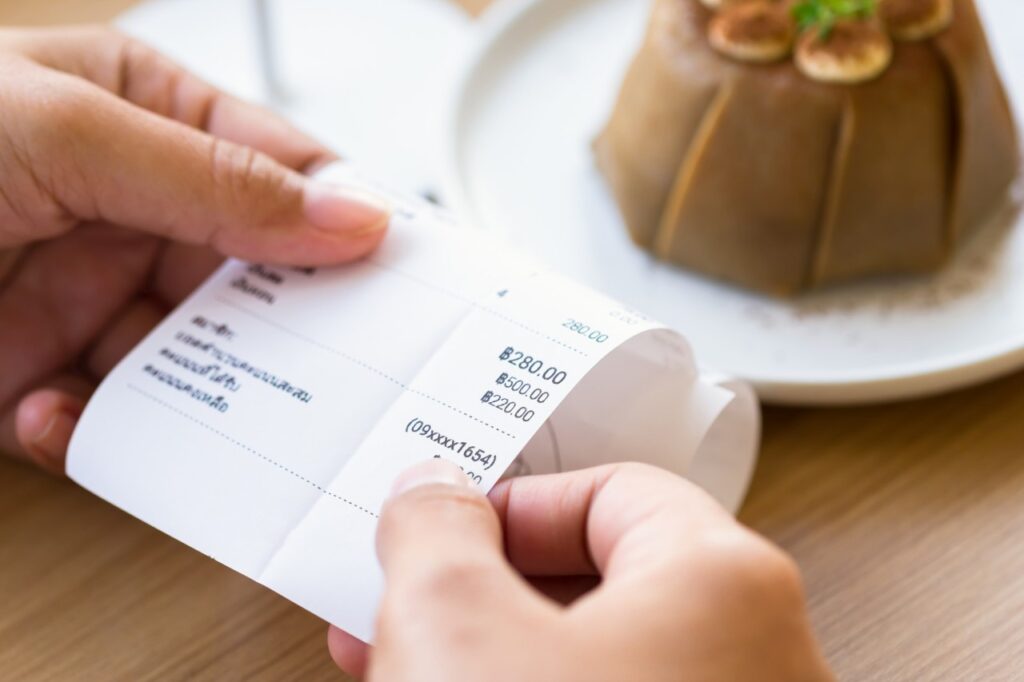
Large groups are fun but complicated. An automatic service add-on—usually 15 to 20 percent—is standard for parties above a certain size, often six or eight guests. It ensures staff are compensated fairly for the extra coordination, order management, and synchronized delivery that big tables require. When it’s clearly printed on the menu, everyone knows what to expect. Confusion happens when guests add an extra tip without realizing the service charge is already included. Clear labeling prevents double tipping and keeps things smooth.
Credit Card Surcharge
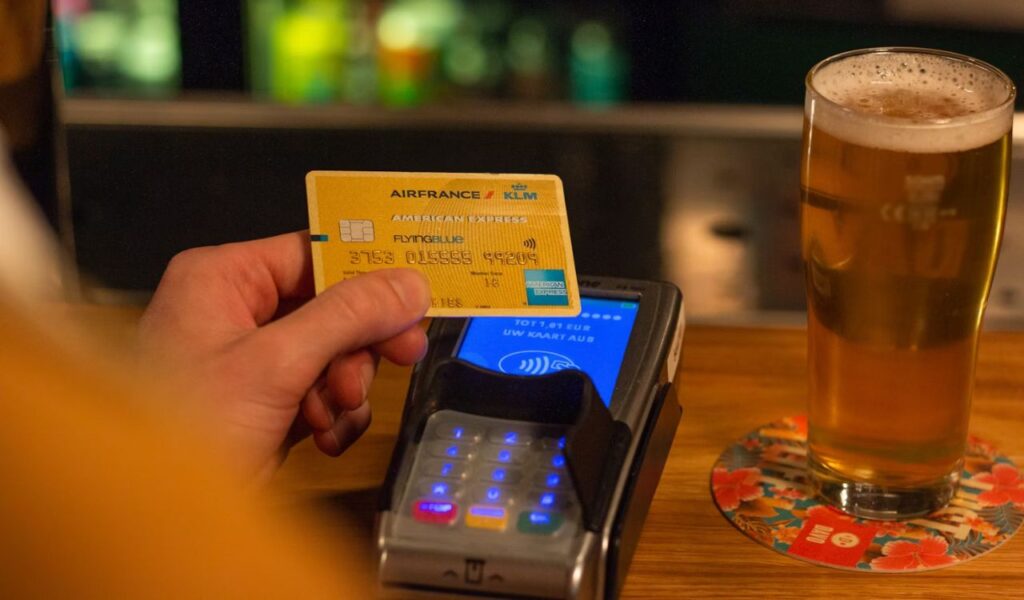
Paying with a card can quietly add to your total. Restaurants pay processing fees to card networks—typically 2 to 4 percent—and some pass that cost directly to you. It shows up as a small percentage added to your bill. Some businesses absorb it, others don’t. Regulations vary by state and country, and transparency rules are supposed to prevent surprises. But because the charge often appears only at the register or on the final receipt, most people don’t calculate its impact. Over time, those small percentages add up.
Late Night or Weekend Surcharge

Dining during peak hours might cost you a little extra. Late-night or weekend surcharges help restaurants manage higher labor costs, security needs, and extended hours. Instead of permanently raising prices, some places apply a small percentage during specific windows—Friday evenings, after midnight, that kind of thing. When the surcharge is clearly displayed at the entrance or on the menu, you can plan accordingly. Without notice, it just feels like an unexpected increase.
Convenience Fee

Ordering online or through an app might come with a “convenience fee.” This covers the cost of digital ordering systems, third-party platforms, or administrative handling. Unlike a credit card surcharge, this one can apply no matter how you pay. Restaurants say it helps offset technology costs, but critics point out that it’s not always clearly displayed before checkout. The fee is usually small, but if you order takeout regularly, it adds up. Some regions require advance disclosure, so you know the full price before confirming. That’s the ideal. It doesn’t always happen.
Cover Charge
In some places, especially in Europe or at upscale venues with live music, a cover charge appears before you even order. It’s a per-person fee for seating, table settings, bread service, or entertainment. Whether you have a full meal or just a drink, that charge applies. For travelers unfamiliar with the practice, it can feel like a surprise. When it’s clearly listed on the menu, it sets expectations. When it’s buried in fine print, diners might mistake it for an error. A little transparency goes a long way.
Holiday Fee

Eating out on a major holiday often comes with an extra cost. Restaurants apply a holiday fee to cover higher labor expenses, special menus, and extended hours. It might be a flat rate per person or a percentage added to the bill. Some places just raise menu prices, others separate the fee to make it visible. The atmosphere feels festive, and the fine print is easy to ignore. Clear communication before ordering helps everyone understand that they’re paying for a special occasion, not just a regular dinner.
Health Insurance or Staff Welfare Surcharge
You might see a small line labeled “wellness fee” or “health surcharge” on your receipt. This helps restaurants cover employee benefits like health insurance, paid leave, or compliance with local labor laws. In cities with higher wage standards, payroll costs can spike. Instead of raising every menu price, some places add a separate percentage—often 2 to 5 percent. The idea is to show that the cost supports staff, not just overhead. When it’s clearly explained, diners tend to understand. When it’s not, it feels like a hidden markup.
Kitchen or Prep Fee

Some dishes require extra labor. A kitchen or prep fee might apply to tasting menus, specialty cuts, or complicated dietary modifications that demand more time and attention. Restaurants argue this reflects the true cost of skilled preparation beyond standard pricing. When it’s listed clearly on the menu, it signals added effort. Without advance notice, diners assume preparation is already covered in the base price. That’s where confusion creeps in.
Mandatory Gratuity or Service Charge
You might notice a line at the bottom of your receipt that says something like “service charge” or “mandatory gratuity.” It’s usually around 15 to 20 percent, and it’s not optional. For large parties, this has always been standard. But these days, more restaurants are applying it broadly, even to smaller tables. Here’s the thing: this isn’t always a tip. In some places, it’s treated as restaurant revenue and distributed differently than a traditional gratuity. Diners often assume it goes straight to the server, but that’s not guaranteed. Rules around disclosure are tightening, so menus are supposed to make this clear. But it’s still easy to miss until you’re staring at the bill.
Split Bill Fee
Asking for separate checks can sometimes trigger a small fee. Each additional transaction takes time, slows service, and increases processing costs. In busy restaurants, managing split payments affects table turnover and staff efficiency. The fee is usually modest, but when it appears unexpectedly, it can annoy guests who just wanted to pay their share. Mentioned upfront, most people understand. Discovered at the end? It feels like a gotcha.
Bottle or Corkage Fee

Bringing your own wine to dinner almost always comes with a corkage fee. This covers glassware, service, and the fact that the restaurant isn’t selling you one of their high-margin bottles. Fees vary widely. Some places waive them for special occasions or limit how many outside bottles you can bring. Others charge a fixed rate per bottle regardless of its value. When the policy is clearly stated on the website or menu, it’s fair. When it’s disclosed only at billing, it can cast a shadow over an otherwise nice meal.