Seven Vegetables That Help Reduce Inflammation Quickly

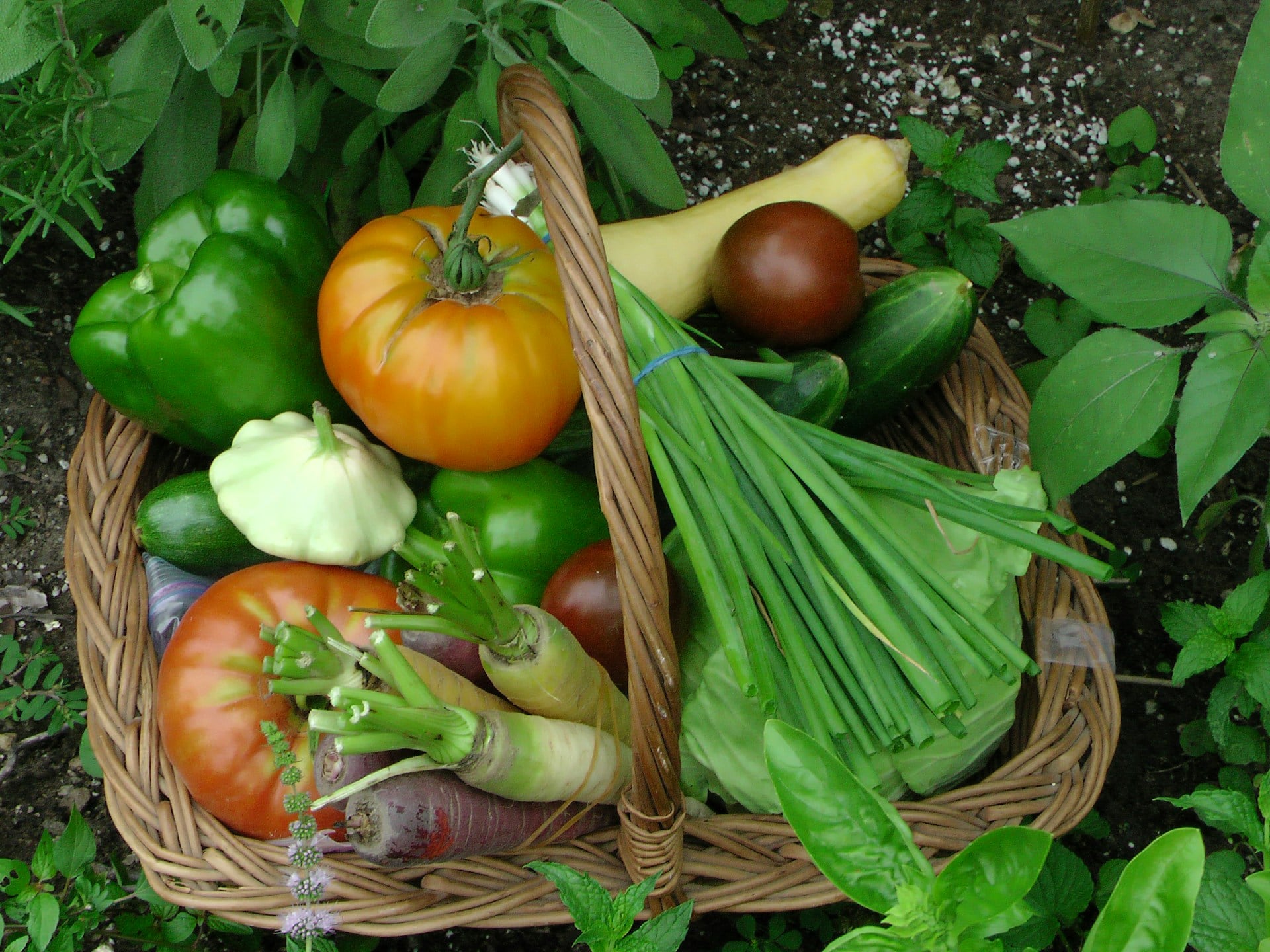
Did you know that some of the most powerful medicines in the world don’t come from a pharmacy? They actually come from the produce aisle! Our bodies are incredible, amazing machines, but sometimes they need a little help calming down. When our immune system stays switched on all the time, it can create something called chronic inflammation—it’s like a fire alarm that keeps ringing even after the toast is done. The good news? We can help soothe that fire with the foods we eat every single day. And the very best part is that these superhero foods aren’t rare, expensive, or hard to find. They’re the colorful, crunchy, delicious vegetables that have been waiting for us in the grocery store all along. Let me introduce you to my absolute favorite anti-inflammatory all-stars. Trust me, your body is going to thank you!
Tomatoes
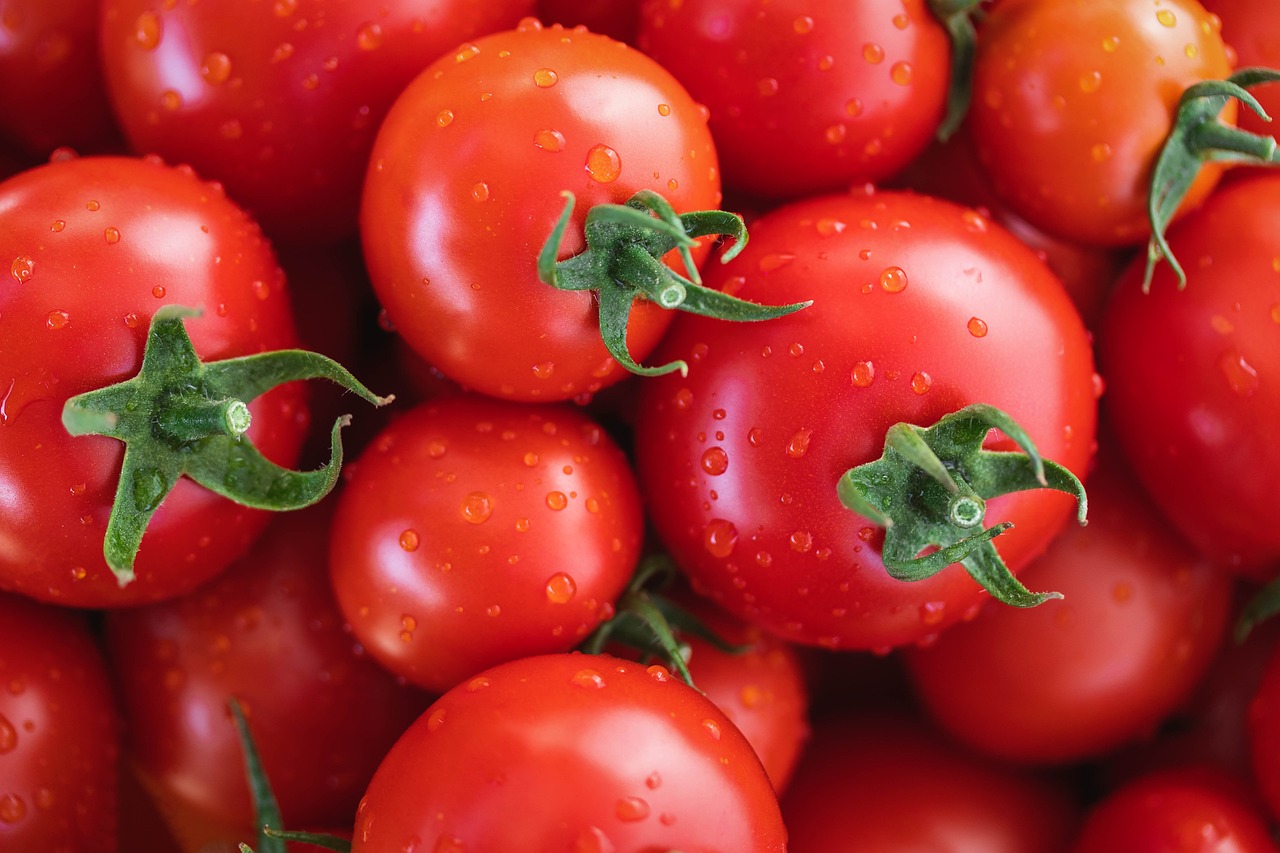
Is there anything quite as lovely as a perfectly ripe, juicy tomato? As it turns out, tomatoes aren’t just delicious—they’re also the very best source of lycopene, a potent anti-inflammatory antioxidant that gives them their beautiful red color. Stunning findings in a 2023 issue of Nutrients revealed that people with higher levels of lycopene in their blood had lower C-reactive protein and less inflammation overall. And here’s a fascinating cooking tip: heating tomatoes actually boosts our ability to absorb their lycopene! That means your favorite tomato sauce, comforting tomato soup, or slow-simmered stew is actually delivering even more anti-inflammatory benefits than fresh tomatoes alone. Tomatoes also offer us vitamin C and potassium, both of which are wonderfully helpful for reducing swelling and supporting our overall health. So go ahead and enjoy that marinara, those sundried tomatoes, and that rich tomato paste—your body knows exactly what to do with them!
Brussels Sprouts
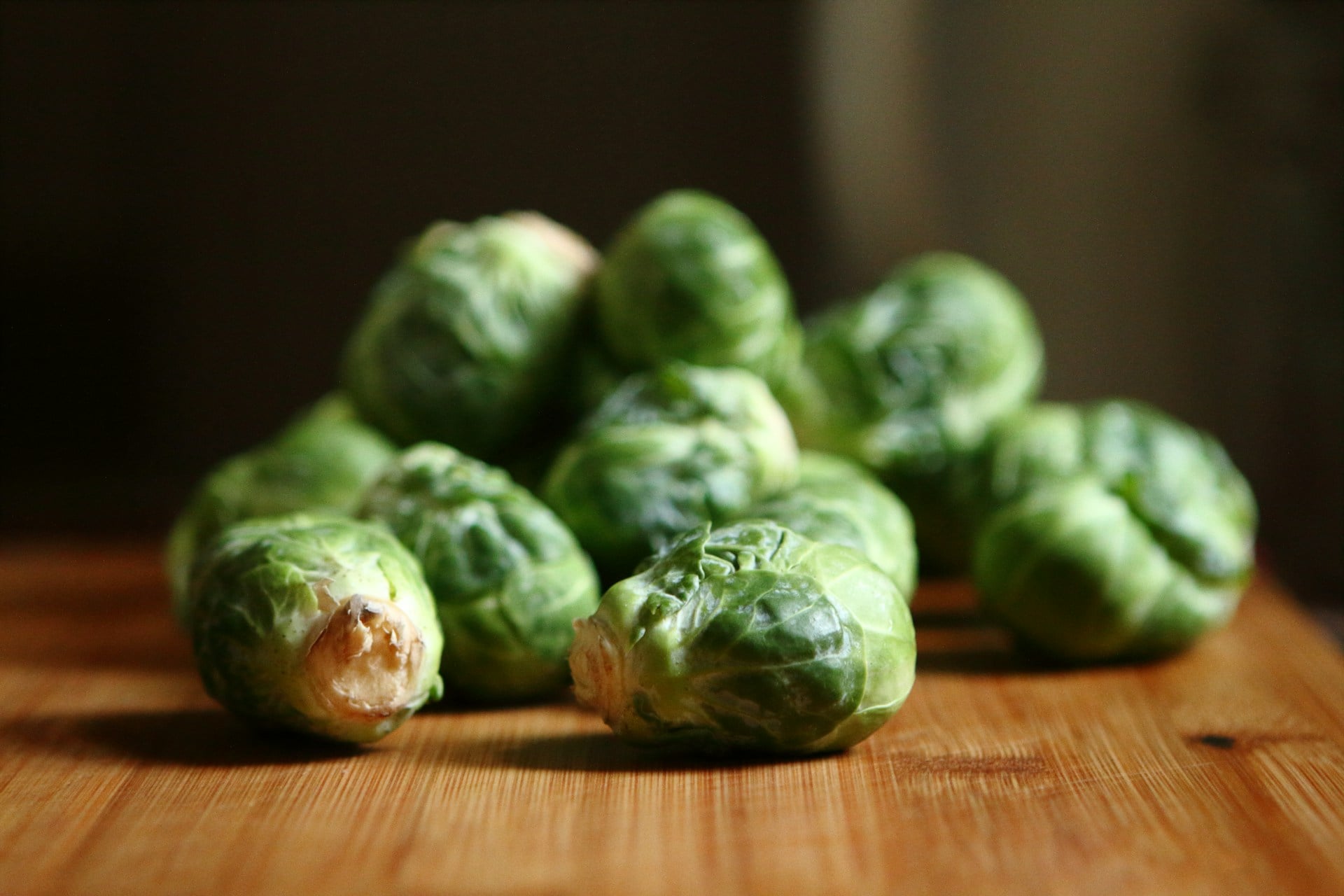
Oh, Brussels sprouts! These little guys used to get such an unfair reputation, but now we know they’re actually tiny superheroes in disguise. They contain special compounds called glucosinolates, which our amazing bodies convert into powerful inflammation-fighting agents. Recent research from 2023 in the American Journal of Clinical Nutrition found that people who ate more Brussels sprouts had lower levels of something called tumor necrosis factor-alpha (TNF-α), which is a key inflammatory protein. These mini cabbages also deliver a generous amount of vitamin K, which helps regulate the body’s inflammatory pathways. Now, here’s the secret to falling in love with Brussels sprouts: roasting! When you roast them at a high temperature until the edges are crispy and brown and the leaves are tender, something magical happens—their natural sweetness emerges, and they transform into the most delicious, irresistible side dish. Even confirmed Brussels sprout skeptics have been converted by a perfectly roasted batch!
Spinach
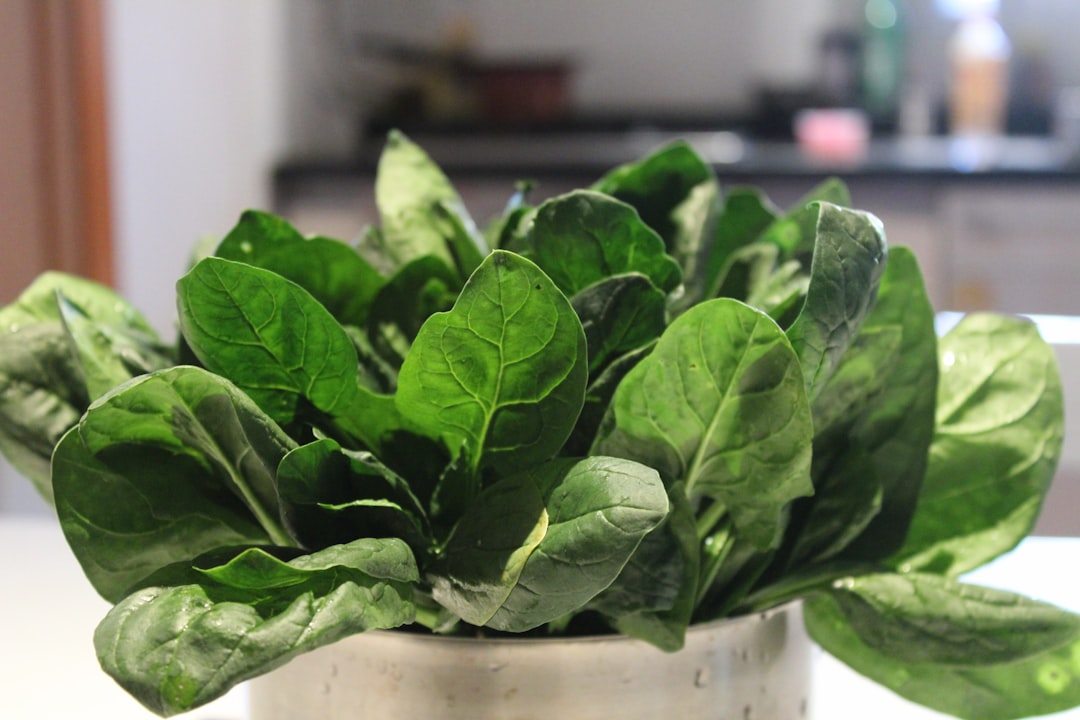
Remember how Popeye would open a can of spinach and suddenly become super strong? Well, it turns out that wasn’t too far from the truth! Spinach is absolutely brimming with lutein, beta-carotene, and vitamin E—three powerful antioxidants that are experts at neutralizing those troublemaking free radicals that trigger inflammation. A brand new 2024 review in the International Journal of Molecular Sciences found that people who eat more spinach tend to have lower rates of inflammatory conditions like arthritis and heart disease. But wait, there’s more! Spinach also contains magnesium, which helps our immune system stay balanced and keep inflammation in check. Here’s a helpful tip: eating spinach raw in smoothies or fresh salads helps preserve all those wonderful anti-inflammatory nutrients. Its gentle, tender leaves make it so easy to sneak into almost any meal—tuck it into a sandwich, stir it into pasta at the very last minute, or blend it into a fruity smoothie where you won’t even know it’s there, but your body will be so grateful.
Red Bell Peppers
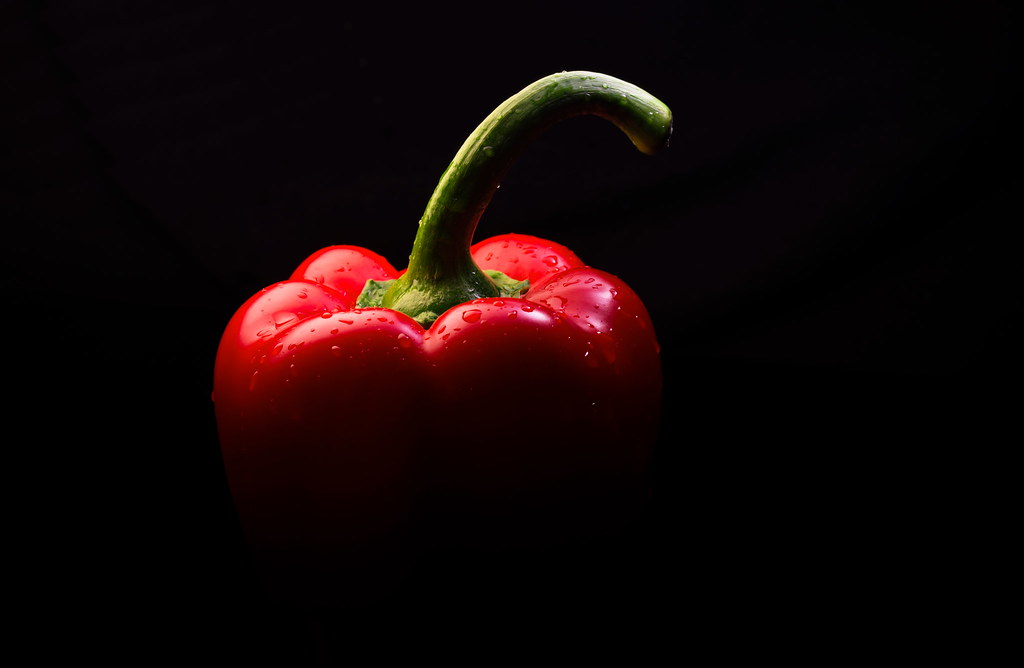
Did you know that red bell peppers actually contain twice as much vitamin C as oranges? Isn’t that amazing? Per serving, these sweet, colorful beauties are absolutely bursting with this essential nutrient. A 2023 meta-analysis in the journal Antioxidants highlighted something really exciting: people with higher vitamin C intake had significantly lower markers of inflammation, particularly something called interleukin-6 (IL-6) and that C-reactive protein we talked about earlier. Red bell peppers also contain quercetin, a natural compound that scientists have linked to reduced inflammatory signals throughout the body. And here’s the best part—their sweet, crisp, almost fruity taste makes them absolutely perfect for snacking straight from the fridge with a little hummus, or tossing into stir-fries, fajitas, and salads. They add the most beautiful pop of color to any dish, and now you know they’re working hard behind the scenes to keep you healthy, too!
Broccoli

Have you ever noticed that broccoli looks just like a little green tree? Well, it turns out those tiny trees are absolutely packed with something incredible called sulforaphane, a plant compound that works deep inside our cells to calm inflammation right at the source. A wonderful 2023 study in the journal Nutrients discovered that people who eat cruciferous vegetables like broccoli on a regular basis actually have lower levels of C-reactive protein, which is one of the main signals doctors look for to measure inflammation. Broccoli also gives us a big boost of vitamin C and special flavonoids that work together like a dream team to soothe our body’s inflammatory response. Here’s the really exciting part: researchers say that just one cup of steamed broccoli just a few times a week can make a real, noticeable difference. Its antioxidants help prevent oxidative stress—which is basically like rust building up inside our cells—and that’s a major cause of chronic inflammation. Tossing broccoli into your stir-fries, roasting it until the edges are crispy, or even adding it to a creamy soup are all such easy and delicious ways to invite this green powerhouse to dinner.
Kale
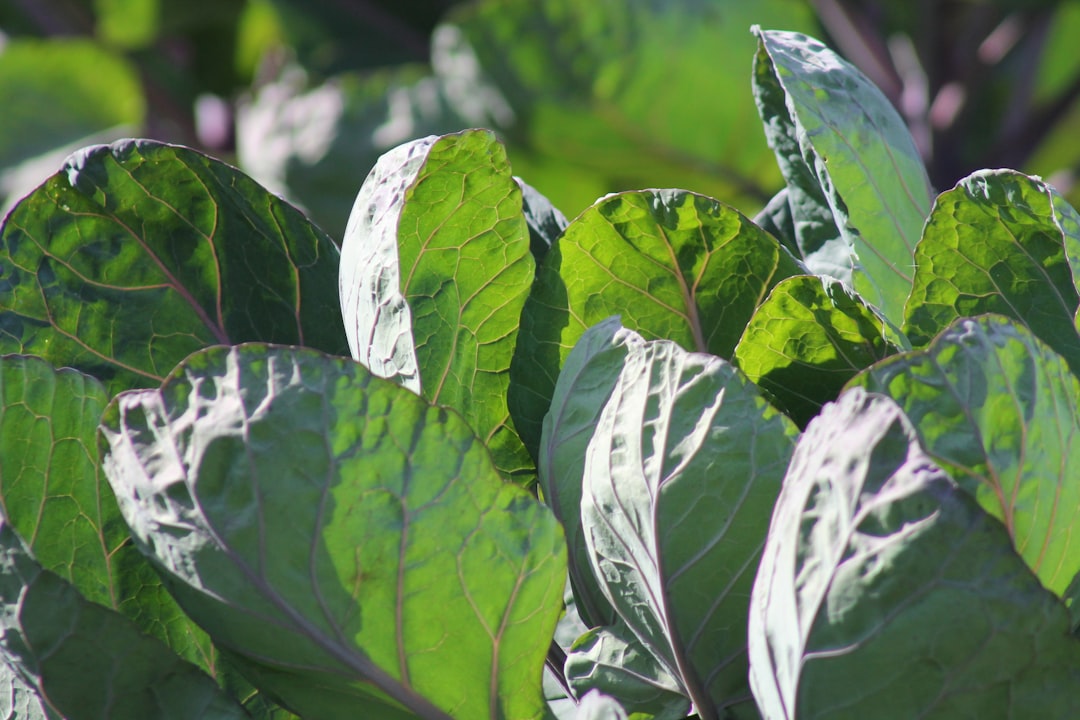
Kale has become quite famous over the last few years, and for very good reason! This hearty leafy green is packed with powerful plant polyphenols, especially two called kaempferol and quercetin, which clinical studies have shown can actually lower inflammation in the body. Exciting new findings from the journal Foods in 2024 indicate that people who eat kale regularly have better blood vessel function and reduced oxidative damage—both of which are closely linked to chronic inflammation. But kale’s gifts don’t stop there! Its wonderful fiber content supports gut health, and guess what? A happy, healthy gut plays a crucial role in managing inflammation throughout your entire body. If you’re new to kale, I recommend starting with steamed kale, which becomes tender and mild, or try massaging raw kale with a little olive oil and lemon juice—it softens the leaves and makes them absolutely delicious in salads. You can also toss a handful into soups or blend it into smoothies for an easy, invisible health boost.
Carrots
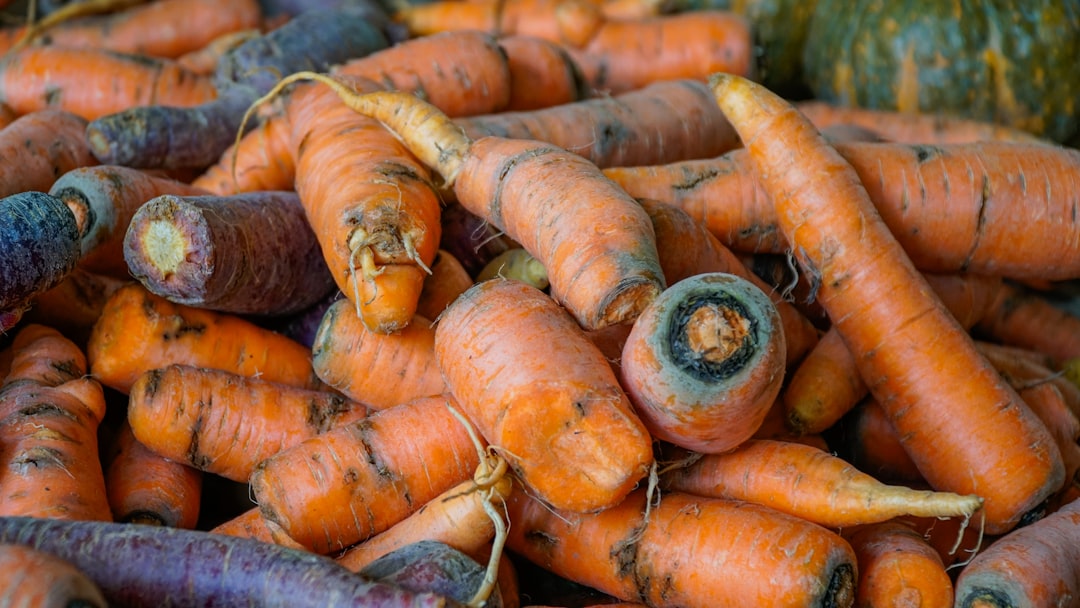
Carrots are one of those vegetables we’ve known our whole lives, but we might not have realized just how hard they work for us! These bright orange beauties are absolutely brimming with beta-carotene, a powerful antioxidant that has been proven time and time again to lower inflammation. A fascinating 2024 population study in Frontiers in Nutrition reported that people who eat carrots regularly have a reduced risk of inflammatory conditions like rheumatoid arthritis. Carrots also supply plenty of vitamin A, which supports our immune system’s ability to control inflammation effectively. Whether you’re enjoying them raw and crunchy with your favorite dip, roasted until they’re caramelized and tender, or blended into a silky, comforting soup, carrots are one of the easiest and most affordable ways to eat anti-inflammatory every single day. Plus, their natural sweetness makes them a hit with just about everyone!