The Nine Ingredients That Quietly Improved Home Cooking

Ever feel like your home cooking could use a little more… oomph? Sometimes the secret isn’t a fancy new pan or a complicated recipe. It’s in those little jars and forgotten veggies already in your kitchen that work like flavor magic. Once you know how to use them, they can totally transform simple meals, adding depth, brightness, and balance without any extra stress. Let’s look at some of these quiet kitchen heroes that make everyday food taste thoughtfully made.
Anchovies: Your Secret Umami Bomb

Okay, hear me out. I know “anchovy” might make you think of a super fishy pizza topping, but when used right, they completely vanish. What they leave behind is pure, savory depth. Think of them as a flavor concentrate. Mince one or two fillets and let them melt into hot oil at the start of cooking a sauce, stew, or soup. They dissolve, adding a rich, meaty undertone (that umami magic) that makes the whole dish taste more complex and satisfying. They’re the quiet star in a great Caesar dressing and the reason some pasta sauces taste so incredible. It’s the easiest way to add a restaurant-level flavor foundation.
Balsamic Vinegar: Sweetness & Tang in One Bottle

A good balsamic vinegar is like a flavor cheat code. It’s not just sour; the best ones have a natural, caramel-like sweetness from reduced grapes. A drizzle over roasted veggies makes their natural sugars pop. A splash in a pan sauce lifts all the tasty browned bits and adds a glossy richness. It can even make strawberries taste more strawberry. It brings sweetness, acidity, and aroma all at once, so you can balance a dish without reaching for the sugar bowl. It’s one of the fastest ways to make a simple plate feel polished.
Celery: The Foundation Builder
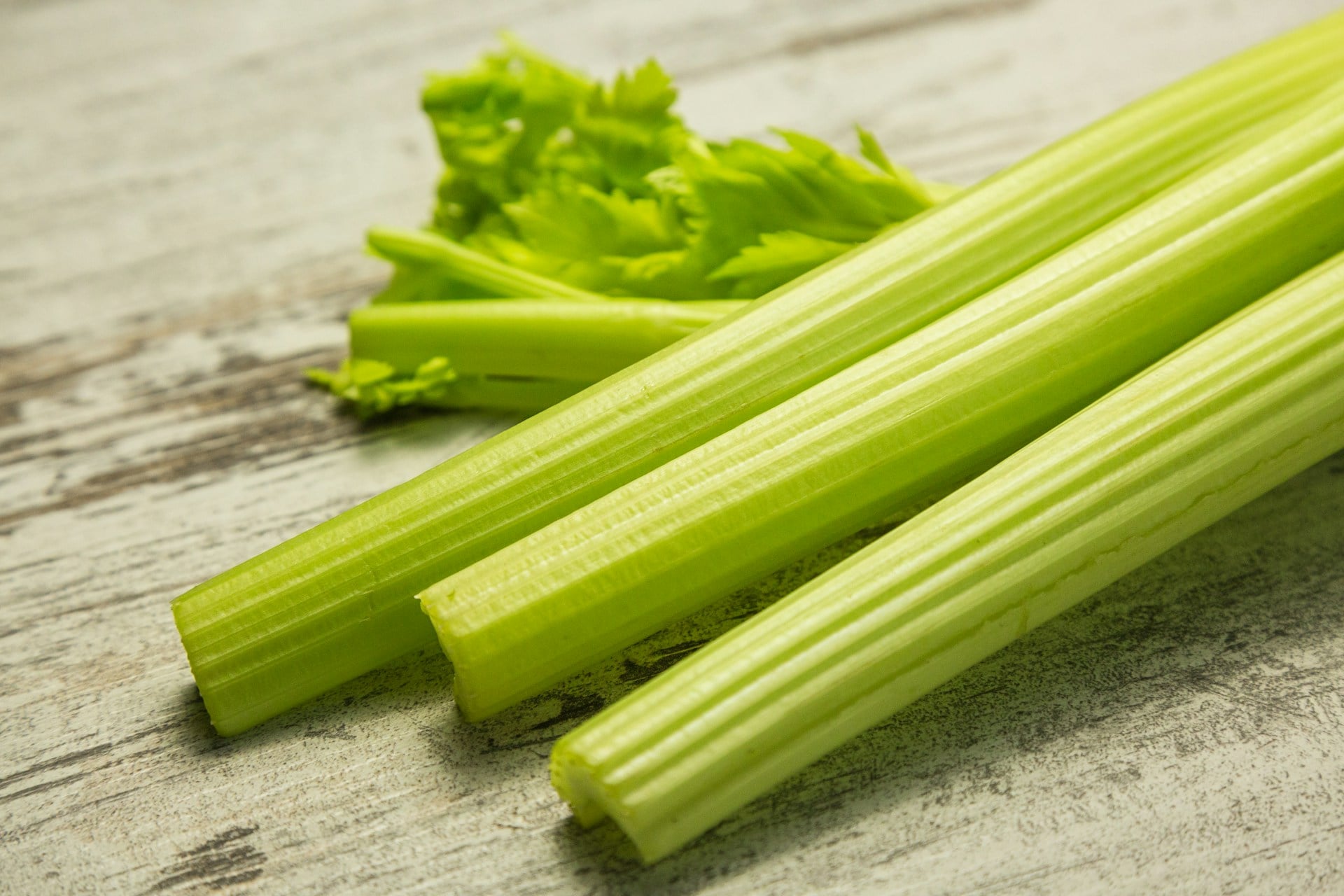
Celery is the unsung hero of the vegetable drawer. When chopped and sautéed slowly with onions and carrots (that classic mirepoix), it builds a flavor base for soups, stews, and sauces that’s irreplaceable. It adds a subtle, herbal bitterness that balances the sweetness of carrots and the richness of meat. You might not taste “celery” in the final dish, but you’d definitely miss its rounding, deepening effect. It’s a humble ingredient that does essential work.
Lemon Zest: Aroma Without the Pucker
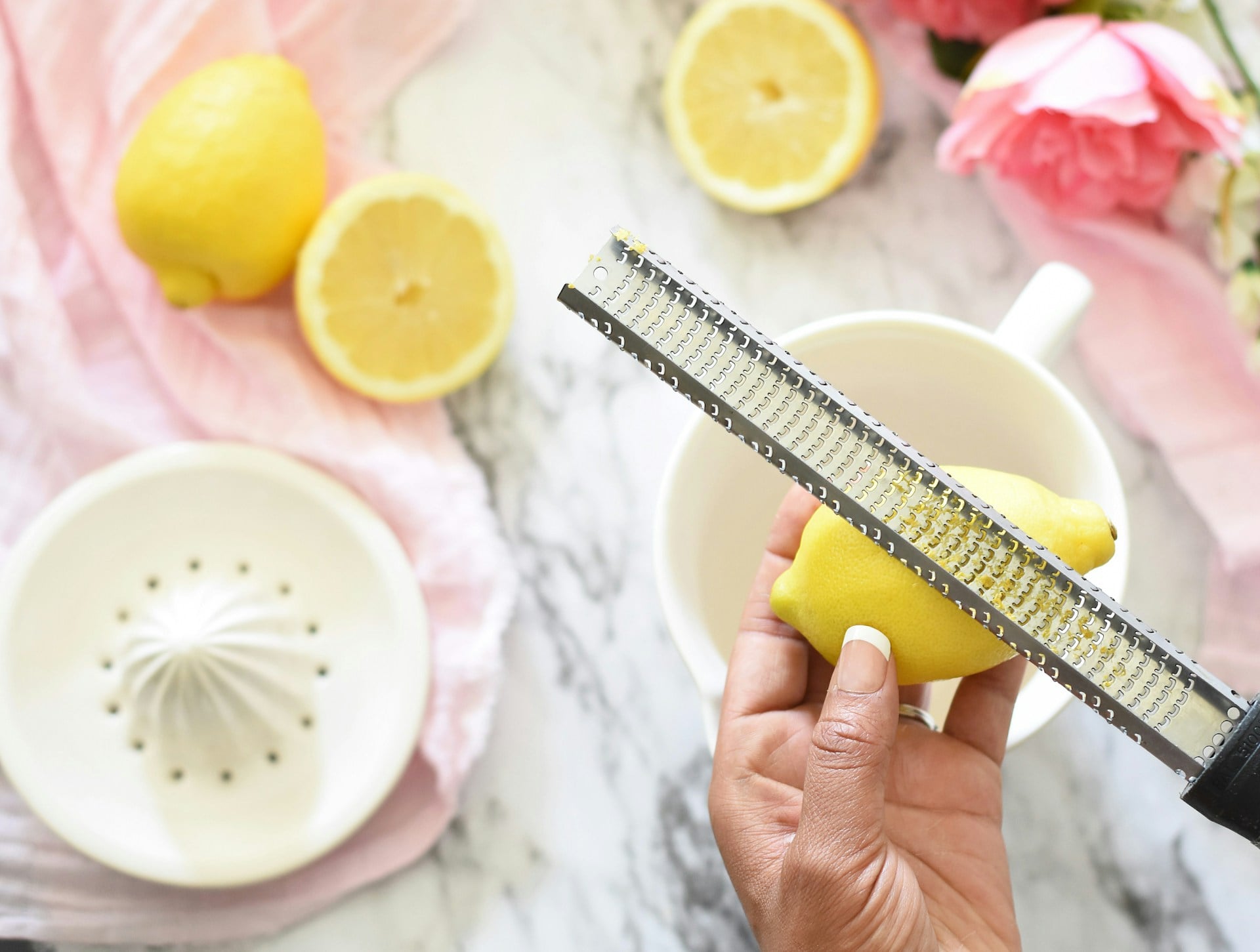
Don’t just juice your lemons—zest them! The bright, fragrant oils in the zest pack a huge punch of citrus aroma without the sharp acidity of the juice. A little grated zest can lift a creamy pasta, brighten roasted chicken, or make cookies sing. It adds a vibrant, fresh layer that feels sophisticated and light. It’s the perfect way to add a high note to a dish without making it sour.
Dijon Mustard: The Wake-Up Call for Flat Flavors
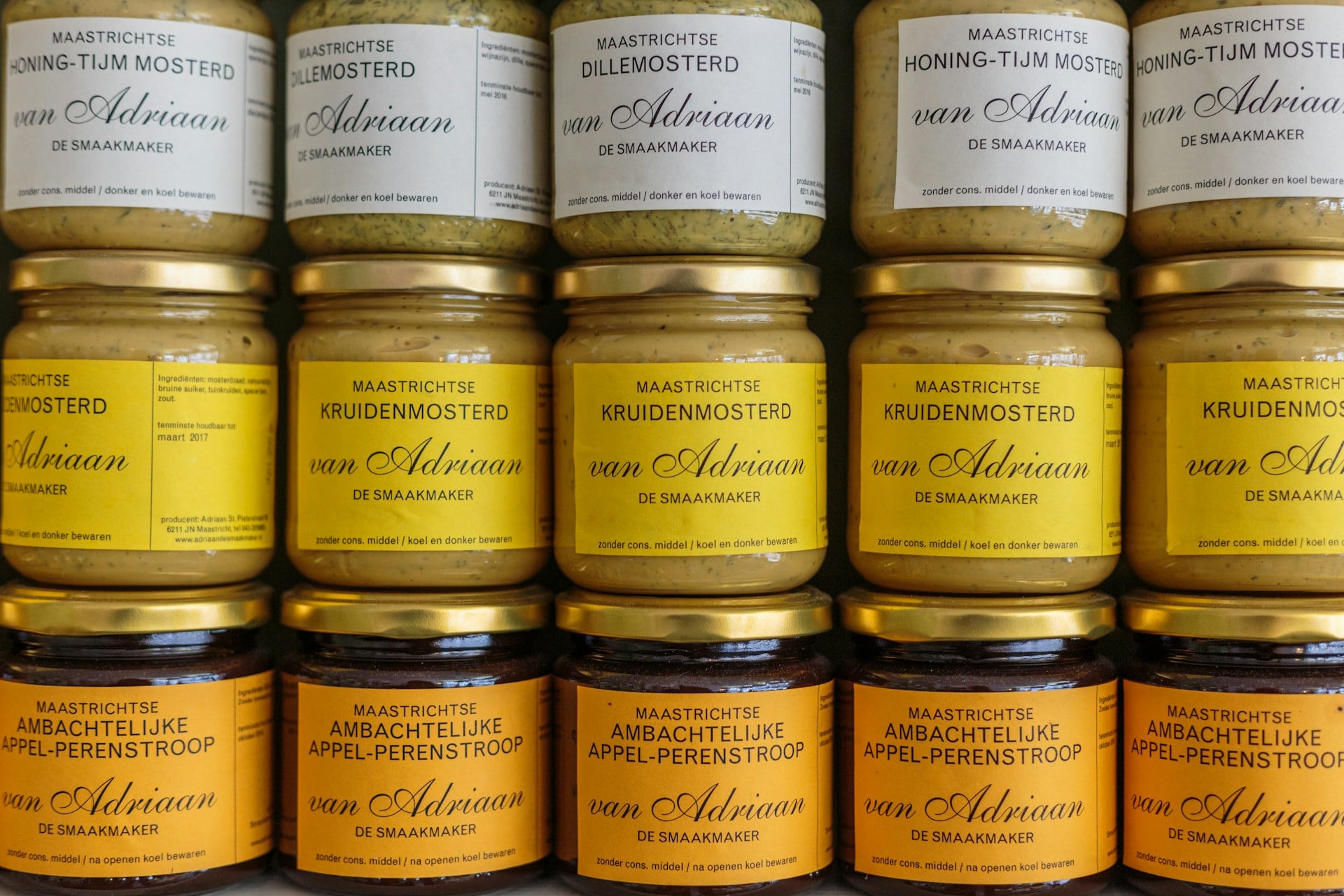
Dijon mustard is a multitasker. It’s not just for sandwiches. Its sharp, tangy flavor cuts through richness and wakes up anything that tastes a bit dull or heavy. Whisked into a vinaigrette, it helps emulsify the oil and vinegar into a creamy, clingy dressing. Stirred into a cream sauce, it adds a needed sharpness. Mixed into marinades or spread on meat before roasting, it adds a fantastic crust. It’s a background booster that makes everything taste brighter and more balanced.
Vinegar Varieties: The Brightness Fix

If a dish tastes greasy, heavy, or just kind of “blah,” a splash of vinegar is often the fix. Different kinds do different jobs: red wine vinegar for bold meat dishes, apple cider vinegar for a fruity tang in dressings, rice vinegar for light Asian-inspired flavors. Acid is as important as salt—it makes flavors pop and keeps food from tasting flat. A little dash at the end of cooking can be the difference between “good” and “wow, what’s in this?”
Gochujang: The All-in-One Flavor Paste
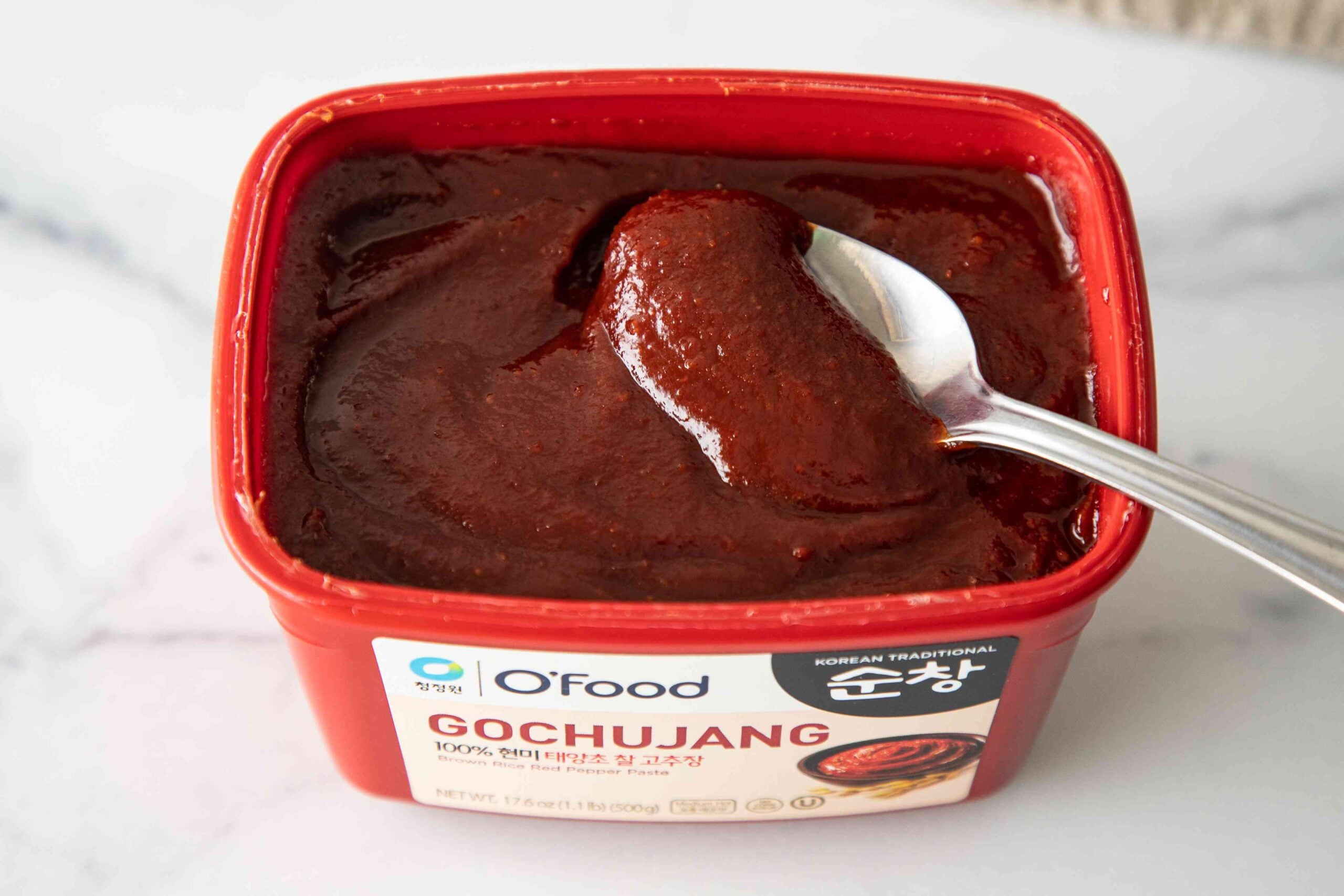
This Korean fermented chili paste is a flavor powerhouse. It’s not just spicy; it’s also slightly sweet, funky, and packed with savory umami. Unlike a plain hot sauce, it adds layers of complexity. Use it in marinades, stir it into soups, mix it into mayo for a killer dip, or glaze roasted veggies with it. One spoonful delivers sweet, heat, and depth together, making it the ultimate shortcut to big, exciting flavor.
Bay Leaves: The Slow-Release Aroma
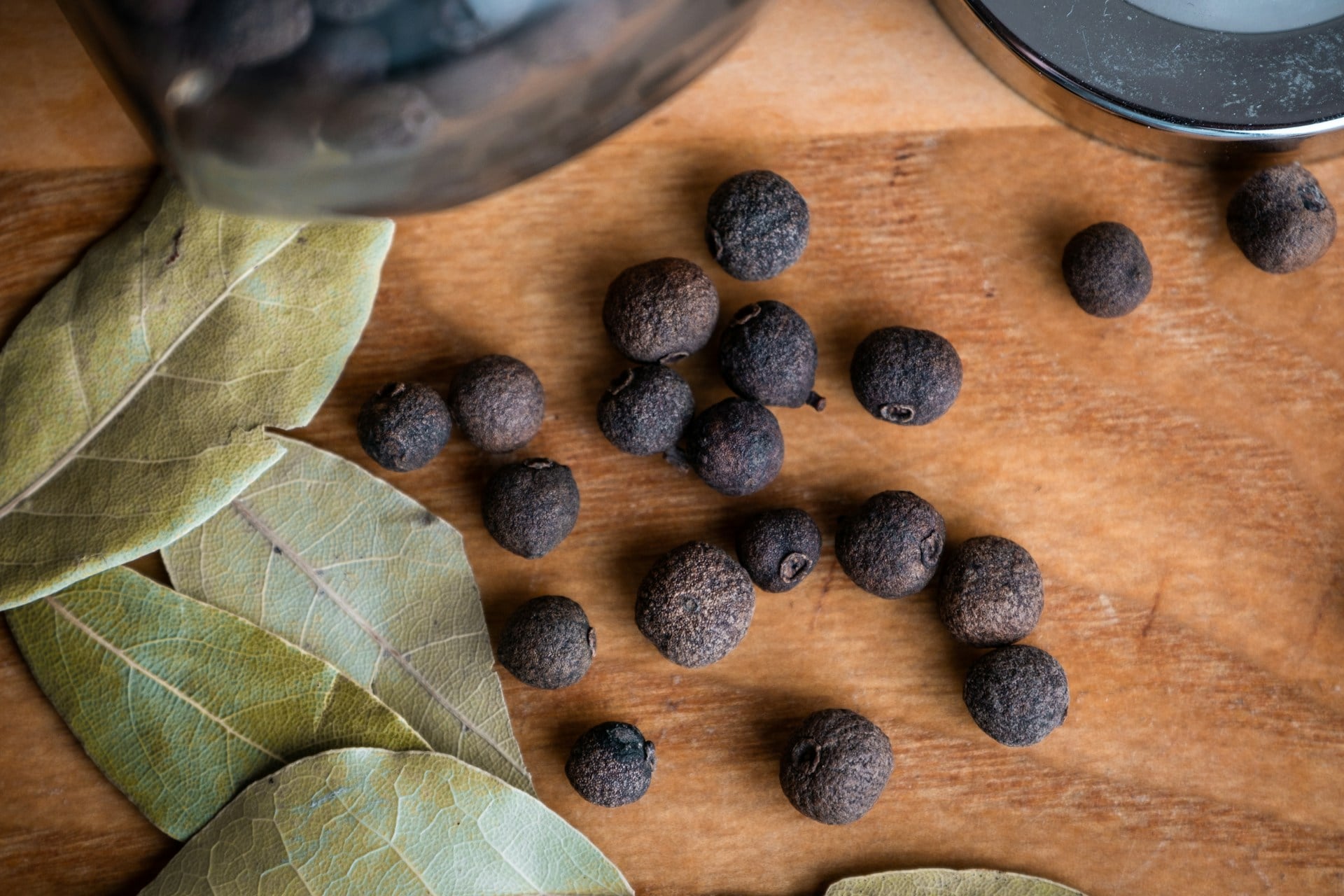
Bay leaves seem mysterious—you hardly taste them, so why use them? Simmered in soups, stocks, and braises, they release subtle, herbal oils that weave into the background and make the whole pot taste more rounded and cohesive. You notice their absence more than their presence. Toss one or two into your next pot of beans or tomato sauce and taste the difference. It’s the definition of a small effort for a big cumulative effect.
Quality Salt: The Most Important Tool
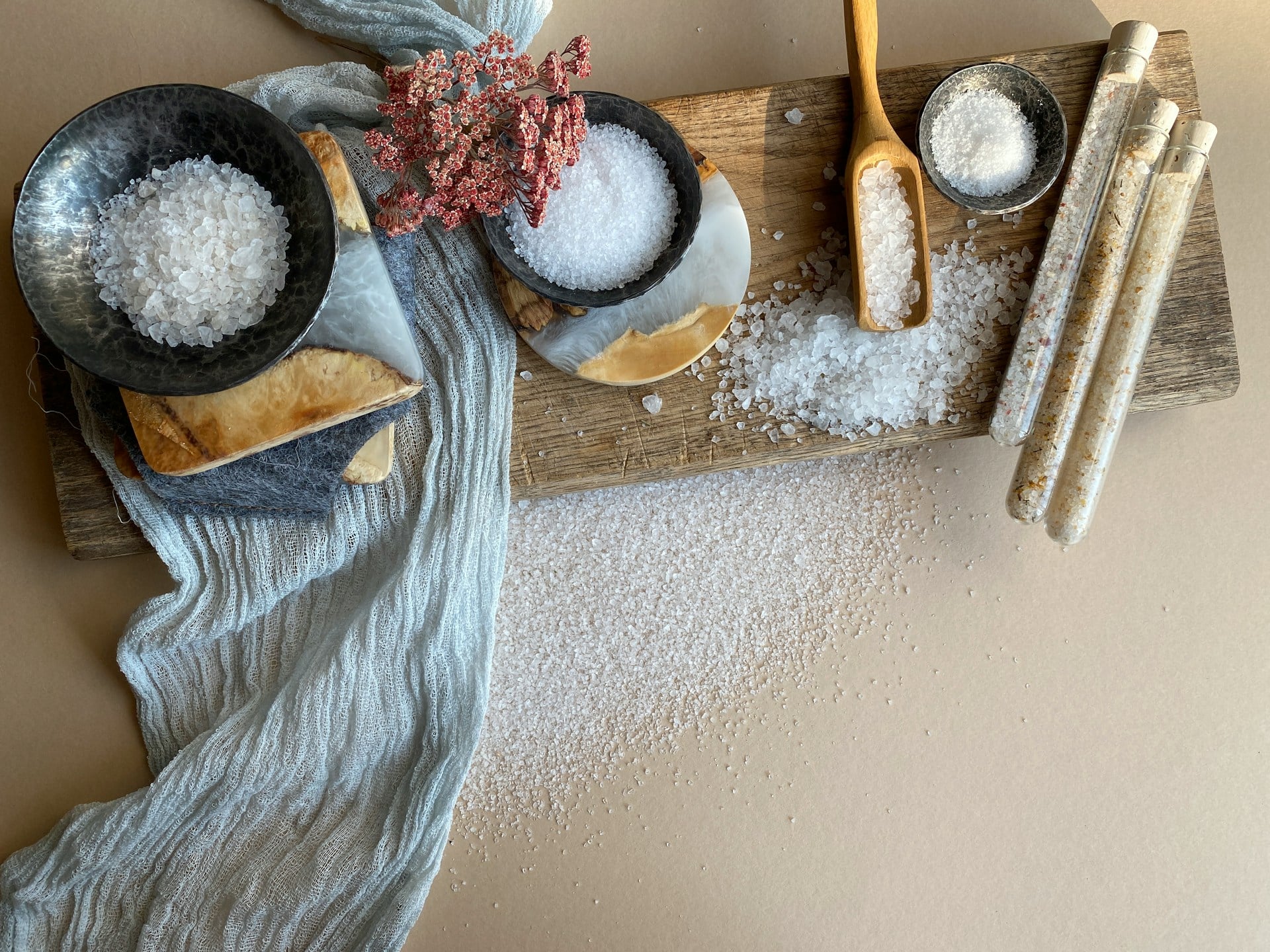
Salt isn’t just for making things salty. It enhances sweetness, tames bitterness, and makes aromas bloom. Upgrading from basic table salt to kosher salt (easier to control with your fingers) or finishing with flaky sea salt (for a delicate crunch) gives you way more control. Seasoning thoughtfully throughout the cooking process, not just at the end, builds flavor deep into the food. It’s the single biggest upgrade you can make to your cooking.
The bottom line? Great home cooking isn’t about having every spice known to man. It’s about mastering a few versatile, powerful ingredients that you can use to build, balance, and brighten almost anything you make.