Practical Kitchen Tips to Lower Food Waste Without Recipe Changes

Let’s be honest: most food waste doesn’t happen because we’re bad cooks. It happens because of those small, everyday habits that sneak up on us—like buying a bit too much, forgetting that container of leftovers, or letting fresh produce wilt before we get to it. The good news? Cutting down on waste doesn’t mean you need to overhaul your entire kitchen routine. With a few simple shifts in how you shop, store, and organize, you can make a real difference almost right away. Once these habits click, you’ll find your kitchen runs smoother, your grocery money goes further, and a lot less ends up in the trash.
Why Everyday Food Waste Matters
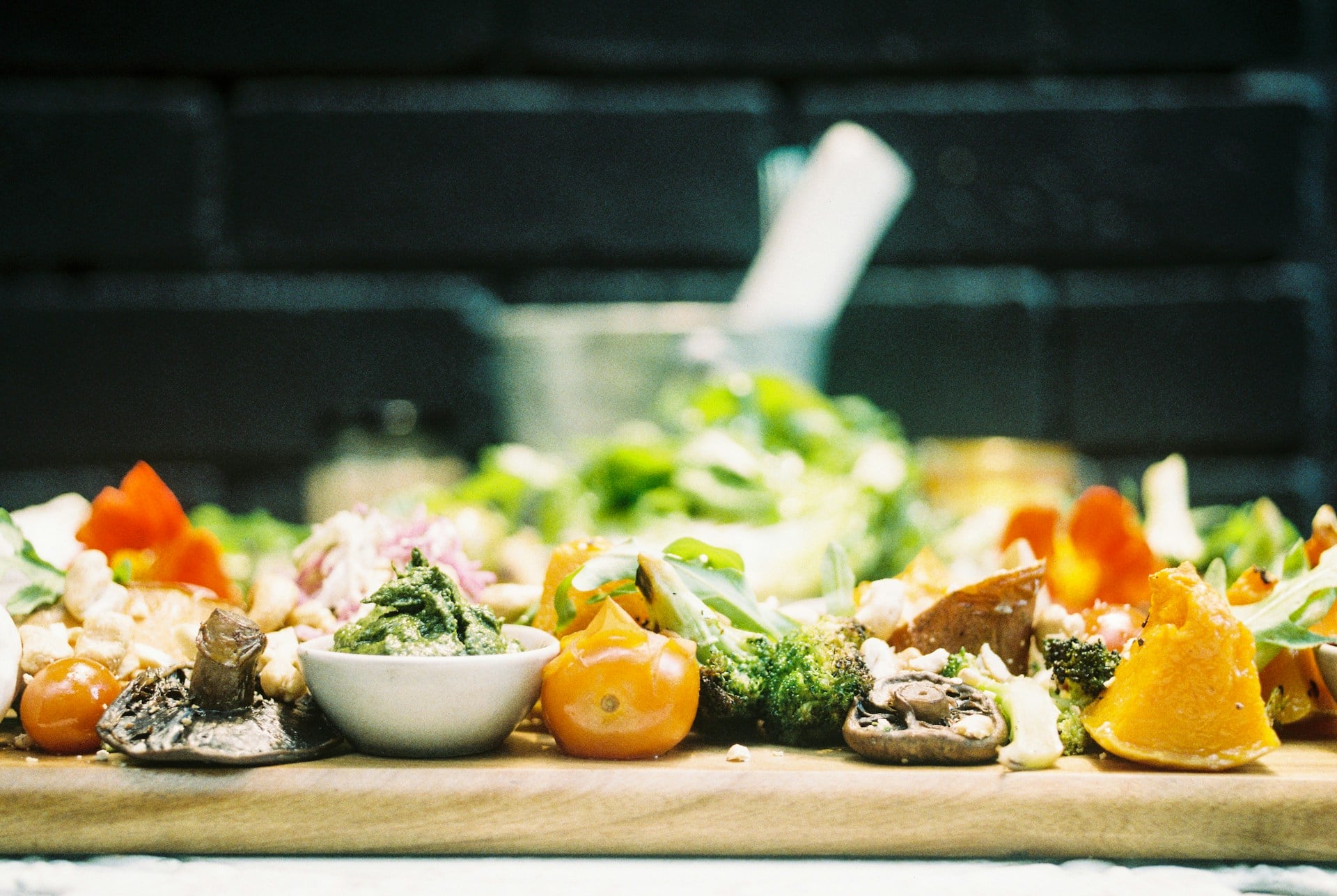
Food waste usually isn’t dramatic. It’s the quiet pile-up: a forgotten bag of spinach, the last bit of rice pushed to the back of the fridge, the extra bunch of herbs you bought for one recipe that never got used. This everyday waste adds up to hundreds of dollars a year and a surprising environmental impact. But here’s the key: fixing it isn’t about guilt or learning complicated new skills. It’s just about becoming a little more mindful of how food flows through your home and tweaking a few small habits to make sure more of it gets eaten.
Plan Smarter (Without Rethinking Every Meal)
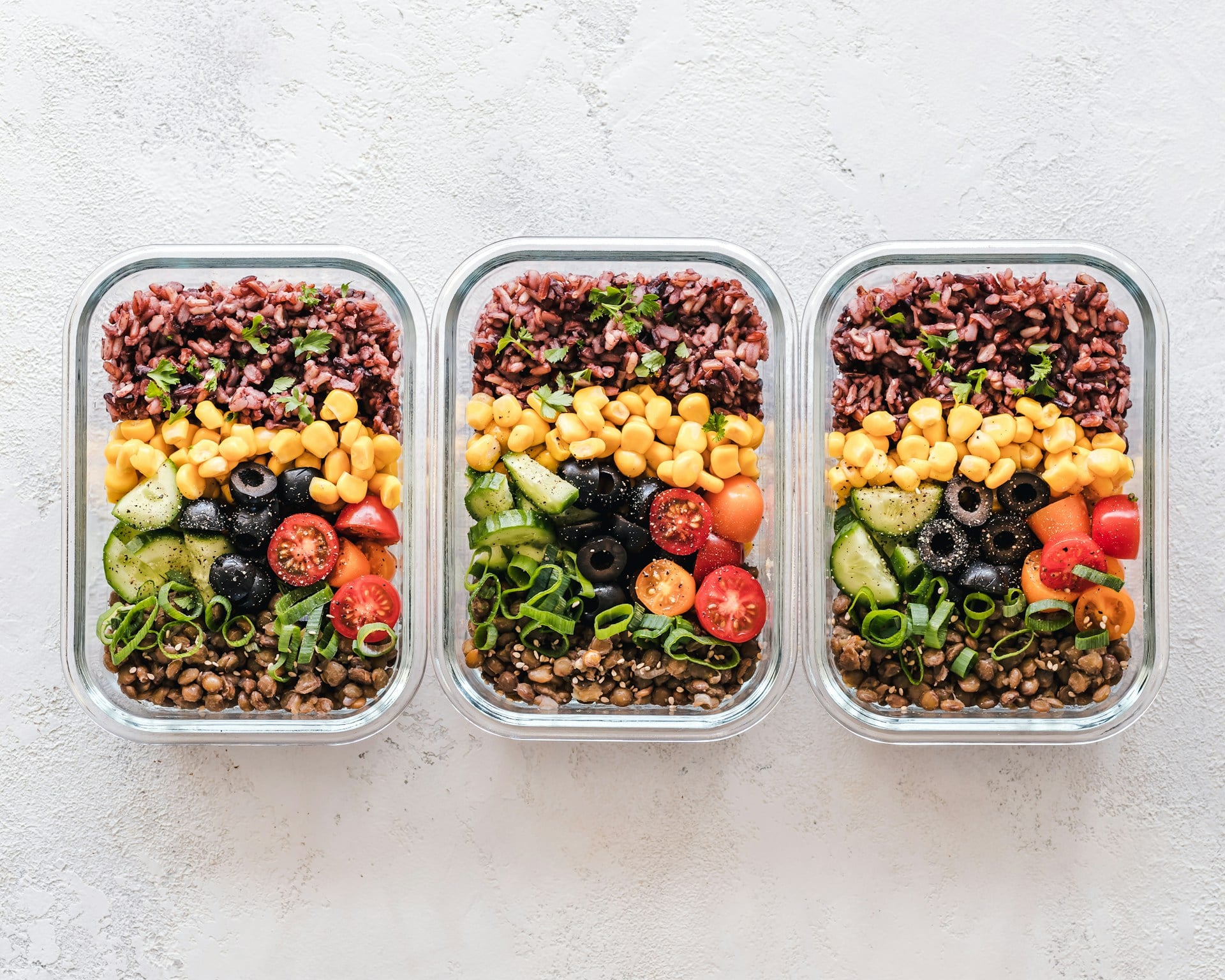
You don’t need a strict, color-coded meal plan. Just a little structure can work wonders. Before you shop, take two minutes to do a quick “fridge and pantry scan.” See what you already have that needs using up. This simple step alone prevents buying duplicates and helps you plan meals around ingredients you already own. Try making a loose list for the next few days based on what you see. It’s less about rigidity and more about having a flexible game plan that keeps you from overbuying on impulse.
Store Foods So They Actually Last
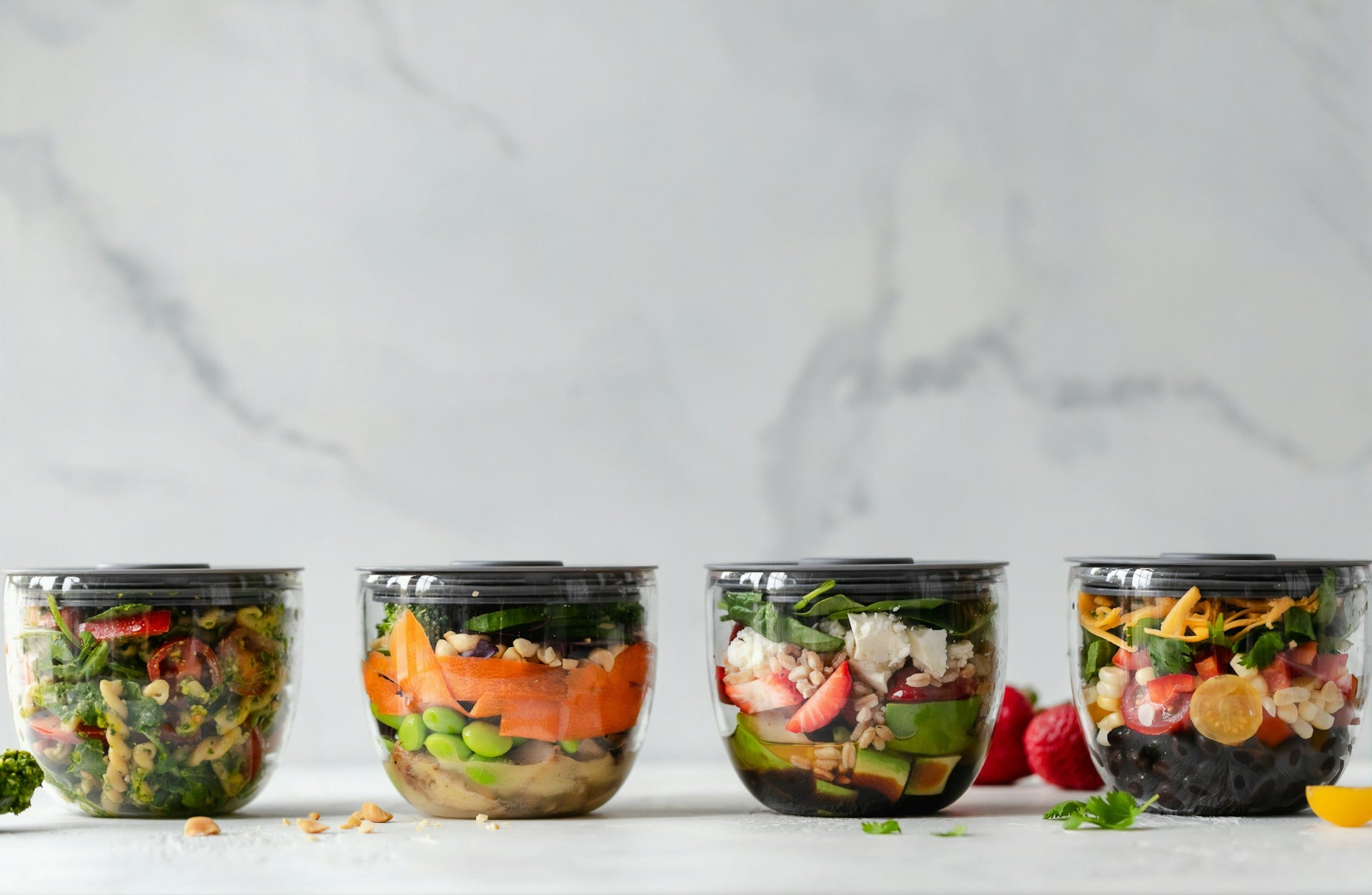
How you store food has a huge impact on its lifespan. A few easy tricks:
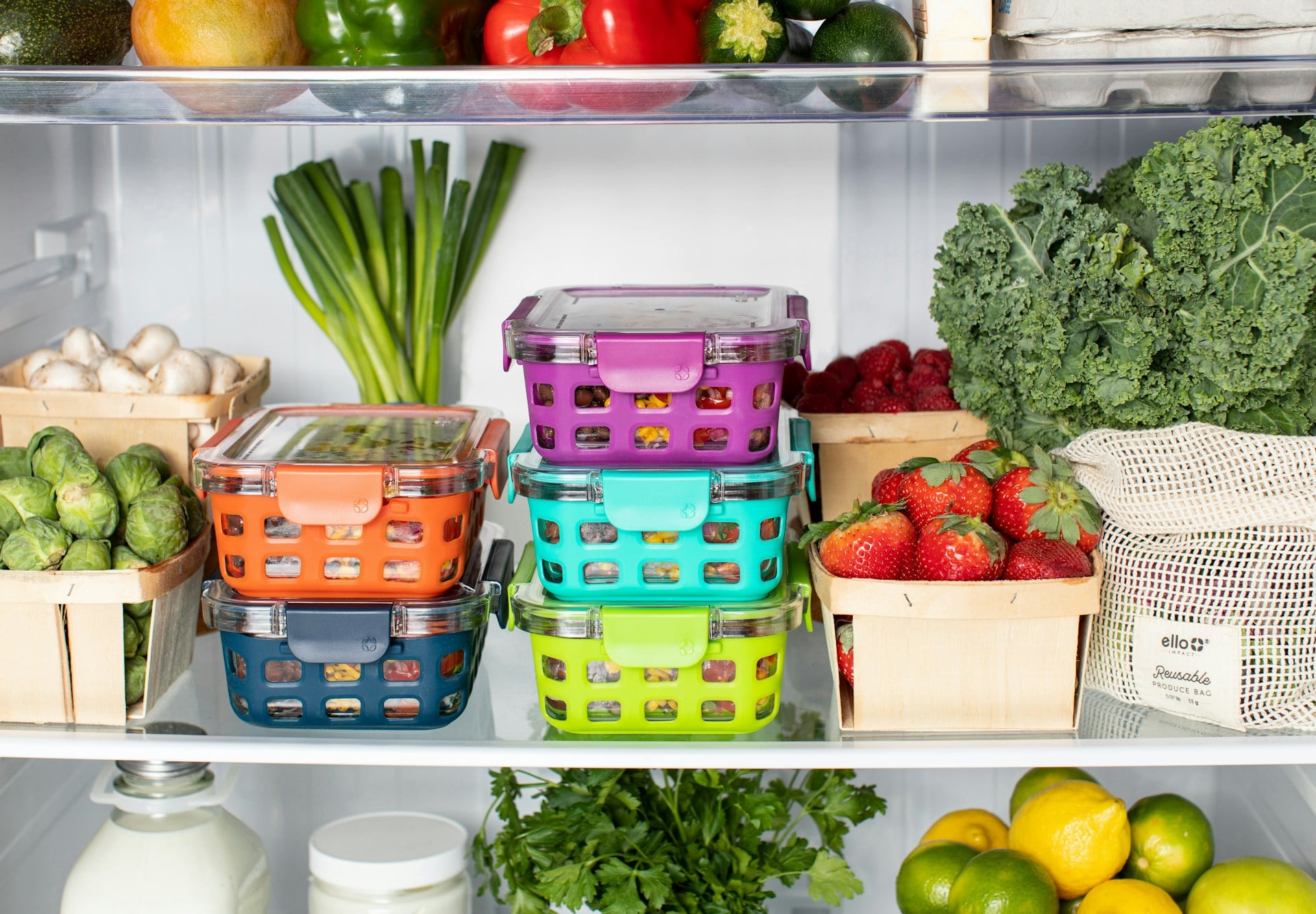
- Manage Moisture: Line your veggie drawer with a paper towel to absorb excess moisture that makes greens slimy.
- Use the Right Zones: Keep dairy and eggs in the colder back of the fridge, not in the door where temps fluctuate.
- Keep Things Visible: Practice “first in, first out.” Move older items to the front so you use them before the new stuff.
- Give Some Space: Don’t cram produce together; overcrowding speeds up spoilage.
- Seal It Up: Use airtight containers for dry goods and leftovers to keep them fresh and top of mind.
Use Every Part of What You Buy
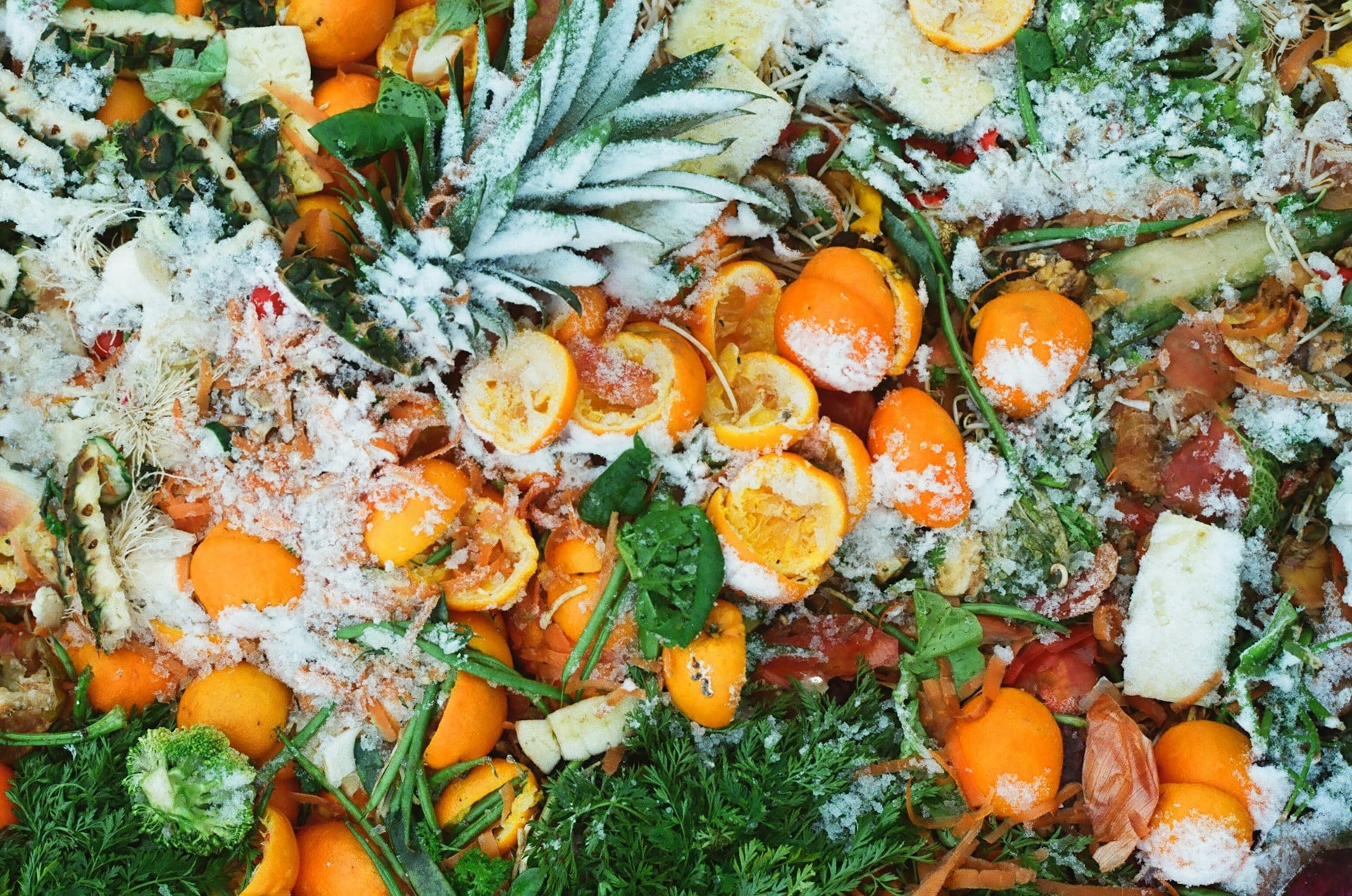
Leftovers and scraps are opportunities, not burdens!
- Love Your Leftovers: Think of them as building blocks. Last night’s roasted veggies can be today’s omelet filling or go into a grain bowl. Cooked chicken becomes tomorrow’s salad or wrap.
- Embrace “Scrap Cooking”: Save vegetable peels, onion ends, and herb stems in a freezer bag. Once you have a full bag, simmer them into a flavorful homemade broth. Stale bread is perfect for croutons or breadcrumbs. Wilty herbs can be blended into pesto or chimichurri.
Track and Adjust With Simple Habits
A little awareness goes a long way. Try this for a week: notice what you throw out. Was it half a loaf of bread? A soggy cucumber? This isn’t about shame—it’s intel. That information tells you exactly what to adjust. Maybe you need to buy that cucumber later in the week, or freeze half the loaf right away. Other easy habits include:
- Label leftovers with the date so you know what to eat first.
- Do a weekly “clean-out” scan of the fridge to remind yourself what’s there.
- Store snacks and ready-to-eat foods at eye level so they’re the first thing you see.
Reducing food waste isn’t about being perfect. It’s about making small, smart choices that become second nature. When you do, you’ll save money, feel good about your impact, and enjoy a kitchen where less goes to waste and more ends up as delicious meals.