These 10 Food Items Moved From Special Treats to Everyday Staples

From weekend treats to pantry staples, the story of American eating is one of quiet transformation. Many foods we now consider ordinary were once reserved for special occasions, celebrations, or rare indulgences. Their journey into our daily lives wasn’t a sudden change but a slow, steady shift shaped by technology, accessibility, and the rhythms of modern life. As kitchens modernized, grocery aisles expanded, and daily schedules grew more demanding, these items gradually shed their exclusive status. They became dependable, affordable, and convenient—qualities that earned them a permanent place in our lunchboxes, weeknight dinners, and snack drawers. This evolution reveals how our relationship with food constantly adapts, turning yesterday’s luxuries into today’s comforting essentials.
Pizza: From Pizzeria Party to Friday Night Any Night
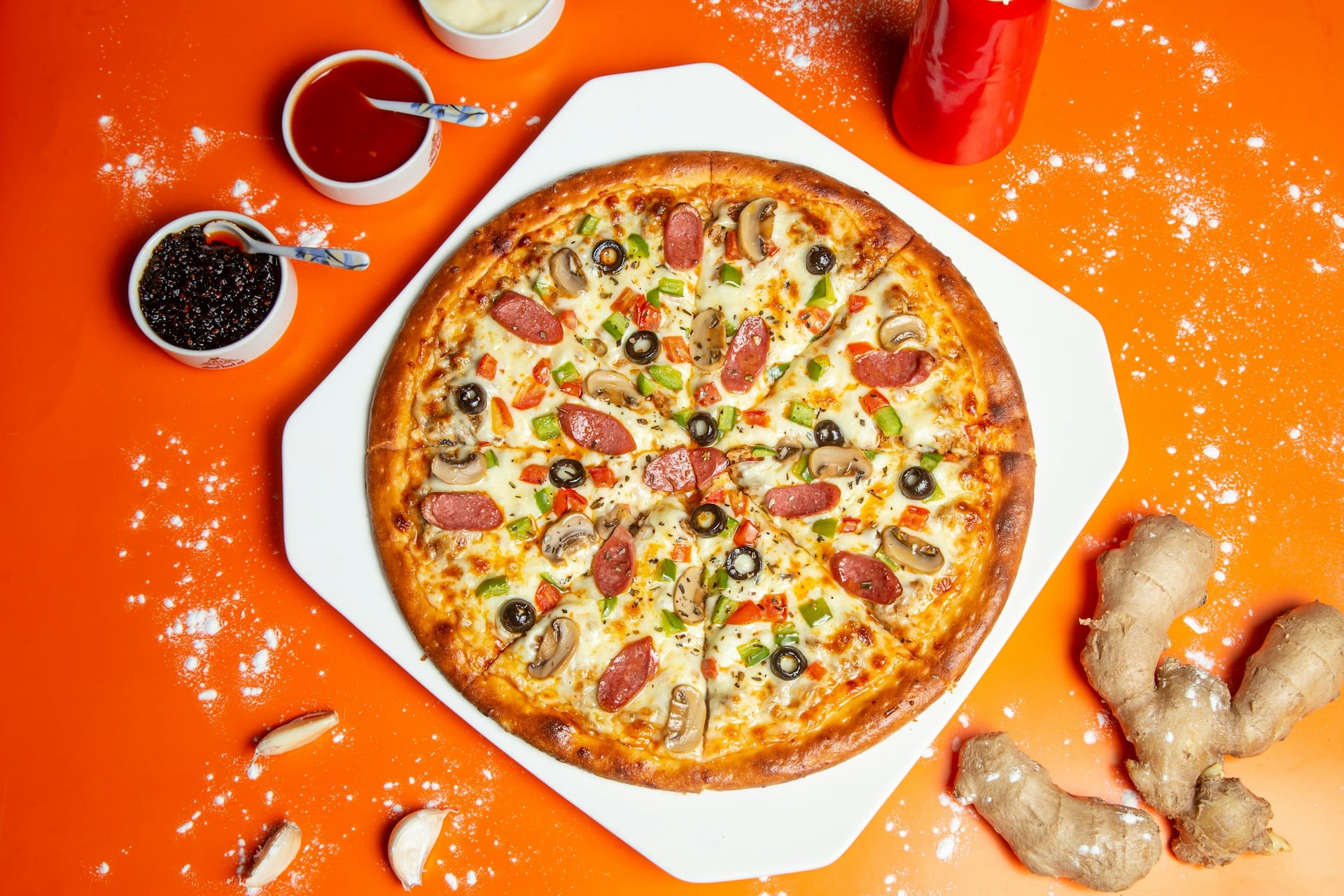
Pizza’s path to becoming America’s favorite everyday meal is a story of convenience triumphing over ceremony. Decades ago, enjoying pizza meant a trip to a local pizzeria, a treat often reserved for birthdays, team celebrations, or a special Friday night out. This changed with a quiet revolution in the freezer aisle. Improvements in frozen food technology transformed frozen pizza from a cardboard-flavored novelty into a genuinely tasty and reliable dinner option, available anytime. Simultaneously, the explosive growth of national delivery chains made hot pizza just a phone call away, positioning it as the ultimate solution for busy evenings. Furthermore, grocery stores began stocking high-quality dough, fresh mozzarella, and varied sauces, empowering home cooks to create “special” pizza on a random Tuesday with minimal effort. Pizza shed its party-food image and became a versatile, comforting staple woven into the fabric of weekly meal planning.
Ice Cream: From Soda Fountain Splurge to Freezer Staple
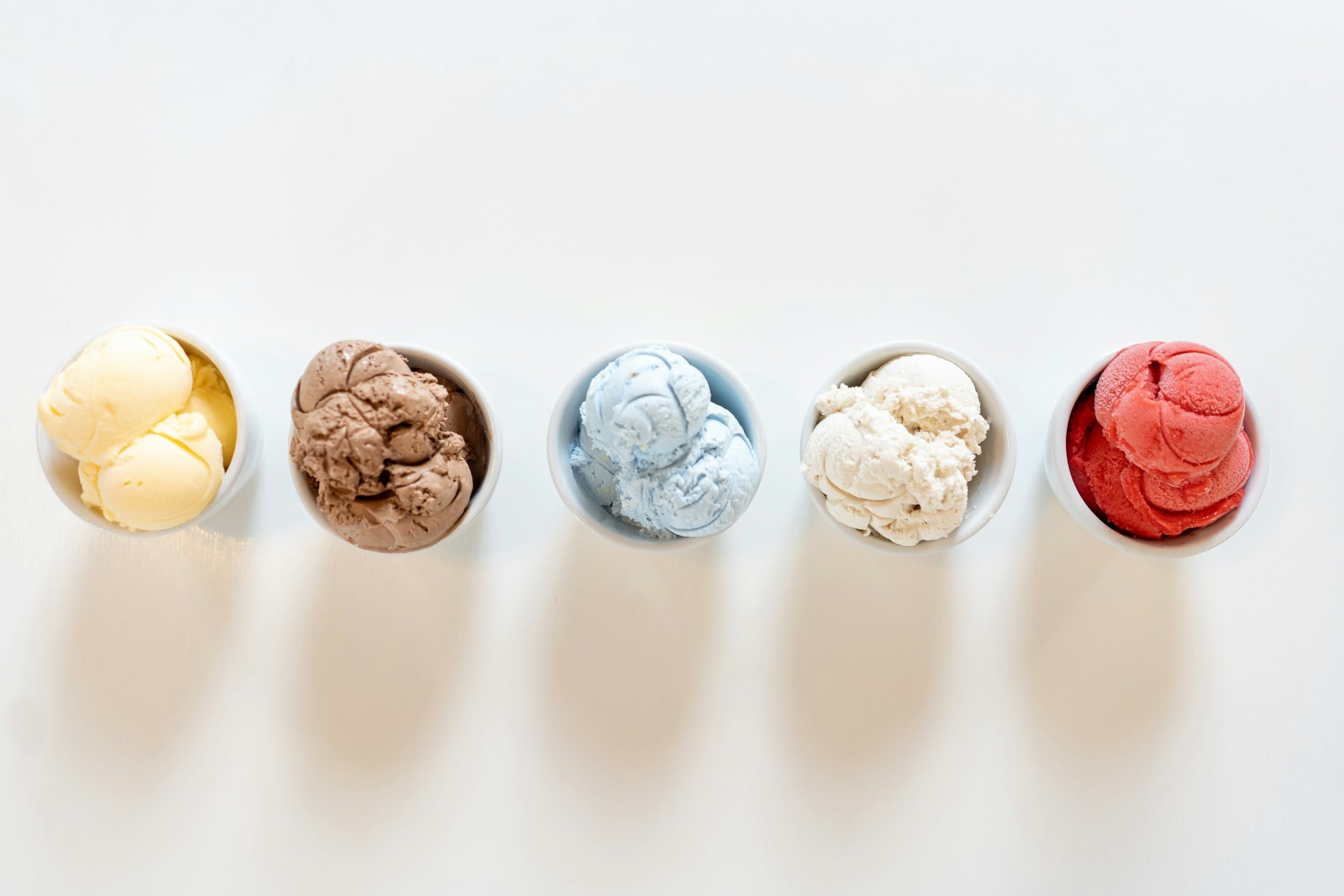
Ice cream’s transition from a celebrated outing treat to a household staple was cooled by one major innovation: the home freezer. In earlier decades, limited refrigeration meant ice cream was a fleeting luxury, tied to a trip to the soda fountain or a summer social. The widespread adoption of the home freezer unit changed everything, allowing families to bring the treat home and store it indefinitely. Supermarkets capitalized on this, offering an ever-expanding universe of flavors, formats, and sizes, from classic half-gallons to single-serve novelties perfect for an after-school snack. Marketing played a key role, reframing ice cream not as a rare indulgence but as an accessible comfort food and a reward for any day. Today, a nearly permanent tub in the freezer, ready for a casual bowl after dinner, signifies its complete integration into daily life.
Chocolate: From Holiday Luxury to Everyday Comfort
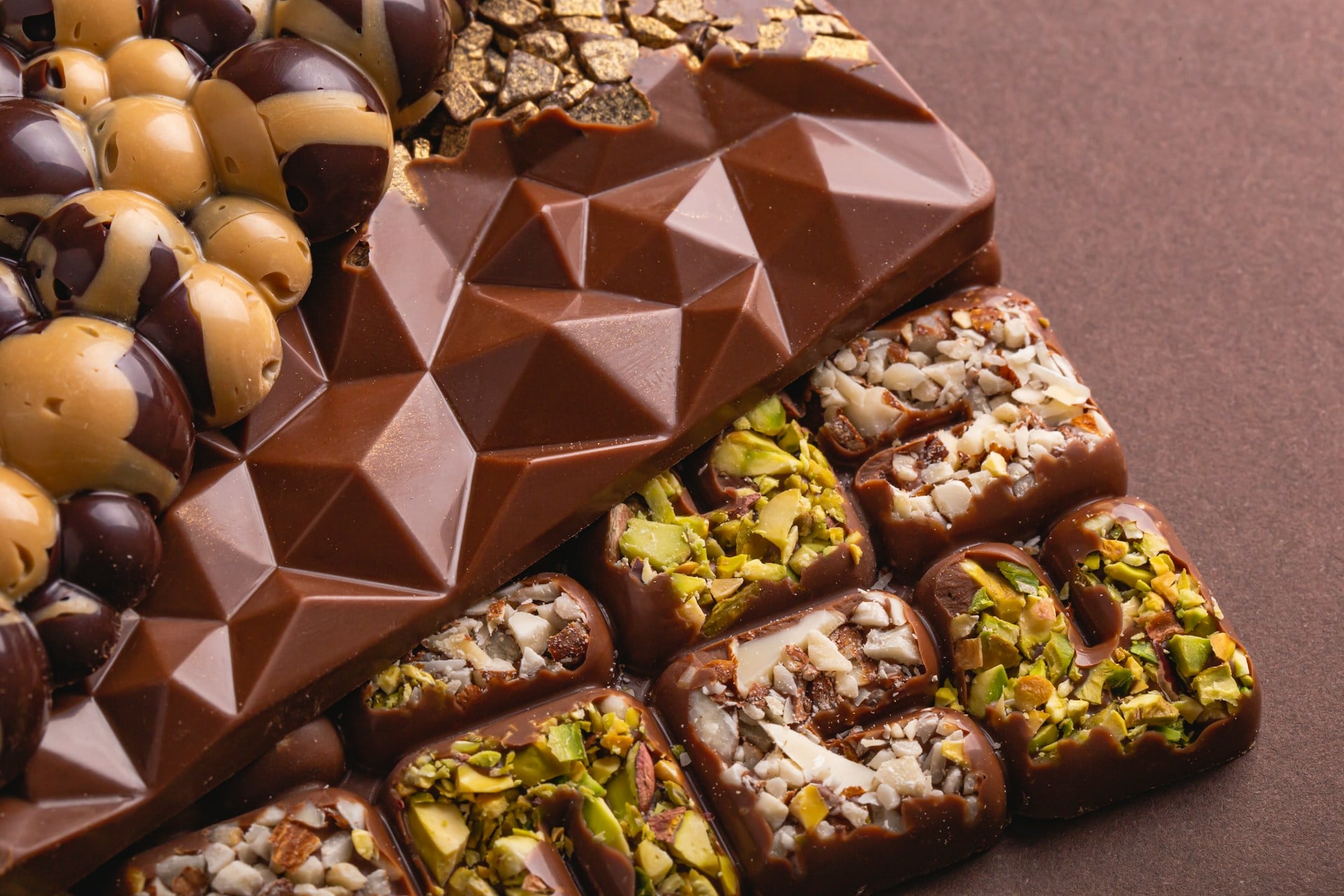
Chocolate’s journey from a precious commodity to a pantry essential is a tale of industrialization meeting emotional need. Historically, chocolate was an expensive import, often reserved for holidays, gifts, or very special desserts. Breakthroughs in mass production during the 19th and 20th centuries dramatically lowered costs, making chocolate confections affordable for the average consumer. It then began to infiltrate daily life not just as a candy bar, but as a fundamental baking ingredient in the form of chips and cocoa powder, and as a spread for everyday sandwiches. Beyond accessibility, chocolate’s powerful association with pleasure, reward, and comfort cemented its everyday role. It became the go-to for a small moment of solace, a lunchbox surprise, or a baking project, shedding its exclusive status to become a universal token of small, daily joys.
Chicken Wings: From Nose-to-Tail Scrap to Game-Day Every Day
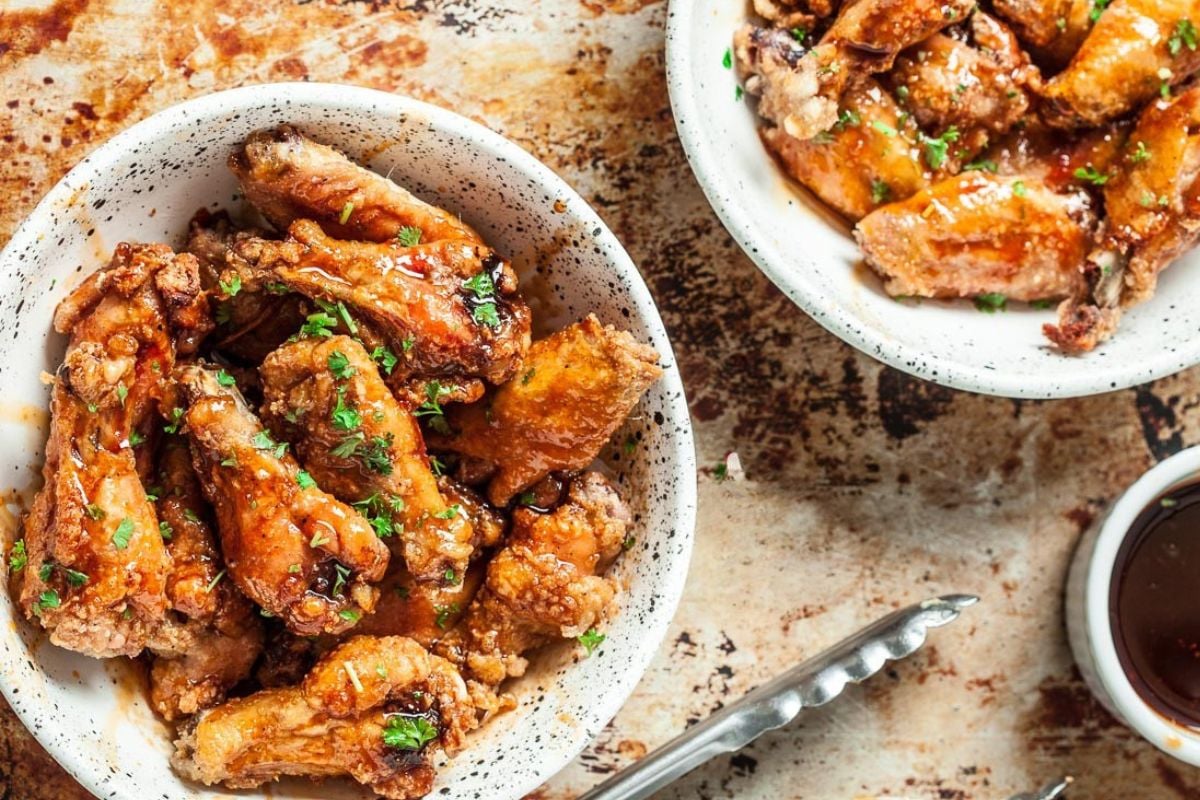
The chicken wing’s ascent is a remarkable reversal of fortune, transforming from a throwaway scrap to a beloved weekly feast. Once considered a low-value part of the bird, often used for stock, wings found their first fame as a cheap, savory offering in bars and at sporting events. Their path to the home kitchen was paved by cultural shifts and kitchen tech. The national obsession with “game day” flavors, especially Buffalo sauce, created huge demand. Simultaneously, the popularization of home deep fryers and, more recently, air fryers gave home cooks the tools to easily achieve the crispy, restaurant-style texture everyone craved. The grocery industry completed the transformation by offering wings pre-seasoned, pre-cut, and ready for the oven or air fryer, making what was once a bar-food novelty a simple, regular dinner option.
Pasta: From Sunday Gravy to Weeknight Savior
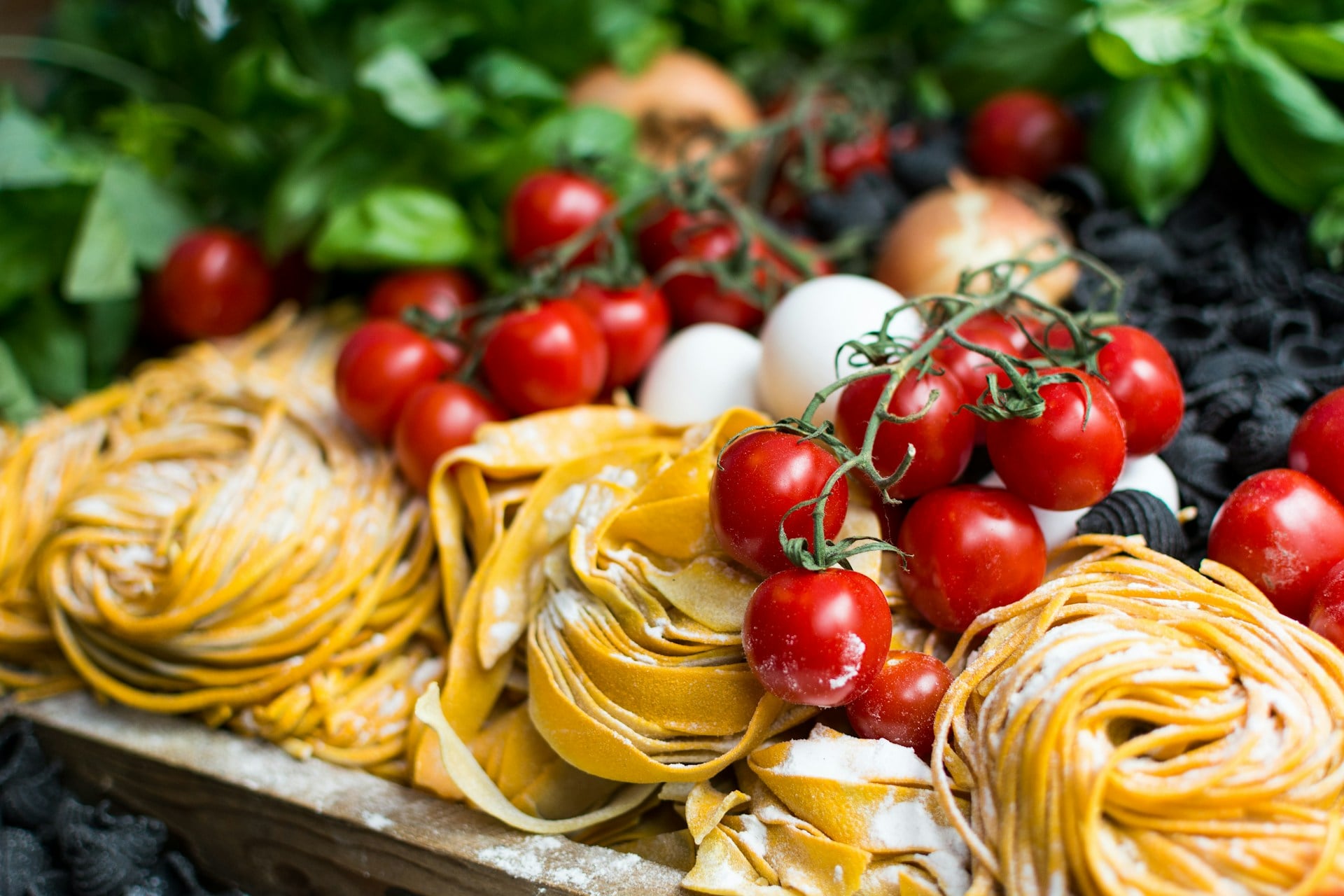
Pasta’s evolution from a centerpiece of long, family-centered meals to a quick, utilitarian dinner staple mirrors the acceleration of daily life. In many immigrant traditions, pasta was the star of a leisurely Sunday dinner, simmered for hours with rich sauces. Its shift began with its undeniable practical virtues: extreme affordability, a nearly infinite shelf life, and incredible versatility. As dual-income households became the norm and weeknights grew more rushed, pasta emerged as the perfect solution—a filling base that could be on the table in 15 minutes. The concurrent improvement in quality and variety of jarred sauces provided instant flavor without hours of cooking. What was once a dish signaling family and time became synonymous with speed, ease, and adaptability, securing its place as the reliable workhorse of the modern pantry.
Breakfast Cereal: From Health Food Novelty to Morning Autopilot
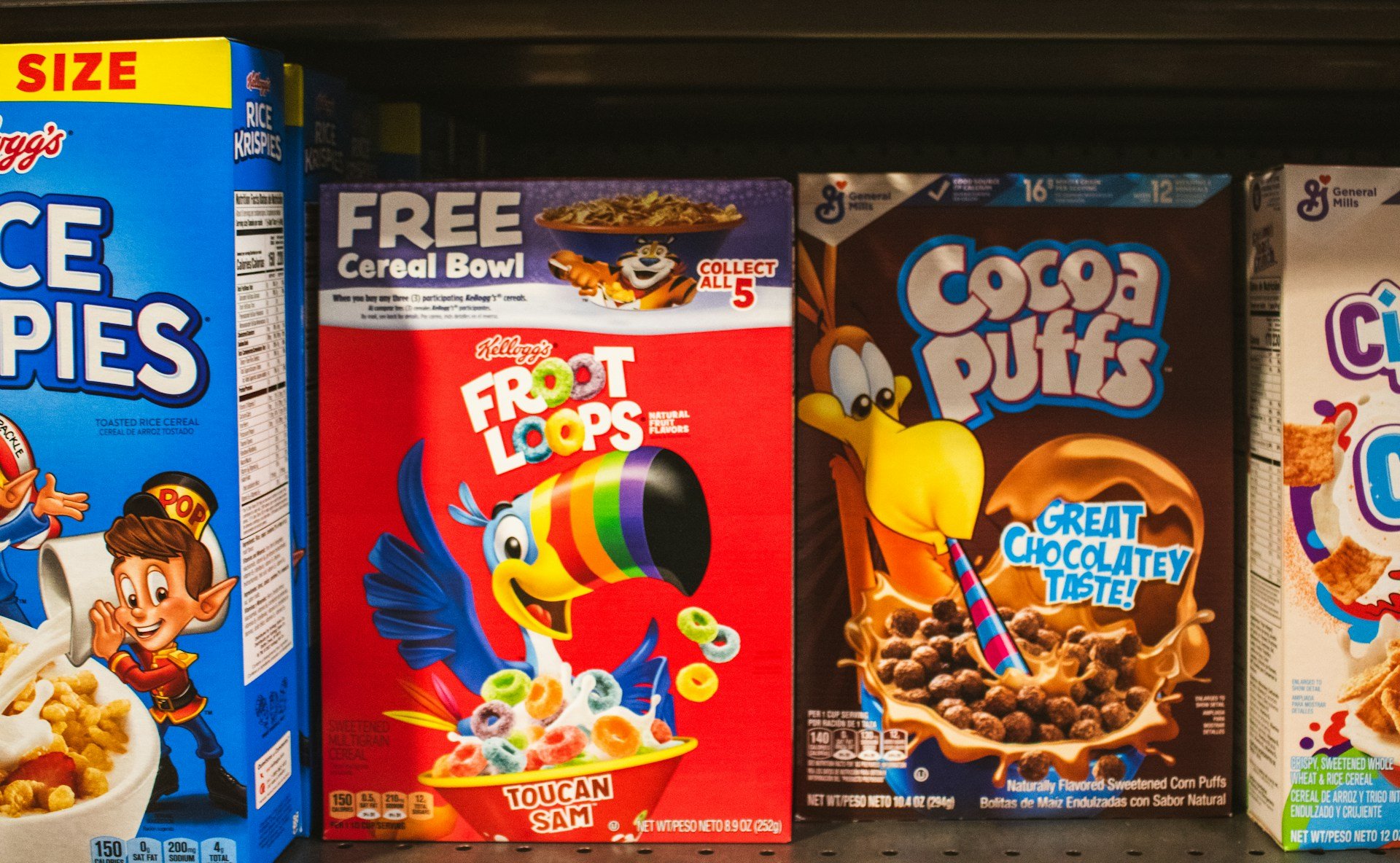
Breakfast cereal’s story is one of marketing and convenience reshaping the most important meal of the day. It began in the late 19th century as a dense, grain-based health food for sanitarium patients. Through aggressive early advertising, it was rebranded as a wholesome, modern breakfast. Its true rise to daily dominance, however, was fueled by the 20th century’s hurried mornings. Requiring no cooking or cleaning, cereal was the ultimate fast food for the family breakfast table. Innovations in packaging (like the inner bag) ensured long shelf life, while relentless marketing to children and adults alike—promising both nutrition and fun—solidified its cultural footprint. It transitioned from a novel, health-conscious choice to the default, almost automatic option for millions of rushed mornings.
Peanut Butter: From Elite Health Food to Pantry Patriot
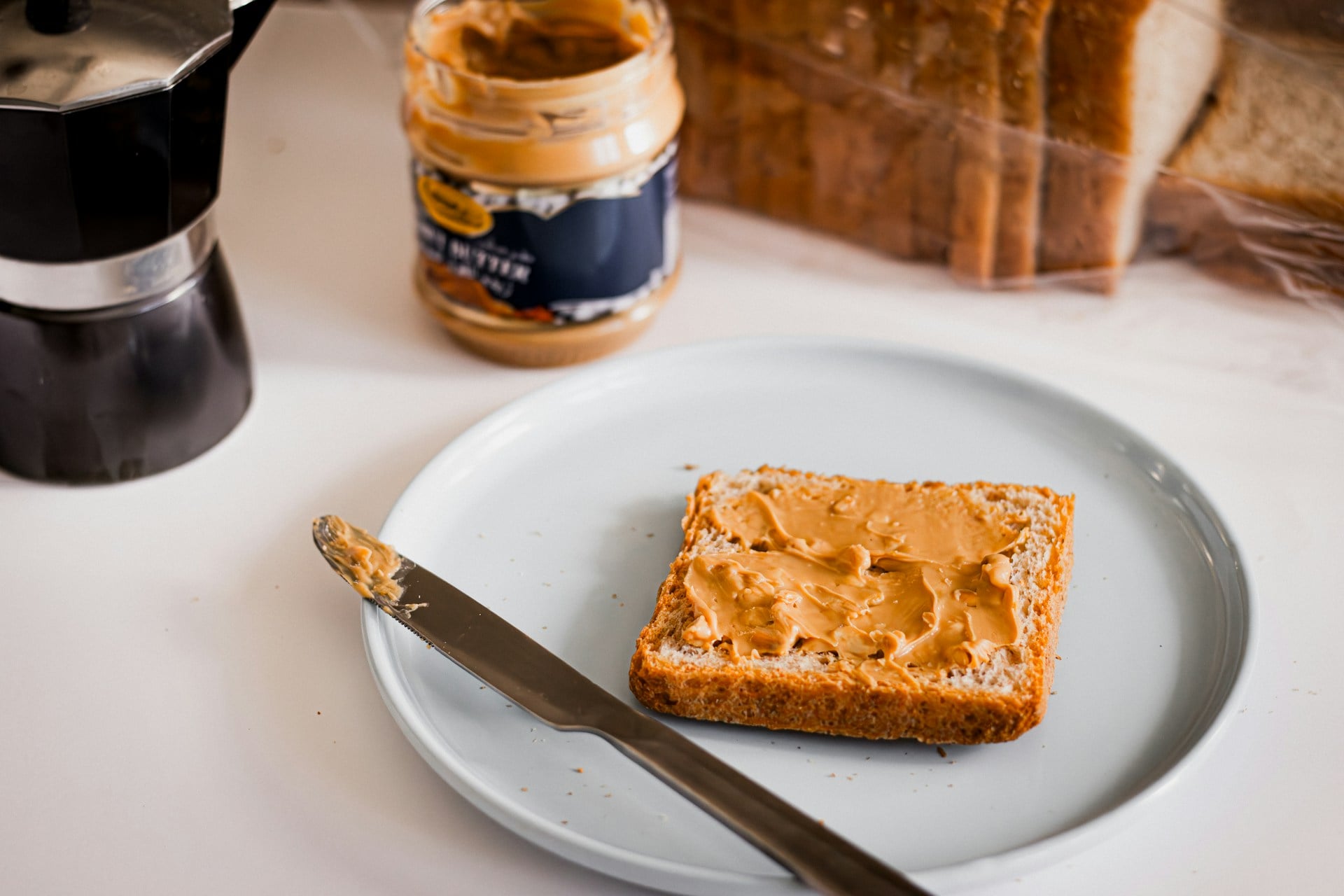
Peanut butter’s path to ubiquity is uniquely American, tied to war, economic pressure, and sheer practicality. Originally promoted as a protein-rich health food for the wealthy in the early 1900s, it found its true calling during the Great Depression and World War II as an affordable, shelf-stable, and nutritious source of fat and protein for struggling families. Its pairing with inexpensive white bread created the iconic PB&J, a lunchbox staple that required zero culinary skill. Its incredible versatility—equally at home in cookies, sauces, smoothies, or on a spoon—ensured it was never just for sandwiches. Valued for its comfort, nostalgia, and sheer utility, peanut butter transformed from a specialty item into a foundational, beloved pantry patriot.
Yogurt: From Fad Diet Food to Mainstream Must-Have

Yogurt’s makeover from a fringe health food to a refrigerator staple is a masterclass in how packaging and positioning can change eating habits. For much of the 20th century, yogurt in America was a tart, plain food associated with “health faddists” and immigrant diets. Its transformation began with the introduction of sweetened, fruit-on-the-bottom varieties, which made it palatable to a mass audience. The real game-changer was the switch to single-serve plastic cups, which made yogurt portable, convenient, and perfectly portioned for on-the-go eating. As nutritional science highlighted the benefits of probiotics and protein, yogurt’s marketing shifted from niche to essential, promoting it for digestion, weight management, and bone health. It successfully rebranded from a oddity to an everyday necessity for breakfast, snacks, and cooking.
Frozen Meals: From TV Dinner Novelty to Time-Management Tool
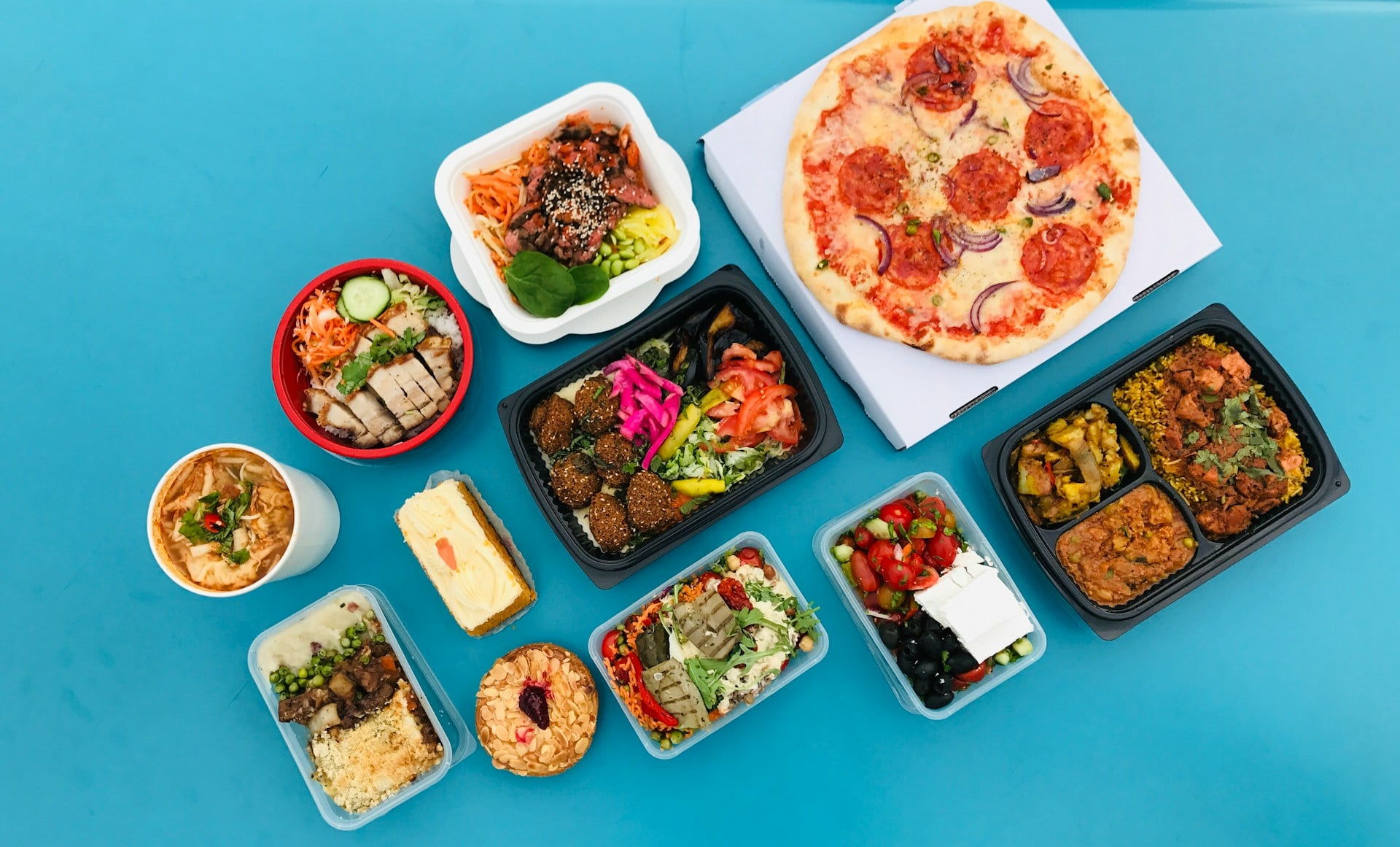
The frozen meal’s journey reflects the changing American definition of “home cooking.” Introduced in the 1950s as a futuristic novelty (most famously the Swanson TV Dinner), early versions were often mushy and bland, reinforcing their use for rare, convenience-only nights. As microwave ovens became ubiquitous in the 1980s, frozen meals found their perfect partner, offering a hot “home-cooked” meal in minutes without any prep or cleanup. The category exploded, diversifying far beyond fried chicken and corn to include gourmet-inspired bowls, international cuisines, and options catering to every diet. No longer a last resort, the frozen meal aisle is now a strategic tool for meal planning, a reliable solution for busy weeknights that has fundamentally normalized the idea of a fully pre-prepared dinner.
Snack Bars: From Niche Fuel to All-Purpose Life Hack
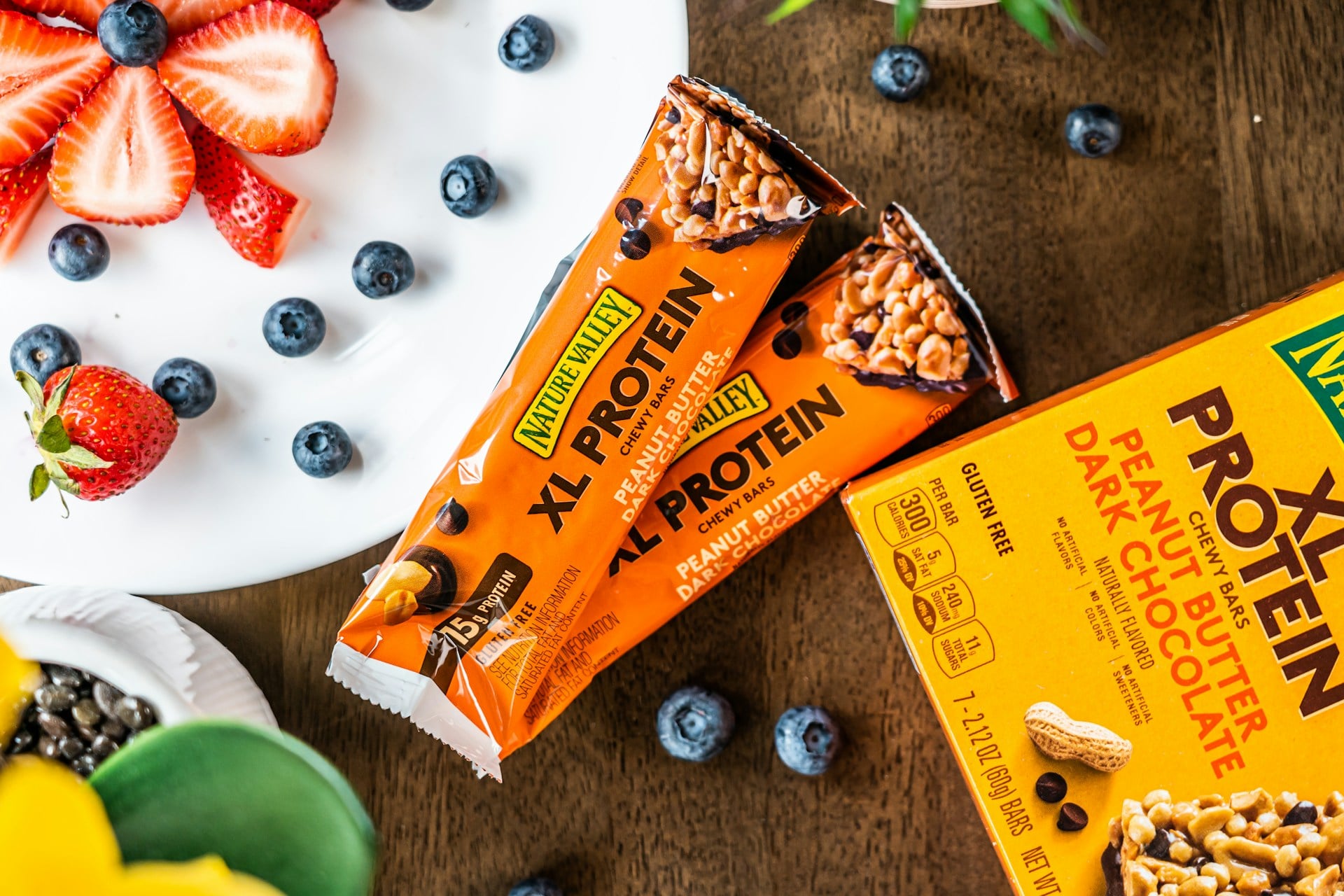
Snack bars epitomize the modern shift from three square meals to all-day grazing. They began as dense, unappetizing blocks of grains and nuts, designed strictly for hikers, bodybuilders, and dieters. Their rise to omnipresence is directly tied to the erosion of the traditional meal schedule. As commutes lengthened and desk-bound workdays limited lunch breaks, people needed portable, non-perishable, mess-free sustenance. The industry responded with an endless array of flavors and formats—chewy granola bars, protein-packed paleo bars, fruit-and-nut bars—each marketed as a healthy, balanced mini-meal. By successfully branding themselves as both a responsible breakfast alternative and a virtuous afternoon snack, snack bars evolved from specialized fuel into an all-purpose life hack for managing hunger in a perpetually busy world.