These 9 fruits have the Most Soluble Fiber for Health and Weight Loss

Fiber is more than just a dietary buzzword; it’s a fundamental nutrient with profound benefits for digestion, heart health, and maintaining a healthy weight. Found abundantly in fruits, this indigestible plant-based carbohydrate acts like an internal broom and a nurturing balm as it moves through your system. But not all fiber is the same. There are two key types: soluble fiber, which dissolves in water to form a gel that helps regulate blood sugar and cholesterol, and insoluble fiber, which adds bulk to stool and keeps digestion running smoothly. By incorporating a variety of fiber-rich fruits into your diet, you can harness the unique strengths of both. Here are nine standout fruits that are particularly powerful allies for your health.
Plums: The Versatile Source of Antioxidants and Minerals
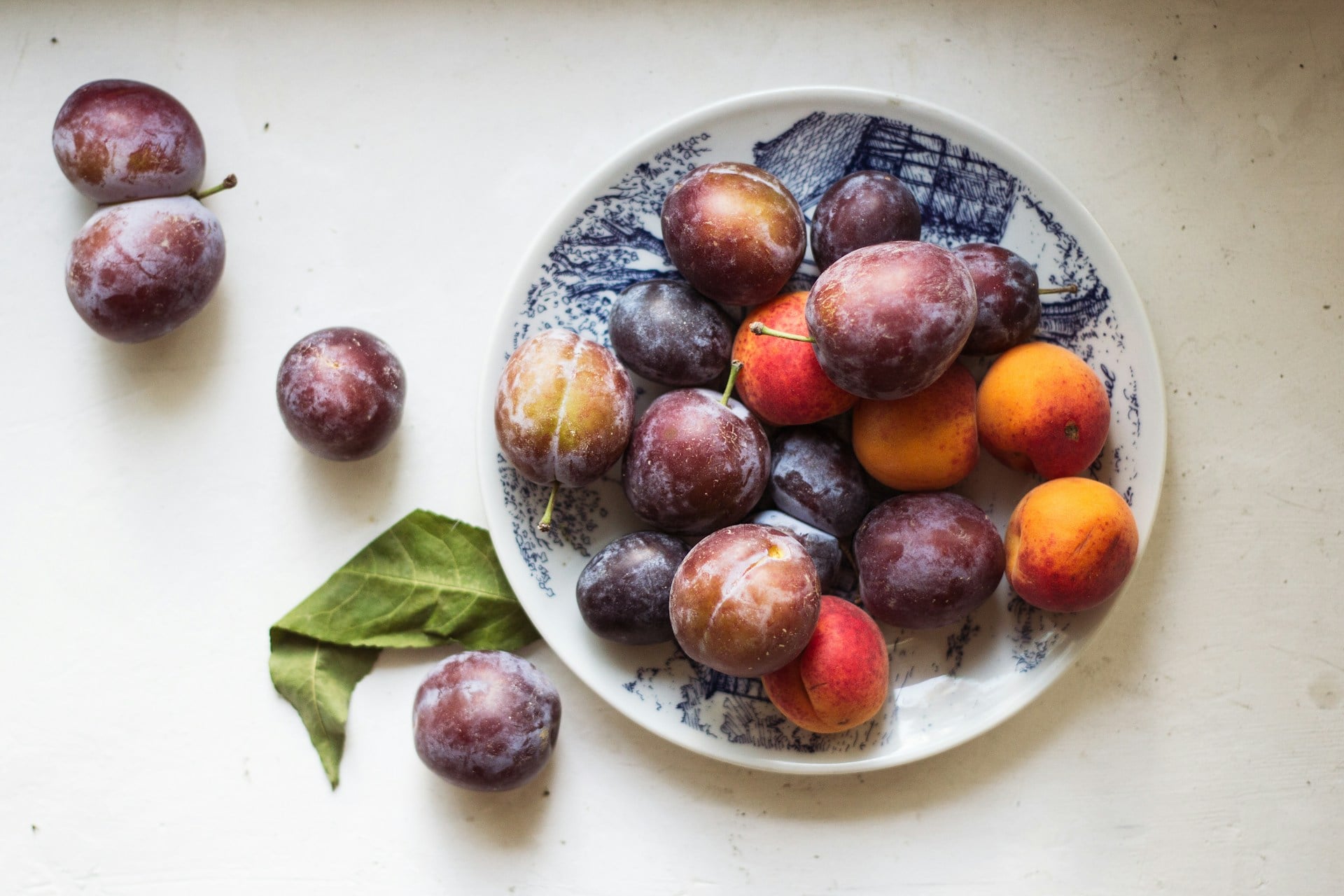
Plums offer a deep, rich color that signals a high concentration of beneficial plant compounds and antioxidants. They are also a good source of essential minerals like potassium, which supports heart health, and magnesium, which is involved in hundreds of bodily processes. Their versatility is a major bonus; plums can be enjoyed raw for a quick snack or transformed through grilling, poaching, or roasting, which enhances their sweetness and makes them an elegant addition to both sweet and savory dishes
Apples: The Ultimate All-in-One Health Snack
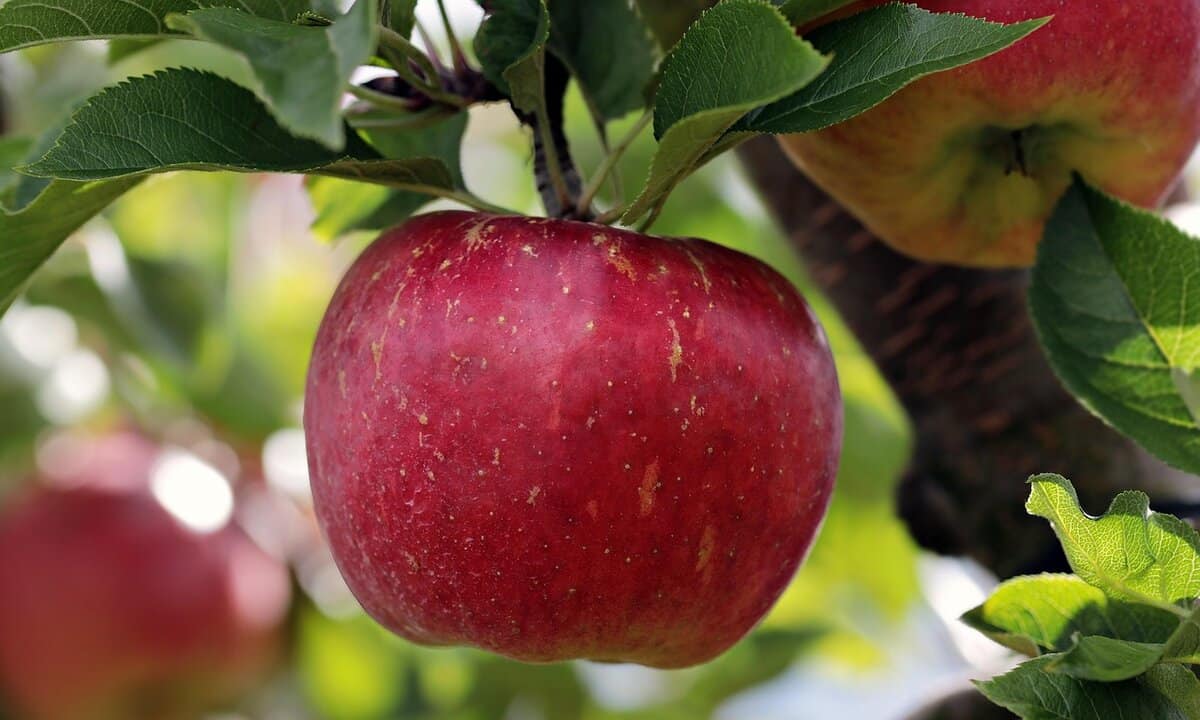
The saying “an apple a day” is rooted in real science. This convenient, self-contained snack is a true multi-tasker for health. Apples provide a good dose of fiber (particularly pectin), hydration, and a range of phytonutrients. Research has linked apple consumption to benefits for heart health, blood sugar management, gut health, and reducing inflammation. Their portability and satisfying crunch make them nature’s ideal, ready-to-eat package for promoting overall wellness.
Oranges: The Classic Citrus for Immunity and Heart Health
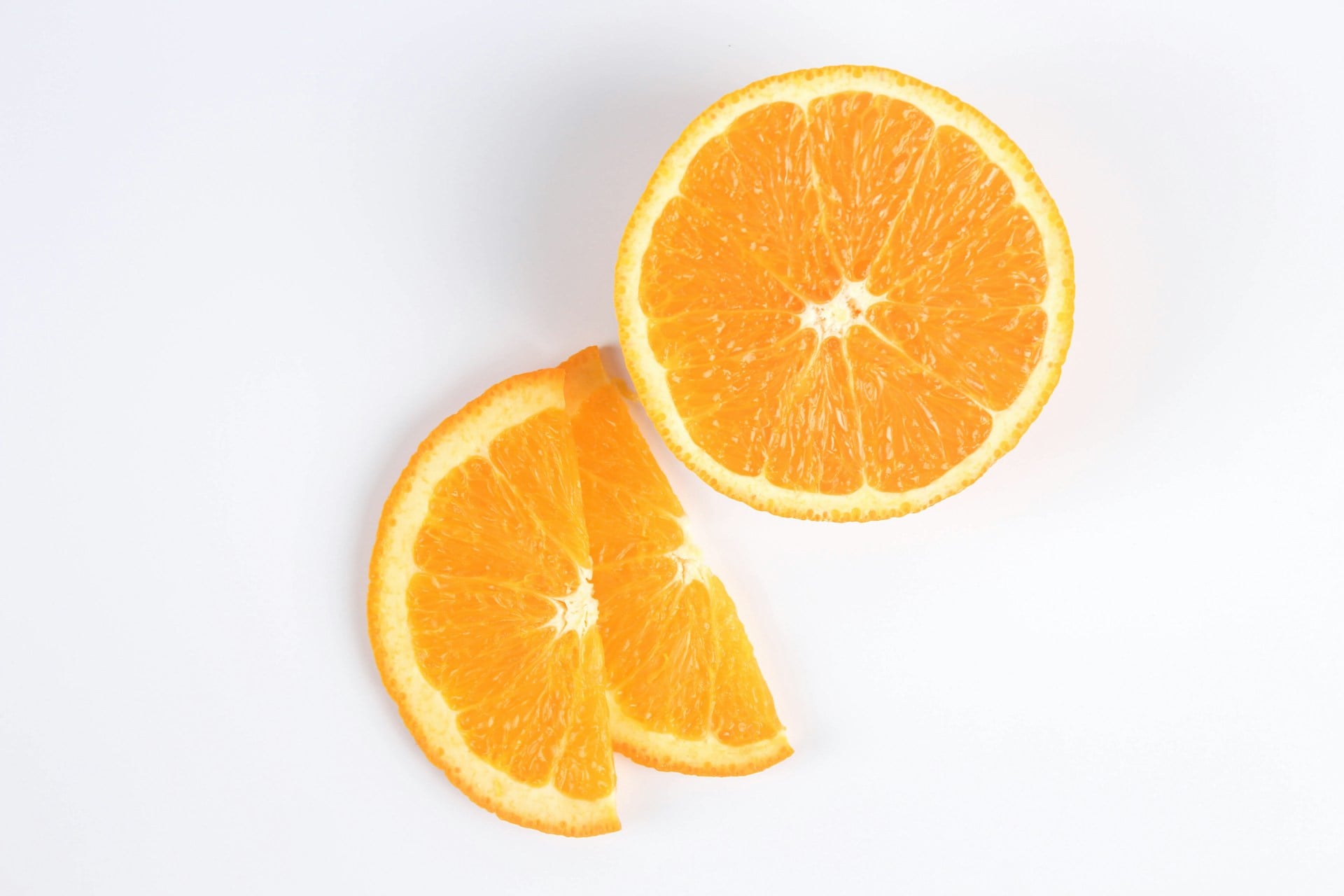
The humble orange is a winter staple for good reason. Beyond its famous vitamin C content—crucial for immune function and collagen production—it’s an excellent source of potassium. This essential mineral works to counteract sodium, helping to regulate blood pressure and maintain healthy fluid balance in the body. The fruit’s natural sweetness and high water content also provide hydration and satisfy sugar cravings in a healthy way. Furthermore, oranges are a noteworthy source of calcium among fruits, contributing to bone health with every juicy segment.
Apricots: The Nutrient-Dense Powerhouse

Don’t let their small size fool you—apricots are a concentrated source of nutrition. They are notably low in calories yet rich in a symphony of antioxidants, including immune-boosting vitamin C, skin-protecting vitamin E, and vision-supporting compounds like lutein and zeaxanthin. Their vibrant orange color comes from beta-carotene, which the body converts to vitamin A. Beyond vitamins, apricots also make the list for being one of the fruits with the most protein and iron, making them a surprisingly substantial snack that supports energy levels and overall vitality.
Grapefruit: The Tangy Aid for Digestion and Fullness

Grapefruit is celebrated for its juicy, tangy flavor and its association with health. Like other citrus, it’s rich in vitamin C, but it offers a special fiber bonus. The membranes separating each segment are particularly rich in pectin, a valuable type of soluble fiber. Consuming these membranes (rather than just the juice) can enhance feelings of satiety and help moderate blood sugar levels. Its refreshing taste makes it a perfect breakfast side or a bright addition to salads.
Mango: The Tropical Champion of Soluble Fiber
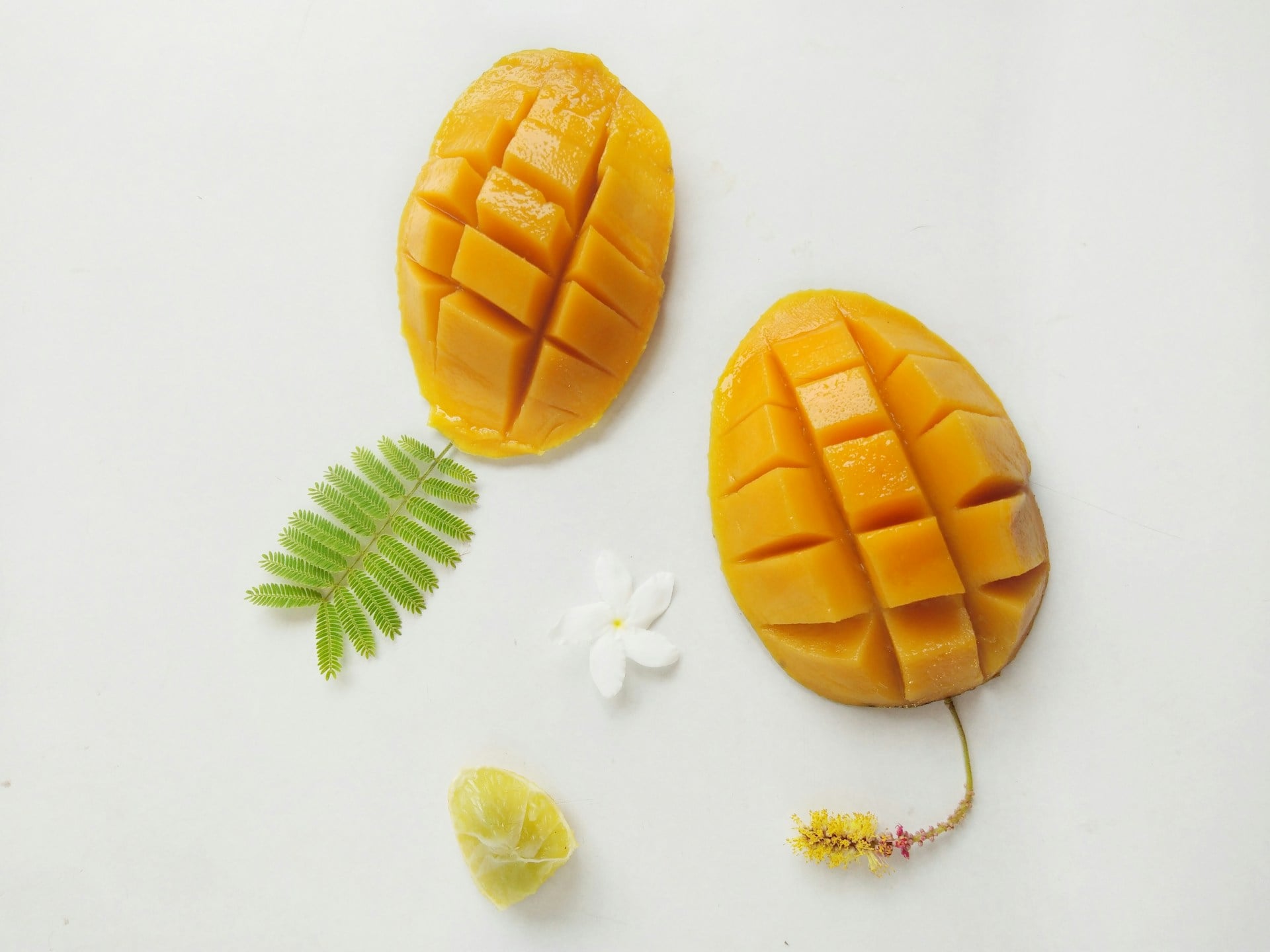
Mango stands out in the fruit world for its exceptional soluble fiber content. While many fruits contain fiber, mango is particularly rich in the soluble type, which forms a gel-like substance in the gut. This helps slow digestion, promote feelings of fullness, and support healthy blood sugar and cholesterol levels. Just one cup of this tropical delight also delivers a remarkable 67% of your daily vitamin C needs. Its luscious sweetness makes it an easy and delicious way to boost your fiber intake significantly.
Dried Figs: The Satisfying, Energy-Boosting Snack
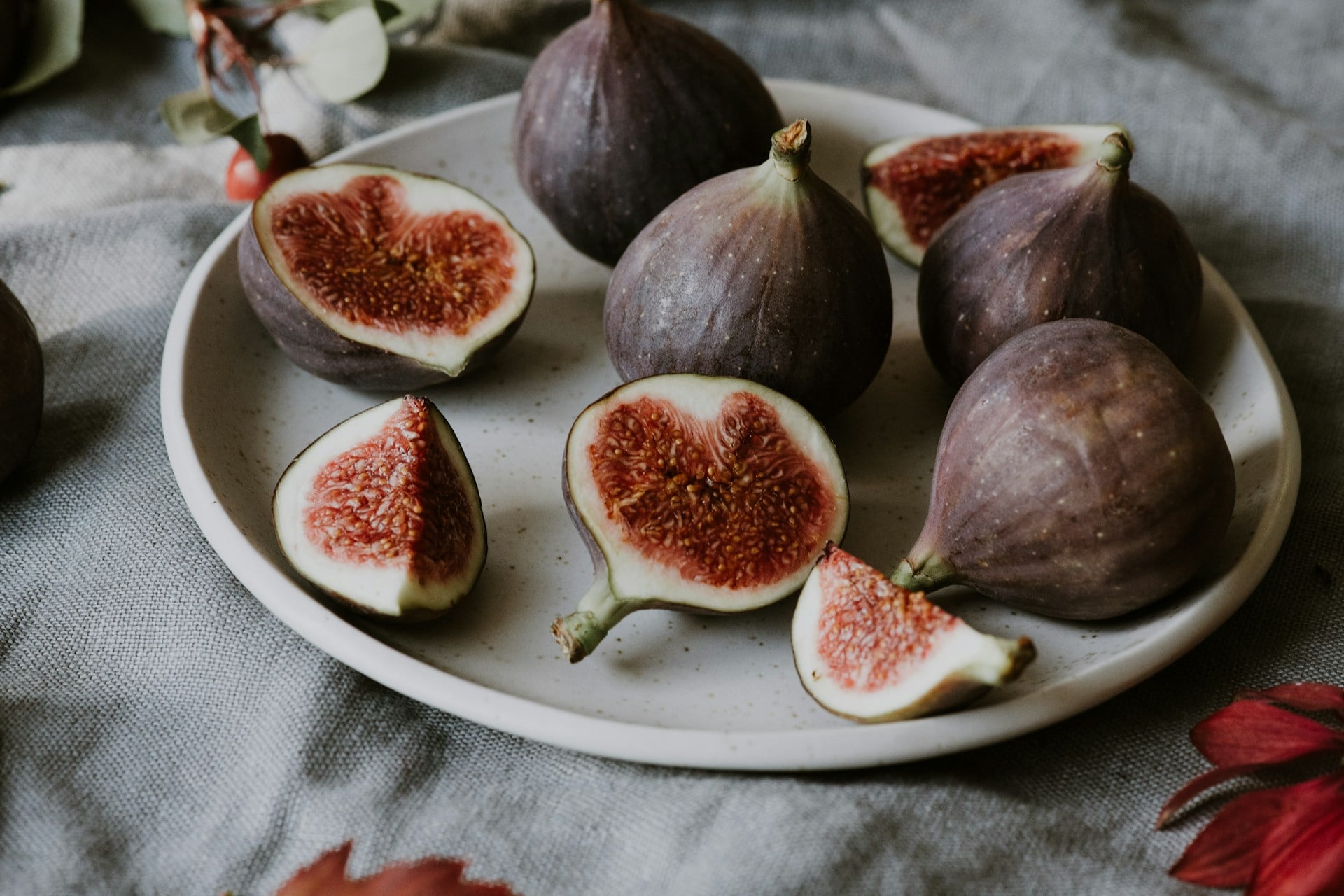
A staple of the Mediterranean diet for centuries, dried figs are a unique and satisfying sweet treat. Researchers praise their chewy flesh and tiny seeds, which provide a pleasant, subtle crunch. This combination of texture and natural sweetness makes them an excellent alternative to processed snacks. Figs are among the fruits highest in natural sugars, offering a quick and healthy source of energy. They are also packed with fiber and minerals, making them a nutrient-dense choice for a sustained energy boost.
Strawberries: The Vitamin C Superstar
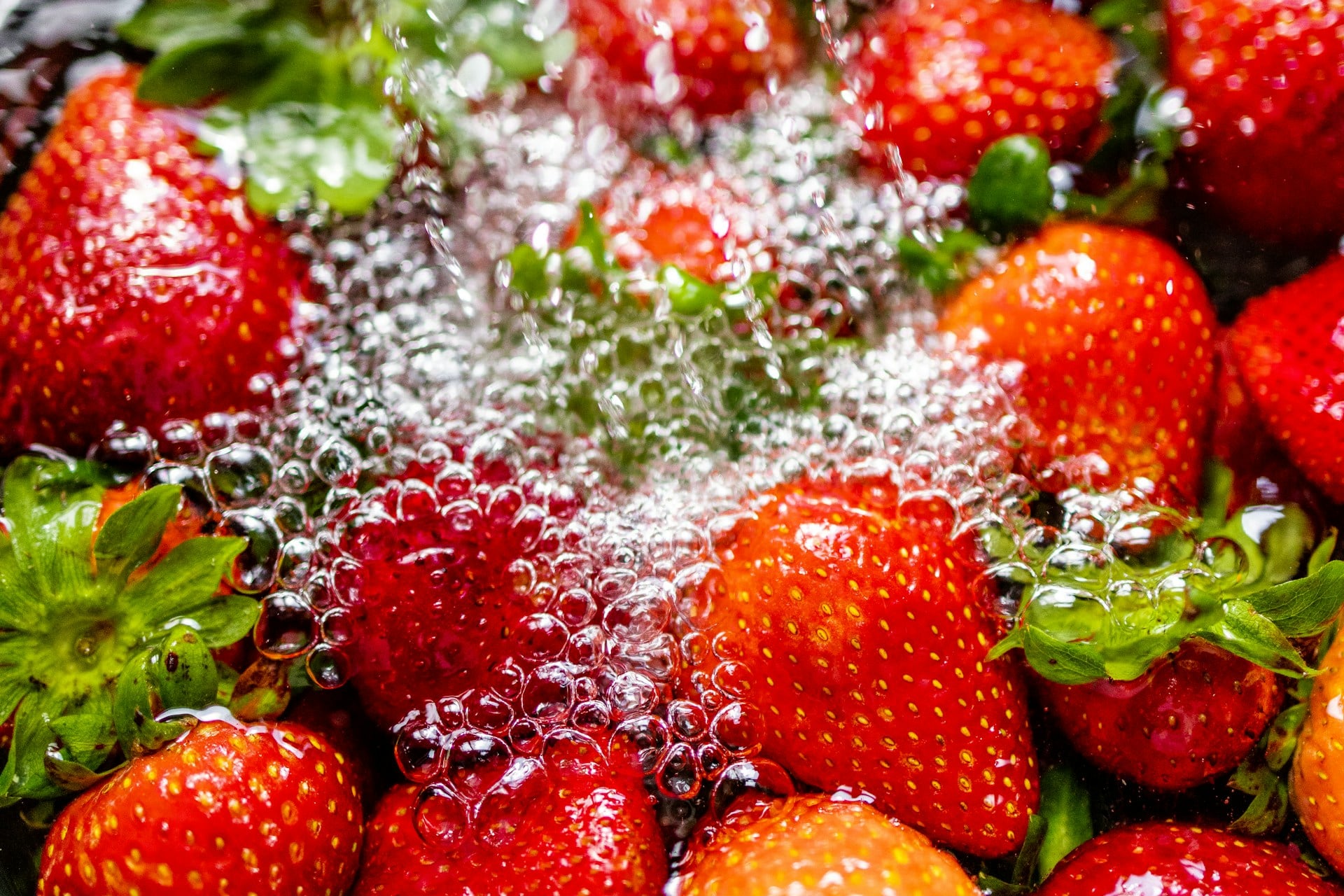
Strawberries are the jewel of summer, but their benefits are available year-round. Remarkably, a one-cup serving contains more vitamin C than an orange, powerfully supporting immunity and skin health. Dietitians often recommend eating about eight strawberries a day to reap these benefits. The great news is that frozen strawberries are just as nutritious as fresh, making this antioxidant-rich fruit an affordable and accessible option for smoothies, oatmeal, or a frozen treat in any season.
Pears: The Secret Weapon for Fiber Goals

Pears are a dietitian’s secret weapon for effortlessly increasing daily fiber intake, especially when eaten with the skin on. They provide a perfect balance of soluble and insoluble fiber, which aids digestion and promotes long-lasting fullness. Their natural sweetness makes them incredibly versatile: enjoy one as a portable snack, chop one into a salad or grain bowl for a sweet crunch, or roast them to caramelize their sugars for a simple, healthy dessert. They’re a delicious tool for meeting and exceeding your daily fiber targets.
Incorporating this colorful variety of fruits into your weekly routine is a delicious and effective strategy to boost your fiber intake and harness a wide spectrum of vitamins, minerals, and antioxidants. Each fruit brings its own unique set of benefits to the table, supporting your health from the inside out.
Which of these fiber-rich fruits is your favorite to include in your diet?