Longevity expert warns against eating these 5 poisonous Ps

The foods we often turn to for comfort and convenience may come with a hidden long-term cost. Common staples like pizza, pasta, and white bread are often made with heavily refined ingredients that can quietly undermine metabolic health, promote inflammation, and accelerate aging when consumed regularly. Understanding the specific risks associated with these everyday choices is the first step toward making informed decisions that support longevity and vitality.
Bread: The Hidden Sugars in a Daily Staple

Commercial white bread is a major source of refined carbohydrates in many diets. The milling process removes the grain’s most nutritious parts—the bran and germ—leaving behind mostly starch that the body converts quickly to sugar. To make matters worse, many loaves contain added sugars to improve texture and shelf life, contributing to metabolic dysfunction even when the bread doesn’t taste sweet. A 2024 study from UC San Francisco found that consuming foods with added sugar was directly associated with accelerated biological aging. Fortunately, better options exist. Breads made from 100% whole grains retain their fiber and nutrients, which slow digestion. Genuine sourdough bread, through its fermentation process, also has a lower glycemic impact. The key is to move away from ubiquitous white bread and become a selective label-reader, choosing loaves where “whole grain” is the first ingredient and added sugars are absent.
Pasta: How Preparation Defines Its Health Impact
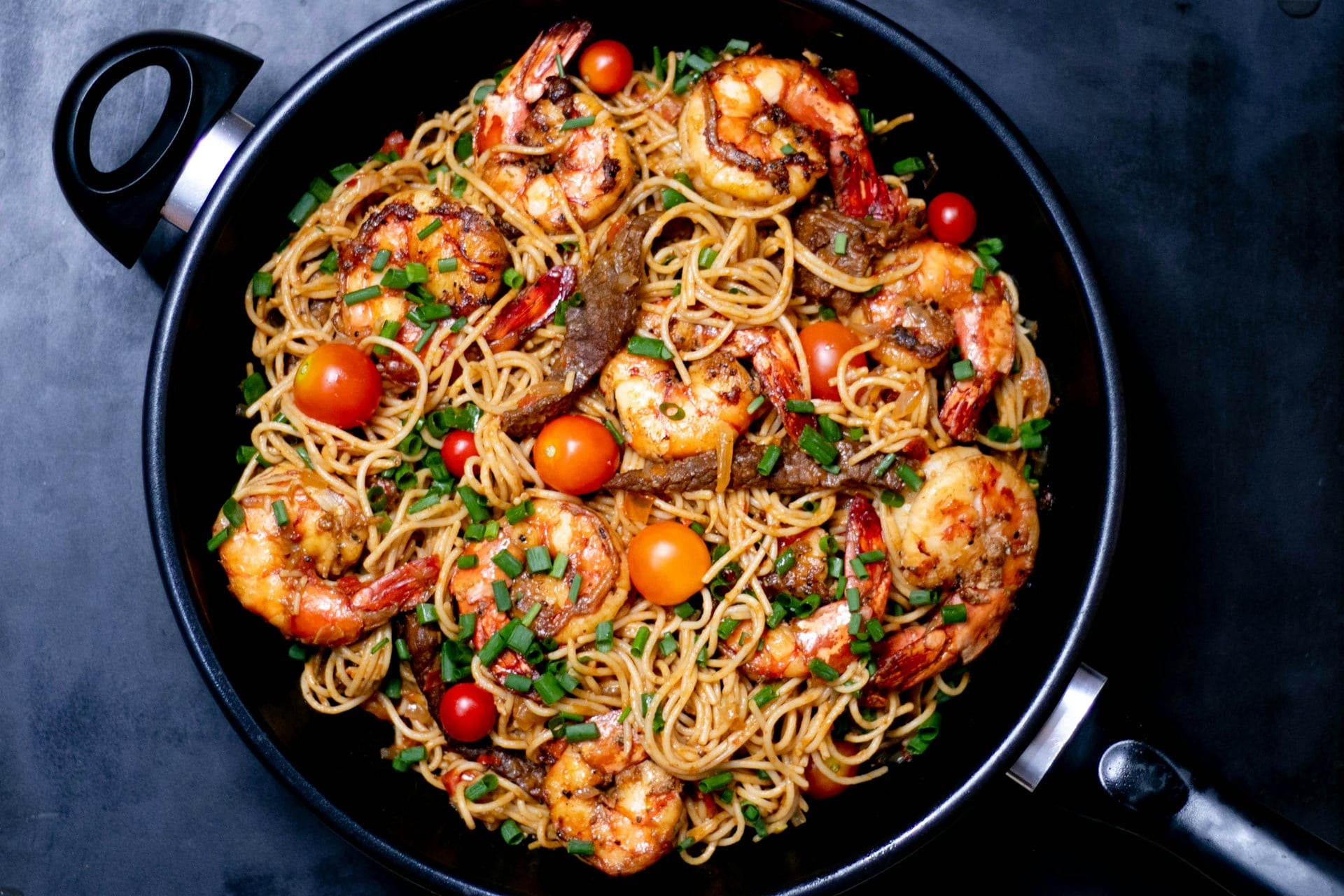
The health impact of pasta is a classic case where context is everything. Regular pasta made from refined white flour lacks the fiber, vitamins, and minerals found in its whole-grain counterpart, leading to quick digestion and blood sugar elevation. However, research suggests its compact structure can moderate this effect compared to other refined carbs like white bread. The true danger emerges from typical preparation: oversized portions served with heavy, creamy sauces or minimal vegetables. This combination delivers a high glycemic load with excess calories and saturated fat. Studies have linked high consumption of refined carbohydrates, including pasta in unhealthy preparations, to decreased odds of healthy aging. Choosing whole-grain varieties, strictly controlling portion size, and pairing it with fiber-rich vegetables and lean proteins can transform pasta from a metabolic challenge into a more balanced meal.
Processed Meats: A Strong Link to Increased Mortality

Among all dietary factors, processed meats stand out for their well-established association with increased mortality risk. This category includes deli meats, sausages, hot dogs, and bacon—products preserved with nitrates, loaded with sodium, and high in saturated fats. A major 2024 Harvard study tracking over 114,000 adults for decades identified processed meat as the food most strongly linked to all-cause mortality. The mechanisms are clear: the compounds in these meats promote systemic inflammation, damage blood vessels, and can contribute to the development of heart disease and certain cancers. They are a prime example of an “ultra-processed” food, with a 2025 global study attributing over 124,000 premature deaths in the U.S. to such products. Limiting these meats is not about rejecting protein but about choosing healthier sources like fish, legumes, and unprocessed lean meats.
Pizza: The Modern Fast Food Staple’s Metabolic Toll

Modern pizza has evolved far beyond its simple origins into a dish dense with refined carbohydrates and processed ingredients. The primary concern lies in the refined white flour crust, which is stripped of fiber and digests rapidly, causing sharp spikes in blood sugar and insulin. This consistent metabolic stress is a key contributor to insulin resistance over time. Compounding the issue are typical toppings: excessive amounts of high-sodium cheeses and processed meats like pepperoni and sausage, which are linked to inflammation and cardiovascular strain. While an occasional slice can be part of a balanced diet, the regular consumption of commercial pizza—with its triad of refined crust, fatty cheeses, and processed meats—poses a significant risk for weight gain, type 2 diabetes, and heart disease.
Potatoes: A Nutrient-Dense Vegetable Derailed by Processing

In their whole, unadulterated form, potatoes are a nutritious food, providing vitamin C, potassium, and fiber. The serious health risks arise from how they are typically prepared and consumed in Western diets. When potatoes are deep-fried into French fries or chips, soaked in butter and cream for mash, or processed into packaged snacks, they become vehicles for unhealthy fats, excessive salt, and acrylamide—a harmful compound formed during high-temperature cooking. These processing methods also dramatically increase their glycemic index, leading to rapid blood sugar spikes. Therefore, the potato itself is not the enemy; it is the transformation into calorie-dense, nutrient-poor junk food that associates it with poor health outcomes. Enjoying boiled, roasted, or baked potatoes with their skin intact, in moderate portions and as part of a vegetable-rich meal, offers their nutritional benefits without the downsides.
The overarching message from longevity science is not about imposing strict bans on favorite foods, but about cultivating awareness. These common staples become problematic when they form the habitual backbone of one’s diet. By understanding their risks, opting for less-processed versions, practicing conscious moderation, and balancing them with whole foods like vegetables, fruits, and lean proteins, we can enjoy our meals while actively investing in a longer, healthier life.
What is one change you could make to enjoy these foods in a healthier way?